Storia
The agricultural estate at Cerasa
The Feudo di Cerasa once extended over 500 hectares. Its principal activities were cereal cultivation and livestock farming, while its vines supplied wine for family consumption rather than a commercial winery.
The great-grandfather and the First World War
The family's winemaking tradition reaches back to Francesco Guccione's great-grandfather. During the First World War, pressure and raids connected with the grain black market led him to expand the cultivation of wine grapes. He converted part of the estate buildings into a cellar, moving the farm beyond wine intended solely for household use. That cellar was subsequently destroyed by the Belice earthquake.
The great-grandfather also introduced Nerello Mascalese to Cerasa, intending to vinify it together with Perricone. This established a local family precedent for combining the two varieties.
Continuity through the grandparents and Leoluca Guccione
Francesco Guccione's grandmother kept the memory of wine production at Cerasa alive through stories that inspired his childhood ambition to make wine there again. Following the grandparents, responsibility for the farm passed to Francesco's father, Leoluca Guccione.
Leoluca continued cultivating the vineyard but sold its grapes to small-scale winemakers who maintained the custom of producing wine at home for personal consumption. The grapes attracted buyers from as far away as Calabria. Many customers belonged to the generation that had moved to cities during the 1960s and 1970s in search of better opportunities while retaining older food and winemaking traditions.
Vineyard renewal
The present Trebbiano vineyard was planted in 1987. Technical records identify 2005 as the planting year for the present Catarratto, Perricone and Nerello Mascalese plantings.
Return to estate vinification and biodynamics
Before resuming production, Francesco combined the farming practice inherited from his father with studies, reading and practical experience in biodynamic agriculture. An encounter with Nikolai Fuchs proved decisive: agriculture was presented to him as an intimate and perceptive activity rather than an inaccessible, purely technical science. Francesco recognized in this approach the relationship with farming that he had experienced since childhood.
In 2005, the family formally resumed vinifying its own grapes, convinced of Cerasa's potential for winegrowing. Two years after this first renewed vinification, the estate's Trebbiano received the highest recognition awarded by the Gambero Rosso guide.
Francesco now cultivates land passed down through the family. Although Cerasa lies within the territory of DOC Monreale, he chose not to join the denomination. The estate instead became associated with La Renaissance des Appellations, an international grouping of biodynamic producers formed around the restoration of terroir-based meaning to appellations. Consequently, some Guccione wines are released outside both DOC and IGT classifications.
Terroir
Location and elevation
The estate's agricultural heart is in Contrada Cerasa, between San Cipirello and Piana degli Albanesi, within the municipality of Monreale in Sicily. The current vineyard description places it at 500 metres above sea level. The winemaking cellar is at Corso Trieste 46 in San Cipirello.
Climate
Winters are mild and rainy. Spring and summer receive little rainfall, and summer is very hot with rain practically absent. Ripening is accompanied by a broad difference between daytime and nighttime temperatures.
The dry summer conditions reduce disease pressure and therefore the number of plant-protection treatments. They also create a need to retain the winter rainfall stored in the ground. Extreme heat can open fissures in the soil, increase evaporation and heighten fire risk, shaping the estate's dry-farming and soil-management practices.
Soils
The estate describes its soils generally as predominantly clayey and silty. Technical vineyard profiles distinguish two compositions:
- The Trebbiano planting has 58% clay, 29% lime and 13% sand.
- The Catarratto, Perricone and Nerello Mascalese plantings have 66% clay, 19% lime and 15% sand.
All of the profiled plantings have an east–west orientation. The combination of altitude, clay-rich soils, low summer rainfall and substantial diurnal variation forms the physical basis of the estate's interpretation of Cerasa.
Vinificazione
Organic and biodynamic framework
The wines are identified as certified organic and biodynamic, and the farm follows biodynamic principles as both an agricultural method and a way of living. Soil vitality, microbial life and biodiversity are central objectives.
Biodynamic preparations 500 and 501 are used. Natural fertilizers and compost-based preparations support soil microorganisms, while green manure made from spontaneous herbs and legumes helps preserve biodiversity even while the vines are dormant. Massal selection is used to respect and expand genetic diversity within the vineyards. Chemically synthesized compounds and vines produced through genetic modification are excluded.
Dry farming and soil protection
The vineyards are not maintained under permanent, untouched grass cover. In Cerasa's very dry summers, such cover would increase fire danger, while extreme heat can produce fissures in the clay-rich ground. Surface ploughing is therefore used as a dry-farming measure: it closes heat-related cracks, reduces the evaporation of stored winter rainfall and allows the vines to ripen fruit without irrigation.
Plant protection
Low summer rainfall makes it possible to keep disease treatments to a minimum. Remedies are natural and conform to regulated organic standards. The few phytosanitary treatments are based on sulfur; a small quantity of copper is added only when conditions create an exceptional level of risk.
Biodiversity and mixed farming
The estate combines six hectares of vineyard with arable land, pasture and crop rotation. Horses graze freely on the non-vineyard land and form part of the farm ecosystem.
Harvest
Harvesting is entirely manual and may take place in one or several passes. Grapes are picked in the coolest part of the day, handled in small lots and brought to processing within two hours. Technical profiles specify 20 kg cases. Single-variety parcels are generally harvested in the second half of September, while multi-variety selections may be gathered throughout September as their components reach the required point of maturity.
Fruit handling and cellar equipment
Grapes are harvested by hand during the coolest hours, moved in small lots and processed no more than two hours after picking. The cellar works with a destemmer and pneumatic press. Vinification vessels are predominantly stainless steel, complemented by several large wooden vats.
An adaptive rather than fixed protocol
There is no single processing recipe. Decisions about skin maceration, maturation in wood and racking with exposure to air are made according to the fruit, the vintage and the developing wine. The aim is to handle the grapes delicately and preserve their relationship with the growing season and place.
Fermentation and maturation
Fermentations are spontaneous and rely on indigenous yeasts; laboratory-created yeast strains are excluded. Stainless steel is the principal fermentation and maturation material. The technical profiles also document 3,000-litre stainless-steel tanks and 3,000-litre oak vats, with maturation in the same vessel after fermentation. Parcel and harvest-time lots may be fermented separately in several steel tanks and assembled before at least one year of further stainless-steel maturation. Another documented method brings different varieties together progressively during harvest and fermentation, followed by separation from the skins and maturation in steel.
Additives and prohibited processes
No enzymes, supplements or other winemaking additives are used. The natural balance of must and wine is not altered. Cryo-extraction, deacidification, evaporation, reverse osmosis and other forms of super-concentration are excluded, as are acidification and added sugar. Powdered tannins, wood chips and other flavouring agents are prohibited. The wines are not clarified and do not undergo sterile filtration.
Sulfur dioxide is the sole stated exception to the no-additive approach. It is added before bottling at a stated level of 30 mg/L to protect the finished wine.
Filosofia
Francesco Guccione treats biodynamic agriculture as a perceptive and creative discipline. In his formulation, the farmer needs an artistic capacity to sense what a particular vineyard genuinely requires. The approach grew from the agricultural practice inherited from his father and was clarified through study, experience and the encounter with Nikolai Fuchs.
The central objective is for wine to convey Cerasa's climate and land as sincerely as possible. Vineyard work is directed toward the vitality of the soil rather than short-term correction, while cellar work seeks to accompany grapes through fermentation with minimal intervention. Vintage and fruit determine individual decisions; a fixed cellar protocol is rejected in favour of a dynamic response to each lot.
This position also informs the choice to remain outside DOC Monreale despite farming within its geographic territory. Participation in La Renaissance des Appellations aligns the estate with biodynamic producers who seek to reconnect appellation with agricultural practice and the expression of place.
Francesco also distinguishes natural vinification from conventional production at the level of the facility itself: he does not consider a genuinely natural process compatible with a cellar simultaneously organized around conventional winemaking. The resulting discipline excludes corrective technologies, cultured yeasts, flavouring materials and nearly all additions, retaining only a limited dose of sulfur dioxide before bottling.
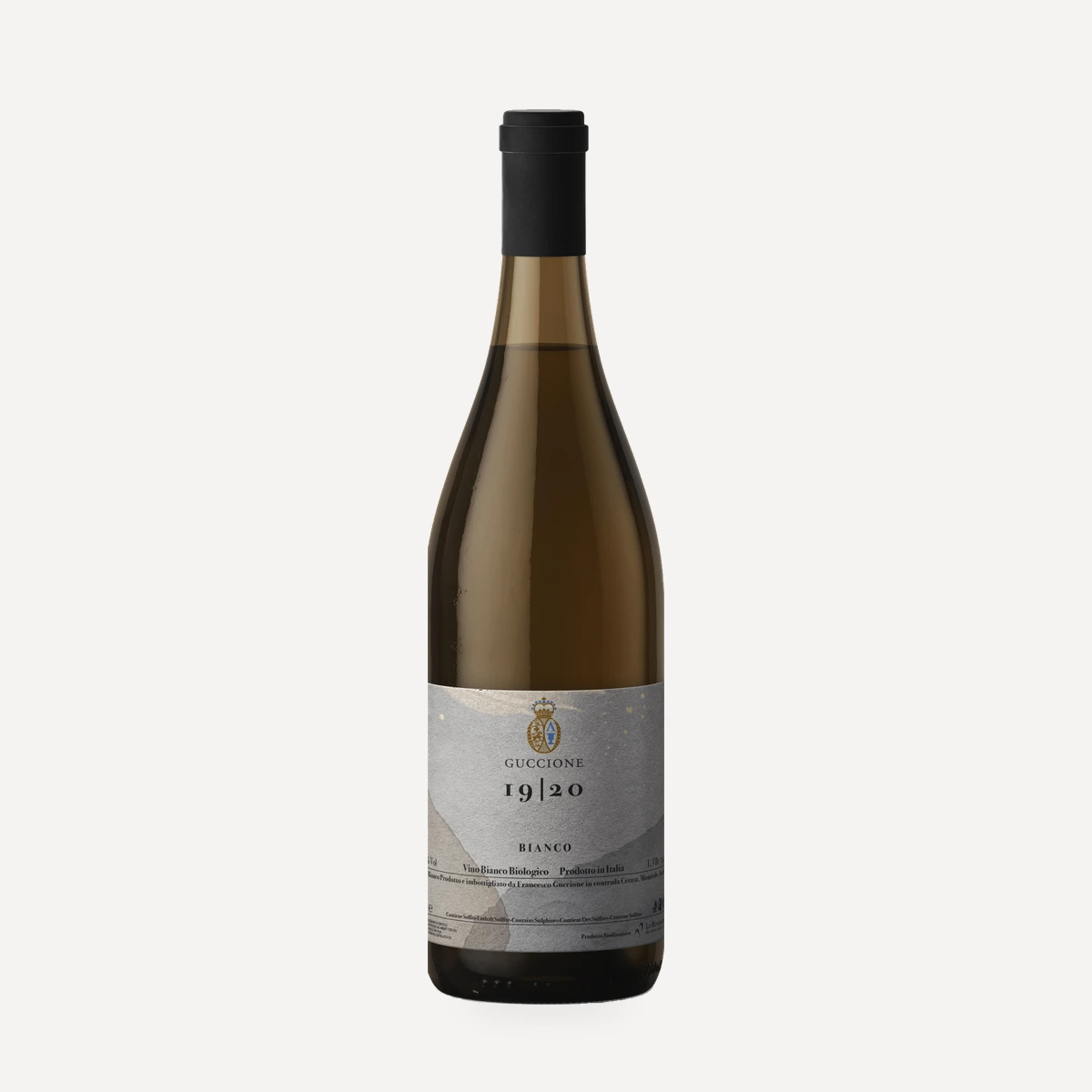
Vini
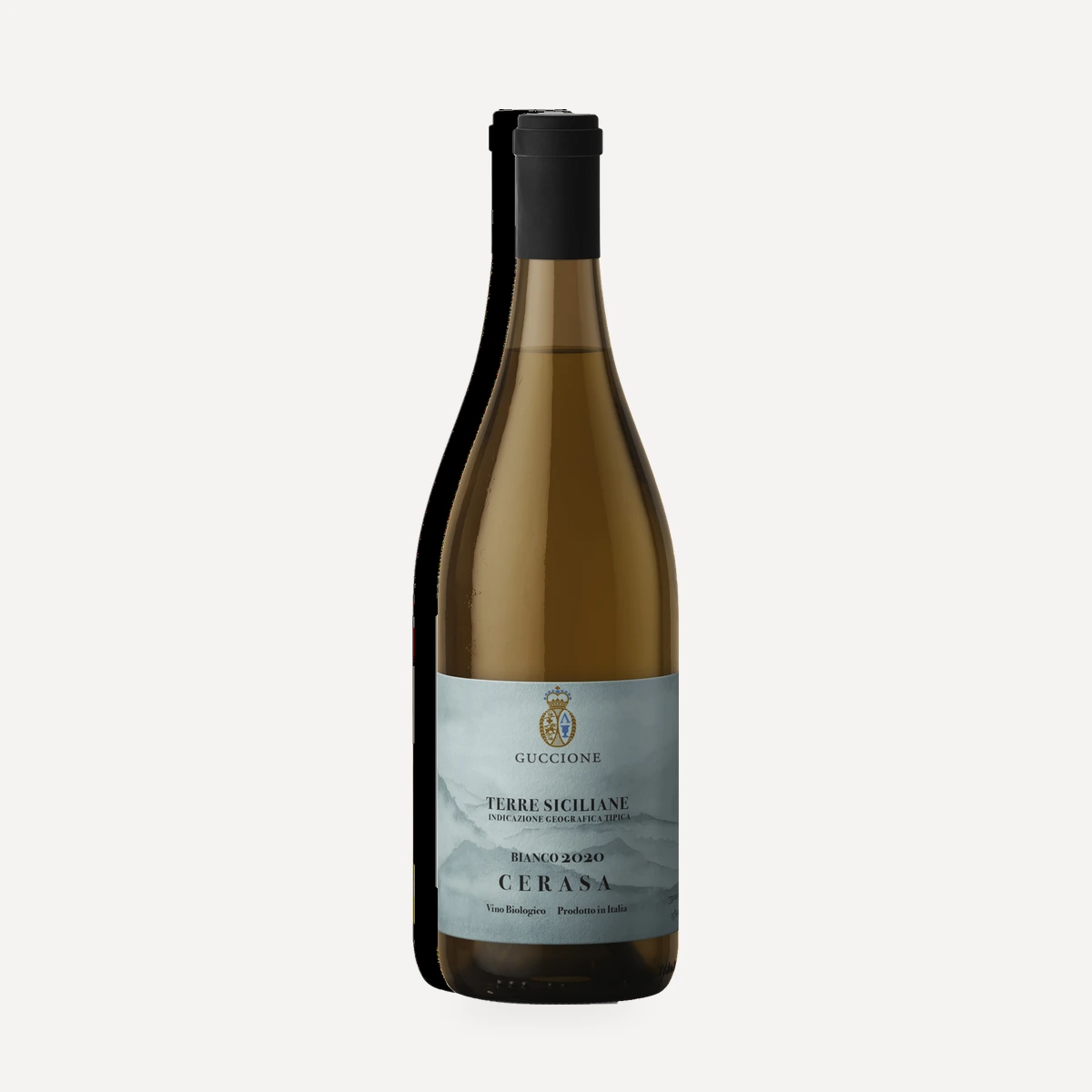
BC
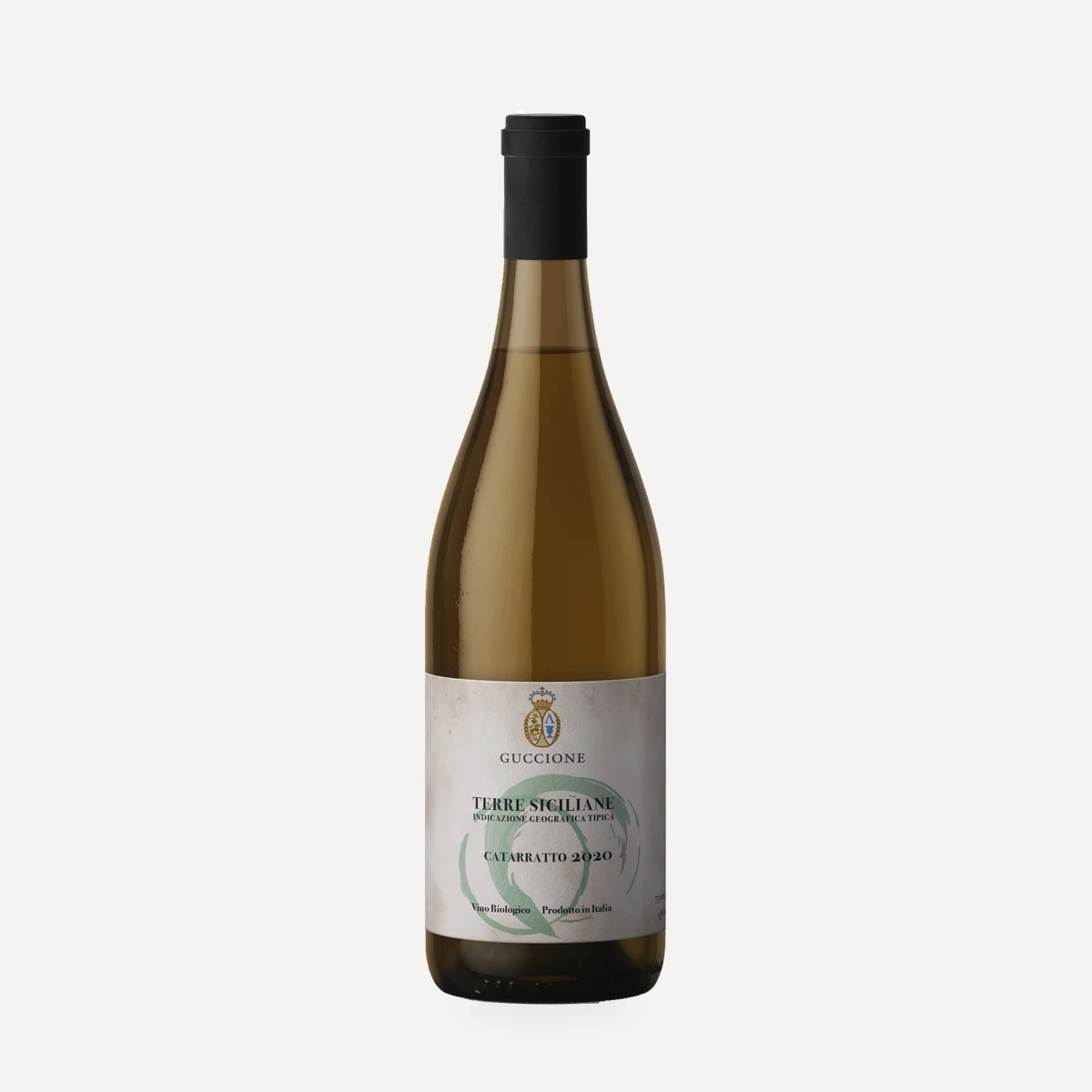
C
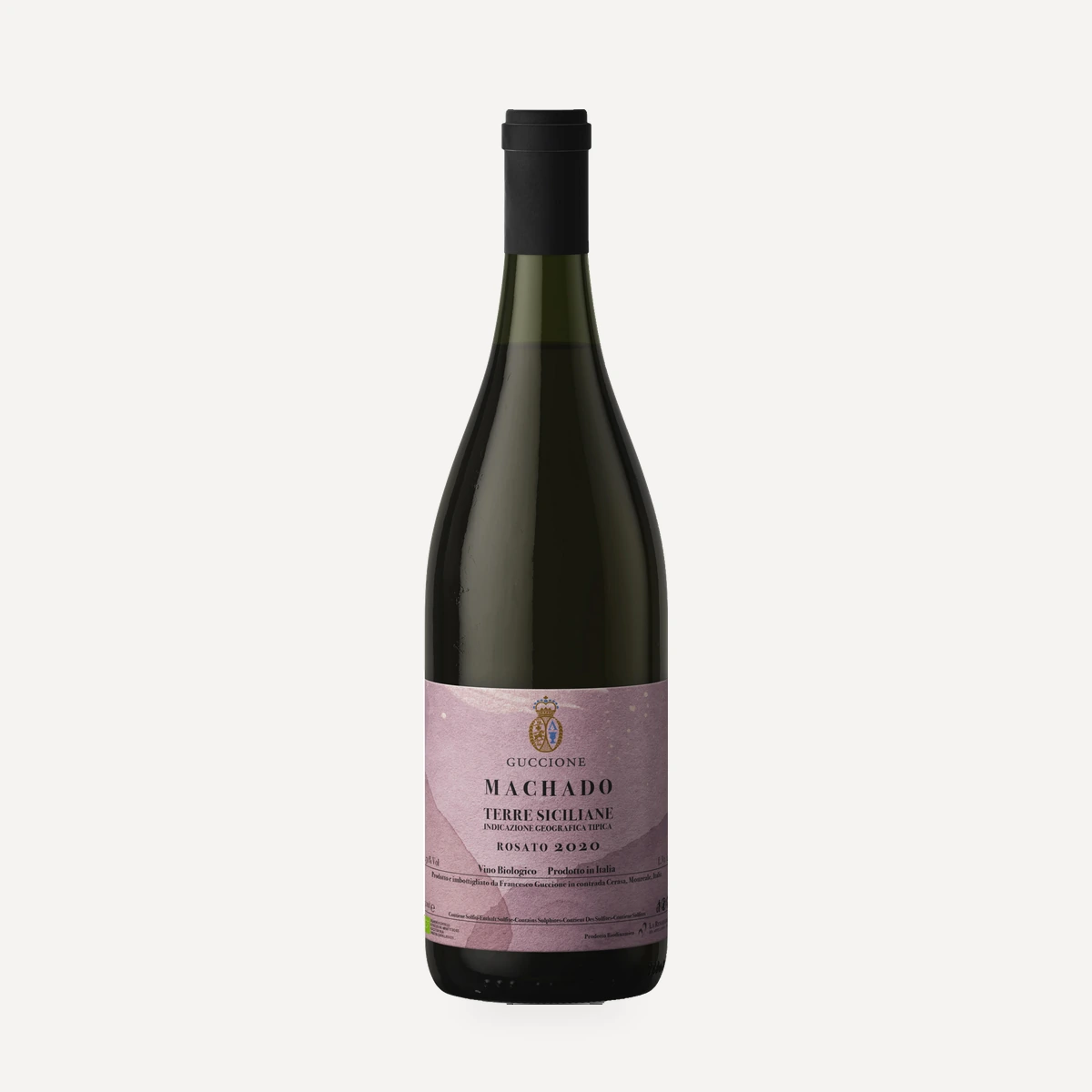
Machado
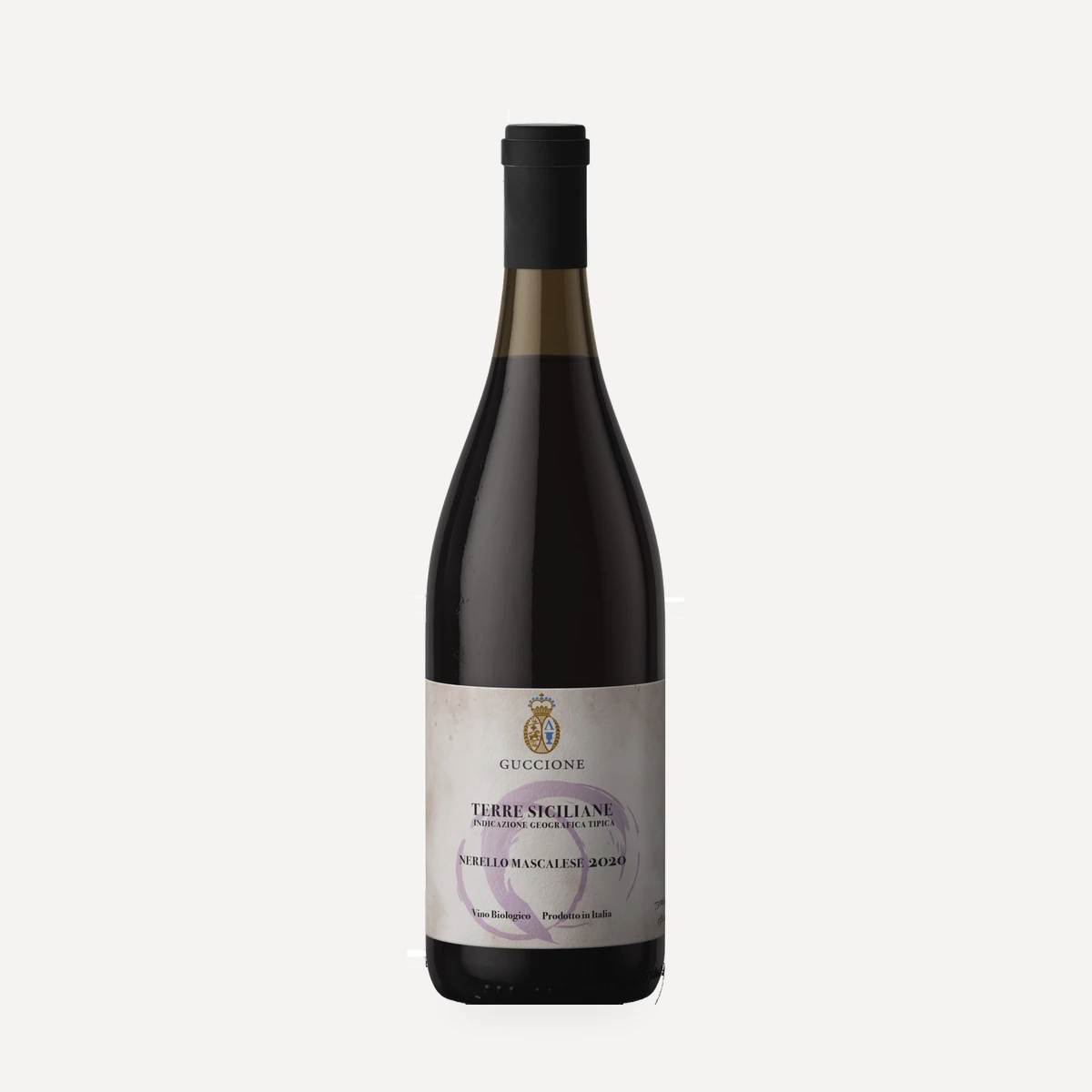
NM
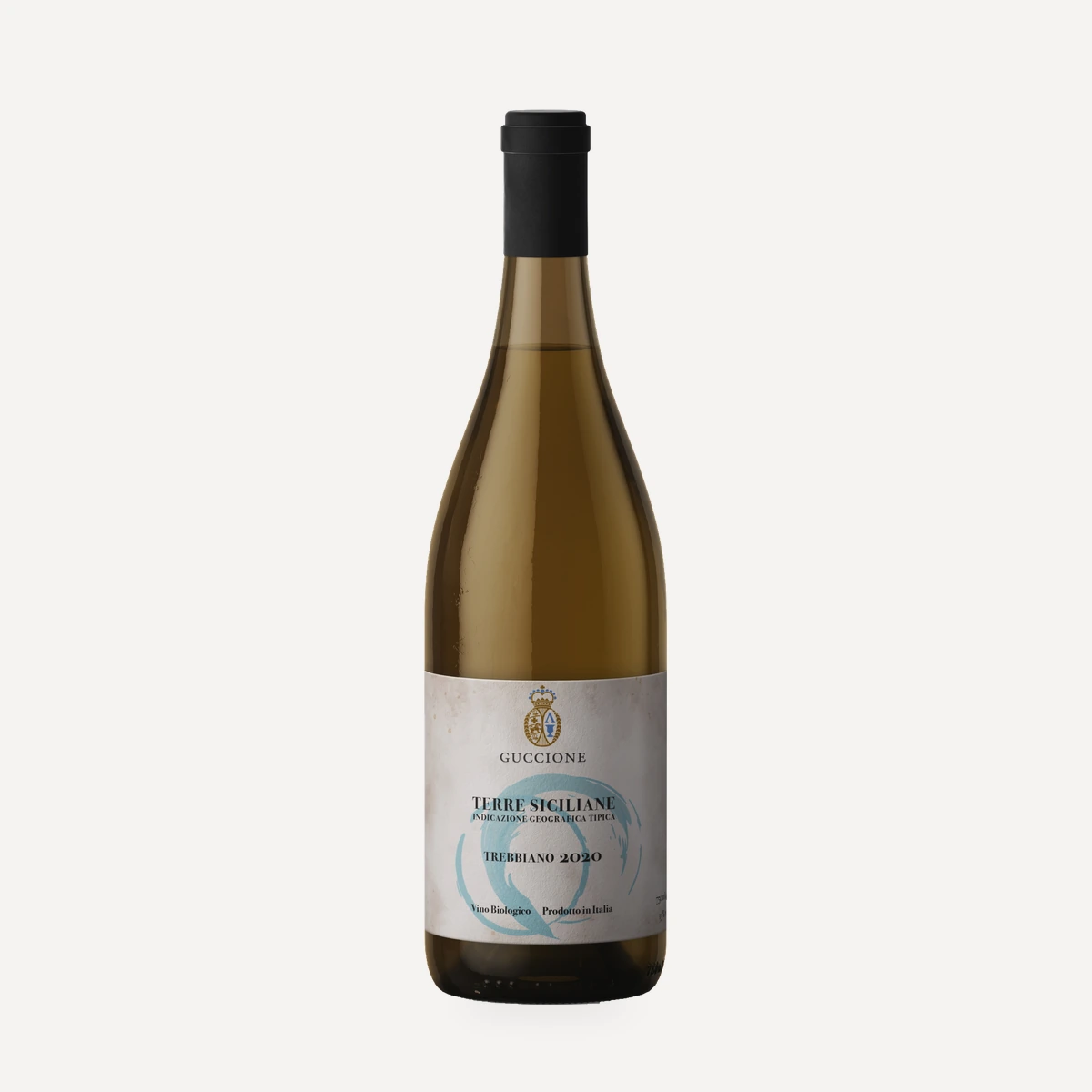
T
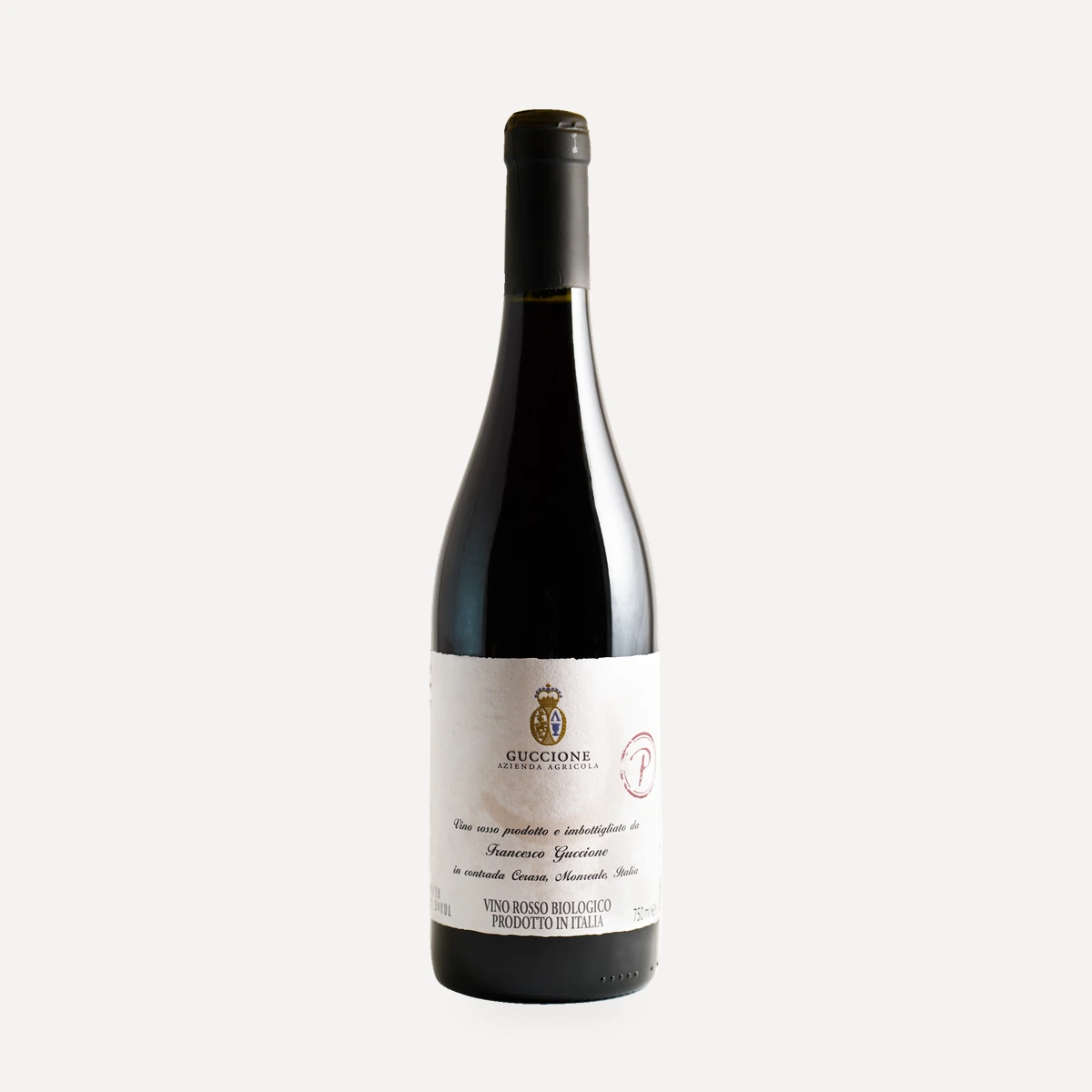
P
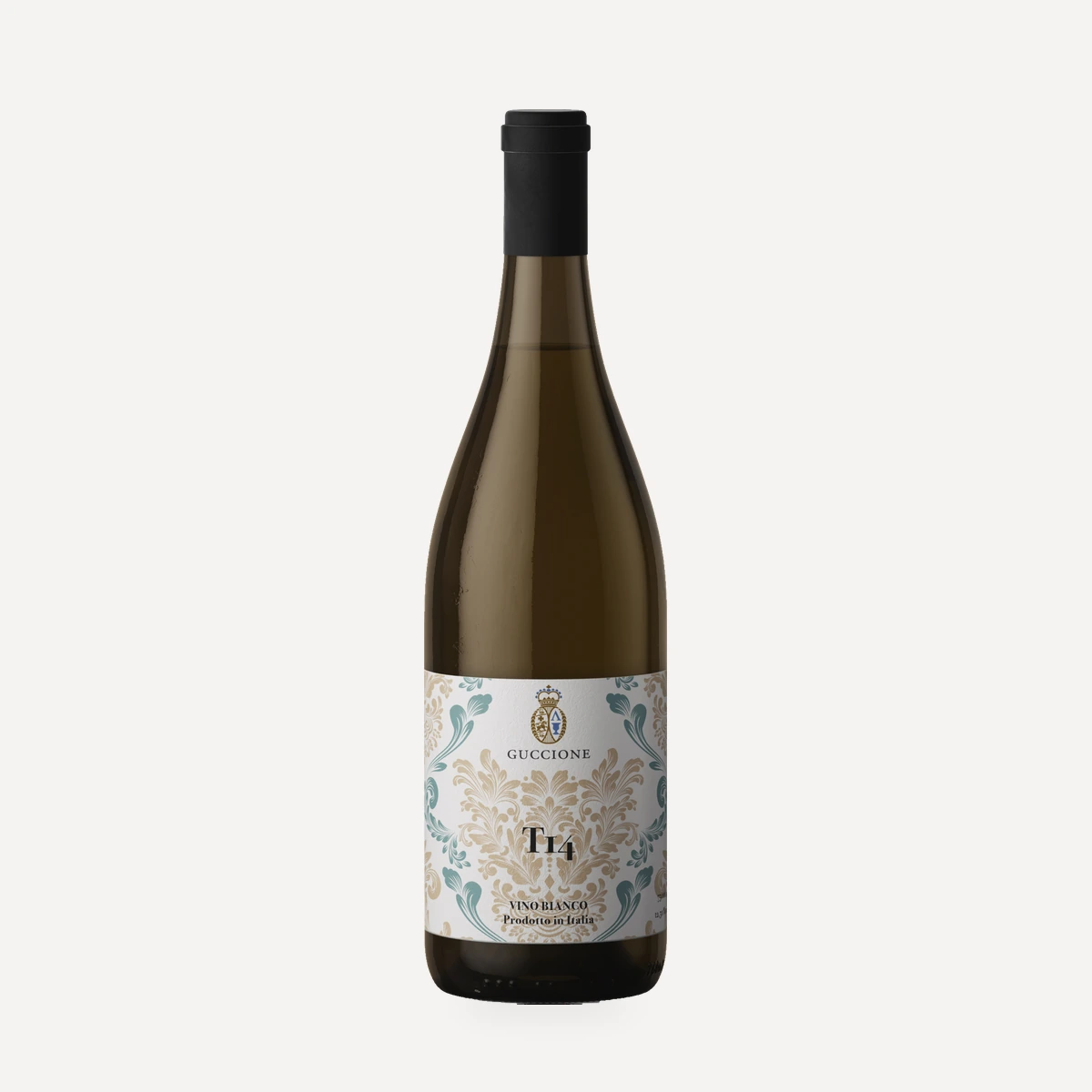
T14
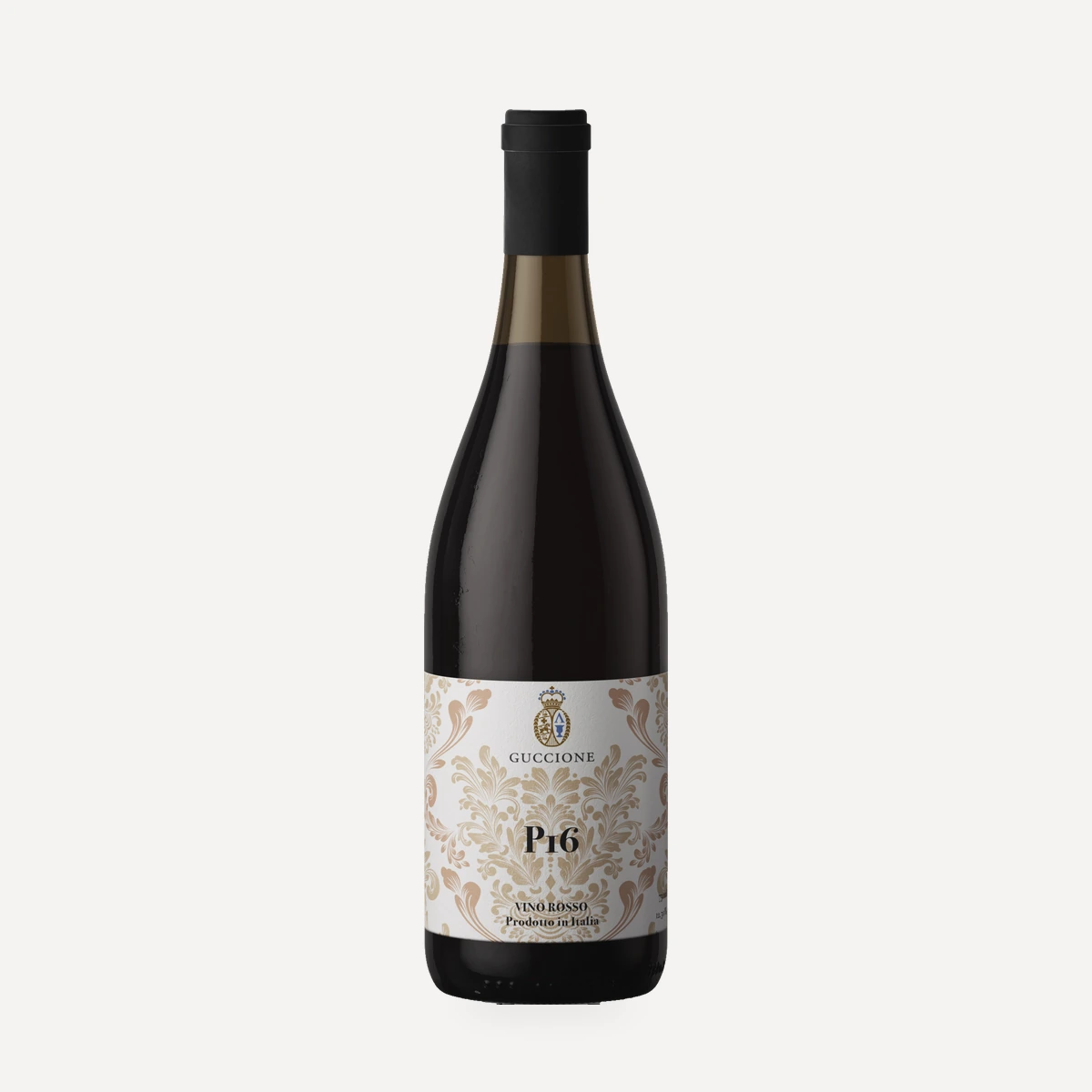
P16