Storia
Family background
Generazione Alessandro was created by three cousins—Benedetto Alessandro, Anna Alessandro and another Benedetto Alessandro—who represent the fourth generation of a winegrowing family. They grew up among their fathers’ vineyards and began participating in the family harvests at an early age. Each later developed a different area of expertise while working at Alessandro di Camporeale, the family estate in the province of Palermo: oenology and winemaking, administration and wine tourism, and agronomy, wine economics, marketing and territorial promotion.
2015: a parallel project on Etna
In 2015, after building their professional experience at the Camporeale estate, the cousins chose to establish a parallel project on Etna. They acquired their first parcel on the volcano’s north-eastern slope to study its volcanic soils, microclimates and traditional vineyard landscape. The property now identified as Contrada Palmellata was purchased that year. It lies in Castiglione di Sicilia, close to the boundary with Linguaglossa, between woodland to the west and Monte Pomiciaro to the east.
2016: planting Contrada Palmellata
The Palmellata parcel was planted in 2016 with Nerello Mascalese, Carricante and a smaller area of Catarratto. Its contrasting eastern and western sectors allowed red and white varieties to be matched to differing exposure, ventilation, shade and soil depth. The eastern sector has more red pumice, sunlight and air movement; the western sector is shadier and has deeper volcanic sands.
2018: the first harvest and first wine
The first estate harvest took place in 2018. Trainara Etna Bianco DOC 2018 became the project’s first bottled wine and the first expression of the newly planted vineyard. Croceferro Etna Rosso DOC followed as the red expression of the north-eastern Etna vineyards.
Expansion to four sites and an old palmento
Within several years, the project had grown to approximately ten hectares divided among four nearby but geomorphologically and microclimatically distinct vineyard sites: Contrada Palmellata and Contrada Grasà in Castiglione di Sicilia, and Contrada Sciaramanica and Contrada Borriglione in Linguaglossa. An old palmento at Borriglione became the home of the vinification cellar.
Sciaramanica brought a markedly older component to the estate. Its terraced, amphitheatre-shaped vineyard was planted around 1950 and preserves mature bush vines of Nerello Mascalese together with smaller proportions of Nerello Cappuccio, Alicante and other varieties.
2020: Contrada Borriglione
Two hectares of terraced ground around the old palmento in Contrada Borriglione were planted with Nerello Mascalese in 2020. The new planting uses the traditional Etnean alberello system. The palmento, located near an old quarry noted for its unusually red pumice, houses the modern vinification cellar.
The current project
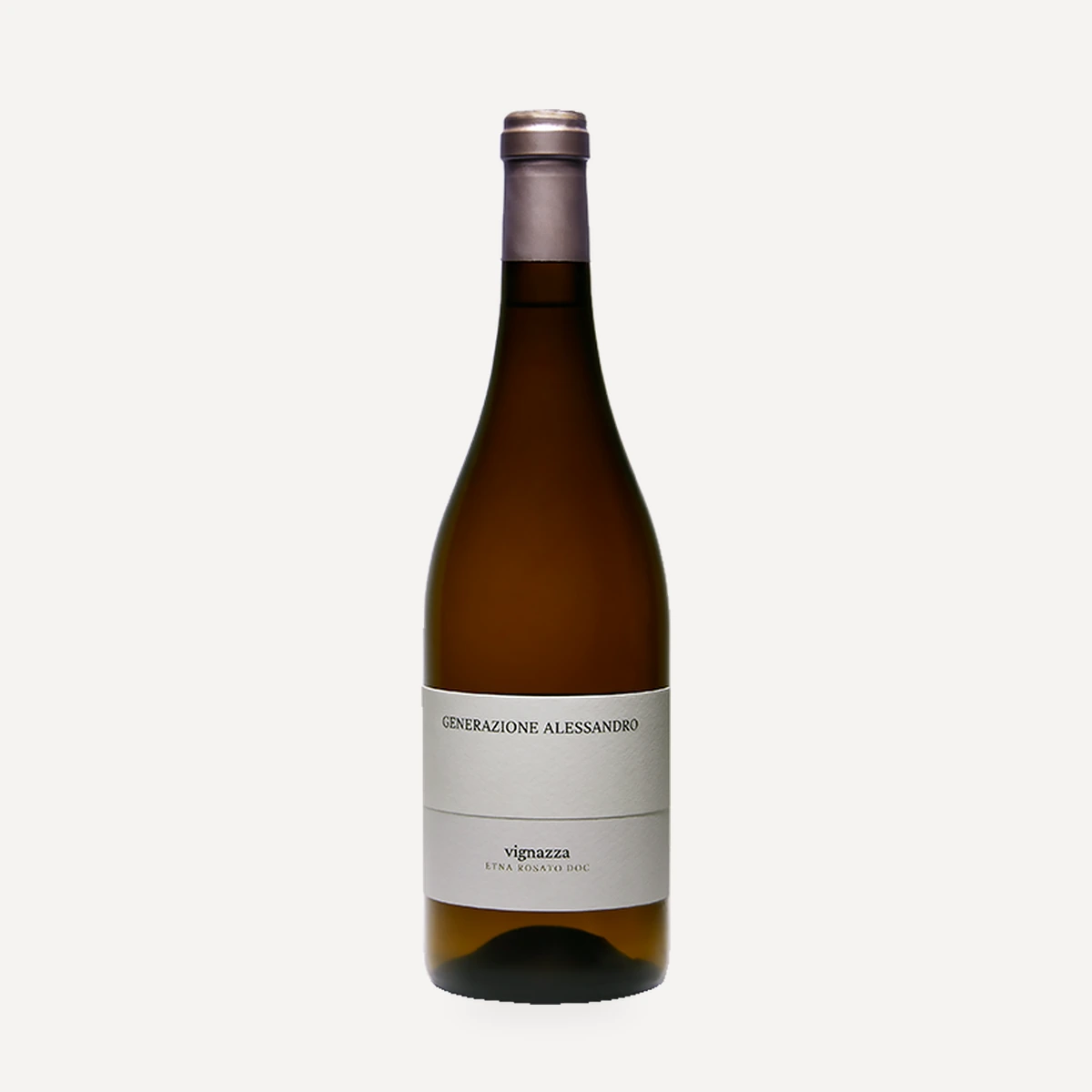
The estate’s four sites all fall within the Etna DOC production zone on the volcano’s north-eastern slope. The cousins use their differences in altitude, exposure, shade, ventilation, volcanic sand, ash, pumice and stony material to produce site- and variety-driven expressions. The range comprises Trainara, Croceferro, Vignazza and the old-vine cru Sciaramanica Vigna Vecchia.
Terroir
North-eastern Etna
The estate covers approximately ten hectares on the north-eastern side of Etna, with vineyards in Castiglione di Sicilia and Linguaglossa. All four sites are within the Etna DOC production area and lie between 640 and 660 metres above sea level. Although the parcels are close to one another, changes in exposure, relief, soil depth, ventilation and shade create distinct growing environments.
Etna combines mountain conditions with Mediterranean latitude. Elevation and aspect are major differentiating factors. The northern side is protected by the Nebrodi Mountains and has greater sunshine and a drier climate, while the eastern and south-eastern slopes face the sea and experience more cloud, rainfall and reduced sunshine.
Volcanic soils
The soils were formed through volcanic activity and vary from one lava flow to another. Their sands differ in fineness; calcium levels vary, as do iron content and alkalinity. Continuing deposits of ash and lapilli provide long-term natural mineral replenishment.
The estate’s individual parcels illustrate this variation. Palmellata combines volcanic sands with abundant red pumice. Its eastern section is sunnier and more ventilated, while its western section is shaded and has deeper sands. Borriglione contains volcanic sand and ash beside a former red-pumice quarry. Sciaramanica is based on volcanic sand. Grasà has a core of very deep volcanic sands surrounded by more exposed, ventilated terraces rich in coarse stony material.
Traditional vineyard landscape
Etna’s steep slopes have historically been organised into terraces bounded by dry lava-stone walls. Terracing makes cultivation possible across changing elevations, while the traditional alberello system increases the ventilation and sun exposure of individual vines. The local vineyard heritage includes Nerello Mascalese, Carricante, Minnella and Nerello Cappuccio. The consequences of the late-19th-century phylloxera epidemic can still be seen in old vineyards where several varieties may coexist and some ungrafted vines survive.
Vinificazione
The estate works four nearby sites whose individual geomorphological and microclimatic features are treated as the basis of vineyard identity. Variety placement at Palmellata follows its internal environmental division: the sunnier, ventilated, pumice-rich eastern sector favours red grapes, while deeper sands and greater shade in the west favour white varieties.
Two training systems are used. Palmellata is espalier-trained with spur-pruned cordons. Borriglione and Sciaramanica use the traditional Etnean alberello system, which promotes ventilation and sun exposure. Terraces and dry lava-stone walls accommodate the volcano’s slopes; Sciaramanica retains mature mixed vines on a small amphitheatre of these terraces.
Planting densities range from 5,600 vines per hectare at Palmellata to 6,000 at Borriglione and 8,000 at Sciaramanica. Stated yields are 60 quintals per hectare at Palmellata and Borriglione and 45 quintals per hectare at Sciaramanica.
Harvesting is manual. Grapes are picked into small crates during the early morning. Carricante is generally collected in early October, while Nerello Mascalese and the mixed old-vine fruit are harvested in mid-October. Carricante and Nerello Mascalese used for the 2022 Trainara and Vignazza releases were described as organically grown.
Vinification takes place in the cellar installed within the old palmento at Contrada Borriglione. Across the range, fruit is harvested by hand into small crates during the early morning. Grapes are destemmed and gently crushed; white grapes are also chilled before crushing.
Fermentation protocols are adapted to colour and source. White and rosé musts ferment in stainless steel for about 20 days at 15°C. The rosé receives approximately two hours of cold maceration in the press beforehand. Red fermentations last about 12 days in truncated-conical stainless-steel vats, with daily cap breaking by punch-down. Old-vine Sciaramanica fruit ferments for approximately 10 days in small vessels with manual punch-downs.
Steel, fine lees and French oak tonneaux are used in maturation. White wine remains for 10 months in stainless steel on its fine lees at 10–12°C, followed by at least four months in bottle at a constant 18°C. The rosé also spends 10 months on fine lees in steel, while 20% matures in 600-litre French-oak tonneaux; bottle ageing lasts approximately 12 months at 18°C. One red maturation regime uses 12 months in French-oak tonneaux with 30% of the lot retained in stainless steel, followed by at least six months in bottle at 18°C. The old-vine red spends 14 months in 500- and 700-litre French-oak tonneaux and at least six months in bottle at the same constant temperature.
Filosofia
Generazione Alessandro is conceived as a fourth-generation family project in which three cousins combine complementary expertise acquired at Alessandro di Camporeale. Their stated aim is to create wines with a strong identity rooted in Etna.
The approach centres on the differences among several nearby vineyards rather than treating the north-eastern slope as uniform. The cousins seek to translate each location’s microclimatic and geomorphological history through the wines. Variety placement, training system and cellar treatment are therefore connected to the character of each parcel.
The project also emphasises the recovery of Etna’s historic winegrowing culture: terraced vineyards, dry lava-stone walls, alberello training, indigenous grapes, mature mixed plantings and the reuse of an old palmento as a working cellar. Tradition is combined with temperature-controlled stainless steel, carefully sized French-oak tonneaux and controlled bottle maturation.
Vini
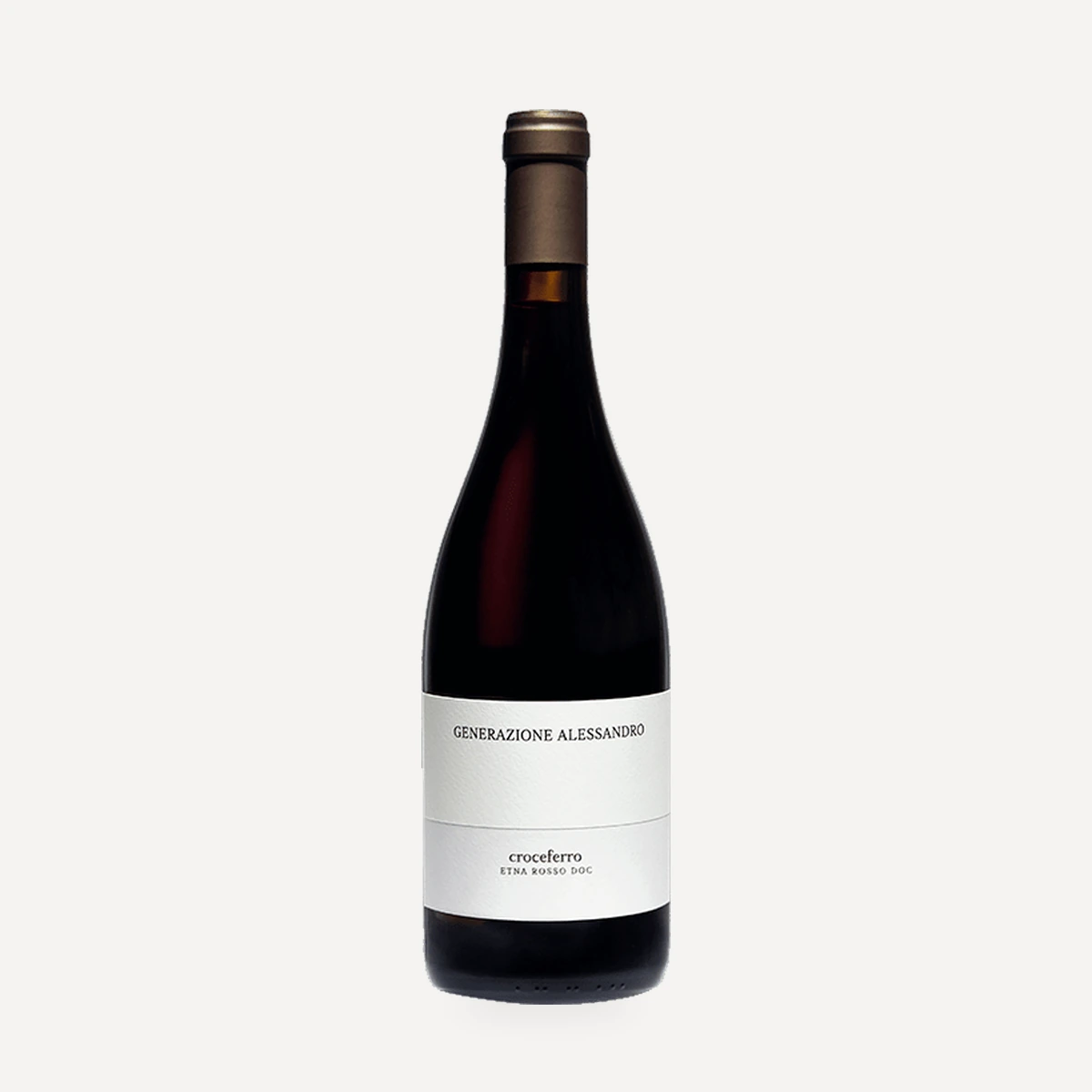
Croceferro Etna Rosso DOC
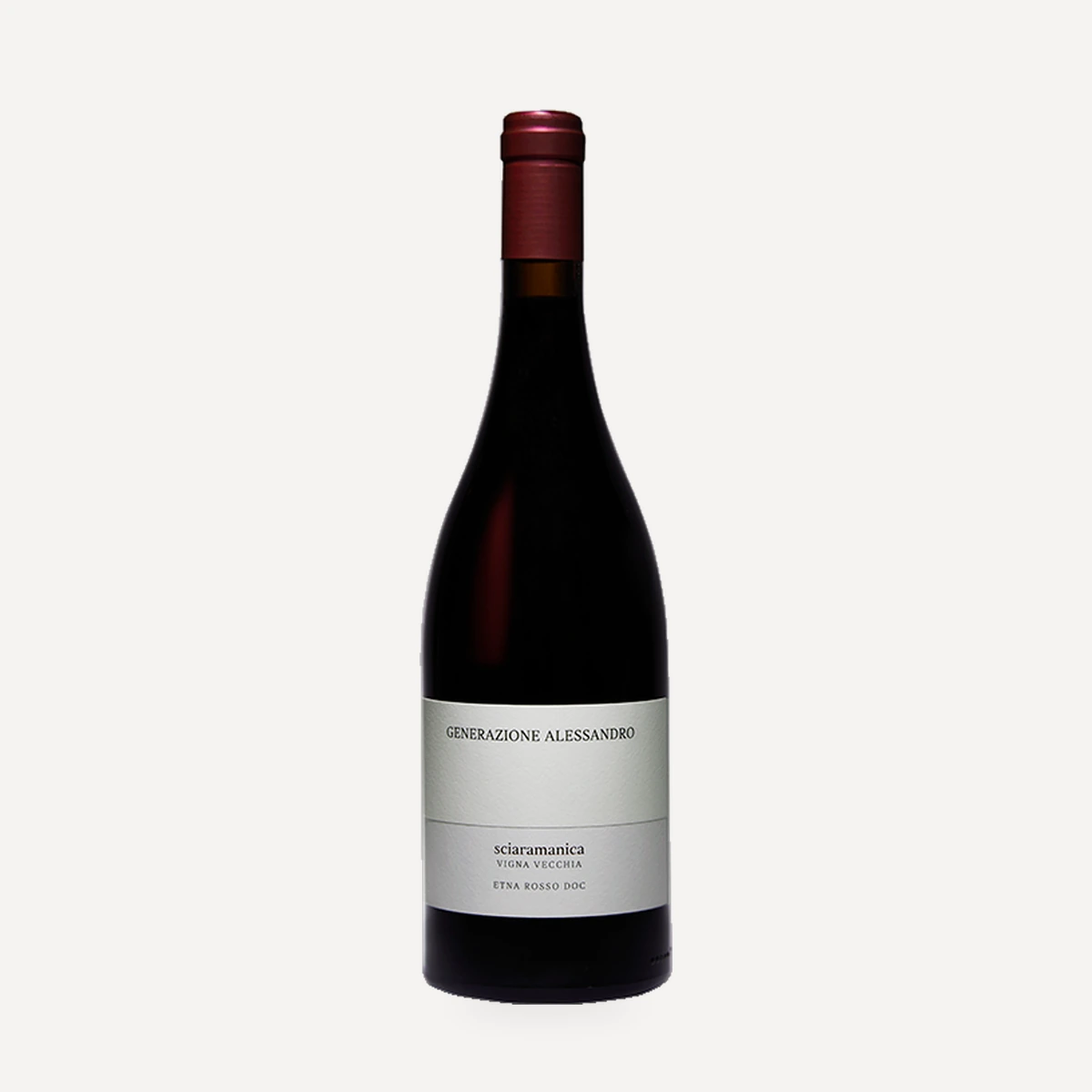
Sciaramanica Vigna Vecchia Etna Rosso DOC
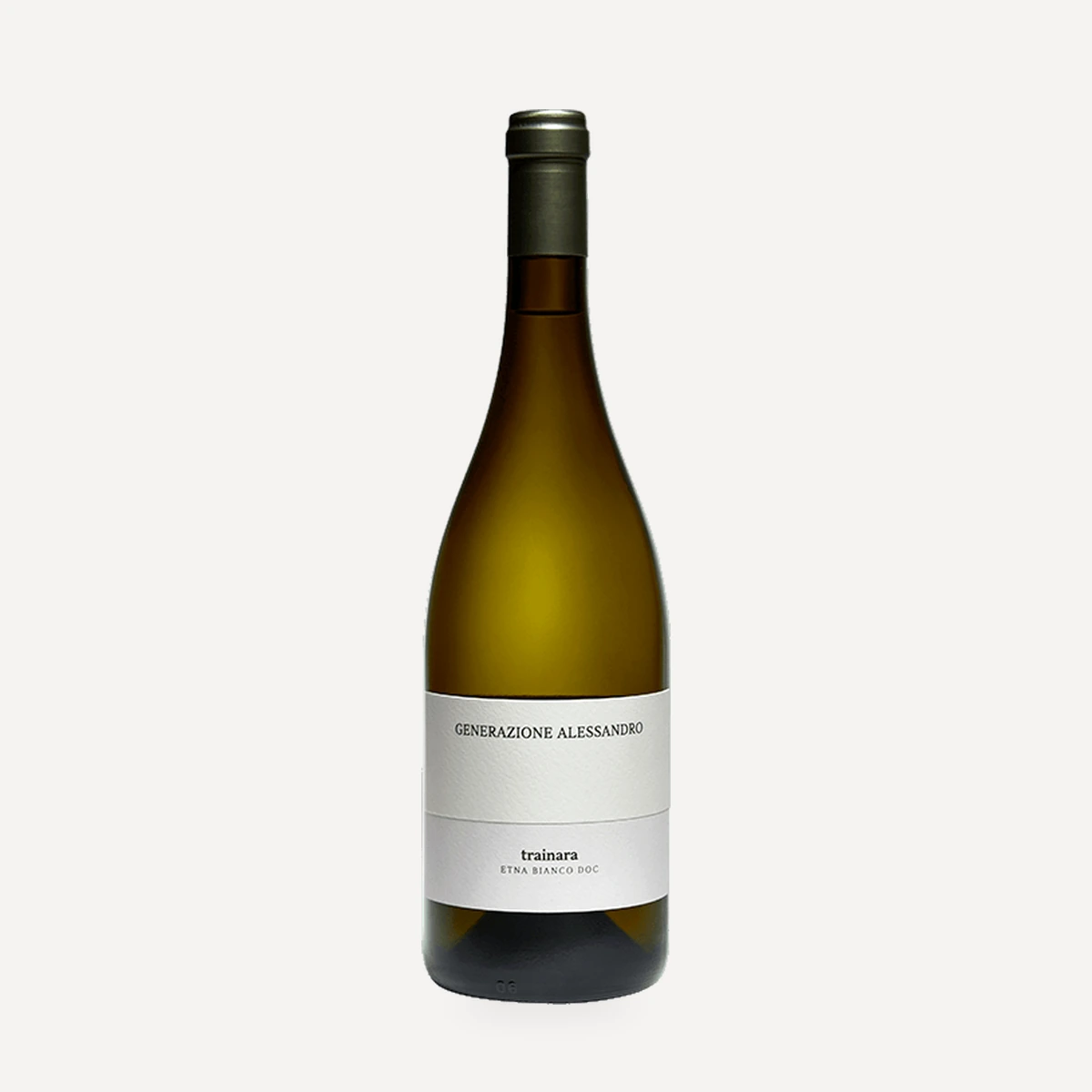
Trainara Etna Bianco DOC