Storia
Before Etna
Before becoming winegrowers, Ginger Ringer worked as a full-time actress, while Romain Cole was a photographer and the editor-in-chief of a cinema magazine. Romain was already closely engaged with natural wine: he investigated the Catalan natural-wine community for Es Brutal, published in 2021, and made documentaries featuring growers in Champagne and Sicily.
2021 — A new life at Contrada Nave
The pandemic prompted Ginger and Romain to reconsider their life in Paris and seek a more direct relationship with nature. In 2021, they moved to Etna with their two children. Eric Narioo, associated with Vino di Anna and Les Caves de Pyrène, had alerted them to a small property in Contrada Nave, on Etna’s northern slope above Randazzo.
The property comprised 3 ha around an old farmhouse and a volcanic-stone palmento. One hectare was occupied by ungrafted, century-old vines planted as a mixed vineyard with Nerello Mascalese, Nerello Cappuccio, Grenache, Grecanico, Carricante and Minella. Olive trees and numerous fruit and nut species shared the land with the vines. This garden-like diversity informed the estate’s use of the Italian word giardini in its identity.
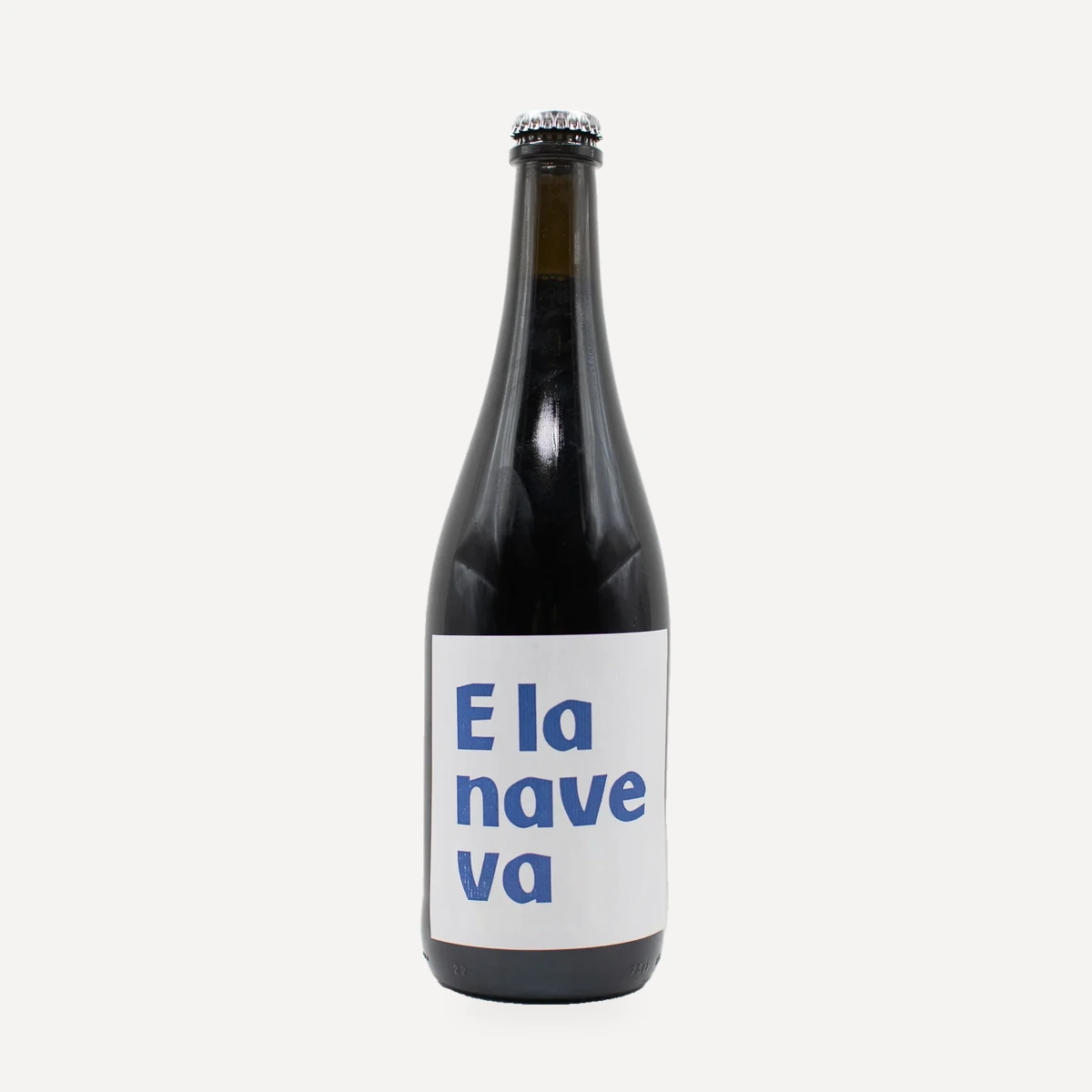
The couple developed Giardini ColeRinger around physical, manual work in both vineyard and cellar. The soil is loosened with a broad fork, grass is pulled by hand and straw is placed between the vines as mulch. In the cellar, bunches are destemmed berry by berry, an old basket press is used for pressing, and fermentations take place in open vats. Stainless-steel vessels, chestnut barrels and glass demijohns are used for maturation. Even the labels are produced individually with old wooden printing blocks.
The project chose to work outside Etna DOC because its rules were considered too restrictive for the couple’s experimental approach. Their production developed around no-input methods, skin contact, oxidative experimentation and a stated objective of lightness and drinkability.
2023 — Harvest loss and fruit from Calabria
Downy mildew destroyed the estate’s Etna harvest in 2023. Cabernet Franc and Cabernet Sauvignon were consequently purchased from Montepaone in Calabria, at an altitude of 650 m, enabling the creation of the red wine I Stranieri.
2024 — Fire, eruption and a defining season
Romain Cole described 2024 as the year in which the couple entered the hardest, most concrete phase of the profession. Repeated fire damage affected vineyard land. On 2 August 2024, after returning from another burned plot, he witnessed an Etna eruption from the estate terrace. He photographed the eruption in black and white with a long exposure and described the spectacle as restoring his determination to continue.
The same year, Giardini ColeRinger founded Solo Uva, a no-input wine fair on Etna. Its first edition assembled 16 winemakers at Palazzo Previtera in Linguaglossa, with a winemakers’ dinner prepared by Gianmaria Errico.
2025–2026 — Solo Uva expands
The second Solo Uva took place in 2025 at Palazzo Previtera in Linguaglossa. It brought together 19 winemakers, and Masa Ikuta prepared the dinner. The third chapter was presented for 2026 with 26 winemakers and chef Sven Chartier at San Giorgio e Il Drago in Randazzo, with its dates still to be confirmed.
Terroir
Giardini ColeRinger occupies 3 ha in Contrada Nave on the northern side of Mount Etna, above Randazzo. The property lies at approximately 1,000 m and stands on a lava flow formed about 5,000 years ago. Its vineyards are characterized by volcanic soils, high altitude and old pre-phylloxera plant material.
One hectare consists of ungrafted, century-old vines in a mixed planting of Nerello Mascalese, Nerello Cappuccio, Grenache, Grecanico, Carricante and Minella. The vines grow within a diverse garden containing olive, chestnut, almond, hazel, persimmon, cherry, apricot, apple, pear and fig trees. This intermingling of vines, fruit trees and native vegetation gives the property its garden-like character and supports pronounced biodiversity.
The wider network of vineyards used for the current range covers markedly different elevations. Sites above Randazzo extend from approximately 700 to 1,050 m. Baia Monte lies at 970 m beside a forest and beneath an old extinct crater. Named Contrada Nave material reaches 1,050 m, while other fruit comes from Contrada Porcheria in the Monti Peloritani and, in the exceptional 2023 season, from Montepaone in Calabria at 650 m.
Vinificazione
Vineyard work is performed manually, without machinery. The soil is aerated with a broad fork, grass is pulled by hand, and straw is spread between the vines as mulch. The estate’s one hectare of ungrafted, century-old vines is preserved as a mixed planting rather than separated into single-variety blocks.
The vineyard forms part of a broader polyculture garden. Vines coexist with olives, chestnuts, almonds, hazels and numerous fruit trees, including persimmon, cherry, apricot, apple, pear and fig. This mixture of cultivated species, old vines and surrounding vegetation is presented as a landscape of active biodiversity.
All work is framed around direct physical engagement with the land. Seasonal tasks identified at the property include green pruning, trellising, harvest, dry-stone-wall work and general winter vineyard work. The 2025 work calendar placed green pruning in June, trellising in July, dry-stone-wall and masonry work in August, grape harvest from 10 September to 10 October, olive harvest from 25 October to 10 November, and further vineyard work from 20 November to 10 December.
Grapes purchased from the family vineyards at Allegre Cuore and Piano Dario are organically farmed. No equivalent certification claim is attached to the Contrada Nave estate vines.
Production is carried out entirely by hand and without cellar machinery. Bunches are destemmed berry by berry, and pressing is performed with an old basket press. Fermentations take place in open vats. Maturation vessels include stainless-steel tanks, chestnut barrels and glass demijohns.
The cellar approach allows both skin-contact and oxidative techniques while pursuing lightness and drinkability. Nothing is removed and nothing is added. Finished wines are unfiltered and receive no added sulphites.
The current range demonstrates varied applications of these vessels and techniques: short and extended macerations, semi-carbonic and open-vat processing, direct pressing, maturation in chestnut demi-muids, stainless steel and glass demijohns, and bottle ageing. Vermouth is made by macerating estate plants, fruit, herbs and seasonal flowers in artisanal grappa, then combining this infusion with Mantonico that has undergone one year of maceration.
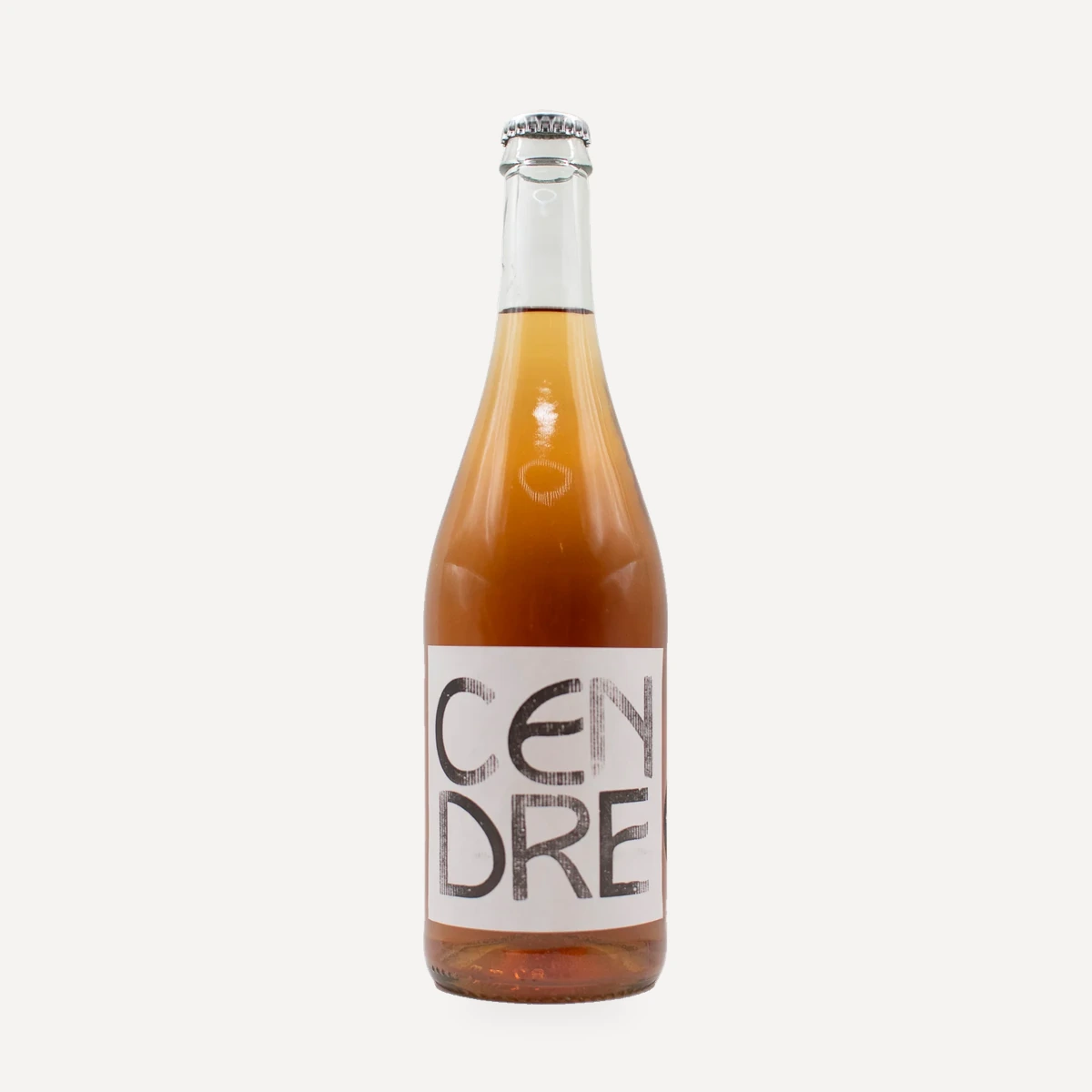
Labels are also finished manually. Each is made individually using old wooden printing-block letters.
Filosofia
Creativity, experimentation and freedom are the central principles of Giardini ColeRinger. The estate works outside Etna DOC because the appellation’s rules are considered too restrictive for this approach.
The couple’s philosophy links wine directly to physical work: soil care, weeding, destemming, pressing, cellar handling and label production are all performed manually. The concise principle “nothing removed, nothing added” defines both the no-input cellar practice and the intention to let the raw material retain its character.
Experimentation may involve skin contact, oxidation and different maturation vessels, but the stated stylistic objective remains lightness and drinkability. The wines are intended to convey mineral character, vivid fruit and raw energy rather than technical polish.
The project also treats the vineyard as a garden rather than an isolated monoculture. Old mixed vines, olives, fruit and nut trees, the farmhouse and the volcanic-stone palmento form a single working environment. Solo Uva extends this ethos into a communal event built around living wine, growers, cooks, shared bottles and the conviction expressed by its name: grapes alone, with nothing else added.
Vini
Cendre
Ephalump