Questo vino
Vineyard and terroir
Nebbiolo comes from high-altitude vineyards with limestone-clay soils in the Barolo and Vergne area. Plots suited to an early harvest are selected to preserve freshness, minerality and a balanced alcohol level.
Grapes
100% Nebbiolo. Rosé varietal wine.
Vinification
The 2025 harvest began on 9 September. Grapes were picked manually into 20 kg crates and partially destemmed, with 90% destemmed fruit and 10% retained with stems. Soft pressing was performed without oxygen, using dry ice for cooling to protect varietal aromas. After racking, the must fermented with selected yeasts at 10–12°C for up to one month.
Ageing
Malolactic fermentation was prevented through low-temperature storage. The wine matured in steel for 3–4 months before bottling.
Technical data
The 2025 wine has 12.5% alcohol by volume and total acidity of 8.51 g/L. It was the first Viberti wine released with a Stelvin closure.
Tasting profile
Provençal pink in colour. Wild rose, raspberry, crisp red fruit, grapefruit and a distinct mineral character shape the aroma. The palate is dry, clear and balanced, with sweet-berry and pink-grapefruit nuances leading into a taut, lively finish.
Serving and pairing
Serve at 12°C. The expected ageing window is 1–2 years.
Vintage notes
The 2025 growing season combined adequate winter water reserves, a regular spring with slightly early vegetative growth, and a hot summer moderated by well-timed rain and conservative canopy management. These conditions avoided water stress and interruptions to ripening. Nebbiolo accumulated sugar gradually while retaining high total acidity; seeds reached full maturity, and the skins were thick and rich in anthocyanins and tannins. This allowed an early harvest without sacrificing aromatic complexity. The vintage continued the earlier-ripening tendency observed over the preceding decade, associated with greater heat accumulation in June and July. The resulting Nebbiolo wines showed elegant, soft tannins and earlier accessibility.
Label / history
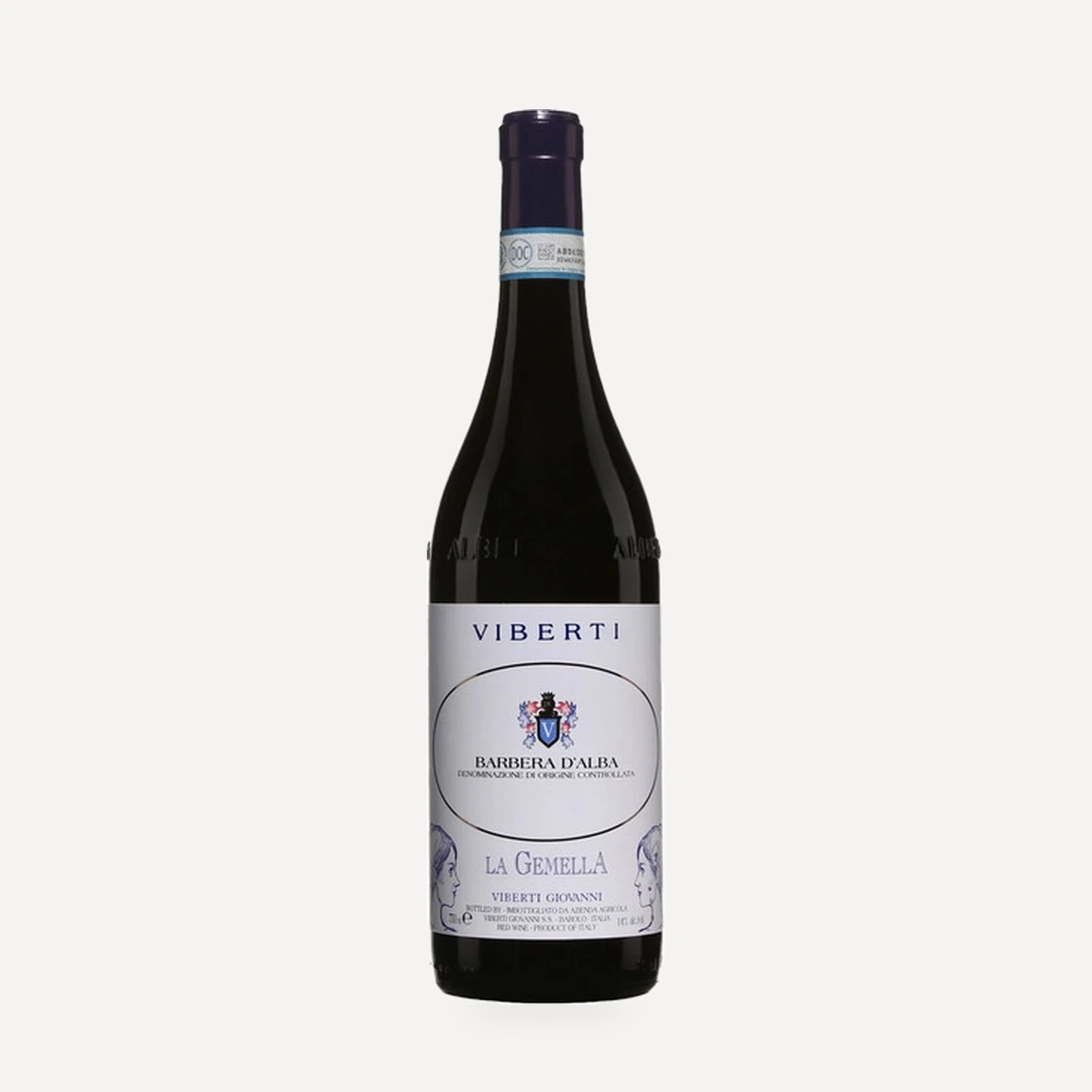
Created in 2017, La Gemella Rosata honours Maria, the producer’s mother, whose being a twin inspired the name La Gemella. The wine was conceived to demonstrate Piedmont’s capacity to produce serious rosé.