Storia
Hospitality before the winery: 1896–1923
In 1896, Cavalier Antonio Viberti purchased an inn with an adjoining vineyard in Vergne, the highest hamlet in the commune of Barolo. The property became the Locanda del Buon Padre, establishing the close relationship between hospitality, food and wine that would define the family business. In 1923 the family bottled the house wine served to the inn’s guests for the first time, creating Barolo Buon Padre. Antonio also vinified Dolcetto, Barbera and Nebbiolo separately; sales were initially concentrated almost entirely within the inn.
Local distribution and the second generation: 1955–1974
In 1955 Antonio began selling Dolcetto, Barbera and Barolo beyond the inn in local markets. Giovanni, Antonio’s second son, started working in the small family cellar with his wife Maria in 1967; 1968 marked the formal beginning of the second generation. Maria worked in the Locanda del Buon Padre kitchen and helped consolidate the family’s combined gastronomic and wine identity. Giovanni and Maria built a new winery and enlarged the vineyard holdings.
A 1969 order sent 1,000 bottles of Barolo Buon Padre to Rome. Maria, then pregnant with her second child, labelled every bottle by hand. In 1974, the first bottles carrying the VIBERTI name were exported. Guests visiting the restaurant from Switzerland, Germany and Austria helped introduce the wines abroad, and distribution began expanding into European markets. During the 1970s, new winemaking rooms were built and fermentation moved into modern concrete tanks, improving temperature control, quality and stability.
Technical change and international growth: 1988–1994
The first Viberti white wine, made entirely from Chardonnay, was bottled in 1988. At the end of the decade, the family began separate microvinifications of individual vineyards and introduced temperature-controlled stainless-steel tanks to express plot differences more precisely. In 1989, after graduating from the Alba School of Oenology, the eldest son, Gianluca, entered the vineyard and cellar and helped begin single-vineyard Barolo vinification and bottling alongside new cellar techniques.
The first shipment to the United States followed in 1990. At Vinitaly in 1994, Viberti presented the first release from the 1989 vintage of three single-vineyard Barolo Riservas—Bricco delle Viole, San Pietro and La Volta—and the bottles were allocated in pre-sale.
Claudio and a new phase: 2004–2017
Claudio, the third son of Giovanni and Maria, graduated from the Alba School of Oenology and joined the family business in 2004. That year he also began the project that became La Gemella, planting Barbera in two contrasting sites, Costa di Vergne and Cascina Nuova, with the aim of limiting yield per vine and increasing concentration. The wine debuted in 2006 and was named for Maria, who was herself a twin and had long embodied the family’s restaurant tradition.
Claudio assumed direction of the winery in 2008. Gianluca left to establish CasinaBric 460, while Claudio concentrated on Barolo and Barbera d’Alba, acquired further vineyards for Barolo Buon Padre and continued investing in high-density Barbera plantings. San Ponzio was added through an investment dated 2010. By 2014, Viberti wines were exported to more than 25 countries. In 2016 the family renewed a négociant-like activity, working with custodians of historic vineyards including Monvigliero and San Lorenzo di Verduno; the Monvigliero collaboration with the Morra family produced its first vinification in 2017. On 19 March 2017, after renovation of premises in Piazza Eraldo Cabutto in Barolo, the family opened its second restaurant, Locanda La Gemella.
Expansion across Piedmont: 2018–2025
In 2018 a friendship and curiosity about Timorasso led to the Derthona project in Monleale in the Colli Tortonesi. In 2019 the family recovered old Dolcetto vineyards in Valdibà, Dogliani, creating Pubblicano. Historic Barbera vineyards in Montegrosso d’Asti and Agliano d’Asti were acquired in 2020. The first Timorasso vintage was released under the Latin name of Tortona, Derthona, in 2023.
San Lorenzo di Verduno was harvested for the first time in 2022, with release planned for 2026. In 2025 Viberti acquired two historic vineyards in Preda, on the eastern side of Barolo; the first Barolo made separately from this cru is scheduled for presentation in 2029. Today Claudio leads the third generation with Giovanni and Maria still present in the business: Giovanni works wherever needed in the cellar and vineyards, while Maria continues to pass the restaurant’s culinary tradition to its chefs.
Terroir
The estate’s principal Barolo vineyards lie mainly on the western side of the commune, generally between 400 and 500 m. Their higher positions, varied exposures and marked day–night temperature changes are recurring elements, while individual sites range from the warmer, lower Cannubi-side Albarella at 240–280 m to the cooler Valdibà vineyards at 600 m.
Soils vary substantially by site. Bricco delle Viole combines clay and limestone, with a more calcareous upper parcel; La Volta has clay with visible tuff veins; San Pietro is a cooler calcareous-clay amphitheatre; Preda is deep, evolved marl with more sand high on the slope; Bergera-Pezzole has deep, evolved calcareous clays formed through erosion; Monvigliero is associated with silicon- and gypsum-rich ground; and the Monferrato–Asti Barbera vineyard is chalky. The Colli Tortonesi vineyard at Monleale has light clay with a good limestone component.
Local climatic influences are equally diverse. San Lorenzo di Verduno lies at 200–260 m close to the Tanaro River, which moderates temperature swings, while its south-western exposure accumulates summer heat. Valdibà’s 600 m altitude and proximity to the Maritime Alps create pronounced thermal variation. In Monleale, currents arriving from nearby Liguria influence the Val Curone microzone. Coste di Vergne faces the Alpine chain and Monviso, while the high position of Bergera-Pezzole supports slow, balanced ripening through strong temperature variation.
Vinificazione
Vineyard work is based on the proposition that 70% of wine quality is created in the vineyard. Yields are reduced through strict, entirely manual selection of bunches as they ripen; August thinning is used for Barolo parcels, followed by a further harvest selection. Grapes described in the production protocols are hand-harvested into 20 kg crates.
The vines are grown with wild grasses and soil microorganisms. Complete or alternate-row grassing supports biodiversity, limits erosion and keeps soils cooler. The 2023 programme included spontaneous cover in alternate rows throughout the year, late-spring breaking of the sward once weather stabilised, minimum tillage, mechanical undervine weed control, autumn ripping in alternate rows and fertilisation in the other row. Natural fertilisation and green manure with nutrient species are preferred, and chemical herbicides are excluded.
Vine health is monitored continuously during growth and ripening. Treatments are selected from field observations, technical staff assessments, weather forecasts and data from local weather stations, with products, dosage and preparation recorded in the vineyard log. Dangerous plant-protection products are excluded. Automatic-rinse sprayers are used; rinse water is redistributed around the perimeter of the last treated vineyard. Pheromone dispensers and monitoring traps provide mating disruption against grape moth. In 2023 this approach produced satisfactory control in Chardonnay, Dolcetto and Barbera without a specific insecticide when the pest appeared. Mandatory regional measures are followed for the vector of flavescence dorée.
The vineyards have been managed under integrated production since 2018. The 2023 sustainability record identifies SQNPI certificate SQNPI-SQ02-87951-CC20231, issued 11 October 2023 with expiry stated as 11 April 2025. In the dry 2023 season, canopy management and targeted foliar nutrition were used to mitigate water stress. Across the estate, concrete vineyard posts are progressively being replaced with corten-steel supports to reduce visual impact in the UNESCO-listed landscape.
The winery combines temperature-controlled stainless steel, concrete, rotovinifiers and traditional wooden vats. Concrete fermenters entered the cellar during the 1970s; temperature-controlled steel supported separate vineyard microvinifications from the late 1980s. The production facility in Vergne has since been renovated and expanded, allowing bulk storage formerly held at Monforte to be consolidated at one site. Parts of the new production building are underground to reduce its landscape impact.
Rotovinifiers permit shorter macerations and precise extraction. Red-wine protocols include both submerged- and emerged-cap vessels, chosen by parcel. Nebbiolo vineyards for Buon Padre are harvested, fermented and aged separately: after destemming, alcoholic fermentation and skin maceration last approximately 10–16 days depending on parcel, followed by spontaneous malolactic fermentation in stainless steel. Riserva protocols use manual harvest in 20 kg crates, destemming-crushing, simultaneous fermentation and maceration for roughly 10–14 days in submerged-cap rotovinifiers, and spontaneous malolactic fermentation in steel. Dolcetto protocols include délestage after the cap forms, removal of seeds through an auger in the rotovinifier, reunion of must and skins, and natural malolactic fermentation in steel.
Large, truncated-conical vats remain central. They are made from unroasted oak and are used especially for Barolo and Bricco Airoli, favouring slow development of varietal aromas. Buon Padre components age separately for 36 months in unroasted French-oak vats of 25–50 hL before blending. Bottling follows a few weeks later without filtration, then 6–12 months of bottle ageing. The single-vineyard Barolo Riserva protocol extends wood ageing to 60 months in 25–50 hL truncated-conical oak vats, again followed by unfiltered bottling and 6–12 months in bottle. Monvigliero uses 25 hL unroasted oval casks for 18 months.
White-wine protocols demonstrate the same selective use of temperature control: hand-selected Chardonnay is carried in 20 kg crates, gently pressed pneumatically, fermented in stainless steel at 10–12 °C for 12–14 days and completed at 15 °C. Malolactic fermentation is stopped only through cooling in temperature-controlled steel, followed by about five to six months in steel.
Process hygiene follows an HACCP system. Dry white, dry red and rosé wines have separate cellar-management and analytical-control plans; external accredited laboratories support process verification. Automated tank washing limits water and chemical use, and cleaning products are selected partly for biodegradability.
Filosofia
Viberti places the vineyard at the origin of wine quality and treats native varieties as inseparable from their places. The stated objective is not to force variety or site, but to let each remain recognisable through careful timing, lower yields and manual selection. Chardonnay, introduced in 1988, is the sole international variety in the vineyard programme.
In the cellar, innovation is intended to serve wine rather than become the protagonist. Technology is adopted selectively to preserve clean aromas, fruit freshness and the identity of individual parcels, while steel and concrete coexist with unroasted truncated-conical wooden vats. The desired house style is defined by elegance, aromatic precision and the capacity to age.
Family, hospitality and food remain part of the estate’s identity. Claudio’s leadership retains Giovanni’s practical presence and Maria’s culinary teaching, while projects such as La Gemella explicitly connect wine to family memory. Sustainability is framed across environmental, social and economic responsibilities: soil and biodiversity protection, efficient use of water and energy, waste prevention and recycling, fair relations with suppliers, food safety, worker welfare and protection of the local cultural landscape.
Vini
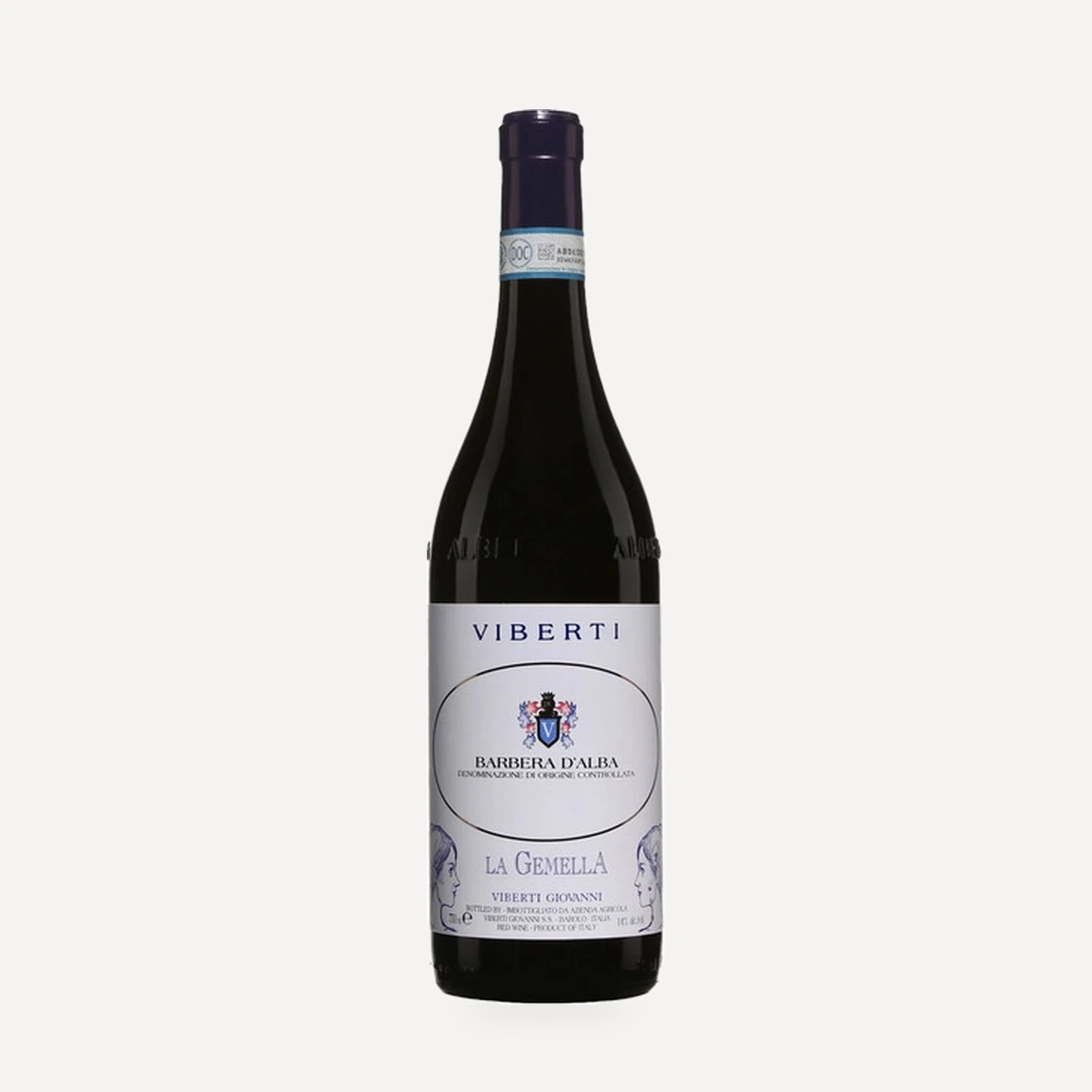
La Gemella • Barbera d’Alba
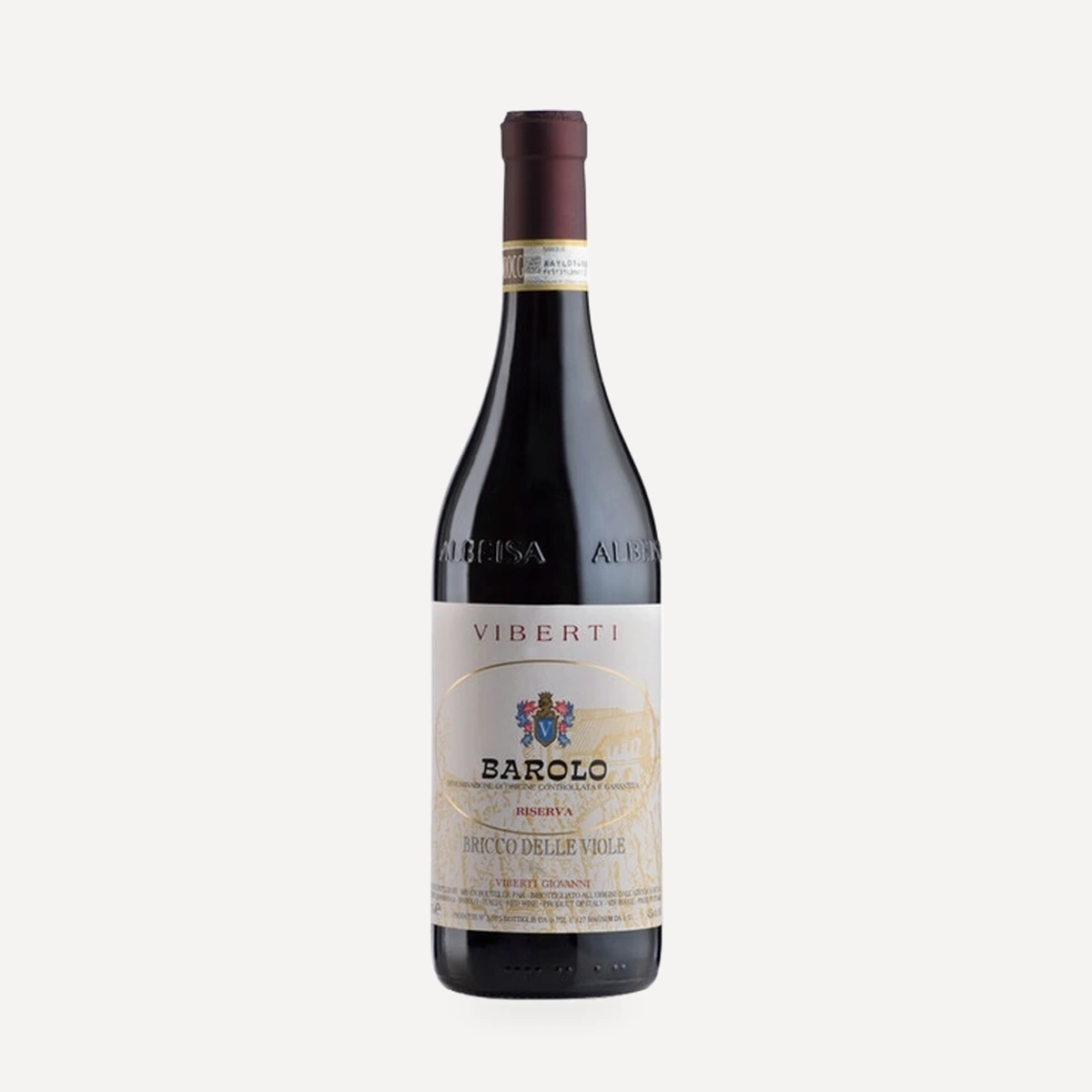
Barolo Riserva Bricco delle Viole
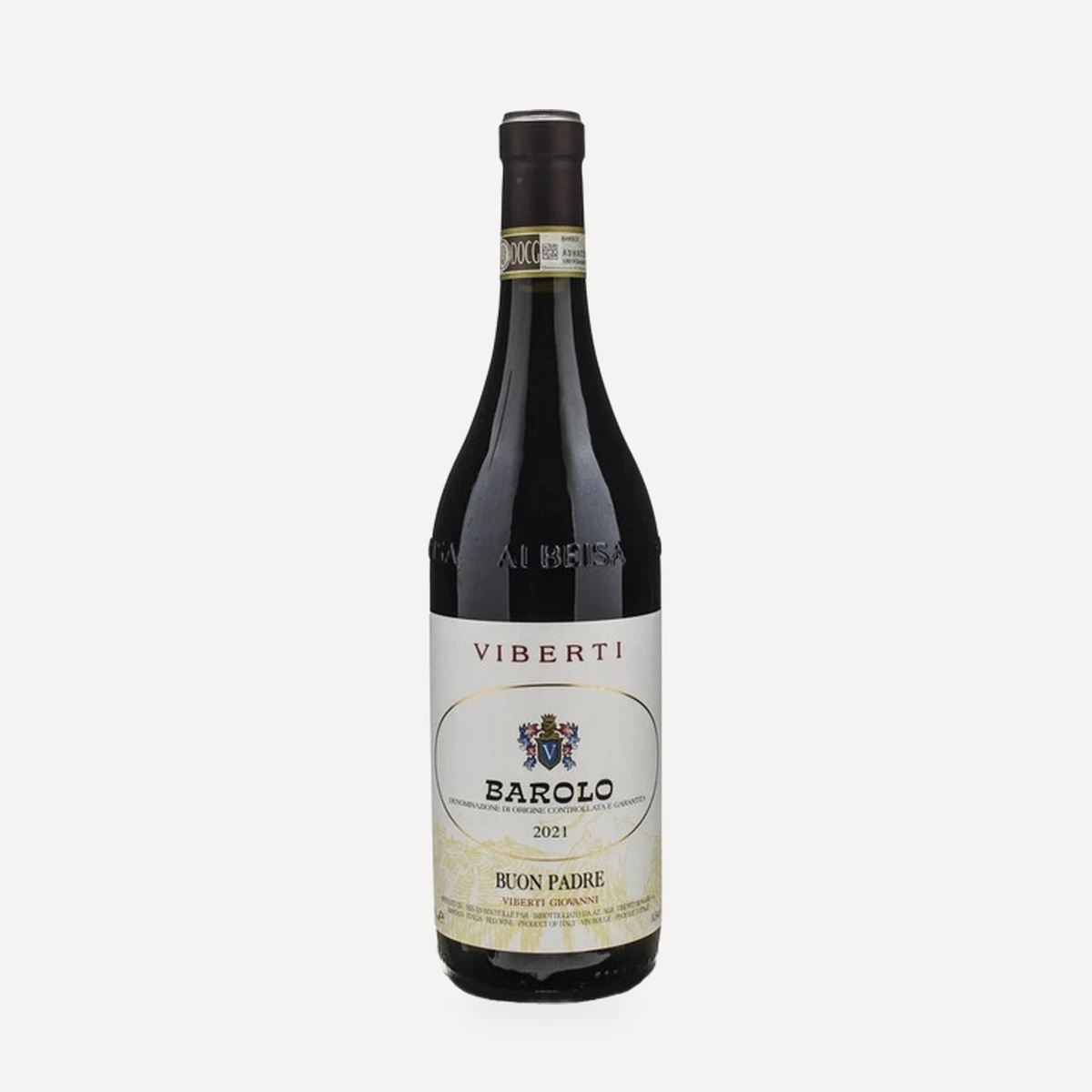
Barolo Buon Padre
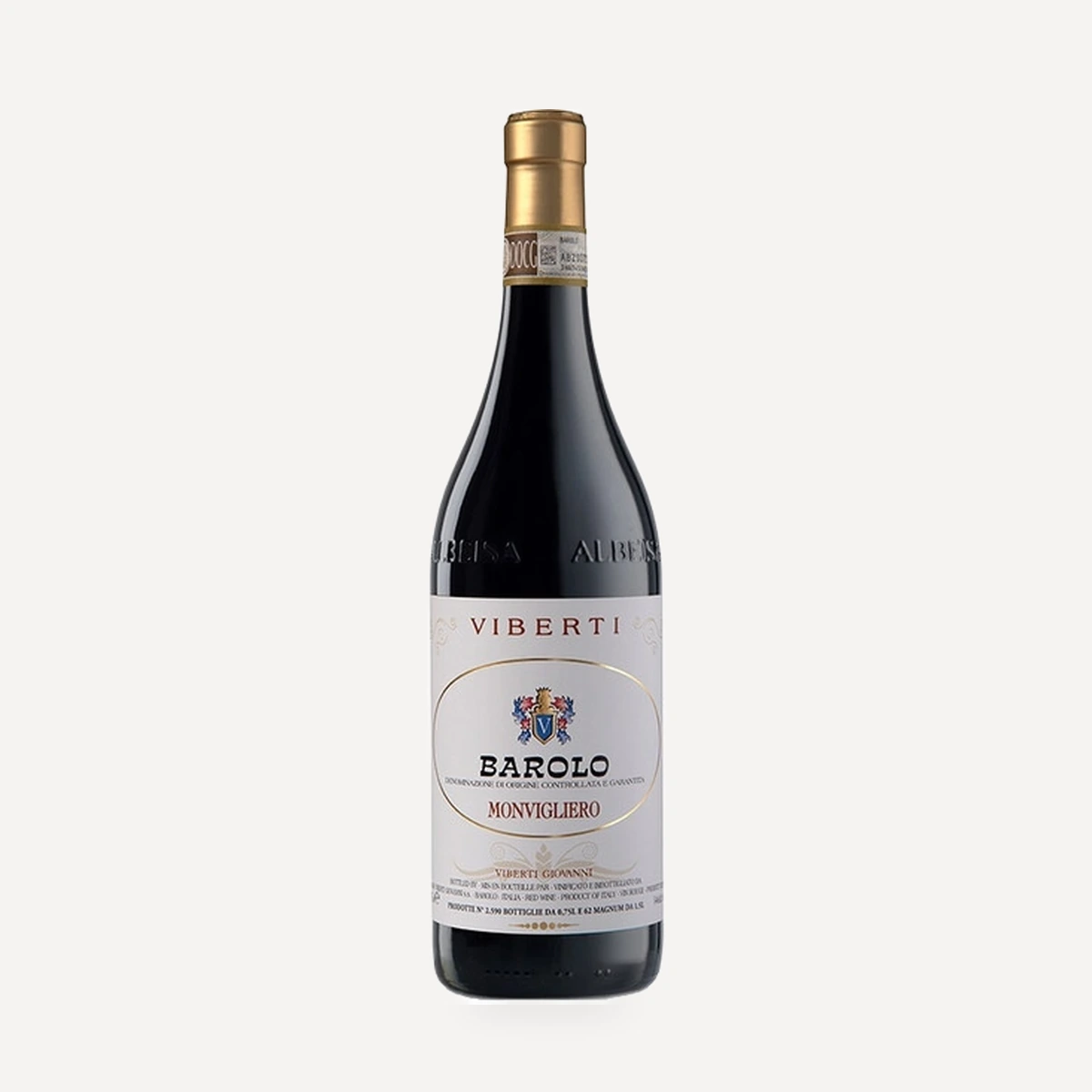
Barolo Monvigliero
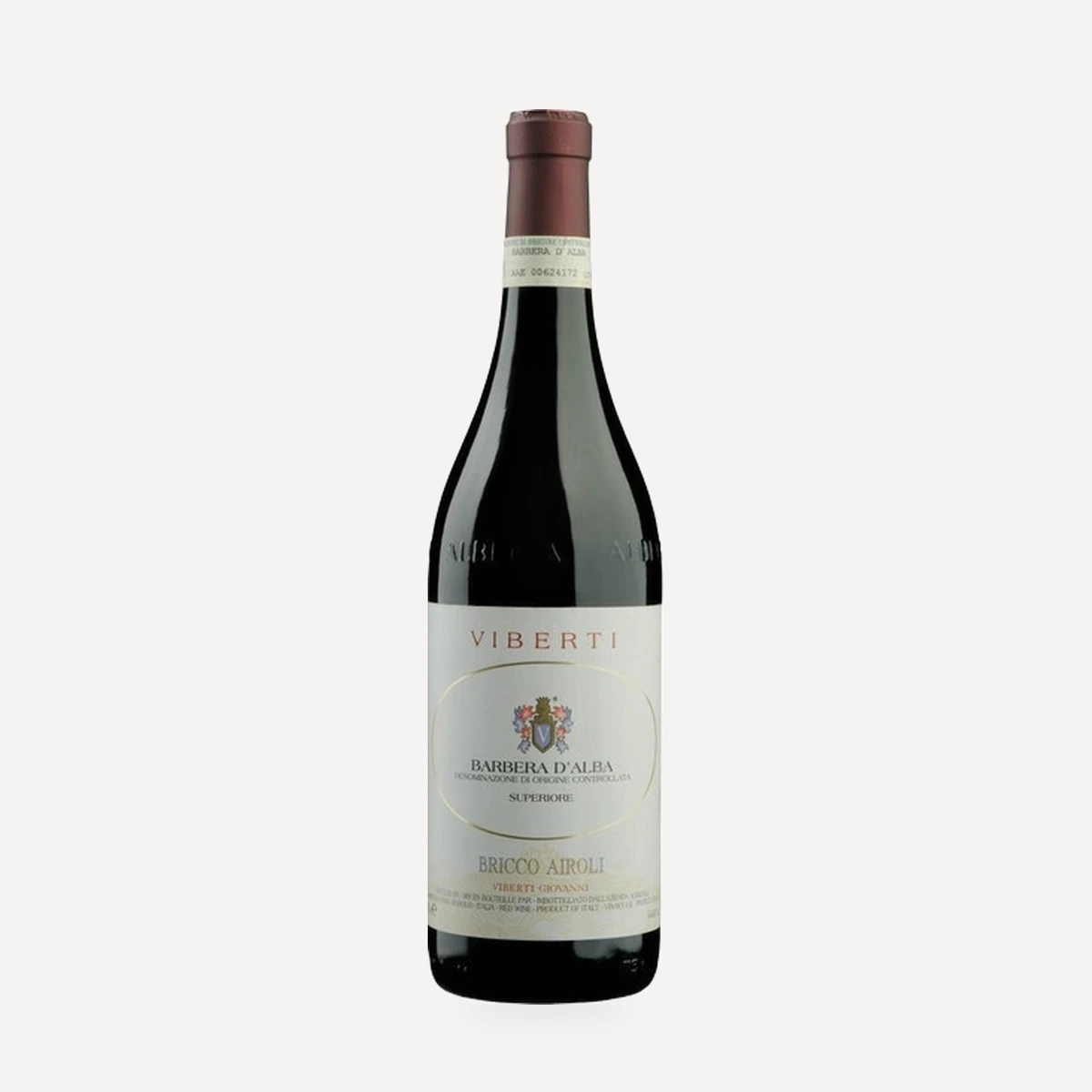
Barbera d'Alba Superiore Bricco Airoli
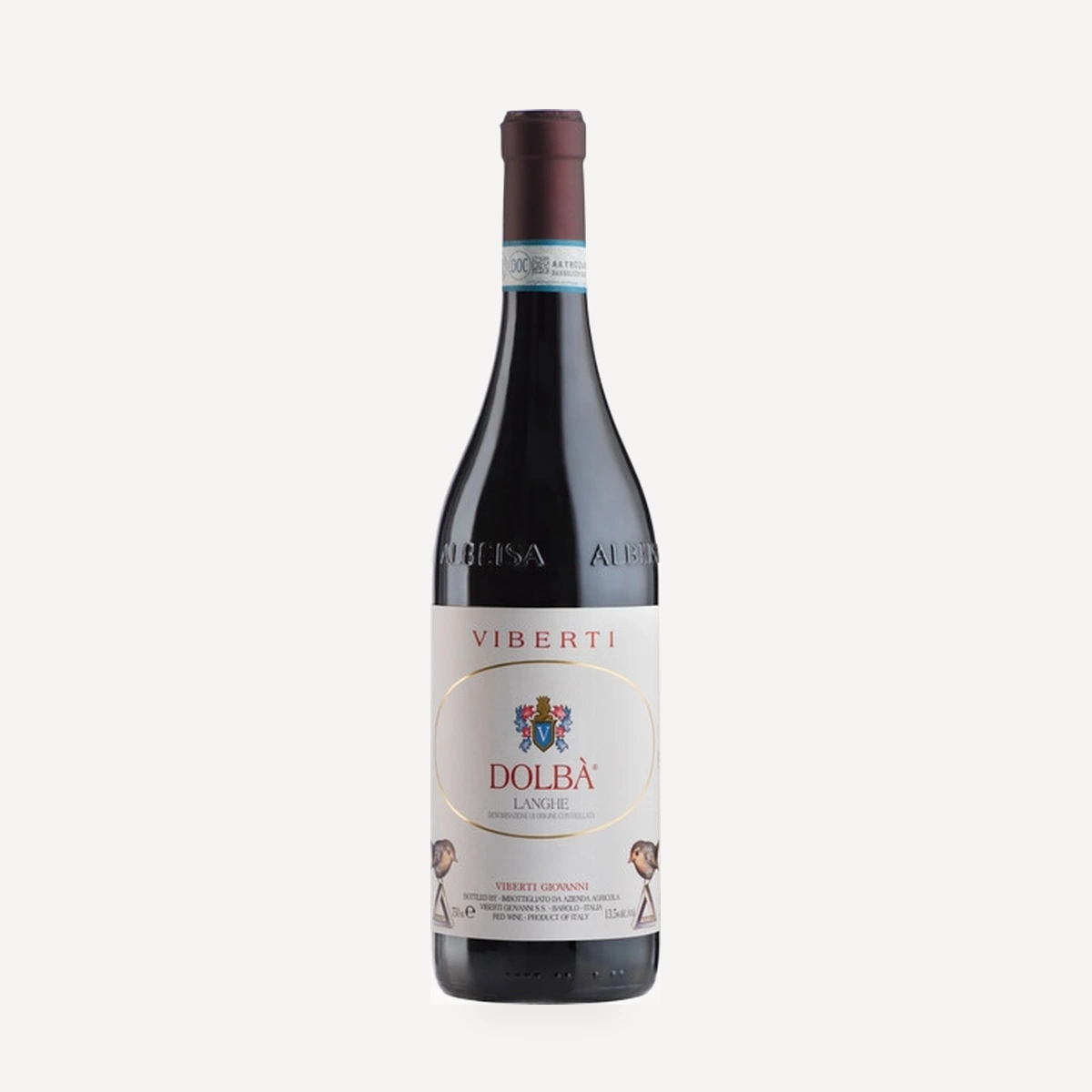
Langhe Rosso Dolbà