Storia
1972: the first family vineyard
Vincenzo Gurrieri, an electrical technician, and Graziella Battaglia, a kindergarten teacher, shared a passion for vines and agriculture. In 1972, during the first year of their marriage, they bought their first vineyard. This purchase began more than half a century of family grape growing in the countryside around Chiaramonte Gulfi. For many years, the family cultivated grapes and olives and made wine and olive oil for its own use.
The second generation
Their children, Giovanni and Angela, are both engineers. Raised with their parents’ attachment to the countryside, they chose to continue the agricultural tradition and develop a family business producing grapes, wine and olive oil in Chiaramonte Gulfi, in the province of Ragusa.
Nine hectares of vineyards were gradually brought into production across five contrade between Chiaramonte Gulfi, Comiso and Mazzarrone. This transformed a family activity into a small, specialized commercial estate focused on wines intended to express its Sicilian place of origin.
2010: the first bottling
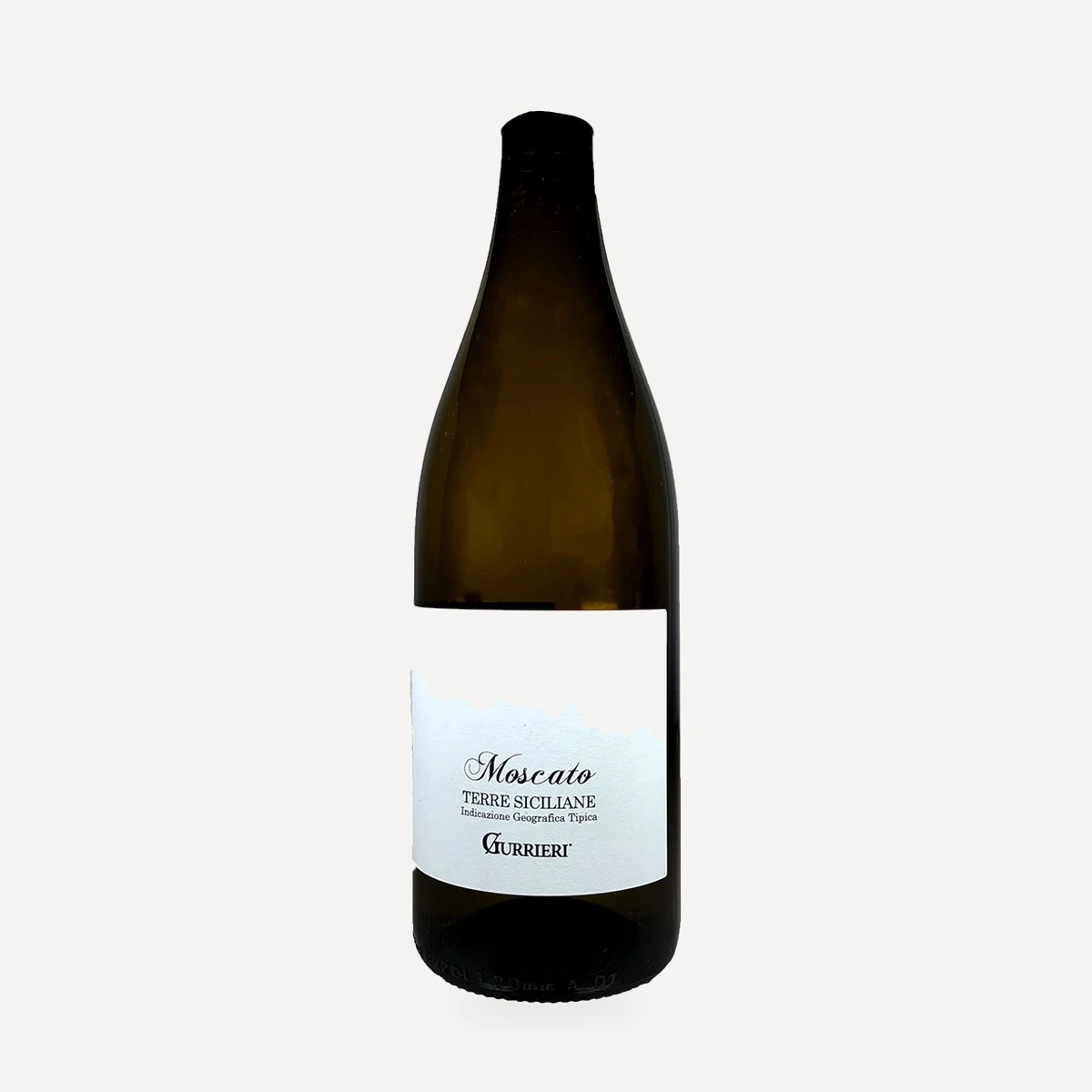
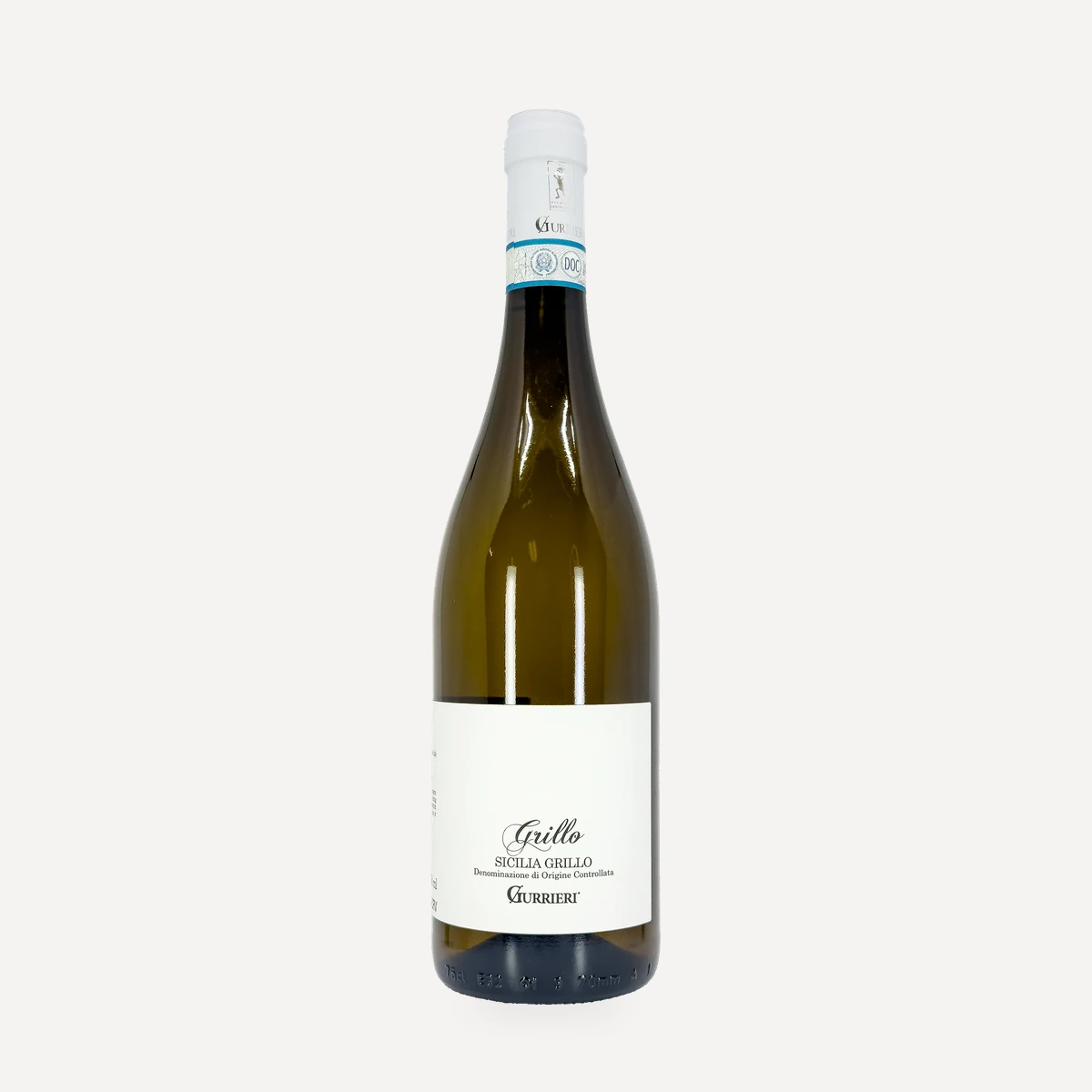
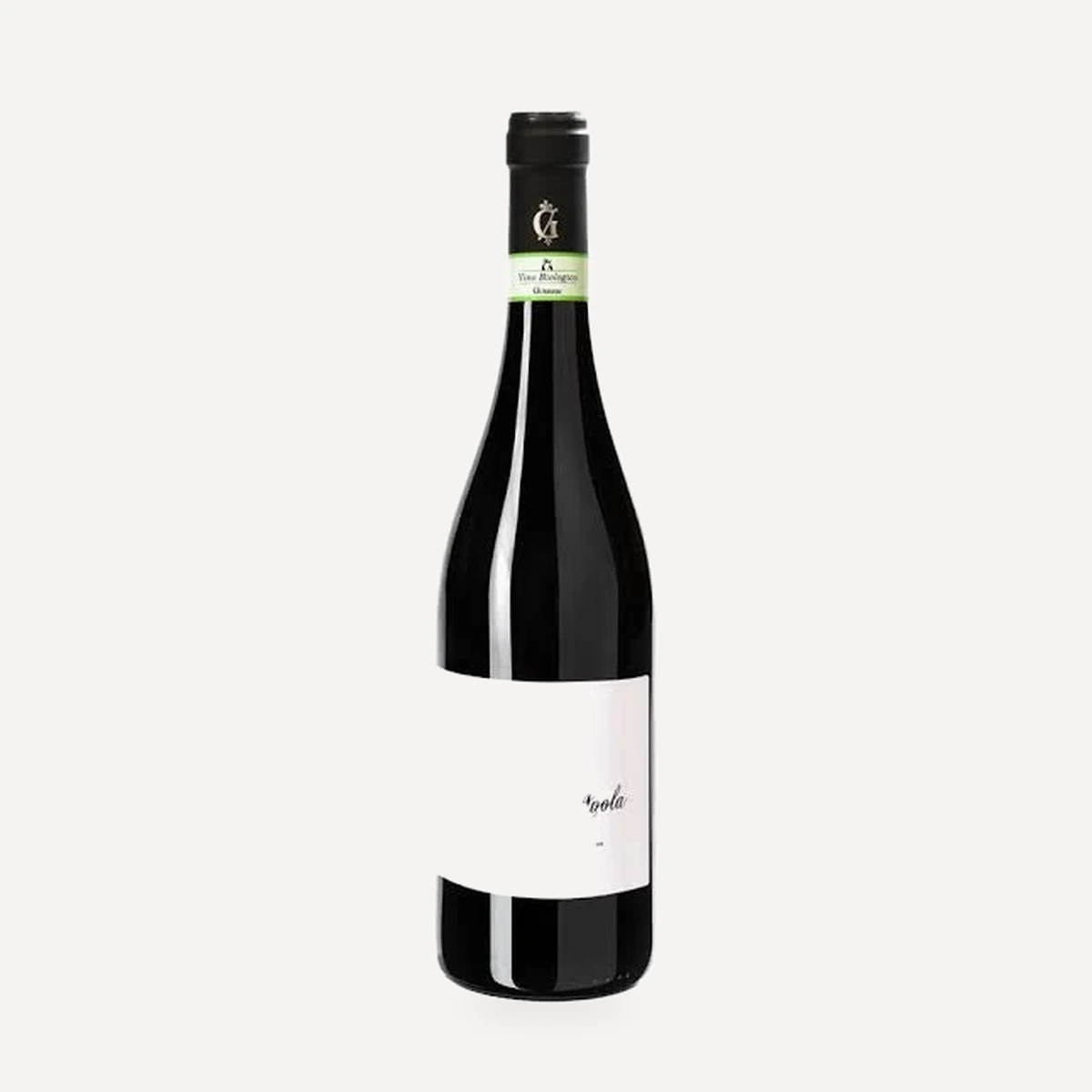
The project to bottle Sicilian wine under the family’s own identity reached its first decisive milestone in 2010, when Gurrieri completed its first bottling. The family subsequently developed a collection centered on Nero d’Avola and Frappato, including Cerasuolo di Vittoria DOCG, together with Grillo and Moscato. Syrah is the sole international variety cultivated by the estate.
The family today
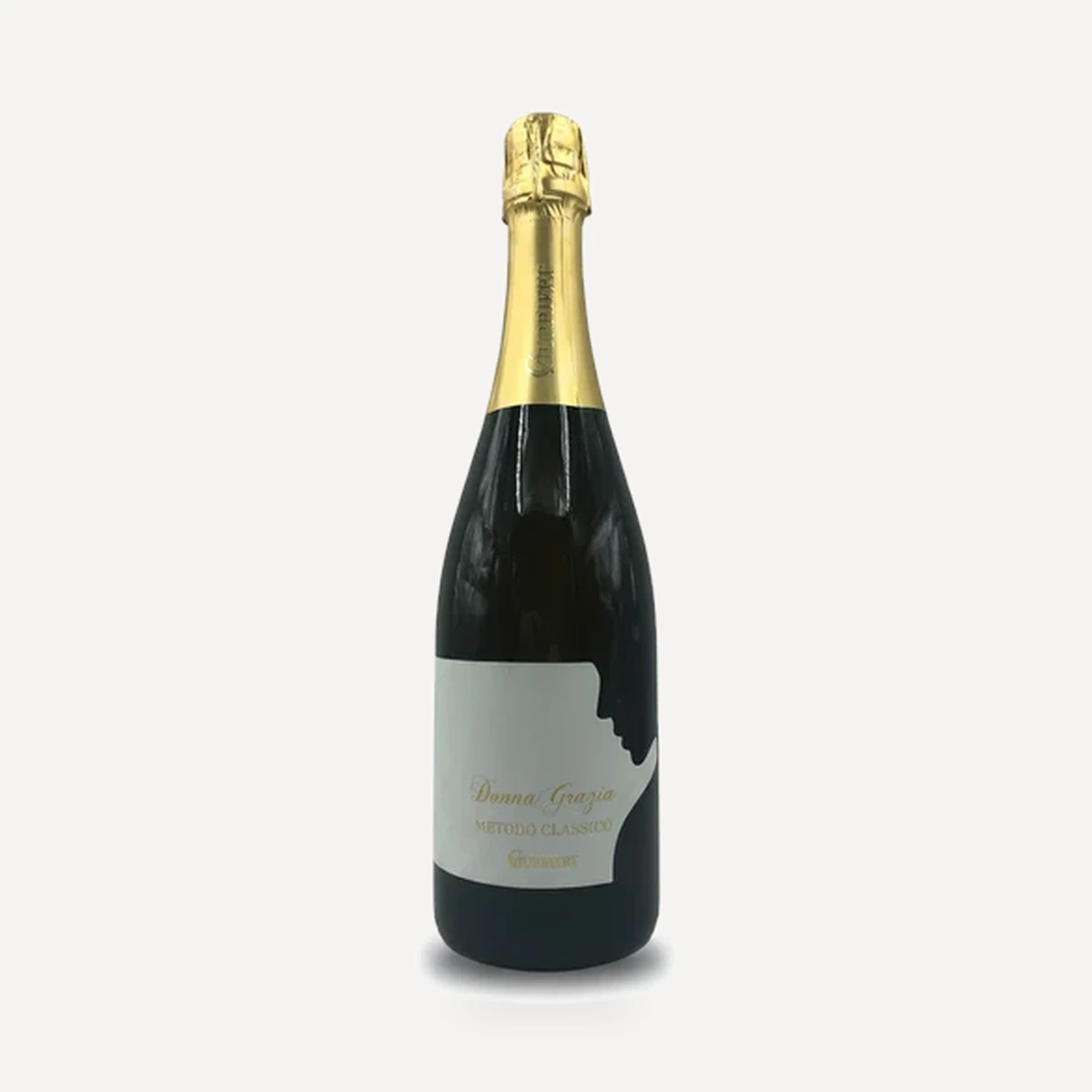
The four family members continue to work together. Vincenzo, known as “Don Vicè,” remains active in the vineyards; the estate’s Cerasuolo di Vittoria Classico DOCG bears his nickname. Graziella manages administration as well as her role at the center of the family. Giovanni and Angela dedicated the Donna Grazia range to their mother, interpreting Nero d’Avola and Frappato as white, rosé and sparkling wines.
Production now takes place within a modern winery at Via Zottopera in Chiaramonte Gulfi. The grapes move through a closed internal production circuit, and the facility accommodates both still-wine production and Classic Method and Charmat sparkling-wine processes.
Terroir
Gurrieri’s vineyards occupy five contrade in southeastern Sicily, between Chiaramonte Gulfi and Comiso in the province of Ragusa and Mazzarrone in the province of Catania. They lie in the Hyblaean countryside and fertile Val di Noto, within the classic territory of Cerasuolo di Vittoria DOCG.
The landscape combines hills with fertile, gently sloping ground descending toward the sea. Vineyards, olive groves and carob trees are divided by the area’s characteristic white dry-stone walls. The vineyard elevations are generally presented as 260–300 metres above sea level, while detailed parcel information places Fegotto as high as 320 metres.
The broader soil profile is calcareous with clay components, but individual contrade differ. Mazzarronello has medium-textured clay-limestone soils. Fegotto includes sandy ground interspersed with yellow-clay layers. Cicogne has clay and limestone. Isola combines clay-limestone material with silty sands and fluvial pebbles. Biviere includes clay-limestone soils as well as limestone and silica in the Nero d’Avola sector.
The Mediterranean climate is ventilated, with mild winters, dry summers and pronounced differences between daytime and nighttime temperatures. Average annual rainfall is approximately 430 mm. The combination of altitude, wind and diurnal variation is associated with aromatic development, while the calcareous and clay-derived soils are linked to richness and complexity.
Vinificazione
The nine hectares are cultivated organically and carry ICEA certification under control code IT BIO 006, Agriculture Italy. The family excludes herbicides, synthetic chemical substances and genetically modified organisms.
Soil work is performed manually and includes green manure and organic fertilization. Vineyard work also encompasses manual management of grape clusters and canopies. Training systems vary by parcel and variety: counter-espalier is combined with Guyot or spurred-cordon pruning, while bush vines are also present. Detailed parcel specifications cite densities of 3,000 or 4,500 vines/ha and yields generally between 70 and 80 q/ha.
Drip irrigation directs water only where it is needed, with the aim of improving water-use efficiency and conserving resources. The estate also holds ISO 14046:2014 certification relating to water footprint and ISO 14064-1:2018 certification relating to greenhouse-gas inventories.
Grapes are harvested manually into small crates and carefully selected. The general production approach divides picking into two passes to accommodate differing stages of ripeness. Harvest timing varies by grape and intended style, from the second half of August through mid-October. Small-crate transport protects berry integrity before the fruit is refrigerated and processed in the winery.
All processing stages take place within the modern winery in a closed internal circuit. Harvested fruit is selected, carried in small crates to preserve berry integrity and refrigerated before processing. Gentle pressing and temperature-controlled vinification in stainless-steel tanks form the core of production.
The cellar produces still, lightly sparkling and fully sparkling wines. White and rosé processing employs gentle pressing and cool alcoholic fermentation, commonly at 16°C. Some white wines mature on fine lees in steel. Rosé production may include several hours of skin contact before fermentation.
Red-wine protocols represented across the collection include 48-hour pre-fermentation maceration, alcoholic fermentation at controlled temperatures between 20°C and 26°C, skin macerations of 10–20 days, and daily punch-downs or pump-overs. Malolactic fermentation follows for the red wines described in the estate’s production material. Stainless steel is the principal maturation vessel; the longer-aged Don Vicè selection divides its 18-month maturation between tonneaux and steel before extended bottle aging.
Sparkling production encompasses the Charmat or Martinotti method, the Classic Method and an Ancestral Method bottling. Charmat wines undergo secondary fermentation in pressure tanks and extended contact with yeasts before filtration and bottling. Classic Method wines are refermented in bottle and rest on their lees for periods ranging from at least 24 to 48 months. They undergo approximately 45 days of manual remuage in pupitres, followed by disgorgement and, where applicable, the addition of liqueur d’expédition prepared from the same cuvée. The Ancestral Method expression referments in bottle with indigenous yeasts and remains in bottle for at least six months.
Filosofia
Gurrieri presents wine as an extension of family, farming knowledge and attachment to the Sicilian homeland. Its stated objective is to make small-scale wines with strength and elegance that retain a recognizable connection to their place of origin.
The family places particular emphasis on preserving its agricultural identity while working in international markets. Quality is framed as the result of care in the vineyard, selective manual harvesting, protection of the fruit and controlled cellar work rather than separation from the estate’s peasant roots.
Environmental responsibility is treated as an obligation to both present and future generations. Organic farming, manual soil and canopy management, efficient irrigation, environmental measurement and technological investment are intended to preserve the land while sustaining its future productive potential.
Tradition and modern equipment are complementary within this approach: inherited knowledge of the countryside guides grape growing, while a modern, internally integrated cellar provides control over every processing stage. The focus remains on native grapes—especially Nero d’Avola, Frappato and Grillo—with Syrah retained as the only international variety because of its adaptation to the local conditions.
Vini
Donna Grazia Spumante
Grillo
Nero d’Avola
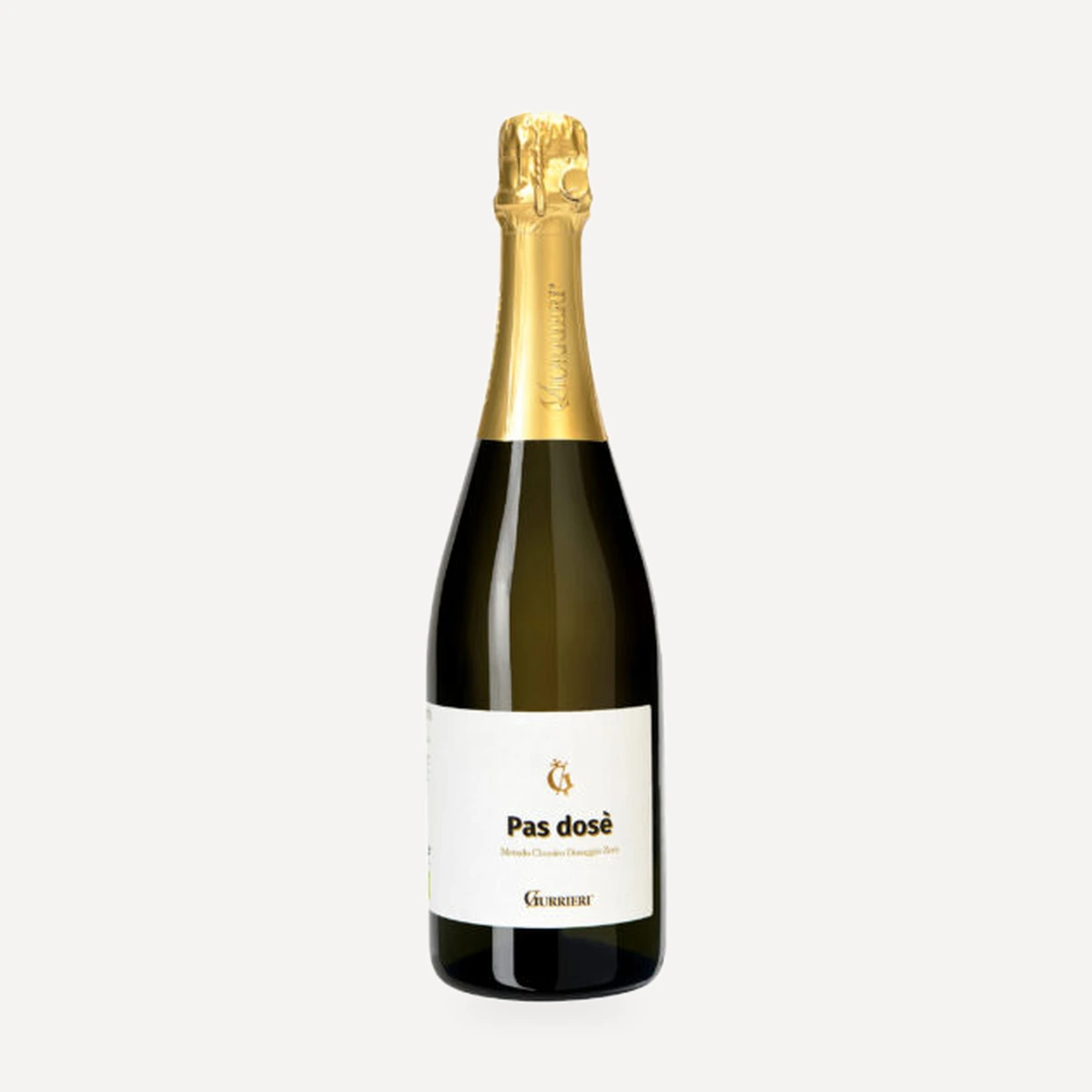
Pas Dosè
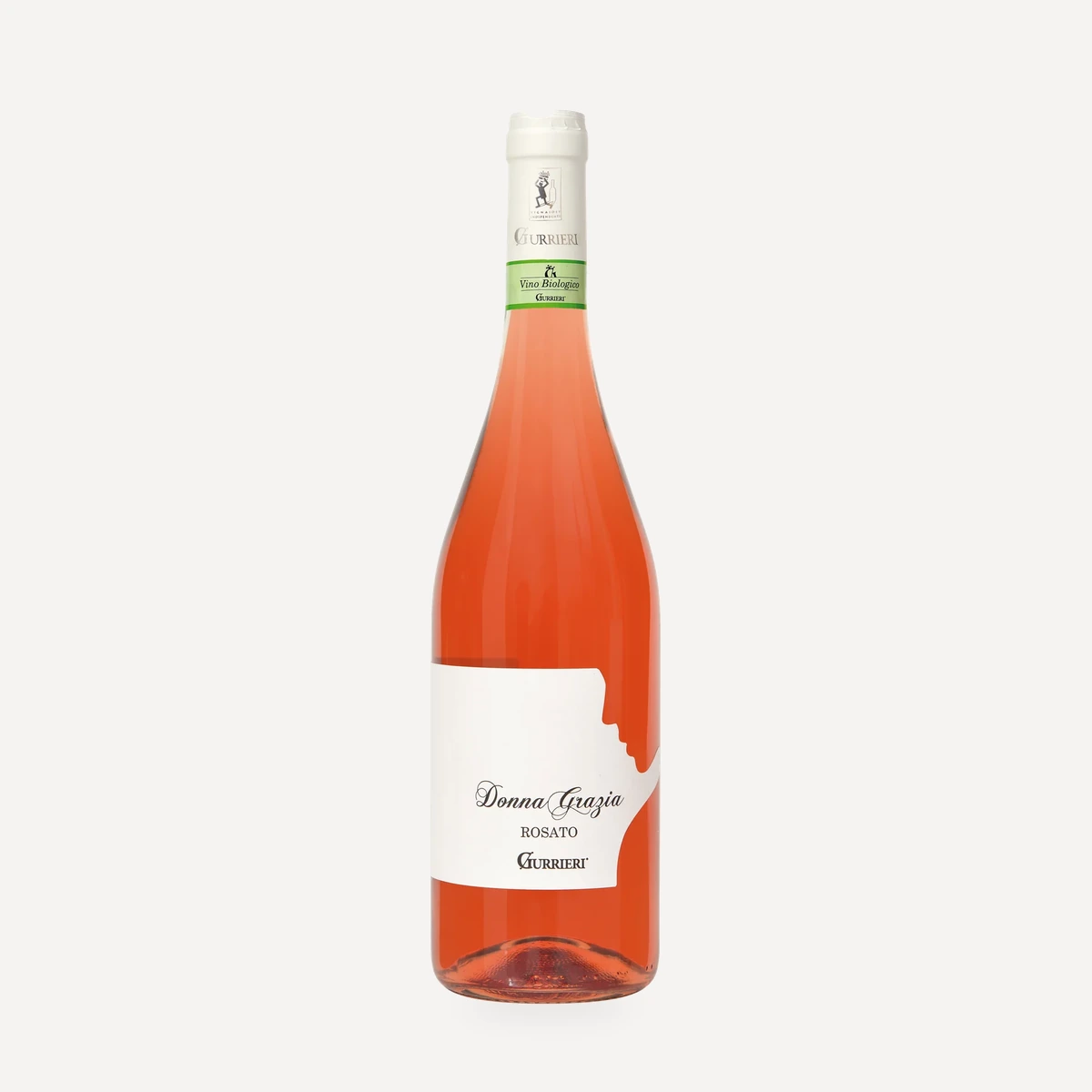
Donna Grazia Rosé
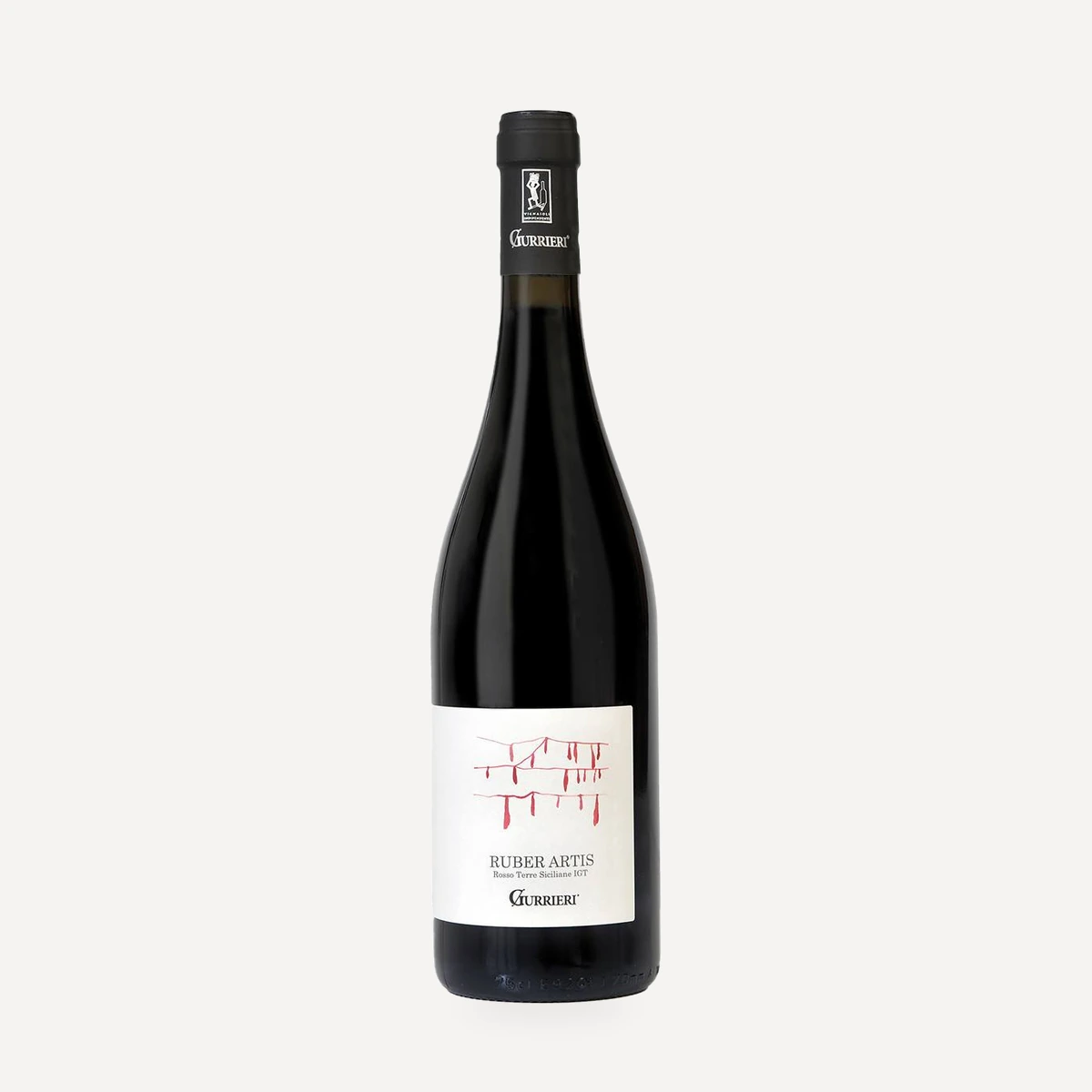
Ruber Artis
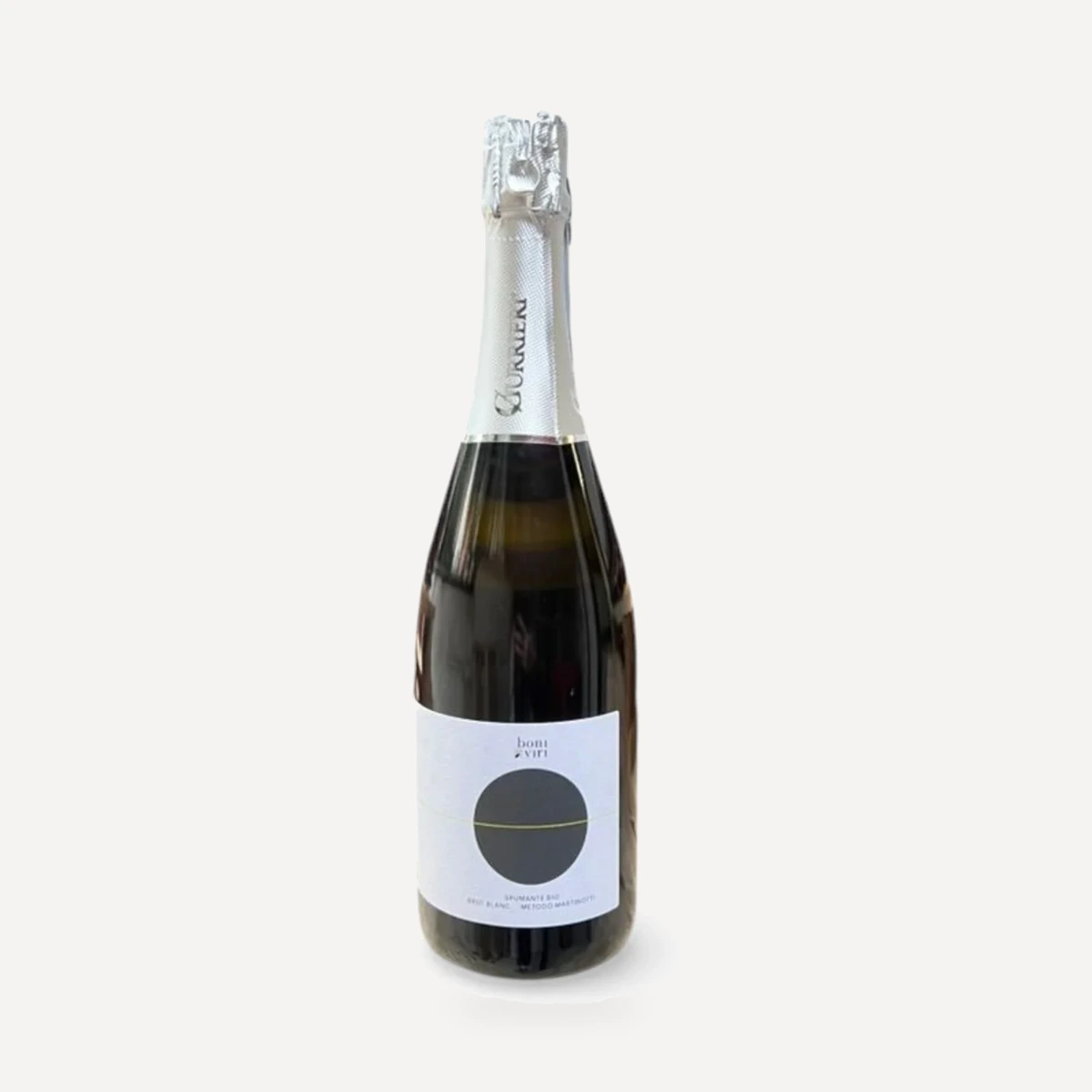
Brut Blanc