Storia
Carlo Hauner before Salina
Carlo Hauner was born in Brescia and had Bohemian family origins. His creative career began in painting: before turning twenty, he exhibited at the Biennale di Venezia. He subsequently gained international recognition as a designer. Wine became a later creative undertaking in a life already divided among several artistic and professional interests.
1963–1970s: arrival in the Aeolian Islands
Hauner first reached the Aeolian Islands in 1963, when tourism in the archipelago was still in its early stages. His summer stays became progressively longer, and during the 1970s he moved to Salina.
He became interested in Malvasia and in the island’s traditional production method. Local growers harvested the grapes in the second half of September and dried them in the sun for about two weeks, placing them outdoors on cane racks during the day and bringing them in at sunset. Hauner learned these practices directly and combined them with the study of both ancient and modern winemaking texts.
Large-scale emigration to Australia and the Americas had left many Aeolian agricultural plots uncultivated. Hauner sought out these abandoned properties, assembled approximately 20 hectares, cleared the land, restored the old terraces and returned them to viticulture.
Innovation and the revival of Malvasia
Alongside the recovery of traditional terraces and techniques, Hauner introduced two important changes: partial drying of grapes on the vine and experiments with refrigeration during fermentation. These methods attracted the attention of wine commentators, particularly Veronelli. Hauner’s Malvasia subsequently reached restaurants first in Italy and then in France, the United States, Great Britain, Japan and other international markets.
This growing demand also affected other island growers. Local producers began supplying their harvests to Hauner, and a number of them returned to cultivating vineyards as interest in the traditional sweet wine of the Aeolian Islands increased.
1980s: the Lingua winery
A new winery was constructed during the 1980s at Lingua, a locality within Santa Marina Salina. Designed in the Aeolian architectural style, it combined a modern refrigeration system with stainless-steel vessels and wooden barrels for maturation. Its total cellar capacity was 1,200 hectolitres.
The opening coincided with expanding attention to Malvasia among critics, journalists, television crews, winemakers, producers and wine enthusiasts. Visits to Carlo Hauner and the winery became increasingly frequent and helped broaden awareness of both Aeolian wine and the archipelago.
The range also expanded during this period. Salina Bianco and Salina Rosso were introduced alongside Malvasia, followed by the barrique-aged Carlo Hauner Bianco and Antonello Rosso.
1996 and the family succession
Carlo Hauner died in February 1996. Management passed to his son, Carlo Hauner Junior, supported by his wife Cristina and their sons Andrea and Michele. The estate therefore continued as a family-run enterprise, with the second generation leading and the third generation participating.
2000: a vineyard on Vulcano
In 2000, Carlo Hauner Junior established a 2-hectare vineyard at Piano on the northeastern side of Vulcano. The site was planted with Calabrese, also identified as Nero d’Avola, Alicante and Nocera, together with a few rows of Grillo. This planting extended Hauner’s vineyard activity from Salina to a second Aeolian island.
Continuing production
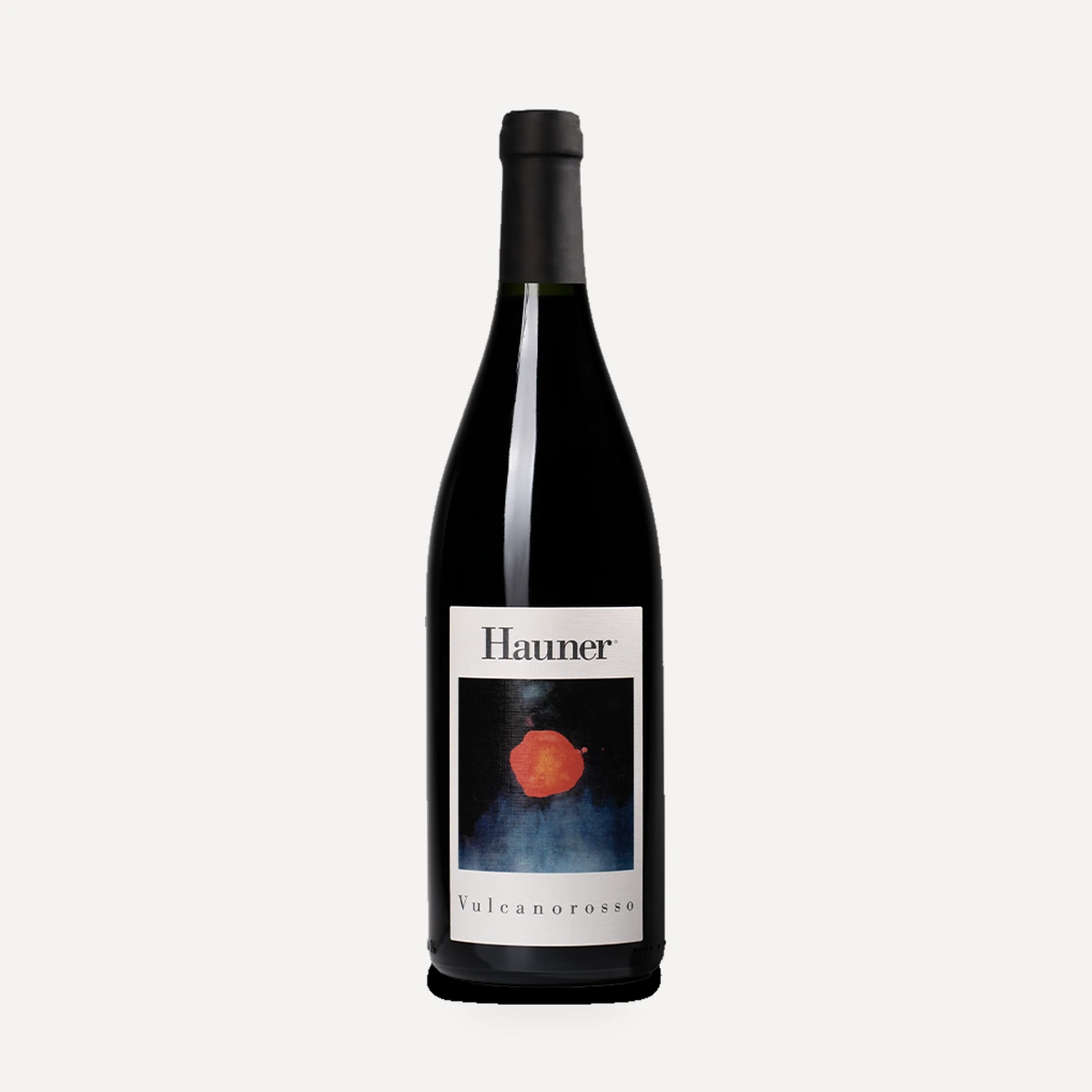
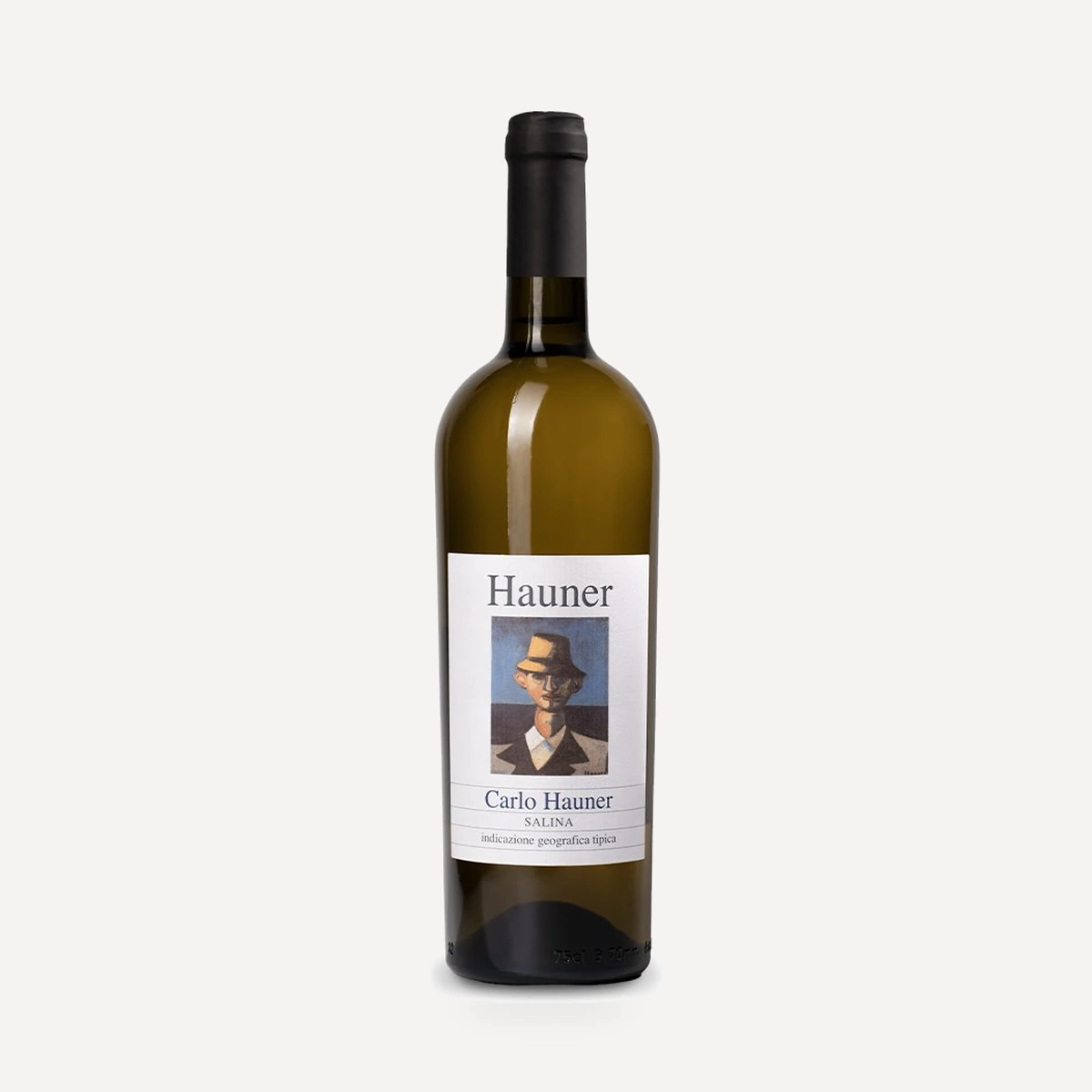
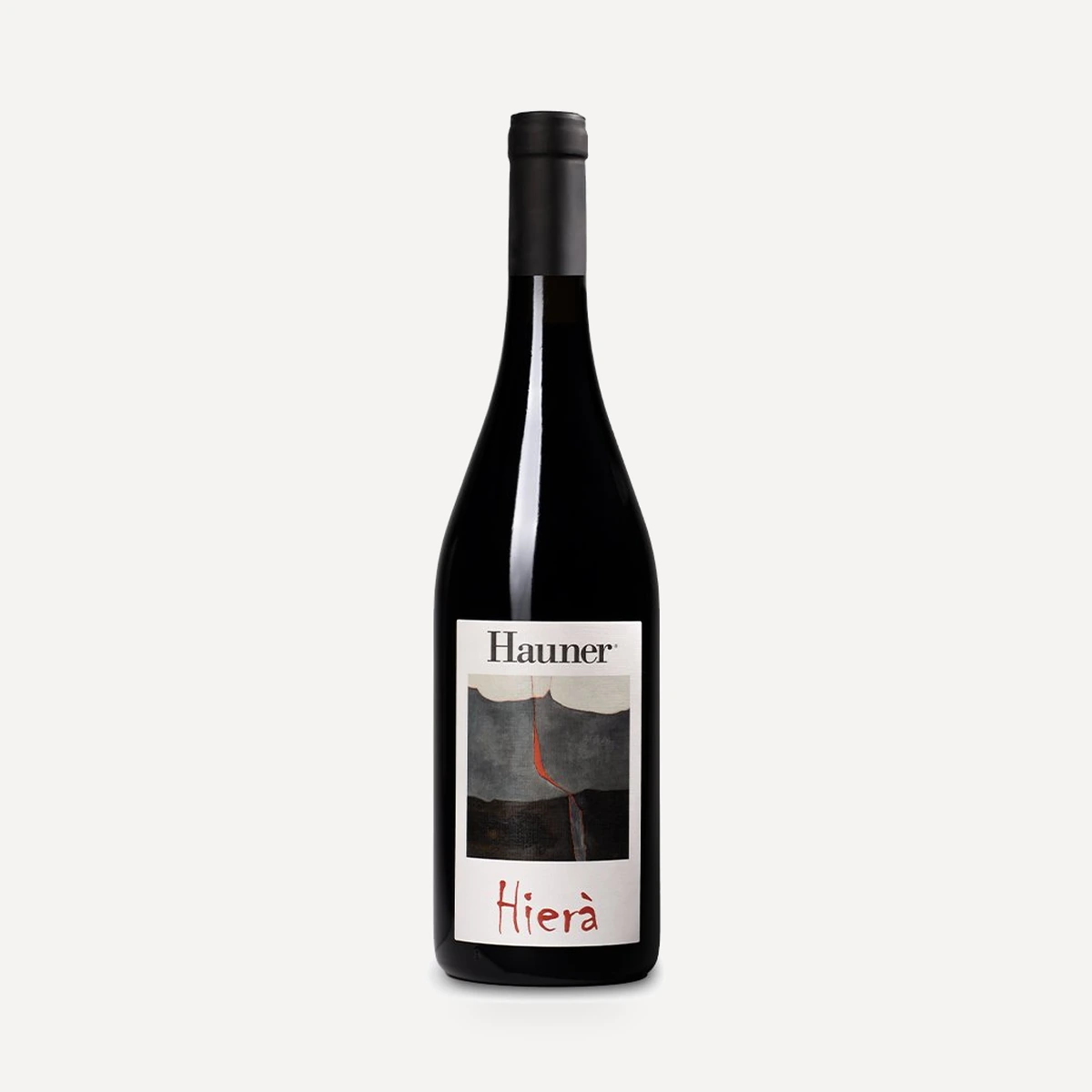
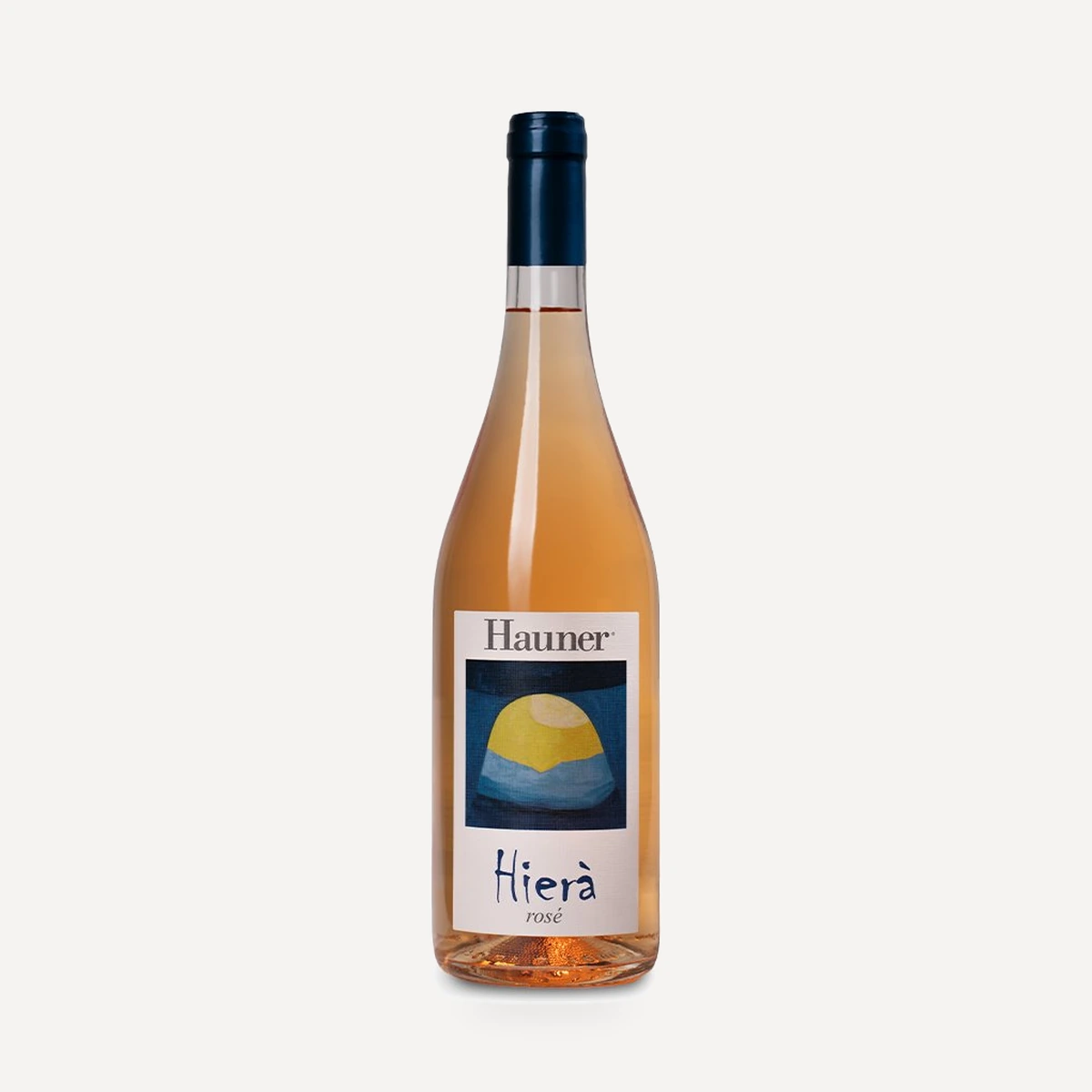
Malvasia production is approximately 50,000 bottles, divided between naturale and passito expressions. Wine remains the central activity, accompanied by the production of Salina capers. The visual identity of both products continues Carlo Hauner’s artistic legacy: the labels reproduce his paintings and draw on Aeolian architecture, Salina’s vegetation, volcanic black, the blue of the sea, and the reds and oranges of the moon and dawn.
Terroir
Salina
Salina lies in the southern Tyrrhenian Sea and is the greenest island in the Aeolian archipelago. Its ancient name, Didyme, means “twins” and refers to its two volcanic peaks: Monte dei Porri, at 860 metres, and Monte Fossa delle Felci, at 962 metres, the highest point among the seven Aeolian Islands. Both are within a nature reserve. Chestnut woods and Mediterranean vegetation contribute to the island’s notably green landscape.
The island’s fertile land supports Malvasia vines and caper plants. Malvasia intended for sweet wine is traditionally dried in the sun. Pollara, another expression of the island’s volcanic formation, occupies a bay enclosed by high white cliffs that form the visible rim of a submerged crater.
Oidium is a persistent vineyard pressure on Salina and requires attention throughout the growing season.
Vulcano
Hauner’s Vulcano vineyard lies at Piano, a fertile upland plateau in the northeastern part of the island, at approximately 400 metres above sea level. The contemporary island was formed through the joining of the eruptive structures of Lentia, Vulcano Piano, Vulcanello and Gran Cratere; the latter remains active and emits fumes.
Establishing vines at Piano required breaking through a hard, compact surface crust. Deep sulphur infiltration prevented many young vines from taking root. Rainfall is approximately 500 mm per year, while plant growth is aided by moisture condensing overnight; mean annual humidity is 76%.
Fungal disease pressure is lower than on Salina, and treatments are absent or kept to a minimum. The principal hazards are instead goats, wild rabbits and birds. Fine-mesh fencing surrounds the vineyard to restrict terrestrial animals, while the grapes remain exposed to birds.
Vinificazione
Hauner’s viticultural history began with the recovery of abandoned land on Salina. Approximately 20 hectares were cleared, their historic terraces reconstructed and the plots returned to vines. The estate also receives grapes from local producers, some of whom resumed vineyard cultivation as demand for Aeolian Malvasia recovered.
Traditional Malvasia practice centres on late ripening and post-harvest sun-drying. Carlo Hauner also introduced partial drying on the vine. Current technical information identifies espalier and Guyot among the training systems used across the range.
Conditions differ markedly between the two islands. Oidium is a recurring concern on Salina. At Piano on Vulcano, fungal treatments are absent or minimal, but the hard soil crust, deep sulphur infiltration and animal pressure make establishment and crop protection difficult. Fine-mesh fencing surrounds the Vulcano vineyard against goats and wild rabbits; there is no equivalent protection from birds.
The timing recorded across the range runs from late August through the first half or middle of September, with later harvesting for the sweet Malvasia expressions. Grapes intended for passito are sun-dried on cane mats, with drying periods ranging from approximately 15–20 days to 30–40 days depending on the expression.
The winery built at Lingua during the 1980s follows Aeolian architectural forms while incorporating a modern refrigeration installation. Stainless-steel tanks stand alongside wooden barrels used for maturation, and total cellar capacity is 1,200 hl.
Carlo Hauner’s approach developed from close study of Salina’s traditional Malvasia method, supplemented by ancient and modern technical texts. Traditionally, fully ripe bunches were cleaned of damaged berries, spread on mats made from marsh reeds and exposed to the sun for eight to ten days or longer. They were then crushed and the juice transferred to barrels for fermentation. Contemporary production retains the essential principle of concentrating selected grapes through sun-drying while using modern temperature control.
Hauner introduced on-vine drying and refrigeration during fermentation. Across the present range, cellar methods include immediate draining for some whites and rosé, brief or extended skin contact, pre-cooling of grapes, and controlled low-temperature fermentation. Stainless steel is the principal maturation vessel, supplemented by barriques for selected wines. Bottle maturation ranges from approximately three to eight months in the documented range.
For Malvasia passito, late-harvested grapes are dried in the sun on cane mats. The standard passito uses approximately 15–20 days of drying, followed by skin contact, temperature-controlled fermentation, stainless-steel maturation and six months in bottle. The selezione receives approximately 30–40 days of drying and uses barriques in vinification or maturation, followed by eight months in bottle.
The estate also transforms pressed Malvasia passito pomace into grappa. The pomace is distilled in small steam-heated copper stills using a discontinuous traditional process; the heads and tails are separated so that only the heart is retained.
Filosofia
Hauner’s founding approach joined respect for established Aeolian practice with deliberate technical experimentation. Carlo Hauner learned directly from Salina’s growers and studied historical and contemporary texts, yet did not treat tradition as fixed: he tested on-vine drying and fermentation cooling to improve control over Malvasia production.
The recovery of abandoned terraces was both a viticultural and cultural project. Land left uncultivated after mass emigration was returned to production, while renewed demand encouraged other island growers to resume work in their vineyards and contribute grapes.
Continuity is also expressed through family management and visual culture. Carlo Hauner Junior and his family maintain the enterprise after the founder’s death, while reproductions of Carlo Hauner’s paintings preserve the connection between wine, art and the colours and forms of the Aeolian landscape.
Vini
Carlo Hauner
Hierà
Hierà rosé
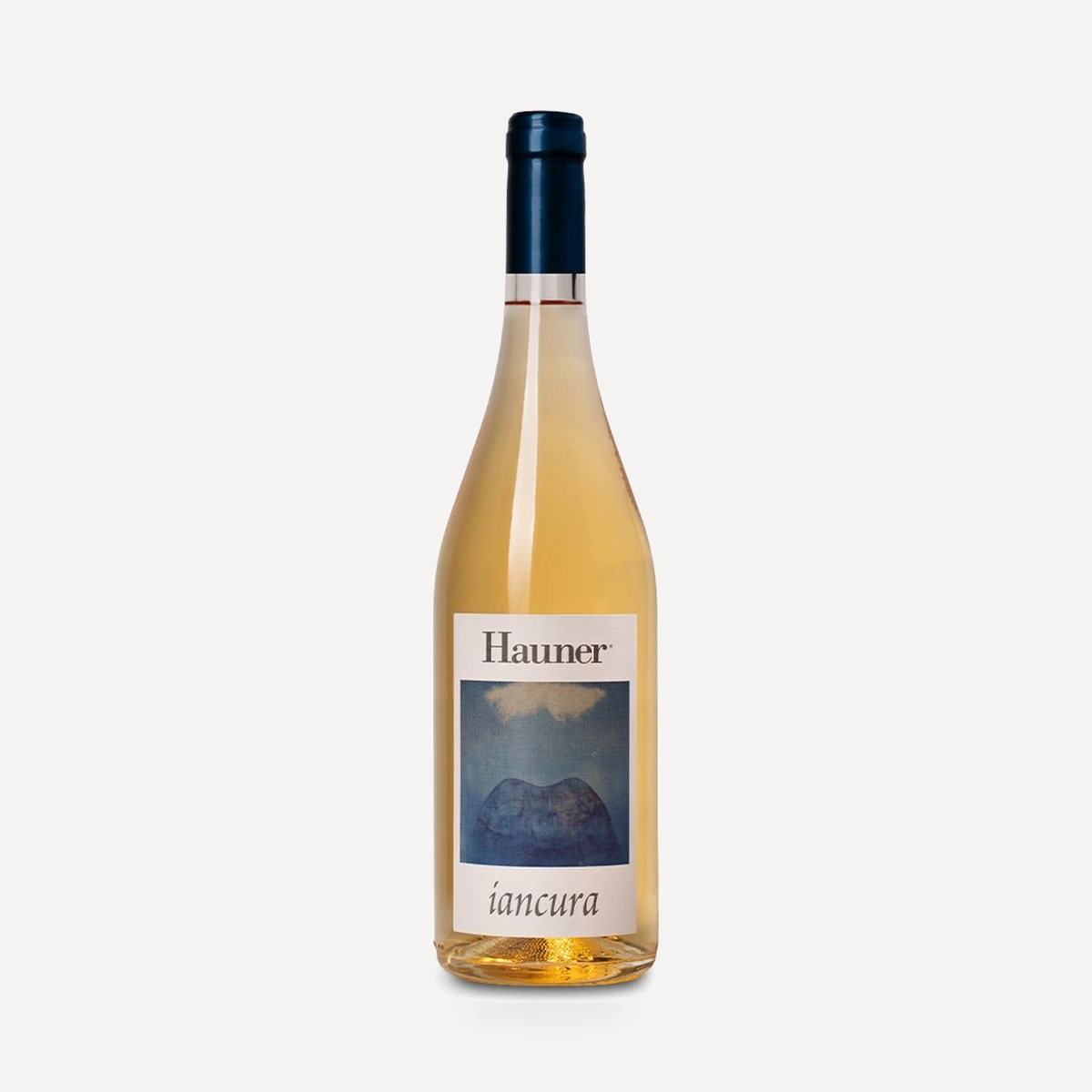
Iancura
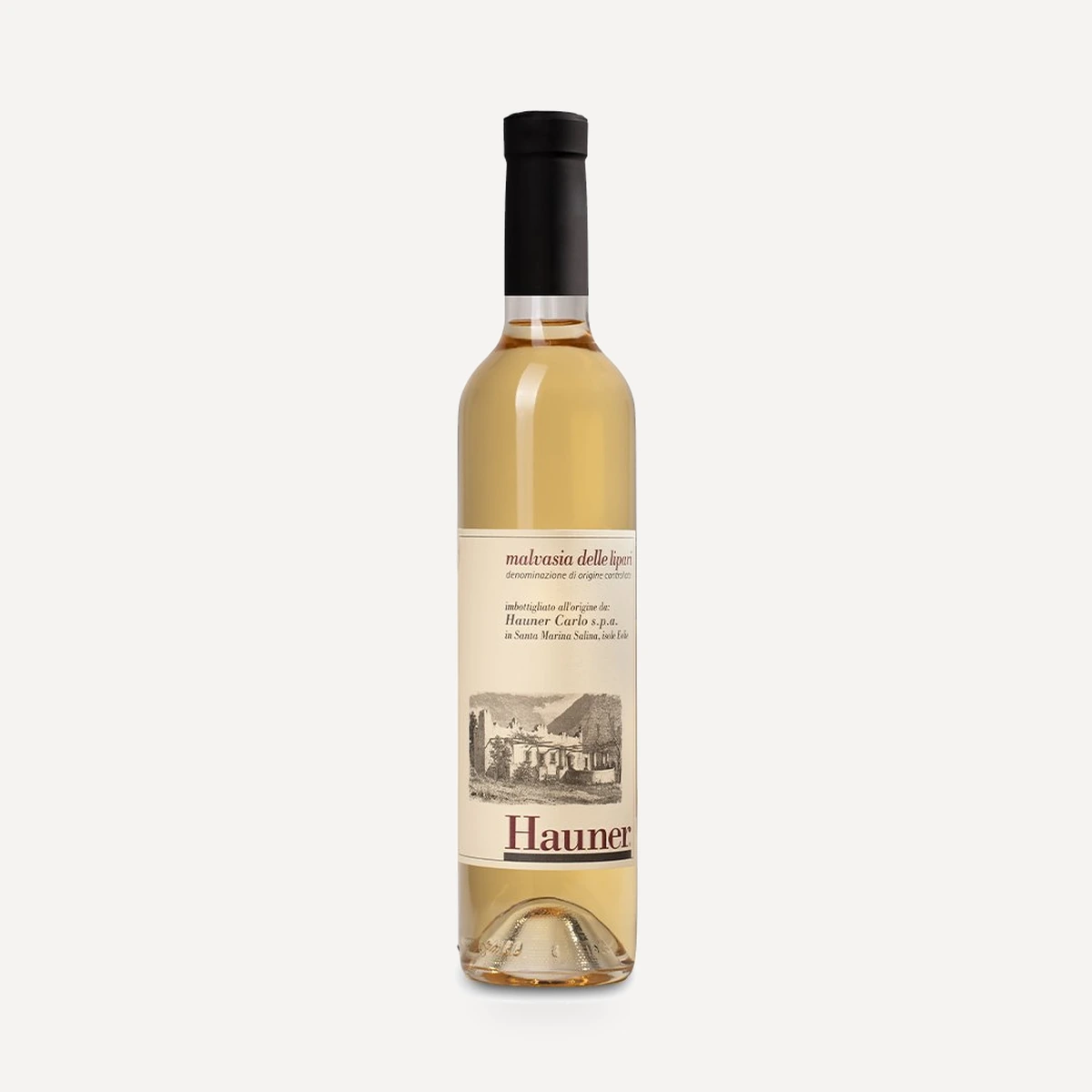
Malvasia delle Lipari DOC naturale
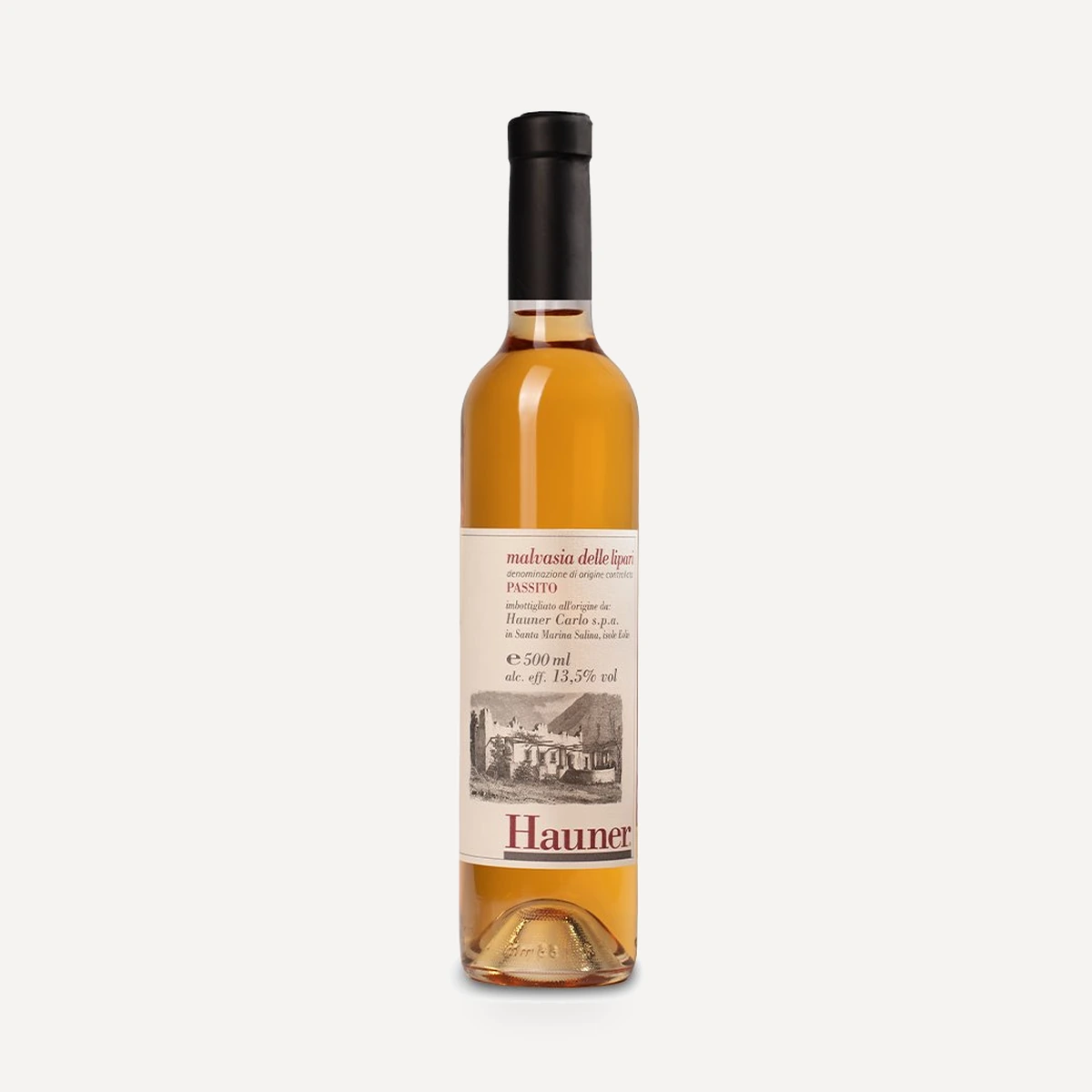
Malvasia delle Lipari DOC passito
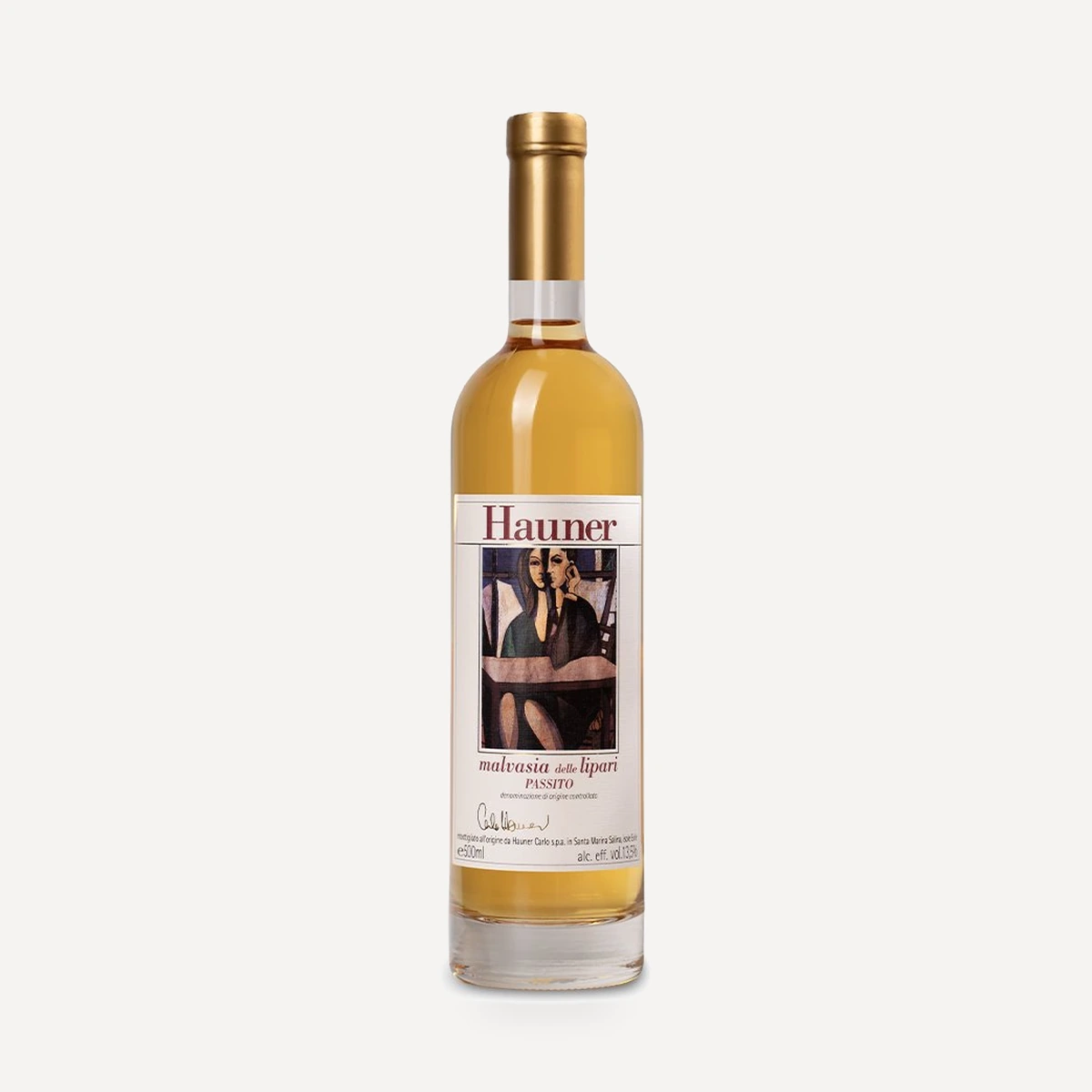
Malvasia delle Lipari DOC selezione Carlo Hauner
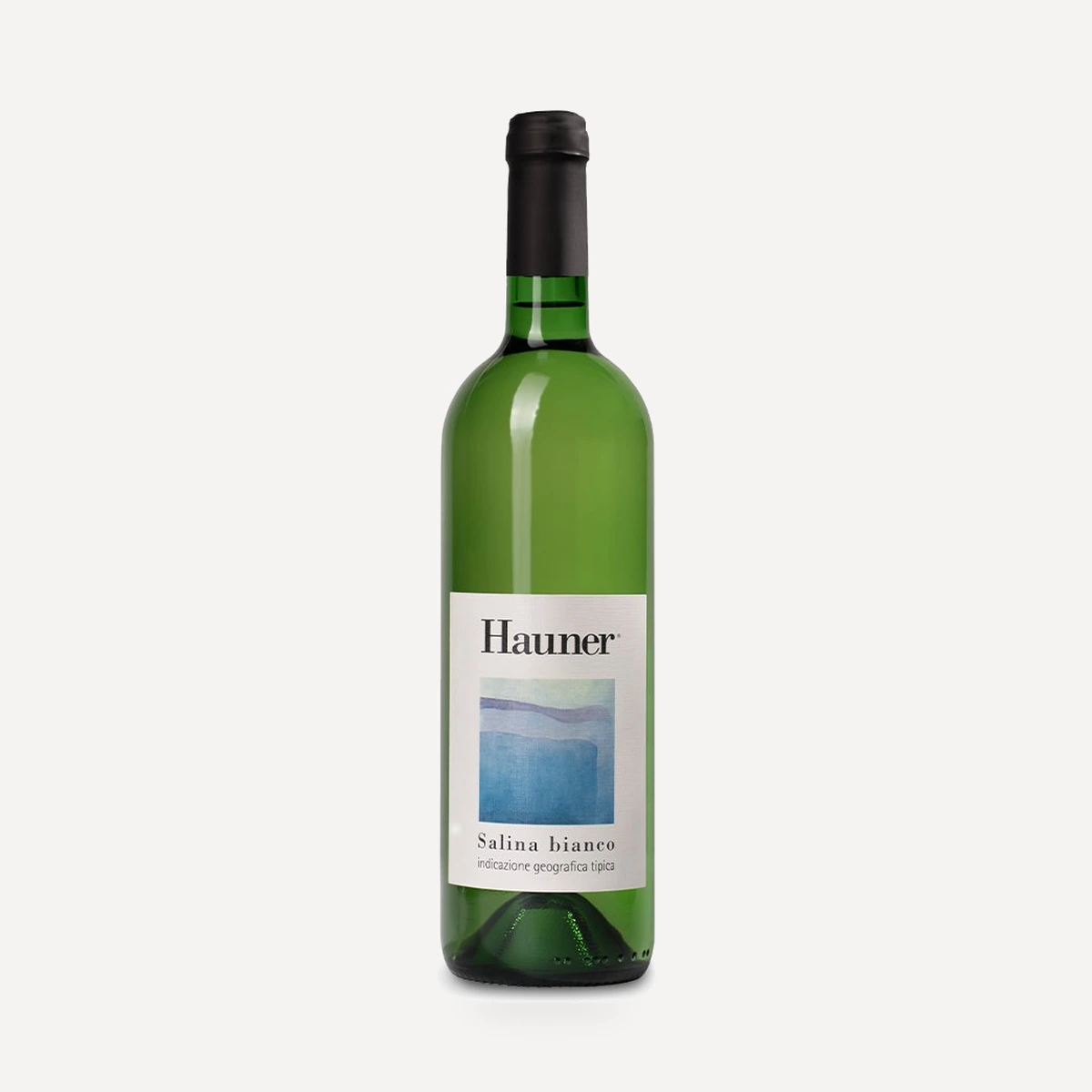
Salina Bianco
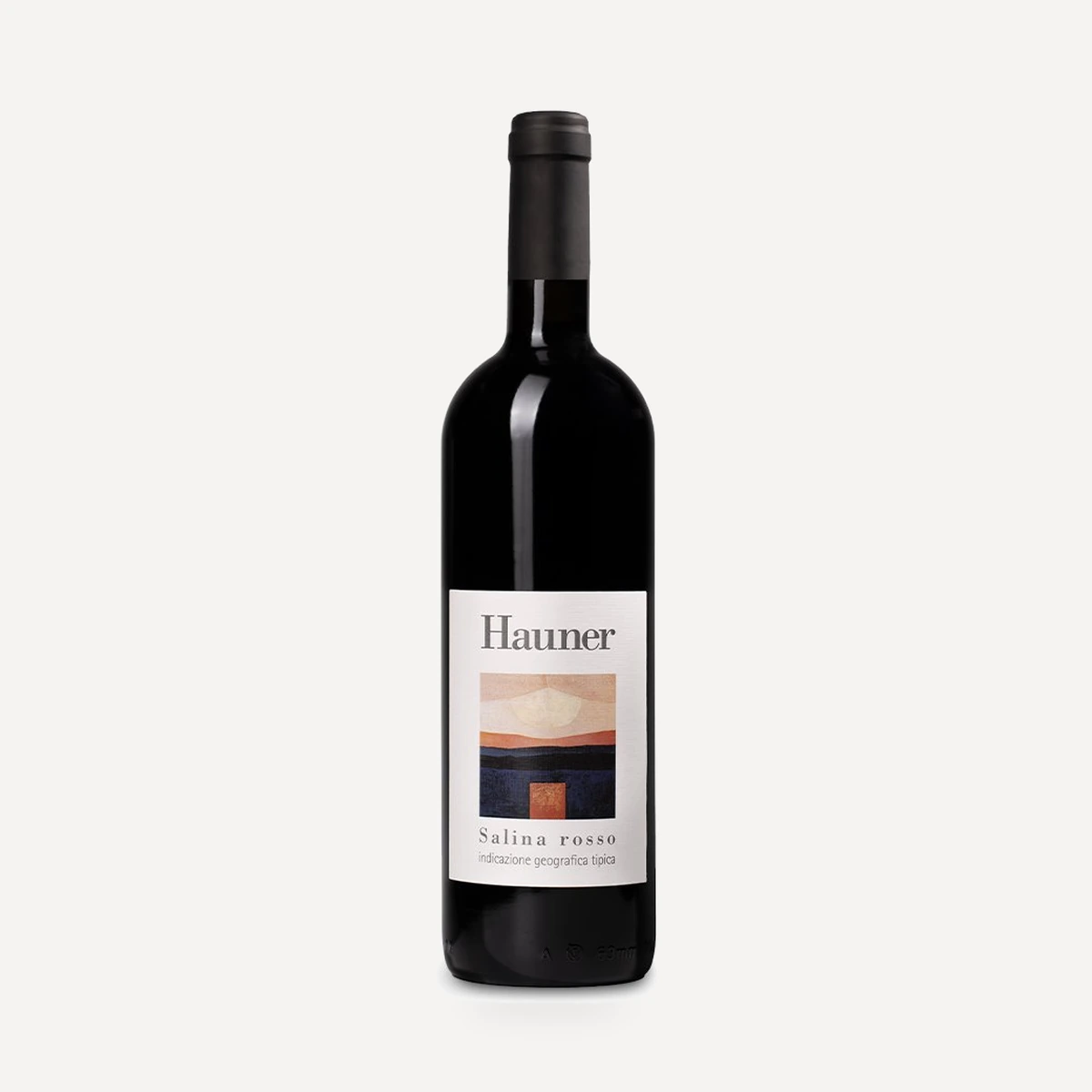
Salina Rosso