Storia
A family trade across generations
The Follador family has worked with grapes and wine on the hills of Valdobbiadene for several generations. The family name itself is associated with this occupation: in the Veneto dialect, follare l'uva means to press grapes and make wine. The earliest individually identified producer is Attilio, remembered as the grandfather who began bottling Prosecco in a room that then served as the family winery. The same room was also a gathering place for family meals prepared by his wife, Aida.
Vittorio Follador and his children
Vittorio Follador continued the family’s winegrowing tradition together with his son Luca and daughters Maria and Marta. The winery and its most highly regarded vineyards, including Villa Luigia, are based at Il Follo, an old agricultural village at the foot of the Cartizze hill in the municipality of Valdobbiadene.
2002: the Il Follo identity
In 2002, the agricultural village’s name was adopted as the company’s brand. The choice connected the winery explicitly with the history, culture and longstanding wine tradition of the place in which its cellar and principal vineyards are located.
2020: restoration and hospitality
In 2020, the former winery room in which Attilio had made the family’s first bottles was renovated and returned to a hospitality role as the agritourism’s breakfast room. The old Follador family house was also restored, creating four new deluxe rooms. The renovation retained exposed timber elements and employed materials selected for their environmental and bioethical credentials, including natural Hanf Step hemp felt between rooms.
Terroir
Il Follo lies among the hills and vineyards of Valdobbiadene, at the foot of the Cartizze hill. The landscape is described as green, fresh and almost mountainous. The broader Prosecco Superiore DOCG hills form a natural amphitheatre between Conegliano and Valdobbiadene in northern Treviso province, and their vineyards are part of the UNESCO-listed landscape.
Cartizze occupies 107 ha between the steep hills of S. Pietro di Barbozza, Santo Stefano and Saccol, all within Valdobbiadene. Il Follo is situated within this setting. The Cartizze cru combines a mild microclimate with ancient ground formed through the uplift of seabeds.
Across the winery’s production areas, the climate is characterised as Mediterranean and cool. The Treviso and Valdobbiadene hillside sites used for much of the range have clay-calcareous soils. The components used for Villa Luigia and Antico Bouquet come from soils composed of moraines, sandstone and clay: Glera is sourced in Valdobbiadene on a north-east exposure, while Chardonnay comes from Farra di Soligo on a south-facing exposure.
Vinificazione
Glera, Chardonnay and Pinot nero are used across the estate’s own-produced sparkling wines. Glera for the two Valdobbiadene DOCG millesimato bottlings comes from Valdobbiadene with a north-east exposure, while their Chardonnay component comes from a south-facing site in Farra di Soligo.
Harvest for the more technically detailed DOCG cuvées is conducted early to preserve the grapes’ natural acidity. The wider range generally reaches maturity between 20 September and 10 October, while one rosé specification identifies 30 September. No vineyard-management or certification regime is defined.
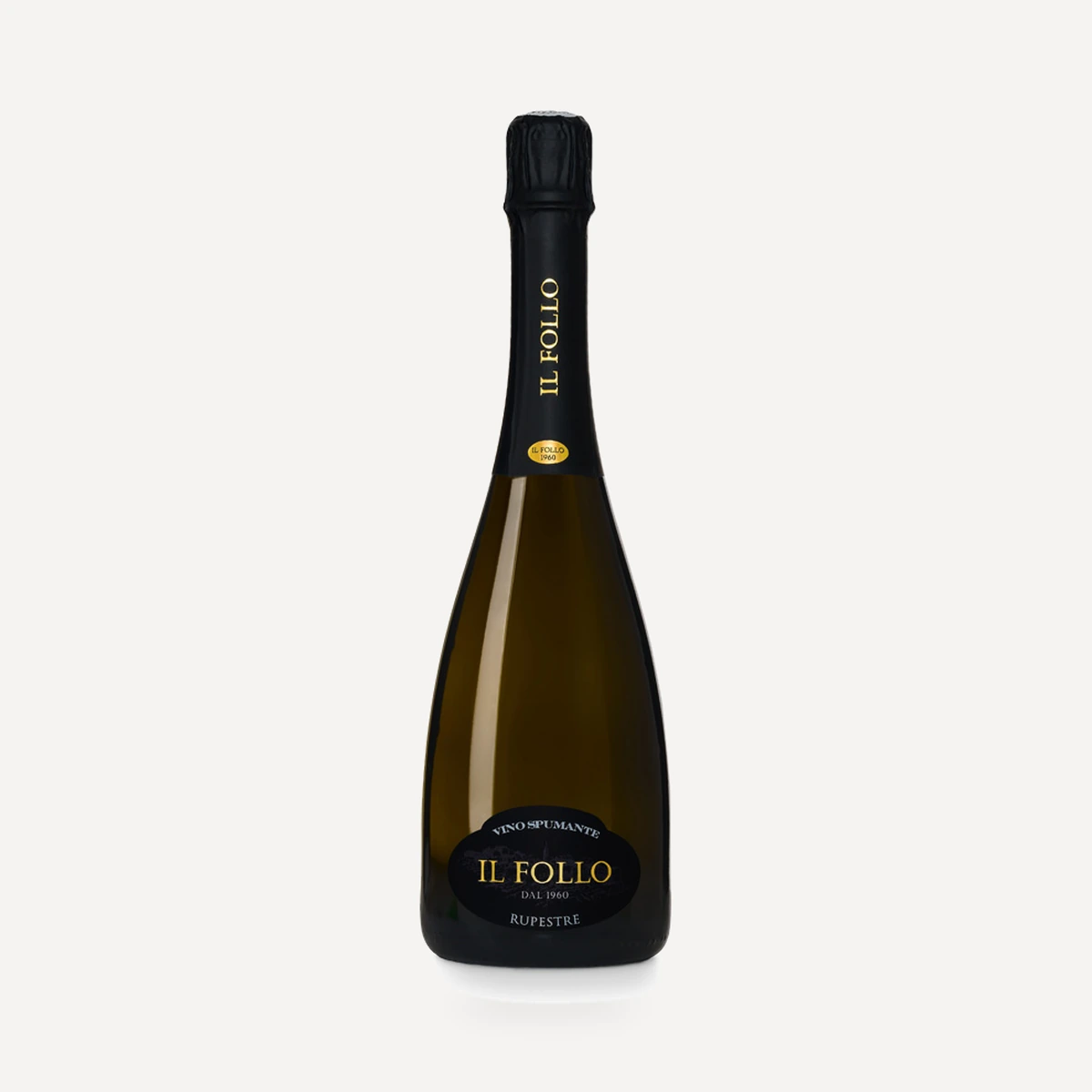
The sparkling-wine range is principally vinified by the white-wine method. Grapes undergo soft pressing, with a stated juice yield of 70% for the Prosecco DOC, rosé and Rupestre wines. Secondary fermentation is carried out by the Charmat method.
The two more detailed Valdobbiadene DOCG millesimato processes use a pneumatic press at 0.4 bar. Their base wines remain on the primary-fermentation lees and receive frequent bâtonnage. Villa Luigia is kept on its lees for a minimum of five months, whereas Antico Bouquet receives eight months of bâtonnage. Both undergo a 30-day Charmat sparkling-wine process, and malolactic fermentation is blocked.
Filosofia
Il Follo frames winegrowing as the continuation of a family occupation practised for generations on the hills of Valdobbiadene. Its identity is tied to the agricultural village that houses the cellar and principal vineyards: adopting Il Follo as the brand in 2002 linked the business to the village’s wine tradition, history and culture.
Family continuity, attachment to local roots and hospitality form a single narrative. Historic working spaces have been restored for guests, while the wine shop uses past vintages and a family photographic gallery to connect current production with the Follador family’s history. The accommodation renovation also emphasised natural materials and environmental and bioethical criteria.
Vini
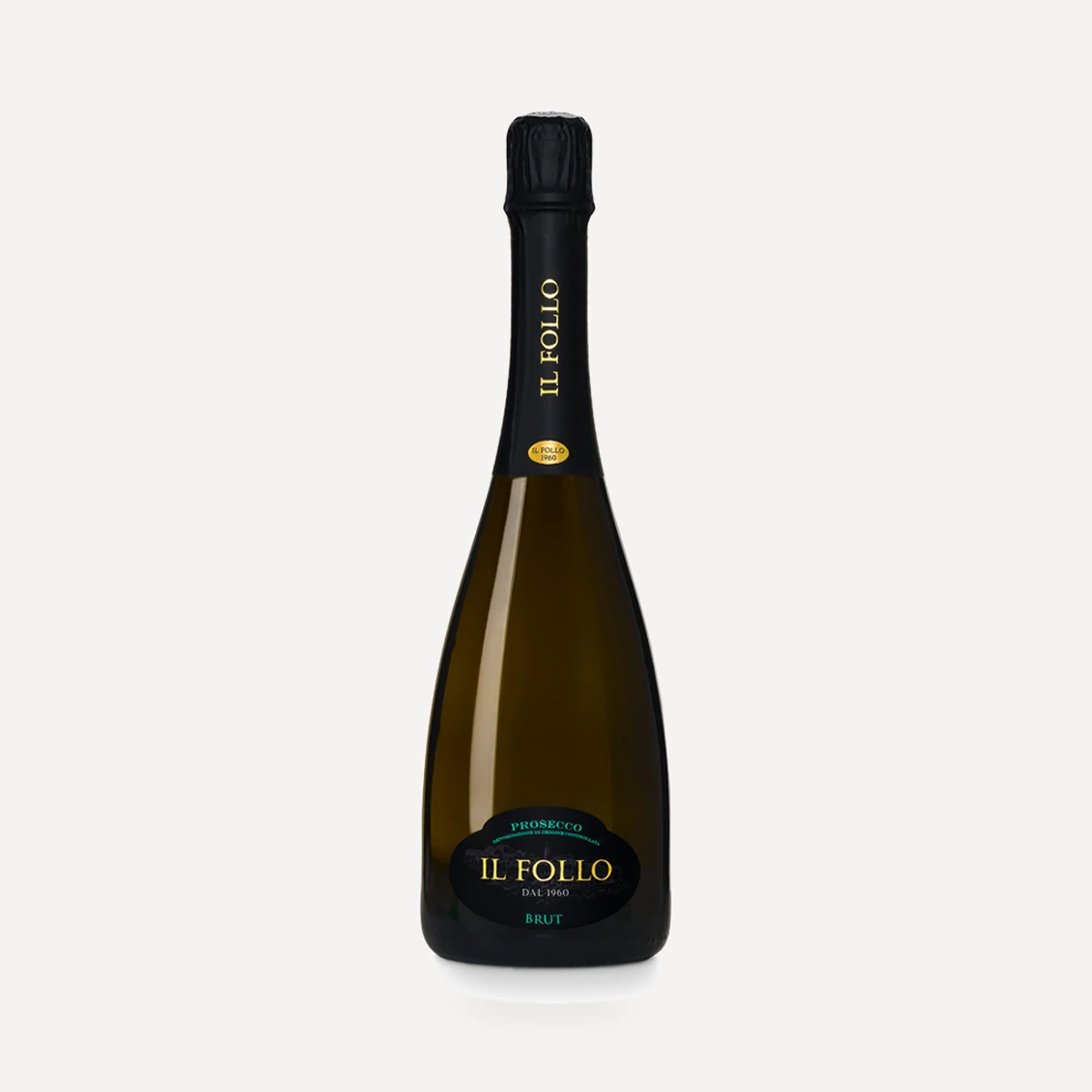
Prosecco Doc Brut
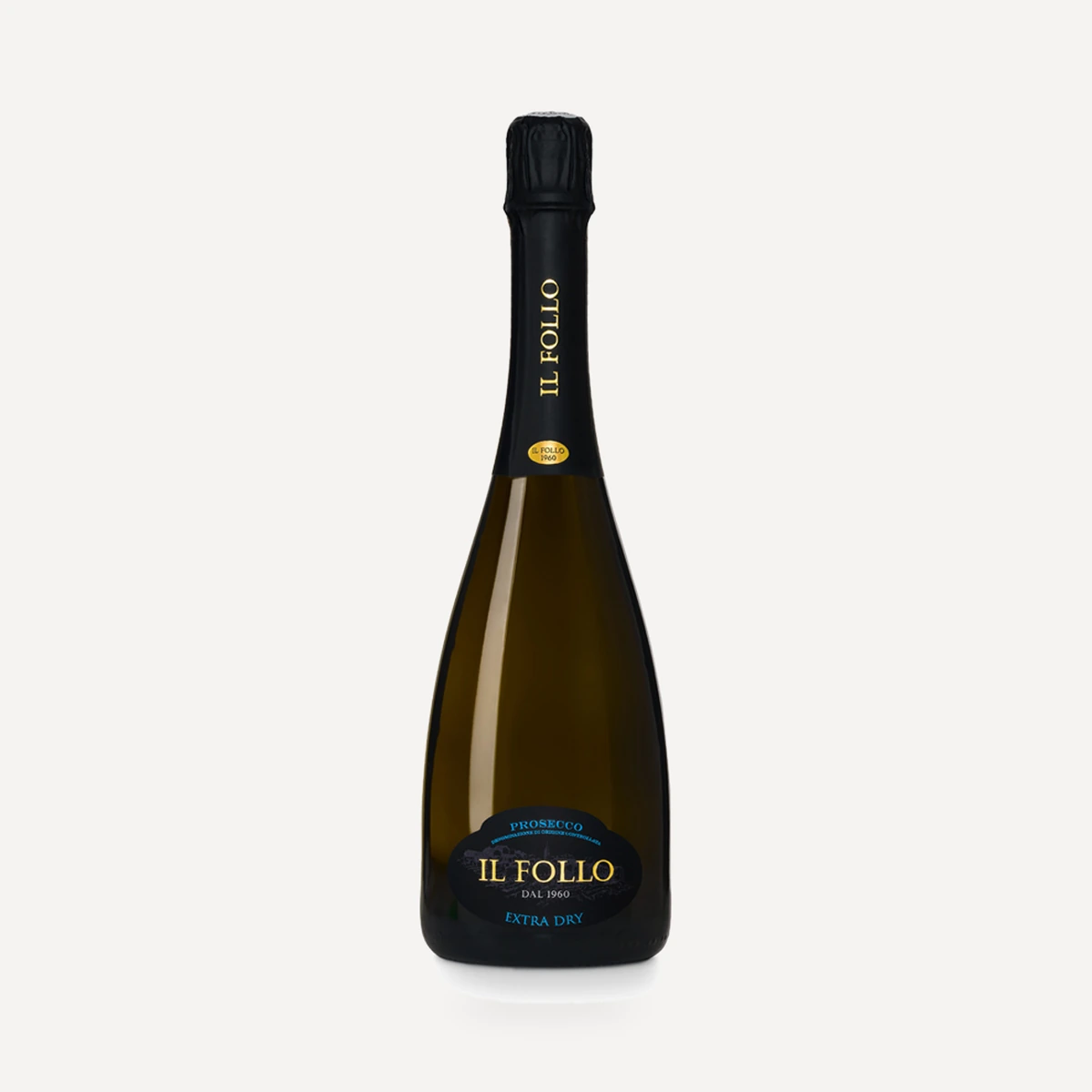
Prosecco Doc Extra Dry
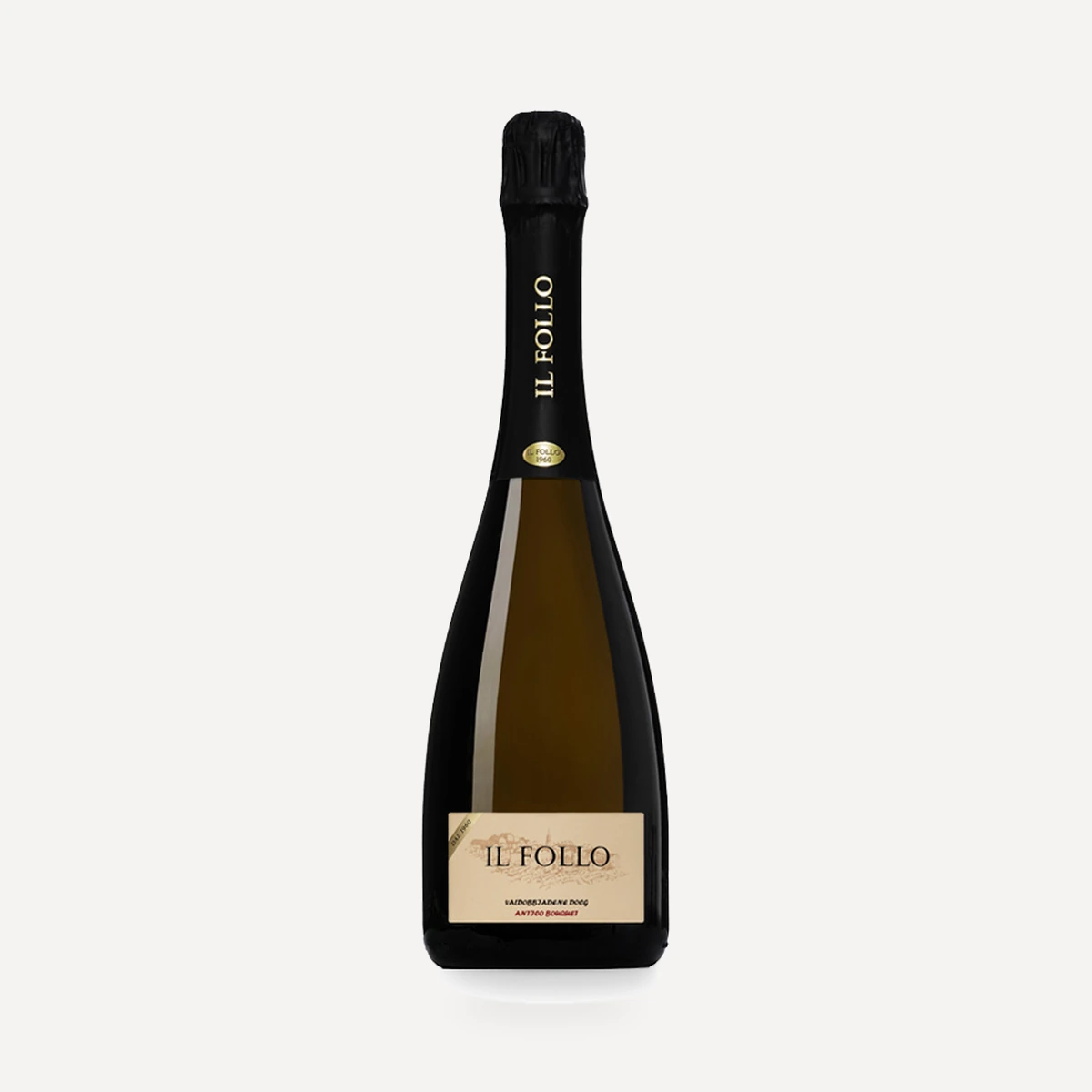
Valdobbiadene Docg Antico Bouquet Millesimato
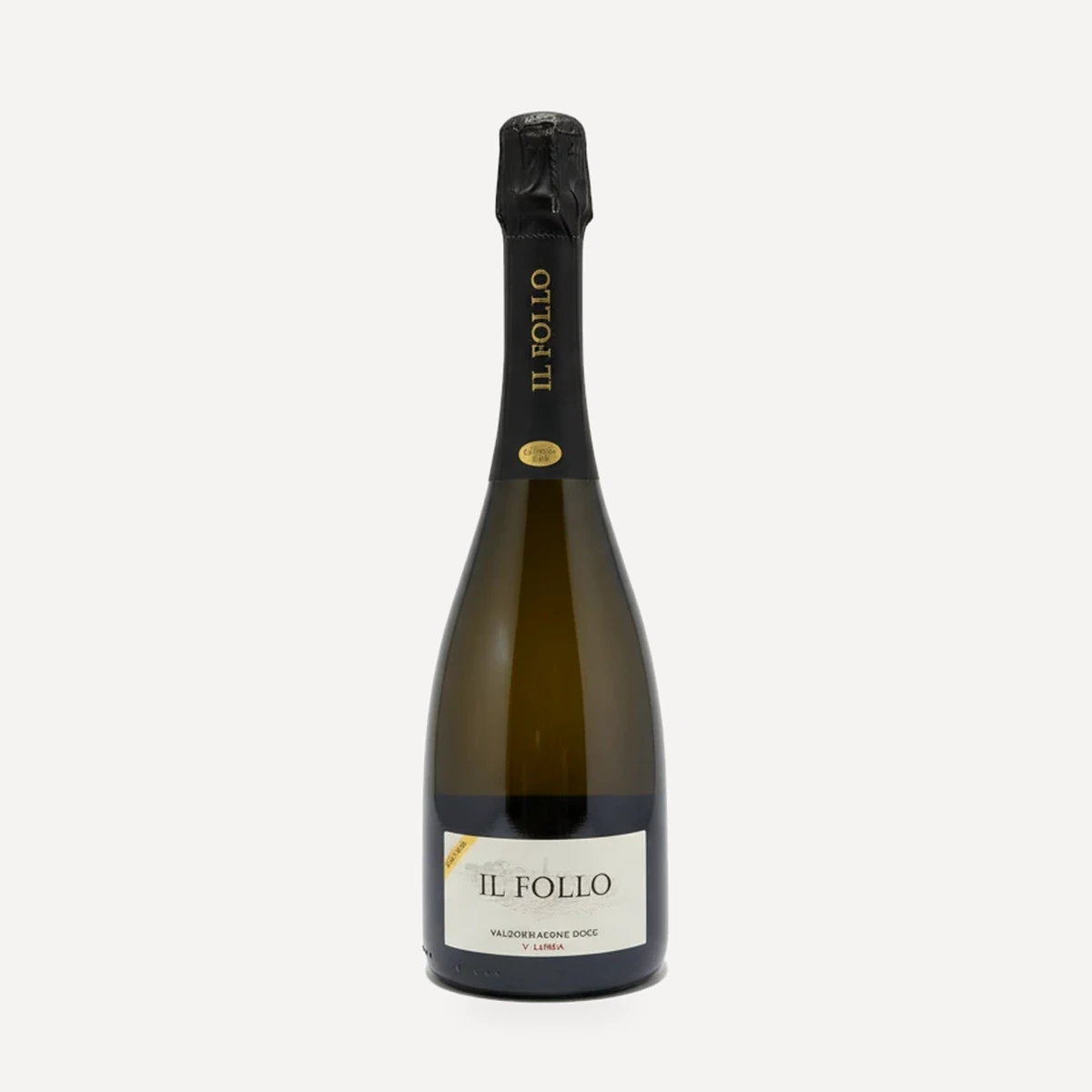
Valdobbiadene Docg V.Luigia Millesimato
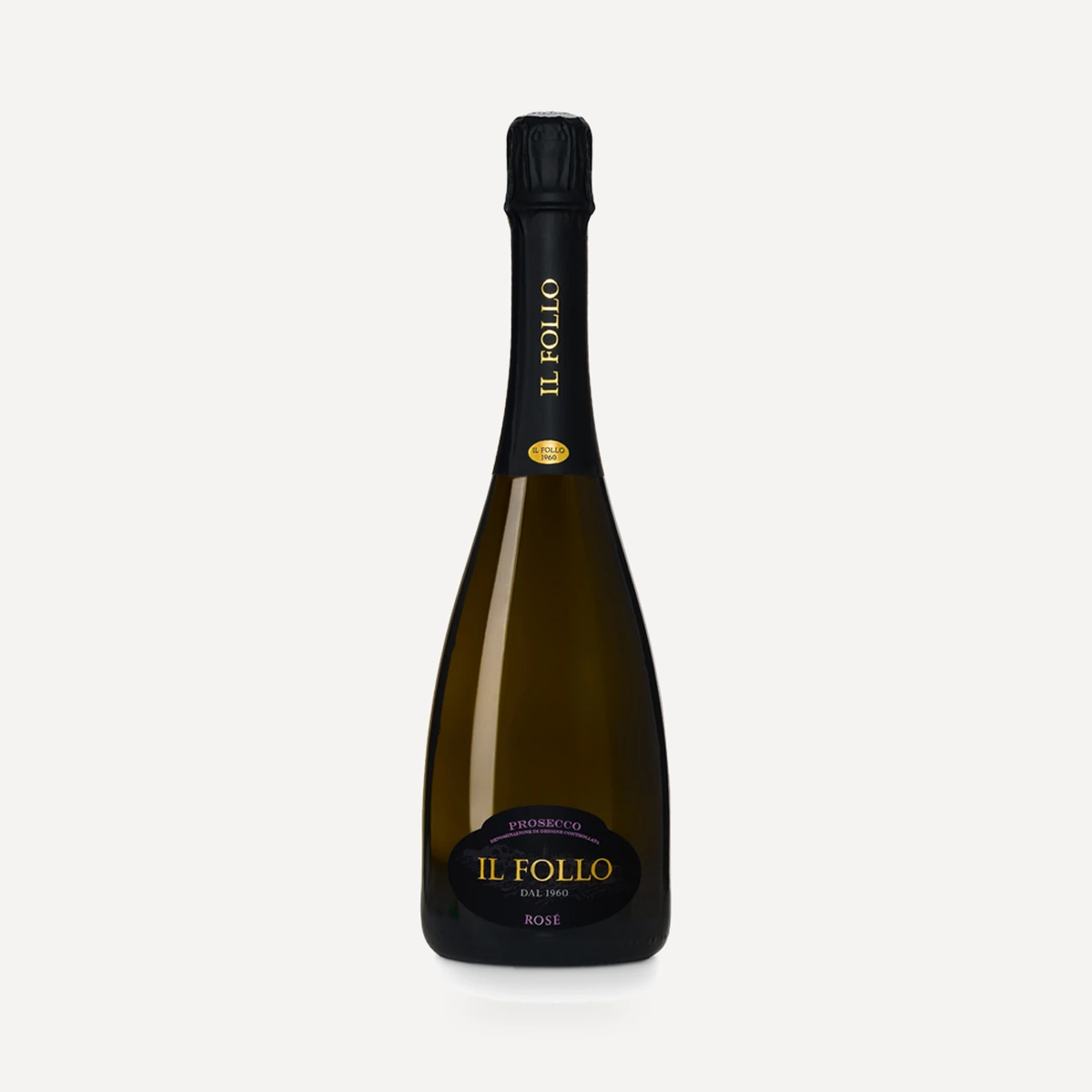
Il Follo Rosè