Storia
Family roots in Mortellito
Mortellito is the name of the two-hectare tract of countryside where the family’s great-grandparents lived in the early twentieth century. The estate’s name therefore refers to its founder’s ancestral land rather than to a recently created brand.
A return to the land
The present project began when its founder left city life and returned to Mortellito to work as a winegrower. The decision brought together a love of nature and two central elements of the local landscape: the land and the sea. The wine culture of the area encouraged a search for unforced wines grown through organic farming.
The estate today
The operation has grown from its two-hectare place of origin to approximately 23 hectares. It remains family-run: Dario, Carmelo, Turiddu, Guido, Matteo and Franzo work in the business every day, assisted by friends during different stages of the agricultural and cellar work.
Terroir
Il Mortellito’s land lies in Val di Noto at the extreme southern end of Sicilia, across Contrada Bufalefi, Contrada Maccari and Contrada Cozzo Tronzo. The vineyards are a few kilometres from the coastal landscapes of Vendicari, Marzamemi, Portopalo di Capo Passero and Isola delle Correnti. The surrounding territory connects the estate’s two recurring points of reference, land and sea.
Two principal soil types are distinguished. The light-coloured soils combine limestone and clay and are associated with minerality and savouriness. The darker soils combine limestone with organic matter and are associated with balance and fruit expression. Individual vineyard information also identifies calcareous white soils in Contrada Maccari and describes the local climate as particularly warm.
Recent growing seasons have been shaped by pronounced climatic variability. Over the last decade, southern European summers have increasingly brought temperatures above 40 °C for several consecutive weeks. Such conditions place the vines under physiological stress, slowing photosynthesis and sugar accumulation while making phenolic ripening slower and more complex. The 2025 season departed from that recent pattern, bringing abundant rain, a comparatively moderate summer, cool nights and only one major July heatwave.
Vinificazione
Il Mortellito farms organically, using natural fertilisers and avoiding herbicides and synthetic pesticides. Vineyards are trained both as traditional alberello and on Guyot-trained vertical trellises. Grapes are harvested by hand without mechanical harvesting equipment, with the objective of preserving fruit quality and bringing fully ripe, healthy grapes to the cellar.
The rehabilitation of Frappato/Nero Capitano is a continuing viticultural project. With the original local material close to extinction, several thousand vines have been grafted and further expansion is planned.
The 2025 season illustrates the estate’s response to climatic stress. Following several drought-affected years, substantial autumn fertilisation was used to help the vines recover from accumulated water stress. Exceptional subsequent rainfall intensified vegetative growth: approximately 800 mm fell across winter, spring and summer, rising above 1,000 mm when the full agricultural season, including autumn, is counted. For comparison, the preceding decade’s winter–spring average was around 300 mm, while 2024 brought only about 30 mm across winter, spring and summer.
In 2025 the vines channelled considerable energy into canopy growth at the expense of bunch production. Humidity also favoured fungal disease, especially downy mildew, making vineyard management more demanding and reducing yields. An outbreak of African leafhopper during summer was addressed with repeated treatments, although the tools available under organic management had limited effectiveness. The resulting loss of leaf area slowed ripening, helping to restrain sudden sugar accumulation and rapid acidity loss. Harvest started between 15 and 20 August and finished at the end of September, later than in 2024. Despite below-average yields, the fruit achieved good sanitary condition and complete technological and phenolic maturity.
The production approach begins with fully ripe, healthy fruit and treats vineyard work as the primary determinant of wine quality. Fermentations proceed spontaneously, without inoculation with selected yeasts. The cellar avoids wooden barrels because the aim is to preserve the flavour identity of the grape varieties and their territory rather than overlay it with wood character.
Stainless-steel and concrete vessels are used for maturation within the range. Intervention is deliberately limited; a small quantity of sulphur dioxide is added at bottling to support preservation.
In 2025, spontaneous fermentations selected yeast populations that converted a smaller proportion of sugar into alcohol. Although the grapes contained slightly more sugar than in 2024, the resulting wines retained moderate alcohol, natural freshness and tension. The fruit arrived with mature tannins and clearly defined aromatic profiles.
Filosofia
Il Mortellito aims to make wines that reflect the natural character of their territory, possess a distinct identity and remain apart from passing fashions. Its guiding belief is that wine is made primarily in the vineyard through perfectly mature, healthy grapes, rather than through corrective or forceful cellar practices.
The cellar philosophy is to respect the wine’s character throughout its transformation. Spontaneous fermentation, the absence of selected yeasts, maturation without wooden barrels and restrained sulphur dioxide use are intended to preserve the identity of both variety and place.
The broader project is rooted in a return to ancestral land, a close daily relationship with nature and an attachment to both the terrestrial and maritime character of southern Sicilia. Family participation and help from friends during different phases of the work form part of this collaborative identity.
Vini
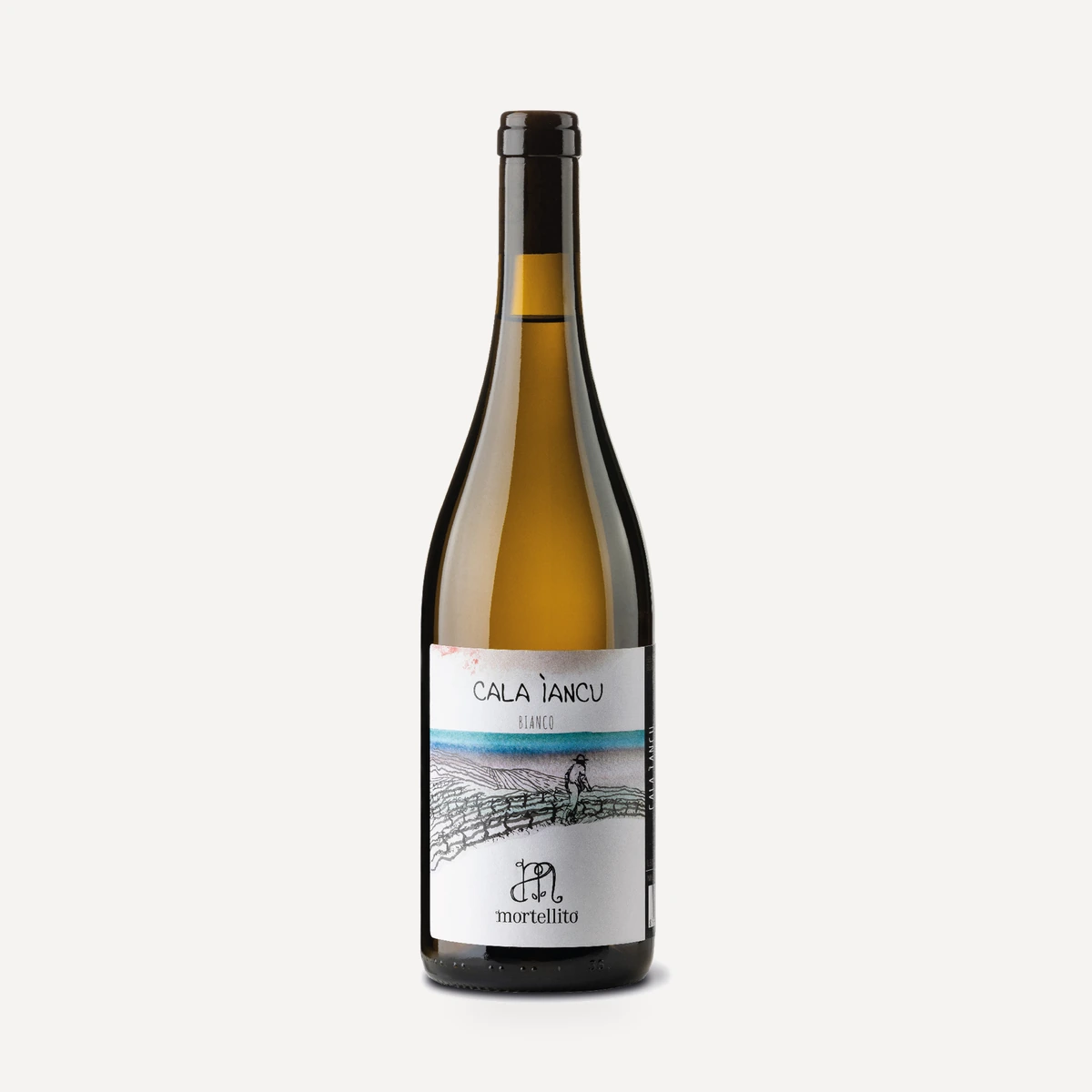
Cala Iancu
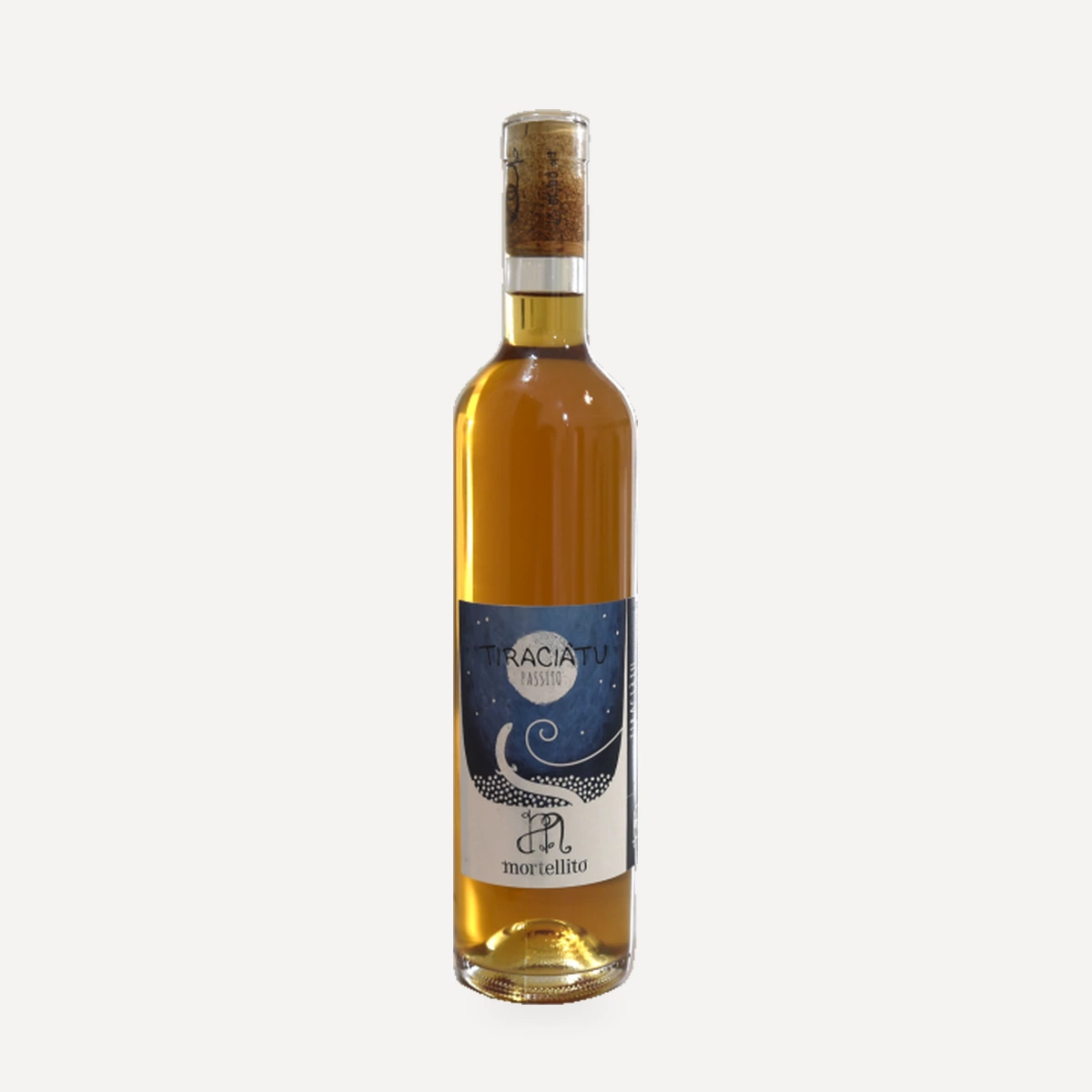
Tiraciautu