Storia
Before Il Paradiso di Frassina
Giancarlo “Carlo” Cignozzi was born in Milan and trained as a lawyer. From the 1970s onward he became involved in the Montalcino wine sector, contributing to the development of Altesino and Case Basse and creating Tenuta Caparzo from the ground up. He also worked as a producer, counsellor and legal adviser within the Consorzio del Brunello di Montalcino.
By the end of the 1990s, Cignozzi felt that Caparzo had become too large for the artisanal, imaginative project he wanted to pursue. He sold his shareholding and began looking for a smaller property north of Montalcino.
Acquisition and reconstruction, 2000–2001
In January 2000 Cignozzi acquired Il Paradiso di Frassina. The property was a small medieval farmstead whose origins are placed around the 11th century or approximately AD 1000. It had been abandoned for more than 50 years—elsewhere described as abandoned since the war—and required almost two years of restoration. Work encompassed the farmhouse, ancient cellar and fermentation tanks.
A new Sangiovese vineyard of just under 4 ha was established around the old farmhouse. Three hectares were assigned to Brunello di Montalcino and approximately 1 ha to Rosso di Montalcino. Between 2000 and 2001 the young vines were already exposed to classical and Baroque music through loudspeakers.
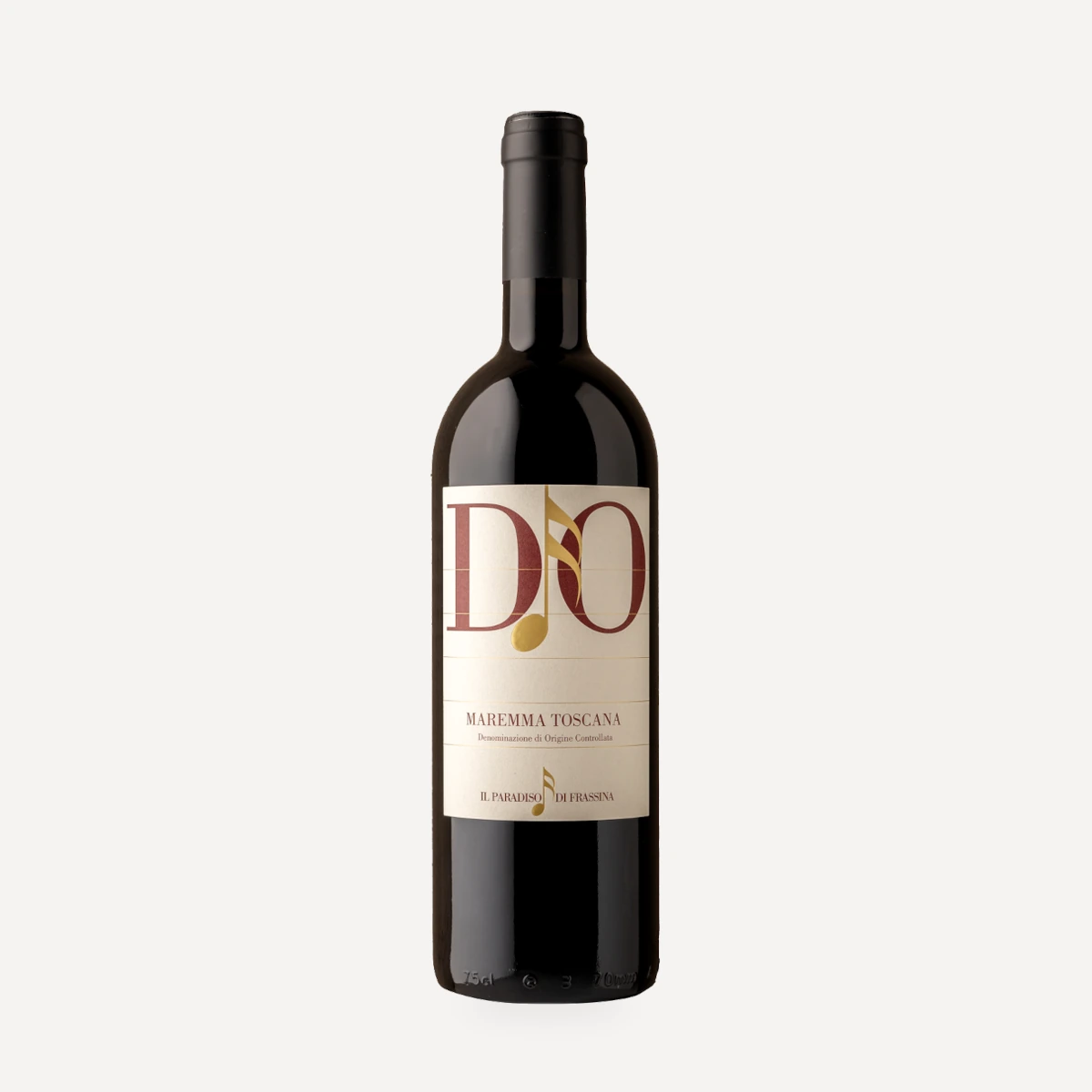
At about the same time Cignozzi acquired roughly 11 ha in Maremma, approximately 20 km from the Montalcino estate. About half of that property—approximately 6 ha at Santa Rita, in the hills of Cinigiano—was planted with a collection of Tuscan and French varieties for the multi-variety Maremma project.
The music-and-vines experiment, 2002–2005
Cignozzi had long wanted to explore whether sound could encourage stronger plant growth and improve grape quality. The compact, amphitheatre-like setting of Il Paradiso di Frassina allowed the idea to become a field experiment.
Formal experiments on the effect of sound frequencies on Vitis vinifera began in 2002. Professor Stefano Mancuso’s University of Florence team studied biophysical changes in the vines, while a team led by Professor Andrea Lucchi examined vineyard entomology. The Universities of Pisa and Florence and an agronomic research centre in Arezzo were associated with different phases of the work.
Early observations connected exposure to sound with larger and thicker leaves, higher chlorophyll, more efficient leaf respiration, greater resistance to drought, rain and wind, more anthocyanins and polyphenols, accelerated growth and ripening, and a potential reduction in copper and sulphur treatments. The work also examined whether sound discouraged insects and other pests.
In autumn 2005, an extensive article about the research generated sustained international media attention. Winegrowers from other regions and countries subsequently contacted Cignozzi about adapting music to their vineyards.
Bose and the Mozart Vineyard, 2006–2008
In 2006 Bose supplied a weather-resistant vineyard sound system following the personal involvement of its founder, Professor Amar Bose. The historical project description records 50 Bose speakers covering approximately 1–1.5 ha of Brunello vines. Later expansion brought different types of speakers into the vineyard, including elevated downward-facing units, ground-level units directed toward the root zone, and cylindrical units outside the rows.
In April 2007 Cignozzi’s theatrical work based on personified grape varieties, the “De Vine Comedy,” was performed in Montalcino during celebrations marking the 40th anniversary of the Brunello producers’ consortium.
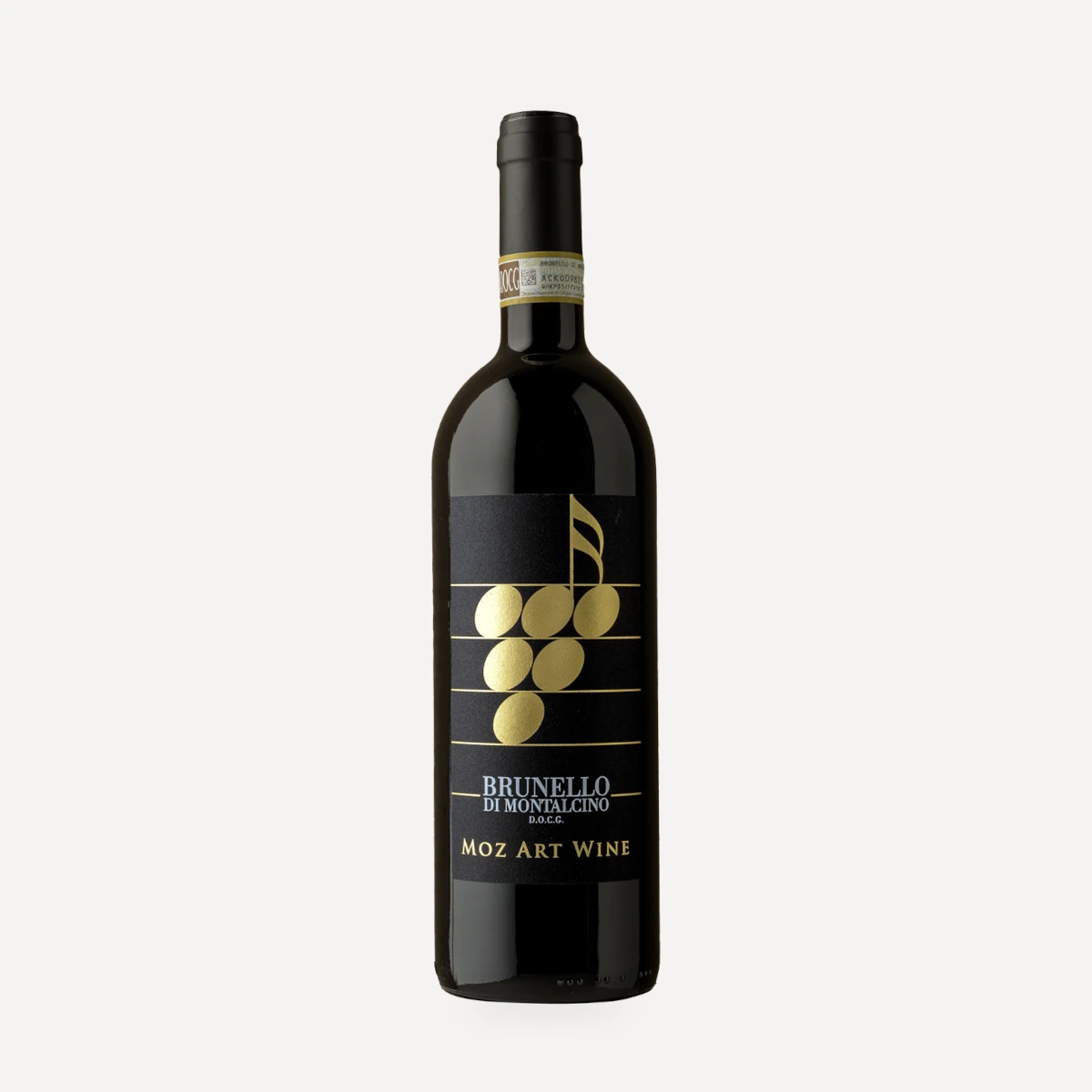
From 2008 onward, university researchers recommended playing Mozart exclusively, creating a more consistent acoustic environment. The selected rows became known as the Vigna di Mozart or Mozart Vineyard. The estate also received organic certification from BIOS in 2008.
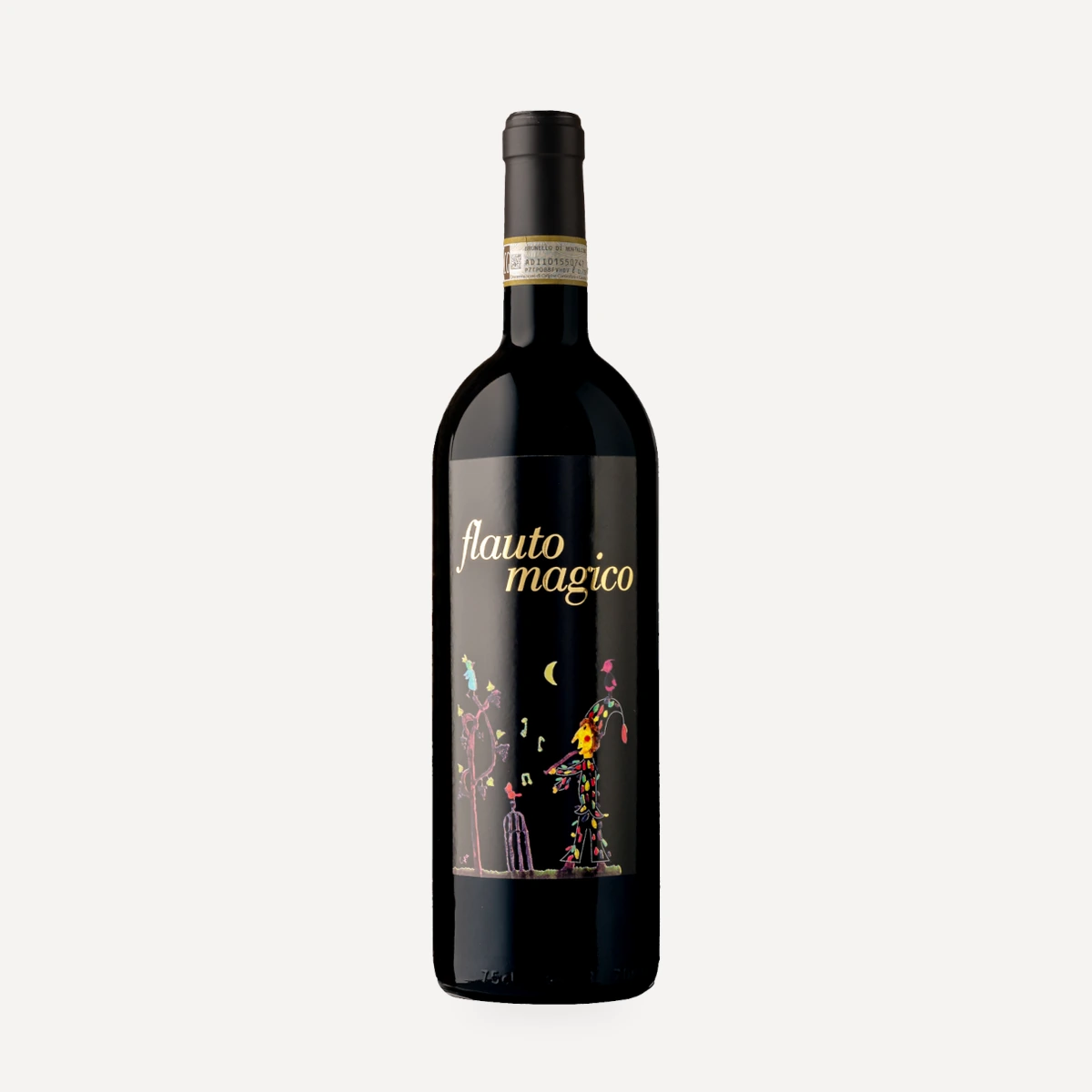
The 2008 harvest from the rows most directly surrounded by the 50 Bose speakers was vinified and aged separately, with an additional eight months of maturation. This became the origin of the limited-selection Brunello project later released as Flauto Magico.
Books, international recognition and cultural projects, 2010–2015
Cignozzi’s account of the emotional and scientific journey behind the experiment was published by Rizzoli as L’uomo che sussurra alle vigne (“The Vine Whisperer”). One estate text dates publication to 2010, while Cignozzi’s later biographical page gives 2011.
In June 2011 UN-Habitat included the research by Cignozzi and Professor Mancuso among 100 leading sustainability projects worldwide. The project appeared in The Bright Green Book and was presented in Rio de Janeiro during an event attended by biodiversity specialists, United Nations and Italian officials, and Italy’s ambassador to Brazil. The research was described there with the term “phonobiology”; another biographical rendering uses “phono-organic.”
A project profile anticipated publication of the scientific conclusions in international biological and natural-science journals in early 2013. From autumn 2013, the estate planned the limited-edition Flauto Magico from the Sangiovese rows most intensely exposed to Mozart.
Cignozzi also wrote the comedy Barbatelle, una di vino commedia. Composer Luis Bacalov developed it into an opera buffa performed by Milan’s Orchestra Verdi during Expo Milano 2015. Its characters personified grape varieties—including Duke Cabernet, Marquis Merlot, Madame Syrah and the Sangiovese character Sangio’—within a story of ambition, conflict and cultural resistance.
Estate development
A semi-underground bottle-storage cellar was added beside the restored medieval buildings. Its roof and two sides are cooled by a swimming pool built with Rapolano stone; water descending along the sides creates a cooling cascade effect.
The property developed a programme of guided vineyard walks, cellar visits and tastings, alongside two agriturismo apartments. The musical project also became the setting for cultural events, including the estate’s first public string-quartet concert in July 2022.
In 2023 Cignozzi presented another autobiographical work, Vaghe Stelle dell’Orcia. Illustrated with drawings made by Gea Cignozzi as a child, it recounts more than 30 years of experiences spanning Milanese legal practice, Caparzo, the transformation of Montalcino and the development of the musical vineyard.
Terroir
Montalcino site
Il Paradiso di Frassina lies approximately 5 km north of Montalcino, on the slopes at the foot of the Montosoli hill. The vineyards face the hill town and occupy the northern, cooler side of the Montalcino area. This cooler position is associated with more balanced vine growth and a restrained maturation pattern.
The Montalcino soil is described as clayey-silty. The property sits within the Val d’Orcia landscape south of Siena, close to the transition toward Chianti. Its surroundings combine rolling hills, woods, olive groves and vineyards. The wooded areas contribute fresher air, ventilation, lower humidity and day–night temperature variation.
Maremma site
The second property is at Santa Rita in the hills of Cinigiano, approximately 20 km from Il Paradiso di Frassina. It lies in the shadow of Mount Amiata and a few kilometres from the sea. Its distance from the winery and lack of an electrical installation prevented duplication of the Montalcino music system there.
Vinificazione
Organic and biodynamic approach
Il Paradiso di Frassina has been certified organic by BIOS since 2008. Its stated objective is to exclude harmful chemical inputs and work in a slower, ecologically respectful way that protects the soil, surrounding species and vineyard workers. Biodynamic-influenced practices include preserving native grasses and flowers, sowing green manure and applying plant teas against heat stress.
Music is used as an experimental component of this low-input approach. Mozart is played continuously through elevated, ground-level and perimeter speakers. Research observations associated sound exposure with increased leaf thickness and chlorophyll, more efficient leaf respiration, improved resistance to weather stress, higher anthocyanin and polyphenol levels, earlier ripening and reduced pest pressure. Historical results suggested that copper and sulphur use might be reduced by up to 50% without compromising vine health.
Soil fertility and biodiversity
Green manure is sown toward the end of October after the soil has been worked and refined. The estate’s mixture includes protein pea, vetch, sulla, barley, rye, mustard, horseradish and phacelia. In May, the cover plants are cut, left to dry and incorporated into the soil.
This mixture is intended to enrich nutrients, improve soil structure and support soil organisms. Deep-rooting plants mobilize phosphorus and potassium; grasses create stable surface aggregates; crucifer roots open channels for air and water. Flowering species provide nectar, pollen and shelter for beneficial insects, particularly bees, while crucifer exudates can discourage certain soil parasites and fungi. Cover also limits erosion.
Pruning and canopy management
The vineyards were historically trained to spurred cordon. Following a spring frost in which Guyot-pruned vines suffered comparatively little damage, the estate decided in 2022 to convert all vineyards to Guyot despite its greater labour requirement. Guyot slightly delays budbreak, distributes bunches more evenly along the fruiting cane and renews fruiting wood annually, reducing the ageing of permanent wood and the risk of trunk and wood diseases. Major cuts are protected with natural products.
After pruning, poorly positioned shoots are removed while shoots required both for the current crop and the following year’s fruiting cane are retained. Delicate shoots are positioned between pairs of tensioned wires to prevent wind damage.
Near harvest, partial leaf removal around the fruiting zone makes bunches accessible, increases light and improves ventilation. Cluster thinning is delayed until the start of ripening so that slowly ripening or badly positioned bunches can be identified. Bunches high above the fruiting wire or far from the trunk may be removed because their access to sap and nutrients is less favourable.
Heat and drought response
During the exceptionally hot and dry 2022 season, kaolin was applied as a reflective natural coating to reduce sunburn and internal leaf and bunch temperatures while also helping protect against insects and fungi. Copper and sulphur products were avoided when they risked adding stress; sulphur was omitted for the whole season because low humidity reduced disease pressure and sulphur could have caused leaf scorching.
Instead of topping, shoots were wrapped along the upper wire, allowing them to shade leaves and bunches without obstructing tractors. Sterile lateral shoots were temporarily retained for additional shade. Early-season antagonistic fungi were used against powdery-mildew organisms, followed by nettle and horsetail macerates. Horsetail deposits silica on plant surfaces, making fungal-spore movement and entry through leaf stomata more difficult. Selected algae were used for nutrition and resistance to thermal stress.
Harvest decisions
The 2022 vintage illustrates the estate’s maturity-based approach. Severe heat and drought initially created a risk of high sugar levels before phenolic maturity. Rain from mid-August rehydrated the vines and was followed by approximately ten days with nights around 16°C and days around 30°C. Technical maturity—acidity and sugar—and phenolic maturity converged sufficiently for harvest to begin in mid-September, around 10–12 days earlier than older norms. Production was approximately 20% below a conventional vintage, but the fruit was considered healthy and well coloured.
Production is estate-grown: no grapes are purchased, and the wines are grown, bottled and labelled using the property’s own fruit and facilities.
The restored medieval cellar contains fermentation tanks and a maturation area with barrels, barriques and tonneaux. French oak is used for maturation, including 500-litre tonneaux and larger 20–25 hl vessels. The estate combines smaller vessels for the earlier stages of maturation with larger casks to continue ageing with a more restrained contribution from wood. Bottle maturation takes place in a semi-underground store cooled on three sides by a Rapolano-stone swimming pool and descending water.
Mozart continues to play in the cellar during wood and bottle maturation, extending the sound environment beyond the vineyard. Red-wine production includes extended skin contact where greater extraction is sought, followed by oak and bottle ageing. The multi-variety Maremma fruit is harvested in several passes according to ripening time, with similarly mature varieties fermented in groups and kept apart during wood ageing before the final blend.
Filosofia
Carlo Cignozzi’s project joins winegrowing, music, scientific inquiry and personal imagination. He sought a small property where he could work at a more artisanal scale and test an unconventional idea: that sound could influence the vitality of grapevines and help improve fruit quality.
The estate presents music not as visitor theatre but as part of a long-running agronomic experiment. Its practical goal is healthier vines and a reduction—ideally elimination—of pesticides and other harmful inputs. Research, organic farming, native vegetation, cover crops and plant-based treatments form a connected approach rather than separate initiatives.
The broader farming philosophy draws on traditional peasant knowledge: people and nature are treated as interdependent, while pruning and yield control are used to favour fewer, better-ripened bunches. Seasonal decisions are adapted to the plant’s condition rather than applied as a fixed programme, exemplified by the retention of shoots and leaves during drought and the avoidance of sulphur when disease pressure was low.
Cignozzi also links music with emotion and cultural identity. Mozart was selected for the continuity and natural proportions Cignozzi perceives in the composer’s work. In the Maremma vineyard, where speakers were impractical, the musical theme was translated into a vineyard of multiple varieties corresponding symbolically to musical semitones.
The philosophy is also deliberately critical of homogenisation. Cignozzi’s theatrical personification of Bordeaux and Tuscan varieties satirised the tendency to reshape Italian wines according to international fashions. His stated ambition was to preserve personality, biodiversity and the relationship between a wine and its place.
Vini
Flauto Magico
Moz Art Wine
DO