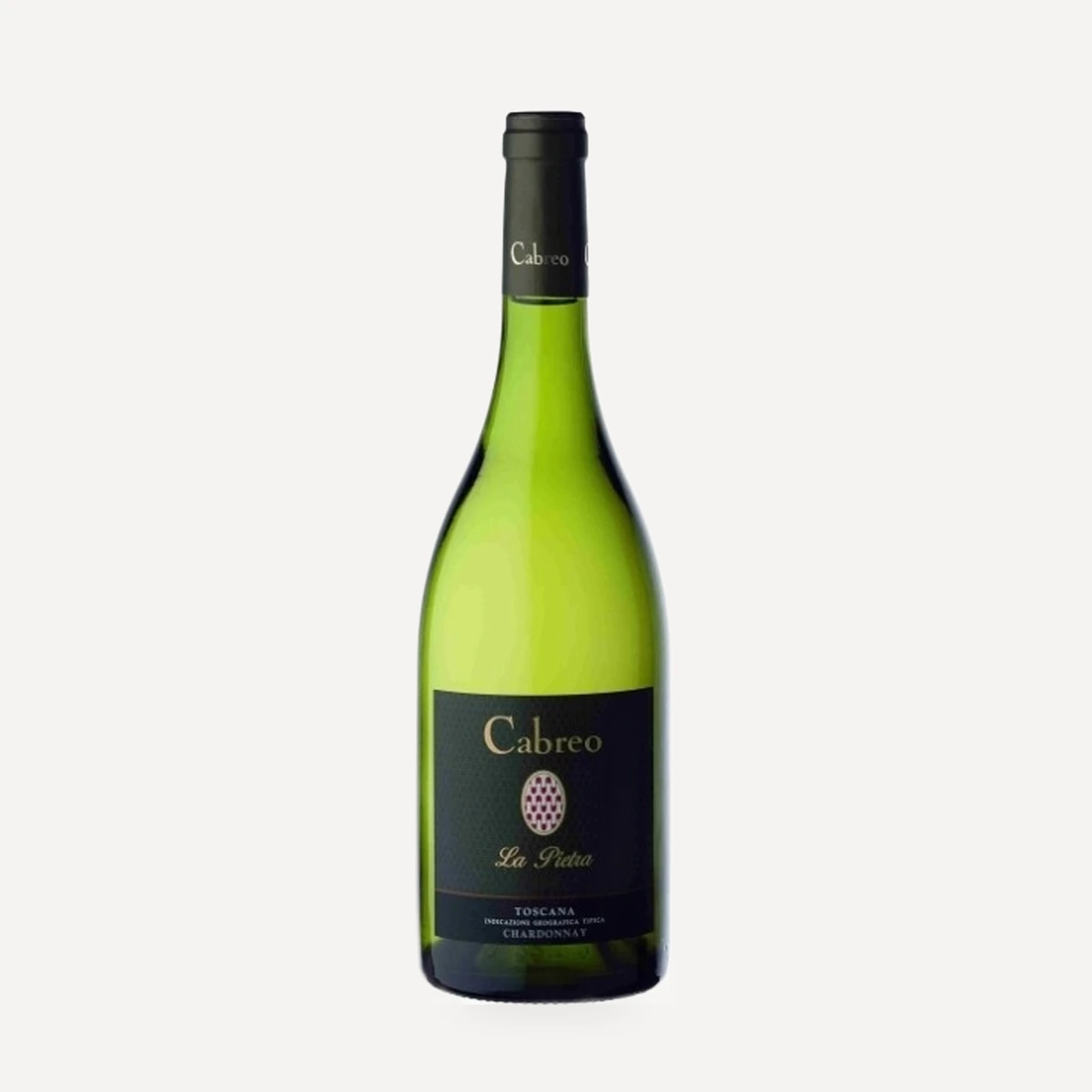
Storia
Origins in northern Italy
Lorenzo Folonari was born in Valtellina in 1729. He moved the family to Val Camonica, which became the base of a business lineage subsequently associated with Brescia, first through commerce and later through wine production. The family’s wine activity dates from the late 18th century.
Fratelli Folonari and the move to Brescia
In 1882, the brothers Italo and Francesco Folonari transferred the headquarters of the business then known as Fratelli Folonari from Val Camonica to Brescia. In 1911 they acquired the historic Tuscan wine house Ruffino, whose Chianti Classico in traditional straw-covered flasks was already distributed in Italy and abroad.
Nino Folonari and the turn toward quality
In the early 1960s, Italo’s son Nino Folonari moved away from mass production to concentrate on quality wine. He acquired Tenuta del Cabreo in Greve in Chianti in 1967 and Tenuta di Nozzole in 1971.
The property associated with Cabreo comprised Zano, between Greve and Montefioralle, and the higher Casa di Sala vineyards at Panzano in Chianti. During the late 1970s, Ambrogio Folonari travelled to the Côte d’Or and the viticultural institute at Beaune. He obtained propagation material for Cabernet Sauvignon, Merlot, Pinot Noir, Chardonnay and Sauvignon Blanc. Back in Greve, these varieties were grafted onto Sangiovese vines at a small Panzano property acquired for the project. A Californian grafting specialist directed work using a method capable of bringing the vines into production the following year.
The resulting Cabreo Il Borgo cuvée combined 70% Sangiovese with 30% Cabernet Sauvignon and Merlot. Its name referred both to historic cabrei—illustrated inventories of property—and to the medieval village of Montefioralle overlooking the vineyards and Greve. The first vintage was 1982 and commercial release began in 1985. During the 1980s and 1990s, its development increasingly emphasised structure, concentration, elegance and precise vinification.
Chardonnay was vinified and matured according to a new project in 1983, while Pinot Nero had been cultivated in the high Casa di Sala vineyards by the mid-1980s. Il Pareto’s first vintage followed in 1987. Between 2015 and 2020, Cabreo winemaking was updated with greater attention to aromatic definition and the balance between fruit and oak, while related projects broadened the range.
Formation of the present company
In 2000, Nino’s son Ambrogio and grandson Giovanni founded Ambrogio e Giovanni Folonari Tenute. The company was organised around five owned Tuscan estates and a programme of investment intended to enhance the identity and diversity of their respective territories. Tenuta La Fuga at Camigliano, southwest of Montalcino, entered Folonari ownership in 2001.
Giovanni initially handled international sales from 2000, developing new markets, and subsequently became chief executive. In May 2017 he succeeded Ambrogio as company leader and continued the programme of technological and operational renewal initiated by his father.
Recent vineyard and cellar development
Tenuta di Nozzole has undergone the physiological renewal of its vineyards, including a planting of the Sangiovese clone VCR23, selected for a spicy profile and colour potential. Cabreo Il Borgo reached its 40th harvest with the 2022 vintage, issued with a commemorative label.
The 2025 harvest marked the first vinification of the historic Supertuscans in the new Tenute del Cabreo winery. The facility combined traditional materials and spaces with modern technology. The 2025 growing season saw few extreme climatic events, and the final ripening phase benefited from a wide day-to-night temperature range. Harvesting extended for at least three months: white grapes from Bolgheri and Greve in Chianti were picked from August, while Sangiovese and Cabernet Sauvignon at Nozzole and Cabreo concluded the campaign in October. Roberto Potentini and Raffaele Orlandini directed the harvest, adjusting picking dates to the needs of individual wine projects. An official inauguration of the new winery was planned for May 2026.
Terroir
Tenuta di Nozzole — Greve in Chianti
Tenuta di Nozzole lies in the municipality of Greve in Chianti, in the northern part of the province of Florence and within Chianti Classico. The River Greve crosses the territory from north to south. Clay- and marl-rich soils and a continental climate shape the estate’s growing conditions. The property rises from approximately 150 to 300 metres above sea level, with Villa di Nozzole occupying the top of the hill. Mediterranean scrub surrounds the Sangiovese vineyards.
Tenute del Cabreo — Zano and Casa di Sala
Tenute del Cabreo occupies two areas within Greve in Chianti. Zano lies between Greve and the historic village of Montefioralle, while Casa di Sala occupies higher hills at Panzano in Chianti. Zano’s soils contain gravel, calcareous sandstone and marl of Pliocene origin. At Panzano, white clay, calcareous clay and schistous galestro predominate. Casa di Sala reaches approximately 450 metres above sea level; the combination of higher elevation and calcareous-clay soils led to its selection for Chardonnay and Pinot Nero.
Tenuta Campo al Mare — Bolgheri
The Bolgheri landscape forms a natural amphitheatre, protected to the east by the Metalliferous Hills as they descend toward the Tyrrhenian coast. Hot summers are continually moderated by maritime winds channelled through the Tuscan Archipelago. Soils become progressively looser toward the coast, varying from clay loam to sandy material. The six production parcels range from the coastal Fornacelle vineyard, whose sand is associated with Vermentino, to Segalari in Bolgheri’s highest production zone. Segalari has clay soils with a flaky stony fraction and is dedicated to Cabernet Franc. Vallone dei Messi contains sandy-clay soils enriched with minerals and iron and is associated with Merlot.
Tenuta La Fuga — Camigliano, Montalcino
Tenuta La Fuga is situated at Camigliano on the south-western side of Montalcino, at approximately 350 metres above sea level. The Tyrrhenian Sea is nearby. Its soils contain fossils from land that emerged during the Pliocene as well as sediments from the extinct Monte Amiata volcano. The vineyards occupy the slope facing the Val d’Orcia and are divided into three lots.
Vigne a Porrona — Cinigiano
Vigne a Porrona stands in the municipality of Cinigiano, province of Grosseto, at approximately 350 metres above sea level. It occupies the Maremma hinterland between the Ombrone Valley, Val d’Orcia and the western slopes of Monte Amiata. Mineral-rich soils, a Mediterranean climate and constant ventilation define the site.
TorCalvano — Montepulciano
TorCalvano is associated with Montepulciano between the Chiana Valley and Val d’Orcia. Its Sangiovese selection is locally known as Prugnolo Gentile.
Vinificazione
Dry pruning is adapted to each training system and sequenced according to budbreak. Later-budding, later-harvested varieties such as Cabernet Sauvignon and Merlot are pruned first. Earlier-budding Chardonnay is delayed to reduce exposure to frost. On spur-pruned cordon vines selected for the high-end programme, the previous season’s cane is cut above the third bud; that bud is manually blinded so that the remaining buds receive greater reserves. At Zano, five to seven well-lignified, correctly positioned shoots are selected on Cabernet Sauvignon vines.
Favino, a legume, is sown in alternating rows during autumn. It grows when it does not compete materially with the vines and fixes nitrogen in its roots. At flowering, when its nitrogen content is greatest, the crop is cut and incorporated as green manure; this is intended to return ten times the nutrients it absorbed and support the new vine cycle. Organic fertilisation is also applied during winter.
Vine development and berry maturity are evaluated at parcel level. Oenologists taste berries from individual vineyards and monitor sugar, acidity, pH and phenolic maturity, while sensory assessment remains part of the decision on harvest timing. Picking dates are differentiated by variety, site and individual wine project. The annual harvest can run from August for white grapes in Bolgheri and Greve in Chianti to October for Sangiovese and Cabernet Sauvignon.
Vineyard renewal forms part of the normal turnover of plantings. At Nozzole, grafted Sangiovese VCR23 vines were planted to preserve the intended organoleptic profile. Production of grafted young vines follows defined stages from mother-plant cultivation and grafting through forcing and lifting; each plant combines a rootstock that forms the root system with a scion that forms the canopy.
Estate cellars
Tenuta di Nozzole’s large barrel cellar dates from the 1990s. Vaulted rooms maintain stable temperature and humidity and contain barriques, tonneaux and large seasoned-oak casks. A connecting vault stores more than 25,000 bottles from seven Tuscan appellations, covering cru vintages from the 1980s onward. Historic bottles selected for release are uncorked, tasted and assessed by the oenology team; sound bottles are topped up, closed with a new natural cork and accompanied by the original cork.
The Cabreo winery combines a stainless-steel tinaia with underground barrel spaces, including a bottaia, barricaia, historic-vintage vault and tasting room. Vaulted architecture, oak and traditional Impruneta terracotta are combined with modern production technology. The 2025 harvest was the first in which the historic Cabreo Supertuscans were vinified in this new facility.
Tenuta La Fuga’s production building is arranged over two working levels. Hand-harvested grapes undergo careful selection before reaching the underground vinification area, where vertical wooden and stainless-steel vats are used for fermentation. Wines then move to a historic barrel room with brick vaulting and terracotta floors for maturation in large, seasoned oak casks. The estate uses seasoned, untoasted wood associated with Italian tradition; seasoning exceeds one year for every centimetre of stave thickness.
Barrel care
After bottling, empty barrels are cleaned and protected by stoppinatura. A burning sulphur wick is suspended on wire so that it cannot contact the wood. The barrel is sealed while the flame consumes the internal oxygen, limiting the development of elements that might impair wine quality.
Central bottling and packaging
Bottling for the five owned estates takes place at Tenuta di Nozzole on a fully enclosed, automated line capable of processing approximately 3,500 bottles per hour. Bottles are depalletised onto a conveyor and enter the filling monoblock. Nitrogen removes foreign matter and then displaces air before filling. A final nitrogen application between wine and cork reduces residual air and slows oxidation before closure.
A six-head roller unit applies polylaminate capsules. The ten-head labeller uses optical centring and can apply front and back labels, neck strips, the Gallo Nero symbol on Chianti Classico bottles and lot identification. Cartons are formed and glued automatically; bottles are packed horizontally or vertically according to format. A flap closer seals the upper carton, while a UV-dried ink system prints lot and code data. Filled cartons pass over a scale with a tolerance of 20 g, are palletised according to the required pallet configuration and wrapped automatically. Special packs are finished by hand after case packing, then sealed and lot-labelled.
Filosofia
Innovation, creativity, research and respect for diversity form the family’s declared foundation. The estates are managed as distinct expressions of Tuscany rather than as a single homogeneous production zone. Elegance, identifiable character and a close relationship with each territory guide the wine projects.
The production philosophy is described as an oenology of listening more than intervention: nature is accompanied from the vine through the cellar, with technical choices responding to the individual plant, row, vineyard, variety and vintage. The family pairs this sensitivity with research and modern technology, including precision vinification, controlled maturation environments and automated bottling.
Tradition is retained where it serves the intended identity—large seasoned casks at La Fuga, historic Tuscan materials in the cellars and the Sangiovese heritage of Chianti Classico, Montalcino, Montecucco and Montepulciano. International varieties are treated as site-specific projects, from the Cabreo grafting work begun after Ambrogio’s research in Burgundy to Campo al Mare’s matching of individual varieties with particular Bolgheri parcels.
The family’s long-term programme concentrates on reinvestment in vineyards and cellars, preservation of historic vintages, renewal of ageing plantings and development of hospitality within restored rural buildings.
Vini
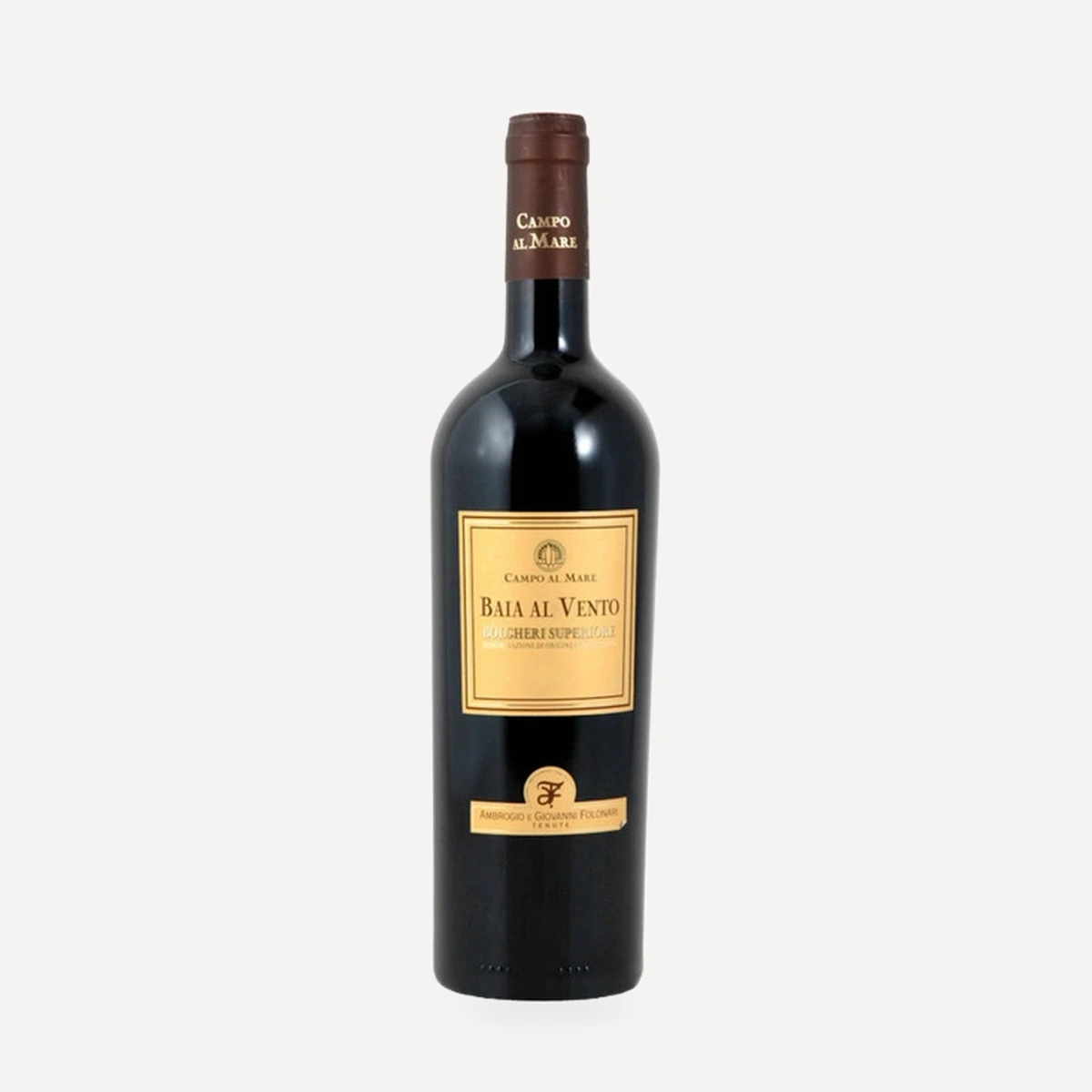
Campo Al Mare Baia al Vento Bolgheri Superiore DOC
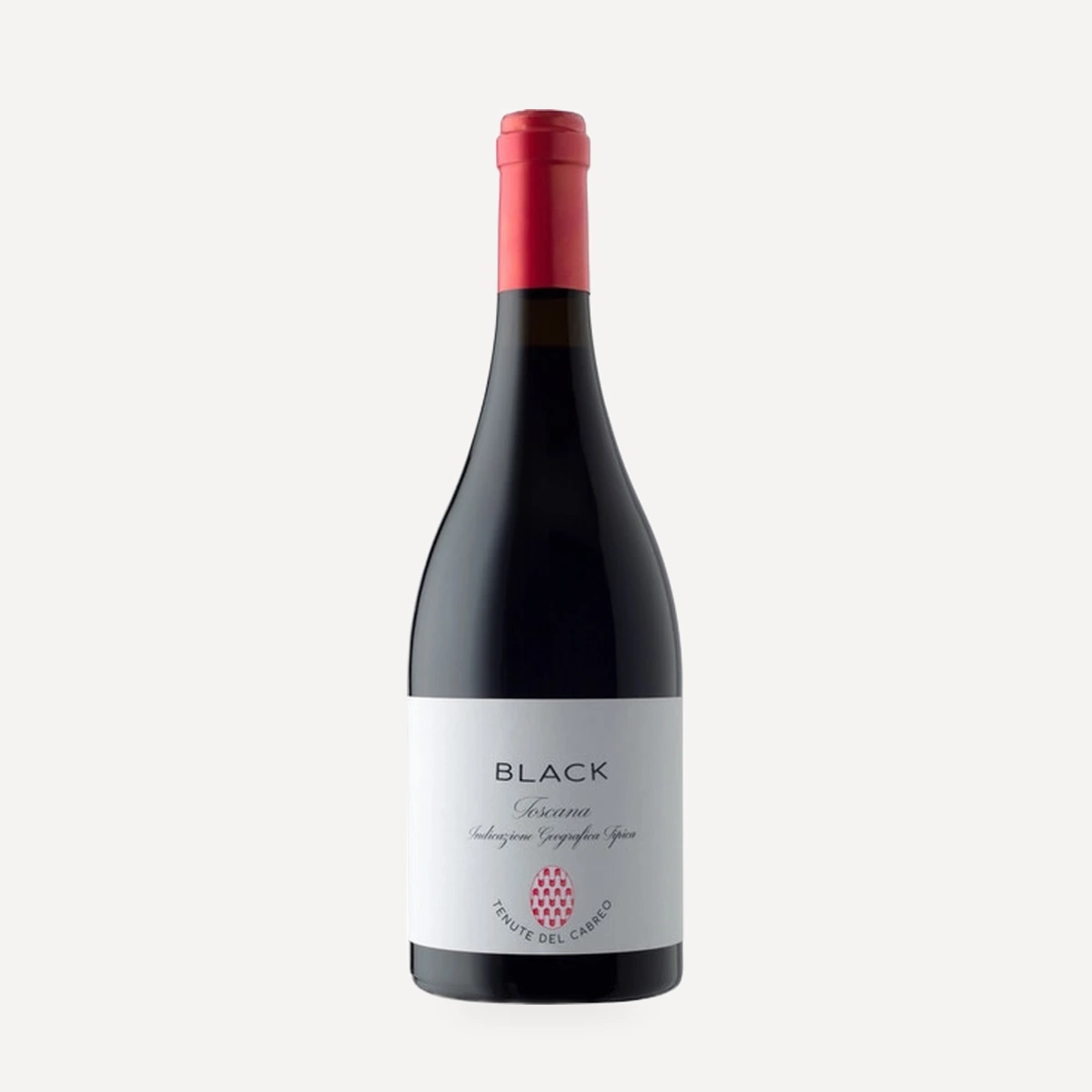
Tenute del Cabreo Black Toscana IGT
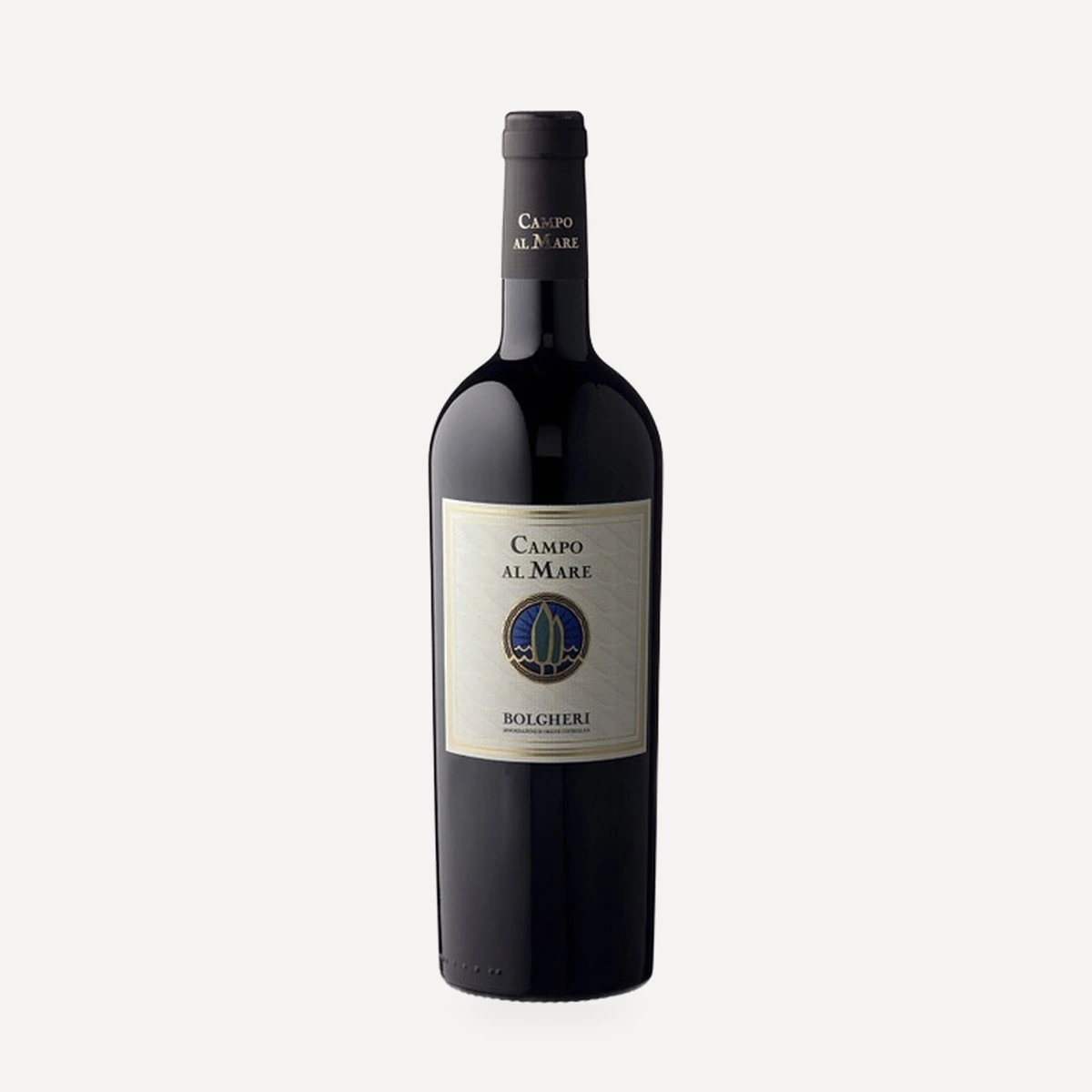
Campo Al Mare Rosso Bolgheri
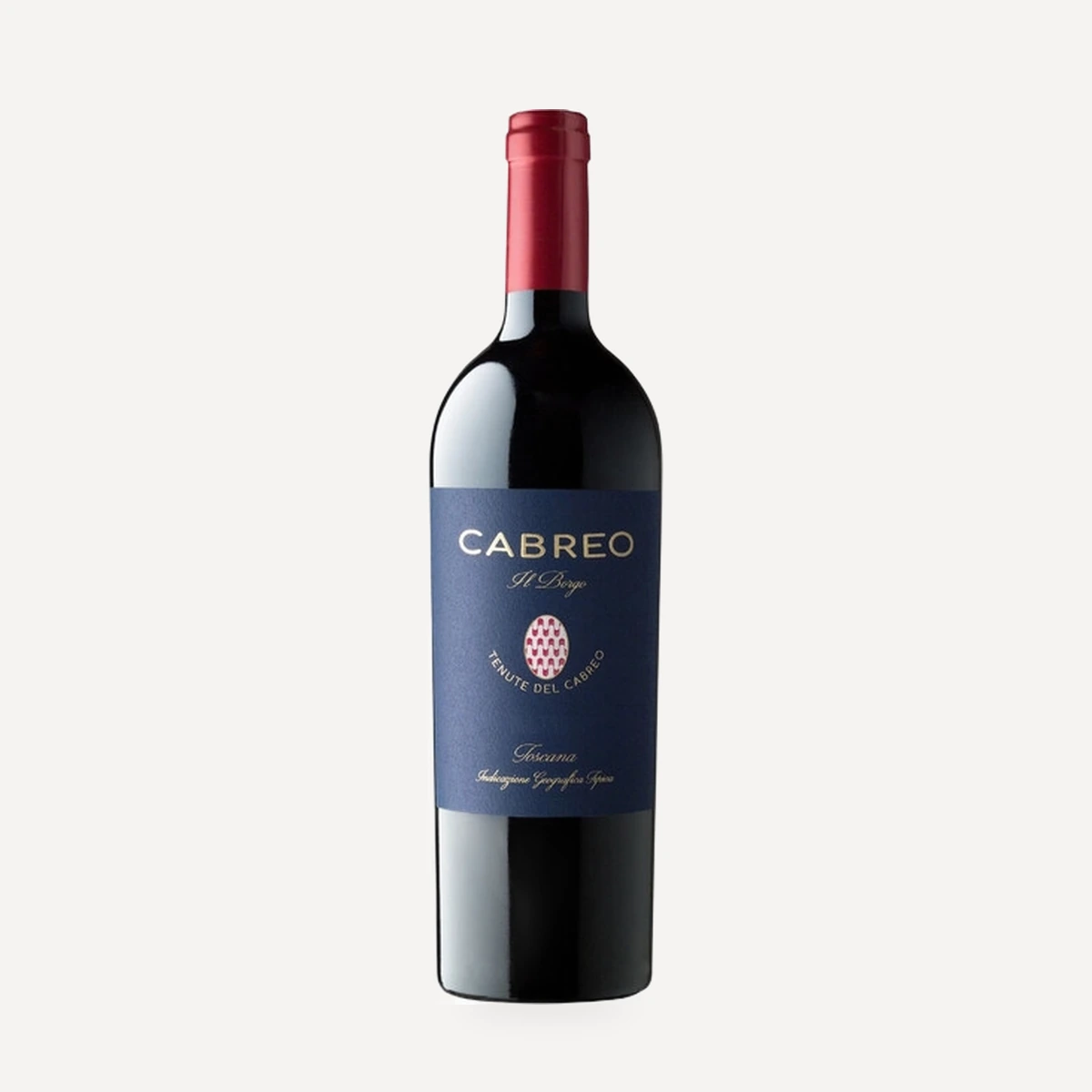
Cabreo Il Borgo Toscana IGT
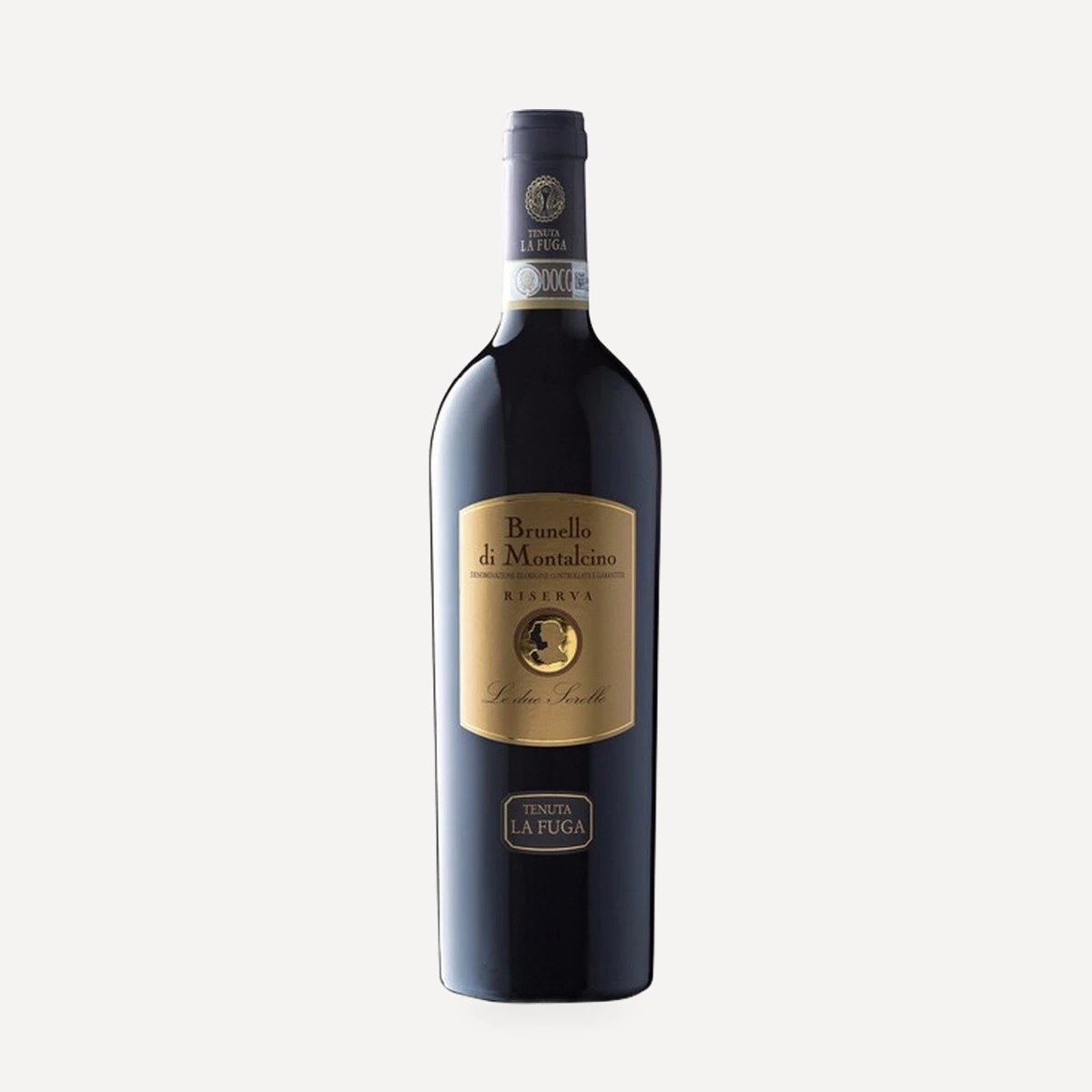
Le Due Sorelle Brunello di Montalcino Riserva DOCG
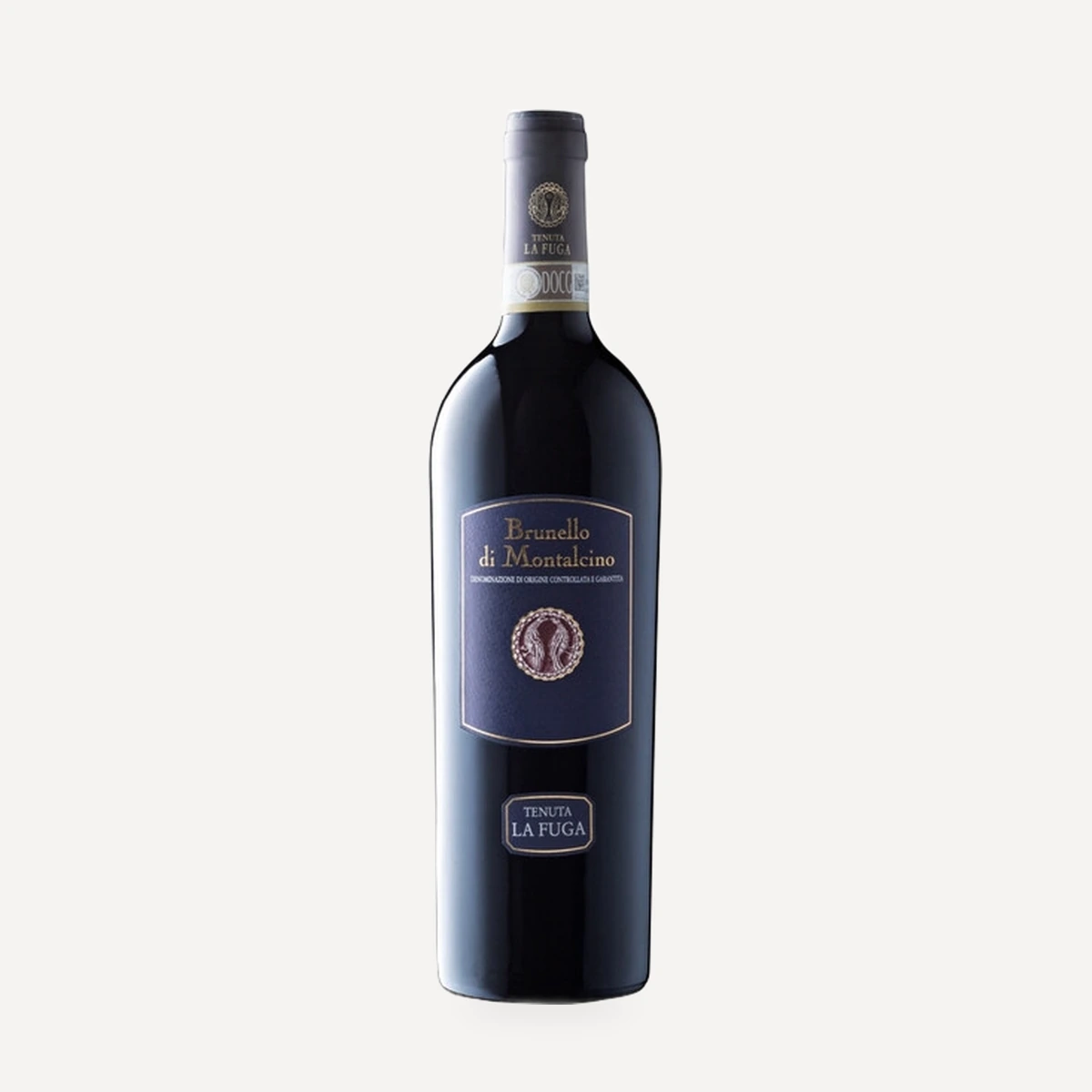
Brunello di Montalcino DOCG
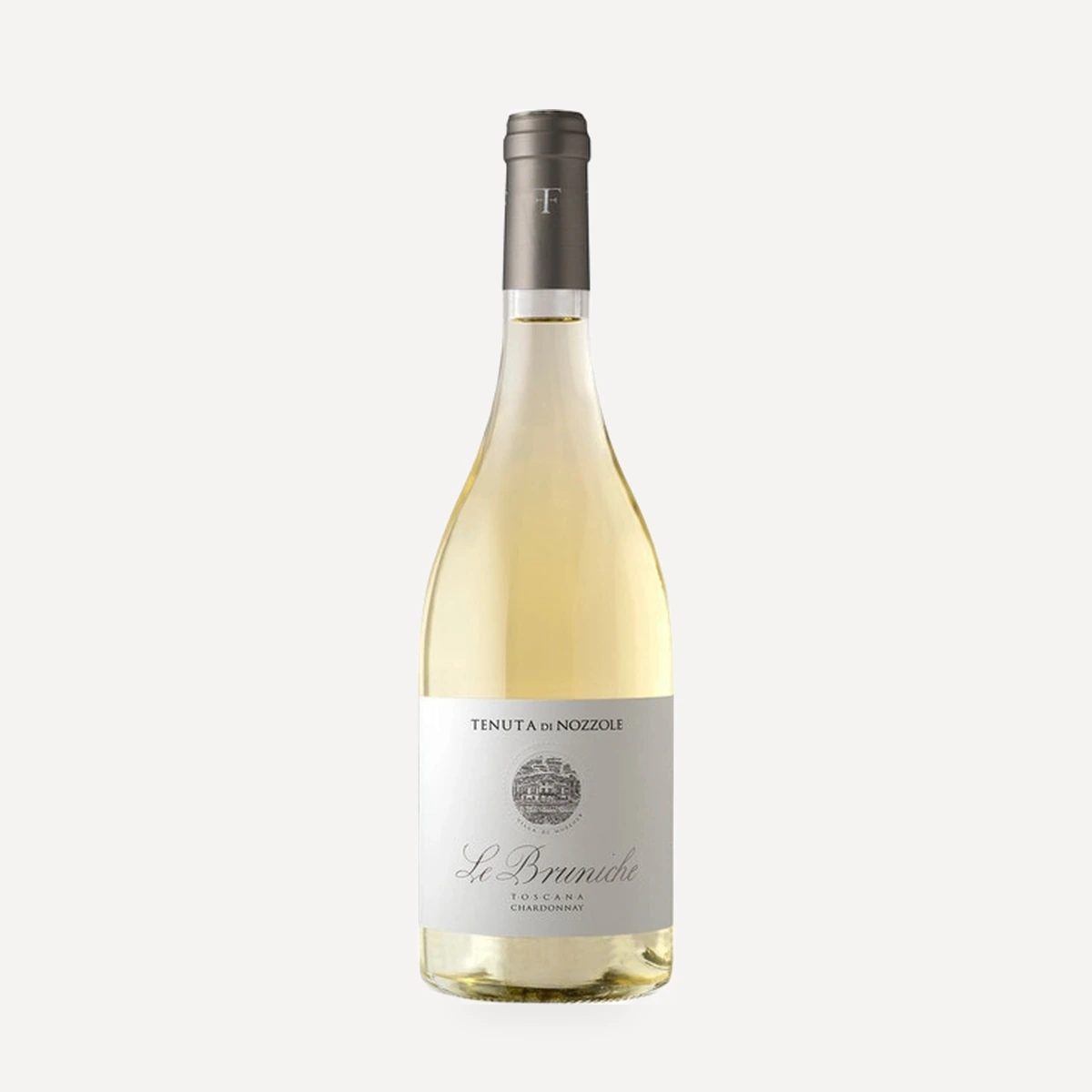
Le Bruniche Chardonnay Toscana IGT
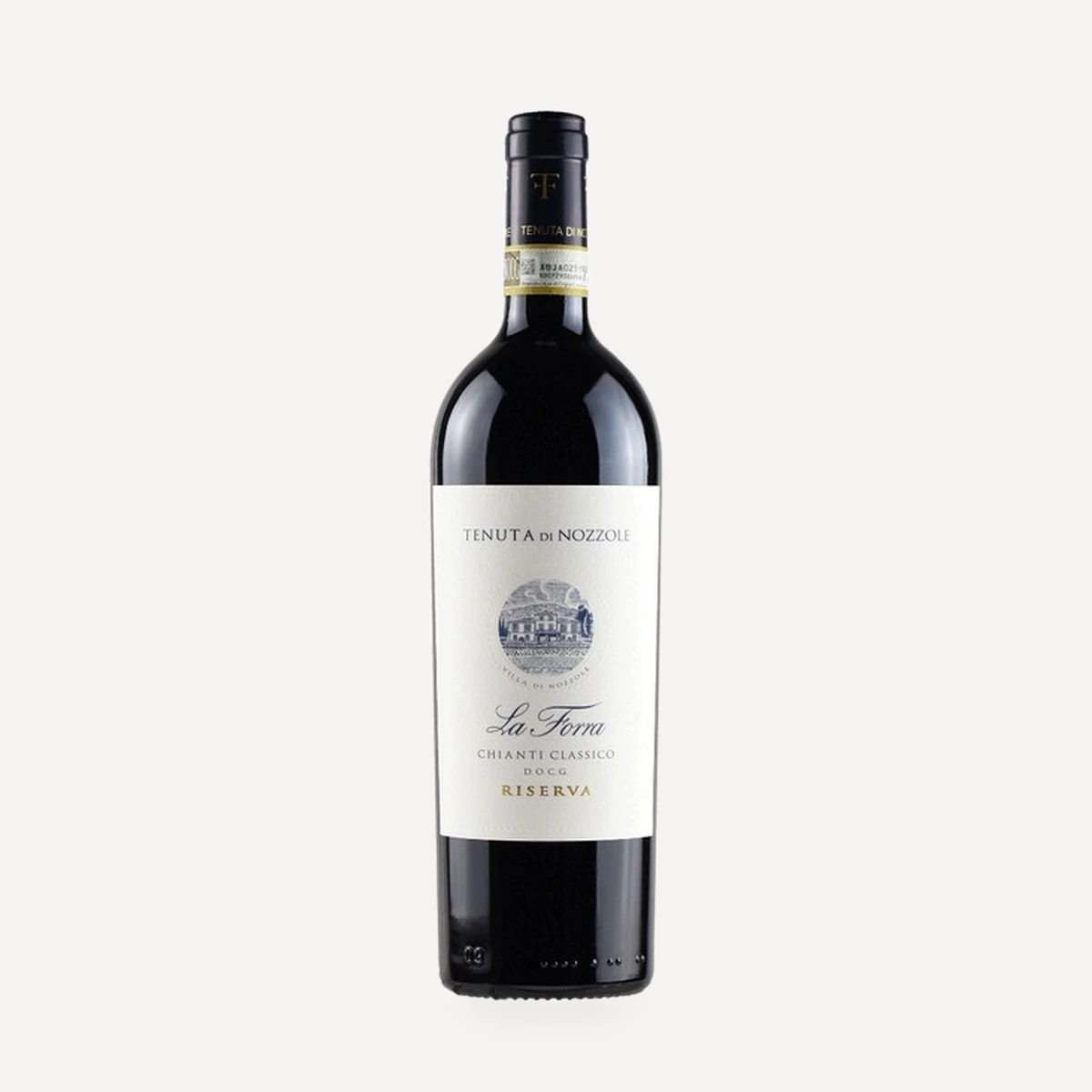
Chianti Classico Riserva La Forra DOCG
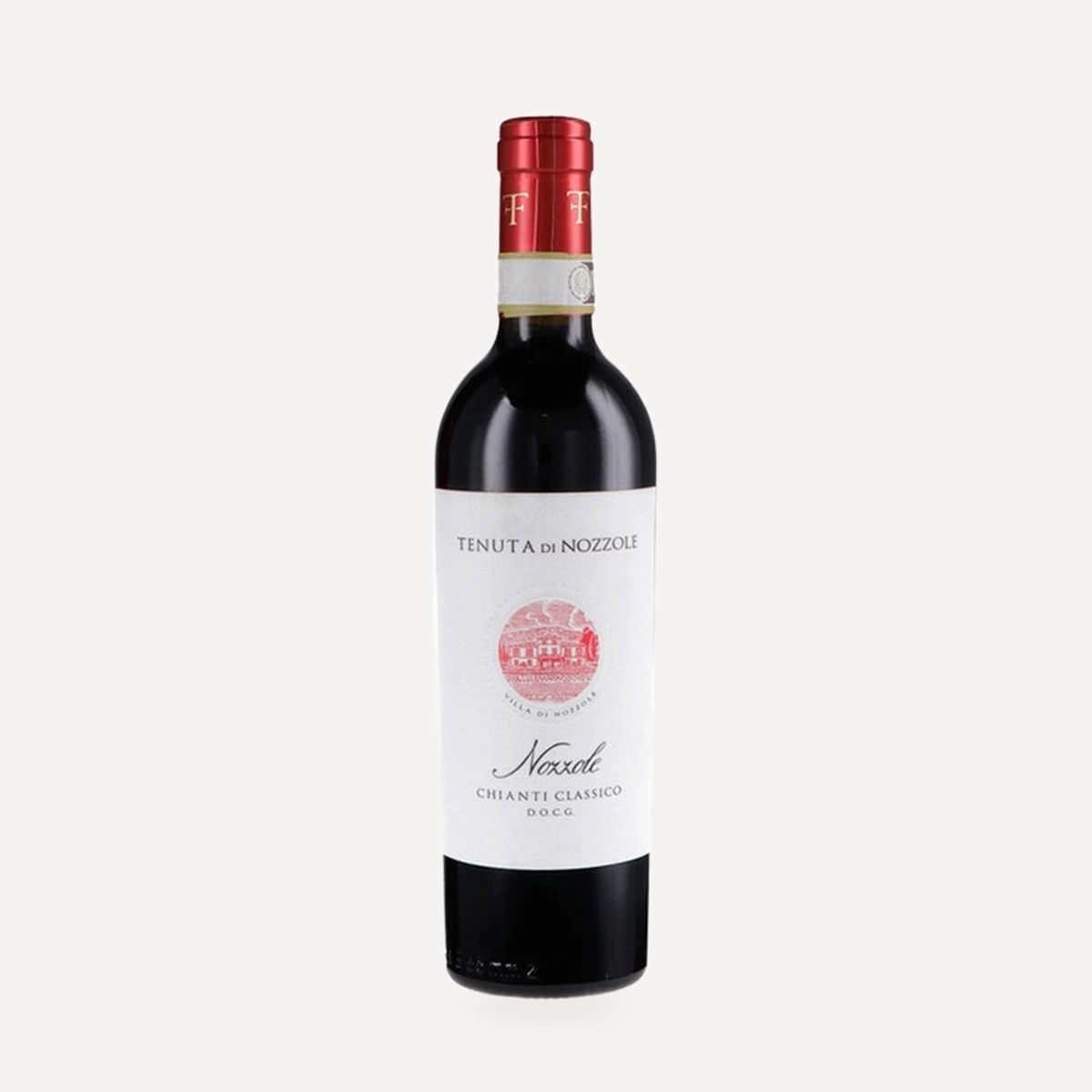
Nozzole Chianti Classico DOCG
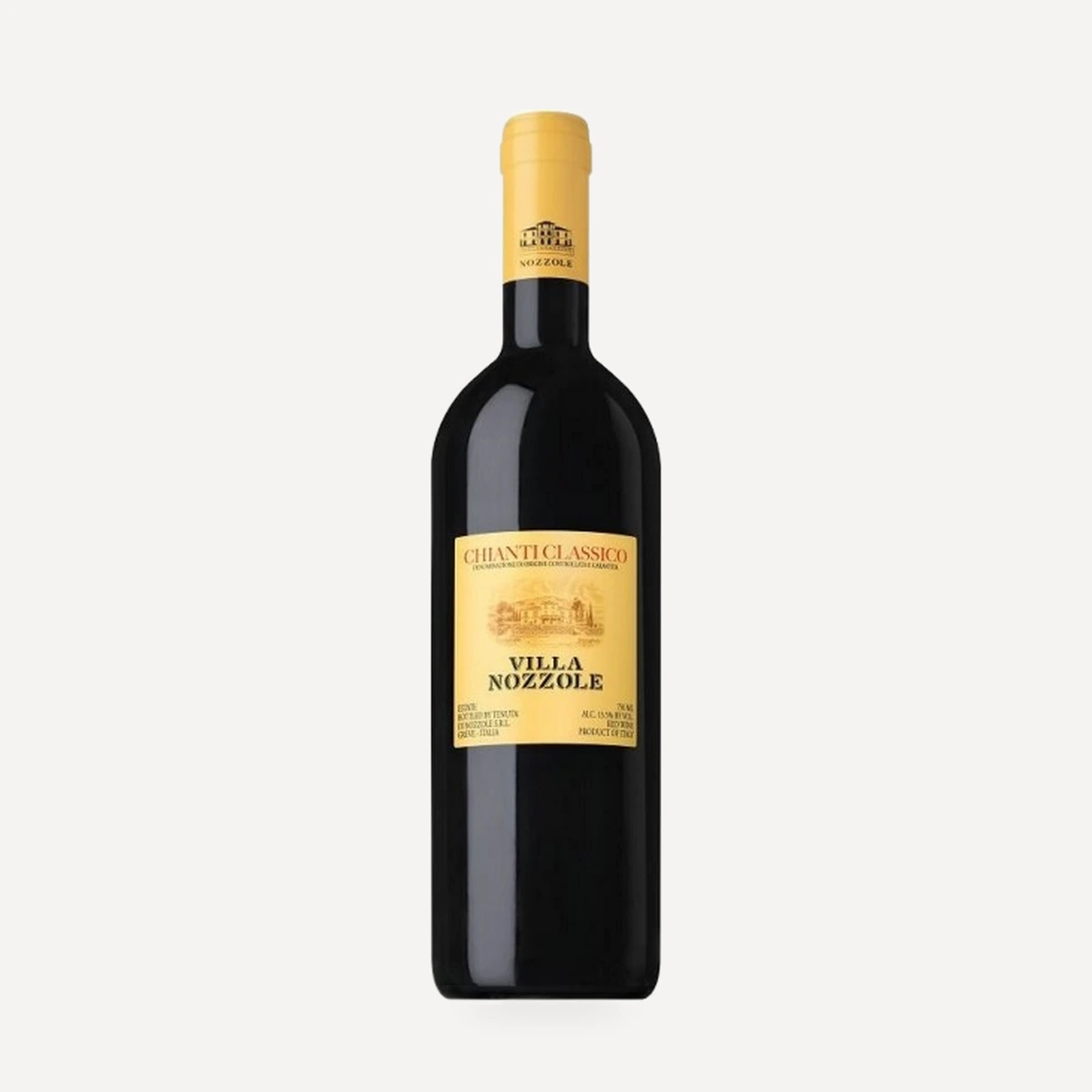
Chianti Classico Villa Nozzole DOCG
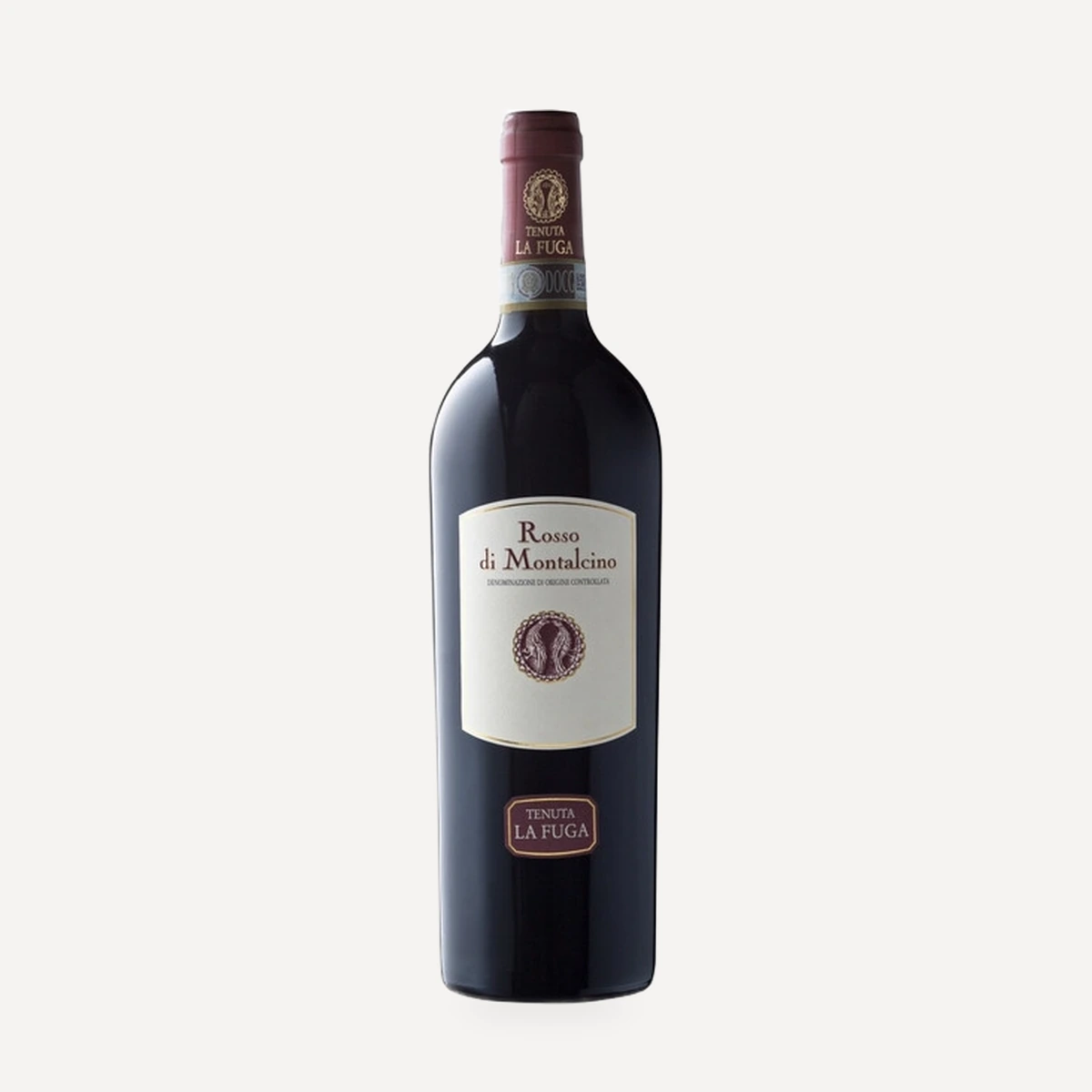
Rosso di Montalcino DOC
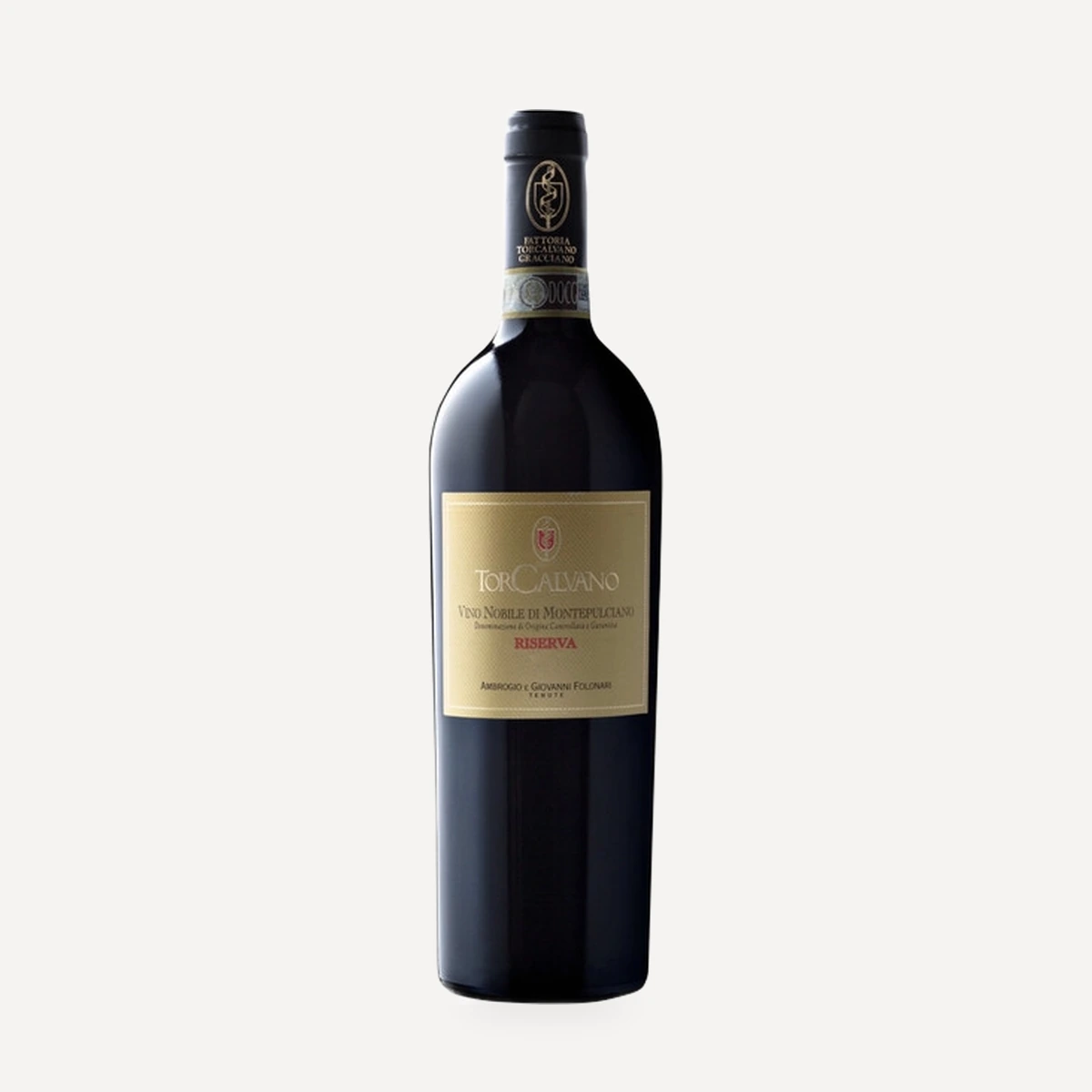
TorCalvano Vino Nobile di Montepulciano Riserva DOCG
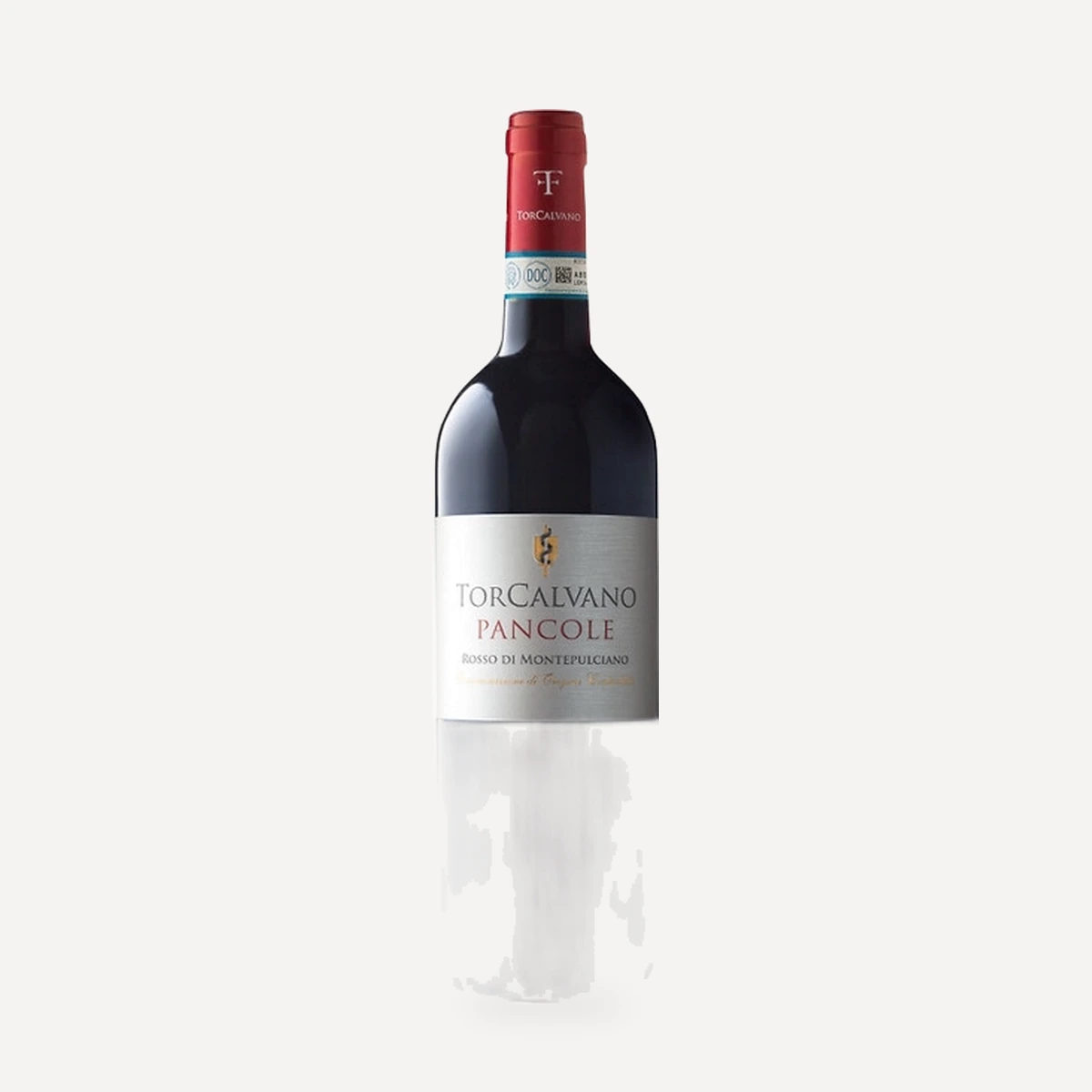
TorCalvano Pancole Rosso di Montepulciano DOC
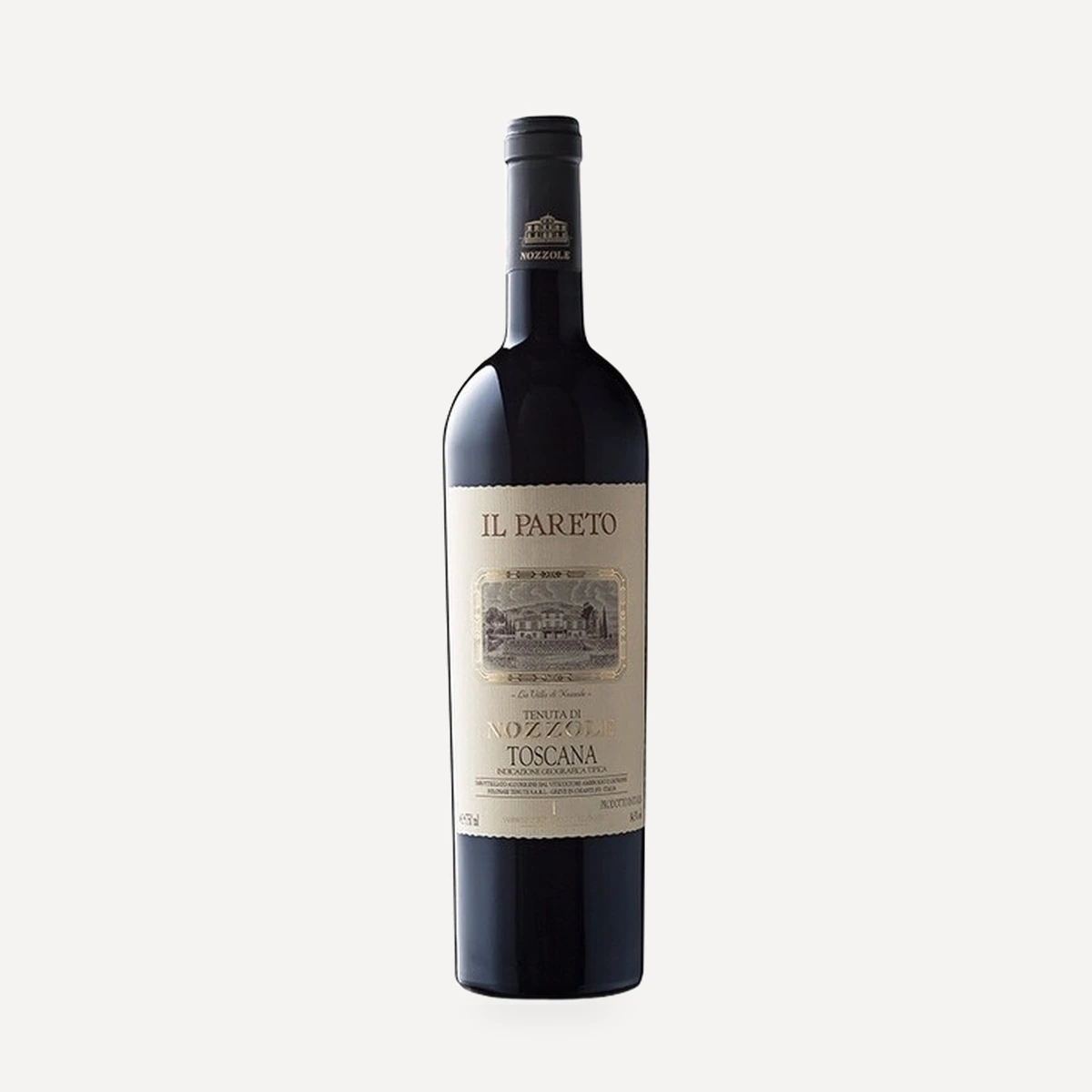
Nozzole Il Pareto Toscana IGT
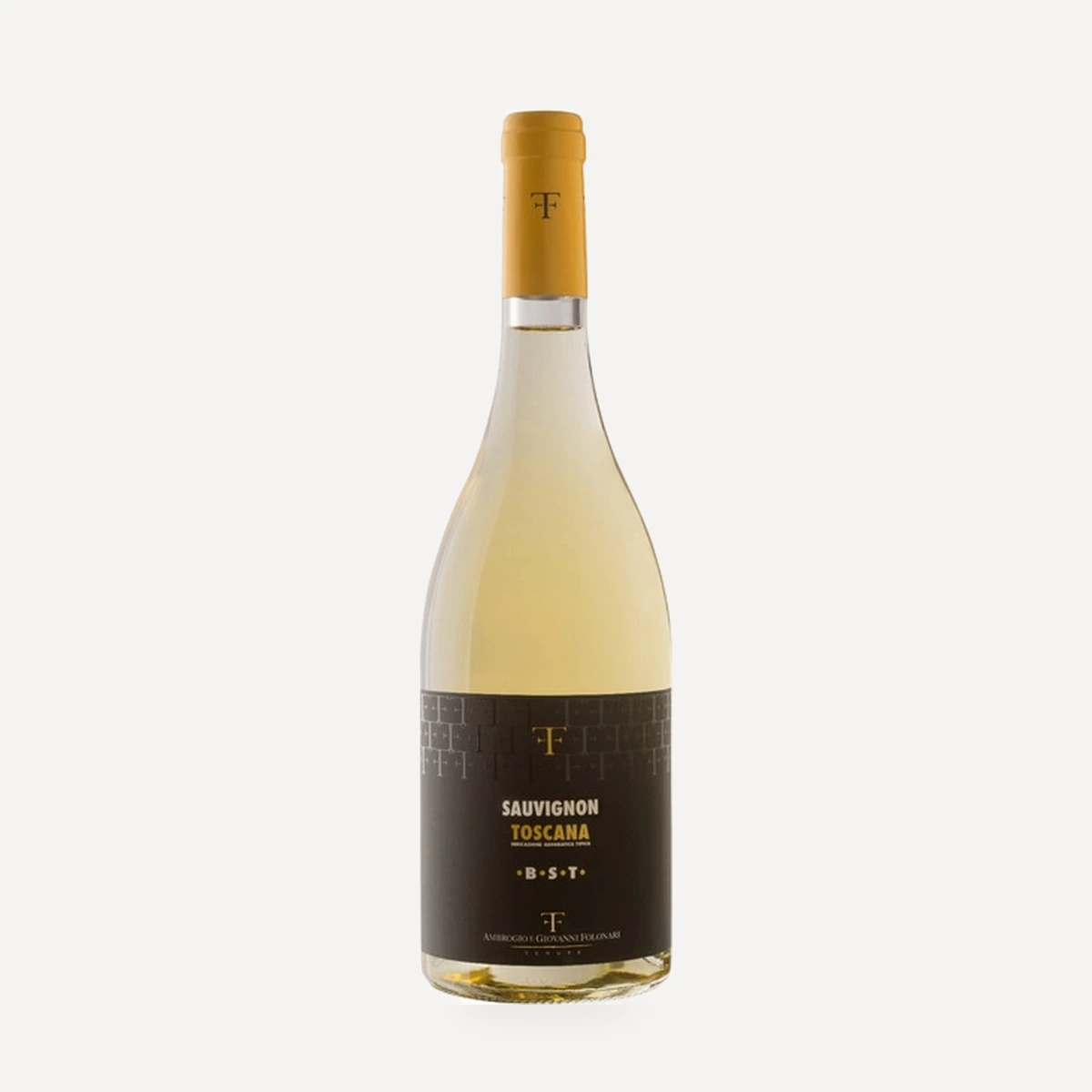
B.S.T. Sauvignon Toscana IGT
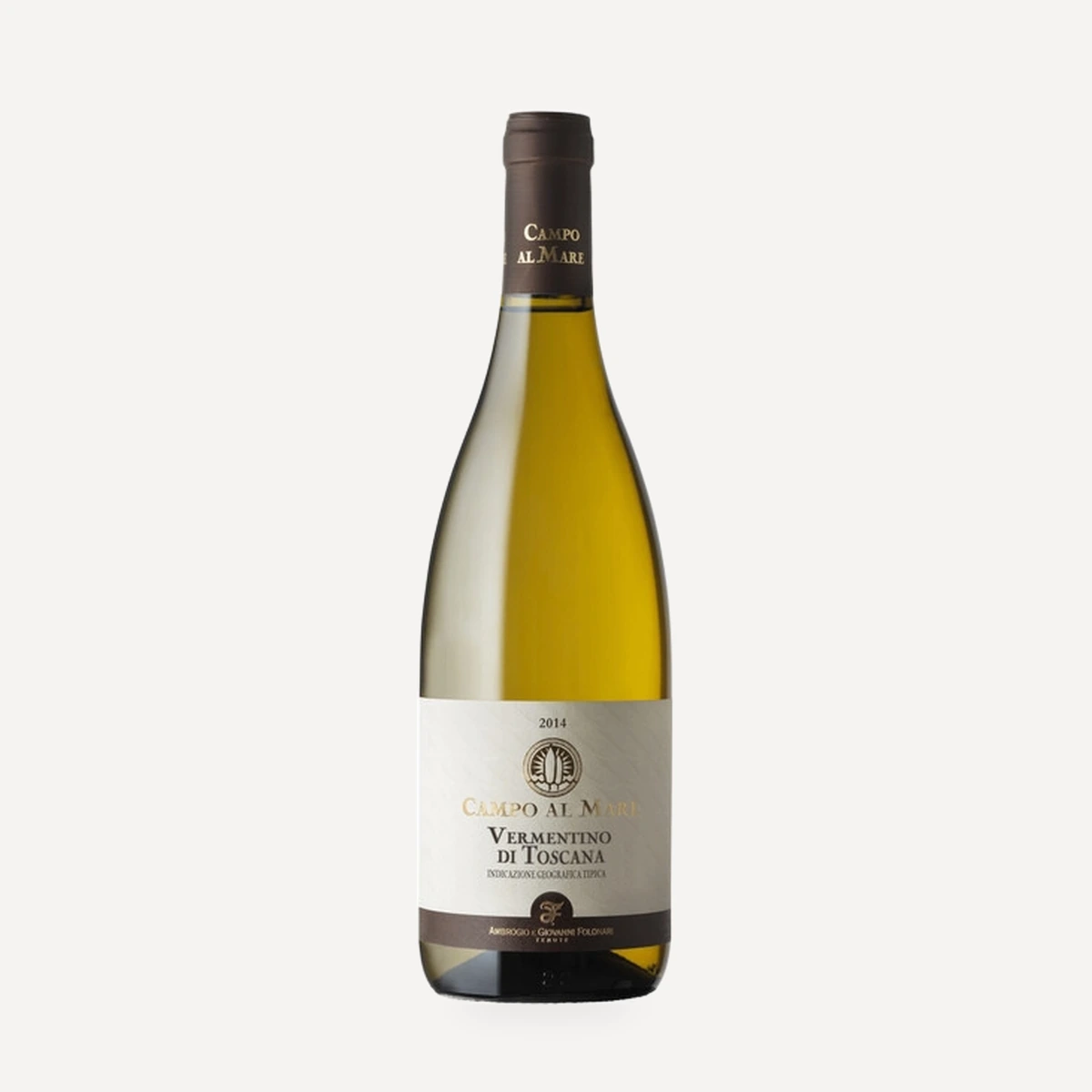
Campo al Mare Vermentino di Toscana IGT
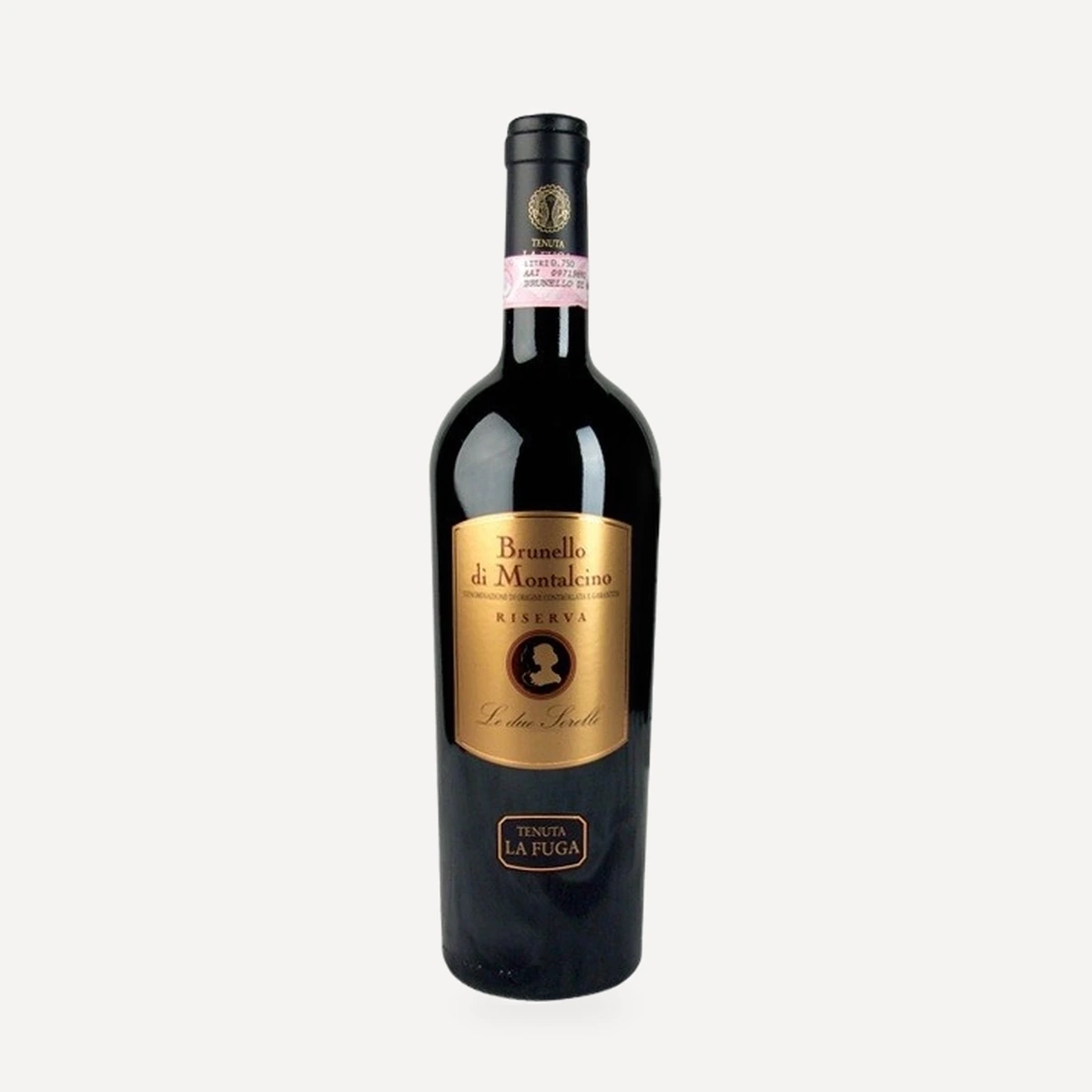
Brunello di Montalcino Riserva Le Due Sorelle La Fuga DOCG
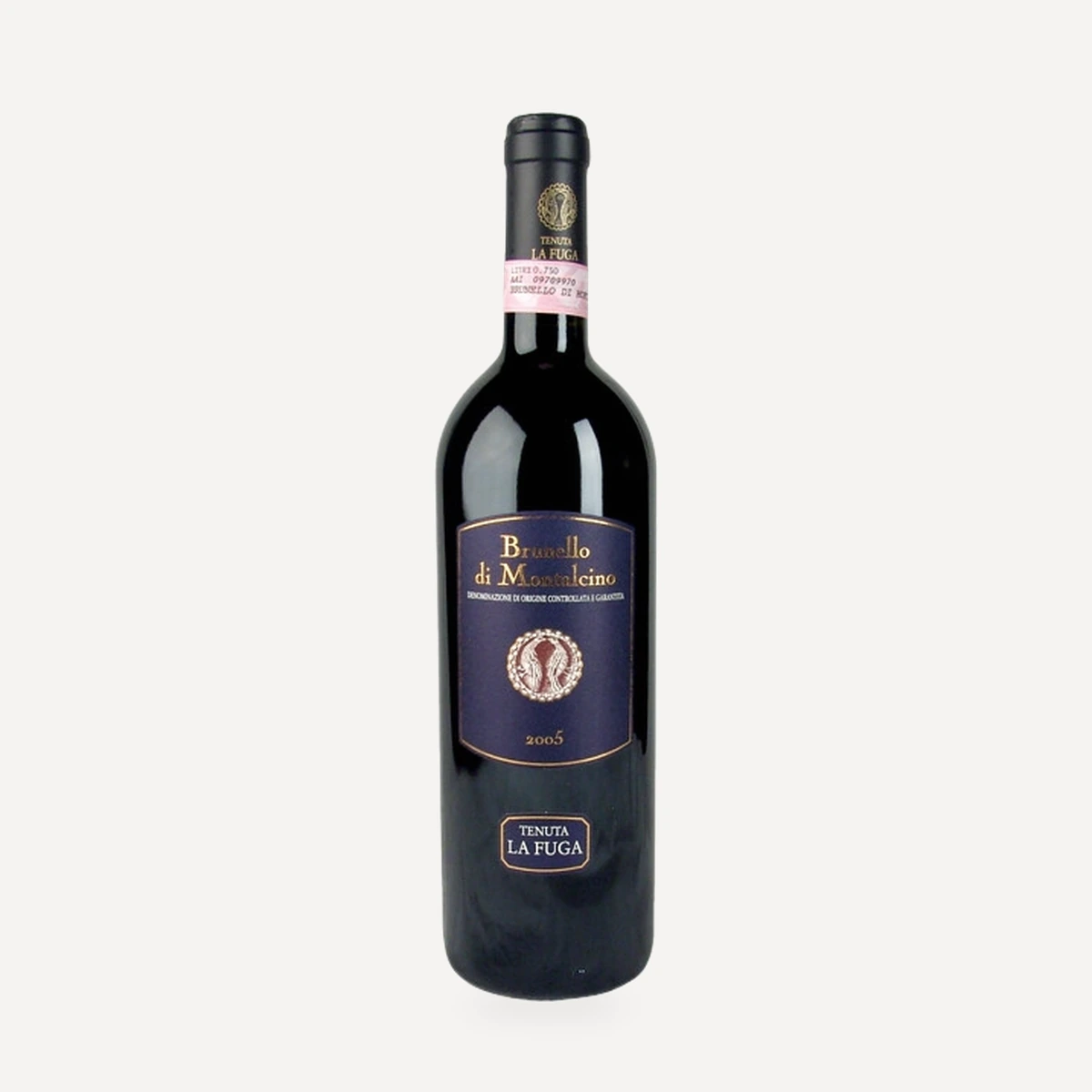
Brunello di Montalcino La Fuga DOCG
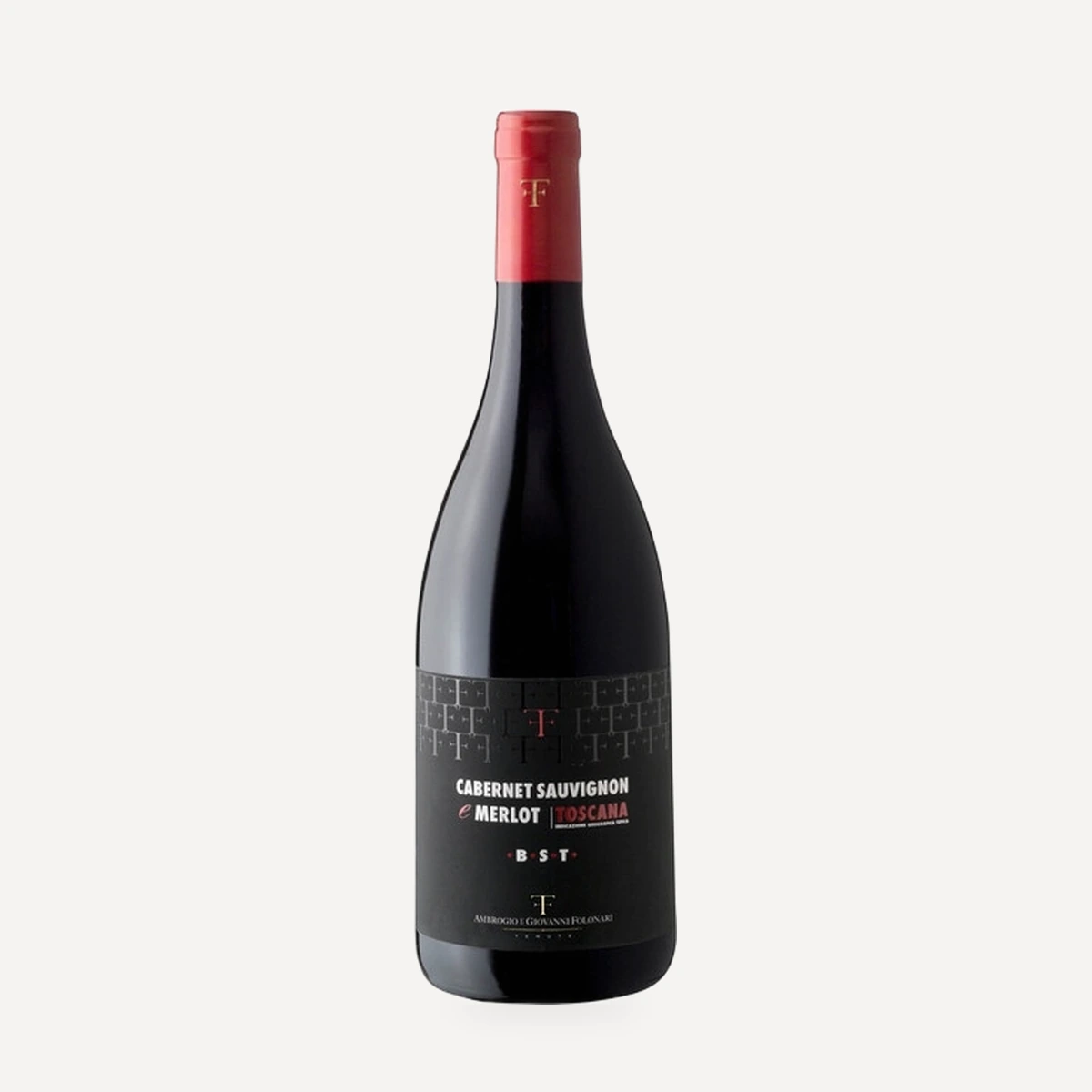
B.S.T. Cabernet Sauvignon-Merlot Toscana IGT
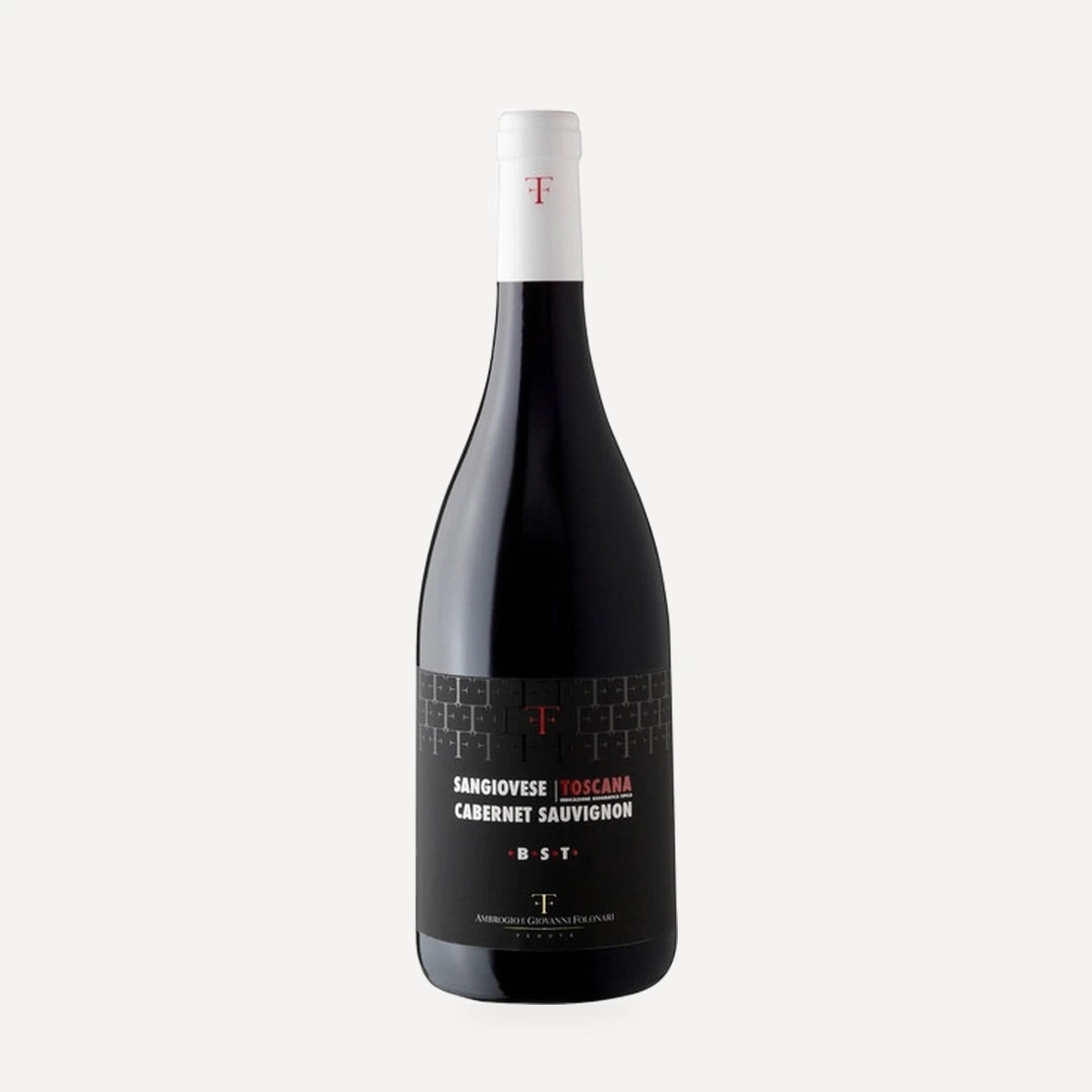
B.S.T. Sangiovese-Cabernet Sauvignon Toscana IGT
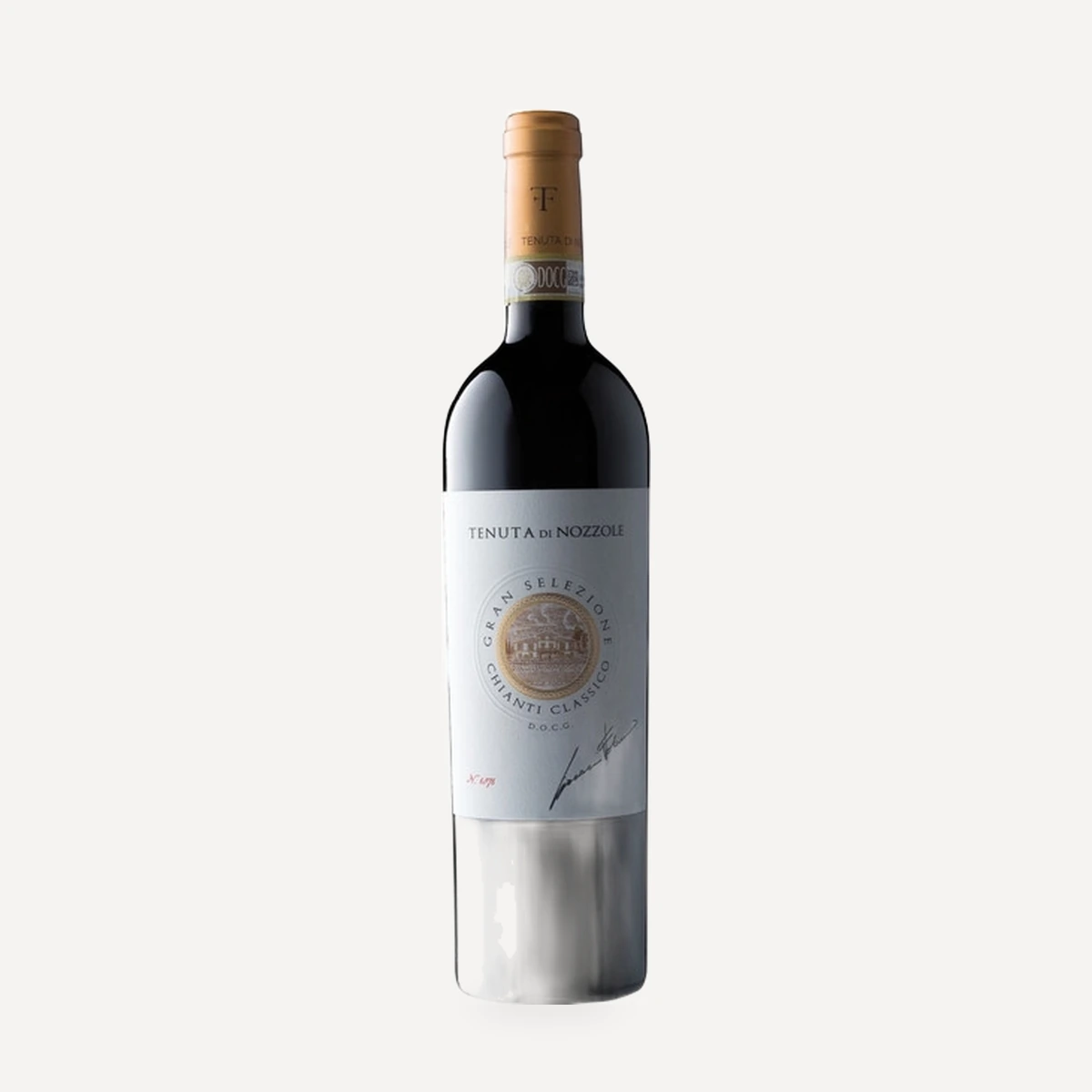
Giovanni Folonari Gran Selezione Chianti Classico DOCG
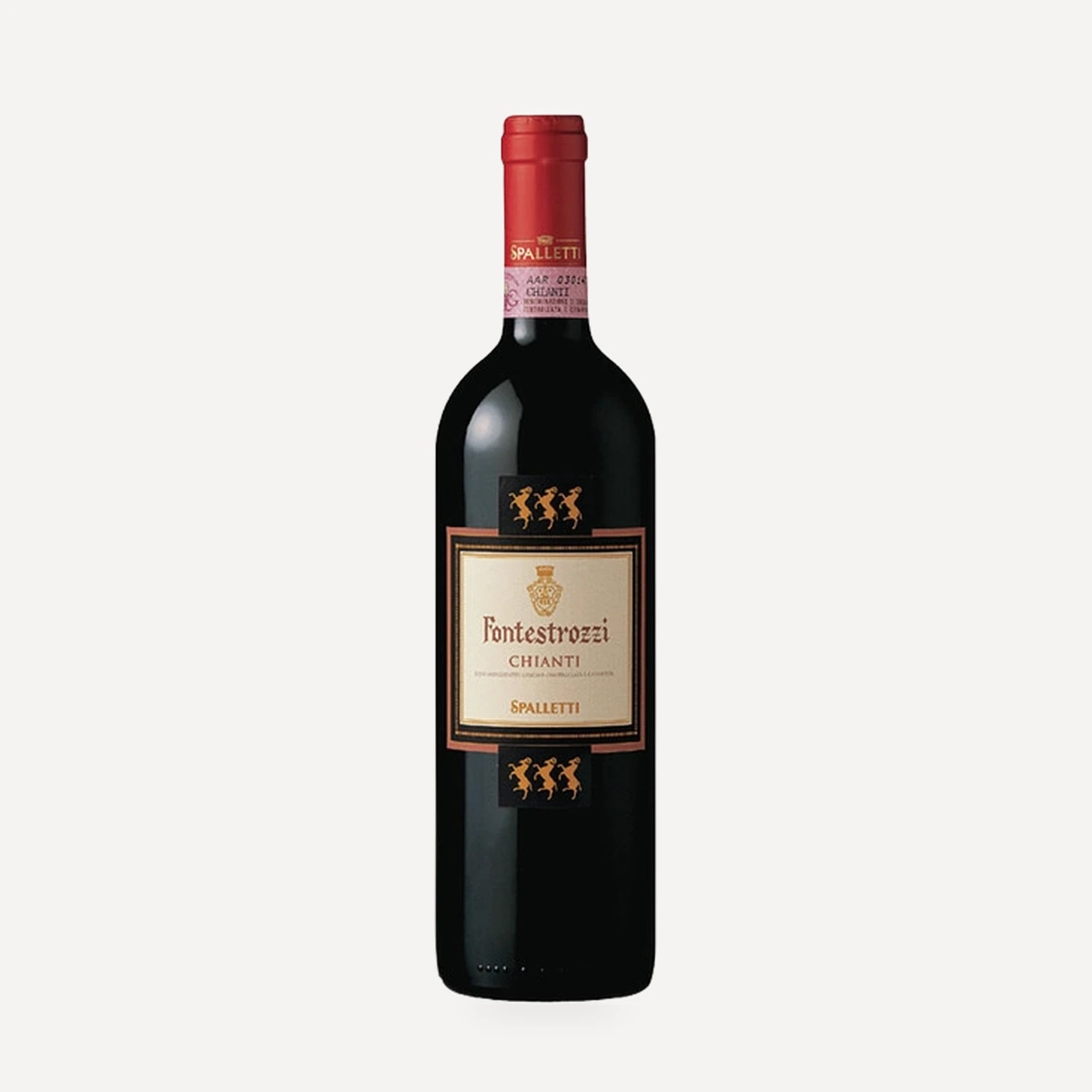
Conti Spalletti Fontestrozzi Chianti DOCG
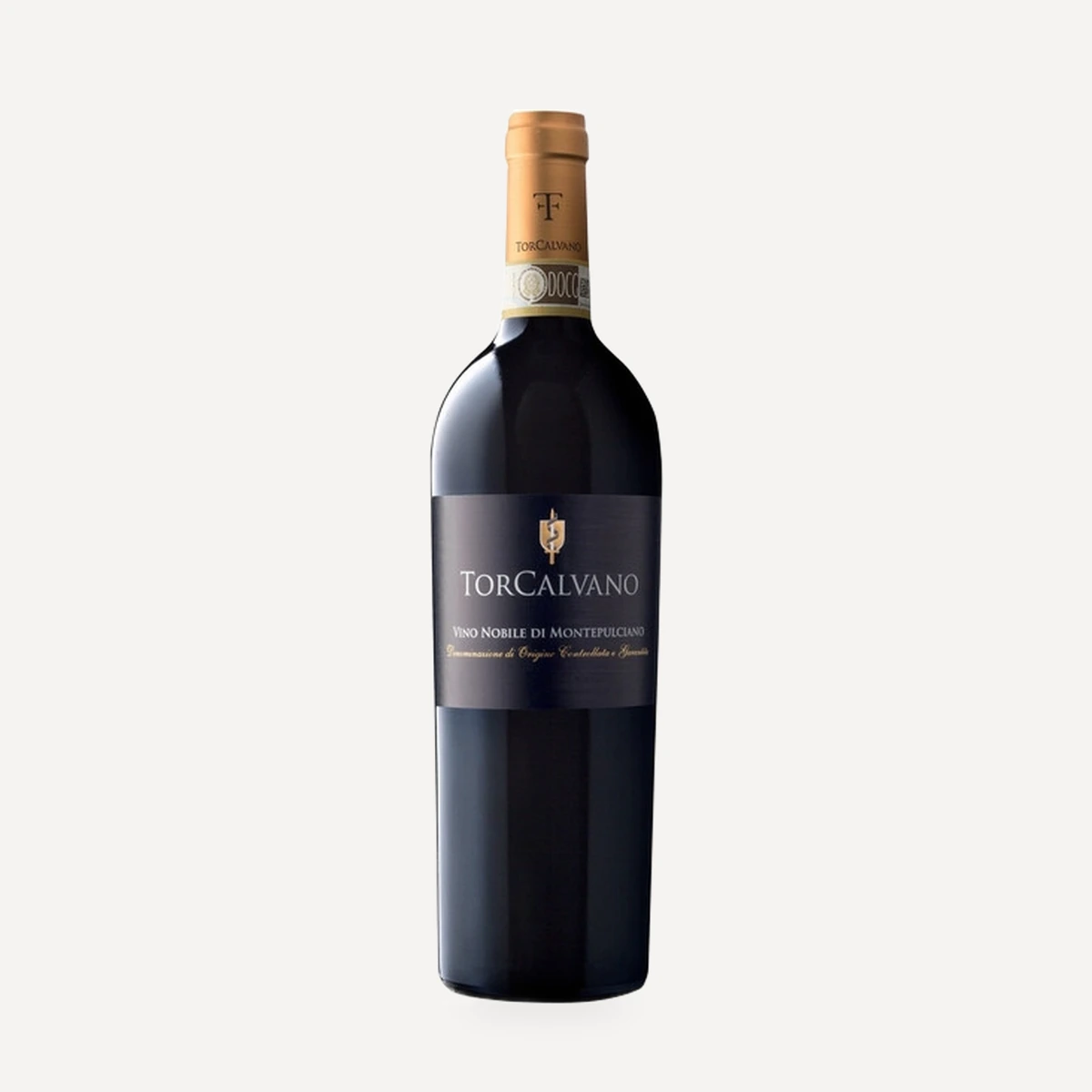
TorCalvano Vino Nobile di Montepulciano DOCG