Storia
A family estate since 1891
The Marion family has owned the long vineyard rows associated with La Jara since 1891. Knowledge of the land and responsibility for the vines passed through successive generations. Pietro Marion articulated the principle that continues to guide the family: nature is a perfect mechanism whose rhythms should be accommodated rather than forced. He entrusted responsibility for the vineyard to his son Bruno while Bruno was still young.
Bruno came to regard the vineyard as his “first love.” He learned the individual vines, the seasonal signs of the land and the aromas, colours and sensations that indicate vegetative balance. He continued to supervise work from winter pruning through harvest, following traditional farming practices.
1999: new management and the organic conversion
Massimo and Paolo Marion assumed the direction of the estate in 1999. Guided by Pietro’s teachings but bringing a more innovative outlook, they overhauled its working methods and adopted entirely organic farming. The decision was unusual in Italy at the time and brought difficult early years marked by experiments, risks, disappointments and lost crops.
The family nevertheless remained committed to organic production. Because the domestic market initially showed little interest in organic wine, La Jara began presenting its wines abroad. Experience accumulated through repeated trials in both vineyard and cellar, eventually helping the estate establish a balanced vineyard ecosystem and a production model joining organic cultivation with modern cellar controls.
2004–2007: first organic bottle and first international award
In 2004 La Jara bottled its first organic wine, a Prosecco DOC Spumante made by the Martinotti–Charmat method. Three years later, in 2007, it received its first international distinction: a 91-point “Exceptional” Gold Medal from the Beverage Testing Institute in Chicago. The award became an important confirmation of the work undertaken during the preceding years.
Vineyard development and the 2016 season
New organic parcels of Pinot Grigio and Chardonnay brought the vineyard holding to 50 hectares. The young vines were trained to Sylvoz, oriented for sunlight and ventilation and expected to yield their first fruit after two years and reach full production after three.
The 2016 season began with considerable rain and initially appeared difficult. Sunny days and low humidity at the end of the season allowed the fruit to ripen successfully. Pinot Grigio was harvested first; the grapes were healthy, abundant and showed higher acidity than in preceding years. Glera ripened evenly and produced must with pronounced apple and pear aromas during the first fermentation. Paolo Marion expected the warm final part of the season to produce sparkling wines with more colour. Both varieties retained the natural acidity required for freshness in sparkling wine.
2019: twenty years of organic farming
The twentieth anniversary of organic cultivation was celebrated in 2019. International partners representing La Jara in more than 20 countries joined representatives of the Consorzio di Tutela del Prosecco DOC and Venetian soprano Katia Ricciarelli, who marked her own 50-year career at the event. A Chardonnay sparkling wine made with the Long Charmat method was created as an anniversary bottling.
Wine shop, sustainability and new sparkling wines
La Jara subsequently opened a cellar-door wine shop. Around the opening, the estate introduced Chardonnay Spumante Brut Nature and Merlot Blanc de Noir Spumante Brut. Its still Chardonnay joined the “One Bottle. One Tree” initiative, linking each purchased bottle with the planting of a tree.
EXIMIA and expansion into Friuli Venezia Giulia
The EXIMIA Family Selection was created from organic vineyards in Friuli Venezia Giulia. Its name comes from the Latin for “extraordinary.” The range brought together four single-variety still wines—Pinot Noir, Cabernet Sauvignon, Sauvignon Blanc and Pinot Blanc—and introduced a dedicated EXIMIA tasting option at the estate.
Hospitality and the twenty-fifth organic anniversary
La Jara became a vineyard residence, opening a three-sided glass suite overlooking the organic vineyards. The stay was conceived as an immersive experience combining accommodation with a winery tour and tasting.
In 2024 the estate marked 25 years of organic farming by creating Pinot Noir Spumante Blanc de Noir Brut Nature, a white, zero-dosage sparkling wine made entirely from red Pinot Noir grapes. The release was intended to represent the contemporary identity of La Jara after a quarter-century of organic cultivation.
Terroir
Between the Prosecco hills and the Piave
The main estate lies in north-eastern Italy, approximately 50 km from Venice. Its vineyards occupy the area extending from the hills of Conegliano and Valdobbiadene toward the river Piave. Around the winery at Mareno di Piave, the aligned rows spread across flat land and extend toward the river’s gravel bed.
Piave limestone gravel
The defining material is pale limestone gravel formed and smoothed by the Piave. This stony layer is the origin of the estate’s name: jara means “gravel” in the local dialect. The stones absorb heat during daylight and release it gradually at night. This thermal behaviour helps preserve and accentuate fresh varietal aromas, expressed after vinification as fruit and flower notes.
Friuli Venezia Giulia vineyards
La Jara also farms organic vineyards at Frattina, in the province of Pordenone, Friuli Venezia Giulia. These vineyards supply the four varieties of the EXIMIA Family Selection and are associated with the production of complex still wines.
Vinificazione
Organic farming since 1999
All vineyards have been managed organically since 1999. No pesticides, herbicides or synthetic chemical fertilizers are used. Organic fertilizers are selected to avoid pollution of soil and groundwater while supporting insects and microorganisms that decompose grass, leaves and other organic matter.
The objective is to preserve the vineyard as a complete ecosystem and maintain a natural balance between beneficial and harmful insects. Seasonal work follows the vines’ growth and fertility cycles rather than imposing a fixed timetable.
Canopy, soil and water management
Shoot topping is performed several times around flowering. Removing the ends of shoots redirects the plant’s energy toward the remaining branches and developing bunches, improves ventilation around the fruit and reduces conditions favourable to mould and other diseases. Soil is piled around the base of the vines and subsequently worked to remove weeds mechanically, eliminating the need for herbicides. Drip irrigation is used to reduce water waste.
Bruno Marion supervises vineyard work from pruning through harvest. Winter pruning is carried out during dormancy, after sap flow has ceased. Flowering generally begins at the end of May and lasts 10–15 days depending on the weather. The centre of each inflorescence opens first, followed by its base, ends and lateral sections; pollination then leads into fruit set. Bees are active in the vineyard during this period.
Planting and training
New Pinot Grigio and Chardonnay vineyards were established with the Sylvoz system. Vines were oriented to secure sunlight and ventilation, supported individually by posts and connected wires. Sylvoz is also documented for Glera, Merlot, Raboso, Pinot Noir, Cabernet Sauvignon, Sauvignon Blanc and Pinot Blanc.
Certification
The wines are certified Organic & Vegan by ICEA, the Istituto per la Certificazione Etica ed Ambientale. Vegan status means that neither the wine nor the additives and processing aids used to make it contain materials of animal origin.
Grape reception and first fermentation
Grapes are harvested when the berries have reached the desired ripeness. The modern winery is designed to retain freshness, fragrance and varietal aroma as the fruit moves into wine.
For the principal sparkling-wine process, grapes undergo gentle pressing to extract first-pressing must, which is separated from the pomace. The must settles in temperature-controlled stainless-steel tanks. Once clarified, the clear fraction is transferred by gravity. Natural yeasts are then added, and alcoholic fermentation takes place in temperature-controlled stainless-steel tanks under continuous technological monitoring. The must is followed throughout the conversion of sugar to alcohol and the development of its aromatic profile.
No chemically synthesized additives or oenological processing aids are used. The cellar’s stated objective is to transfer the natural properties of the grapes into the bottle without corrective shortcuts.
Charmat–Martinotti sparkling production
La Jara specialises in sparkling wines made by the Charmat–Martinotti method. A dedicated room houses pressure tanks for the second fermentation. After tasting the base wines, the oenologists define the cuvée. Wine, sugar and natural yeasts then undergo secondary fermentation in pressure tanks for at least 40 days.
Individual cuvées may remain in tank longer: Merlot Blanc de Noir has been documented at about 60 days; Chardonnay Brut Nature uses a Long Charmat cycle of about six months before filtration and cold bottling; and Prosecco DOC Millesimato Zero Dosage undergoes seven months in pressure tank on selected natural yeasts and finishes without residual sugar.
EXIMIA still wines
The Frattina wines are made in stainless steel at controlled temperature. Sauvignon Blanc is softly pressed and slowly fermented; two oxygen-free rackings remove unwanted lees while retaining the fine lees, followed by 2–3 months of maturation on fine lees before bottling. Pinot Blanc is softly pressed and fermented in stainless steel, then racked once without oxygen and matured in the same vessel for 3–4 months, with frequent analysis before bottling and several further months of cellar rest.
Red grapes are destemmed or softly pressed and fermented in temperature-controlled stainless steel. Daily pump-overs and several weeks of skin maceration are documented for the red EXIMIA wines. After drawing off or an oxygen-free racking, they continue to mature in stainless steel or on fine lees before bottling.
Filosofia
La Jara’s guiding principle is inherited from Pietro Marion: nature is a perfect mechanism, and the grower’s task is to work with it. The family interprets organic cultivation as the natural choice for protecting the vineyard ecosystem, its fertility cycle and the people who consume its wines.
The vineyard is treated as an interconnected habitat rather than a crop isolated from its surroundings. Seasonal timing, beneficial insects, soil microorganisms, water conservation and the balance of each vine are considered parts of the same system. Traditional observation—embodied by Bruno Marion’s close knowledge of individual vines—is combined with contemporary technical control in the cellar.
Technology is used to preserve rather than replace the character of the fruit. The production objective is to carry freshness, fragrance and varietal aroma from grape to bottle without synthetic chemical additions or oenological shortcuts. The same environmental commitment extends to vegan production, the reduction of water waste and projects such as “One Bottle. One Tree.”
Family continuity remains central: Massimo and Paolo’s technical innovations were undertaken within the values passed down by Pietro and maintained in Bruno’s daily vineyard work. Teamwork from vineyard to bottle is presented as the basis of the estate’s quality approach.
Vini
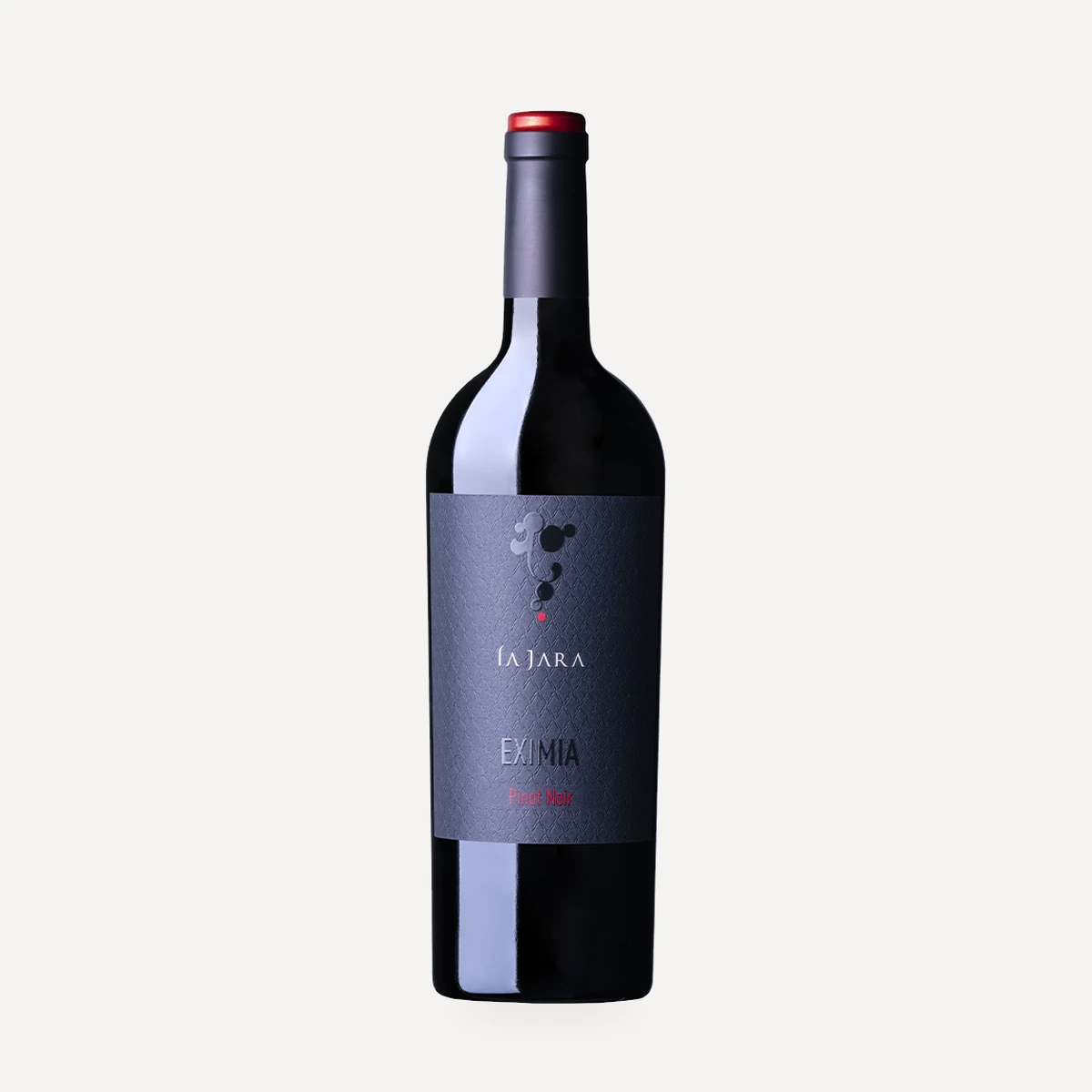
Eximia Pinot Noir
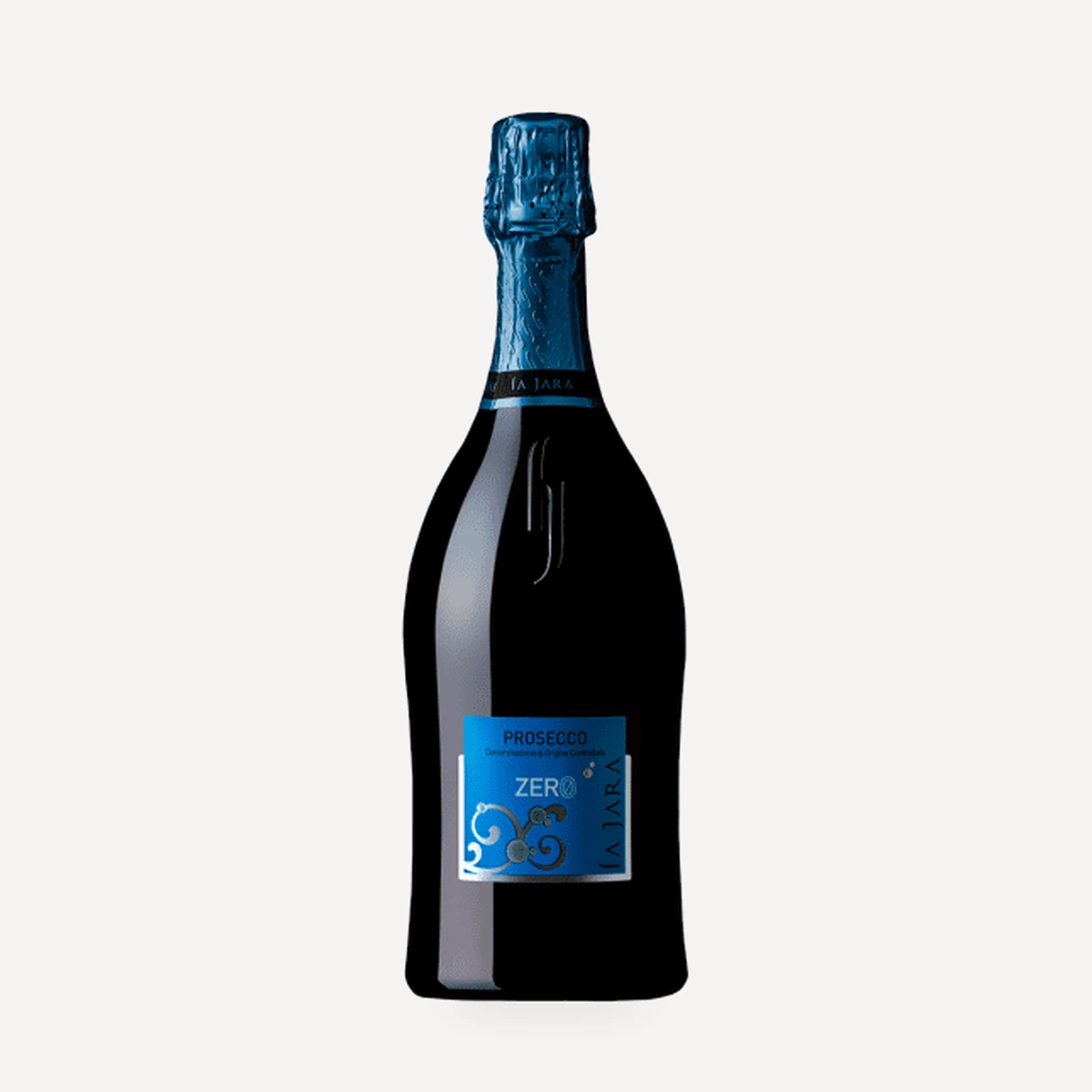
PROSECCO DOC Millesimato Spumante ZERO Dosage
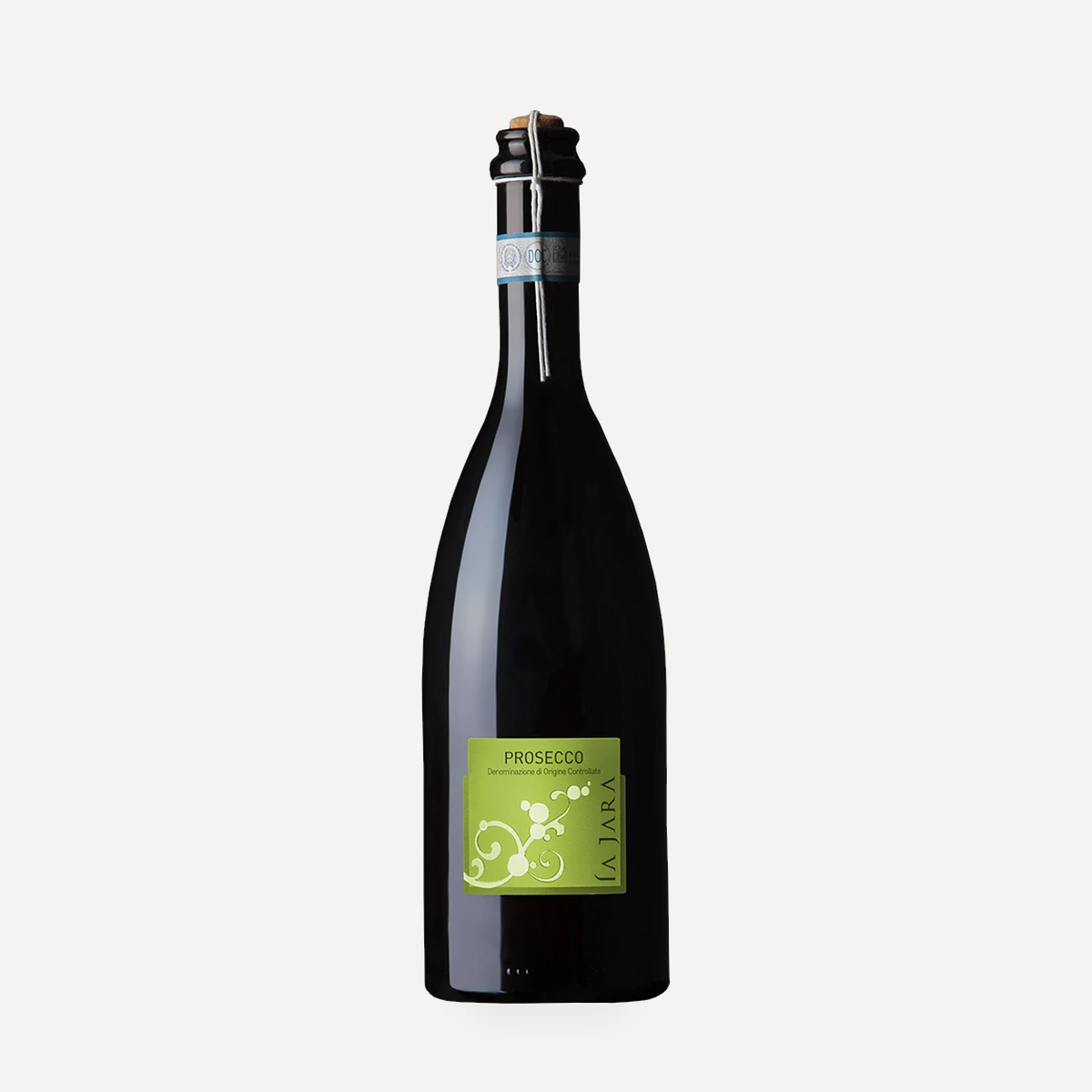
Prosecco DOC Frizzante
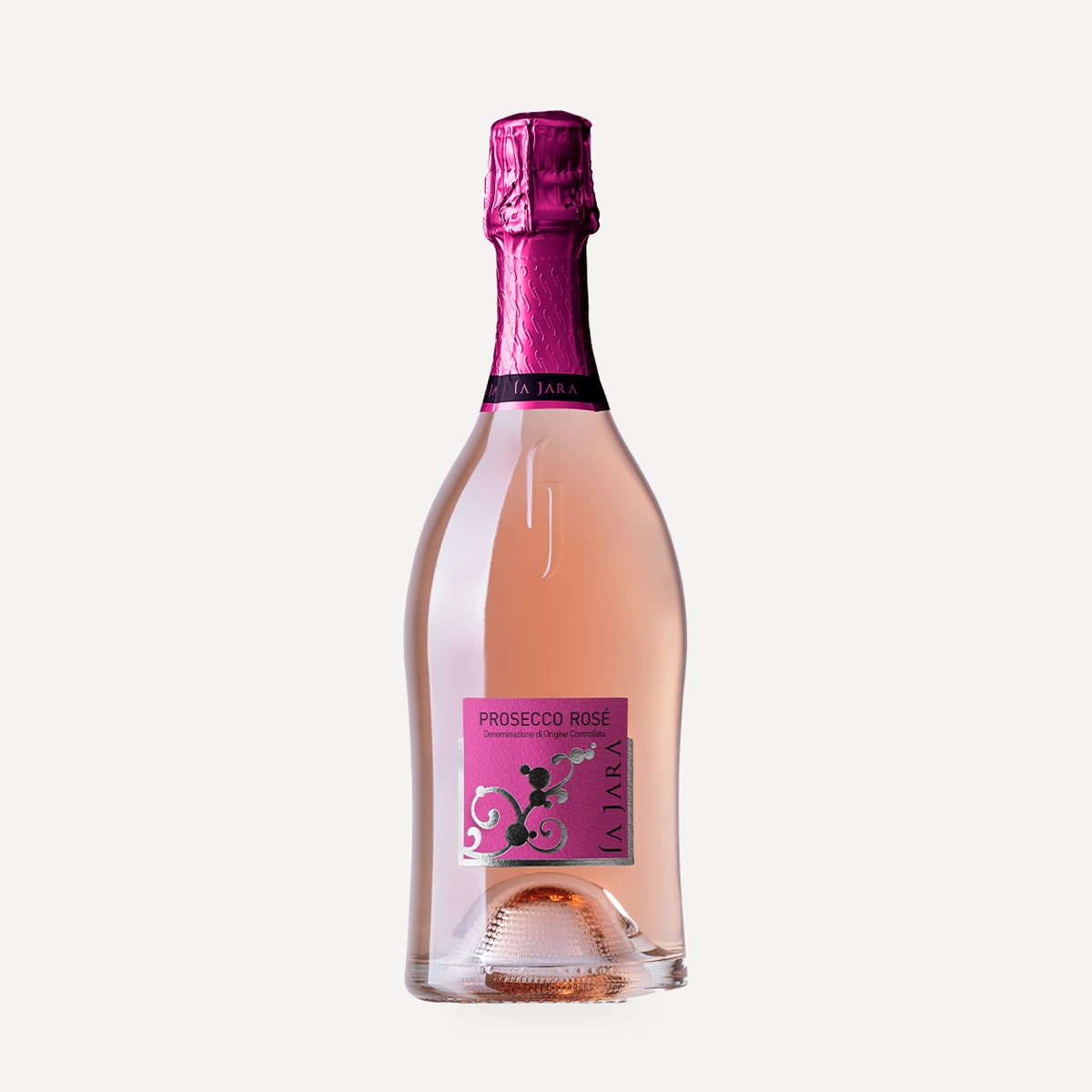
Prosecco DOC Rosé Spumante Brut Millesimato
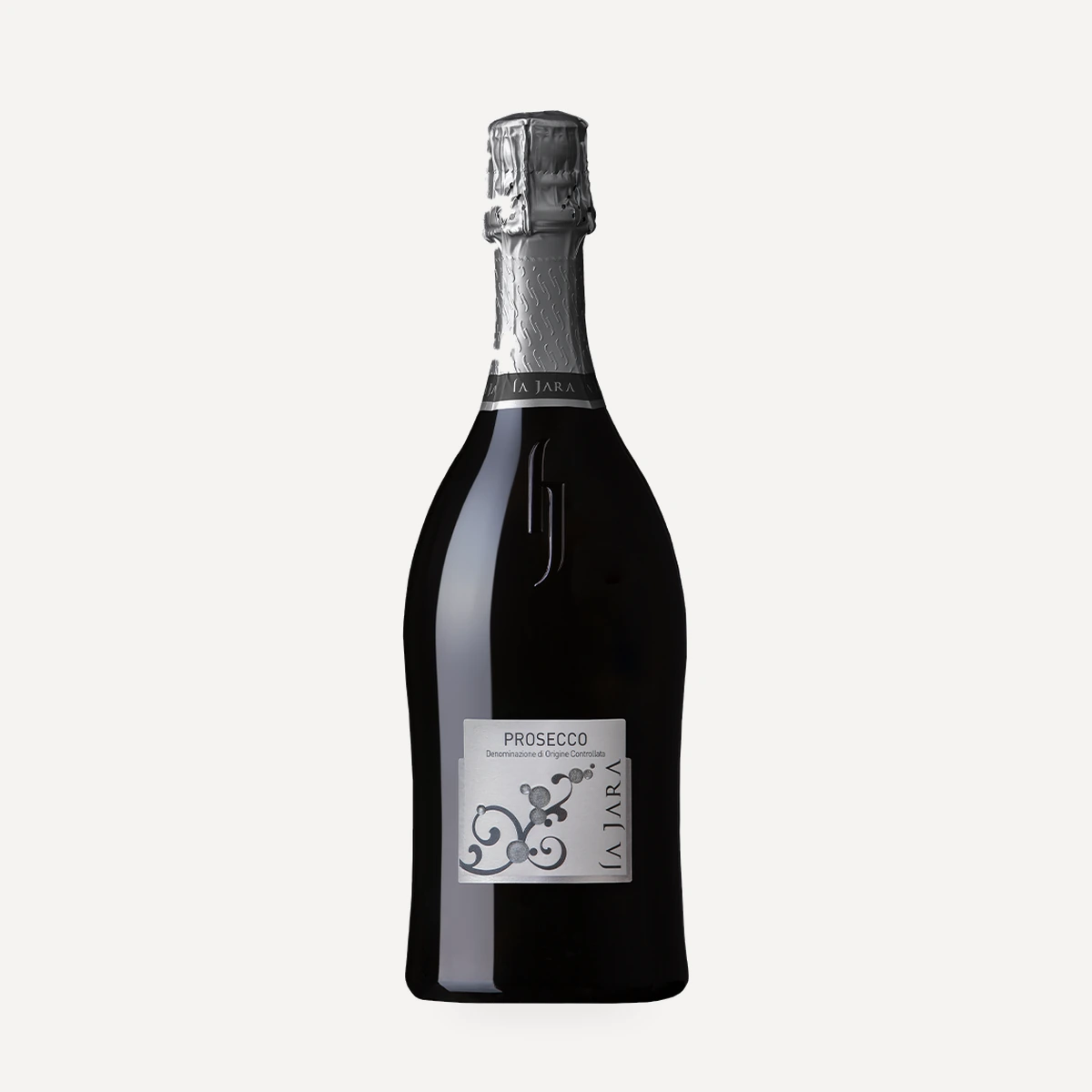
Prosecco DOC Spumante Brut
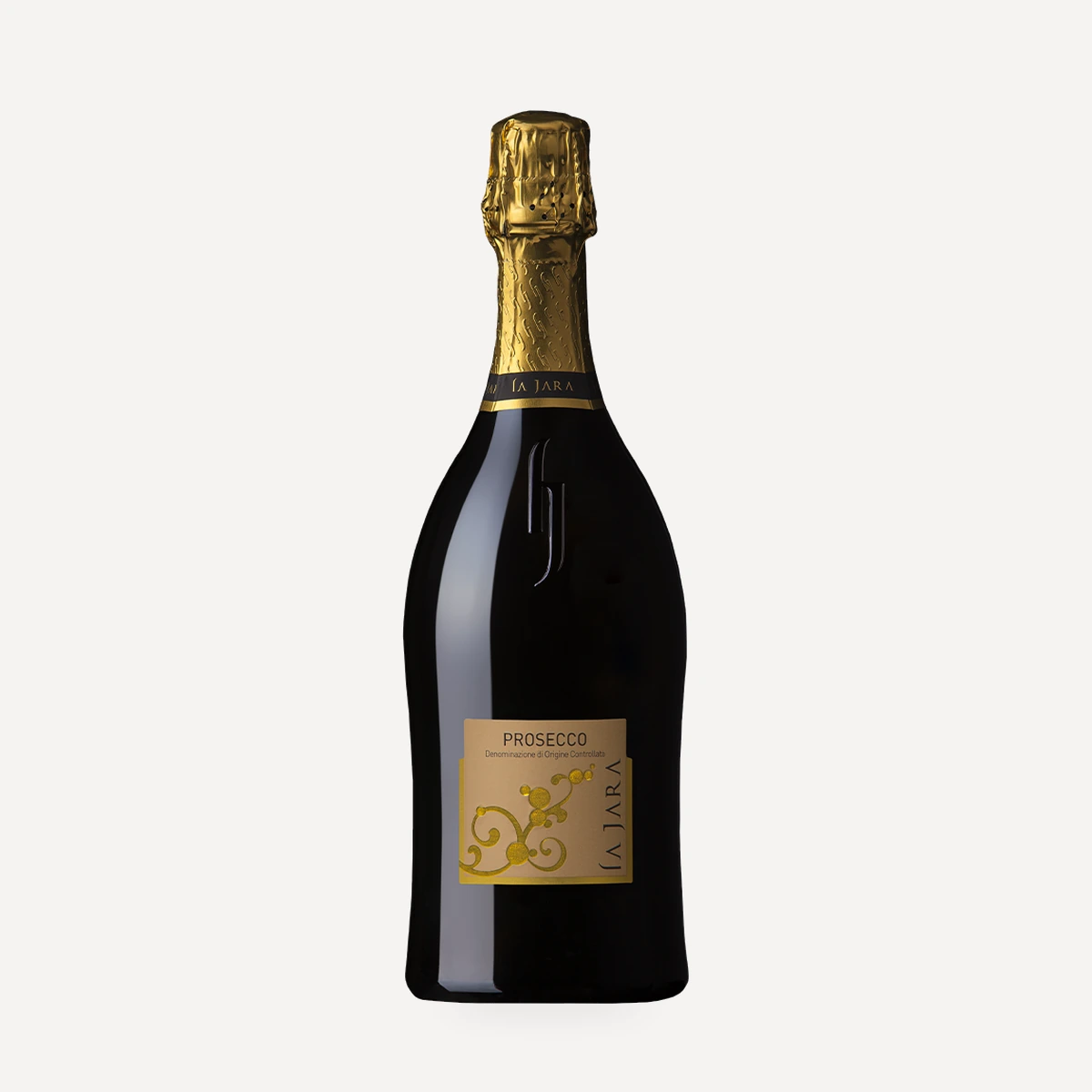
Prosecco DOC Spumante Extra Dry
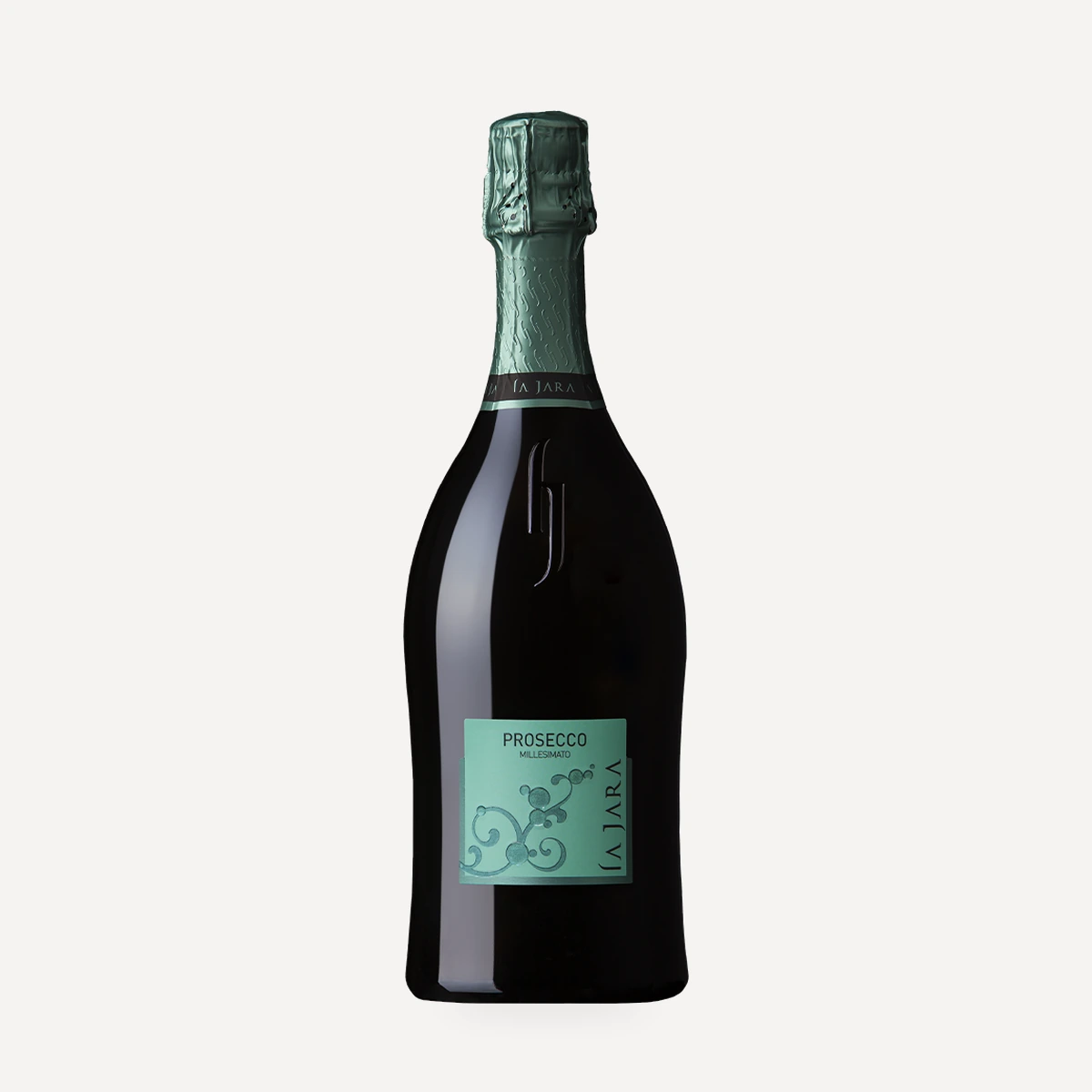
Prosecco DOC Spumante Millesimato Dry
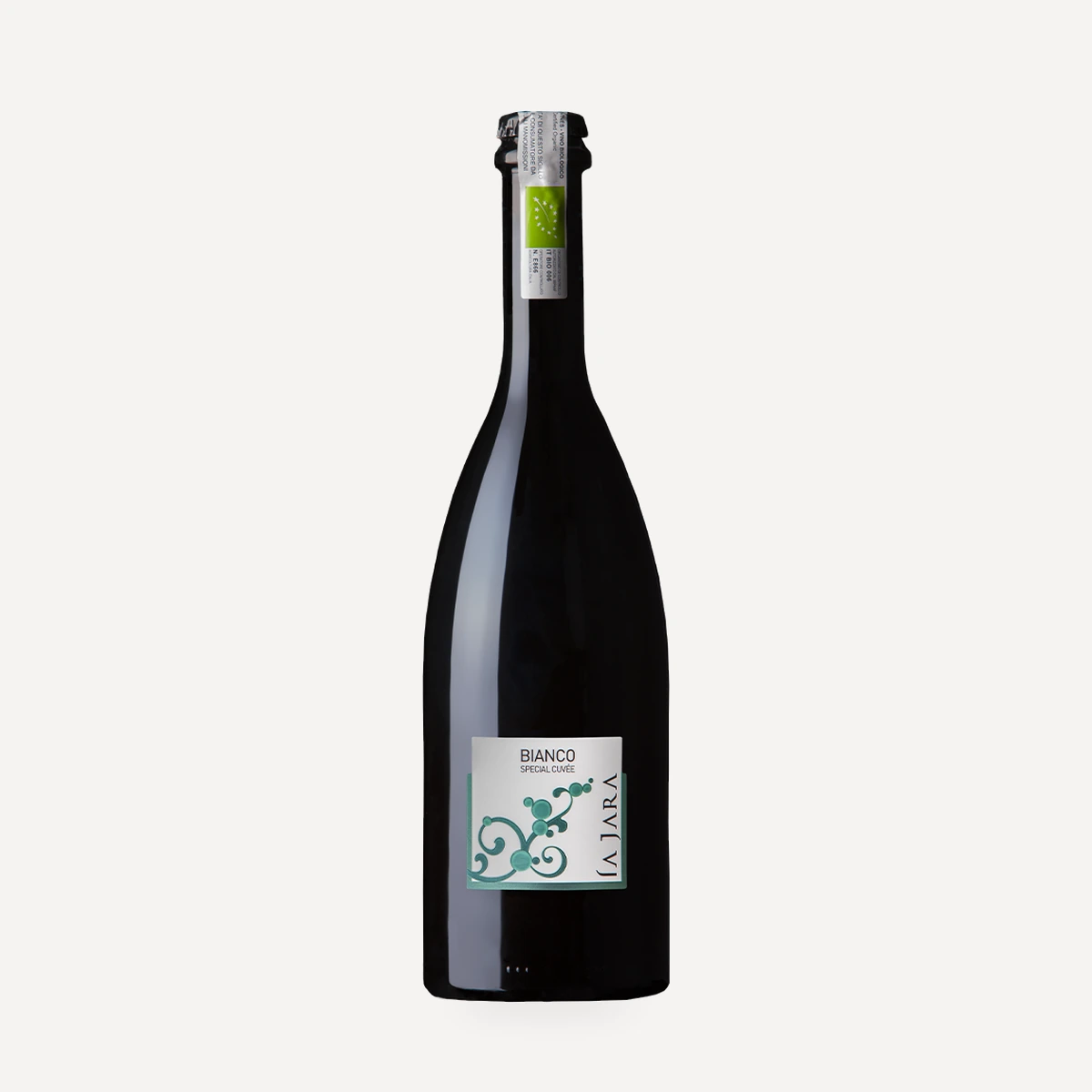
Bianco Special Cuvée
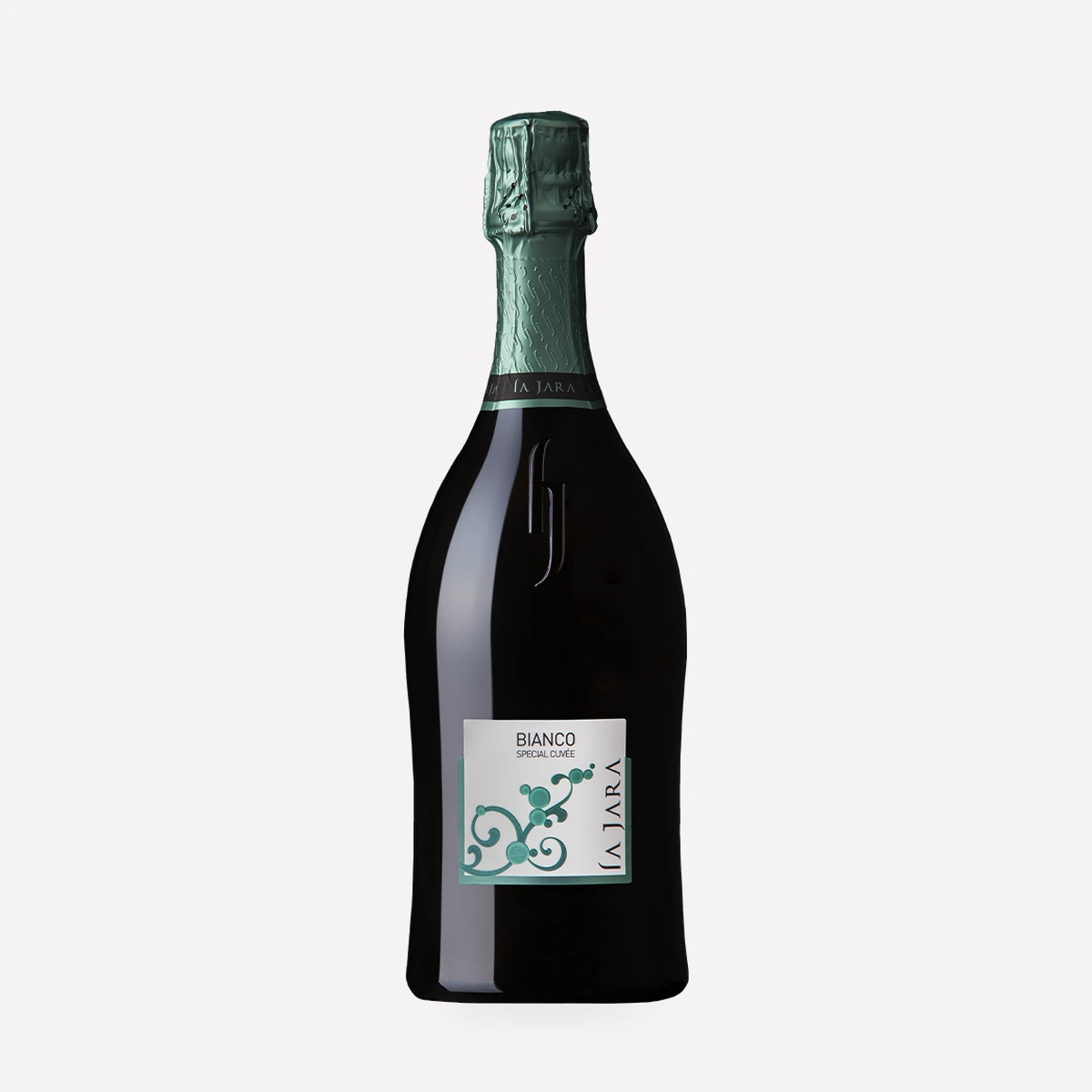
Bianco Special Cuvée Spumante Brut
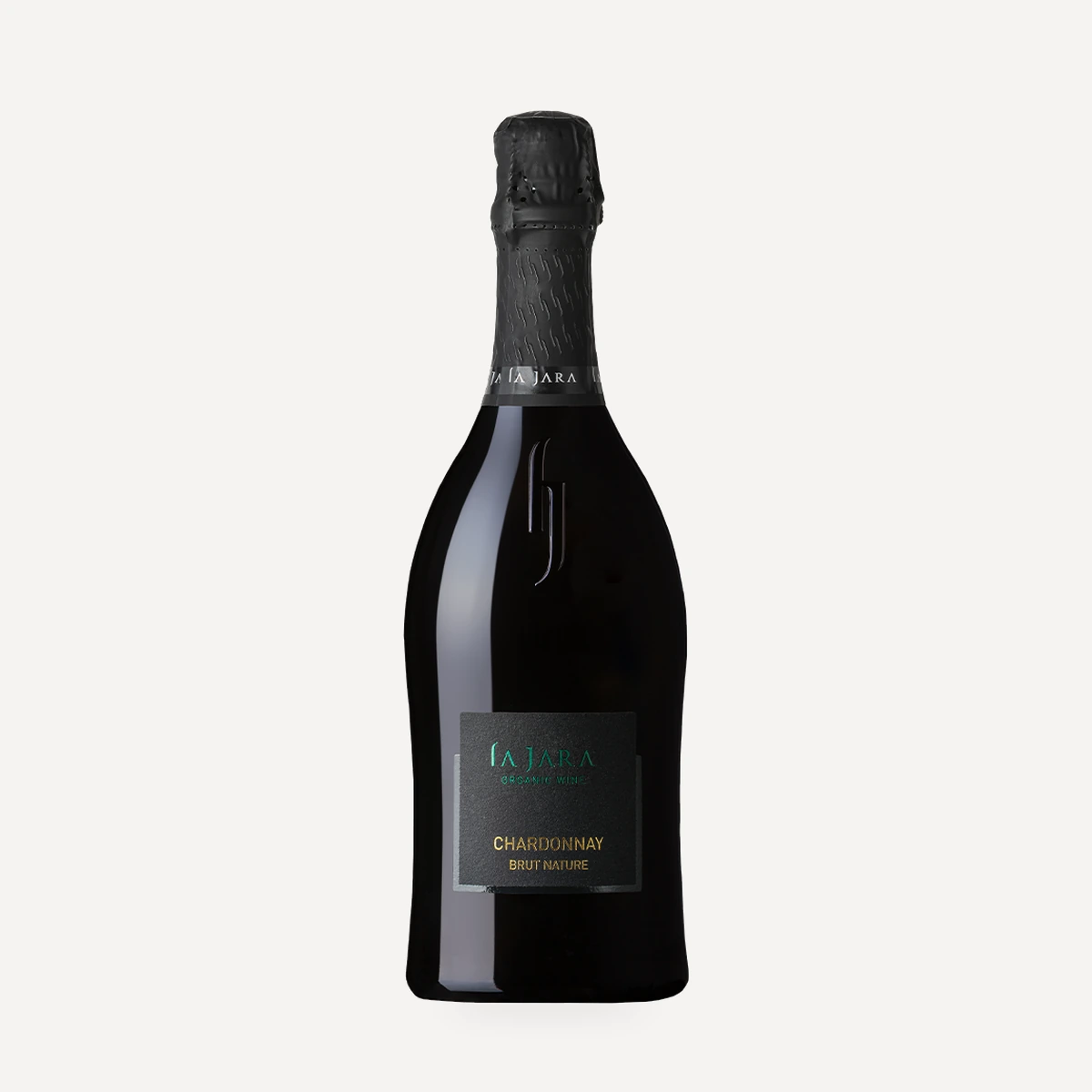
Chardonnay Spumante Brut Nature
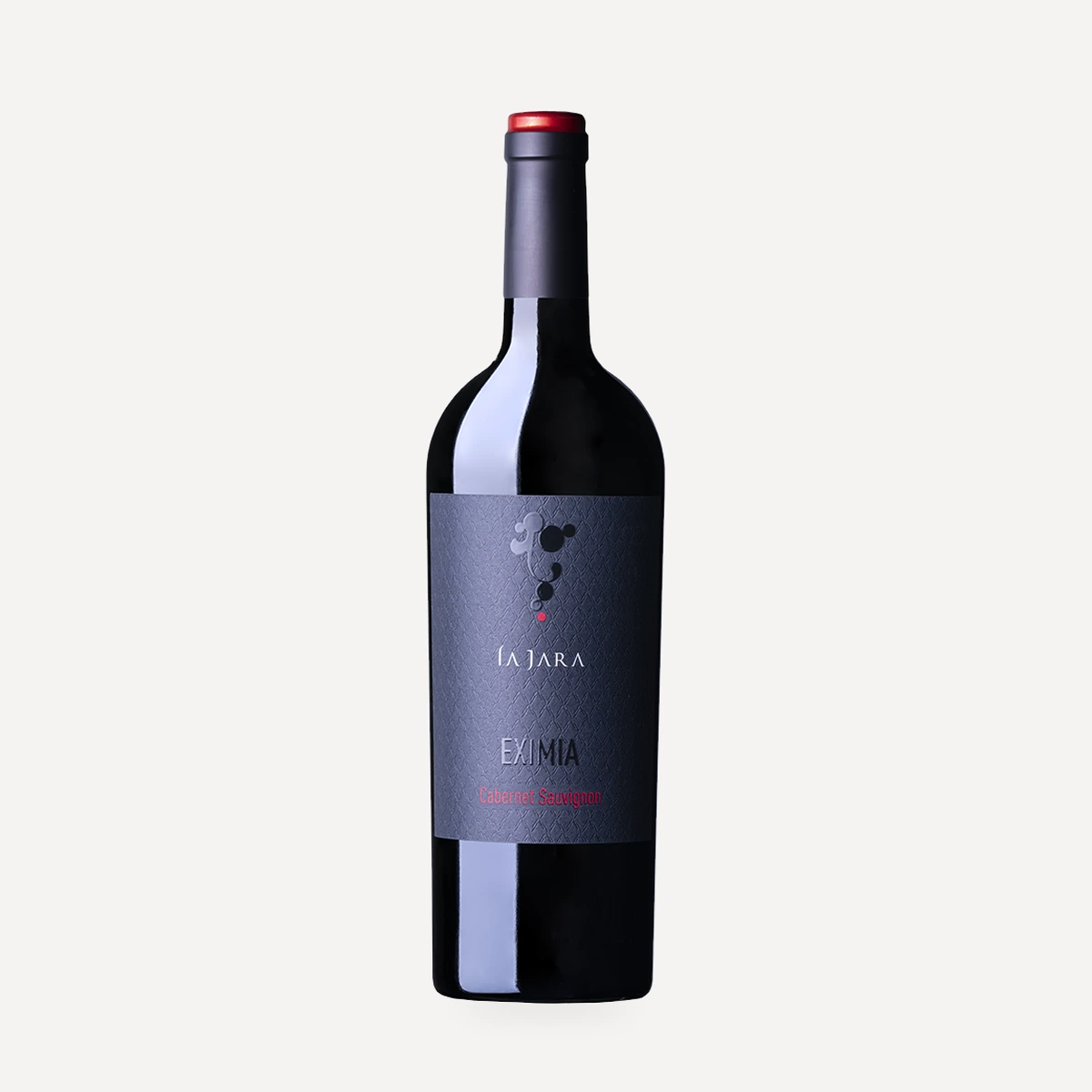
Eximia Cabernet Sauvignon
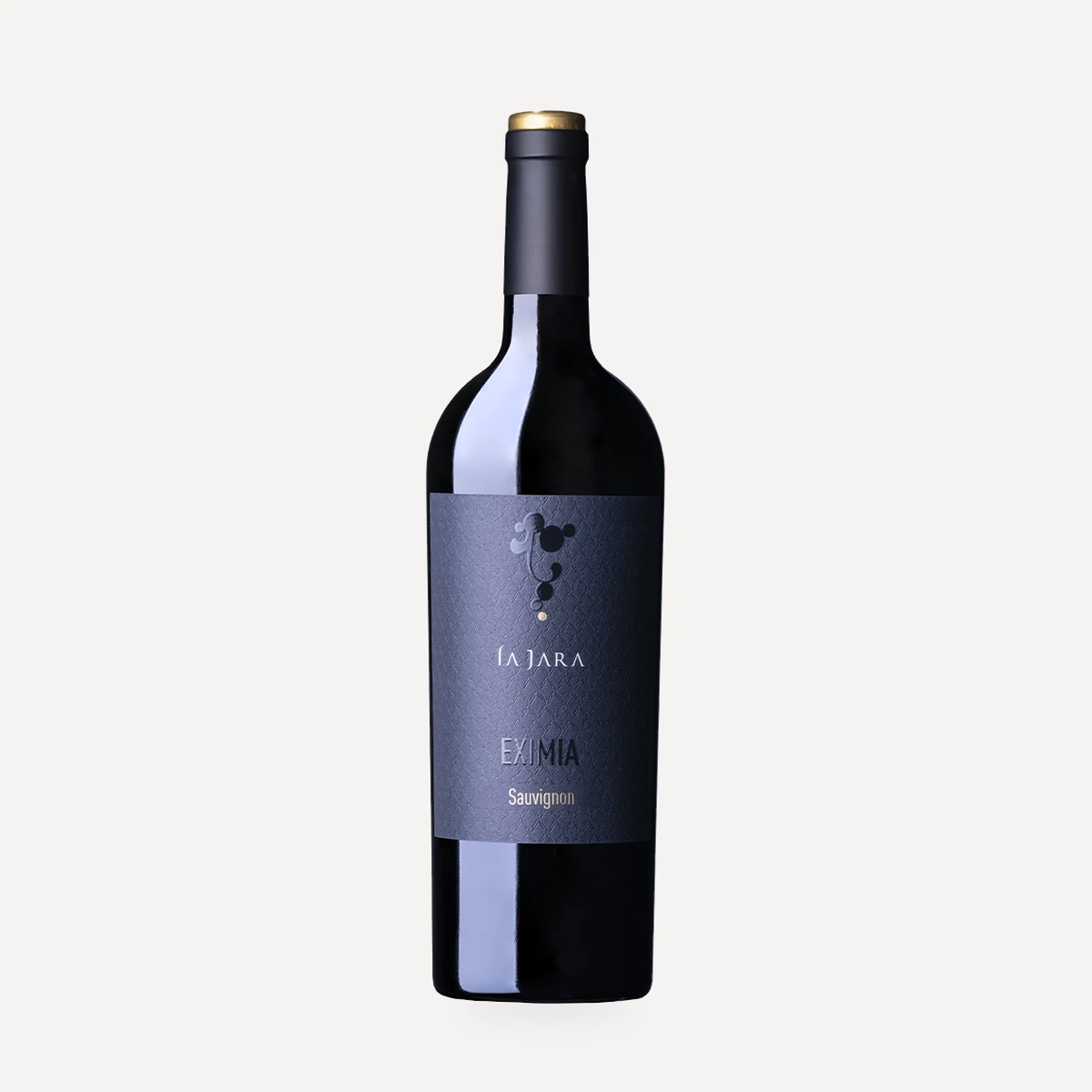
Eximia Sauvignon Blanc
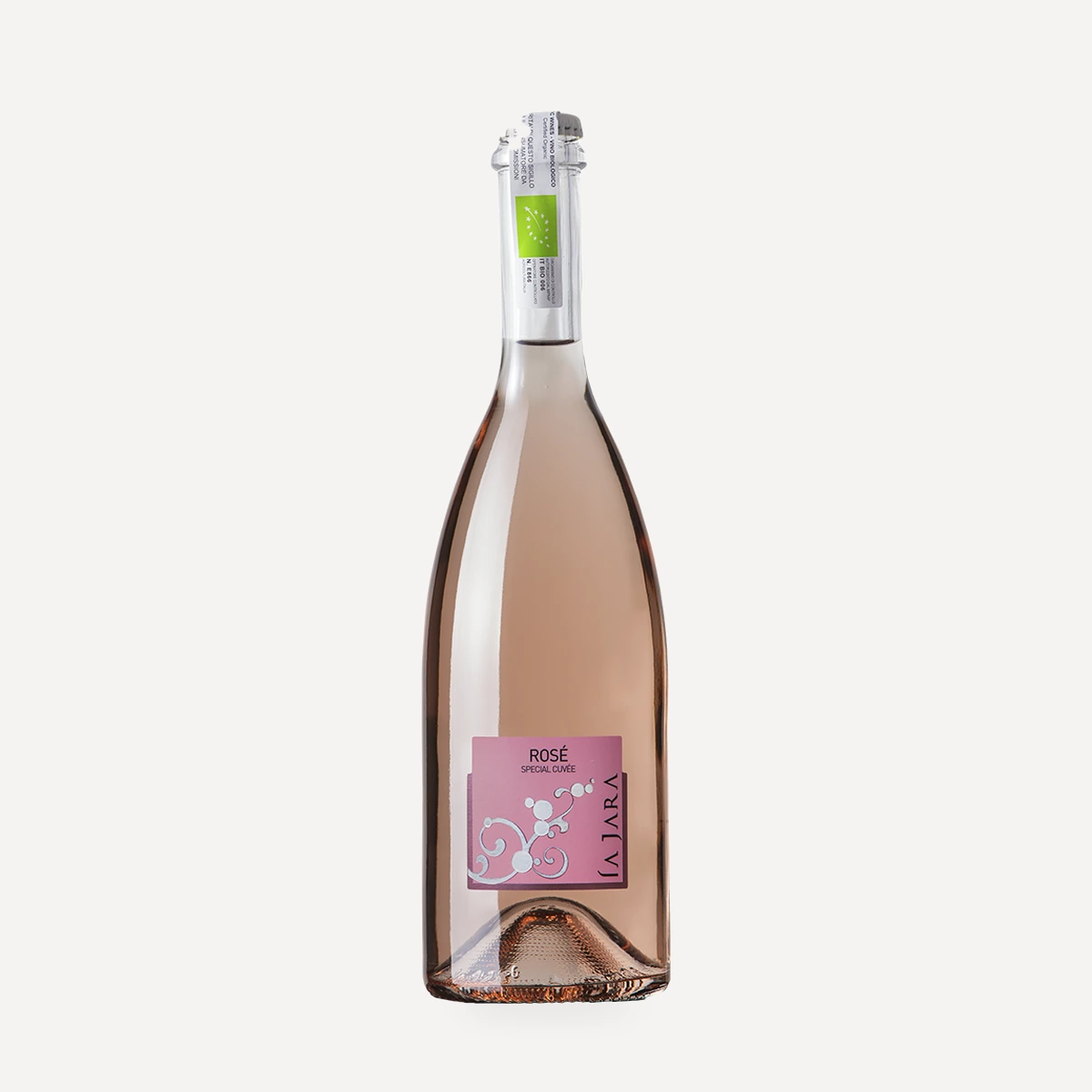
Frizzante Rosé Special Cuvée
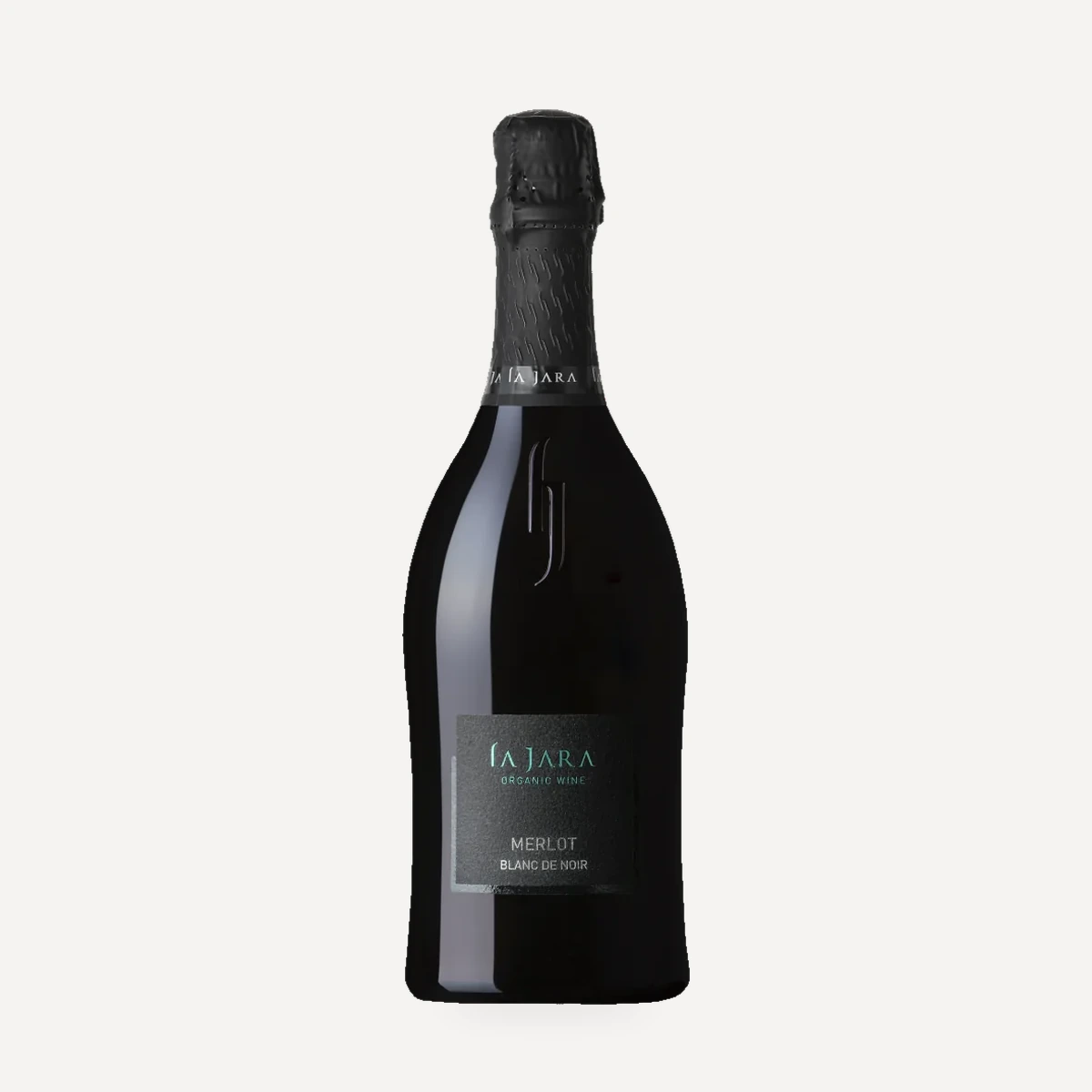
Merlot Spumante Blanc de Noir Brut
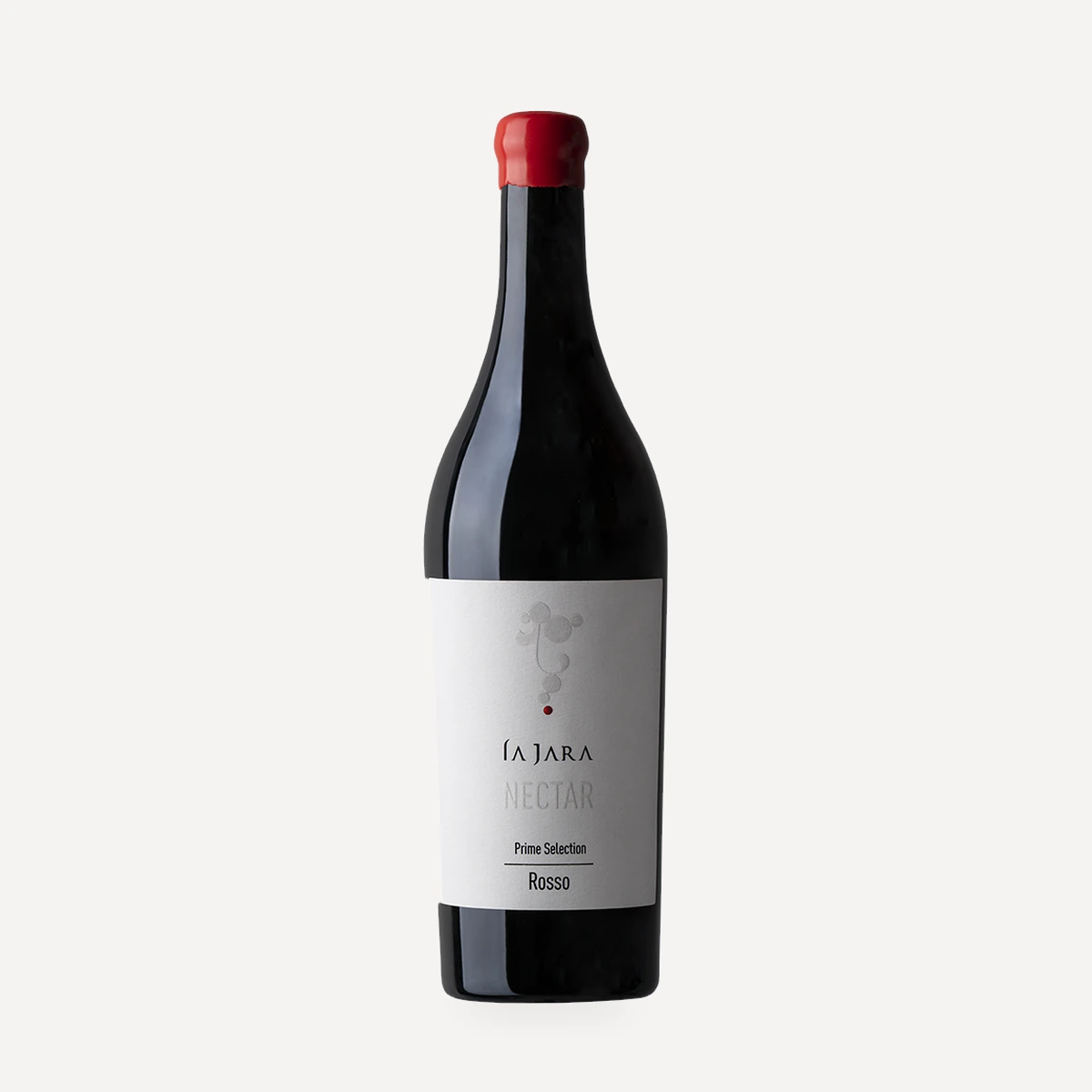
Nectar Red wine Prime Selection
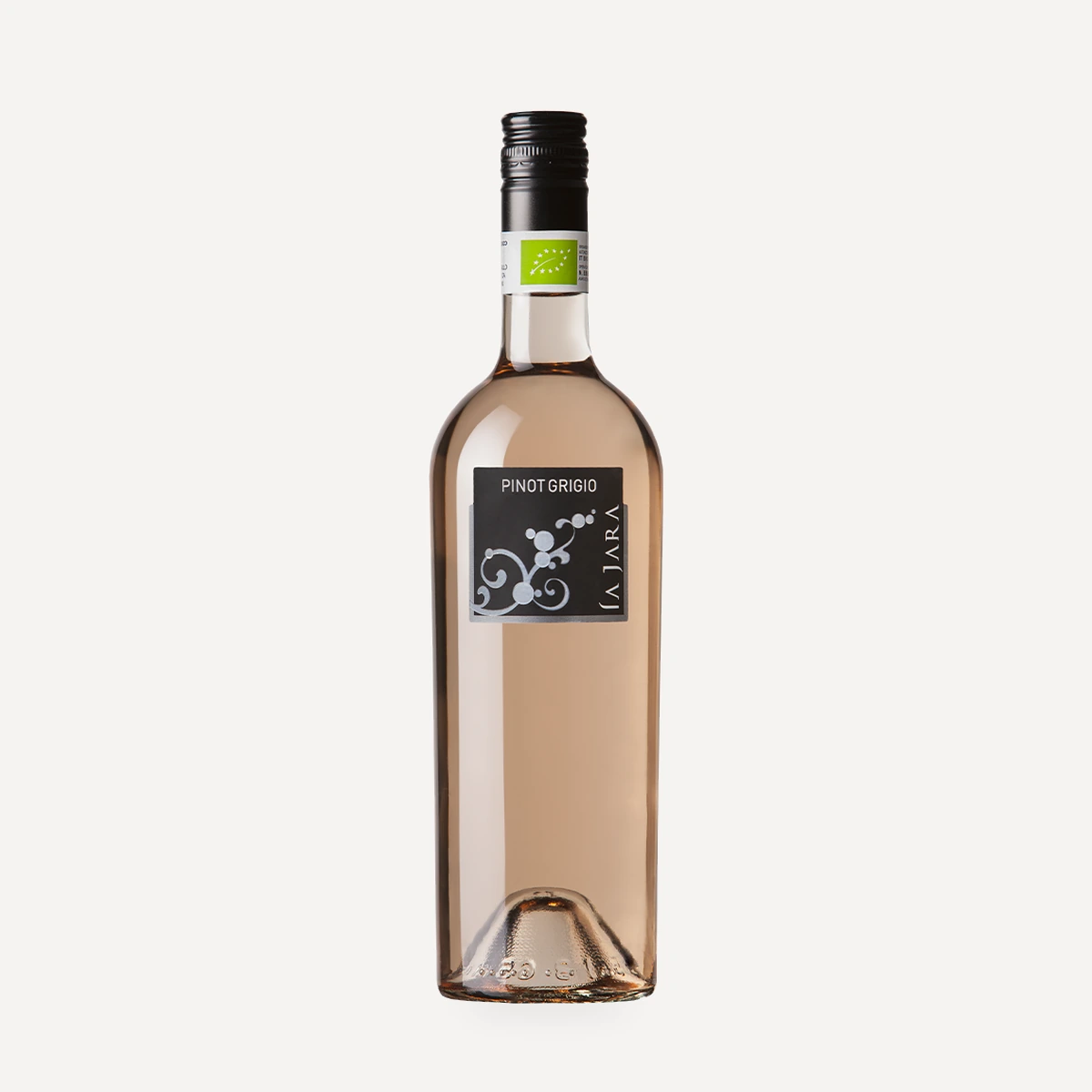
Pinot Grigio DOC “Delle Venezie” Rosé
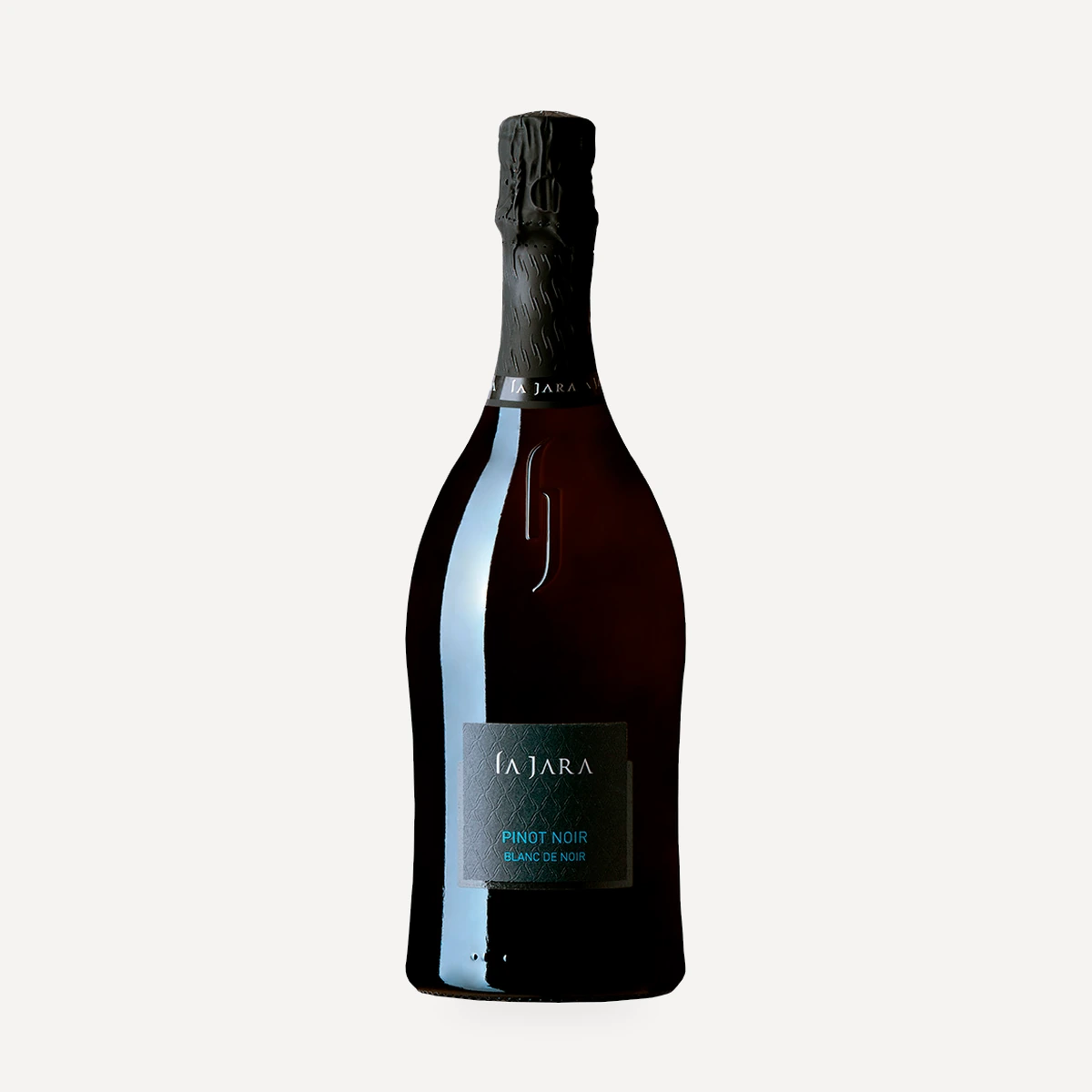
Pinot Noir Blanc De Noir Spumante Brut Nature
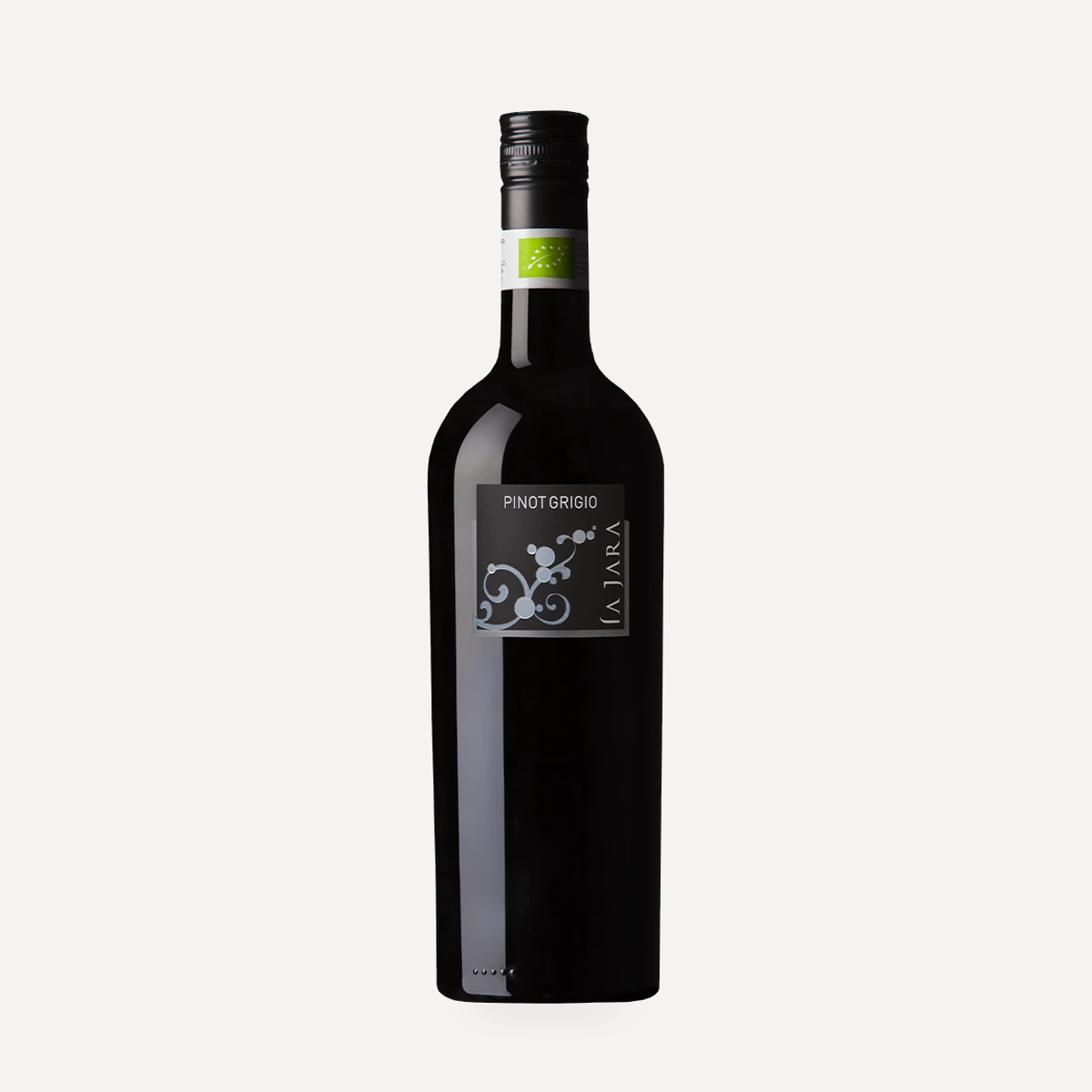
Pinot Grigio DOC “Delle Venezie”
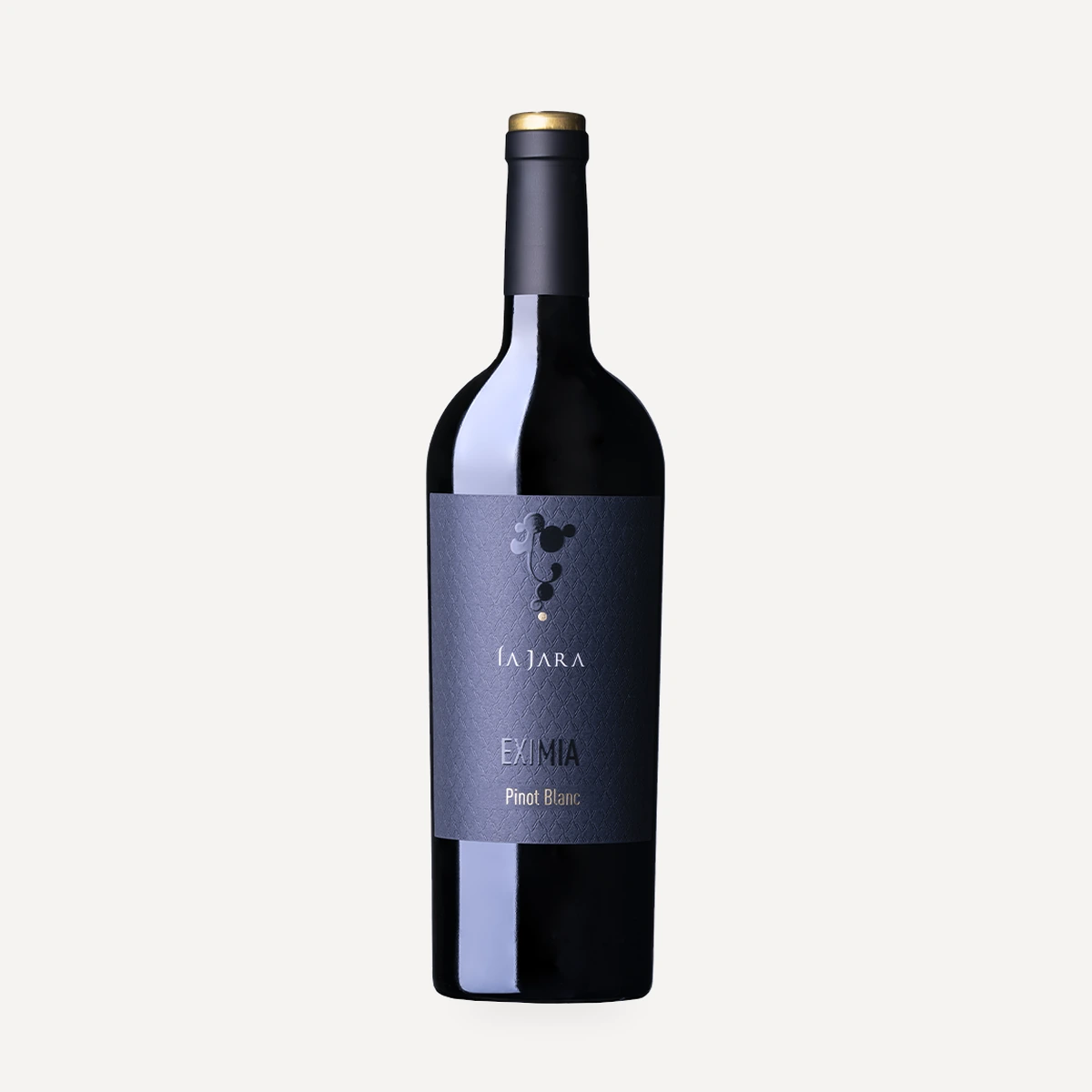
Eximia Pinot Blanc
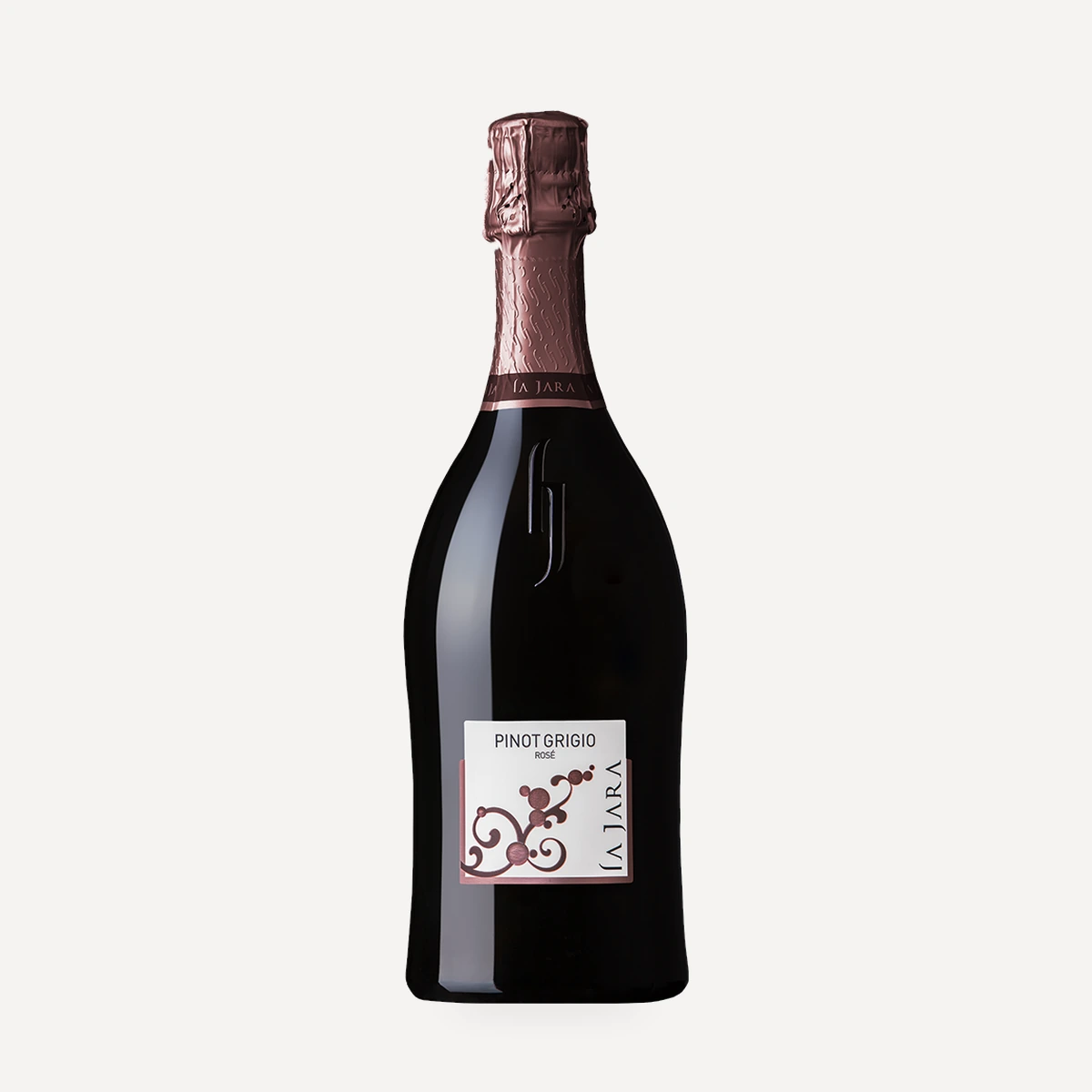
Pinot Grigio Rosé Spumante Brut