Storia
Roots in 1865
Ca' del Sette traces its winegrowing roots to 1865. More than 150 years of family experience have since passed through five generations. The business developed around vineyard cultivation, grape processing and the international sale of wine from the D.O.C. and I.G.P. areas of Verona, Padova and Vicenza.
The inherited view that wine quality begins in the vineyard remains central to the business. Across successive generations, traditional knowledge has been combined with investment in production technology, analytical control and experimentation.
2012: creation of Amante®
The Amante® line was created in 2012, bringing together practices handed down through the family and research into new production techniques. Its name refers both to the family's attachment to its territory and work and to Verona's association with the story of Romeo and Juliet. The range was developed around a reworking of Appassimento and Ripasso, with selected grapes picked late after a period of light drying on the vine.
2015: the 150th anniversary and Appassionante®
In 2015, the family marked 150 years of vine cultivation by creating the Appassionante® line. Its wines were named after battles fought locally, connecting the range with episodes in the history of Vicenza and Verona and with the family's intention to preserve traditions passed between generations. The range also grew out of research combining revised forms of Appassimento and Ripasso.
2017: recognition for phytodepuration
In 2017, the winery received the “Oasis Ambiente per la Sostenibilità” award for its phytodepuration installation. Environmental investment subsequently continued through photovoltaic systems and infrastructure for electric mobility.
Present direction
Ca' del Sette is led by Matteo Pontalto. Modern facilities allow the winery to handle both substantial volumes and small specialist lots, while its internal laboratory monitors processing in real time and supports the development of new blends and techniques. Production capability is complemented by contract winemaking, a network for independent producers and logistics infrastructure serving Italian and international clients.
Terroir
Ca' del Sette's vineyards are distributed across the provinces of Verona, Padova and Vicenza. Their growing conditions are influenced by the Monti Lessini and by the microclimate associated with Lake Garda.
The individual wine ranges draw on several production zones and soil settings. In parts of Verona and Vicenza used for late-harvest red-wine production, soils are described as stony and predominantly calcareous and sandy. Other vineyards used for the Veneto IGT program have silty and sandy soils. Valpolicella grapes used in the Amarone program come from predominantly calcareous, stony soils in the province of Verona.
Vinificazione
All vineyard operations are managed directly, beginning with pruning and continuing through harvest. Grape development and ripening are monitored closely, allowing each harvest to be organized at the intended point of maturity and keeping quality control within the business throughout the growing cycle.
Environmental management extends from the vineyards into the winery. Eco-compatible practices and advanced technologies are used to reduce reliance on conventional products, while resources are managed with the aim of lowering the overall environmental impact.
For selected red-wine programs, vineyard work is used to expose as many bunches as possible to sunlight, while inadequately exposed bunches are removed. Other researched programs employ late harvesting of selected grapes, allowing them to dry lightly on the vine before processing.
Facilities and production scope
Modern production facilities are designed to handle both large volumes and small specialist lots. Ca' del Sette processes white, rosé and red wines in still and sparkling forms, as well as sparkling-wine bases, intermediate products and finished wines. Its contract-production capability covers the cycle from grape crushing and must production through the finished product.
Fermentation, stabilization and secondary fermentation
The declared production stages include crushing, fermentation, stabilization, filtration, secondary fermentation, maturation and bottling. Dedicated vinification tanks are used to keep different projects and product identities separate. Nitrogen systems are employed to prevent unwanted oxidation, while micro-oxygenation is used to promote homogeneous maturation.
Laboratory control and experimentation
An advanced internal laboratory monitors processing continuously and in real time, from grape reception through bottling. This makes it possible to intervene during production and optimize individual processes. Analytical machinery is updated regularly. The laboratory also functions as a development center for new blends and production techniques.
Researched drying methods
The Amante® and Appassionante® projects emerged from research that combined and revised Appassimento and Ripasso practices. Their harvest approach includes selecting the best grapes, picking them late and allowing limited drying on the vine before vinification. Amarone production uses carefully selected Valpolicella grapes that are dried and vinified in accordance with the traditional process, with maturation involving oak barrels.
Filosofia
Ca' del Sette presents wine quality as something created first in the vineyard. Its philosophy connects knowledge accumulated over five generations with research, updated machinery and precise control, treating tradition and technological development as complementary rather than opposing approaches.
The stated objectives are to express attachment to the territory, preserve knowledge handed down through the family and create wines associated with elegance, exclusivity and pleasure. Research is used to reinterpret established practices, as demonstrated by the development of the Amante® and Appassionante® programs around revised forms of Appassimento and Ripasso.
Environmental protection is treated as part of both vineyard and cellar management. The winery's lower-impact direction includes eco-compatible practices, reduced use of conventional inputs, responsible resource management, phytodepuration, photovoltaic generation and infrastructure for electric mobility.
Collaboration forms another element of the business philosophy. Through its producer network, Ca' del Sette seeks to help smaller growers retain their own identity and autonomy while sharing transformation, maturation, bottling, logistics and commercial resources.
Vini
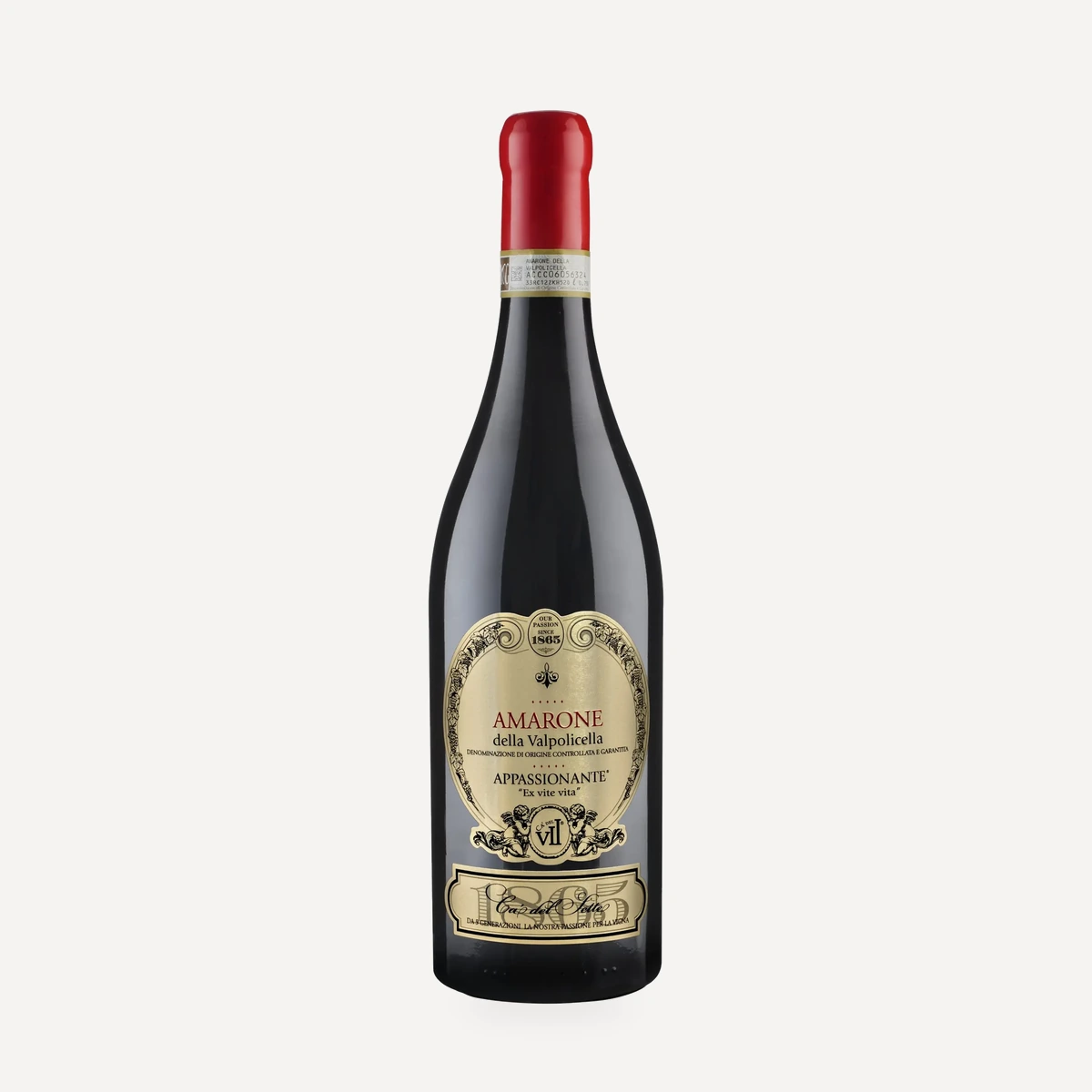
Amarone 1944 Monte Comun – Linea Appassionante®
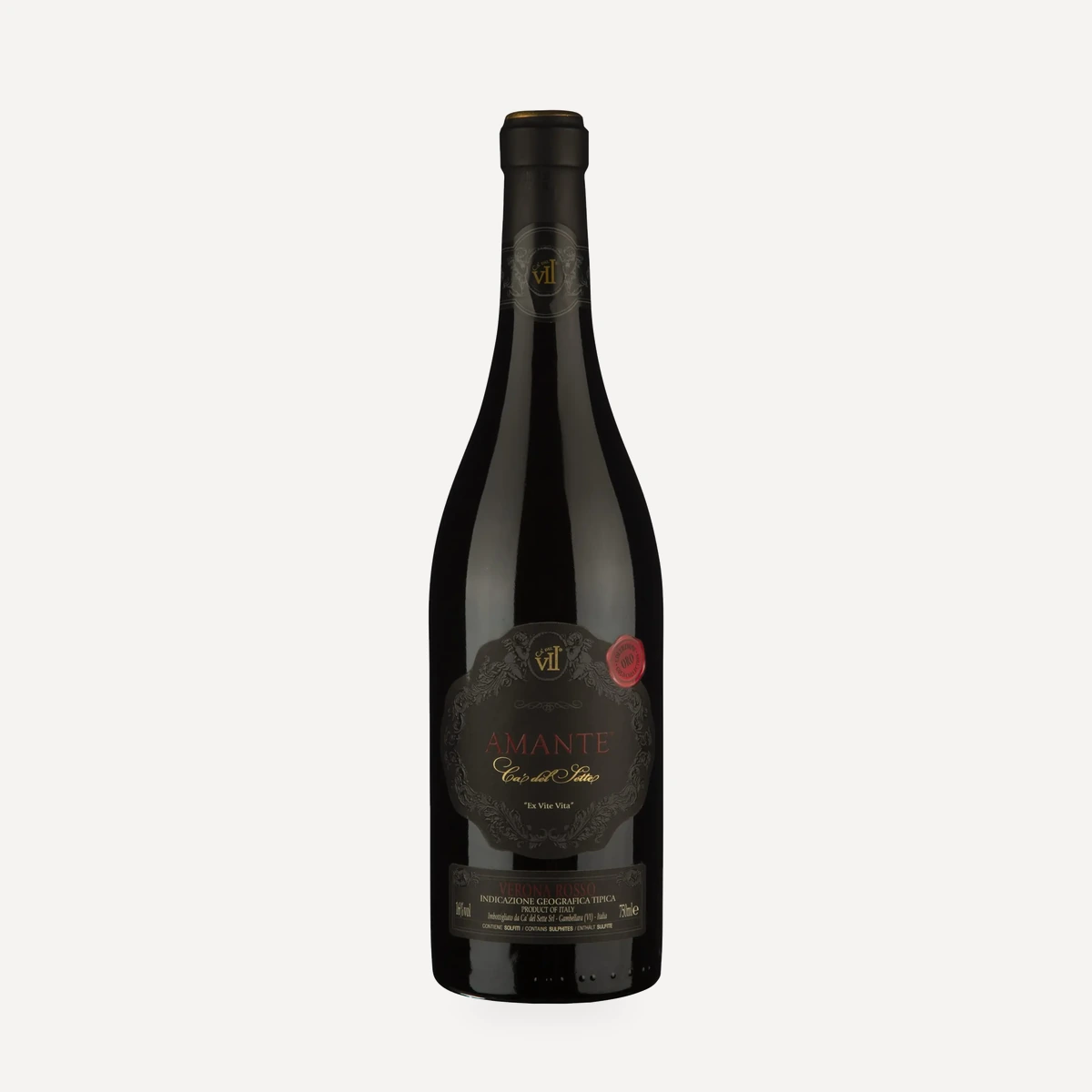
Amante® Collezione Oro
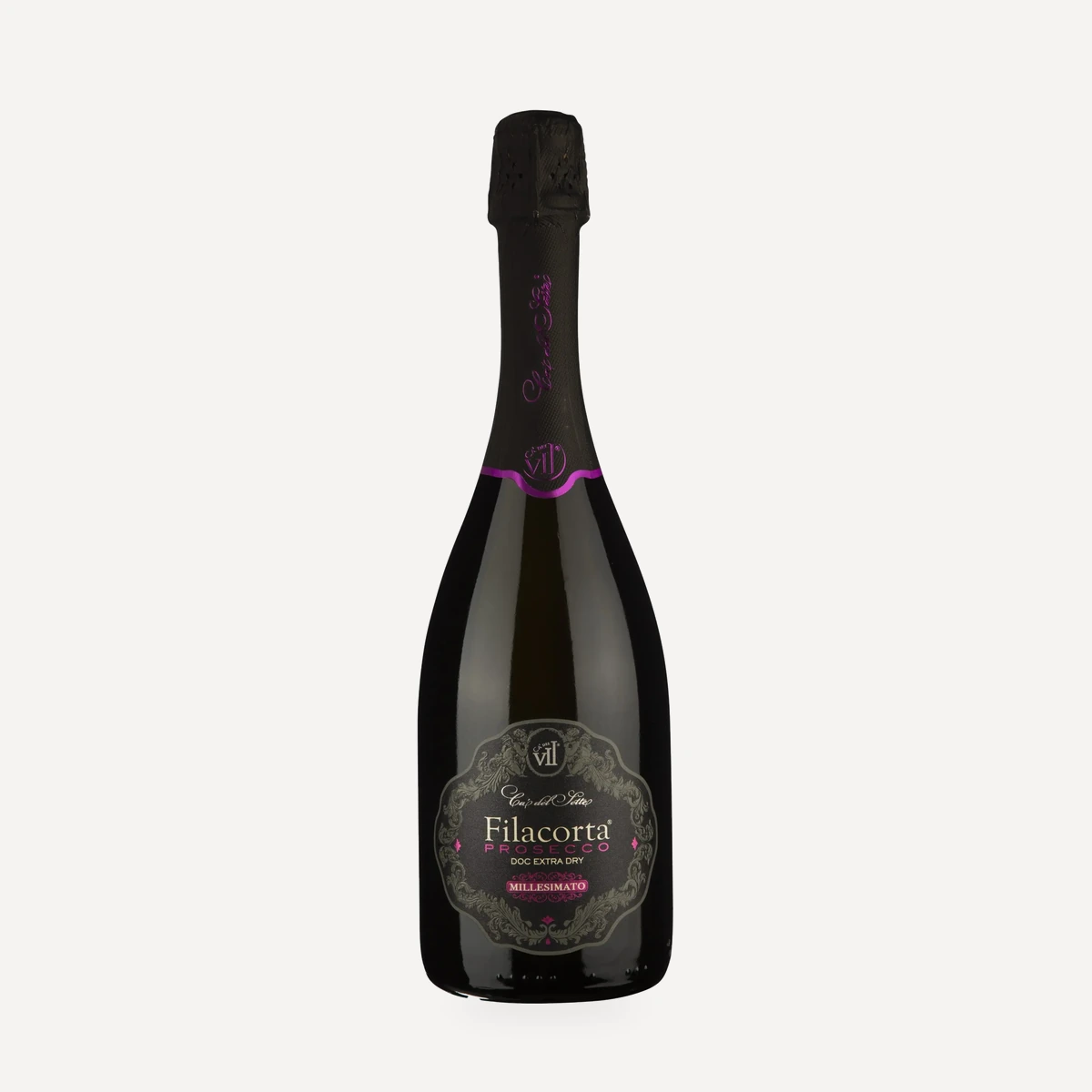
Filacorta Prosecco
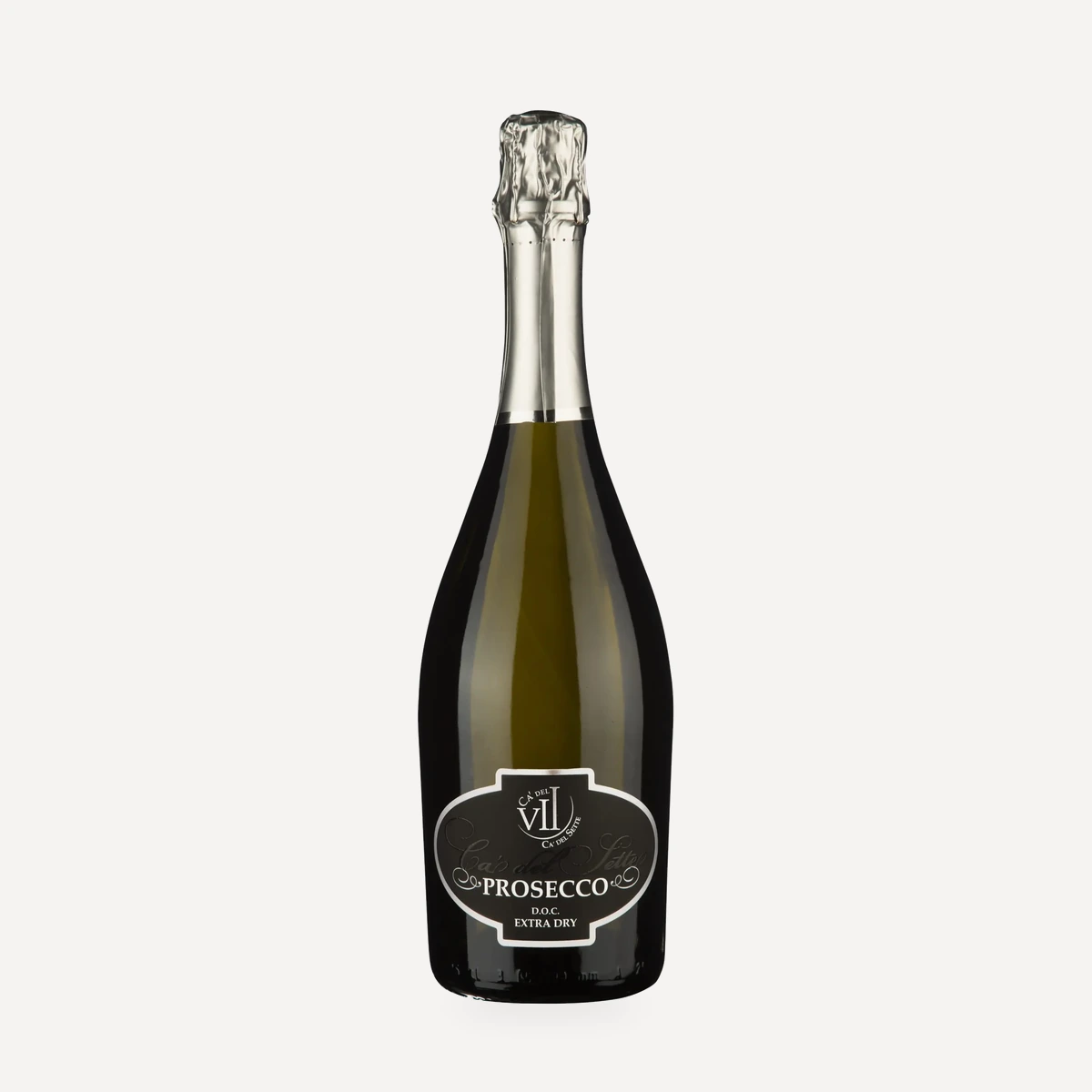
Prosecco DOC – Linea Ca’ del Sette
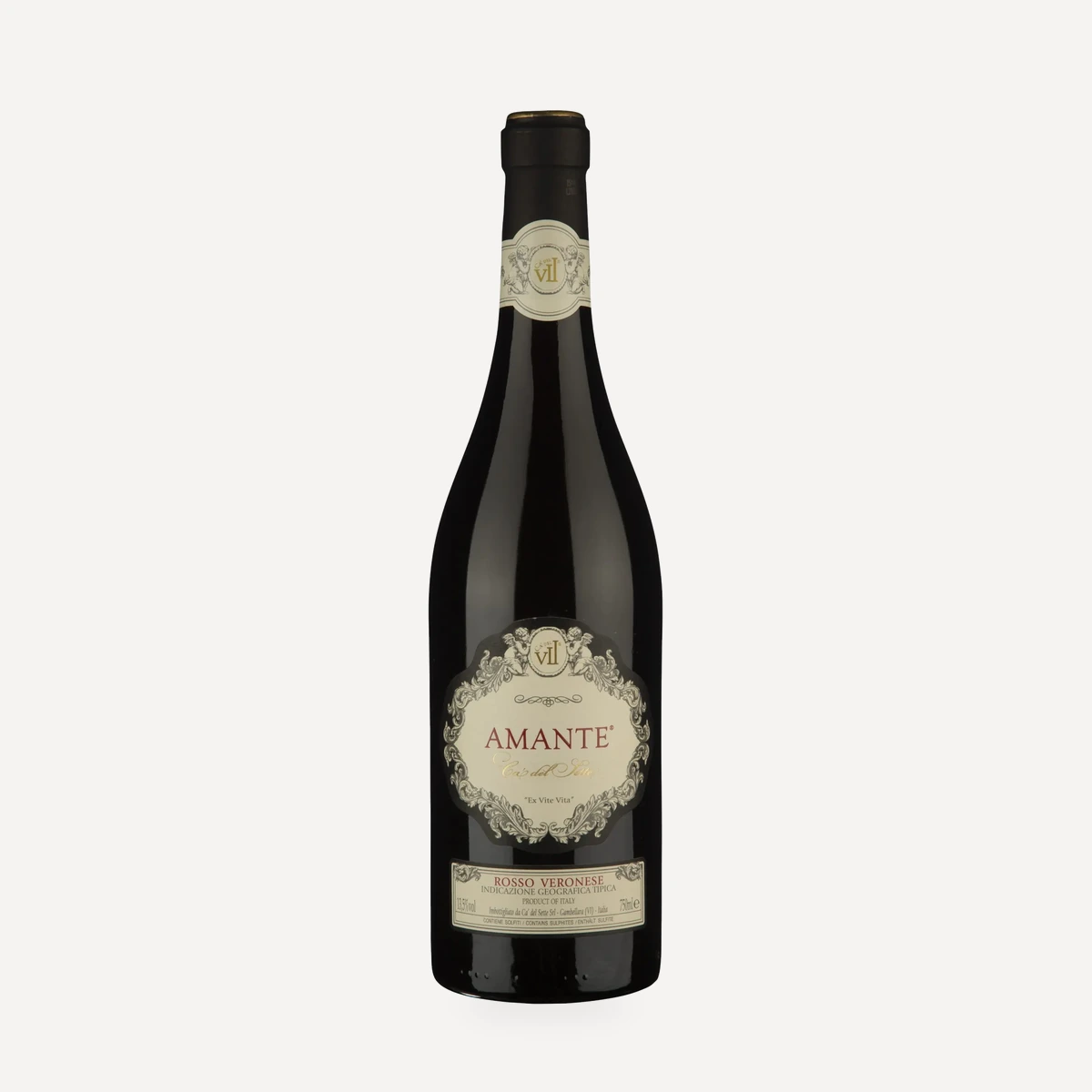
Amante®
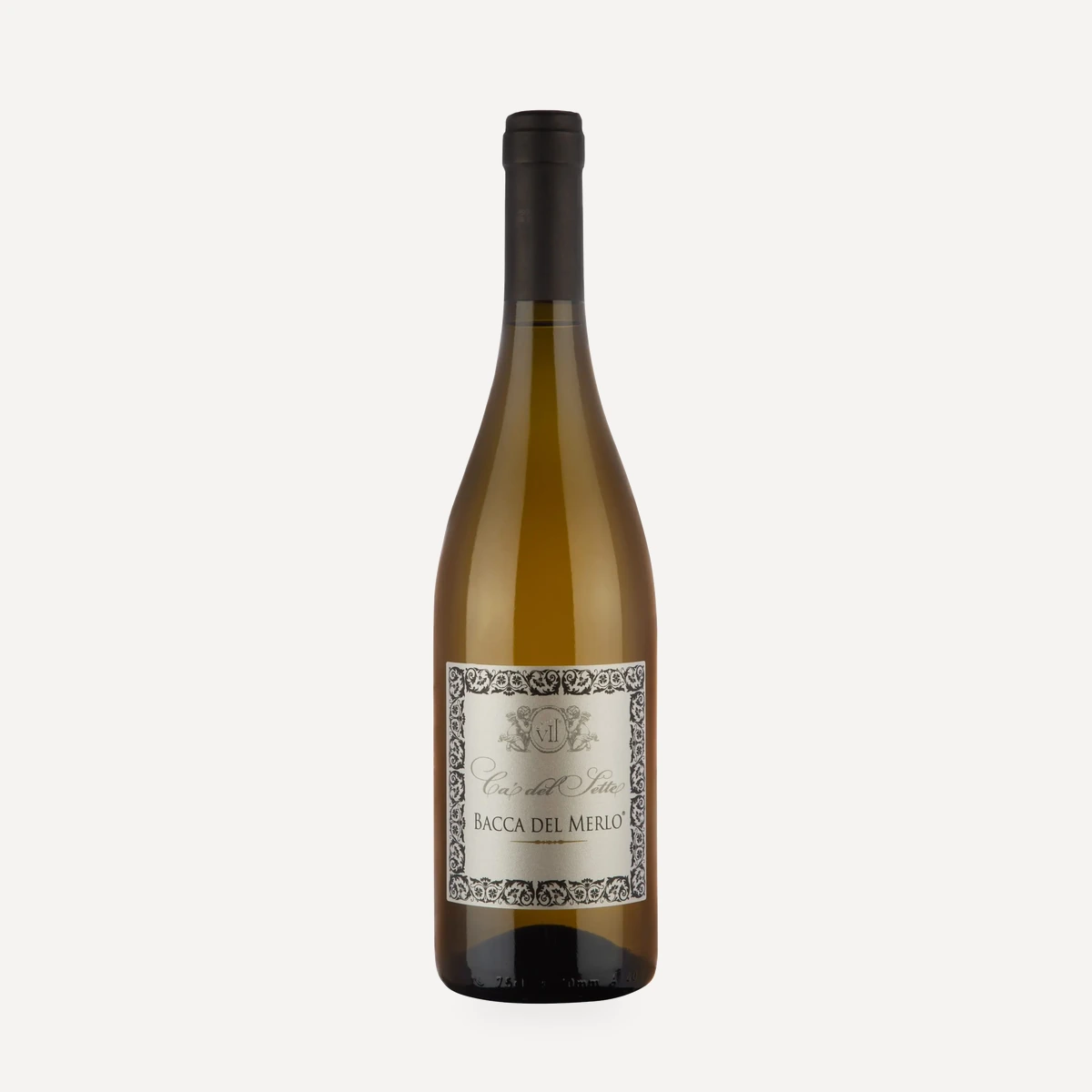
Bacca del Merlo®
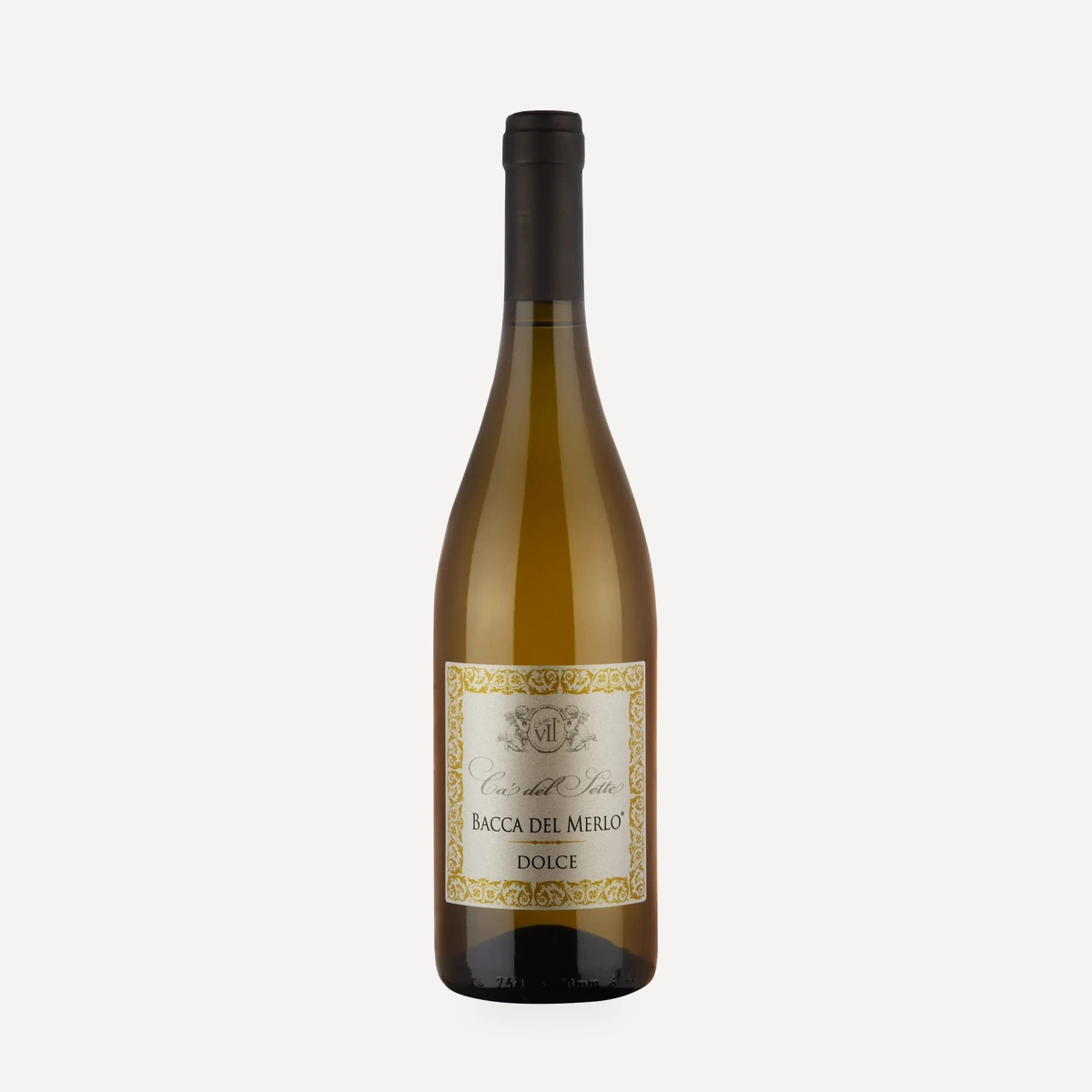
Bacca del Merlo® Dolce
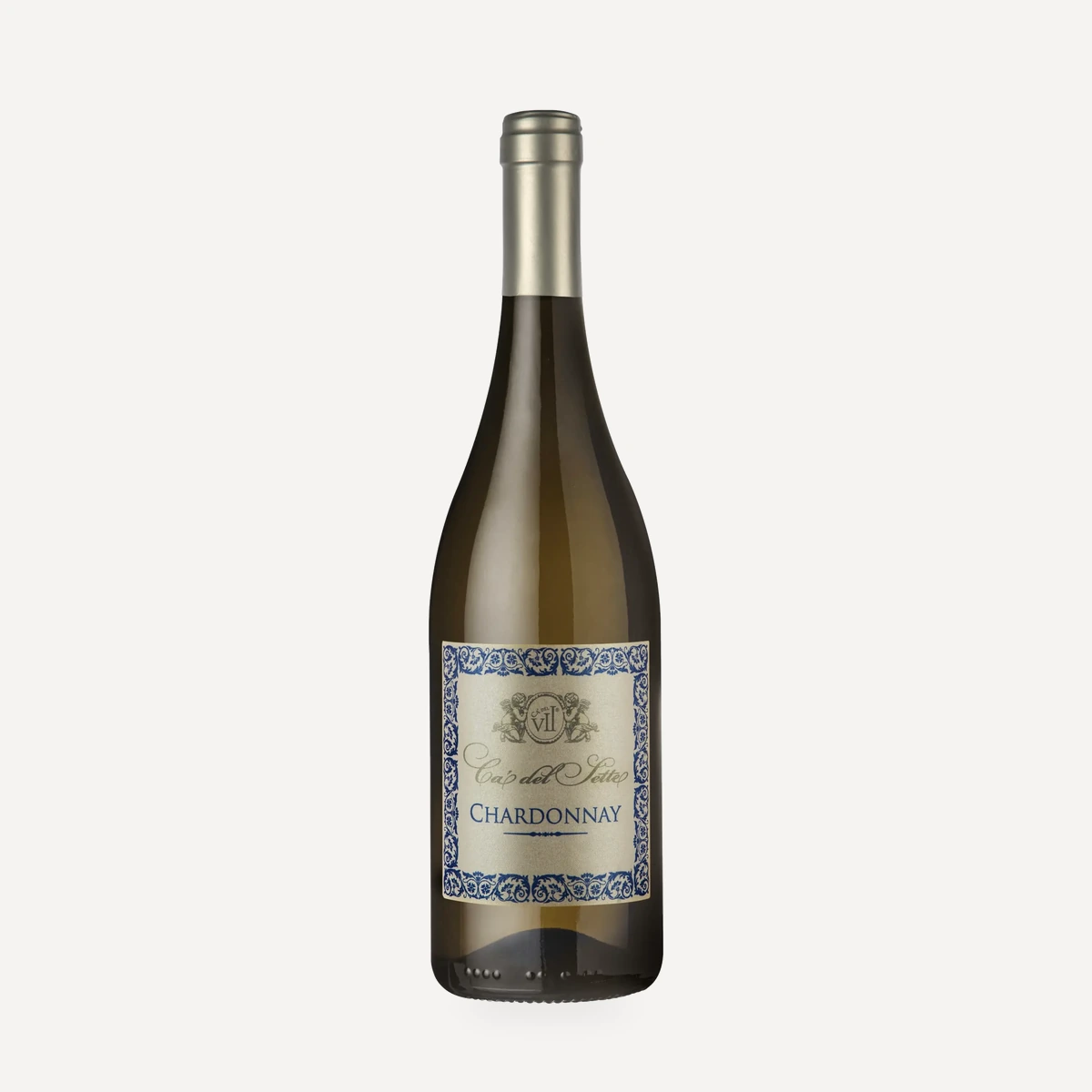
Chardonnay® – Linea Ca' del Sette®
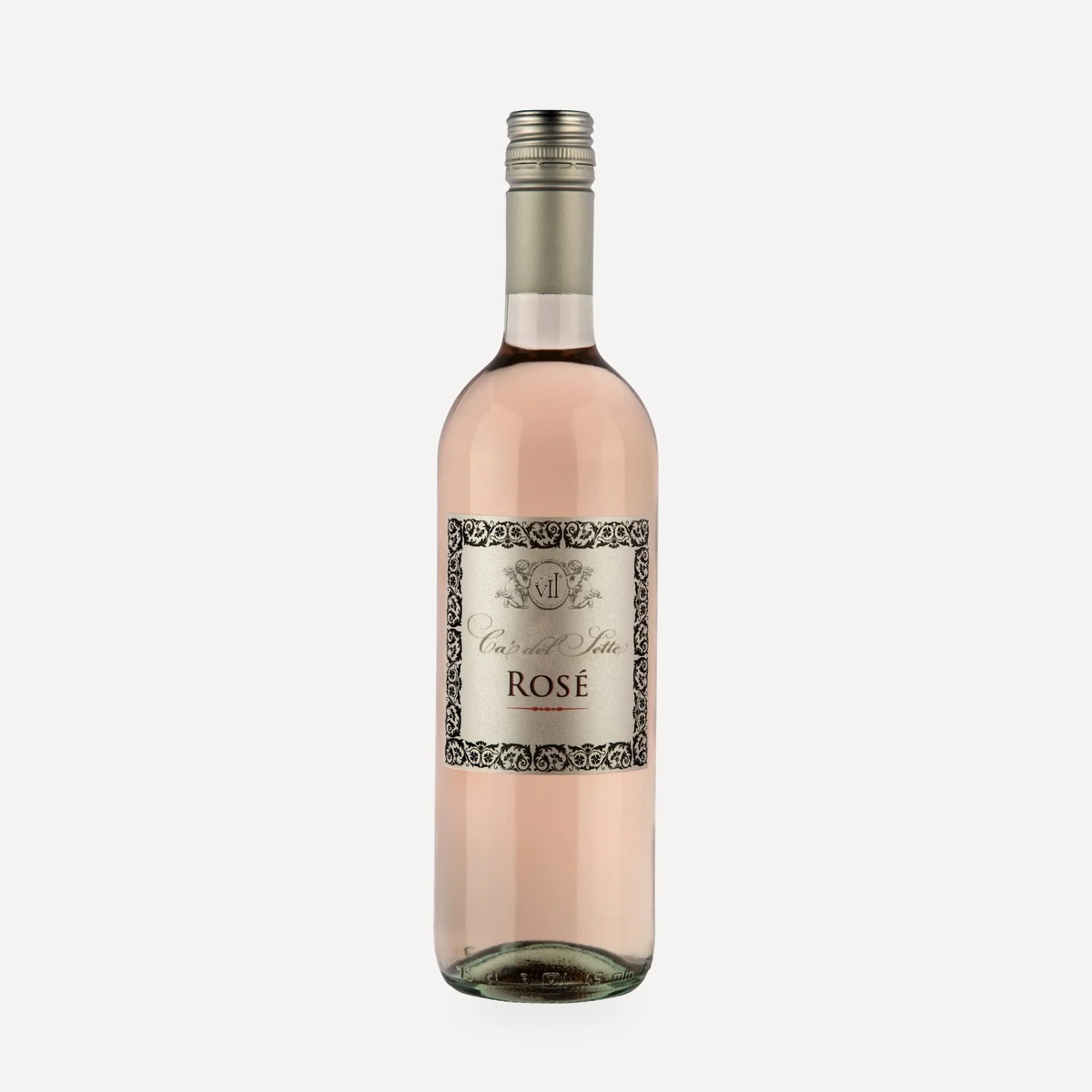
Rosé – Linea Ca’ del Sette
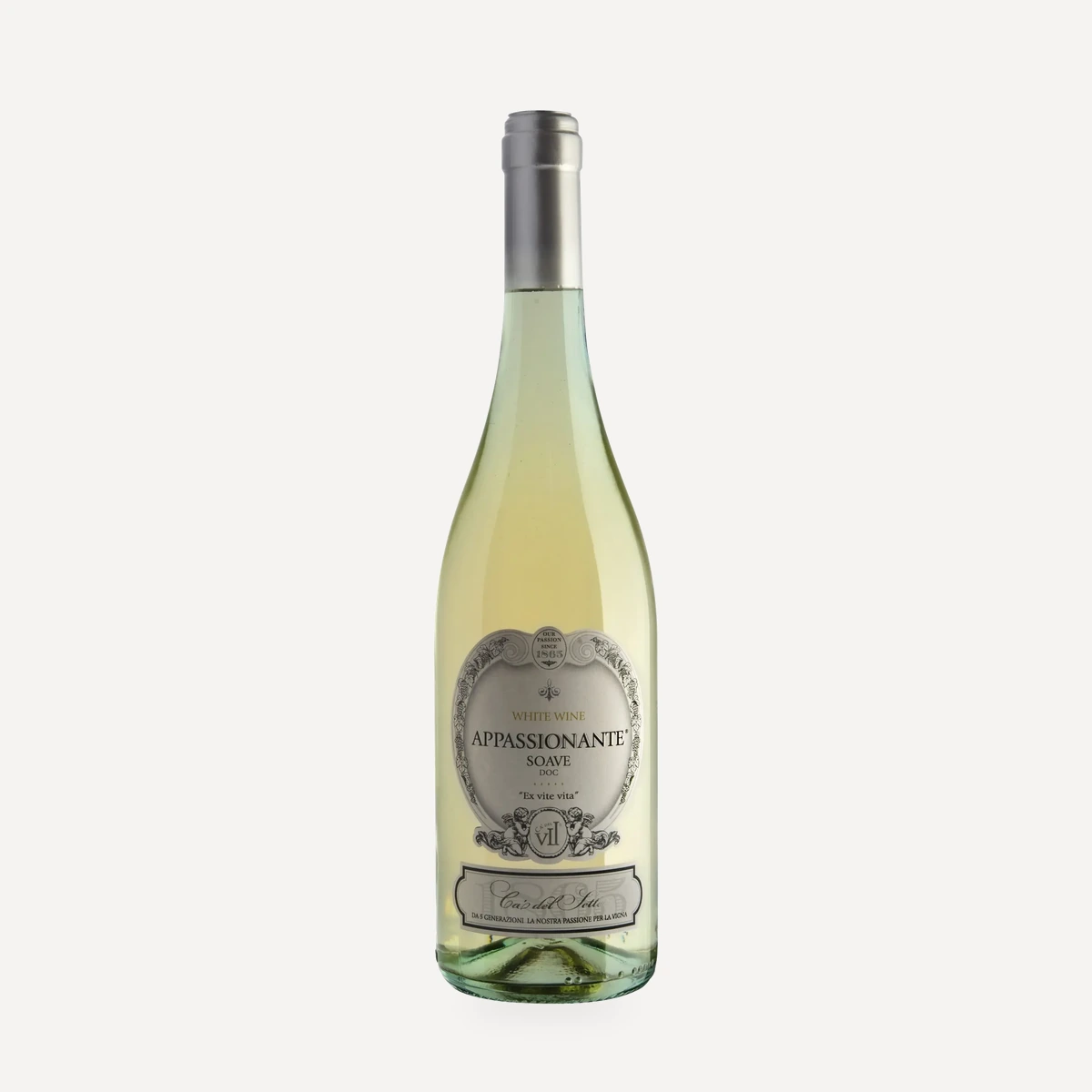
Soave DOC 1809 Castelcerino – Linea Appassionante®
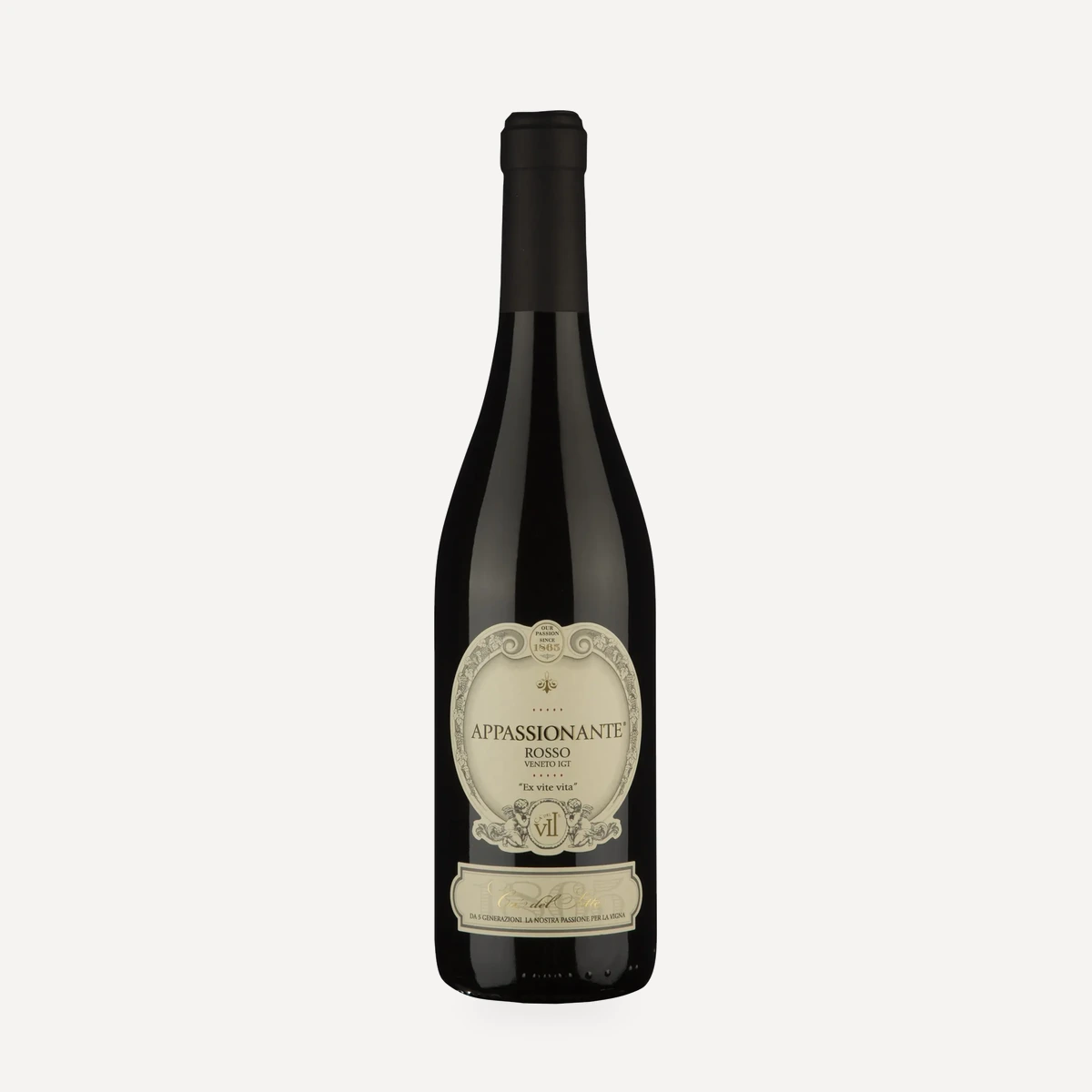
Sorio 1848 – Linea Appassionante®
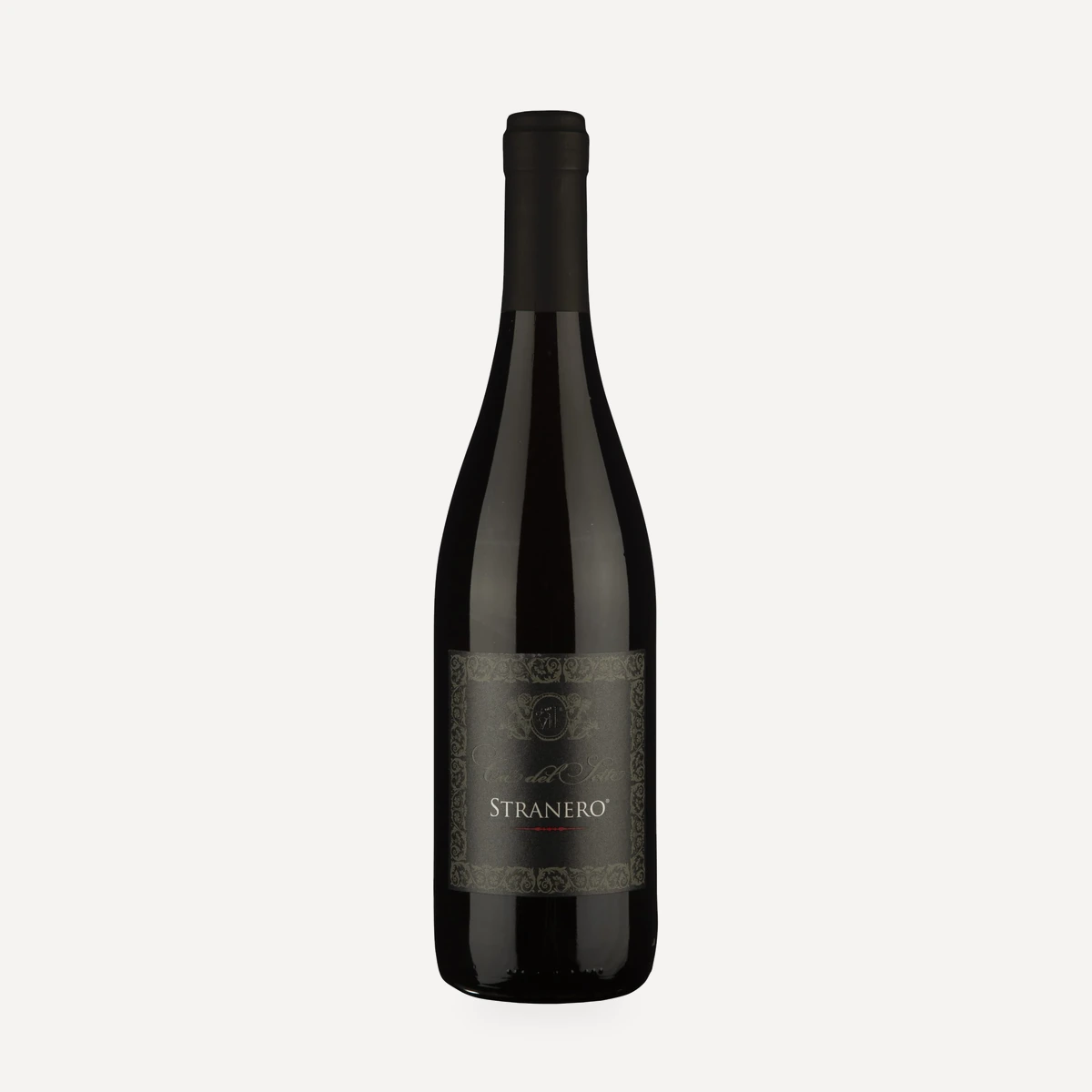
Stranero®
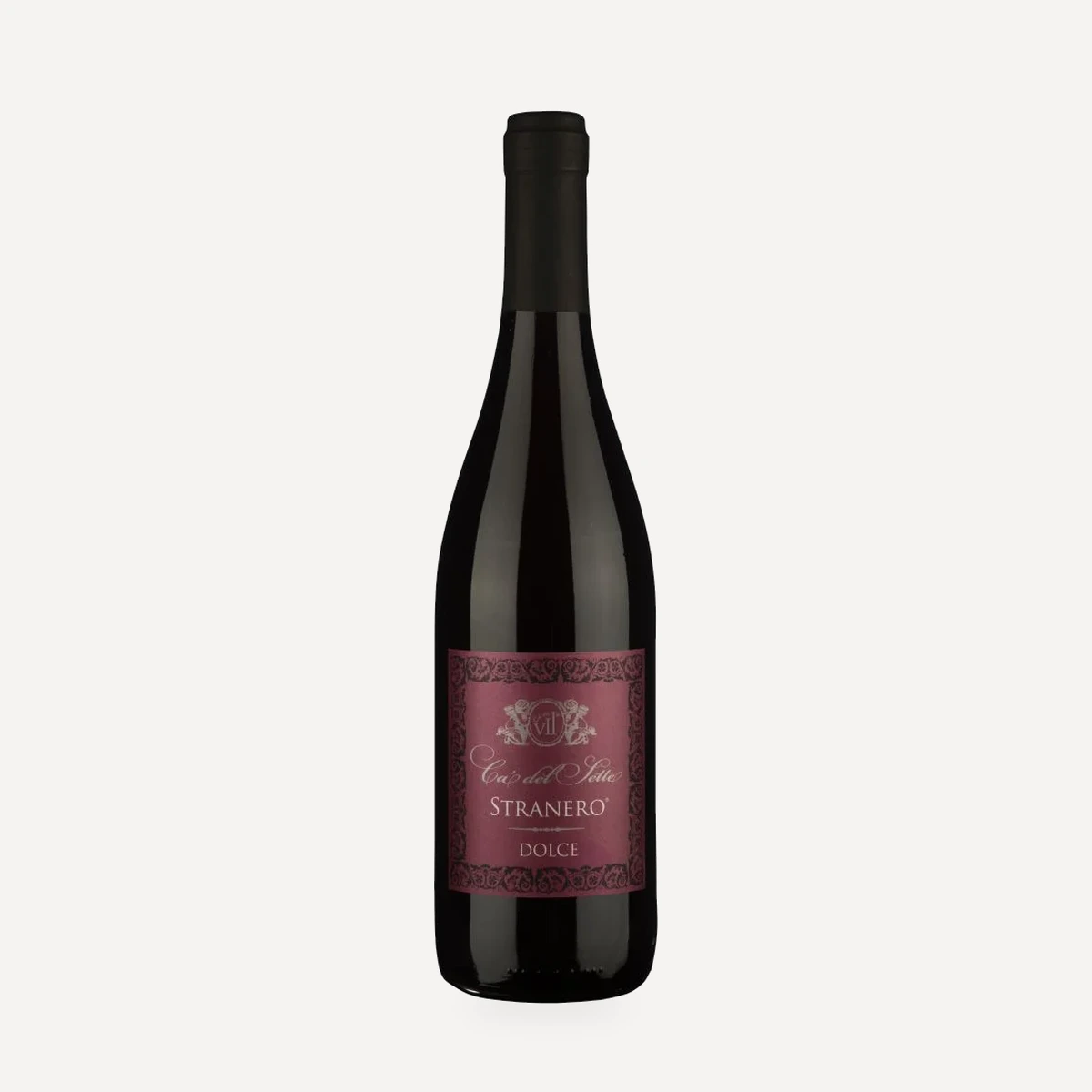
Stranero® Dolce