Chi è
Le Ragnaie is a winery in Tuscany, Italy.
History, winemaking, wines and news for this producer are being prepared. Meanwhile, visit the official website.
Terroir
Le Ragnaie's land is distributed across three distinct micro-areas of the Montalcino district. The individually described vineyards extend from 200 m at Cava Nuova and Cava Vecchia to 621 m at Passo del Lume Spento. Their geological record encompasses Upper Cretaceous–Paleocene formations, Miocene Messinian lake and lagoon deposits, and Pliocene marine sediments.
Sites below Montalcino
Ragnaie lies immediately below the town, beginning at 600 m. Its soils formed on the Upper Cretaceous Pietraforte Formation and contain sandstone, including large stones, together with feldspathic and carbonate quartzose siltstones. They are moderately deep, moderately acidic and weakly calcareous, with abundant stones larger than 2 mm and loose, sand-influenced textures.
Petroso is also situated immediately below Montalcino, at 400 m. It shares the Pietraforte Formation geology described for Ragnaie: sandstone and feldspathic and carbonate quartzose siltstones, abundant coarse skeletal material, moderate depth, loose sand-influenced textures, moderately acidic pH and low calcareous content. The Petroso wine page places its source vineyard in the Scarnacuoia area beside the town.
Passo del Lume Spento reaches 621 m and is identified as the estate's highest vineyard.
Fornace and Loreto
Fornace stands at 400 m on Miocene Messinian lake and lagoon deposits, coded MESb and characterized by polygenic conglomerates of sub-rounded stones. Its very calcareous soil is moderately deep, with scarce pebbly skeletal material, silty-loam to silty texture and moderately alkaline pH.
Loreto lies at 395 m on the same Messinian depositional formation. In contrast with Fornace, its calcareous soil is deep and contains abundant pebbles; it has loose textures and moderately alkaline pH.
Castelnuovo dell'Abate
Cava Nuova and Cava Vecchia lie immediately below Castelnuovo dell'Abate at 200 m. Their soils developed on the Upper Cretaceous–Paleocene Santa Fiora Unit–Sillano Formation, coded SIL and characterized by grey-brown claystones and calcilutites that can include large stones. The soils are moderately deep and calcareous, with irregular calcareous fragments larger than 2 mm, loose textures and moderately alkaline pH.
Casanovina Montosoli and Cantina
Casanovina Montosoli occupies elevations of 250–300 m in the northern part of Montalcino. One component developed from Pliocene marine sediments, coded FAA: moderately deep clay and silty clay without stones larger than 2 mm, clayey to silty-clay textures, medium-alkaline to sub-alkaline pH, calcareous composition and salinity dominated by sulfates. Another component developed on the much older Upper Cretaceous–Paleocene Santa Fiora Unit–Sillano Formation. These soils are shallow to moderately deep, with irregular calcareous stones larger than 2 mm, including lamellar marl, clay textures, sub-alkaline pH and calcareous to very calcareous composition.
Cantina lies at 250 m on Pliocene marine clays and silty clays. Its moderately deep soil lacks stones larger than 2 mm, has clayey to silty-clay textures and medium-alkaline to sub-alkaline pH, and is calcareous and saline, with sulfate-dominated salinity.
Vinificazione
All estate vineyards are described as planted to Sangiovese and managed according to organic-agriculture guidelines. Chemical products are excluded apart from Bordeaux mixture and powdered mineral sulphur, both used within the limits established for organic farming.
Fertilizers are not used. The sole fertility input is an autumn green manure based on legumes, clover and other herbs. This cover crop helps regenerate soils compacted by summer cultivation, adds organic matter and penetrates the ground deeply through the roots of the different sown species.
Grass cover limits surface erosion and promotes the absorption of water into the soil. It also provides habitat for numerous animal and insect species, fostering a diverse ecosystem regarded as essential to vineyard health.
Cellar and selection
The cellar occupies simple, rational spaces at the Le Ragnaie headquarters, organized to permit clean and safe work. After harvest, bunches pass over a vibrating sorting table, where the best fruit is selected before vinification.
Fermentation and maceration
The principal red-wine process uses concrete vats. Fermentation and maceration may last from 25 to 90 days, supported by manual pump-overs. Published technical protocols for the represented red wines record maximum fermentation temperatures of 30–31°C, temperature control, no selected yeasts and completed malolactic fermentation. Their recorded macerations range from 15 to 35 days within the broader cellar range.
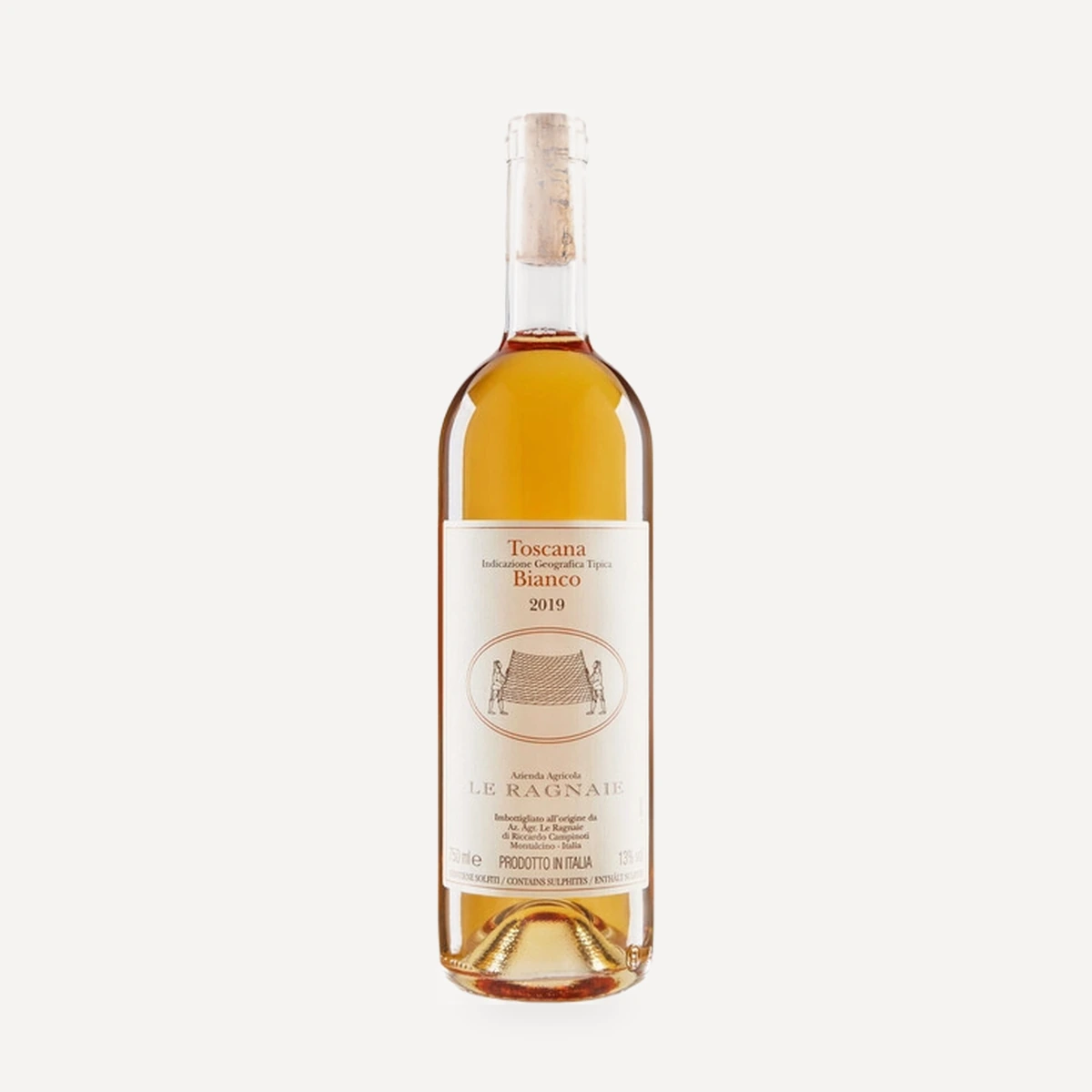
The represented white-wine protocols use stainless-steel vats for six days, including five days of skin contact. They record a maximum temperature of 30°C without temperature control, no selected yeasts and completed malolactic fermentation.
Maturation
After pressing, the red wines move to the barrel cellar and mature in large Slavonian oak casks. The general cellar program assigns 12 months to Toscana Rosso IGT Troncone, 24 months to Rosso di Montalcino DOC and 36 months to Brunello di Montalcino DOCG. The represented technical protocols specify Slavonian oak capacities from 25 to 100 hl.
White-wine protocols document two additional maturation options: 11 months in a 25 hl concrete vat and 24 months in a 26 hl acacia cask.
Finishing and bottle storage
The represented technical protocols specify no clarification and filtration before bottling. Once bottled, wines rest in temperature- and humidity-controlled conditions until release.
Filosofia
Le Ragnaie's approach centers on cultivating vineyards in three distinct Montalcino micro-areas so that the resulting wines differ from one another and express their respective places of origin. The estate also presents its blended Brunello as an expression of four separate Montalcino areas and of the individual course of each vintage.
In the vineyard, soil regeneration, erosion control, water absorption and habitat for animals and insects are treated as interdependent elements of a living ecosystem essential to vine health. The practical expression of that position includes organic cultivation, autumn green manure, grass cover and narrowly limited crop-protection inputs.
Cellar work is framed as slow and careful. The approach combines bunch selection, fermentation in concrete, long maceration supported by manual pump-overs, maturation in large Slavonian oak and controlled storage after bottling.
Vini
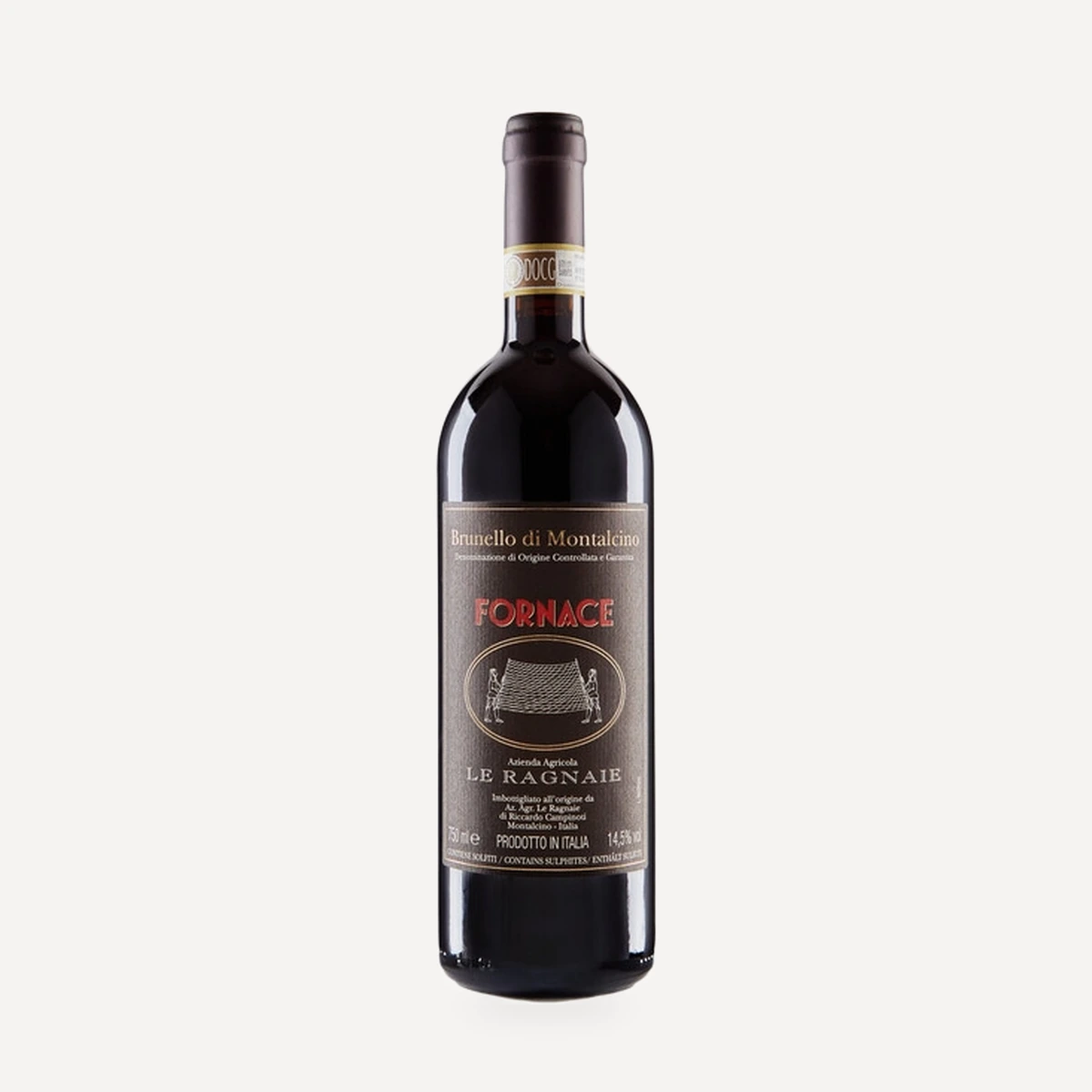
Fornace Brunello di Montalcino DOCG
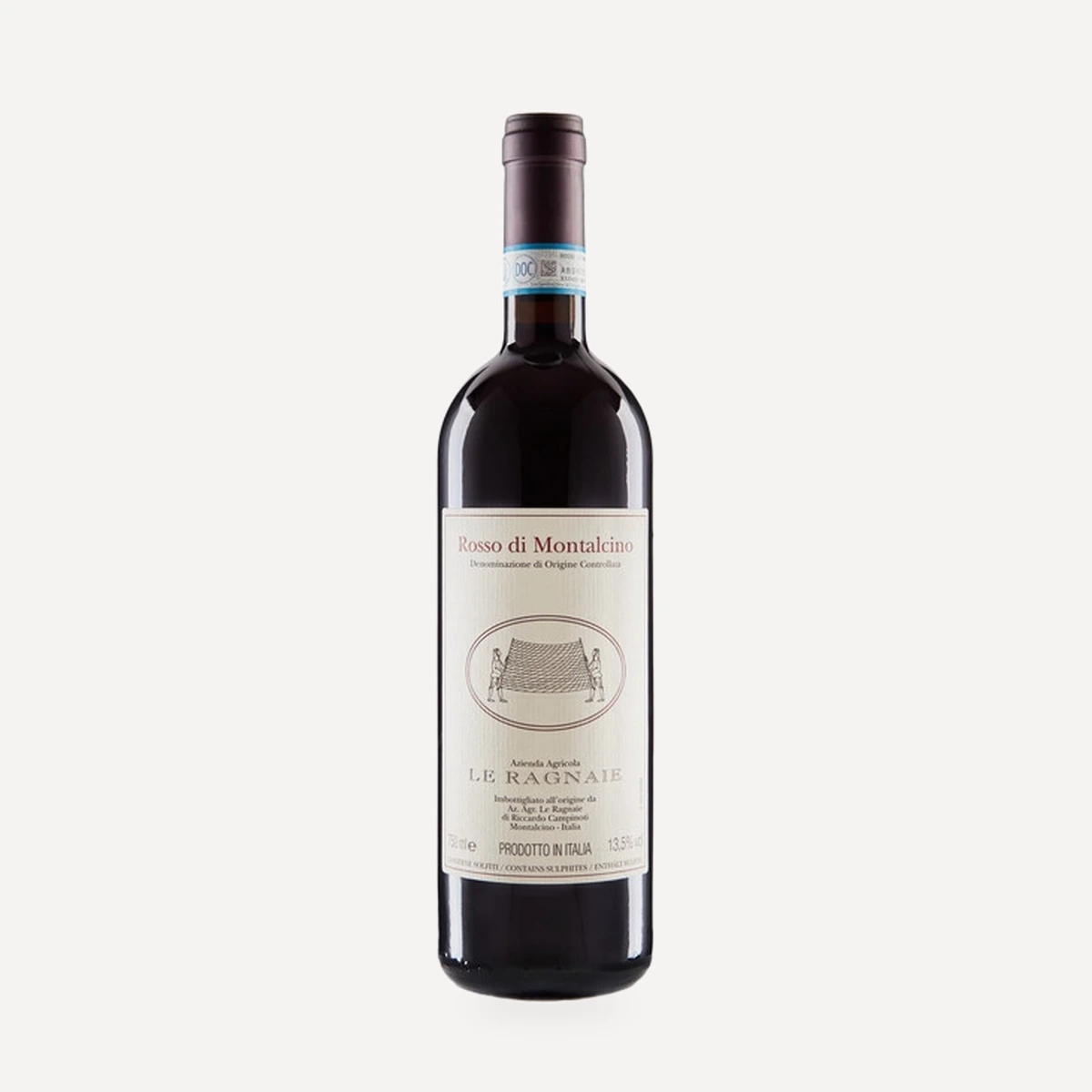
Le Ragnaie Rosso di Montalcino DOC
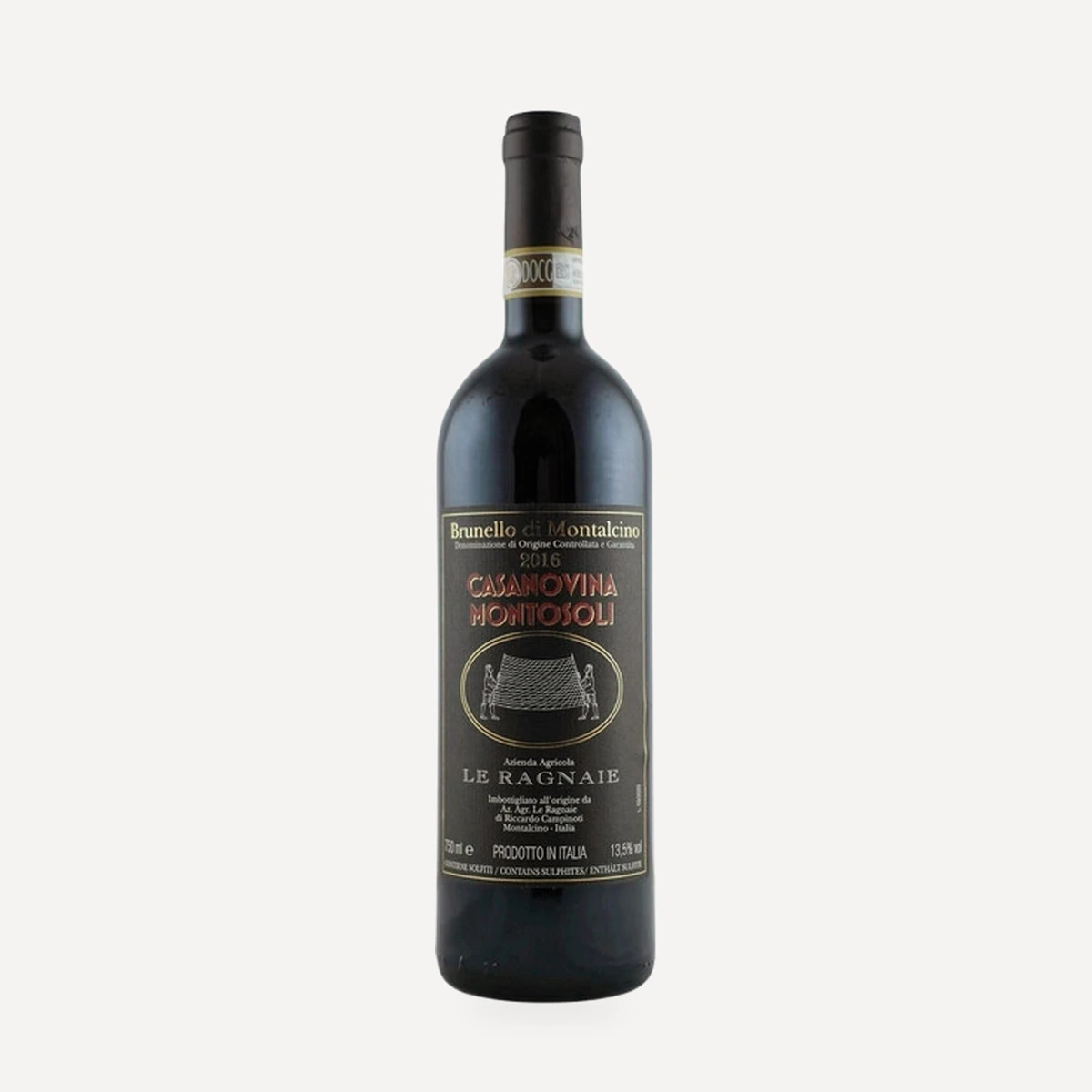
Casanovina Montosoli Brunello di Montalcino DOCG
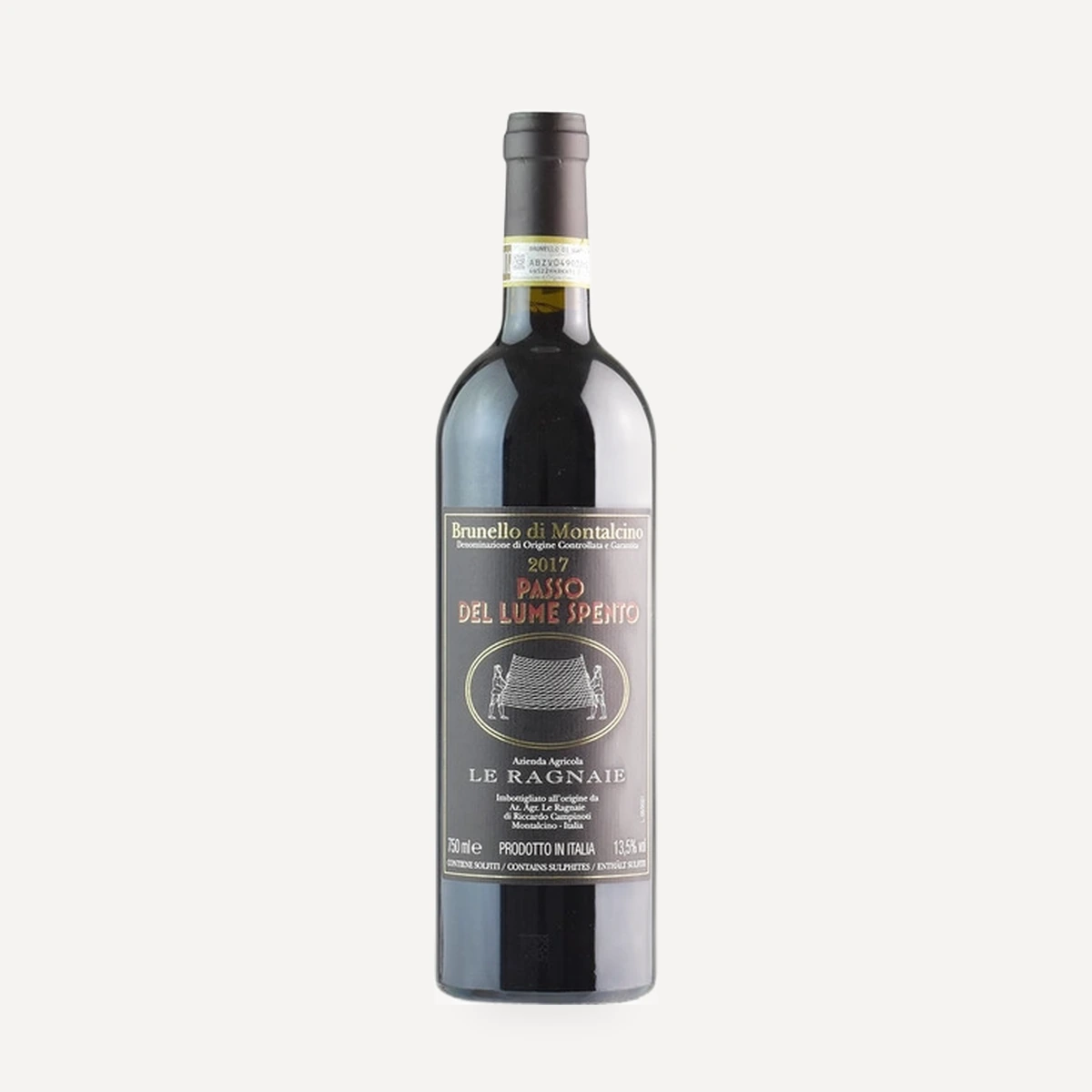
Passo del Lume Spento Brunello di Montalcino DOCG
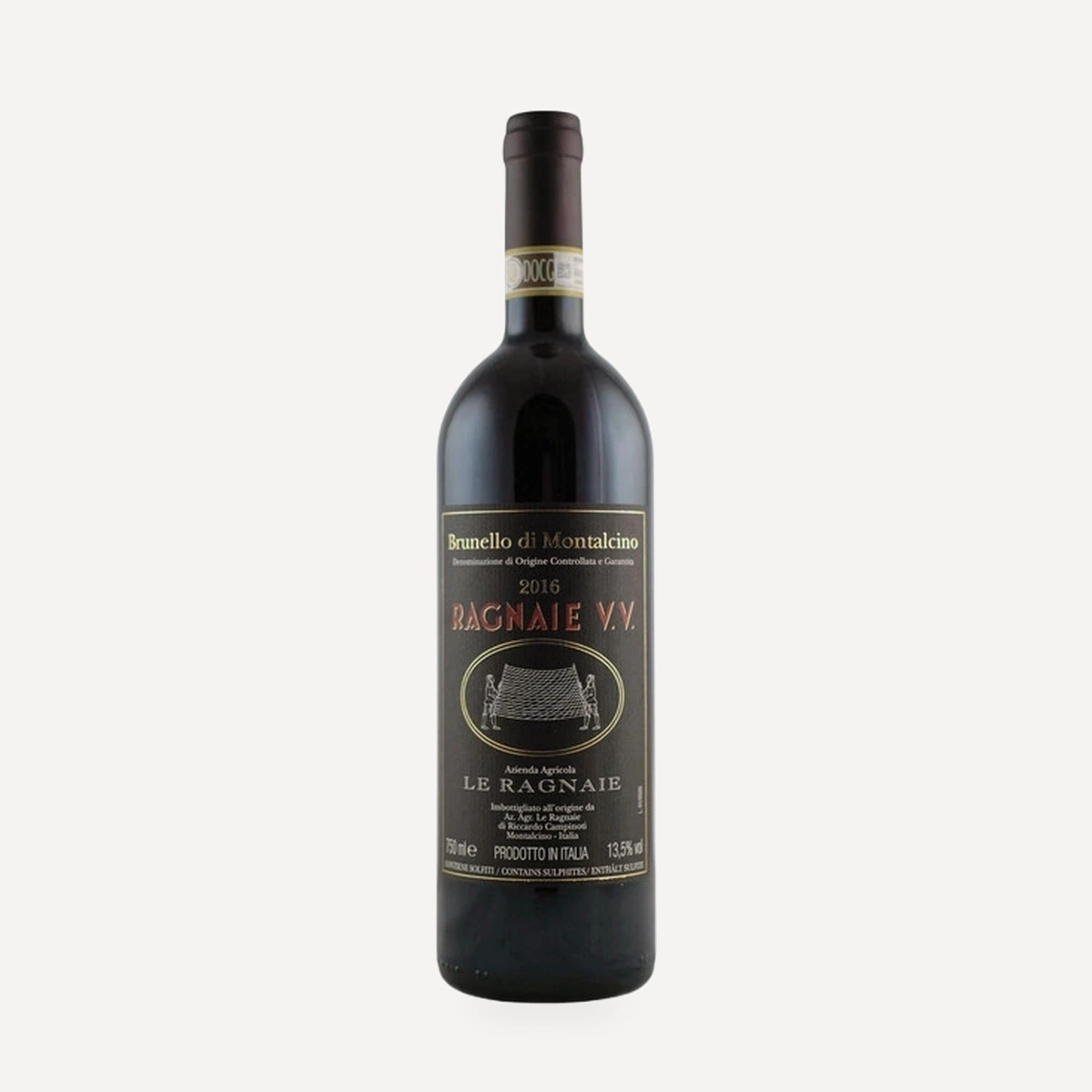
Brunello di Montalcino DOCG
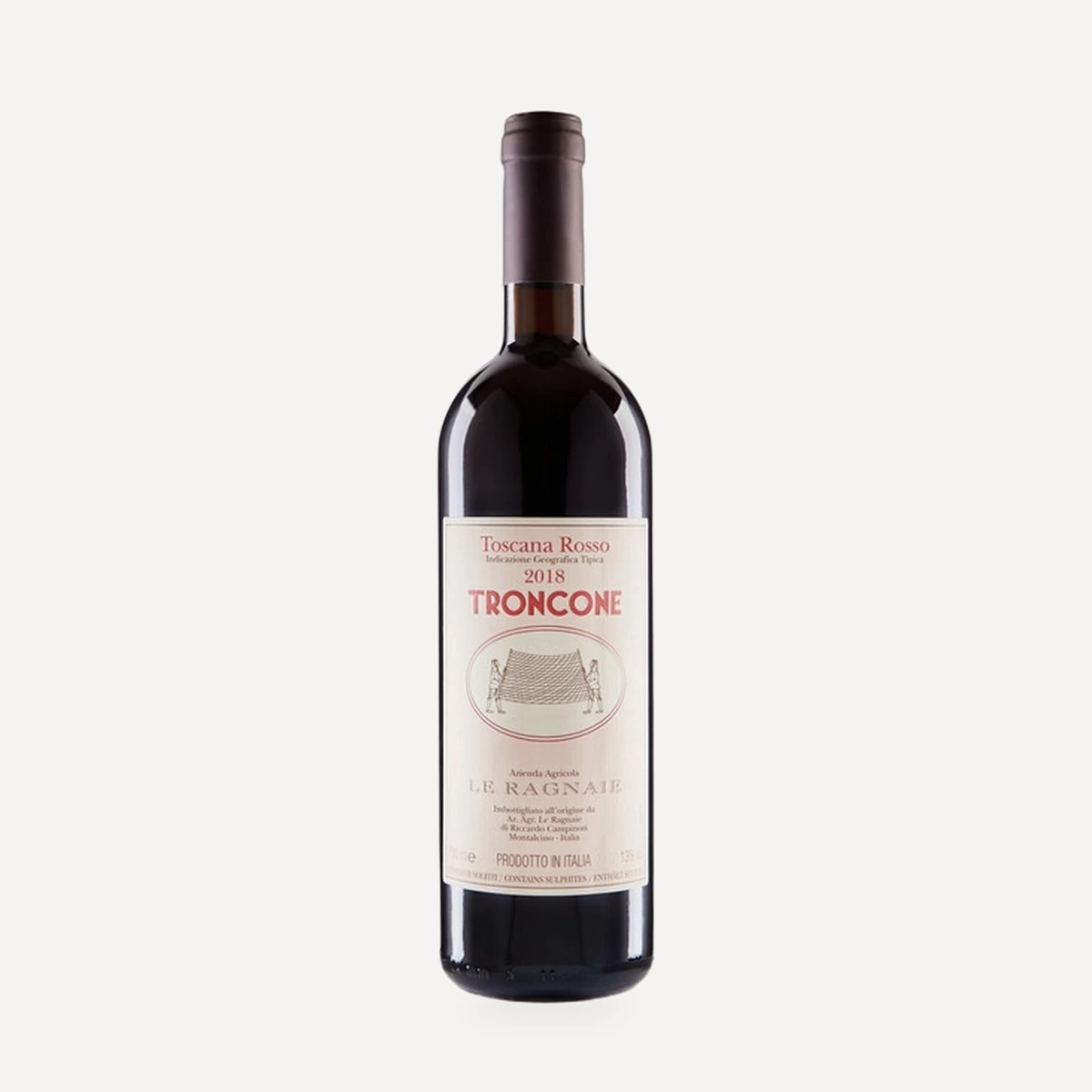
Troncone Toscana Rosso IGT