Storia
Family roots and La Fastuchera
Luigi Stalteri grew up in Sicily amid the sea, sun, food and the region’s cultural landscape. His maternal grandfather, Nicolò, cultivated grapes in Contrada Fastuchera on the northwestern side of Monte Bonifato. This family vineyard would later become the foundation of the Longarico project.
Stalteri moved to Bologna to study engineering but left university to follow a different path. He opened a wine bar called La Fastuchera, taking its name from the contrada where Nicolò had grown grapes. The wine bar introduced him more deeply to wine and its culture. Several years later, he reconnected with his childhood friend Alessandro Viola, with whom he already shared several interests.
2015: foundation of Longarico
Stalteri and Viola developed Longarico around the aim of giving new value to Nicolò’s land on the Alcamo mountain, within a nature reserve. In 2015, they founded Azienda Agricola Longarico: Viola brought his experience as an enologist, while Stalteri’s family land, developing wine knowledge and attachment to the area shaped the project. That year also marked the beginning of Stalteri’s collaboration with the cousin who now manages the Fastuchera vineyard.
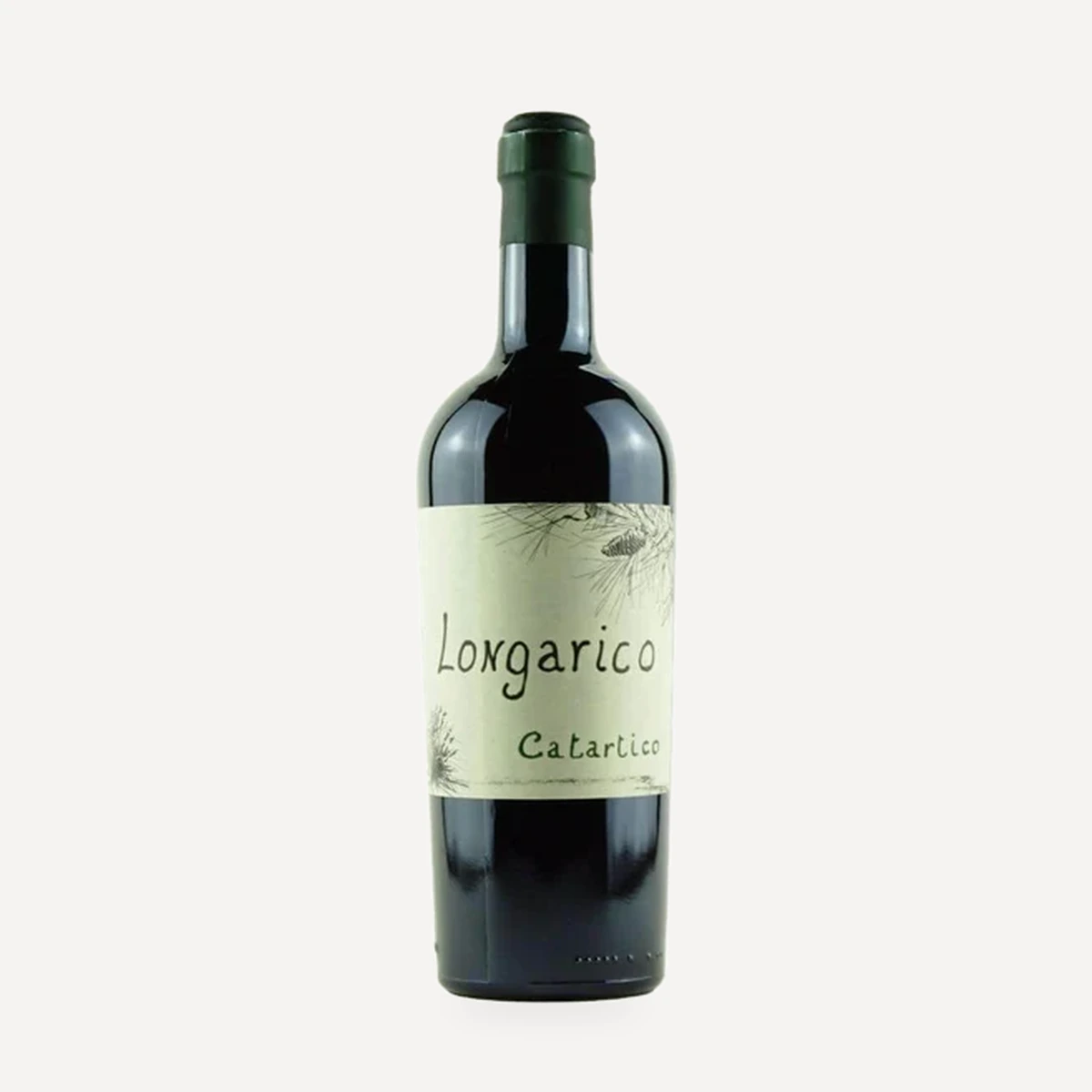
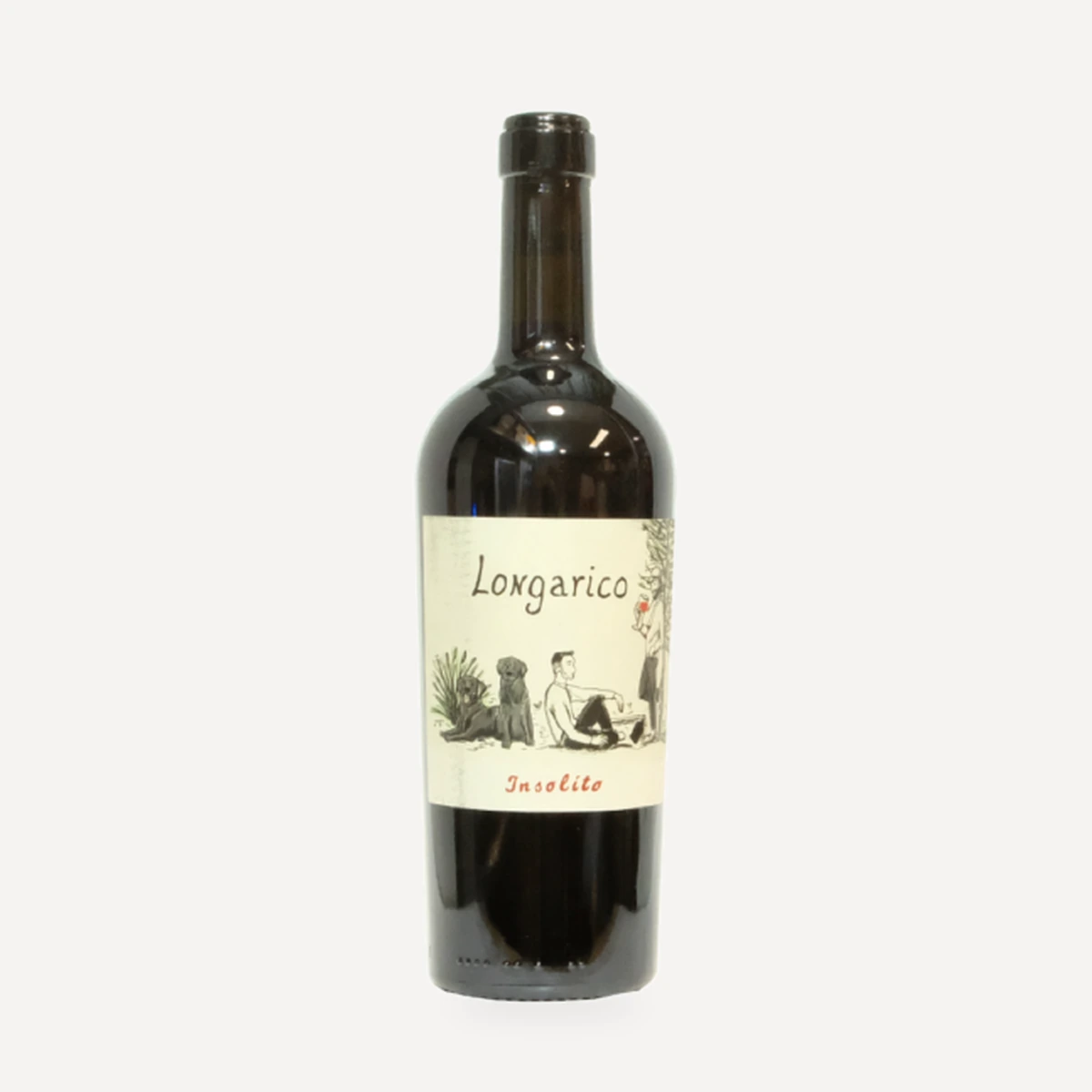
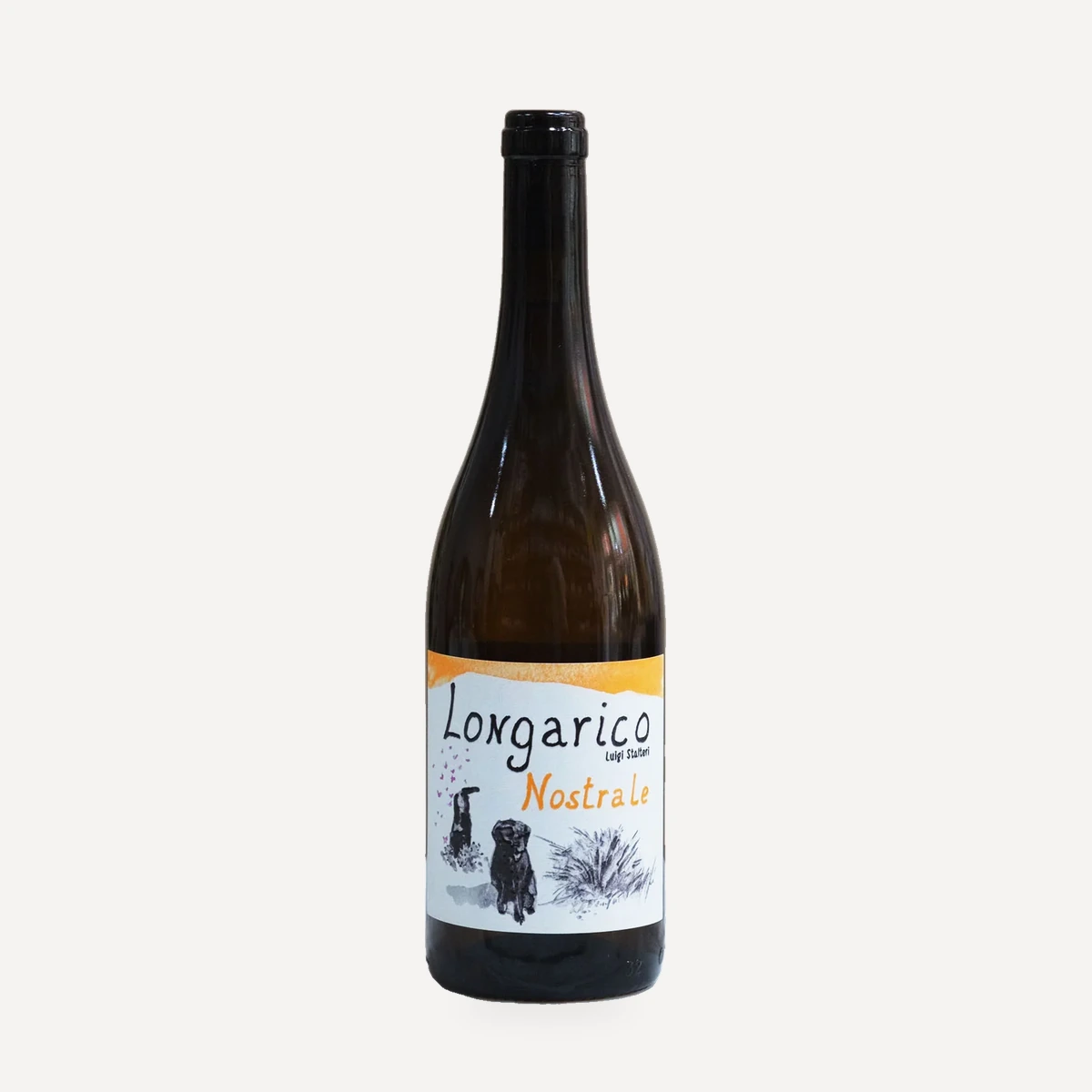
Production began in 2015 with three labels—Nostrale, Catartico and Insolito—based on fruit associated with Fastuchera. The project was conceived in memory of Nicolò and as a return to the land from which Stalteri’s interest in wine had emerged.
Funtanazza and the 2020 expansion
A high-altitude vineyard was planted at Funtanazza in 2018. Located at 650 metres within the Riserva Naturale Orientata Bosco d’Alcamo, it was the first vineyard planted directly by Stalteri. Eight rows were devoted to Pinot Noir and 1.2 hectares to Catarratto Lucido.
In 2020, Longarico introduced the All’Ombra dei Pini line from this vineyard. Catarratto, Pinot Nero and Metodo Classico expanded the portfolio from the original three labels to six. The line’s name reflects the vineyard’s wooded setting, while the individual wines were dedicated to members of Stalteri’s family: still Catarratto to Nicolò, Pinot Nero to his father Antonino and Metodo Classico to his cousin Nicola.
2021–2022: changes in the wines and management
In 2021, Nero d’Avola—one of Nicolò’s favoured grapes—was added to the Syrah and Nerello Mascalese blend used for Insolito.
Alessandro Viola left Longarico in 2022 after the period of collaboration in which Stalteri developed his own skills. Stalteri then assumed sole responsibility for the project and completed his first harvest independently that year.
Also in 2022, Stalteri purchased a five-hectare property near the sea at Calatubo, close to the Castello di Calatubo. This acquisition extended Longarico from the mountain vineyards toward the coast.
2023–2026: Calatubo, Rosato and Disobbediente
Planting at Calatubo began in 2023 with Perricone and Carricante. A small part of the property was also set aside for olive trees and several kinds of fruit tree.
Rosato joined the range in 2024, following an unsuccessful first attempt in 2018 that had caused Stalteri to put the idea aside for several years. The successful version was made from red grapes grown at Fastuchera.
Calatubo produced its first Perricone harvest in 2025. The resulting Disobbediente was bottled and released in 2026, becoming the first named wine associated with the new coastal vineyard.
Origin of the name
Longarico takes its name from the history of Alcamo. With the arrival of the Romans, the inhabitants of the Greek settlement called Longuro moved toward the lower slopes of Monte Bonifato to cultivate fertile land influenced by the nearby sea. The resulting settlement was called Longarico and later became modern Alcamo.
Terroir
Three settings between mountain and sea
Longarico works with three distinct vineyard environments around Alcamo: Fastuchera on Monte Bonifato, the higher Funtanazza vineyard inside the Bosco d’Alcamo reserve and the coastal Calatubo property. Together they form a progression from mountain to sea, with substantial differences in altitude, soils, vegetation and maritime exposure.
Monte Bonifato and Funtanazza
Funtanazza lies at 650 metres above sea level within the Riserva Naturale Orientata Bosco d’Alcamo. The approximately 1.5-hectare valley is surrounded by pine, oak and eucalyptus and faces north toward the Gulf of Castellammare. The western side of the vineyard is rich in humus; moving east, the soil becomes increasingly calcareous and stony. The abundance of stones makes cultivation difficult. The elevated site experiences marked temperature variation, associated with freshness and acidity in its fruit.
Fastuchera occupies the northwestern side of Monte Bonifato at 350 metres. It is also set in a valley framed by pine and eucalyptus. Its medium-textured calcareous-clay soil is exposed to northerly winds carrying cool maritime air inland.
Coastal Calatubo
Calatubo is only a few metres from the sea and the Castello di Calatubo, at approximately 50 metres above sea level. Its fertile sandy-clay soil and direct exposure to the sea breeze distinguish it from the two mountain sites. The property extends over five hectares and combines newly planted vines with a small area of olive and fruit trees.
Climatic influences
Across the estate, the defining climatic contrast is between Sicily’s hot, sunlit conditions and the cooling influence of the nearby sea. At Funtanazza, altitude and temperature shifts add another layer of freshness; at Fastuchera, northerly winds bring maritime air; at Calatubo, the sea breeze acts directly on the low-lying coastal vineyard.
Vinificazione
Longarico frames its work as natural viticulture governed by the rhythms of nature and by the aim of preserving each grape’s identity. Fastuchera and Calatubo are identified as bio-farmed vineyard sources.
The three sites require different responses to their environments. At Funtanazza, abundant stones make vineyard work difficult, while the high altitude and temperature variation shape ripening. Eight rows are devoted to Pinot Noir and 1.2 hectares to Catarratto Lucido. Two mature fir trees were kept in place rather than removed, and the vineyard remains embedded in the pine, oak and eucalyptus vegetation of the Bosco d’Alcamo reserve.
Fastuchera combines long-established vines with the influence of cooling northerly winds. It is managed by Stalteri’s cousin in collaboration with Longarico. At Calatubo, new plantings of Perricone and Carricante share the property with olive trees and several kinds of fruit tree, creating a mixed agricultural setting rather than an exclusively planted vineyard landscape.
Longarico’s production philosophy is based on natural wine and minimal intervention. The objective is to preserve the identity of the grapes and translate the character of each vineyard rather than impose a standardized house style. The wines presented through the estate’s tasting program are described as pure, unfiltered expressions of their Sicilian terroirs.
Production encompasses still white, skin-contact white, red and rosé wines as well as Metodo Classico. The portfolio draws on the contrasting conditions of Fastuchera, Funtanazza and Calatubo, allowing altitude, temperature variation, soil and maritime influence to remain visible in the resulting styles.
Filosofia
Longarico is built around three recurring ideas: nature, identity and terroir. Luigi Stalteri’s stated aim is to make natural wines that respect nature’s rhythms, preserve the authenticity of the grapes and carry the character of the land into the glass. Minimal intervention is treated as a means of allowing the rugged ground, hot climate, sunlight and cooling influence of the sea to remain perceptible.
The project also has a strong personal and familial dimension. It began as a way of giving renewed value to Nicolò’s land and remains tied to memories of Stalteri’s grandfather, father and cousin through the vineyards and the dedications attached to the Funtanazza wines. Stalteri describes harvest as the moment when a year of waiting culminates in tasting the grapes and imagining the wine they will become. Sharing that experience with people interested in wine is part of the project’s purpose.
Experimentation remains compatible with this attachment to place. The high-altitude Funtanazza planting, the addition of Pinot Noir, the Metodo Classico project, the revived Rosato idea and the coastal Perricone and Carricante plantings at Calatubo all extend the range while remaining tied to particular vineyard conditions.
Vini
Insolito
Nostrale