Storia
Research before the brand
Mandrarossa emerged from more than twenty years of research into Sicilian terroirs. The preparatory work mapped soils and monitored the relationship between grape varieties and their habitats, with the objective of identifying combinations in which each cultivar could express its potential.
1999–2004: foundation and first flagship wine
Mandrarossa was founded in 1999 after the territorial mapping work had identified the most promising terroirs. Production began that year in Menfishire, where the vineyard holdings extended across the hills between an altitude of 440 metres and the sea.
In 2000, the new brand entered both the Italian and international markets. It made its official Vinitaly debut with an initial range of seven labels.
In 2004 Mandrarossa began producing Cartagho, its first barrique-aged Nero d’Avola. The project selected the best 15 hectares of Nero d’Avola, divided among three vineyards. Cartagho subsequently received Gambero Rosso’s Tre Bicchieri for six different vintages.
2010–2014: a new identity and expanded research
A radical rebranding took place in 2010. The range and visual identity were redesigned, and the former vine-leaf logo was replaced by a Mediterranean dwarf palm, chosen to represent the biodiversity and distinctiveness of Menfi.
The first Mandrarossa Vineyard Tour was held at the end of summer in 2012 and developed into an annual meeting with visitors and wine enthusiasts.
In 2014 Santannella, a Fiano and Chenin Blanc blend, received 90 points from The Wine Advocate. The same year marked the beginning of a five-year scientific investigation of Menfi’s limestone soils. Mandrarossa oenologists Mimmo De Gregorio and Filippo Buttafuoco worked with consultant Alberto Antonini, microterroir specialist Pedro Parra and geologists from the University of Palermo. Electroconductivity testing helped identify high-potential microterroirs in two contrade. One Grillo vineyard was selected in Contrada Bertolino Soprano and two Nero d’Avola vineyards in Contrada Miccina.
Alongside this work, five experimental fields in Menfi were used to monitor additional varieties. Intensive micro-vinification trials subsequently supported the introduction of further wines, including varieties and combinations then unusual in Sicily.
2016–2020: Storie Ritrovate and expansion beyond Menfi
The Storie Ritrovate project began in Mandrarossa’s home territory in 2016. Its purpose was to interpret distinct Sicilian places through native varieties and the stories associated with their landscapes. Illustrator and graphic designer Nancy Rossit translated those stories into the label art.
Research beyond Menfi began in 2018 with the Etna project. Mandrarossa selected 4 hectares of Carricante and Nerello Mascalese in Valle Galfina at Linguaglossa, on the volcano’s north-eastern side.
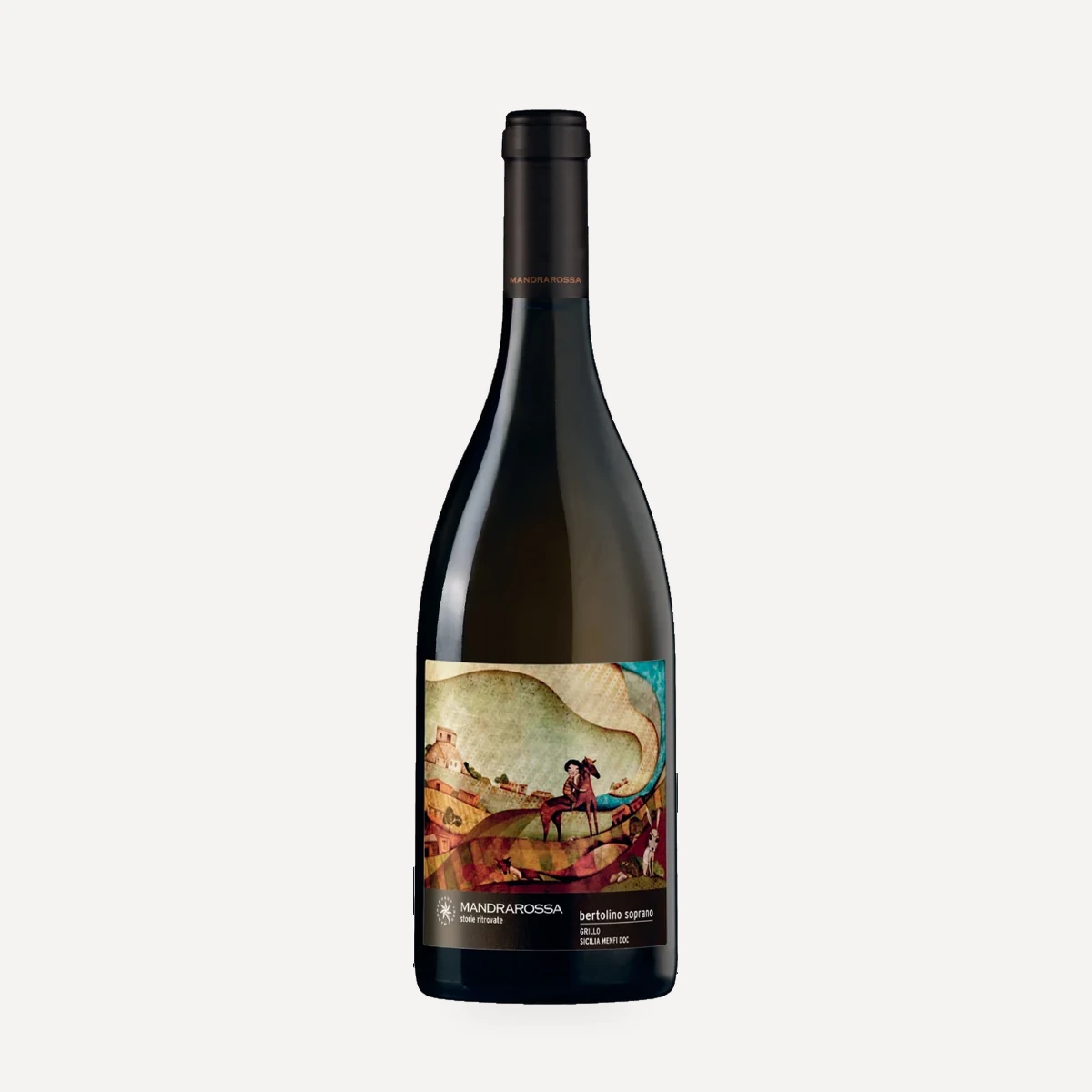
In 2019 Mandrarossa celebrated its twentieth anniversary by presenting the Vini di Contrada at Vinitaly. Bertolino Soprano 2017 came from the selected Grillo vineyard in Contrada Bertolino Soprano, while Terre del Sommacco 2016 came from Nero d’Avola vineyards in Contrada Miccina. Their launch concluded the five-year study of limestone soils.
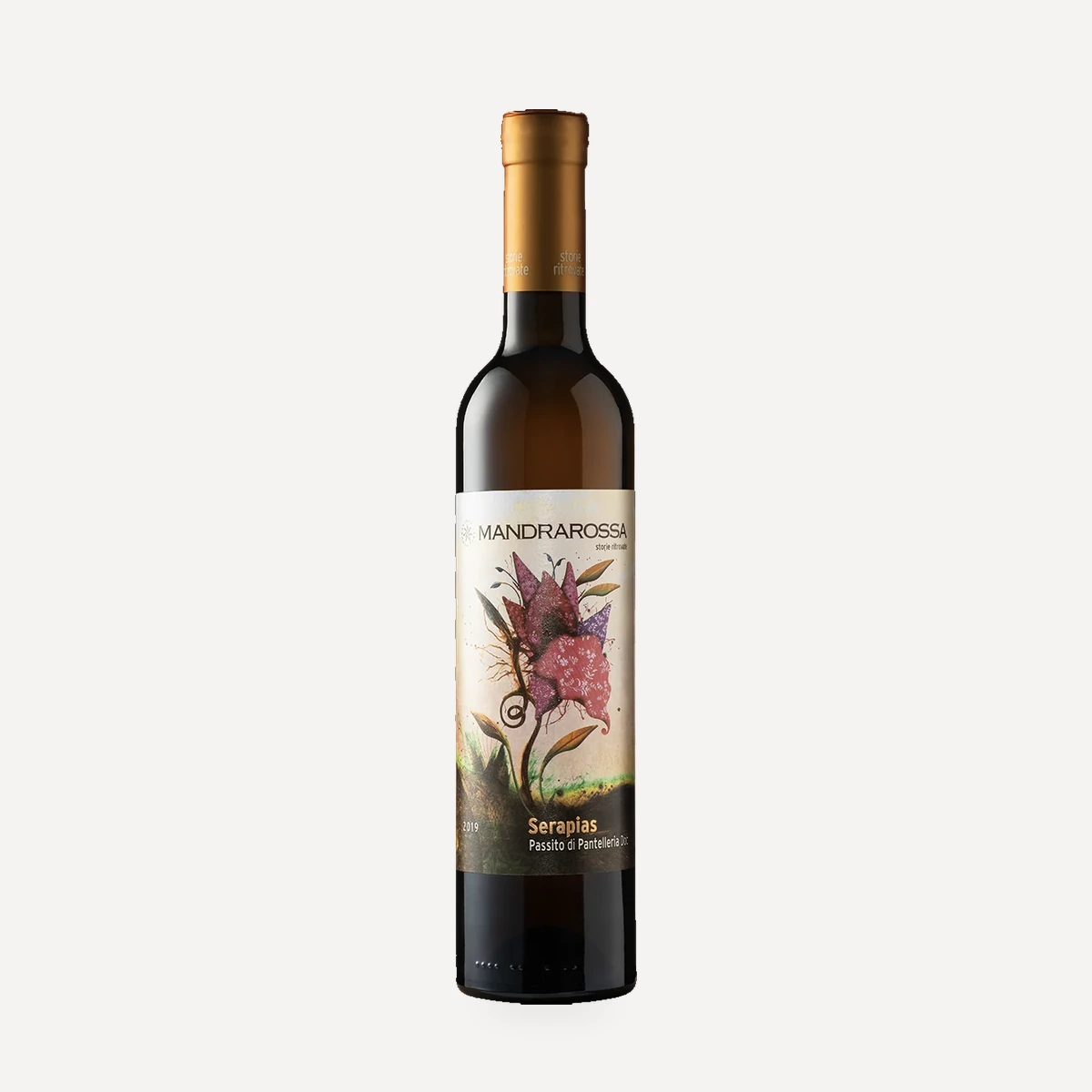
In 2020 the brand formally moved beyond Menfishire with Etna DOC wines and its first Pantelleria DOC wine. The Etna wines completed the journey begun in 2018, while the Pantelleria project drew on about 2 hectares of Zibibbo selected across Bukkuram, Piana della Ghirlanda and Monastero. Serapias Passito di Pantelleria DOC debuted with the 2019 vintage and was released in October 2020.
2021 onward: the Mandrarossa Winery and a broader Sicilian presence
The new Mandrarossa Winery was inaugurated in 2021 in Contrada Puccia, south of Menfi. The 700-square-metre, three-level building was set into the natural hillside at approximately 90 metres above sea level. It brought together production areas, a new barrel cellar, wine storage, two tasting rooms, a wine shop and a panoramic terrace.
In 2024 Mandrarossa marked its twenty-fifth anniversary. By then the range comprised 27 wines and was distributed in 38 markets. That year the Vineyard Tour reached its eleventh edition and returned to its original setting in the pine grove of Contrada Bertolino, near Giache Bianche beach.
The Storie Ritrovate journey later expanded to Salaparuta. Catarratto was selected in vineyards at 450–480 metres above sea level, where limestone soils, steady winds and cooler evenings define the inland Belìce Valley habitat.
Terroir
Menfishire
Mandrarossa’s home territory lies on Sicily’s south-western coast at Menfi. Low hills covered with vineyards and olive groves descend toward the Mediterranean, bordered by hedges and Mediterranean scrub. The vineyard landscape extends from the Magaggiaro forest to the sea and reaches 440 metres above sea level.
Changes in slope, exposure and elevation interact with warm sirocco winds, milder sea breezes and maritime influence to create numerous microclimates. The hills commonly provide southern exposure and abundant sunlight. The climate is dry, with intense light, warm southern winds, coastal ventilation and marked temperature variation. These conditions are associated with healthy vineyards and concentrated grapes.
Five principal soil families are identified in the Menfi hills:
- Sandy soils: sand mixed with minerals and gravel, with strong drainage and capillary water distribution. Their low compactness allows roots to penetrate deeply.
- Clay-rich soils: compact soils containing silica, iron, humus and abundant potassium. Their water-retention capacity supports vines during drought.
- Medium-textured soils: permeable, fertile mixtures dominated by sand and clay, supplying calcium and magnesium.
- Limestone soils: calcium-retentive soils rich in nutrients including potassium and magnesium. They absorb daytime heat and release it toward the bunches at night.
- Silty soils: compact, plastic mixtures of loam, sand and clay that absorb water and release it gradually to the roots.
The scientific study begun in 2014 focused on hillside sites containing marine-origin limestone parent rock. Electroconductivity testing identified high-potential microterroirs in Contrada Bertolino Soprano and Contrada Miccina.
Etna
Mandrarossa’s Etna vineyards are in Valle Galfina at Linguaglossa, on the volcano’s north-eastern side. The landscape includes volcanic deserts, lava flows, forests, terraces, old millstones and vineyards enclosed by dry-stone walls. Black volcanic sand, wind and pronounced temperature variation define the selected habitat. Four hectares of Carricante and Nerello Mascalese were chosen for the project.
Pantelleria
Pantelleria is a volcanic island between Sicily and Tunisia, historically called Cossyra. Its landscape combines lava cliffs, sea stacks, dry-stone walls, dammusi and intensely wind-exposed agriculture. Zibibbo is trained as Alberello Pantesco, a form recognised as UNESCO heritage.
The Pantelleria selection totals about 2 hectares and draws fruit from three areas with distinct wind and sunlight exposure. Bukkuram occupies a western plateau where alberello vineyards descend toward the sea. Piana della Ghirlanda covers a caldera formed approximately 50,000 years ago; air currents through the valley and substantial temperature variation help preserve aroma and acidity. Monastero lies within a valley defined by the Zighidì caldera and has a south-western exposure. Vinification takes place in the inland Karuscia district.
Salaparuta
The Salaparuta vineyards lie among the inland hills of the Belìce Valley at 450–480 metres above sea level. Their habitat combines varied exposures, dry conditions, constant ventilation, mineral-rich limestone soils, bright days and cooler mountain evenings. Steady breezes keep the vines ventilated, while cooler nights support slow, even ripening. Catarratto is the principal variety selected for this territory.
Vinificazione
Mandrarossa’s vineyard planning is based on matching varieties to soils and microclimates. Five experimental fields in Menfi were used to monitor the behaviour of additional varieties, followed by intensive micro-vinification. The limestone study begun in 2014 combined geological analysis with electroconductivity testing to identify promising microterroirs and select individual vineyards.
Oenologists and viticultural technicians monitor the ripening cycle with modern technology. Growers use the Enogis application to track values for individual plots, determine harvest timing and coordinate delivery to the winery. Vineyard work includes pruning, advance selection of grapes and protection against disease.
Harvesting combines mechanical and manual methods. Selected white grapes are mechanically harvested at night, generally from midnight to 05:00 over a period of about 40 days. Night temperatures are 10–15°C below daytime levels, limiting oxidation and preserving the grapes. Cooler incoming fruit also reduces the energy required to reach the 4–5°C target used for cryo-maceration: grapes may arrive at 18–20°C at night rather than approximately 30–33°C during the day. These night-harvest protocols have been used for years. Other parcels are harvested manually with shears and baskets.
During the 2020 Menfishire harvest, picking began on 30 July. Chardonnay and Sauvignon Blanc followed from 3 August, while Grecanico Dorato was the final variety, harvested during the first ten days of October. High July and August temperatures reduced bunch weight and prevented a forecast production increase of 10–15%, leaving total volume in line with 2019.
On Etna in 2020, Carricante and Nerello Mascalese were picked with local growers. A delayed season followed by a warm, sunny September and early October produced slow ripening, healthy fruit, slightly lower-than-average sugar and somewhat higher acidity. The harvest occurred several days later than in 2019.
Research and trial vinifications
Micro-vinification is an integral part of Mandrarossa’s variety-and-terroir research. Grapes monitored in five experimental Menfi fields were vinified in small trials before selected varieties and combinations entered the commercial range. The Vini di Contrada project similarly progressed from geological mapping and electroconductivity testing to vineyard selection and separate vinification.
Grape reception and temperature management
Harvested grapes are delivered for analysis and processing. Selected white grapes arrive after mechanical night harvesting, when lower temperatures reduce oxidation and the energy needed for cooling. Cryo-maceration protocols lower fruit to approximately 4–5°C to support defined fruit aromas.
Mandrarossa Winery
The production plant in Contrada Puccia contains cement tulip-shaped vessels and stainless-steel silos used for vinification. During harvest, visitors can observe grape reception and unloading into steel fermentation tanks.
The barrel cellar contains fifteen 50-hectolitre barrels and 100 barriques, together with two dedicated wine-storage areas. Its largely underground construction helps maintain stable humidity for maturation. An elevated internal walkway permits the cellar to be viewed from above.
The 700 m² winery occupies three levels and is almost entirely embedded in the natural slope. Production, storage, maturation, hospitality and retail functions are incorporated into the same structure.
Filosofia
Mandrarossa defines innovation as the recovery and reinterpretation of tradition rather than novelty for its own sake. Its stated objective is to develop a new identity for Sicilian wine by finding new properties and expressions within long-established places, grapes and cultural references.
Research is the organising principle of the brand. Soil mapping, variety trials, micro-vinification and microterroir studies are used to match each cultivar with a habitat suited to its potential. This approach has supported both experimentation with varieties unusual in the Sicilian context and renewed attention to native grapes.
The Storie Ritrovate project extends this philosophy across Sicily. Native varieties are used to interpret Menfi, Etna, Pantelleria and Salaparuta, while illustrated labels preserve human memories, local events, landscapes and agricultural traditions. Innovation and inherited knowledge are treated as complementary: the future is developed from agronomic research and the values of the past.
Environmental considerations are incorporated into vineyard and winery operations. Night harvesting lowers oxidation and refrigeration demand, while the winery uses its underground position, orientation, planted roof, natural materials and photovoltaic power to reduce its environmental load.
Vini
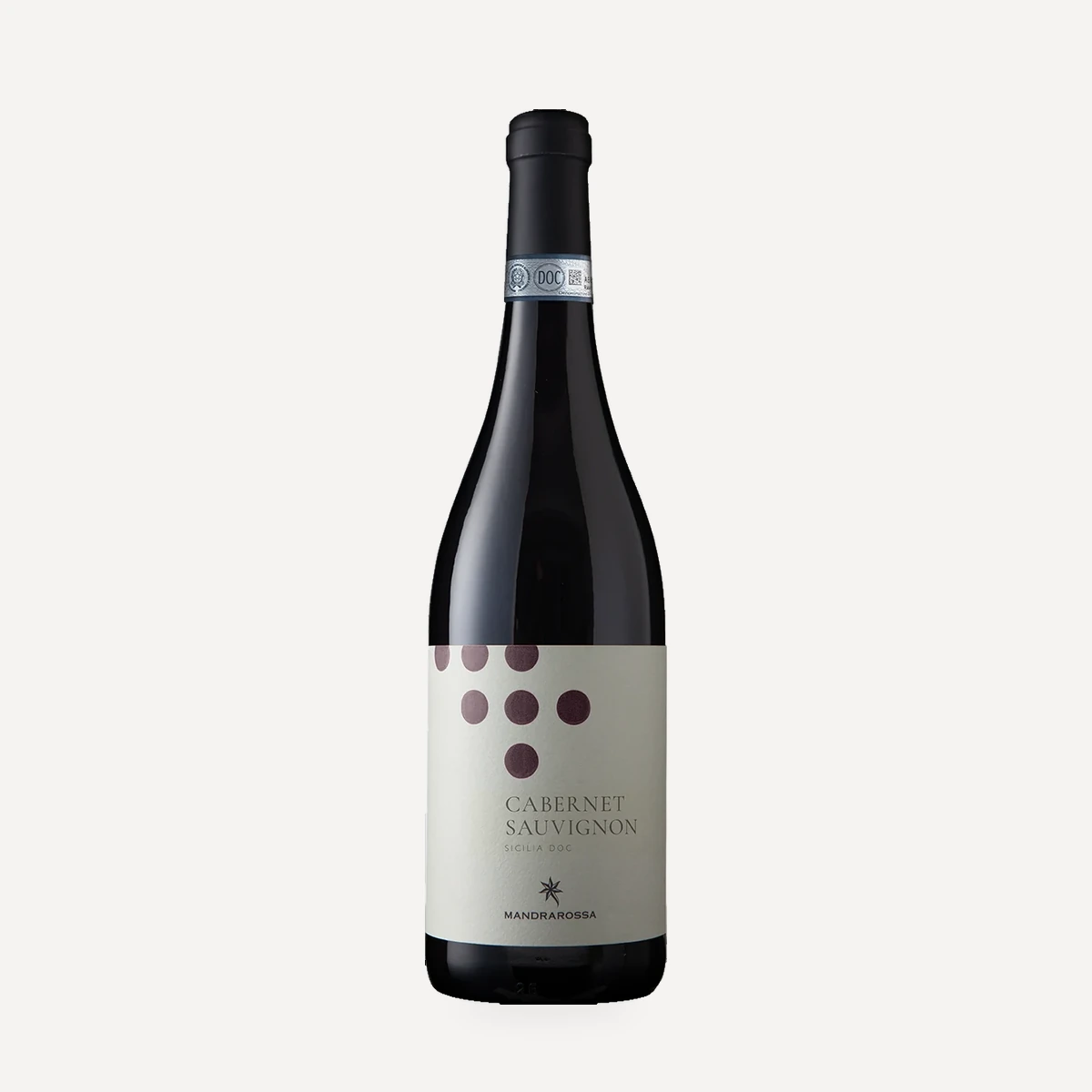
Cabernet Sauvignon
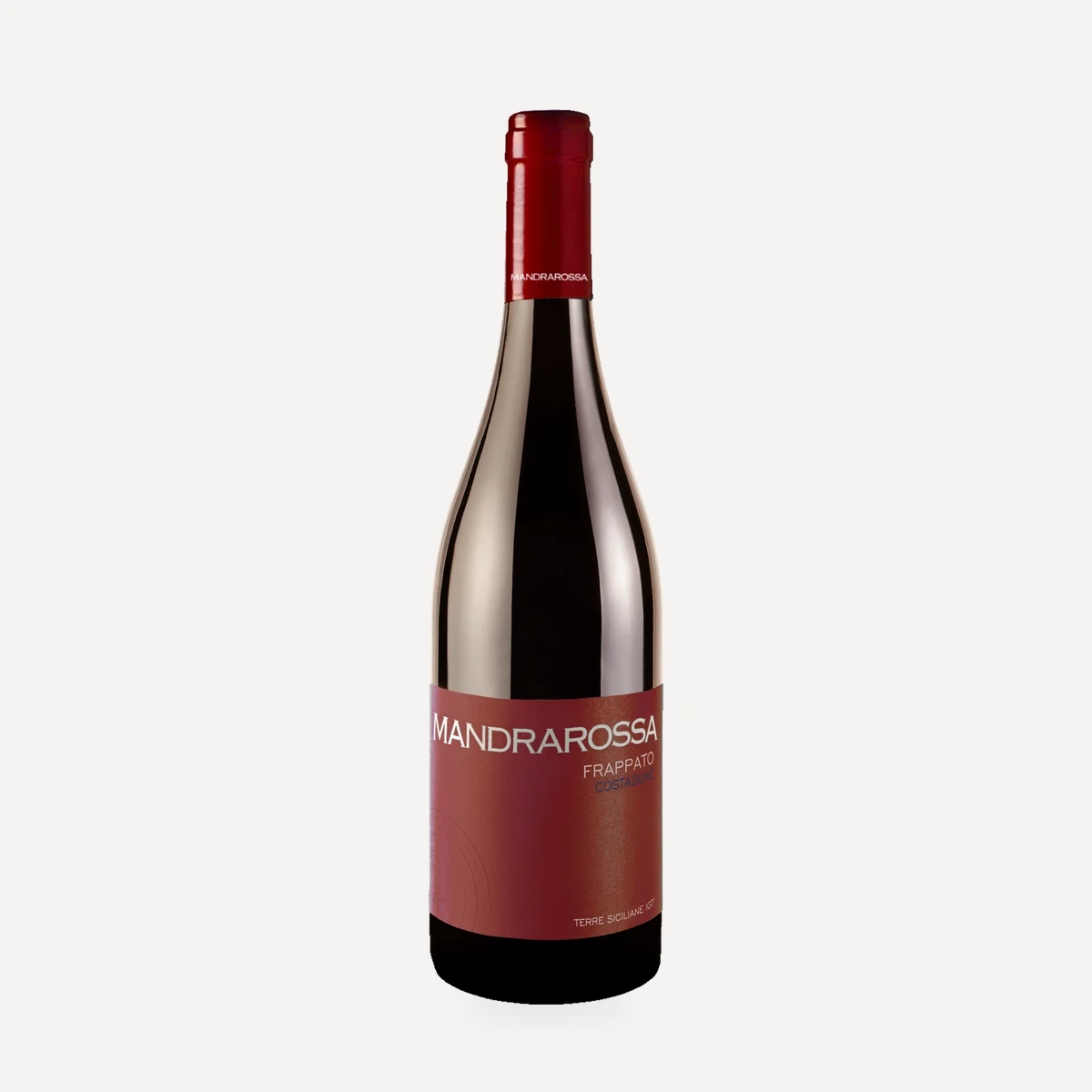
Costadune Frappato
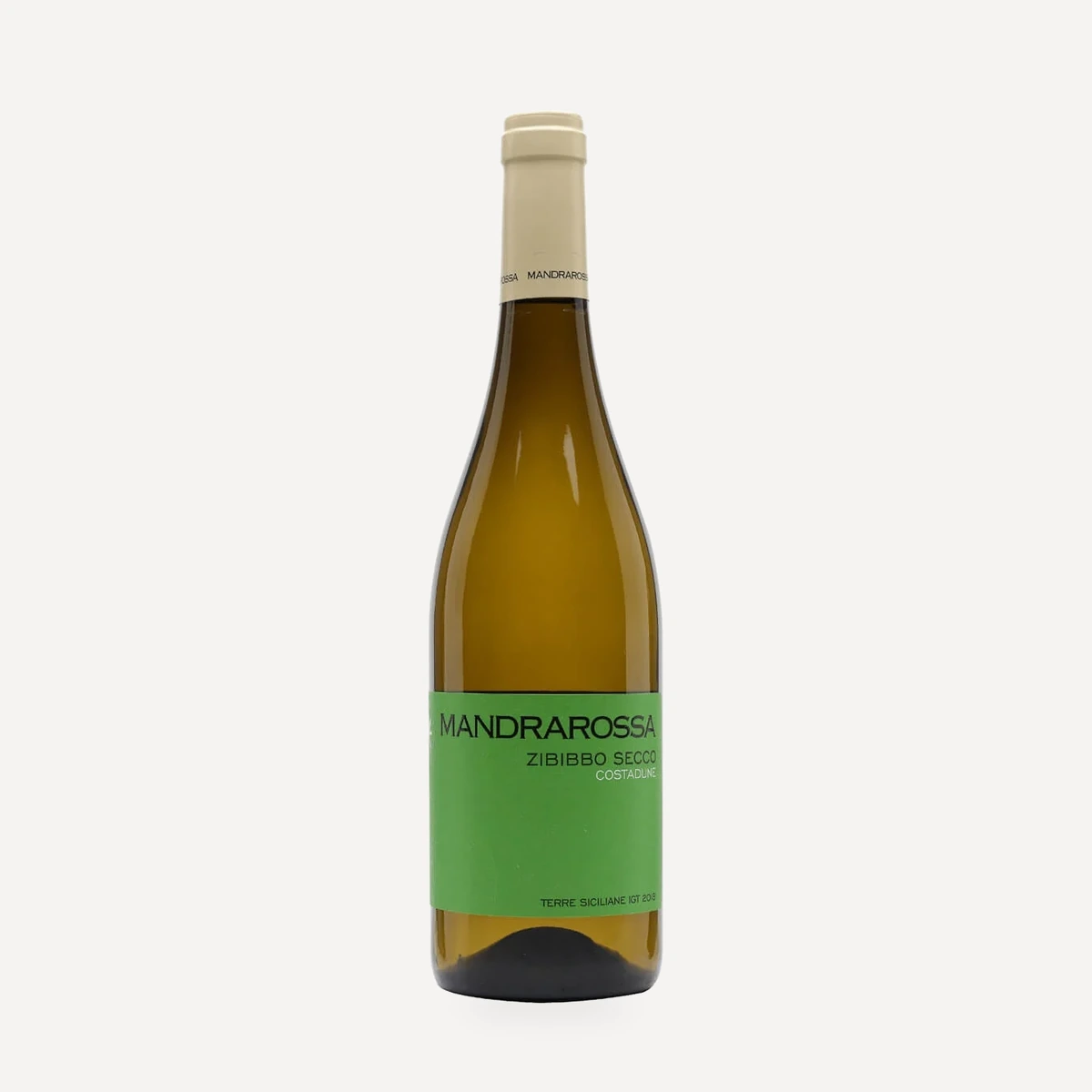
Costadune Zibibbo Secco
Serapias
Viognier Le Sénie
Bertolino Soprano
Bonera
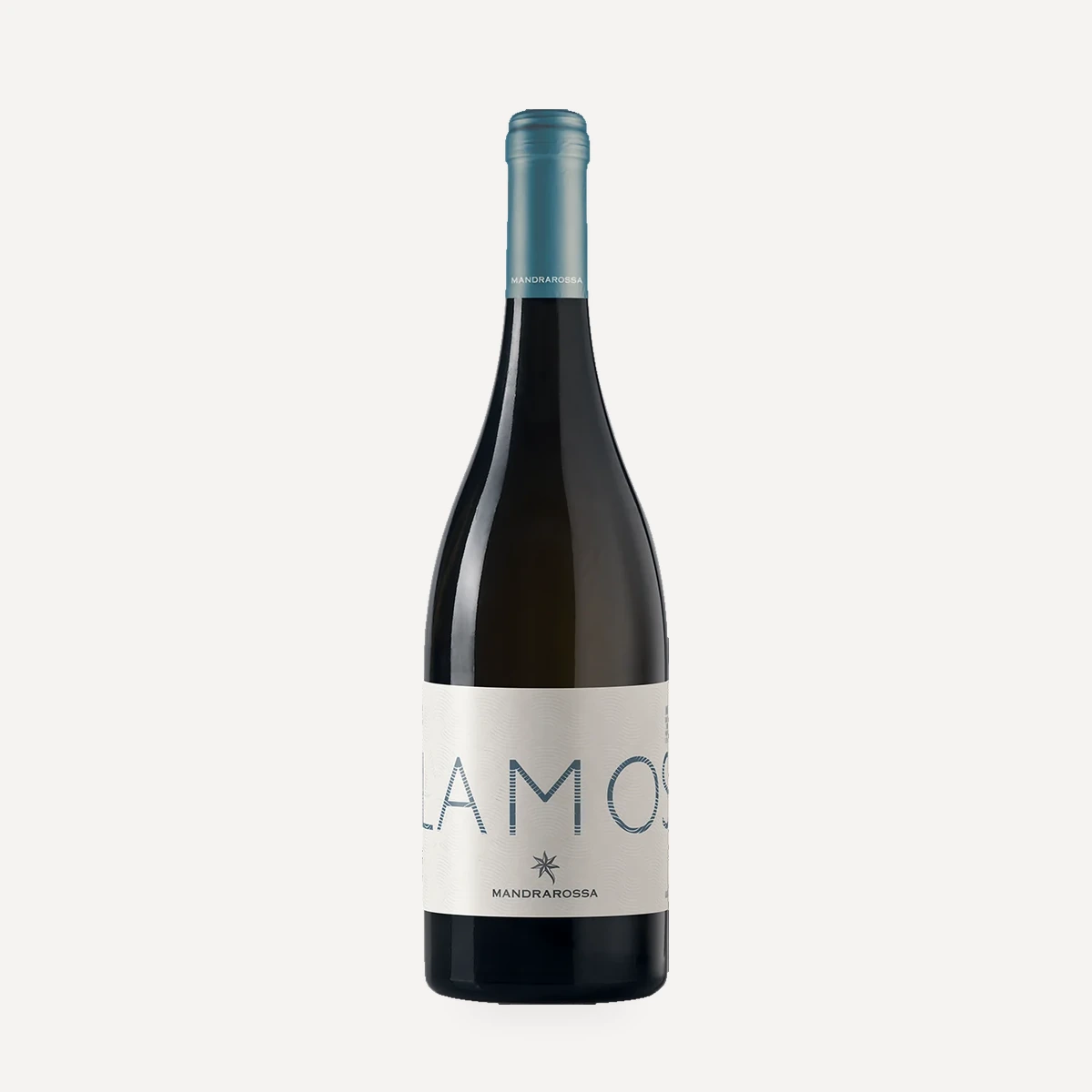
Calamossa
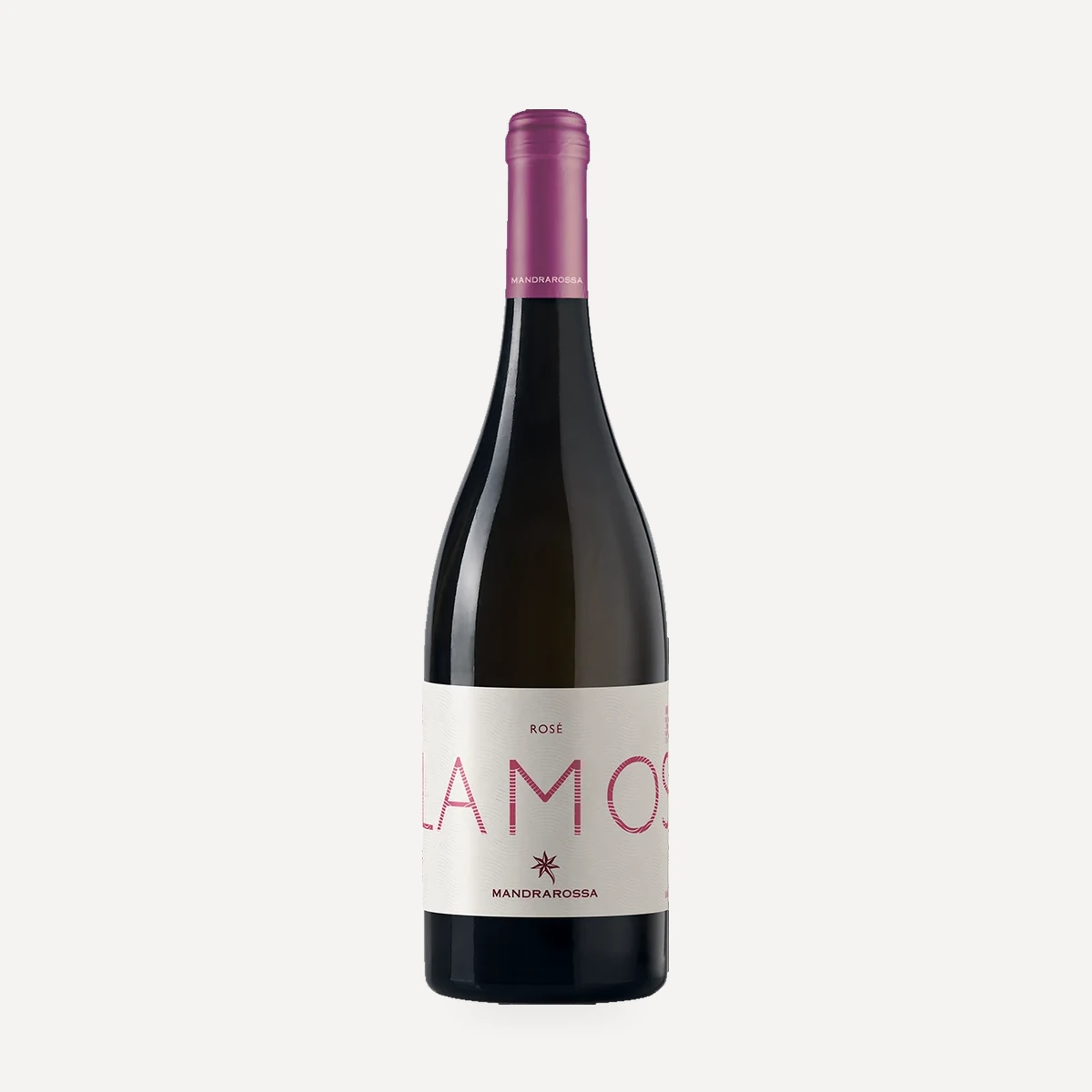
Calamossa Rosé
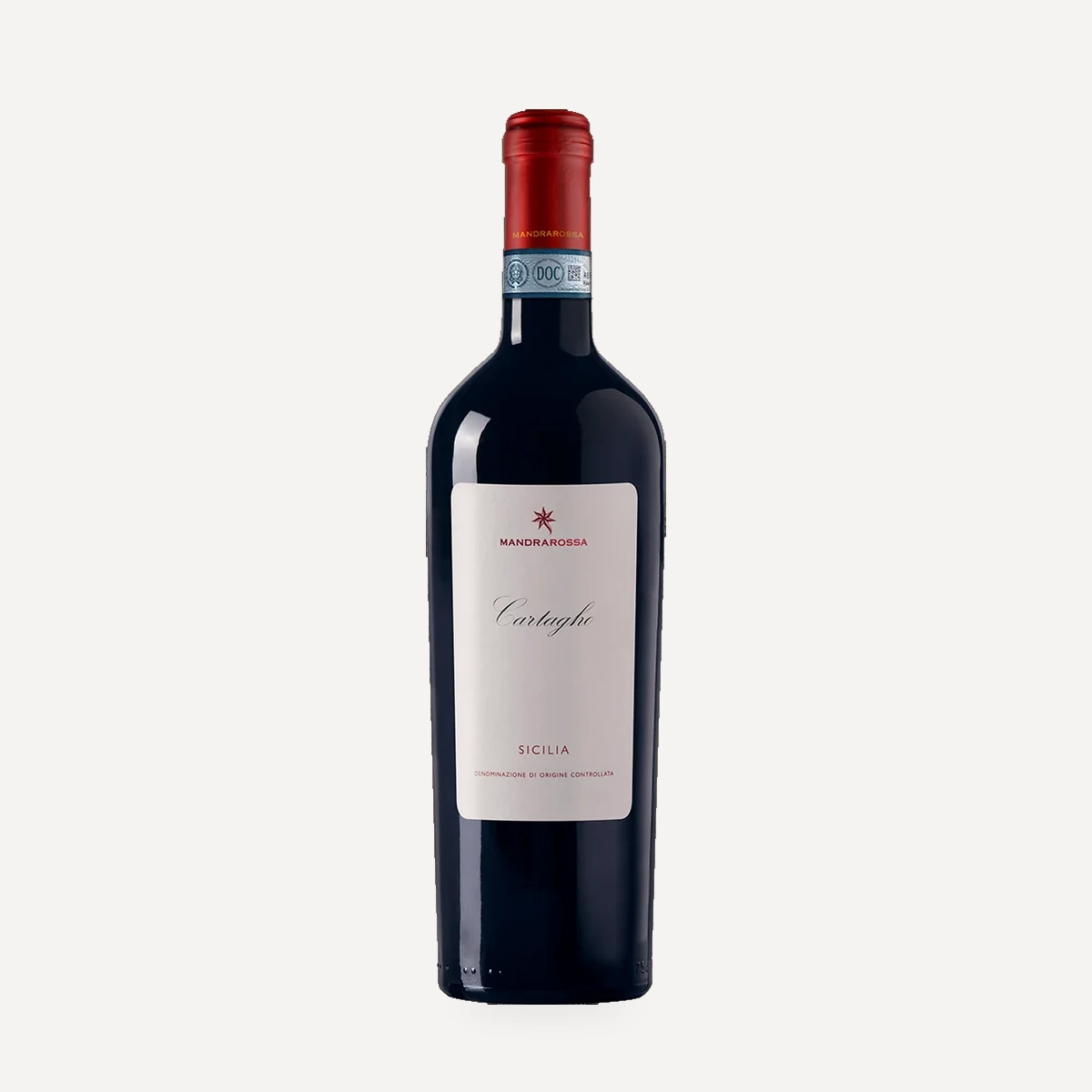
Cartagho
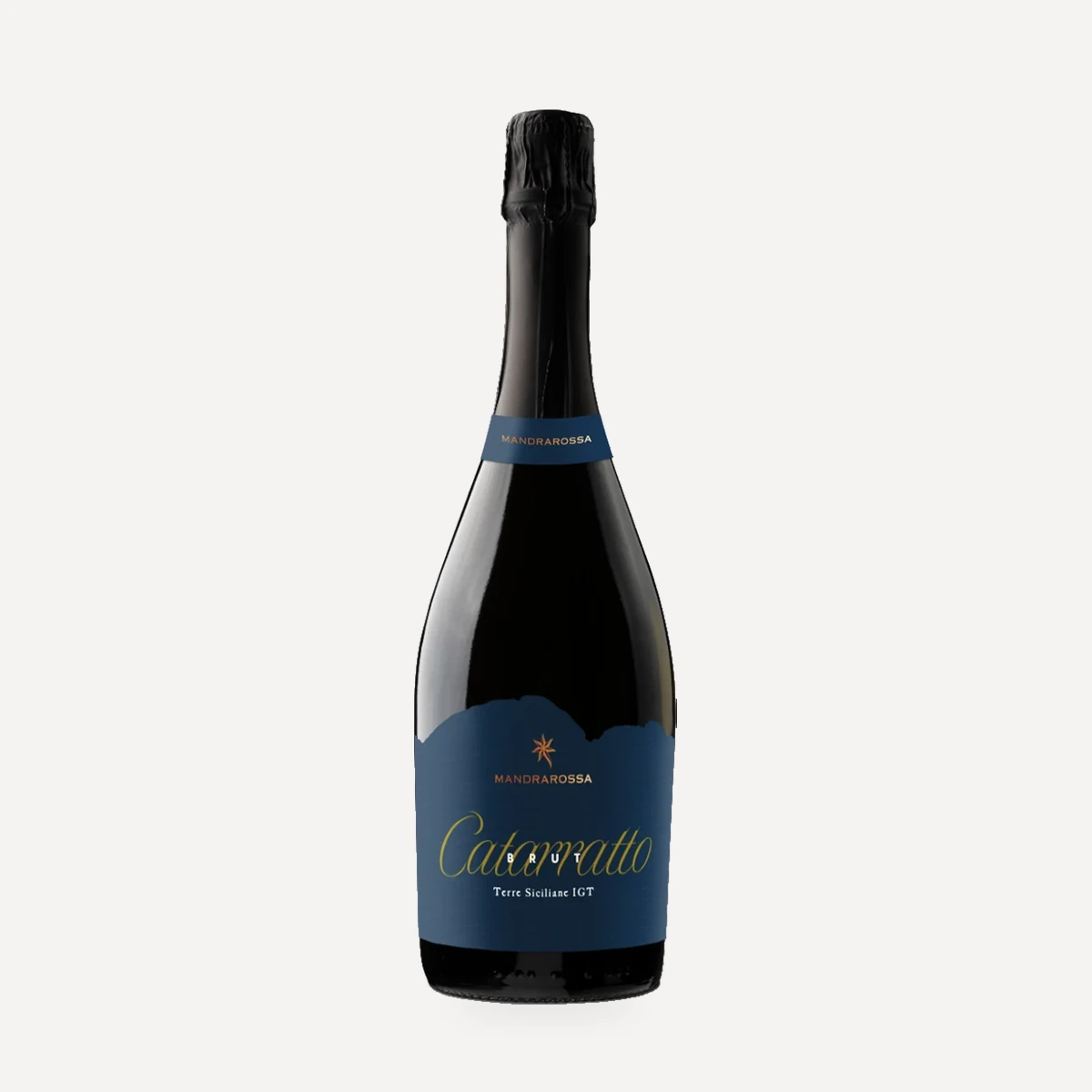
Catarratto Brut
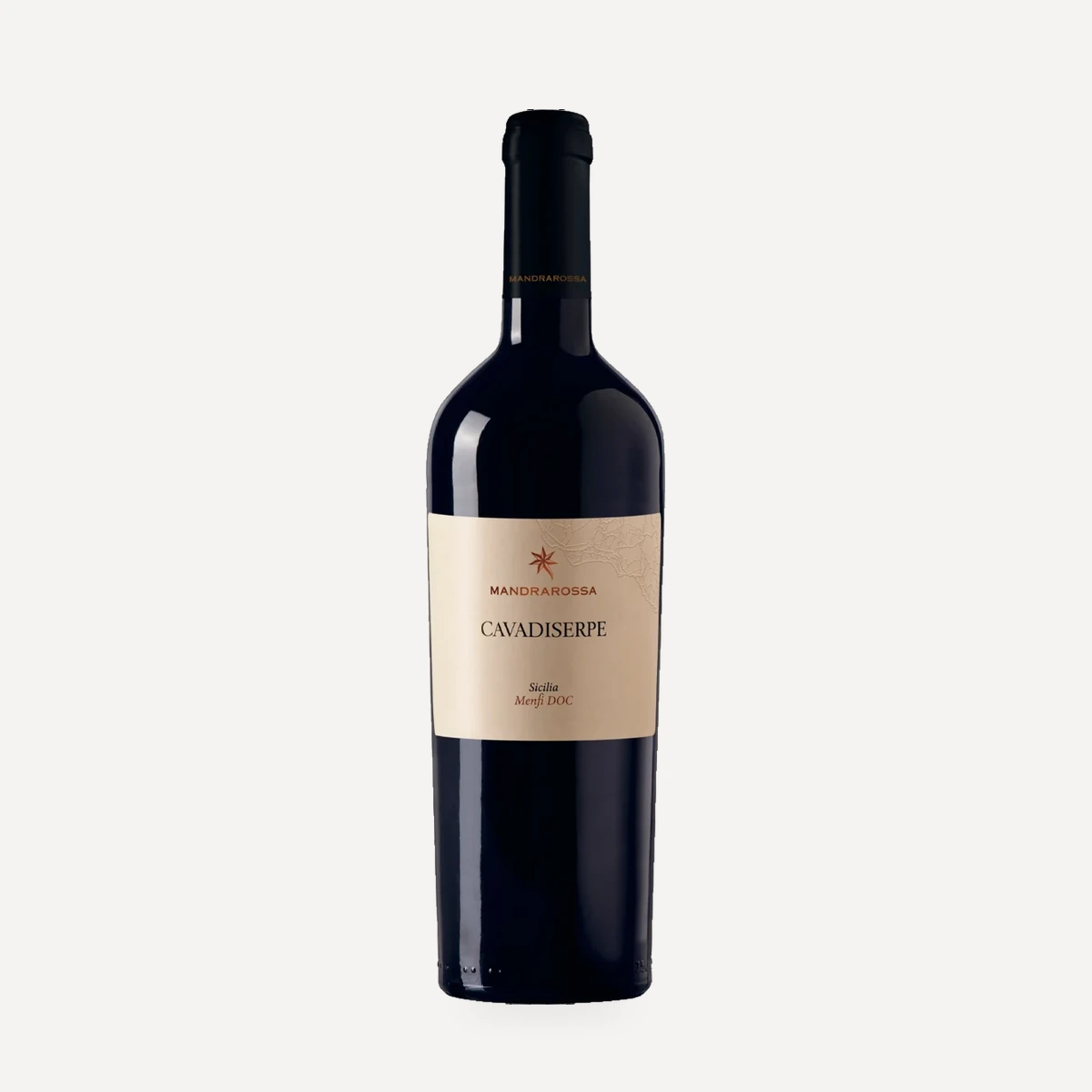
Cavadiserpe
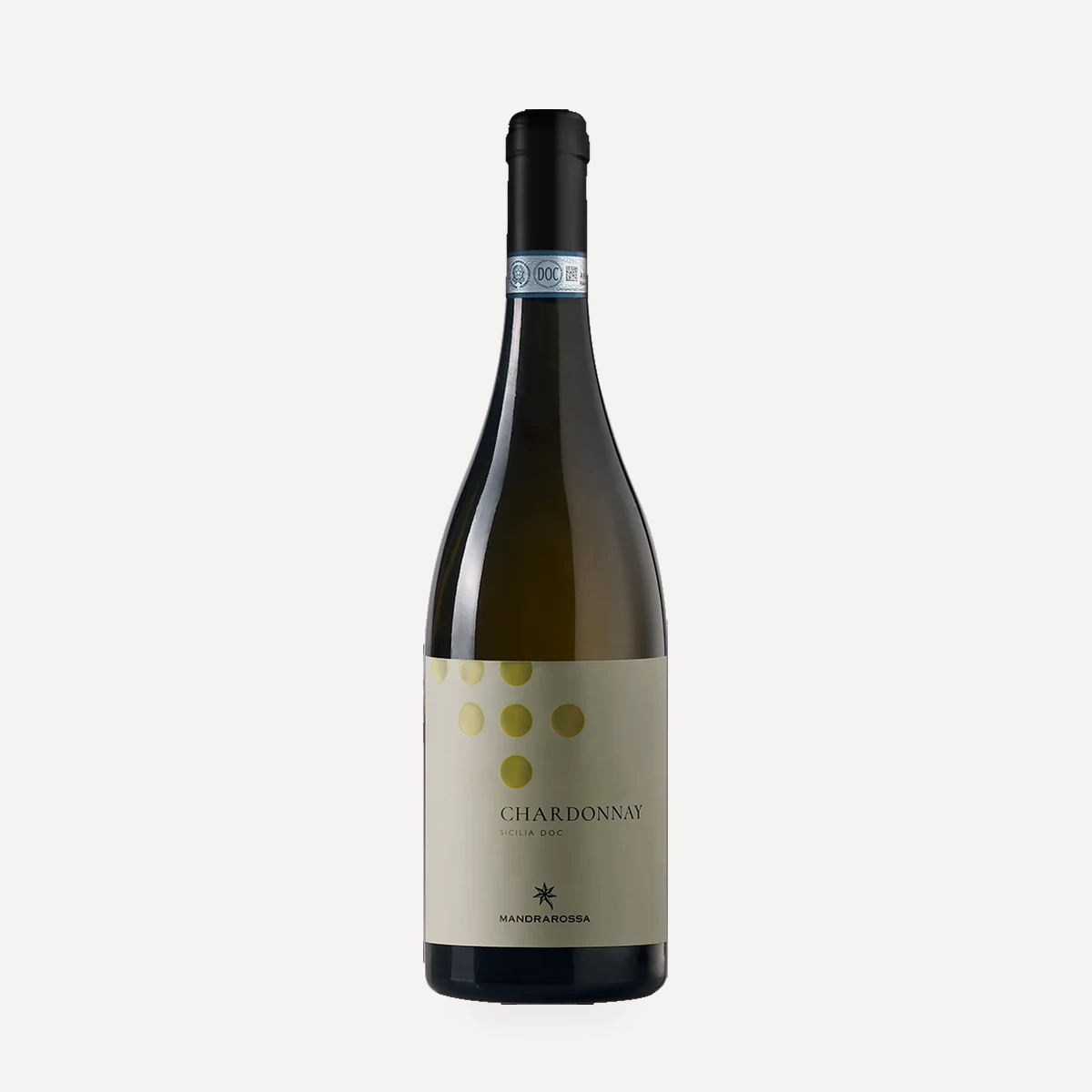
Chardonnay
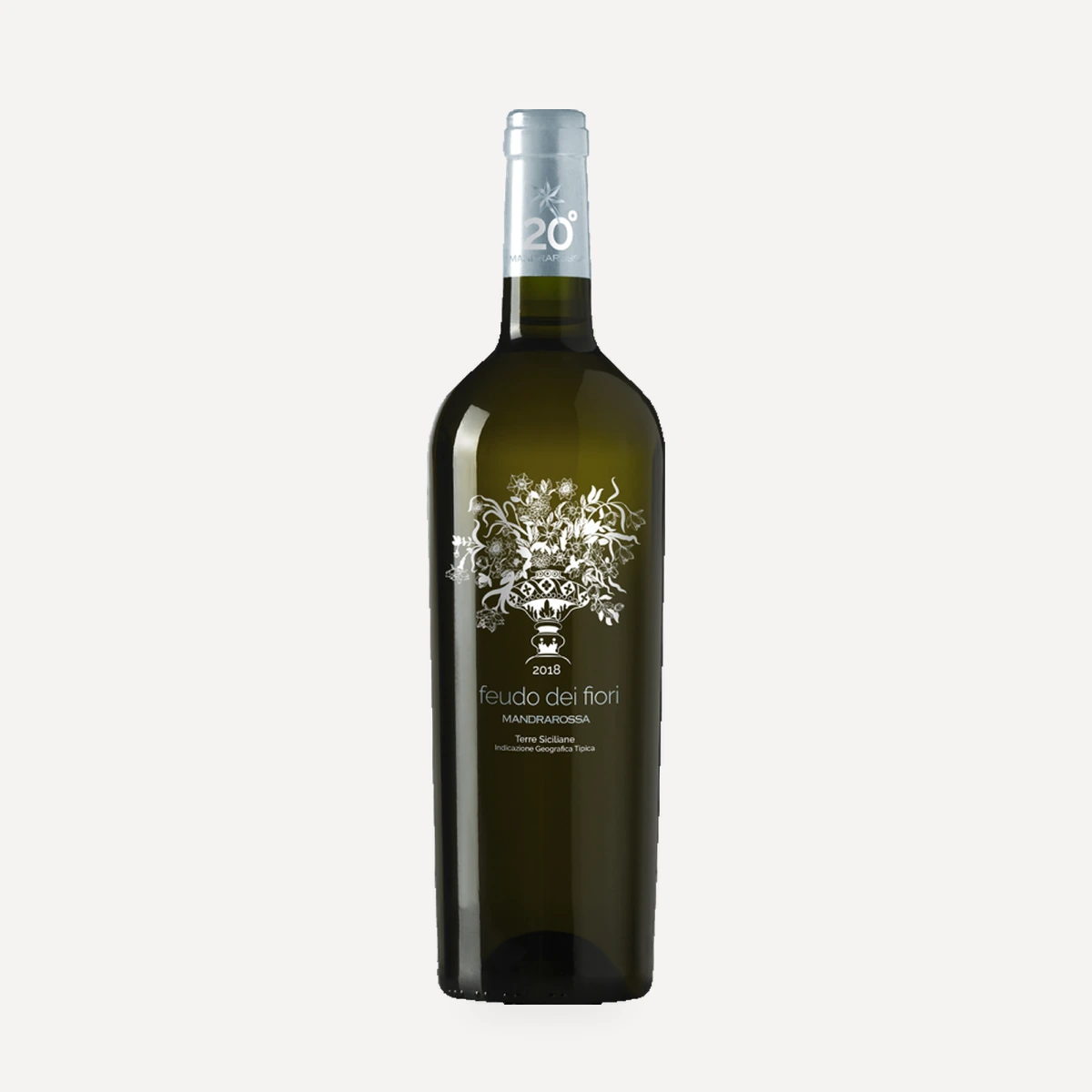
Feudo dei Fiori
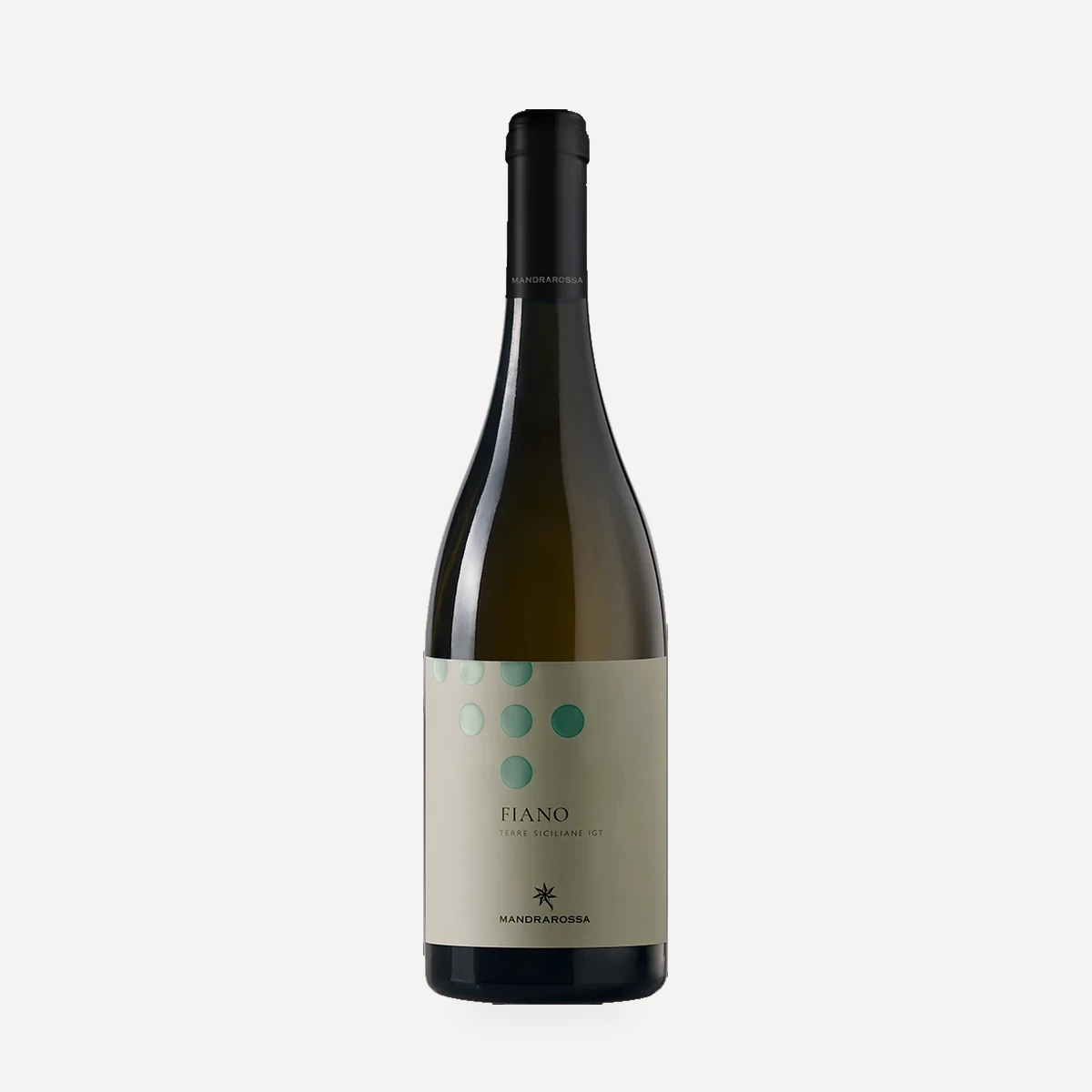
Fiano
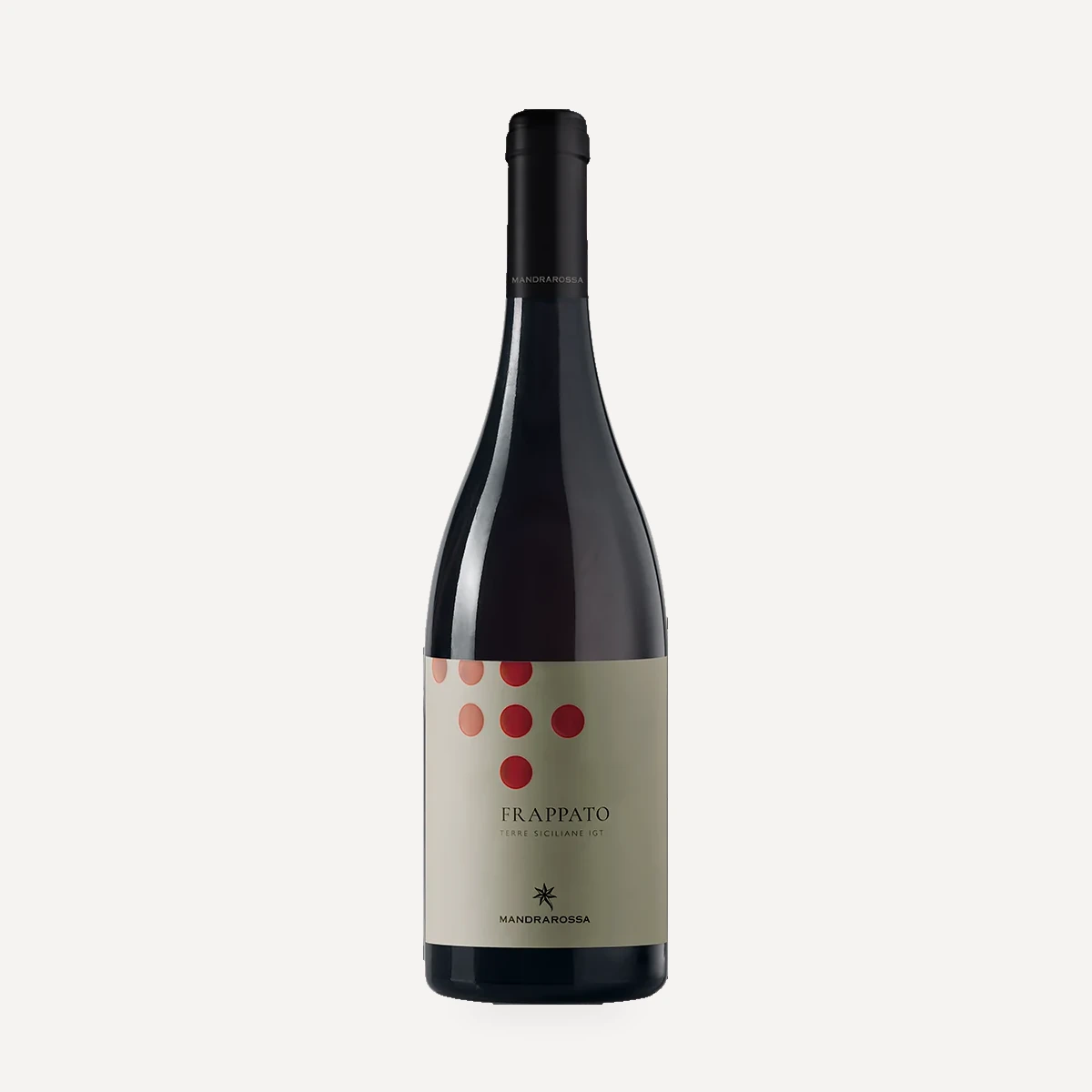
Frappato
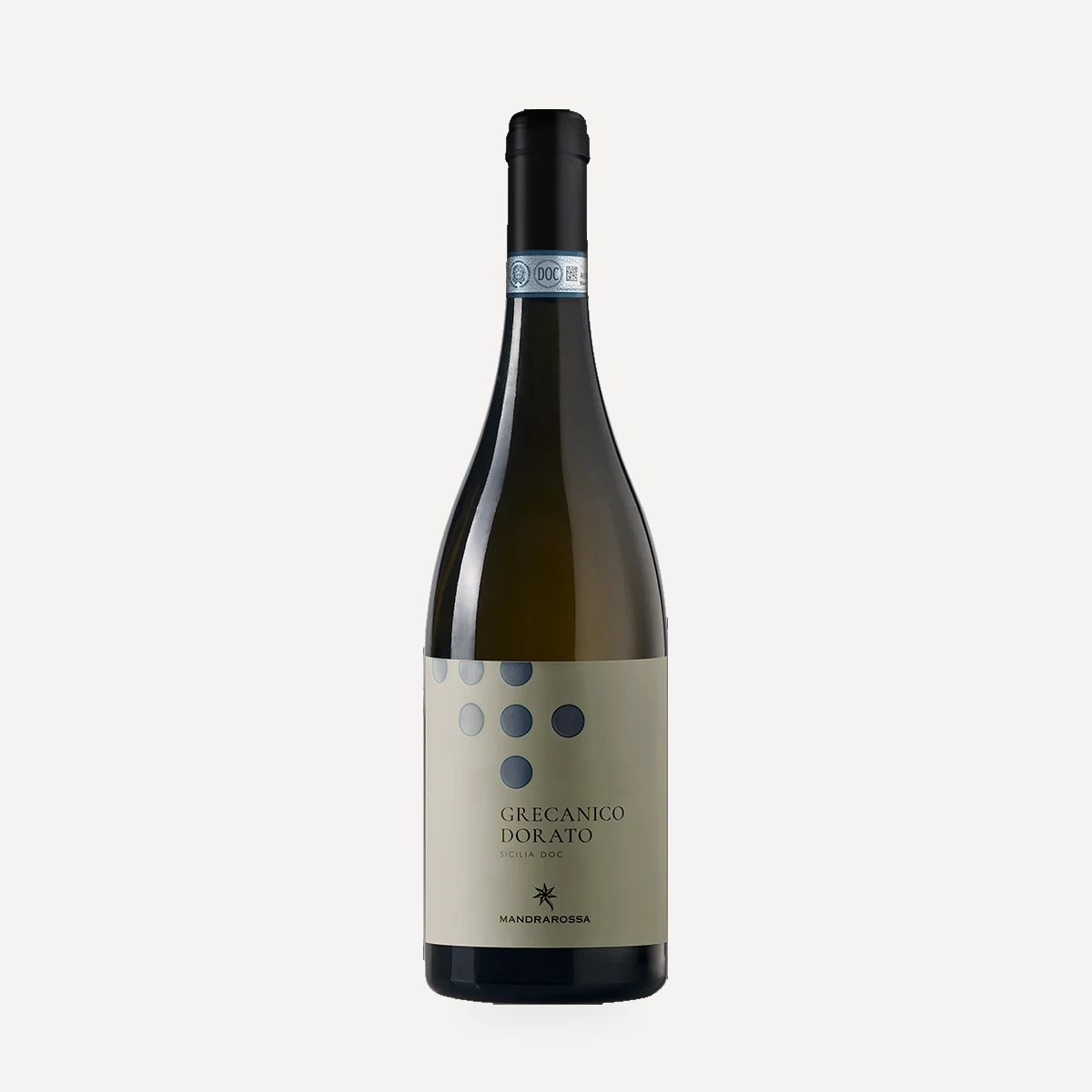
Grecanico Dorato
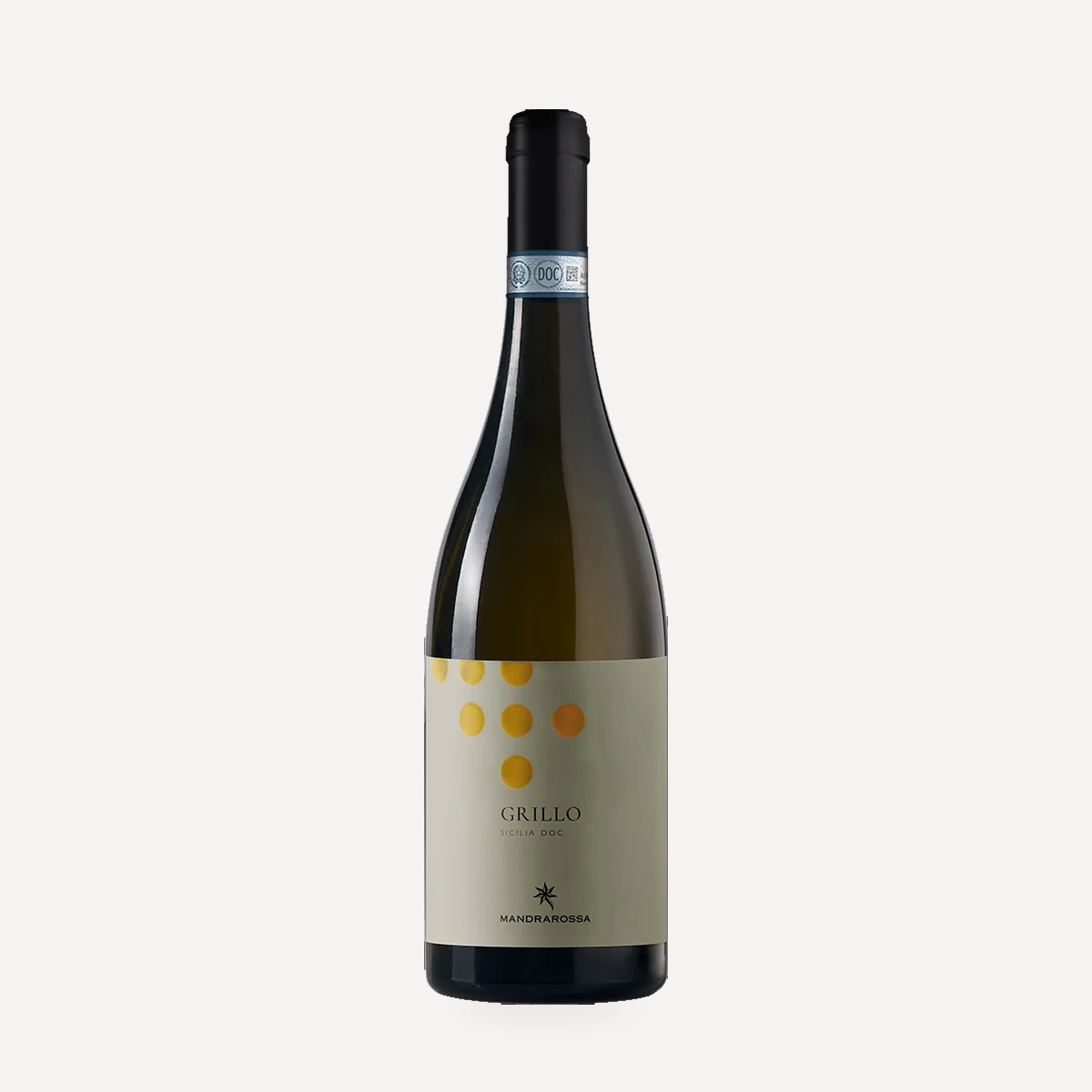
Grillo
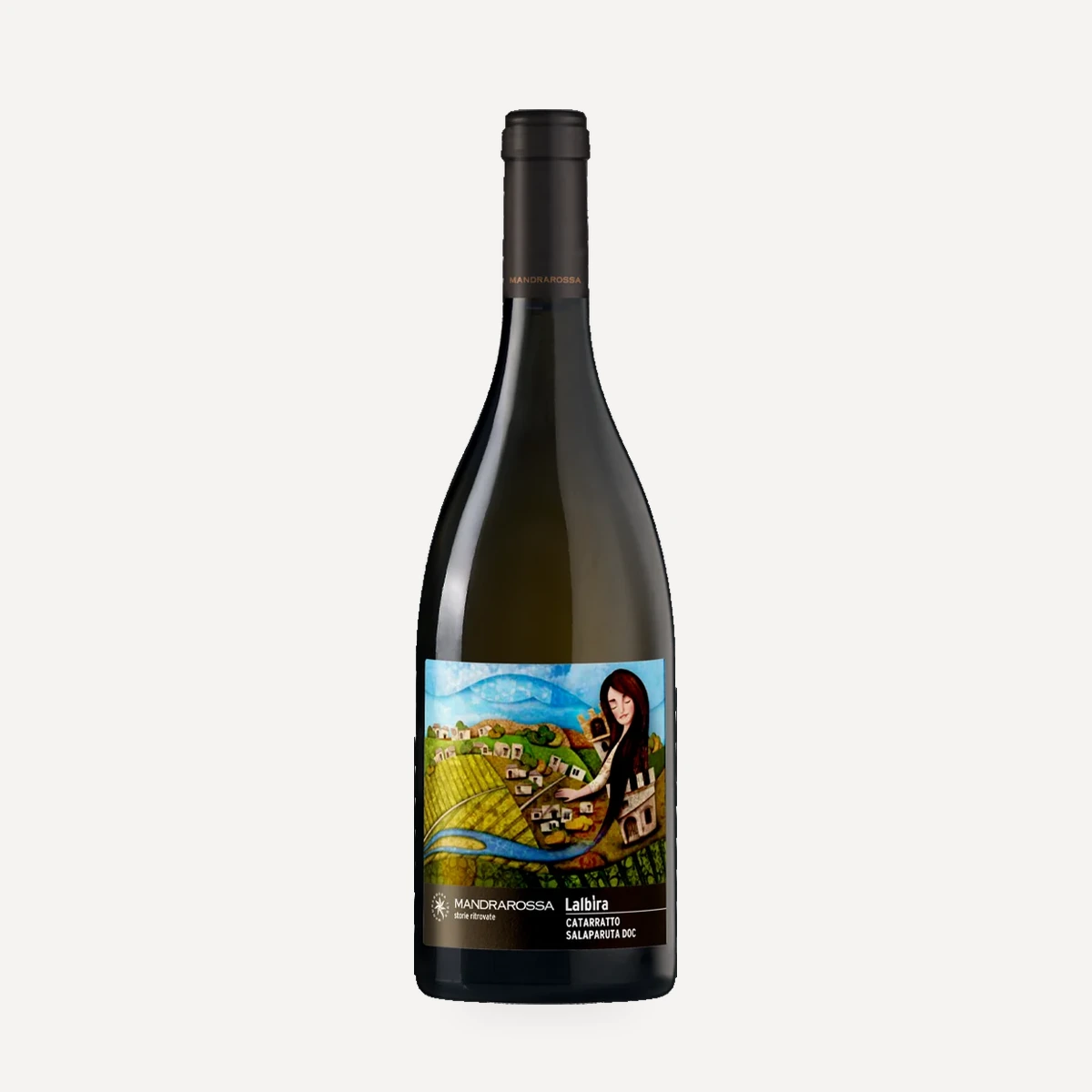
Lalbìra
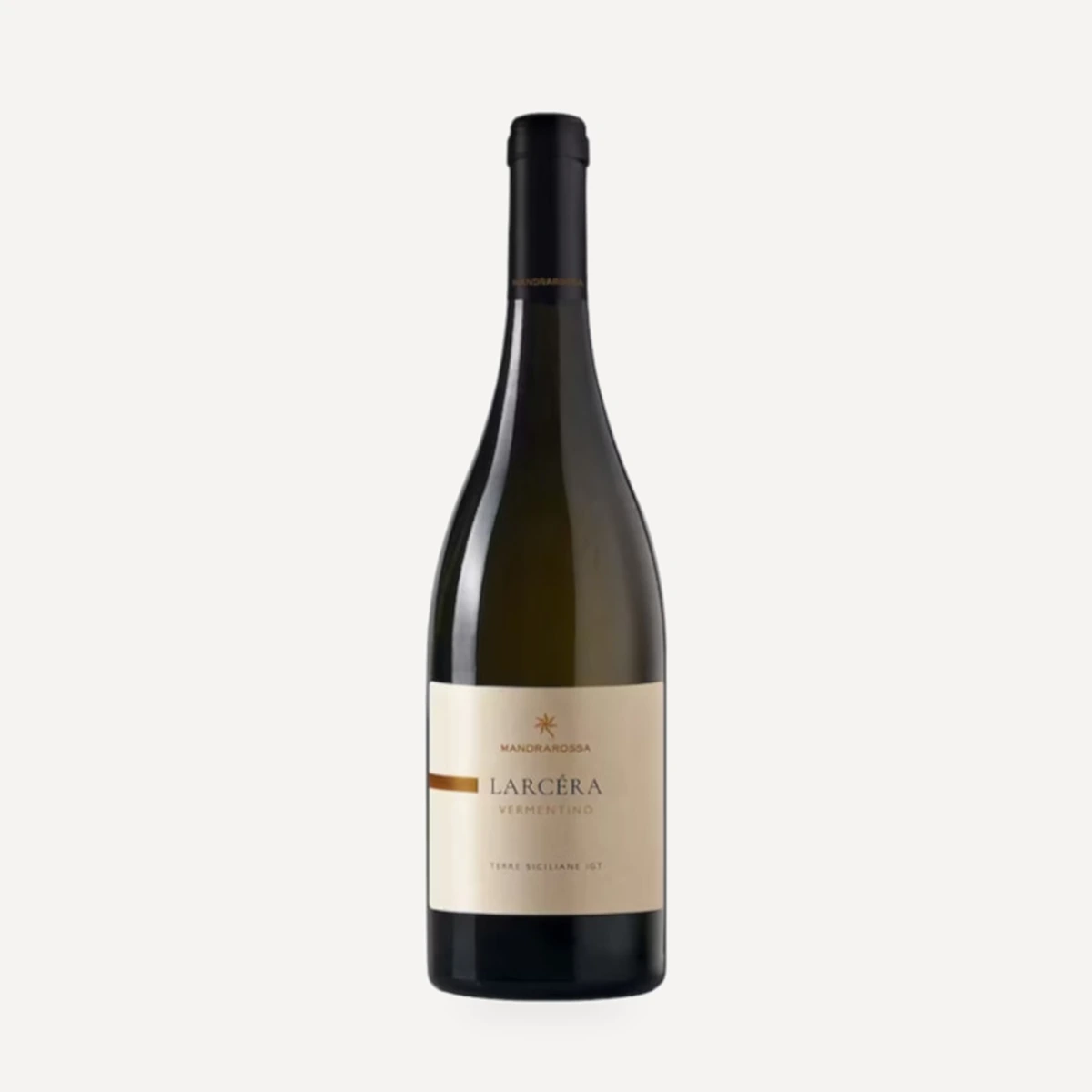
Larcéra
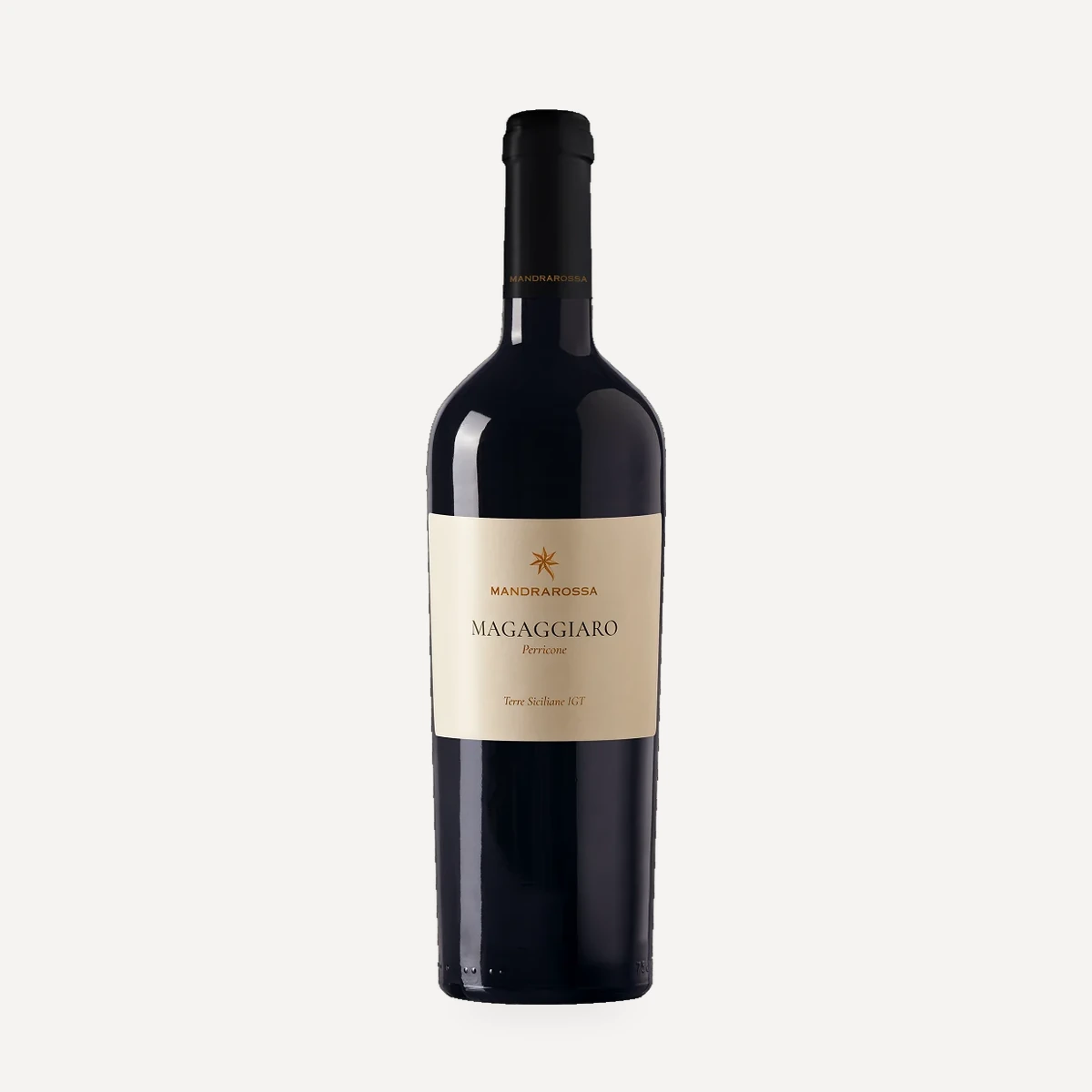
Magaggiaro
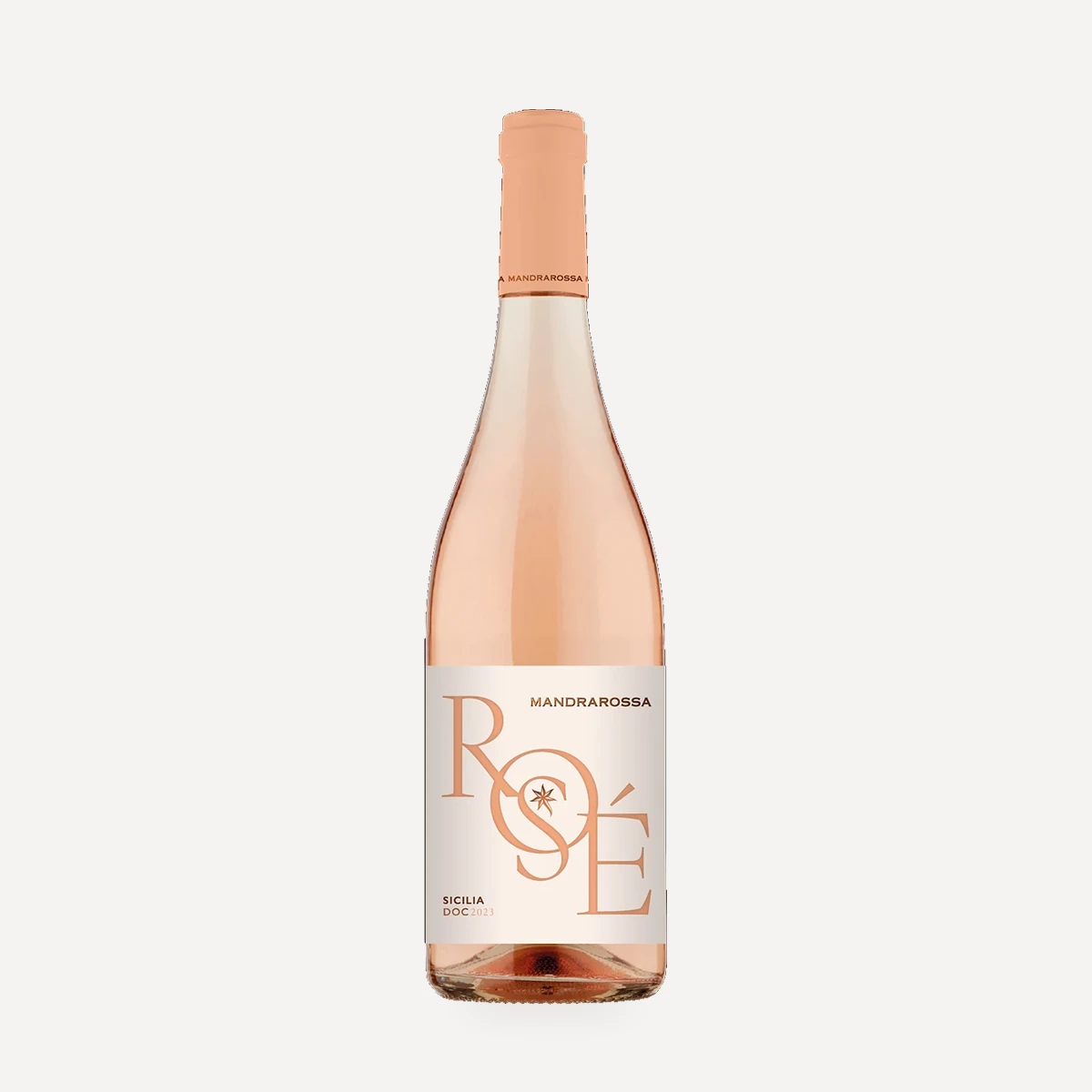
Mandrarossa Rosé
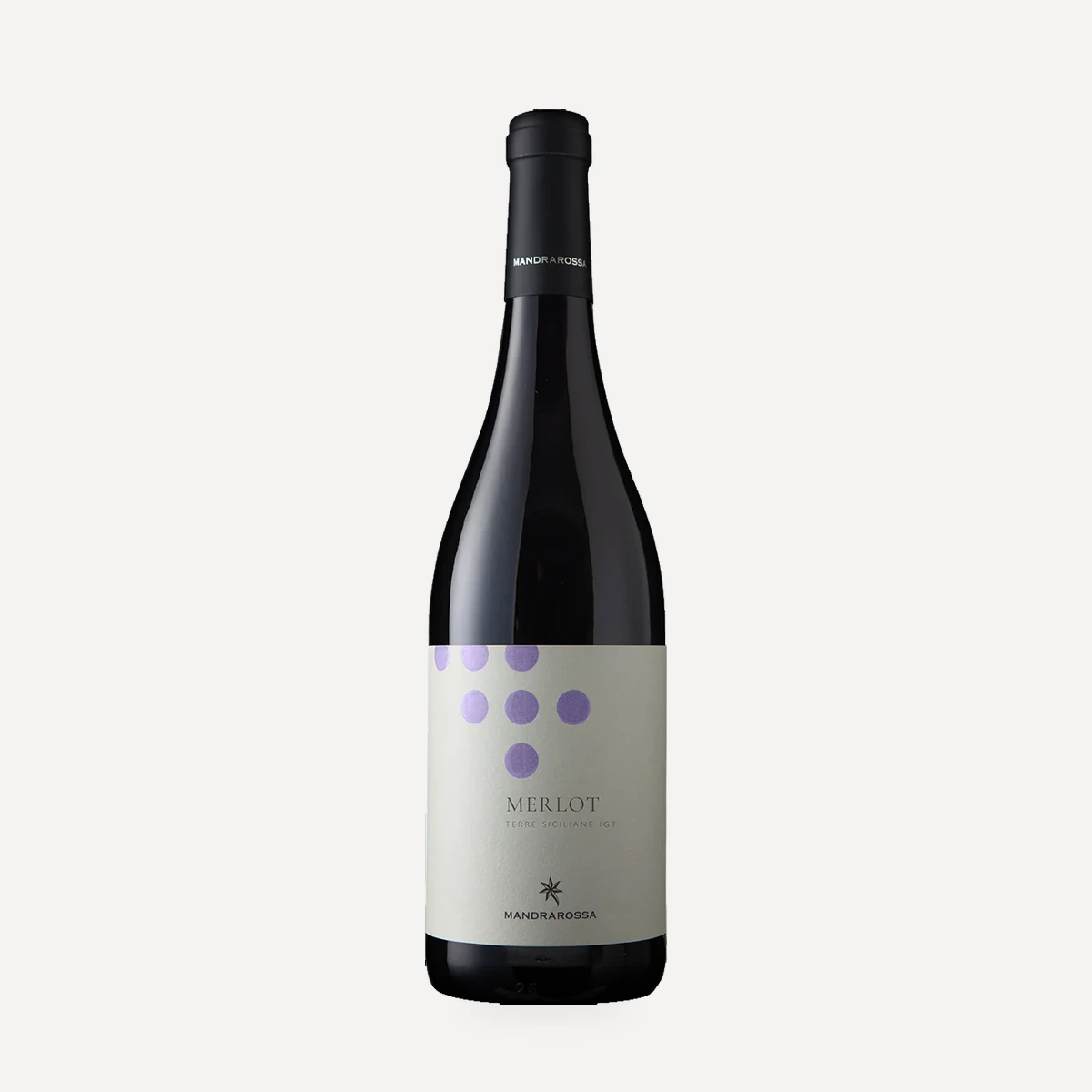
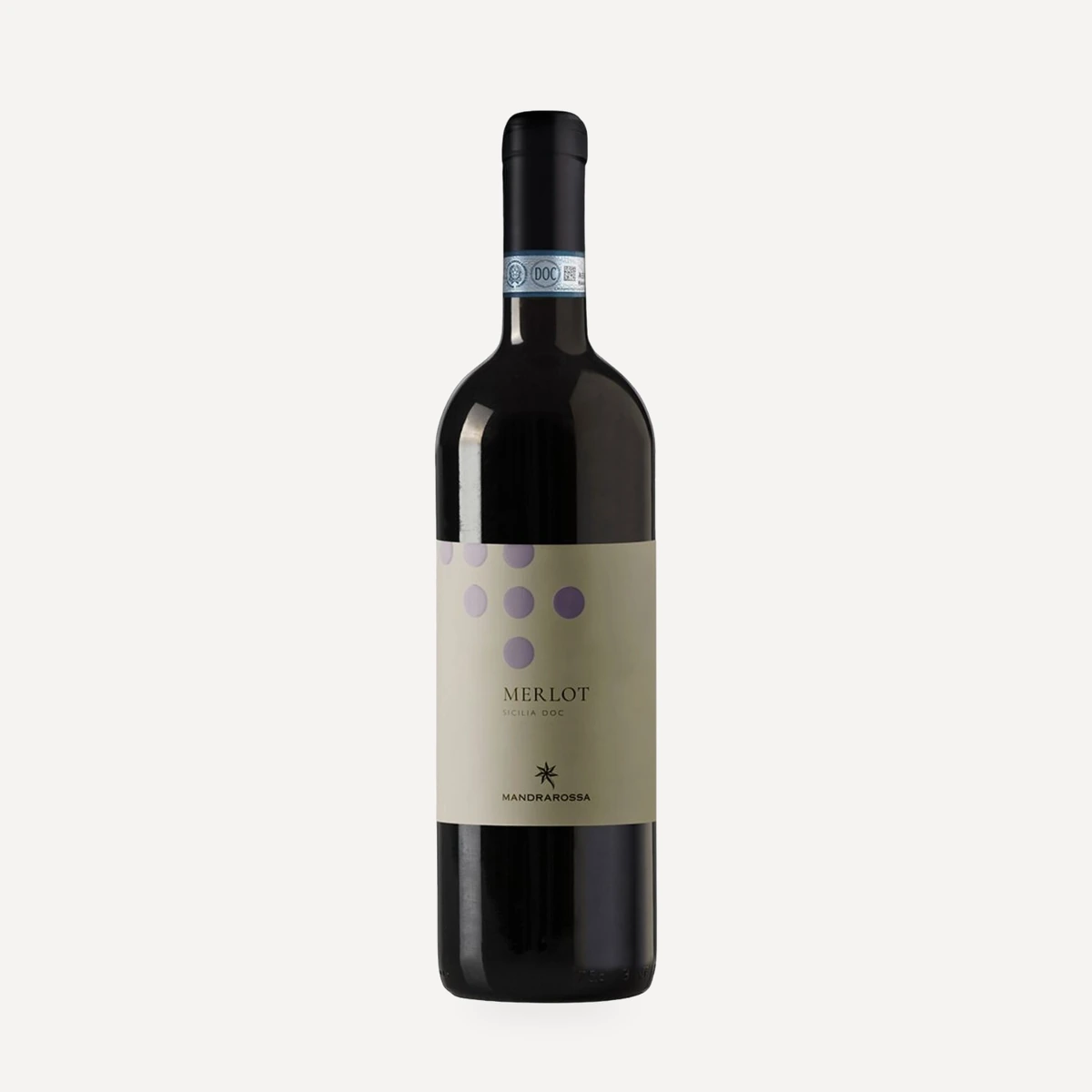
Merlot
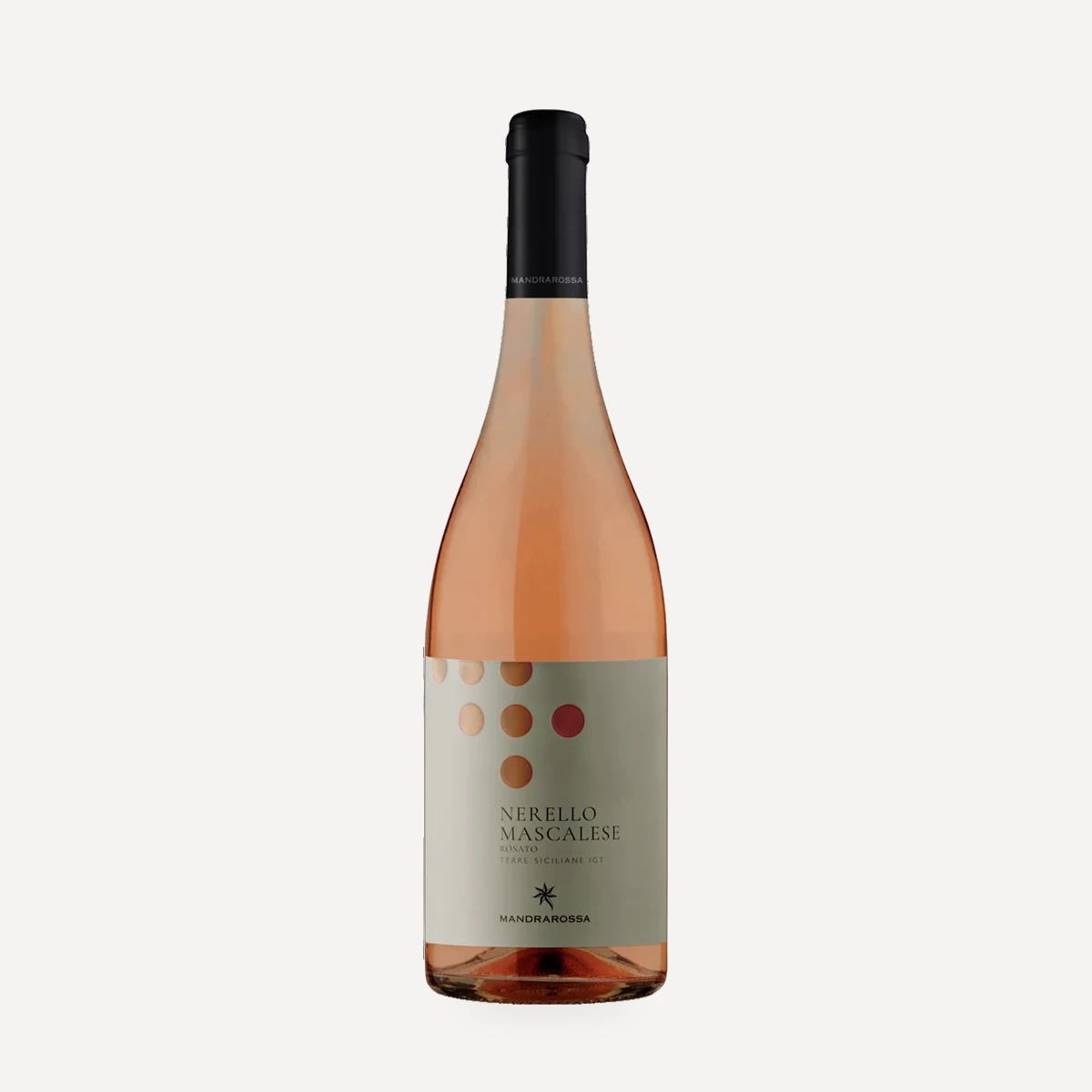
Nerello Mascalese Rosato
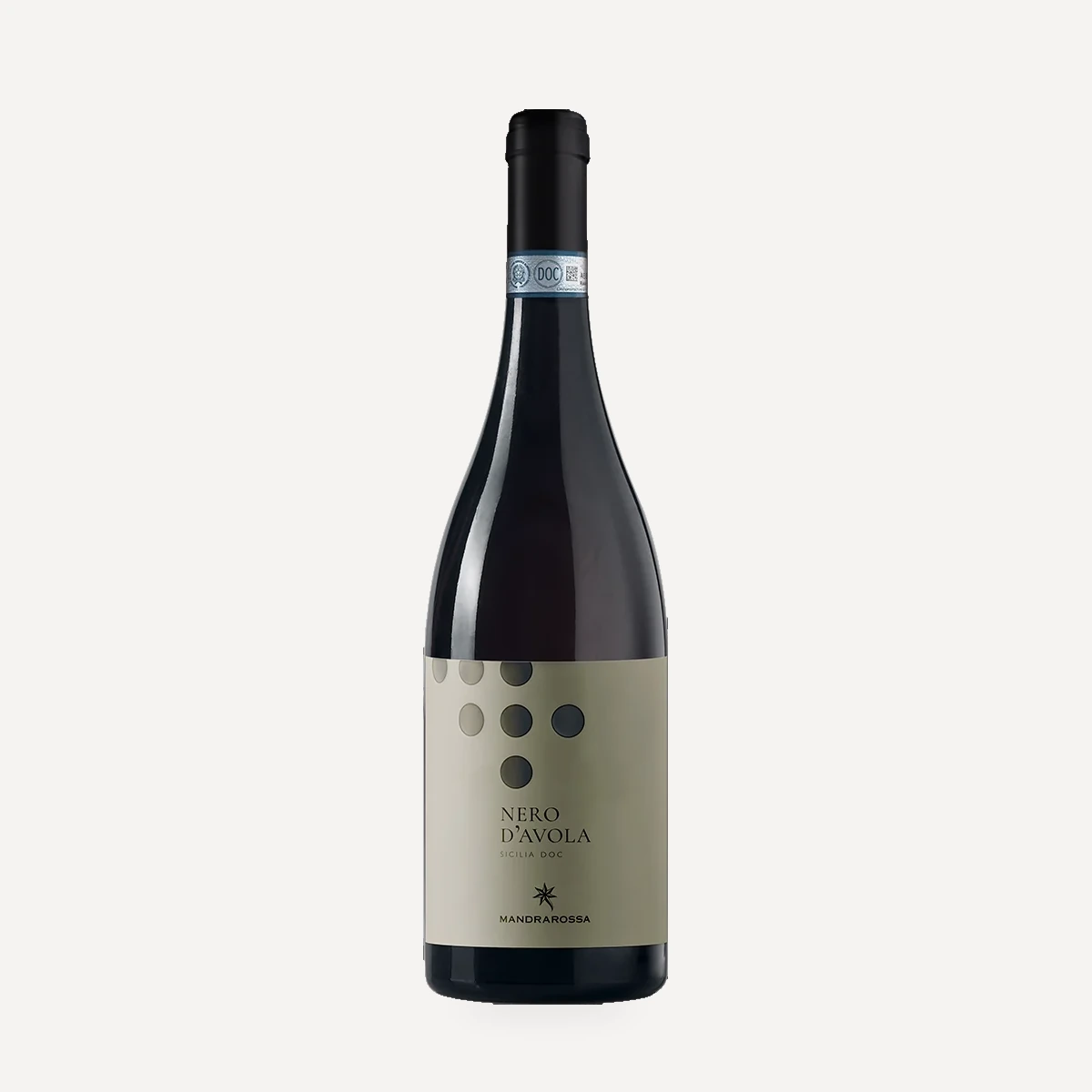
Nero d'Avola
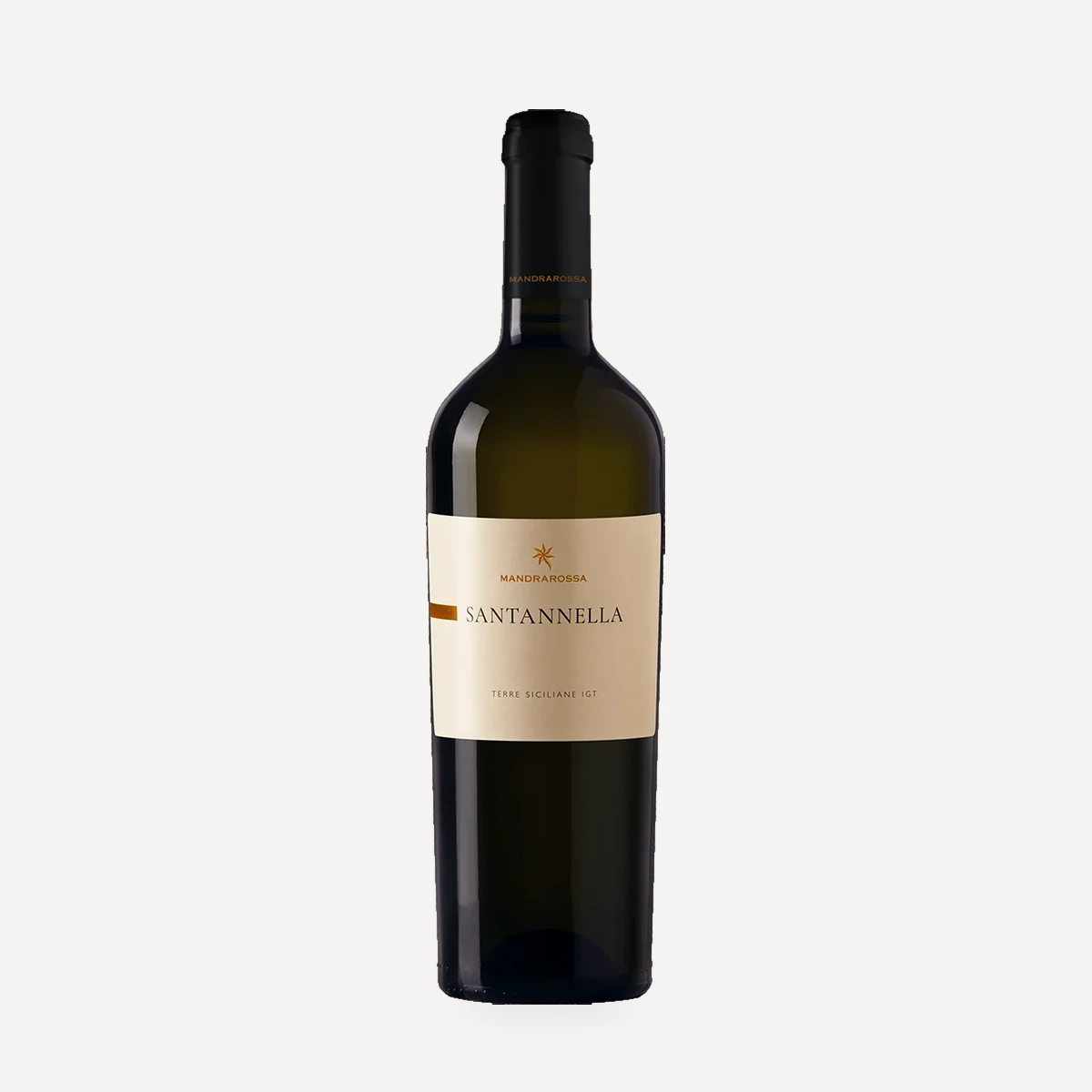
Santannella
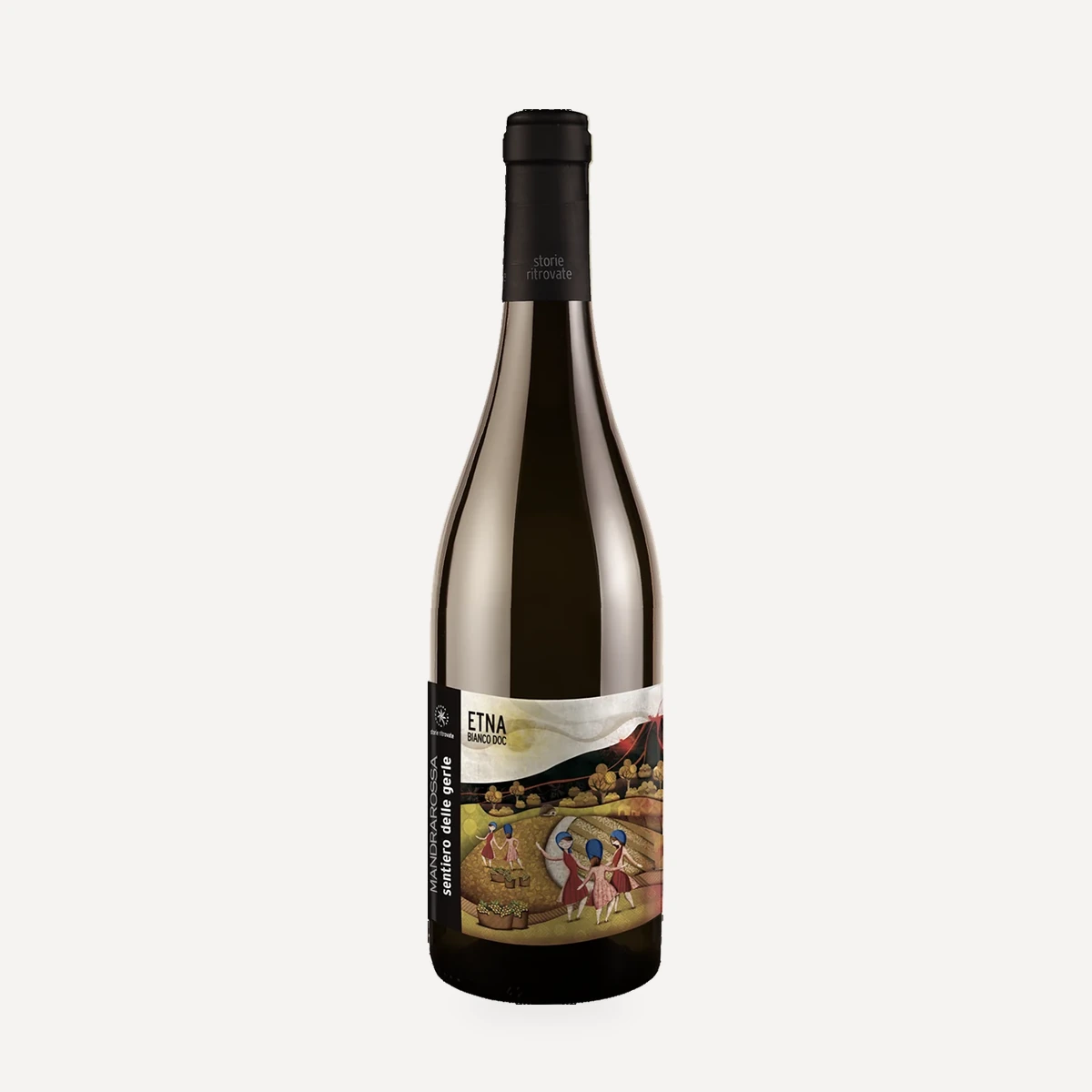
Sentiero delle Gerle Etna Bianco DOC
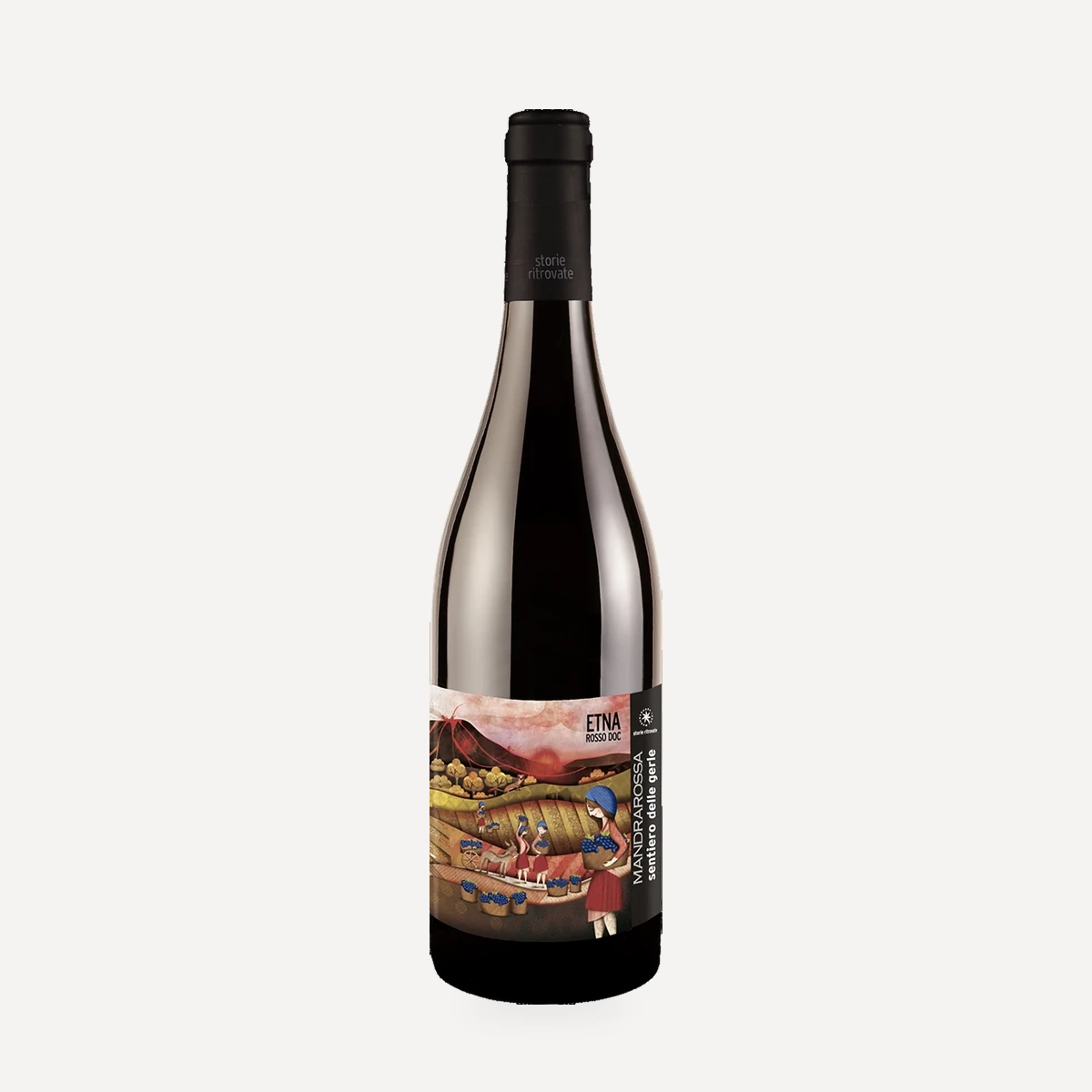
Sentiero delle Gerle Etna Rosso DOC
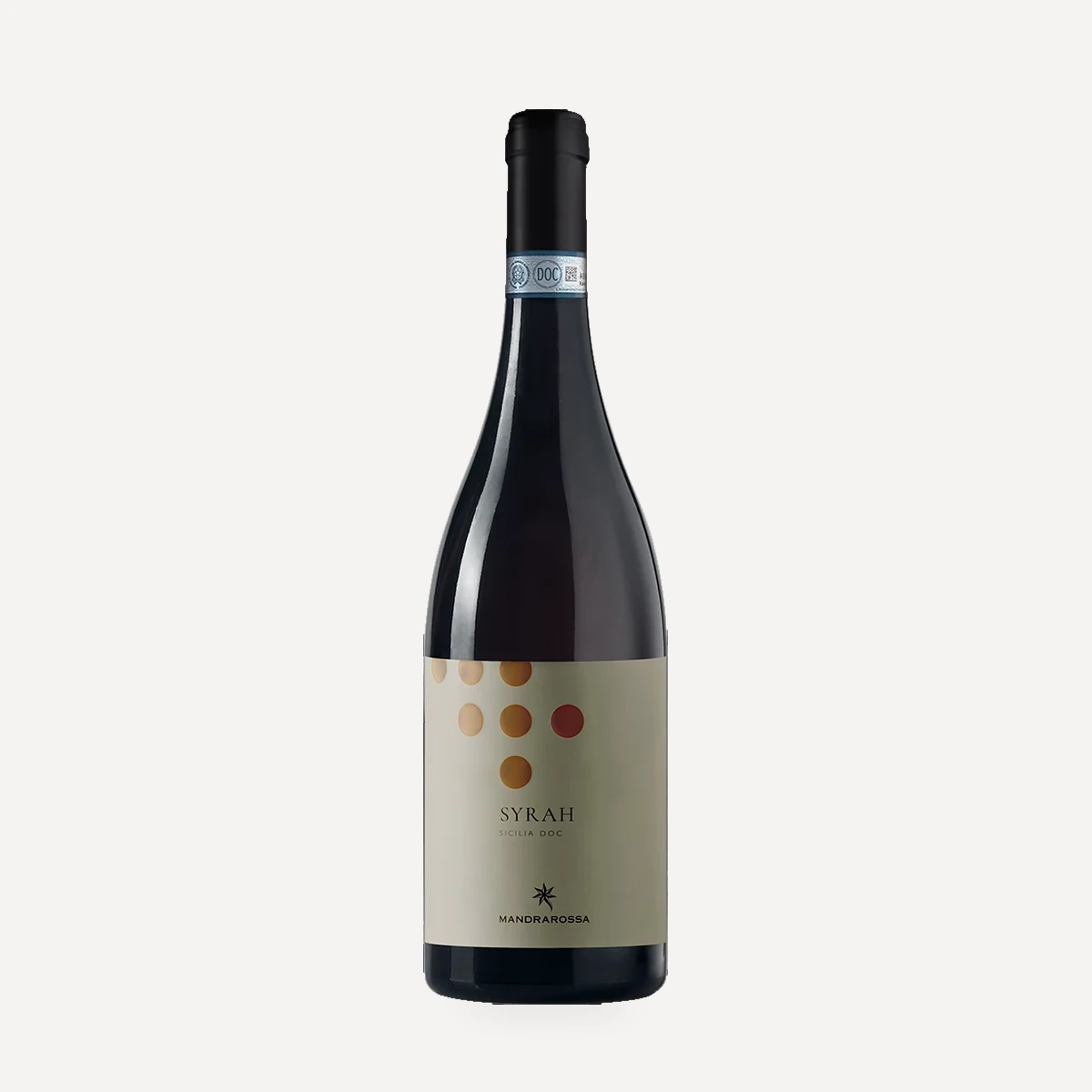
Syrah
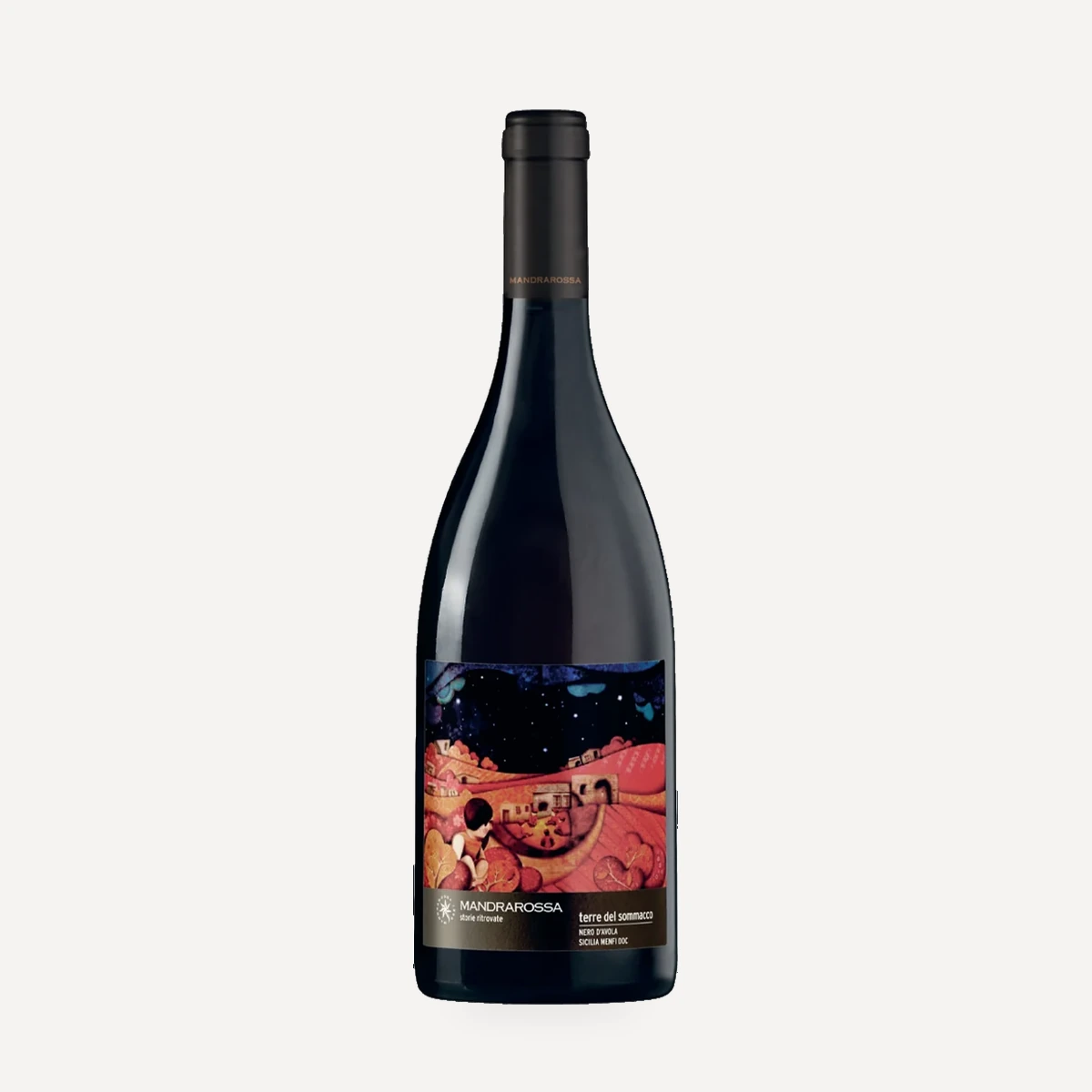
Terre del Sommacco
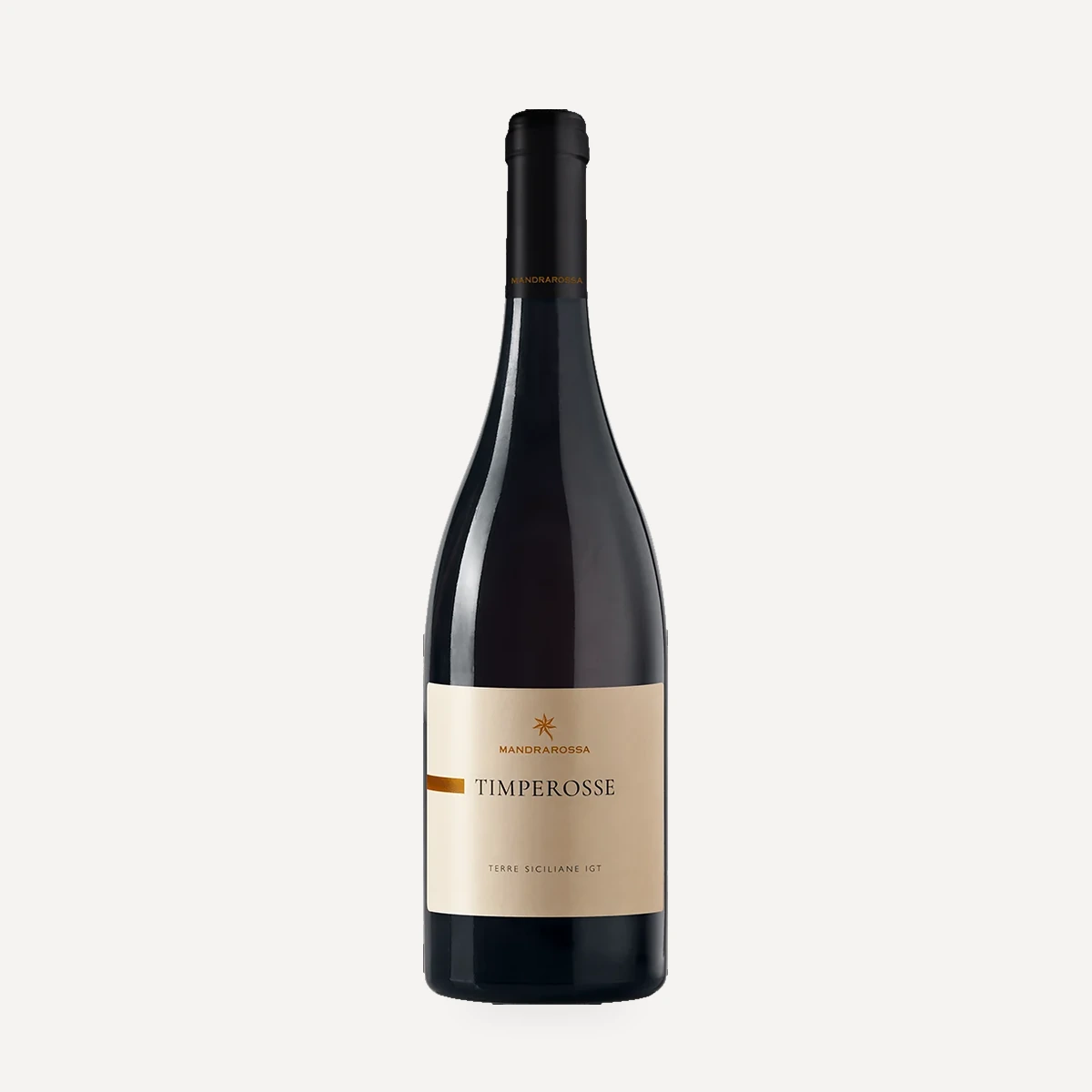
Timperosse
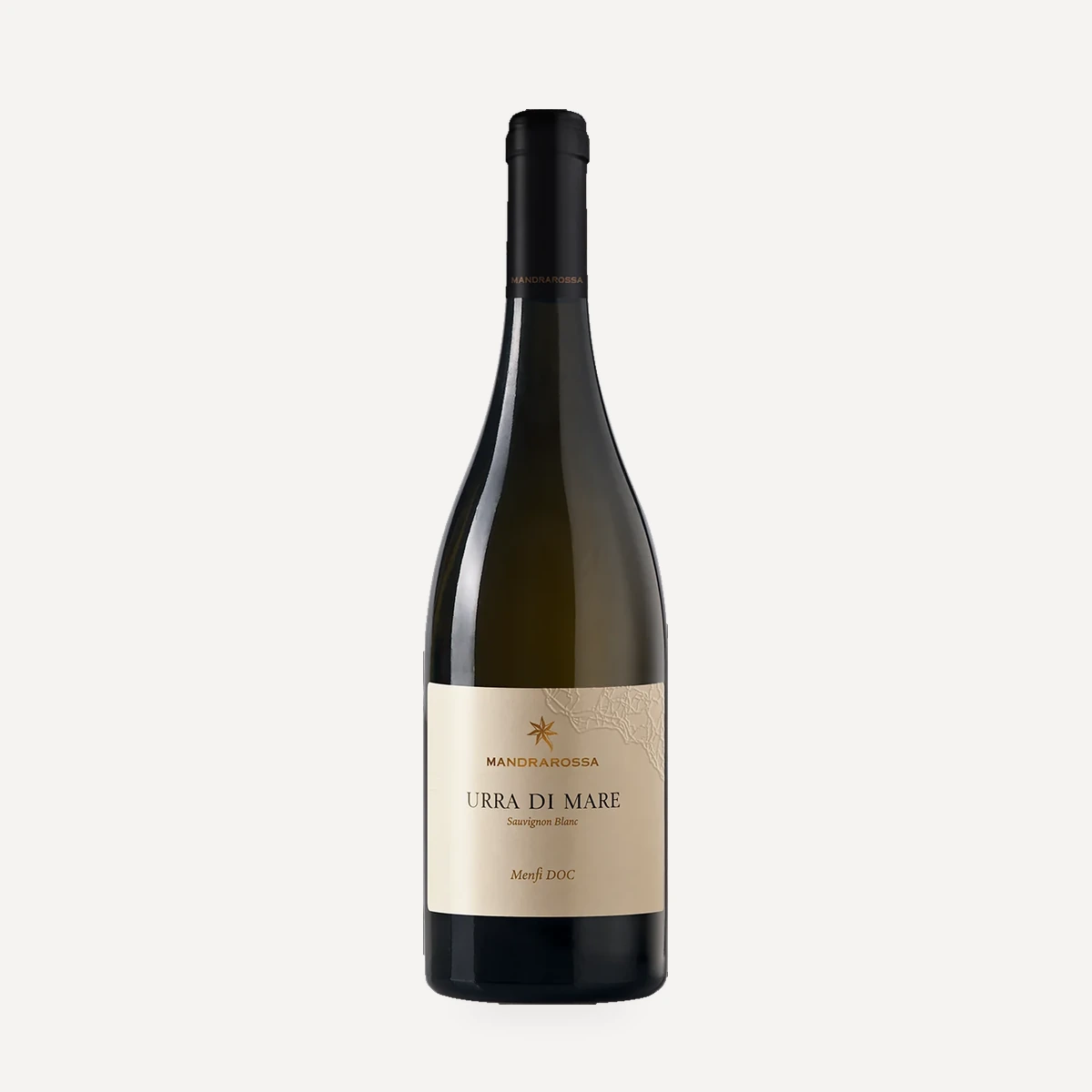
Urra di Mare
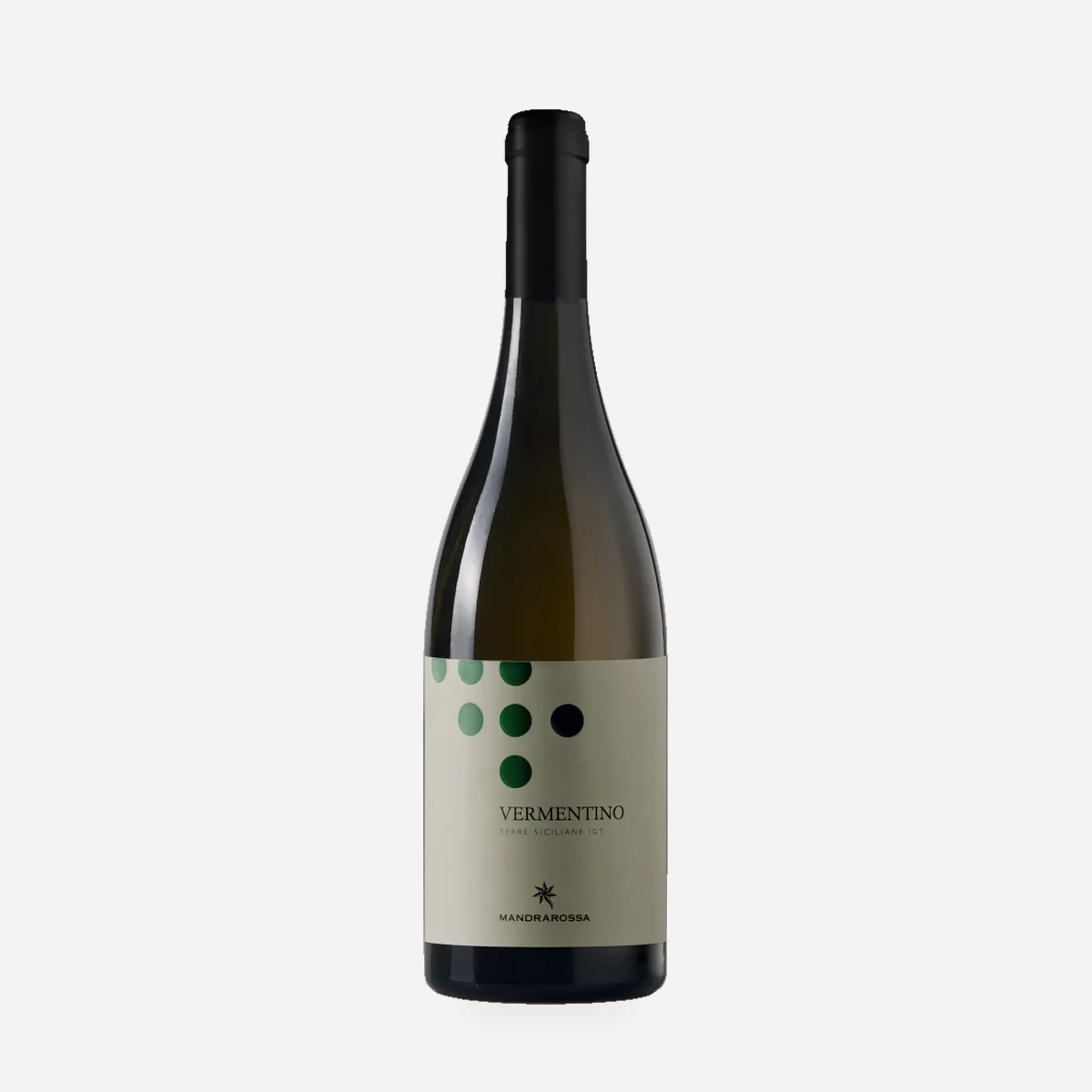
Vermentino
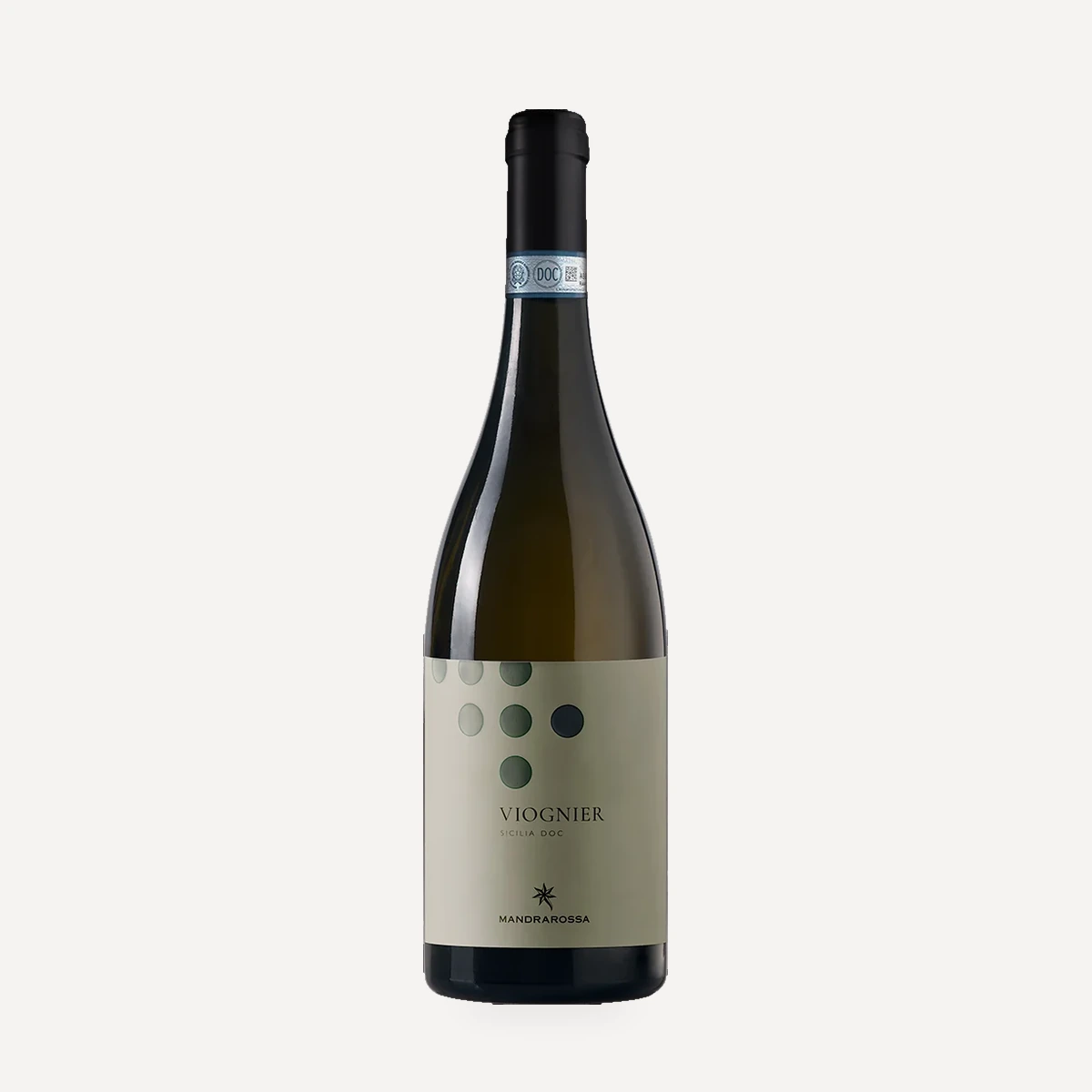
Viognier
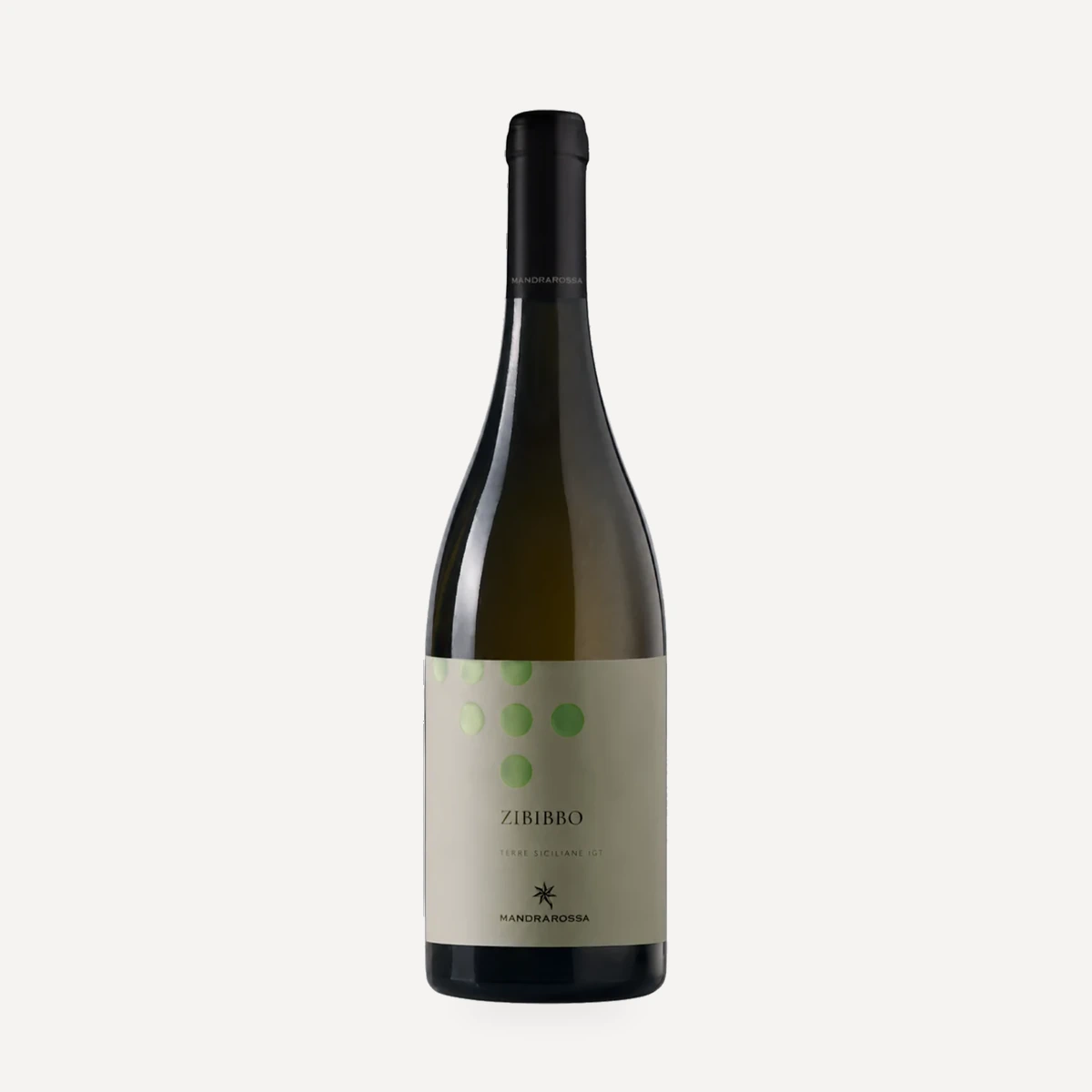
Zibibbo
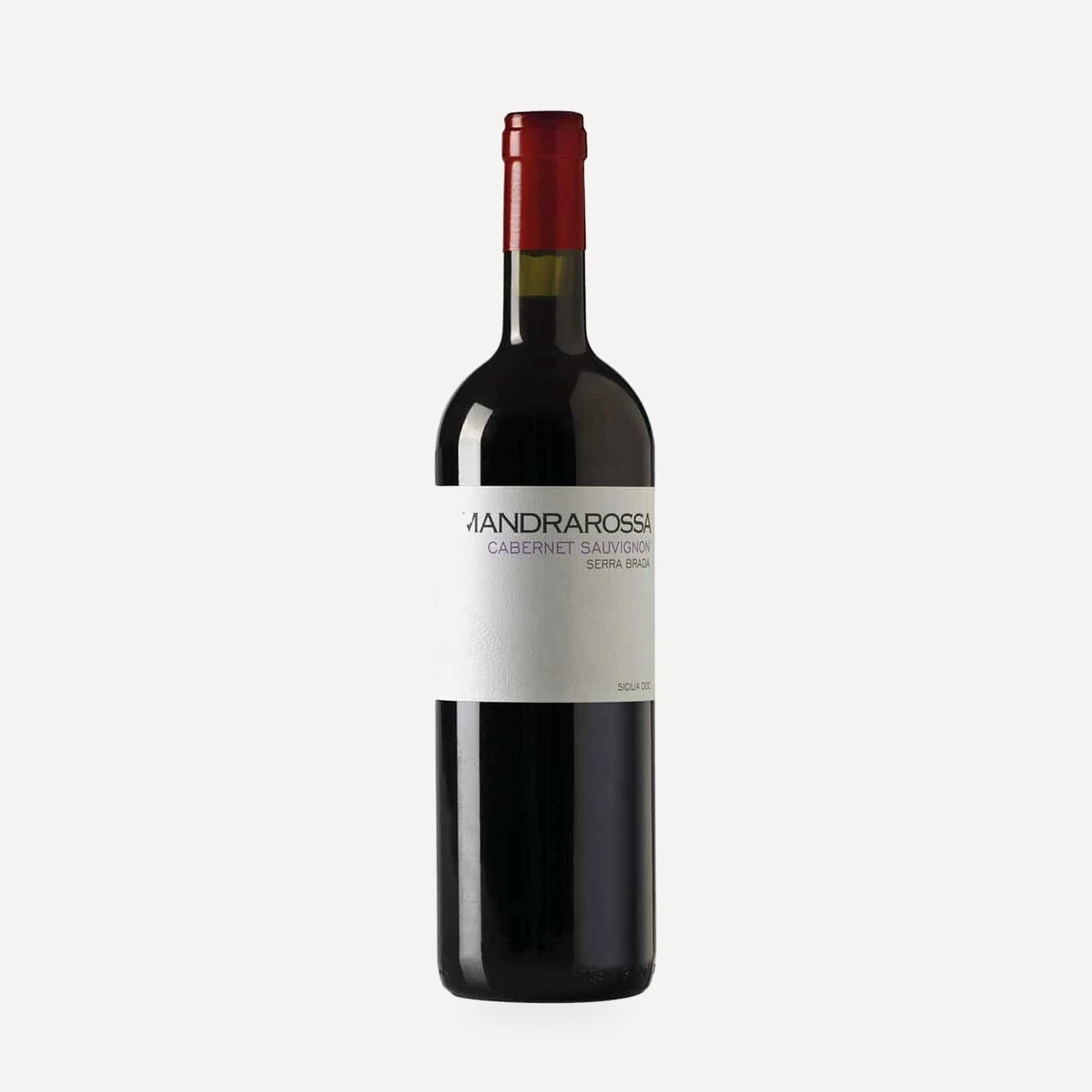
Cabernet Sauvignon Serra Brada
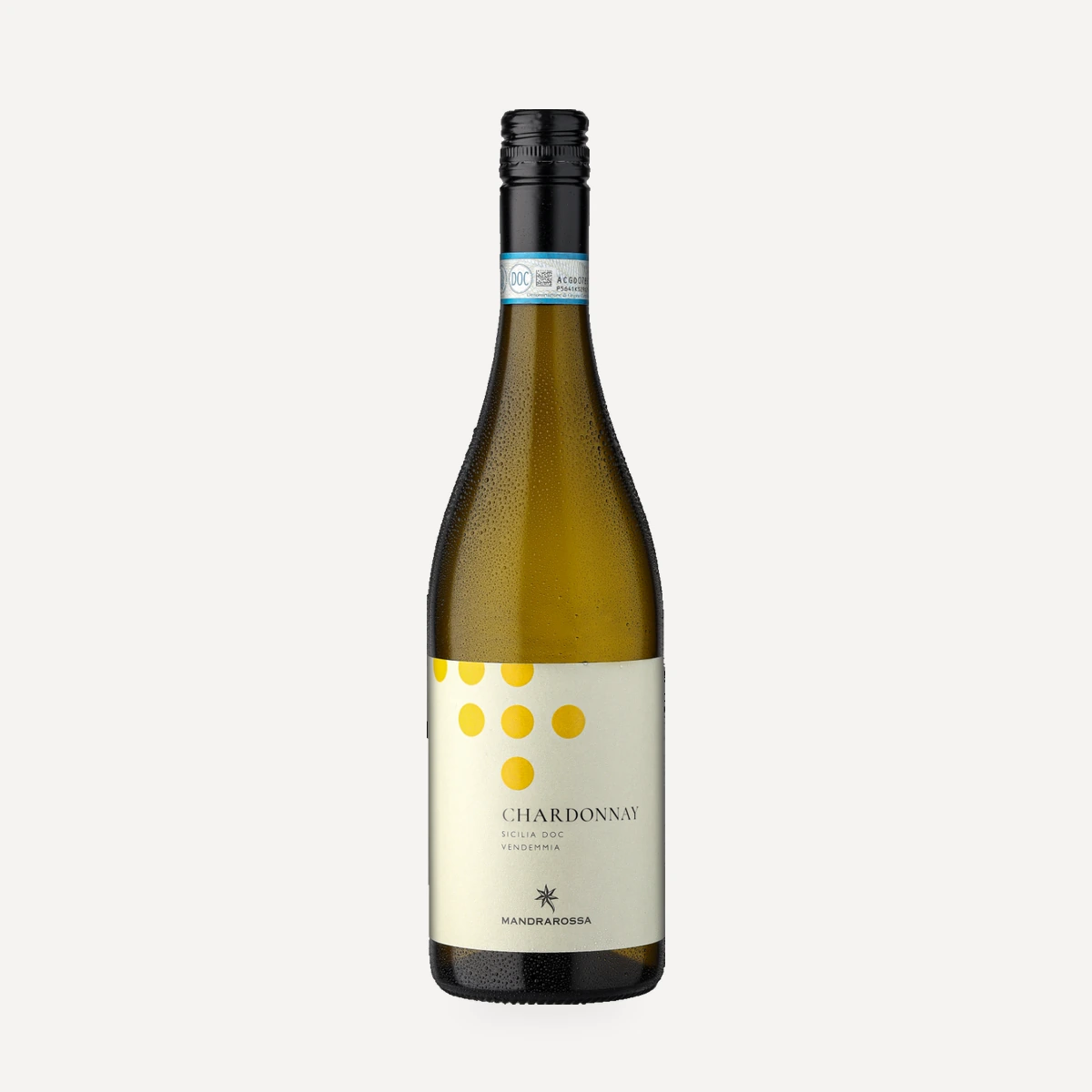
Chardonnay Laguna Secca
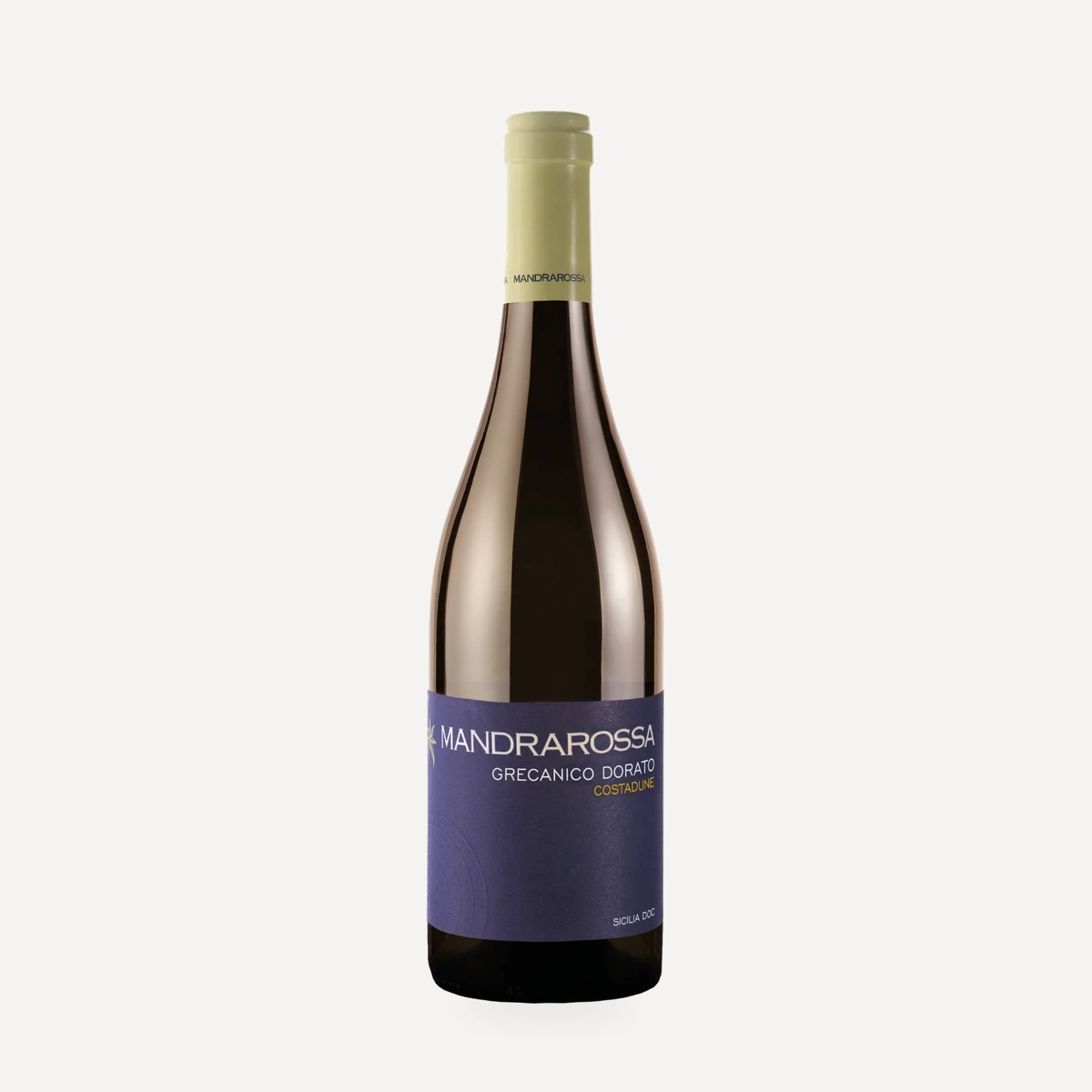
Costadune Grecanico
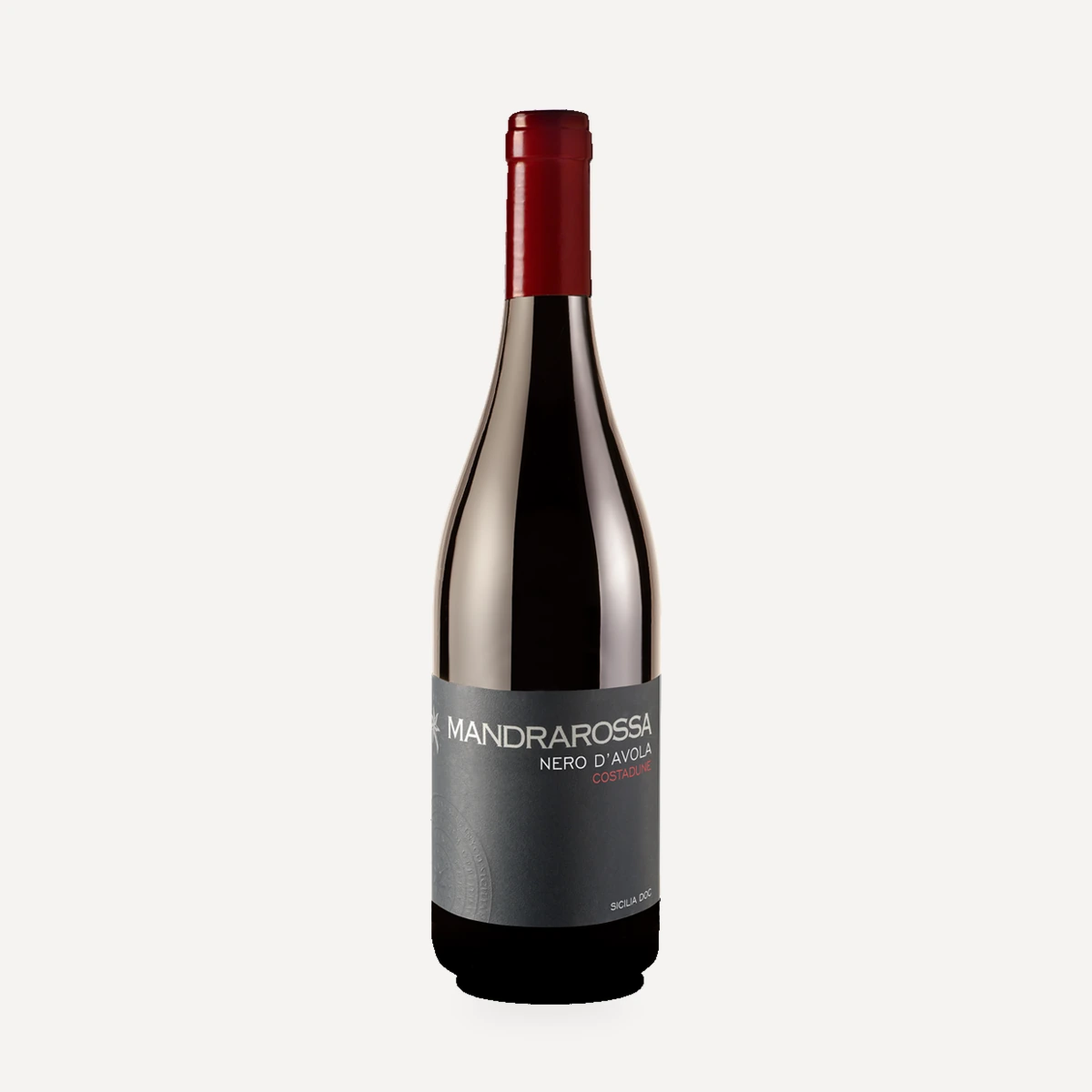
Costadune Nero d'Avola
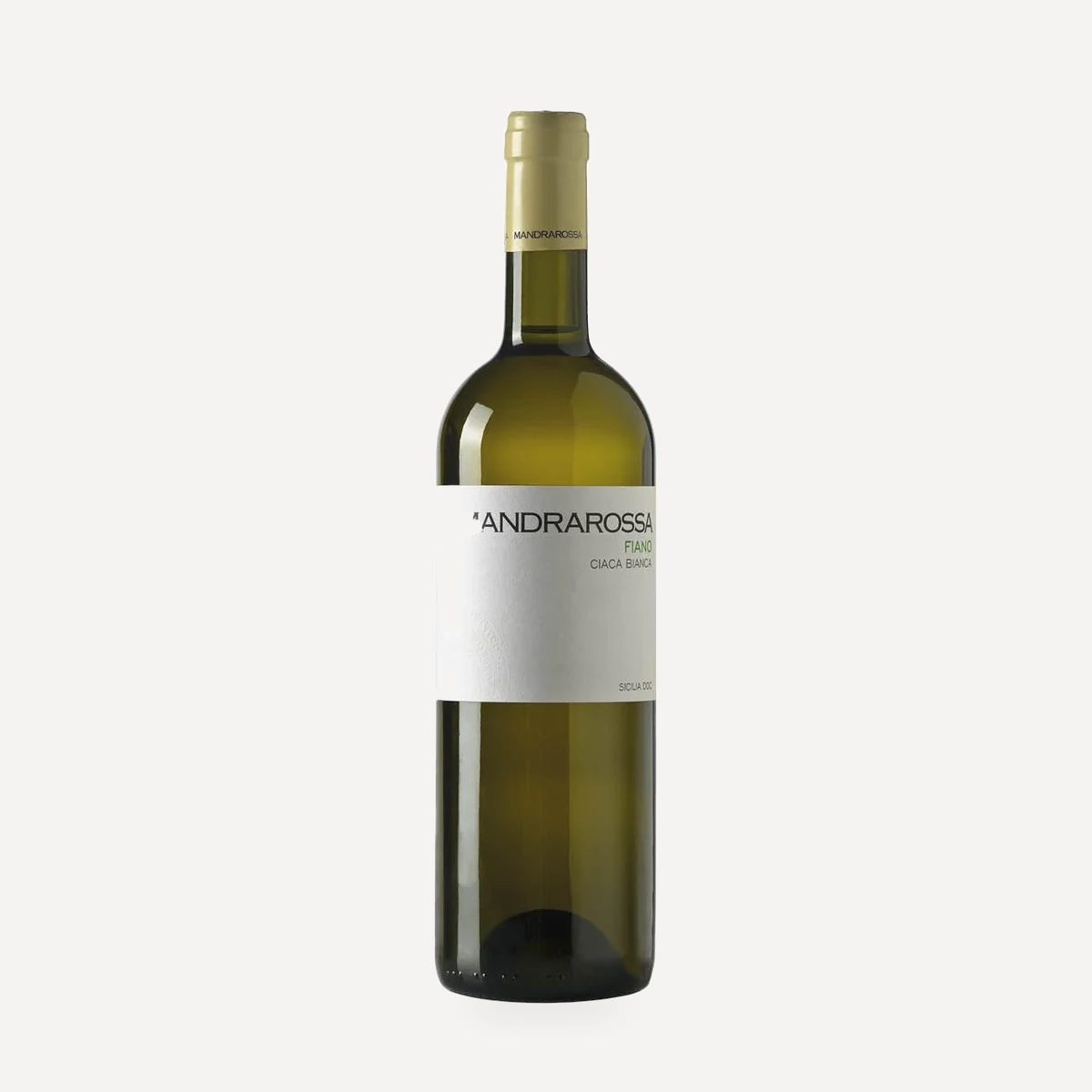
Fiano Ciaca Bianca