Storia
Family roots
The Marsura family, historically known by the nickname “Marsuret,” has cultivated vines in the hills of Valdobbiadene for generations, passing down its viticultural knowledge, traditions and values within the family.
1936: foundation at Val de Cune
Agostino Marsura founded the business in 1936 after purchasing a vineyard at Val de Cune in Guia di Valdobbiadene. He began producing the family’s first sparkling wine there through natural fermentation in bottle.
Giovanni Marsura and a quality-focused succession
Agostino’s much younger brother Giovanni subsequently continued the family’s work. His contribution centred on meticulous vineyard care, manual harvesting and strict selection of the grapes used for vinification. These practices became enduring elements of the house’s approach to quality.
Third-generation development
Giovanni’s son Ermes Marsura, born and raised among the vineyards, represents the third generation and leads Marsuret. He combined the knowledge and values inherited from earlier generations with advanced production techniques and continuing research. The original winery at Guia remained the company headquarters but underwent substantial improvements, allowing modern production technology to be incorporated while retaining the historic location among the family vineyards.
Fourth generation
Ermes’s sons Alessio and Enrico represent the fourth generation. Their ideas, technical knowledge and involvement support the continuing development of the family business.
Sustainability programme
Marsuret progressively formalised its environmental, social and economic commitments through SQNPI integrated-production certification, the BioPass® biodiversity protocol and the Equalitas Sustainable Organization standard. In 2023, the water meter at the principal Guia site was replaced to improve consumption monitoring from 2024 onward.
During 2024, Marsuret renewed its SQNPI certification, maintained its sustainability-management system and prepared for renewal of Equalitas certification. It completed calculations of its 2023 water and carbon footprints, installed an energy-efficient system for extracting grape stalks and activated a new section of the photovoltaic installation. A company nursery was established for genetic conservation and characterisation of DOCG vine biotypes, while monitoring continued for flavescence dorée, Scaphoideus titanus and related microclimatic conditions. The first hydraulic side panel was also installed on the grape-receiving hopper, with completion planned for 2025.
Terroir
Marsuret’s vineyards are distributed across the hills of the Conegliano Valdobbiadene Prosecco Superiore DOCG zone and extend into the Prosecco DOC Treviso area. Family-owned sites are located at Cartizze, Col San Martino, Guia, Premaor, Rolle, Zuel and Le Serre. The vines occupy steep slopes that have traditionally required manual cultivation.
Individual vineyard positions differ in solar exposure, microclimate and soil composition, giving the resulting wines distinct identities. The winery and principal production facilities at Guia stand among the family vineyards, and the short distance between vineyard and cellar allows harvested grapes to arrive in less than six hours.
Cool air descending from Passo San Boldo reaches the hillside vineyards and slows grape ripening. The Guia hills supply the fruit for Rive di Guia, while Marsuret also owns vineyards in the heart of the Cartizze hill.
The vineyard landscape forms part of the UNESCO-listed hills shaped by generations of steep-slope viticulture.
Vinificazione
Integrated production and biodiversity
The estate vineyards are SQNPI certified under Italy’s National Integrated Production Quality System. Vineyard management follows binding technical standards, crop-specific production rules and phytosanitary protocols intended to limit environmental and human-health impacts. Treatments are selected and targeted rather than applied routinely.
Marsuret also applies the BioPass® protocol developed by SATA Studio Agronomico. The programme monitors the biological components of vineyard soils and surrounding habitats, evaluates the effects of farming activity and supports site-specific agronomic decisions. Soil analysis identifies homogeneous zones for targeted fertility plans.
Soil and ground cover
Chemical herbicide is not used between the rows. Alternate rows retain spontaneous grass cover to protect soil balance, while under-vine weed control is limited within the regional integrated-production rules. Targeted fertilisation plans are based on soil analyses undertaken through BioPass®.
Water management
Irrigation planning considers the soil’s available water capacity, recorded rainfall and evapotranspiration data. Irrigation is predominantly delivered by drip systems; each intervention is planned and recorded to reduce consumption while maintaining vine health.
Plant protection
Integrated pest management complies with SQNPI standards and the protocols for Prosecco DOC and Conegliano Valdobbiadene Prosecco DOCG. Decisions draw on technical bulletins, direct field monitoring and chromotropic traps. Sprayers are washed in the field to reduce point-source pollution, and machinery-storage areas have concrete paving for additional protection.
Monitoring includes flavescence dorée, the vector Scaphoideus titanus and associated microclimatic dynamics.
Harvest and traceability
The harvest date is determined through analyses of sugar, acidity and pH. The steep DOCG vineyards are worked and harvested manually. Proximity to the Guia winery keeps delivery time below six hours, helping preserve grape freshness. Grapes are selected carefully before vinification.
Habitat and genetic conservation
Semi-natural areas account for more than 5% of the estate’s land and are protected by untreated buffer strips. Alternate-row mowing and gradual management of the transition between vineyard and woodland support pollination and beneficial insects. Mass selection preserves preferred Glera phenotypes.
In 2024, Marsuret established a company nursery for the genetic conservation of DOCG varieties and began characterising selected biotypes.
Winery
Marsuret remains headquartered in the original structure at Guia established by Agostino Marsura. The building has been substantially upgraded and now accommodates modern production technologies designed to support quality and reduce environmental impact. Its position among family vineyards also permits rapid grape delivery after harvest.
Grape reception and vinification
Harvest timing is based on analytical measurements of sugar, acidity and pH, and grapes reach the cellar in less than six hours. White vinification uses gentle pressing with a maximum juice yield of 70%. Operations from grape reception through vinification and packaging are monitored, documented and governed by periodically reviewed internal protocols.
Internal technical protocols define operating conditions, process limits and permitted oenological products. Purchases of processing aids and additives are tracked for responsible, traceable and legally compliant use. Selection varies with regulatory and technical developments, vintage conditions, the character of each base wine and the intended wine style.
A detailed analytical-control system addresses hygiene, raw-material integrity and finished-wine quality, allowing corrective action when required.
Sparkling-wine production
The principal sparkling process is the Charmat-Martinotti method. Secondary fermentation takes place in pressurised autoclaves, generally made of stainless steel. The relatively short contact with yeast is intended to preserve the freshness and fruity or floral aromatic character of the base varieties. Marsuret also produces a bottle-refermented style whose second fermentation occurs in bottle.
Bottling, packaging and sanitation
Packaging uses technology intended to protect the wine’s organoleptic character while reducing environmental impact. Materials include lighter glass bottles where appellation rules allow, recycled and certified paper and board, and natural cork or recyclable closures.
Cleaning and sanitation programmes optimise water and detergent use, employ lower detergent concentrations while maintaining hygiene, and undergo continuing monitoring and revision. In 2024, a modified grape-stalk extraction system reduced energy use. Grape pomace and lees are sent to distilleries, stalks are spread agronomically to add organic matter to soils, and winery wastewater is treated before controlled dispersal on estate fields.
Filosofia
Marsuret defines its mission through devotion to viticulture, enhancement of the Valdobbiadene territory and continuous improvement in production. Its long-term programme includes expanding vineyard holdings while retaining detailed care throughout cultivation and vinification.
The family presents tradition and innovation as complementary principles: inherited manual vineyard work and grape selection are combined with modern production techniques, research, analytical controls and site-specific agronomy. Quality is understood as the outcome of careful work at every stage rather than a single cellar intervention.
Its stated vision places environmental, social and economic sustainability at the centre of the business. Priorities include protecting the landscape, conserving vine genetics and biodiversity, supporting employees and the local community, improving resource efficiency and maintaining a transparent supply chain. Equalitas provides the management framework for continuous improvement across vineyards, cellar, packaging, distribution and relations with stakeholders.
Vini
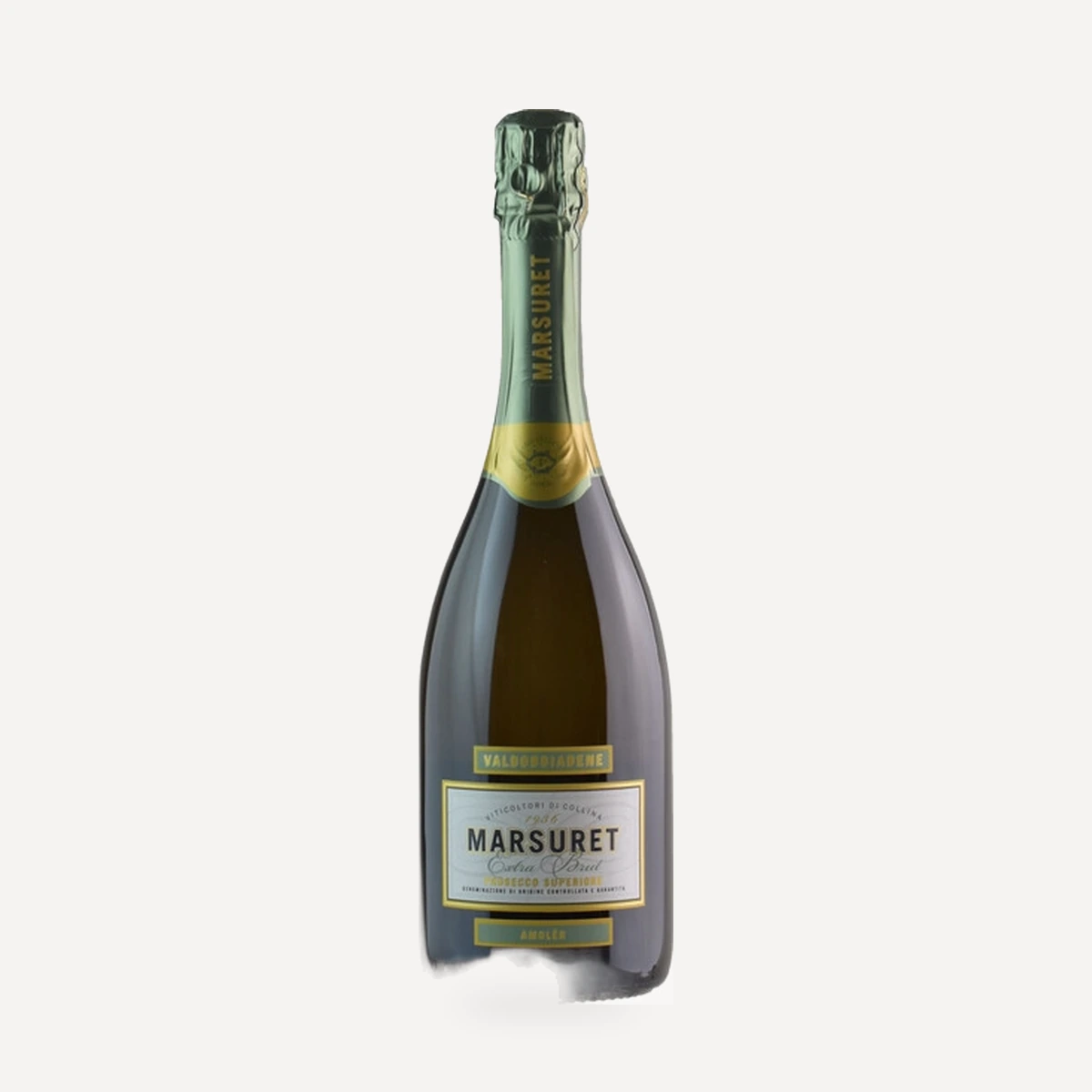
Prosecco Valdobbiadene Superiore Amoler Extra Brut DOCG
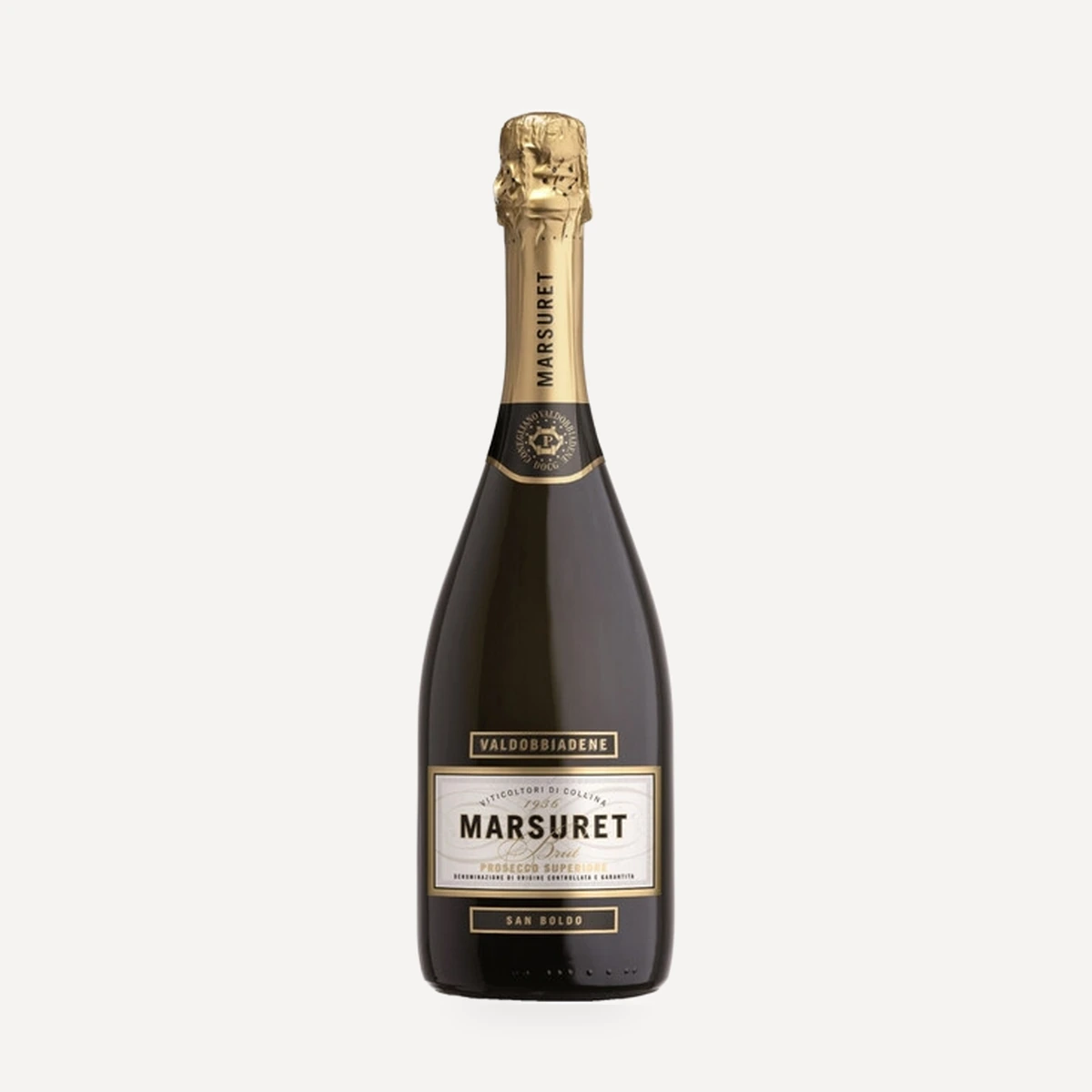
Prosecco Valdobbiadene Superiore San Boldo Brut DOCG
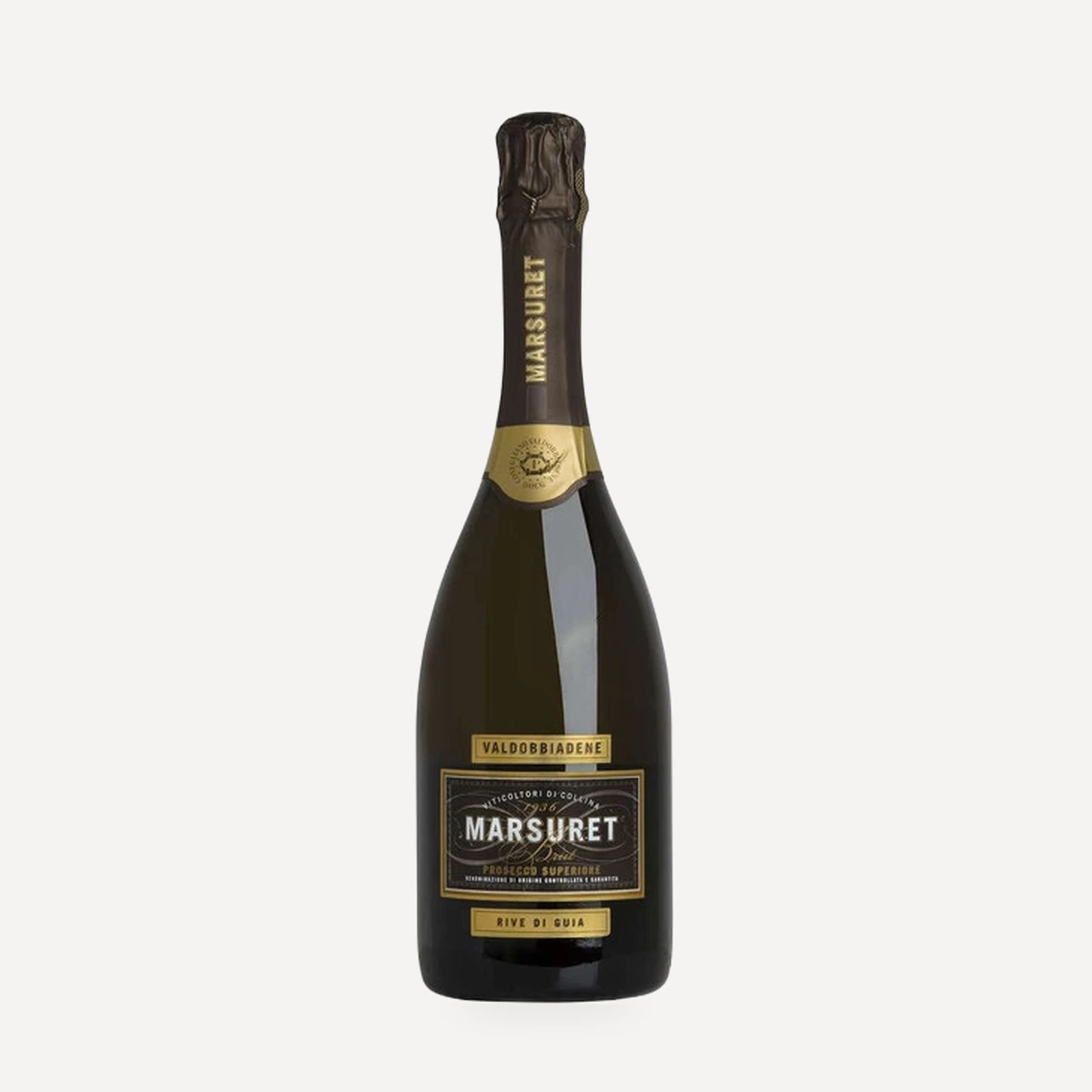
Prosecco Valdobbiadene Superiore Rive di Guia Extra Brut DOCG
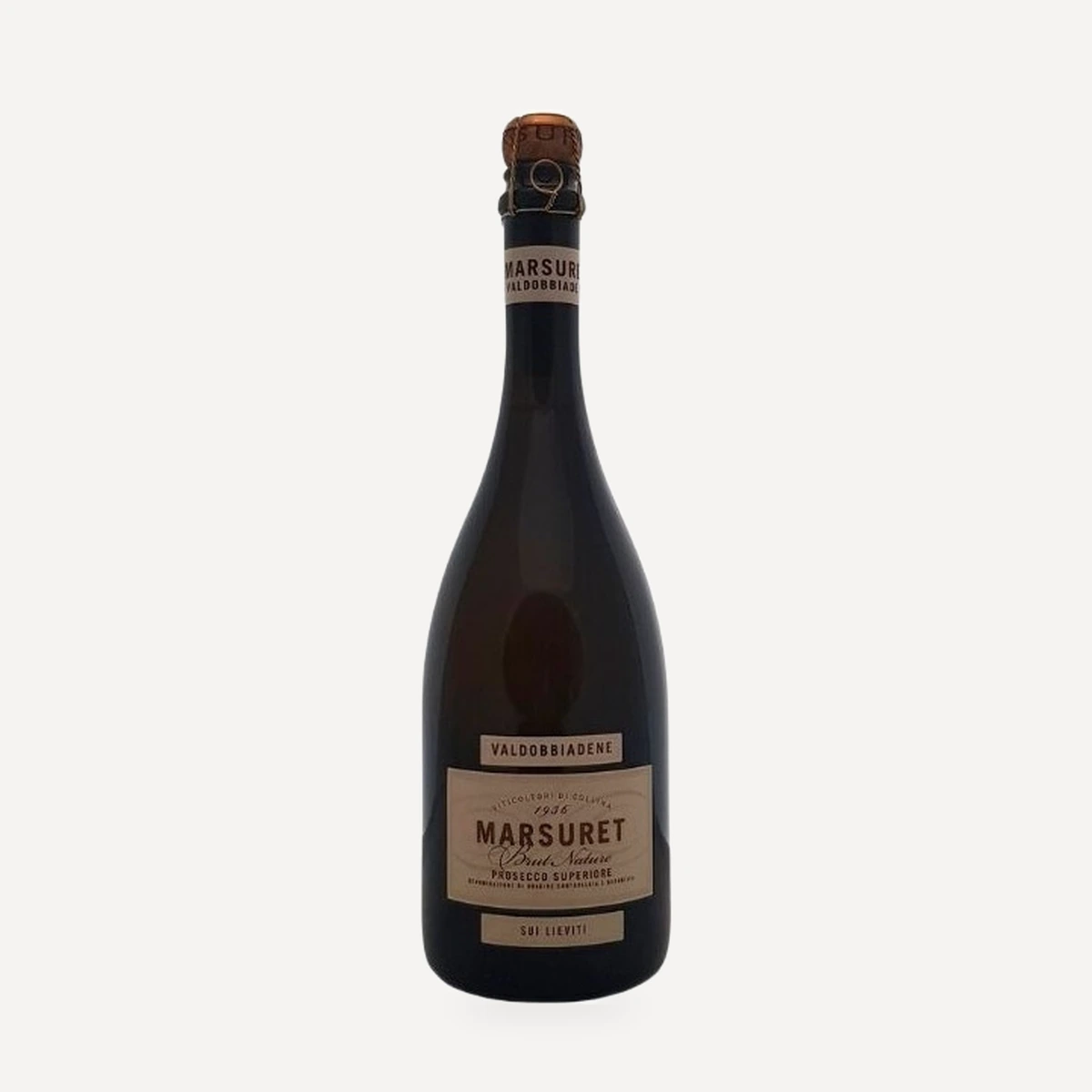
Prosecco Valdobbiadene Superiore Sui Lieviti Brut Nature DOCG
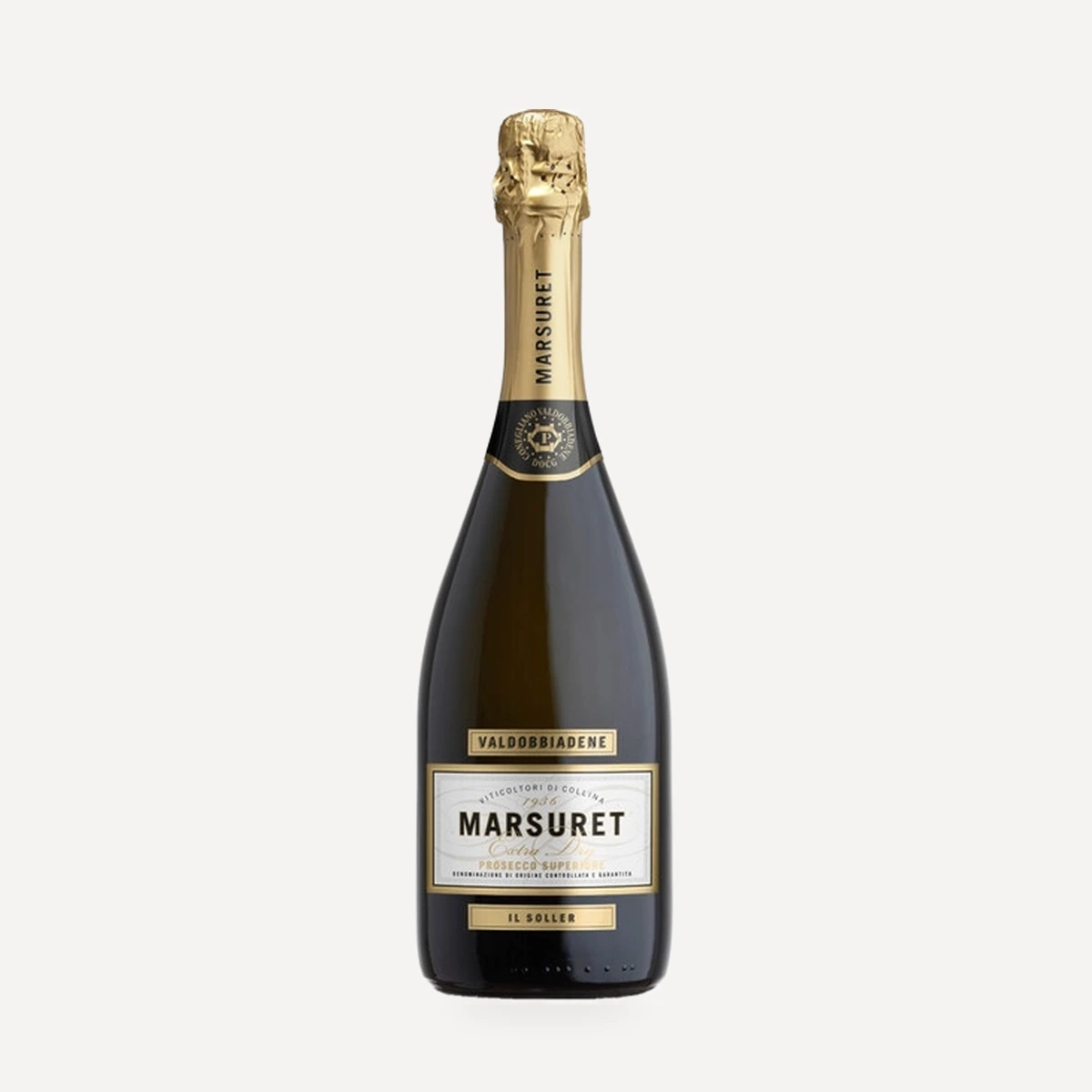
Prosecco Valdobbiadene Superiore Il Soller Extra Dry DOCG
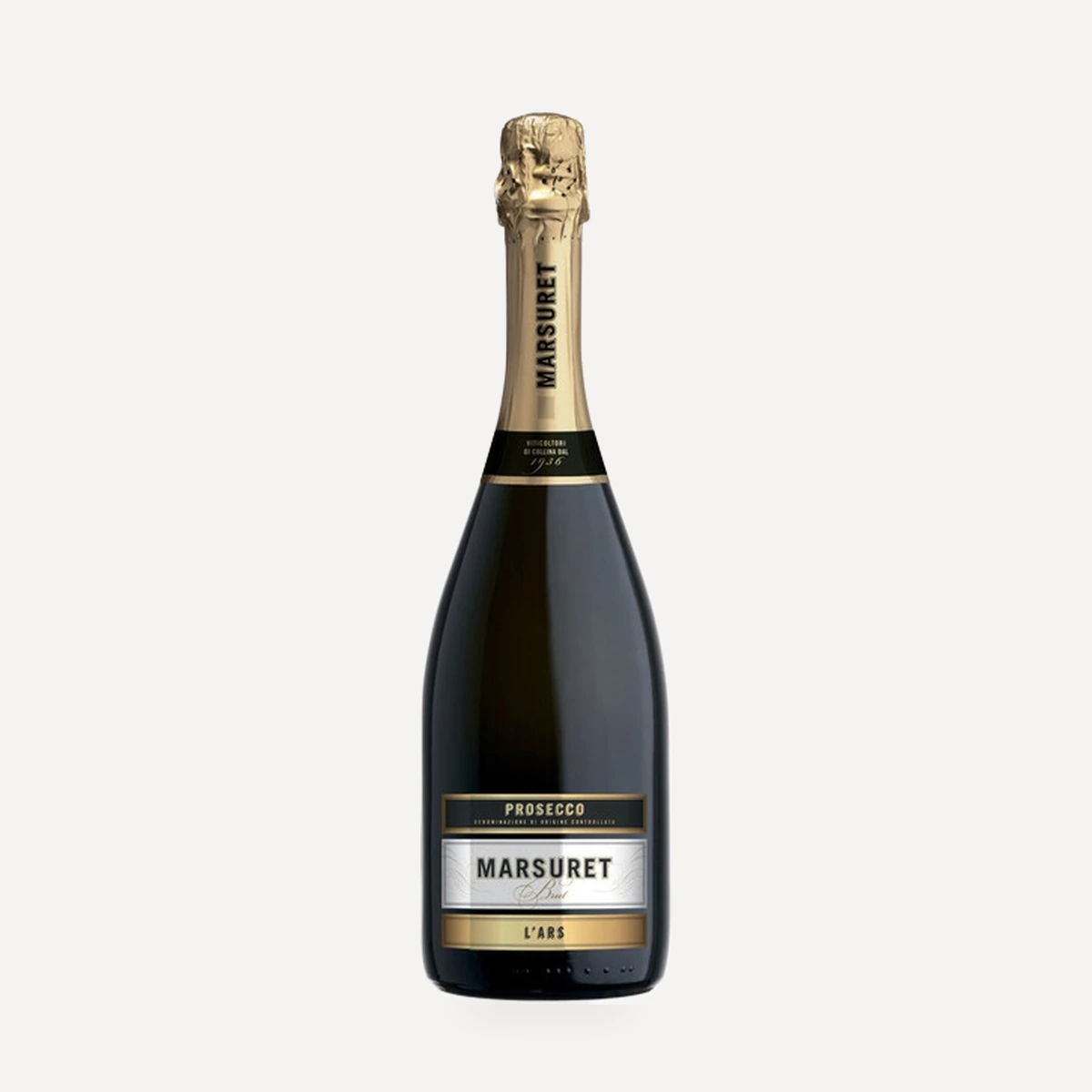
L'Ars Prosecco Treviso Brut DOC