Storia
Education and foundation
Umberto Bortolotti studied at the Scuola Enologica di Conegliano and qualified as an enotechnician several years before establishing the business. In 1947, amid the energy and pioneering climate of the post-war period, he founded Cantine Umberto Bortolotti in Valdobbiadene. His seriousness and enthusiasm quickly helped the young enterprise establish its standing.
The move of 1954
In 1954 the winery transferred its operations to the premises it still occupies in central Valdobbiadene. The building had originally served as a factory and farm. It was subsequently renovated and enlarged in stages as production requirements changed; more recent restoration work has continued to express the family's attachment to the historic premises.
Family continuity and technical development
The winery developed its sparkling-wine activity without abandoning the professional and personal values associated with its founder: seriousness, industriousness and respect. These principles passed to Umberto's son Bruno and grandson Daniele, who now direct the winery together. Its approach combines Valdobbiadene's established wine culture with continually developing sparkling-wine technique and increasingly exacting selection in collaboration with growers whose families have worked the Conegliano and Valdobbiadene hills for generations.
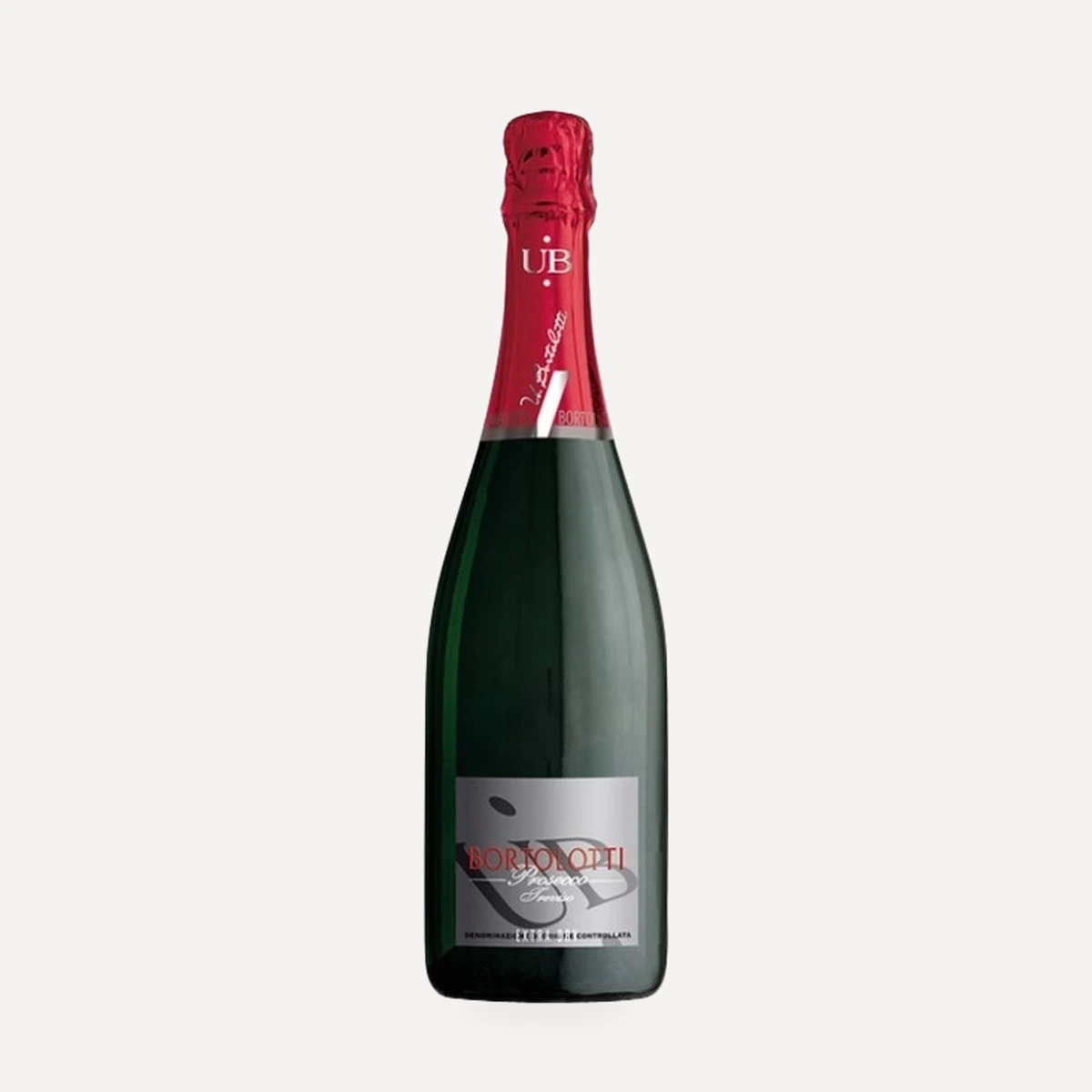
For more than thirty years, the winery has also conducted an annual search among historic plantings for the superior Glera used in its founder-dedicated “47” bottling. The name refers to 1947 and its label carries Umberto Bortolotti's reproduced signature.
Food-safety certification and territorial recognition
The company has maintained certified food-safety management since May 2011. Its current certification is presented under UNI EN ISO 22000:2018, covering HACCP-related hygiene, food safety and traceability. In 2019, the hills shaped by generations of steep-slope viticulture around Conegliano and Valdobbiadene were recognized as a UNESCO World Heritage Site.
Terroir
Valdobbiadene and the protected hills
The winery is based in the historic centre of Valdobbiadene, in the north-east of Veneto. The denomination's approximately 8,300 ha extend across 15 hill communes between the Dolomites and Venice. Its chains of hills run east to west, rising from the plain toward the Prealps. A temperate climate and soils of varied geological origin support grape growing.
The steepest slopes are locally called Rive. The term identifies vineyards whose gradients make cultivation especially difficult and require manual work. Within Conegliano Valdobbiadene DOCG, the Rive designation is reserved for sparkling wine made with grapes from one commune or one of its hamlets, emphasizing the distinctions among individual hills. The protected territory recognizes 43 Rive over more than 30 km.
The named vineyard sources range from 245 to 330 m above sea level. Their soils are predominantly morainic but vary markedly: Àltena has a strong clay component; Montagnole and Rive di Colbertaldo combine marl and limestone associated with the Tortonian stage of the Miocene; Piai Alto contains marine sandstone and marl of Miocene origin; Castel de Donà combines clay with some gravel. The Cartizze source plots lie at 200–240 m on a fully south-facing hill, with a deep layer of morainic material, sandstone and clay over bedrock.
Other parts of the collection extend beyond these named Valdobbiadene sources. Glera is also drawn from Rolle and Col San Martino, while Chardonnay, Pinot Bianco, Pinot Nero, Nosiola, Lagrein Kretzer, Johanniter and Bronner come from identified Trentino areas at elevations extending as high as 600 m. These sources include clay-limestone, morainic and alluvial soils.
Vinificazione
The winery works with local growers whose families have cultivated the Conegliano and Valdobbiadene hills for generations. The relationship combines long-standing trust with increasingly exacting grape selection, intended to preserve and express the identity of steep-slope Valdobbiadene viticulture.
On the named Rive sites, the gradients make mechanization impractical: every cultivation operation and the harvest are performed by hand. Documented training systems include Sylvoz and doppio capovolto or double-arched training, with densities from 3,100 to 4,000 vines/ha. Stated crop loads are generally 3–3.5 kg per vine. Recorded yields for individual recent harvests range from 48 quintals on 0.95 ha at Castel de Donà to 135 quintals on 2.65 ha at Piai Alto.
Harvesting is also exclusively manual for the other documented grape sources in Veneto and Trentino. The portfolio employs double-arched, Sylvoz and simple Trentino pergola systems according to variety and site.
Johanniter and Bronner used for Oltre are resistant hybrids derived from crosses between Vitis vinifera and Vitis americana. Their resistance to the principal fungal diseases allows these particular vineyards to be cultivated without field herbicides or antiparasitic treatments. This practice is presented as an approach extending beyond organic protocols and certification, but it is not identified as the estate-wide farming system.
Base-wine production
A recurring process across the sparkling-wine range begins with gentle pressing to extract the must, followed by settling and, where specified, clarification. Alcoholic fermentation takes place in stainless-steel tanks, generally at 16–18°C or approximately 18°C for about 15 days. Base wines may then be filtered and cleaned. Selected Valdobbiadene lots remain on their fine lees for four months; the current Sui Lieviti base remains on fine lees for five months.
The rosé process includes eight hours of skin maceration before settling and alcoholic fermentation.
Tank refermentation
Much of the collection undergoes a second fermentation in stainless-steel autoclaves. For the named single-vineyard Rive and other extended-fermentation releases, small autoclaves are used. The documented additions are cane or raw sugar and selected yeast. Long refermentations take place at an average of 13°C and range from several months to as much as 24 months in the current documented releases. Some Rive wines then receive bâtonnage in autoclave at 0°C until bottling.
Other cuvées undergo autoclave refermentation at 15–17°C for approximately 40–90 days, followed by about 30–90 days of bottle maturation. Longer-aged releases remain in autoclave for many months and may receive several years of bottle refinement; one archival Chardonnay release remained in bottle for approximately 218 months before release.
Bottle refermentation
Sui Lieviti uses the older local sur lie method. The second fermentation occurs in the bottle, and the deposited yeast remains in the bottle rather than being removed. For the 2024 release, tirage began on 29 April 2025 at 13°C, followed by 13 months of maturation on the lees before presentation, with the possibility of further ageing.
The collection also includes a traditional-method Valdobbiadene DOCG Extra Brut, demonstrating that the cellar works with both autoclave and bottle-fermentation approaches.
Filosofia
Cantine Umberto Bortolotti defines its work through continuity between Valdobbiadene's established wine culture and progressively developing sparkling-wine technique. Quality begins with rigorous grape selection and a relationship of trust and rising expectations shared with long-standing local growers.
The ethical vocabulary inherited from founder Umberto Bortolotti centres on seriousness, industriousness and respect. Bruno and Daniele Bortolotti continue to present these as the principles guiding both family management and production.
Territorial identity is central to the approach. The Rive wines isolate particular steep hills and single communes or hamlets rather than treating the denomination as uniform. At the same time, the collection explores prolonged autoclave ageing, bottle refermentation, traditional method, unusually long bottle maturation and varieties beyond Glera.
Oltre expresses the environmental side of this experimental outlook. Its resistant Johanniter and Bronner vines require neither field herbicide nor antiparasitic treatments, an approach framed as going beyond formal organic protocols and certifications.
Vini
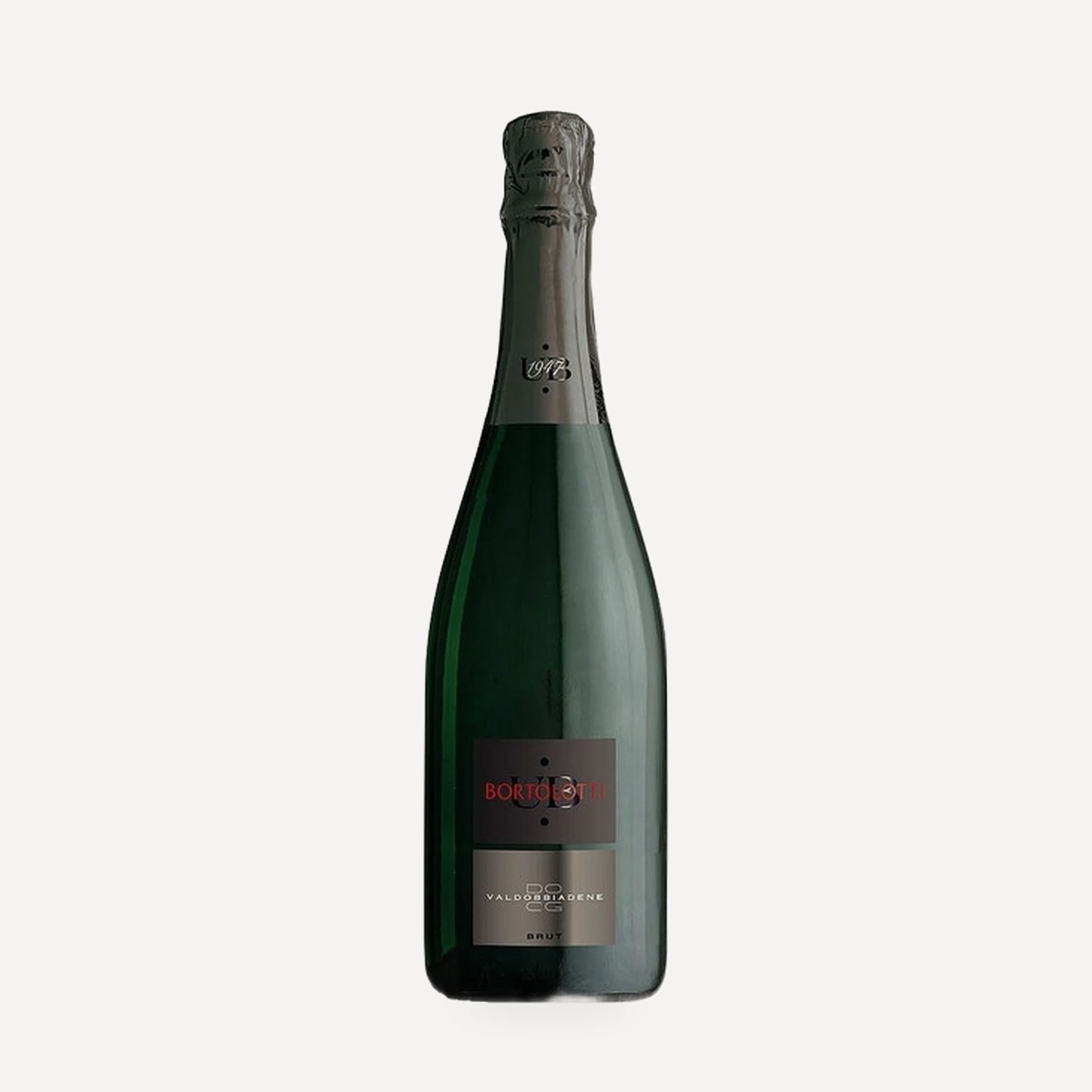
Prosecco di Valdobbiadene Brut
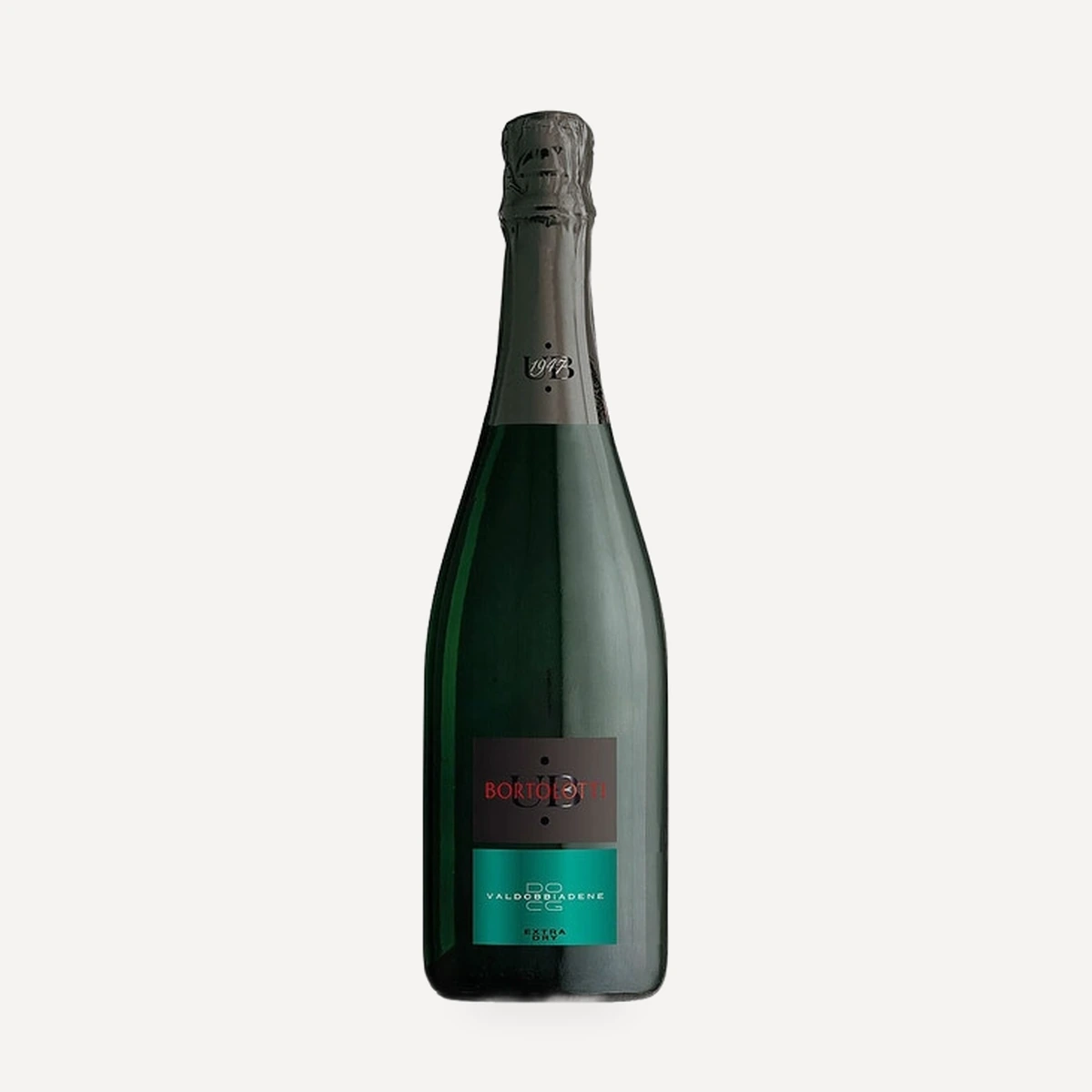
Valdobbiadene Prosecco Superiore Extra Dry DOCG
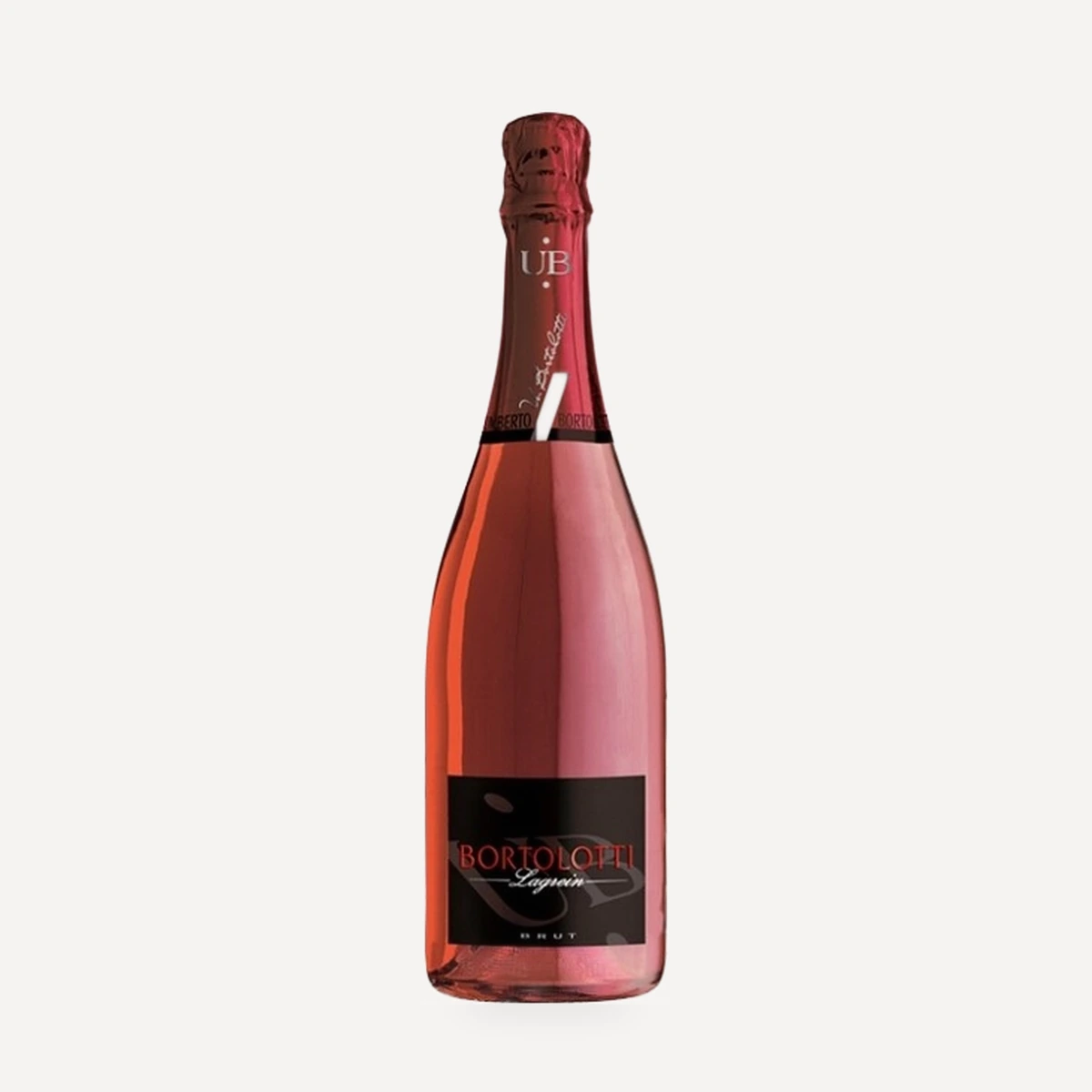
Umberto Prosecco Rosato Lagrein Brut DOC