Storia
Foundation in 1866
Cantina Martinez was founded in Marsala in 1866 by Carlo Martinez, an enterprising young man from Palermo, together with his brother Francesco. At that time Marsala was a vigorous commercial centre and the hub of Sicily’s wine trade, offering Carlo the setting in which to pursue his entrepreneurial ambitions. The business took the family name and has remained connected to both the Martinez family and Marsala wine for six generations.
The second generation and Villa Araba
Carlo’s son Gaspare Martinez represented the second generation. In the early 20th century, after a journey to Tunisia, Gaspare built the imposing Villa Araba. Fascinated by the flowing lines of Tunisian architecture, he adapted those forms for the family company’s headquarters.
Gaspare also acquired the Martinez family’s first automobile, a Diatto bearing the registration TP7. During a journey through Sicily by King Vittorio Emanuele III in the early 20th century, Gaspare lent the car to the king. Villa Araba and the TP7 later became two of the family symbols commemorated by the Vintage reserve collection.
Later family generations
The family narrative preserved through the Vintage reserves also commemorates Nonna Tanina, remembered as the mother of five children and as a generous, warm, authoritative and determined figure, and Nonno Carlo, portrayed as composed and elegant. The current range identifies Nonno Carlo as a representative of the fourth generation.
Marsala’s legal recognition
The Decree-Law of 15 October 1931 introduced an initial delimitation of the Marsala production territory before Italy’s later national framework for geographical indications and denominations. Decree-Law No. 930 of 12 July 1963 granted Marsala its Denominazione di Origine Controllata. The first Marsala DOC production rules followed through the Presidential Decree of 2 April 1969, while Law No. 851 of 28 November 1984 updated the denomination’s production regulations.
Sacramental wines from the 1960s
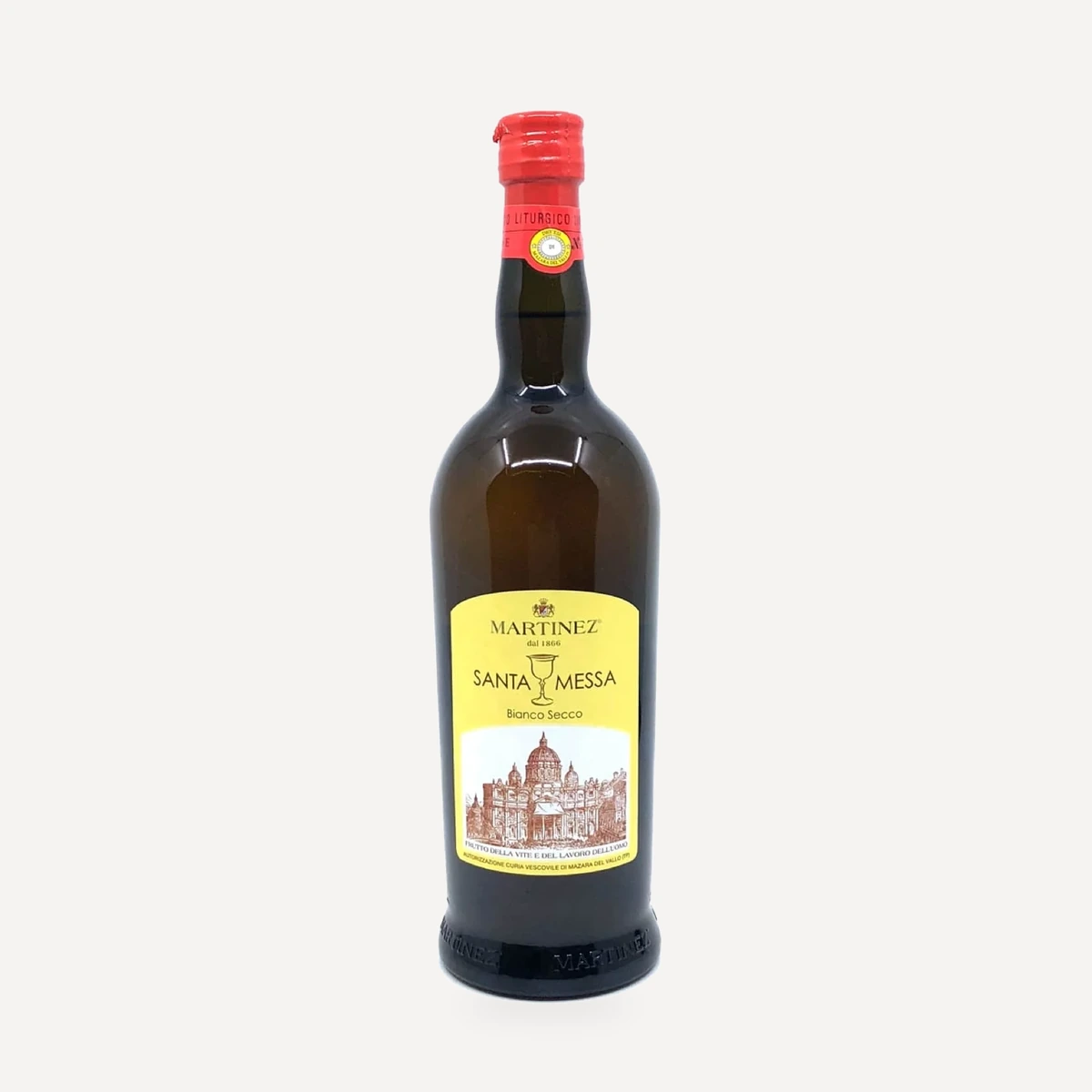
During the 1960s, members of the Martinez family who had formerly studied with the Salesians expanded a range historically centred on Marsala and other fortified Sicilian wines by introducing wines for the Catholic Mass. The Diocese of Mazara del Vallo has continuously recognized Martinez’s authorization for sacramental-wine production and sale since that decade. These wines are now dispatched to dioceses around the world.
The contemporary winery
Production, maturation and bottling are brought together in a single baglio of approximately 6,000 m². Built mainly from local tuff, the structure limits sudden temperature changes and maintains the high humidity suited to the maturation of Marsala in wood. A gradual renovation undertaken over the decade described in the company account was designed to preserve and enhance the building’s original characteristics while incorporating innovations intended to improve product stability, safety and consistency.
Marsala remains the central product after six generations. The range has nevertheless broadened to include fortified and aromatized wines, aperitifs, sacramental wines and, in the new century, passito wines from Pantelleria. Historical reserves are presented through the Vintage collection, while the Perpetuo collection preserves the practice of ageing multiple vintages of the same Marsala type together through the traditional Soleras method.
Terroir
Marsala and western Sicily
The winery is based in Marsala at the western tip of Sicily. The Marsala DOC production territory covers the province of Trapani except for the Alcamo area, the Egadi Islands and Pantelleria. To bear the Marsala name, grapes must be grown and the wine processed, matured and bottled within this delimited area.
The territory lies within the Mediterranean “sun belt,” between the 34th and 43rd parallels. Its defining natural influences are warmth, sea breezes and day-to-night temperature variation.
The permitted white varieties for Marsala are Grillo, Catarratto, Inzolia and Damaschino. The red varieties are Nero d’Avola, also called Calabrese; Pignatello, also called Perricone; and Nerello Mascalese. The red varieties are used for Marsala Rubino.
Pantelleria fruit is associated with volcanic earth, intense sun and warm African winds. Martinez’s Pantelleria wines use Moscato d’Alessandria, locally known as Zibibbo.
Vinificazione
Grapes are carefully selected by Martinez technicians from small local growers. Technical production descriptions repeatedly specify manual harvesting of mature fruit with a high sugar concentration. The Marsala harvest for the DOC base wine begins between the end of August and the beginning of September; subsequent material is collected for mistella and cooked must. Mistella is made from late-harvest must whose fermentation is arrested through the addition of alcohol.
For Pantelleria passito production, grapes are generally harvested after mid-August and dried naturally in the sun on dedicated racks for about four weeks. The dried berries are then macerated in must from a second, mid-September harvest of very ripe fresh grapes.
No estate-vineyard area, farming regime, vineyard certification, soil-management programme, planting density, vine-training system or yield figure is defined.
The winery
Ageing, processing and bottling take place in one baglio of approximately 6,000 m². The building is constructed mainly from local tuff, which moderates sudden temperature changes and maintains high humidity, providing suitable conditions for the long maturation of Marsala in wood. The complex has undergone a gradual renovation designed to conserve its original architectural qualities while integrating innovations for product stability and safety.
Marsala base wine and additions
Harvest for the Marsala DOC base wine begins between late August and early September, followed by the material used for mistella and cooked must. Mature, sugar-rich grapes are hand-picked, pressed and fermented. Mistella, also called sifone, is late-harvest must whose fermentation is stopped by adding alcohol.
The composition stage known as concia determines the Marsala type by combining the base wine with permitted natural components. Marsala Vergine consists of DOC wine and alcohol. Marsala Superiore combines DOC wine with mistella, while Marsala Superiore Ambra also incorporates cooked must.
Oxidative maturation and reserve selection
Marsala then enters its longest and most identity-defining stage: maturation in wooden vessels. The containers are only partly filled, leaving the wine in contact with oxygen and allowing its characteristic oxidative bouquet to develop over many years. Oak vessels of different sizes are used; a detailed reserve description also identifies 220-litre oak barriques. Some wines receive a subsequent period of approximately three months in stainless steel.
Only about 10% of the winery’s reserves are released after patient maturation in oak. The Vintage collection draws on selected years from these historical reserves. The Perpetuo range uses the traditional Soleras method, ageing several vintages of the same Marsala type together to preserve a consistent profile over time.
Other production
For the Laus and other sweet fortified wines, ripe, sugar-rich grapes are manually harvested and traditionally pressed. Fermentation can be arrested at approximately 1.5% naturally produced alcohol through fortification, followed by about four months in stainless steel.
Pantelleria passito production begins with sun-drying grapes for approximately four weeks. The raisins are macerated in must from very ripe fresh grapes during fermentation, which is then stopped with a small addition of alcohol. The wine may subsequently rest in bottle for at least three months.
Sacramental wine is made from Catarratto, Inzolia and Grillo for the white versions and Nero d’Avola and Nerello Mascalese for the red. After production, two samples are drawn: one goes to a laboratory trusted by the Diocese of Mazara del Vallo for analysis, and the other is retained by the Diocese. Access points to the dedicated tanks are sealed with wax by the director of the diocesan liturgical office. The seals are removed and replaced whenever wine is drawn for bottling. Bottling takes place in the presence of the liturgical-office representative, and shipments are accompanied by the Diocese’s certificate of suitability; each bottle carries the authorization reference and diocesan seal.
Filosofia
Martinez presents quality as the product of three linked elements: careful grape selection, experience accumulated through a long production tradition and passion passed between generations. Its approach places particular value on patience; only about 10% of the historical reserves are ultimately released after extended maturation in oak.
The family defines its direction as a balance of continuity and innovation. Marsala and long ageing remain central, while technical improvements are employed to reinforce stability, safety and consistency. Renovation of the historic baglio has followed the same principle, introducing improvements while preserving the building’s original character.
Family continuity is fundamental to the identity of the business. The Vintage reserves connect selected years from the historical cellar with people, architecture and objects associated with successive Martinez generations. The company also declares an enduring commitment to responsible consumption: alcoholic beverages are intended for moderate use by adults of legal drinking age in convivial settings.
Vini
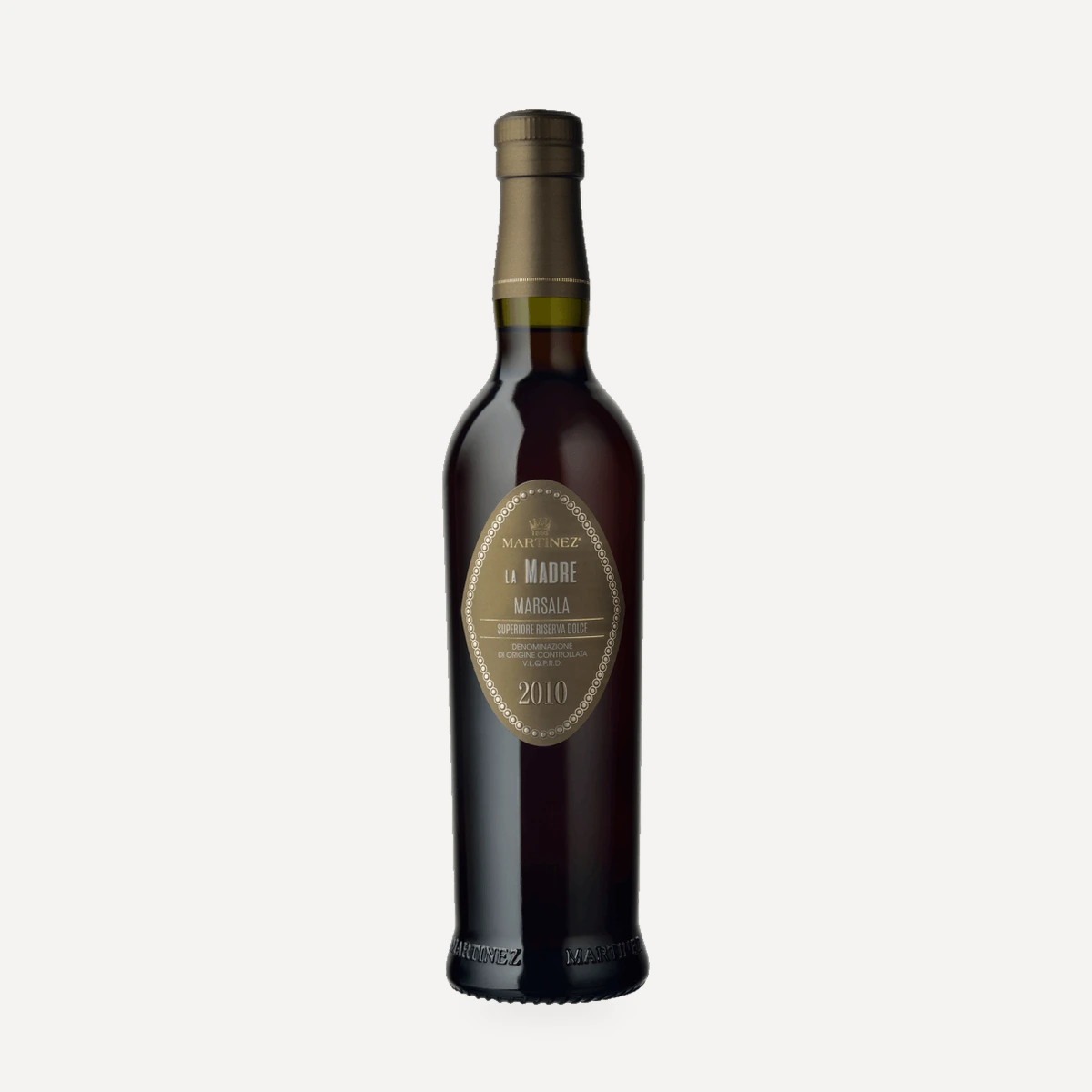
La Madre – Marsala Superiore Riserva 2010 Dolce DOC
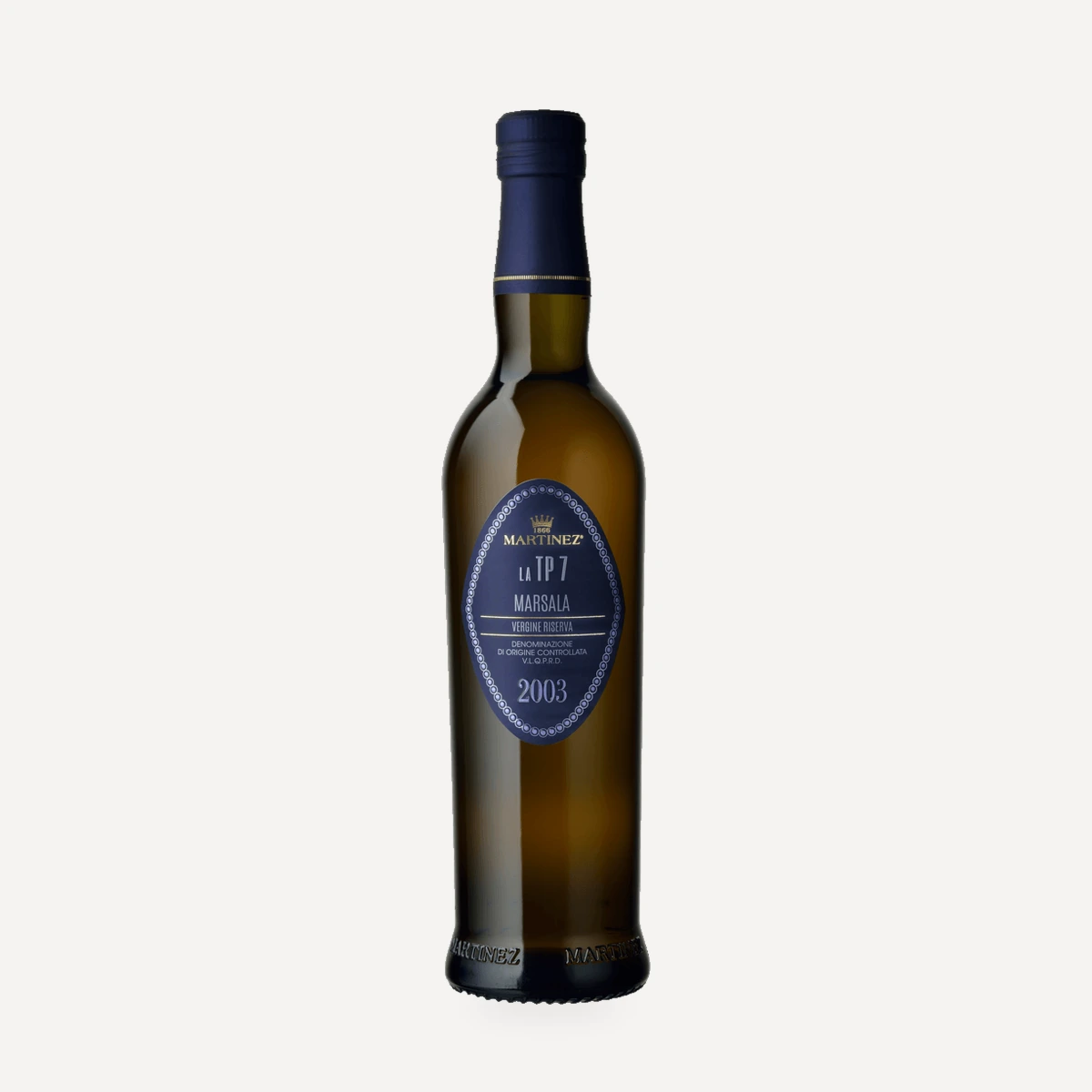
La TP7 – Marsala Vergine Riserva 2003 DOC
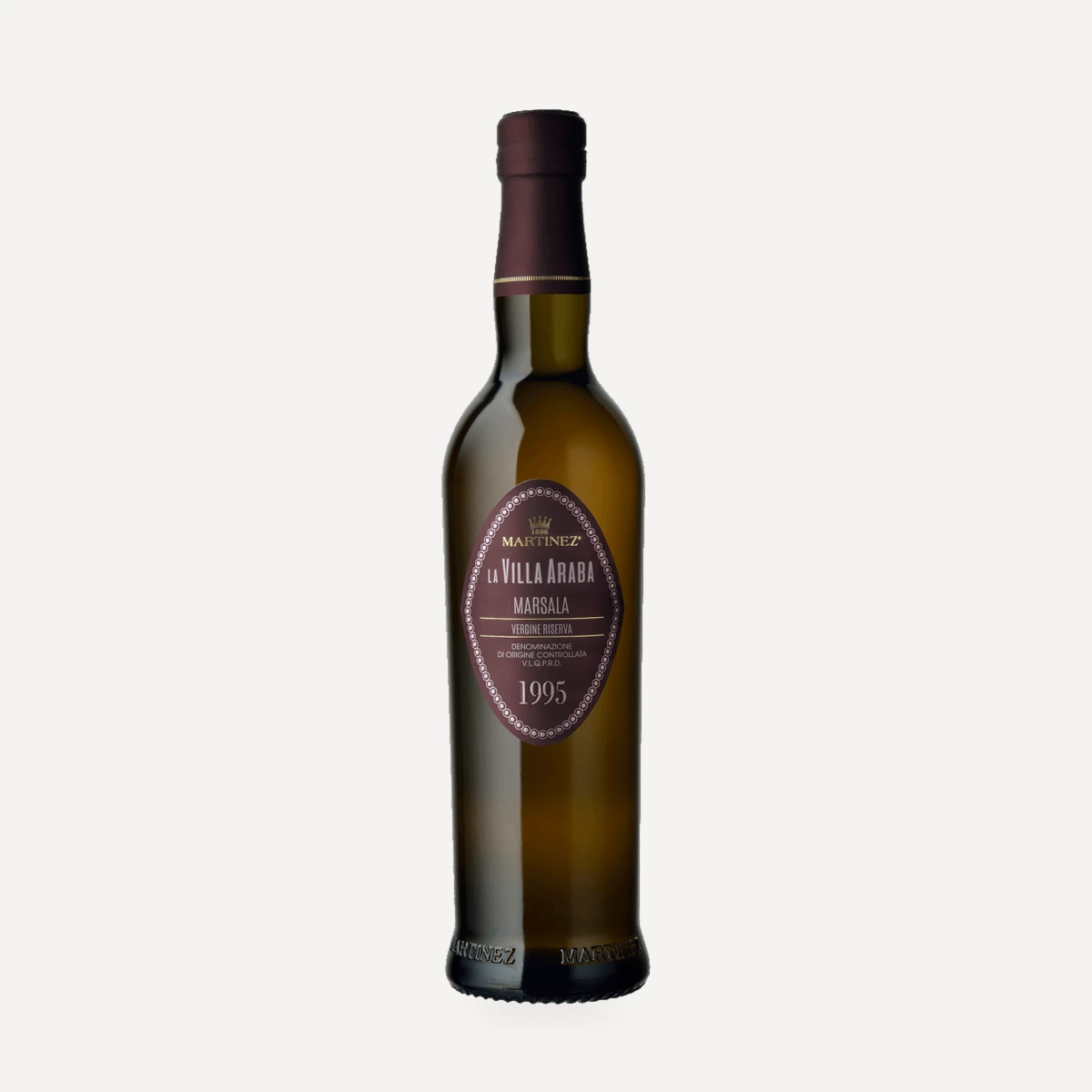
La Villa Araba – Marsala Vergine Riserva 1995 DOC
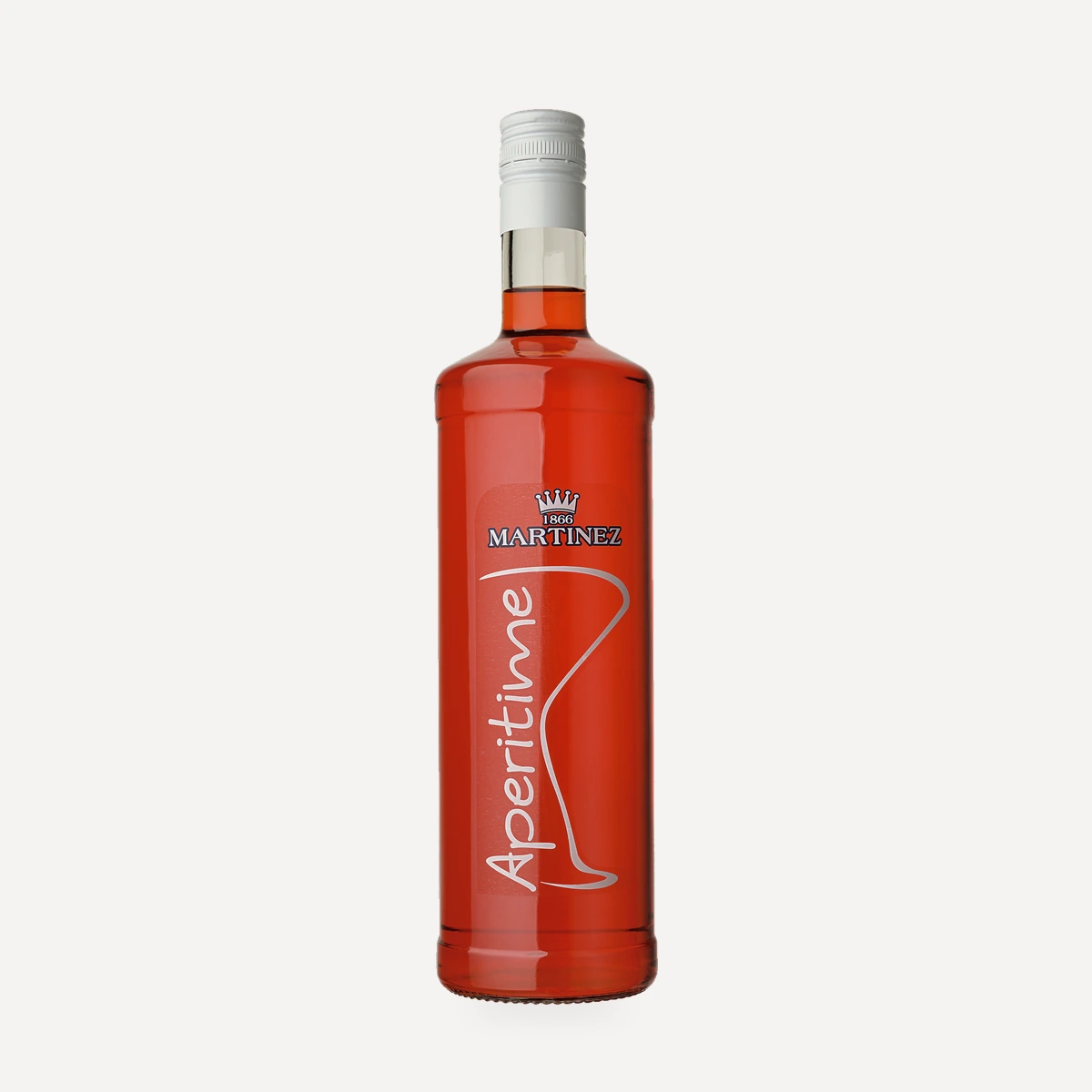
Aperitime
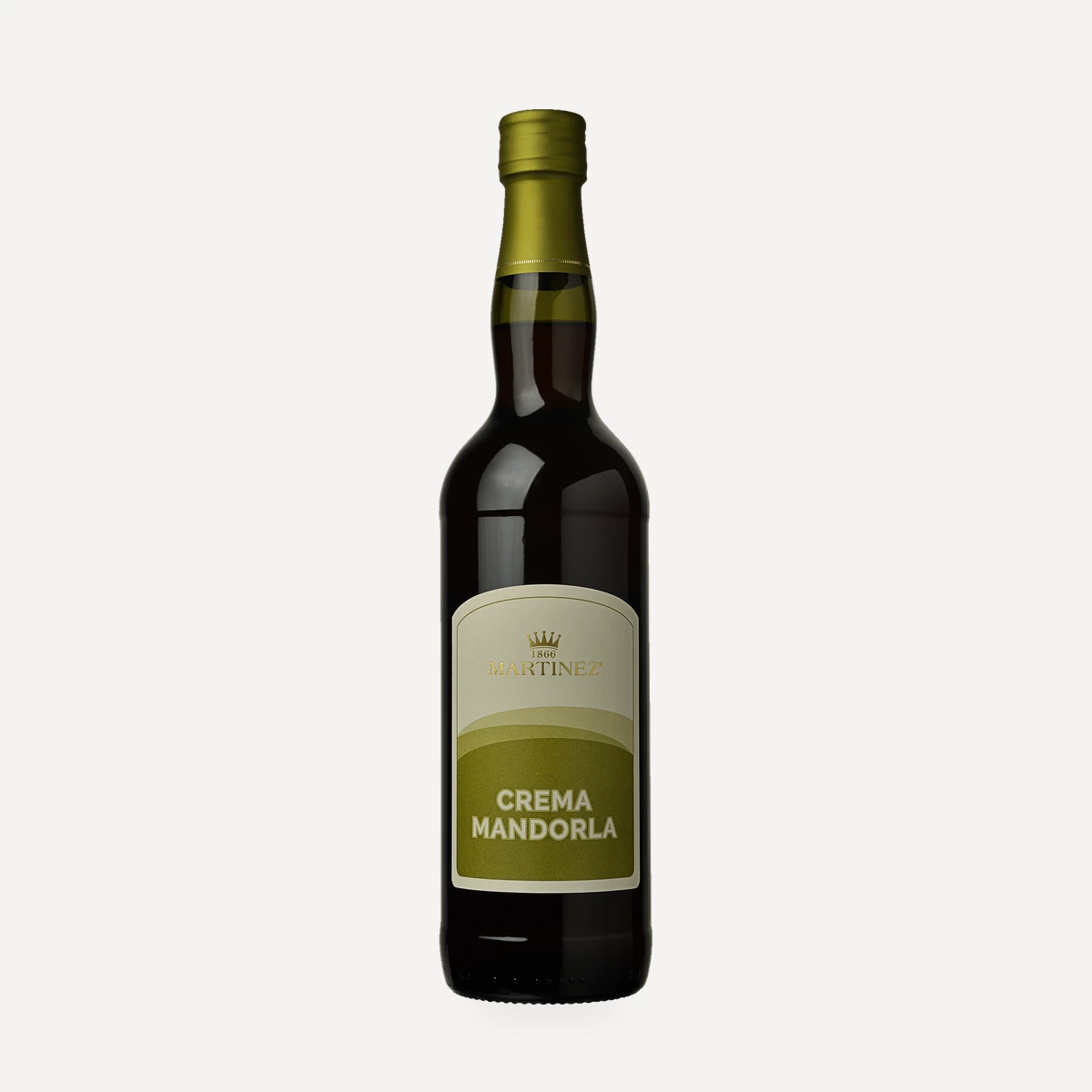
Cremamandorla
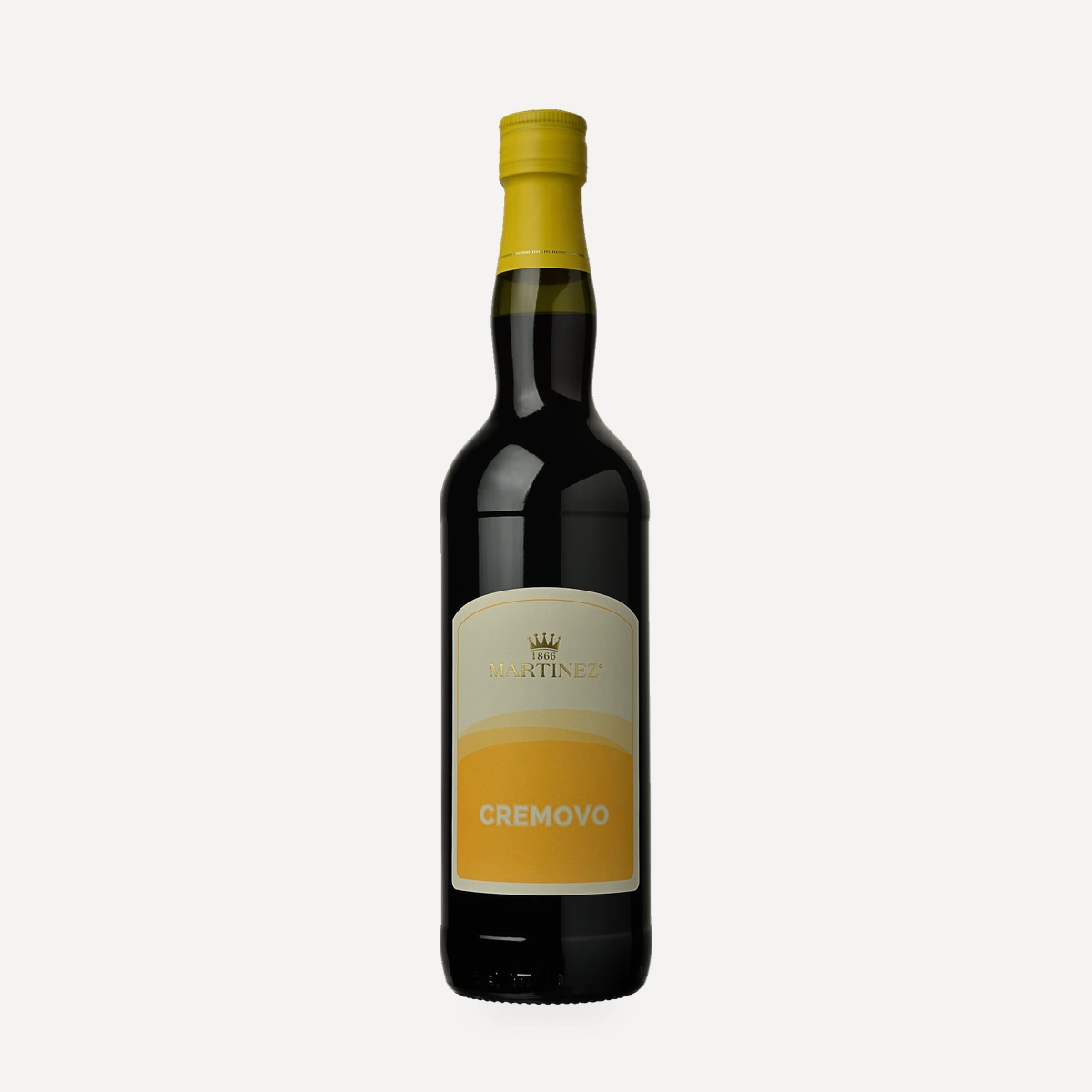
Cremovo
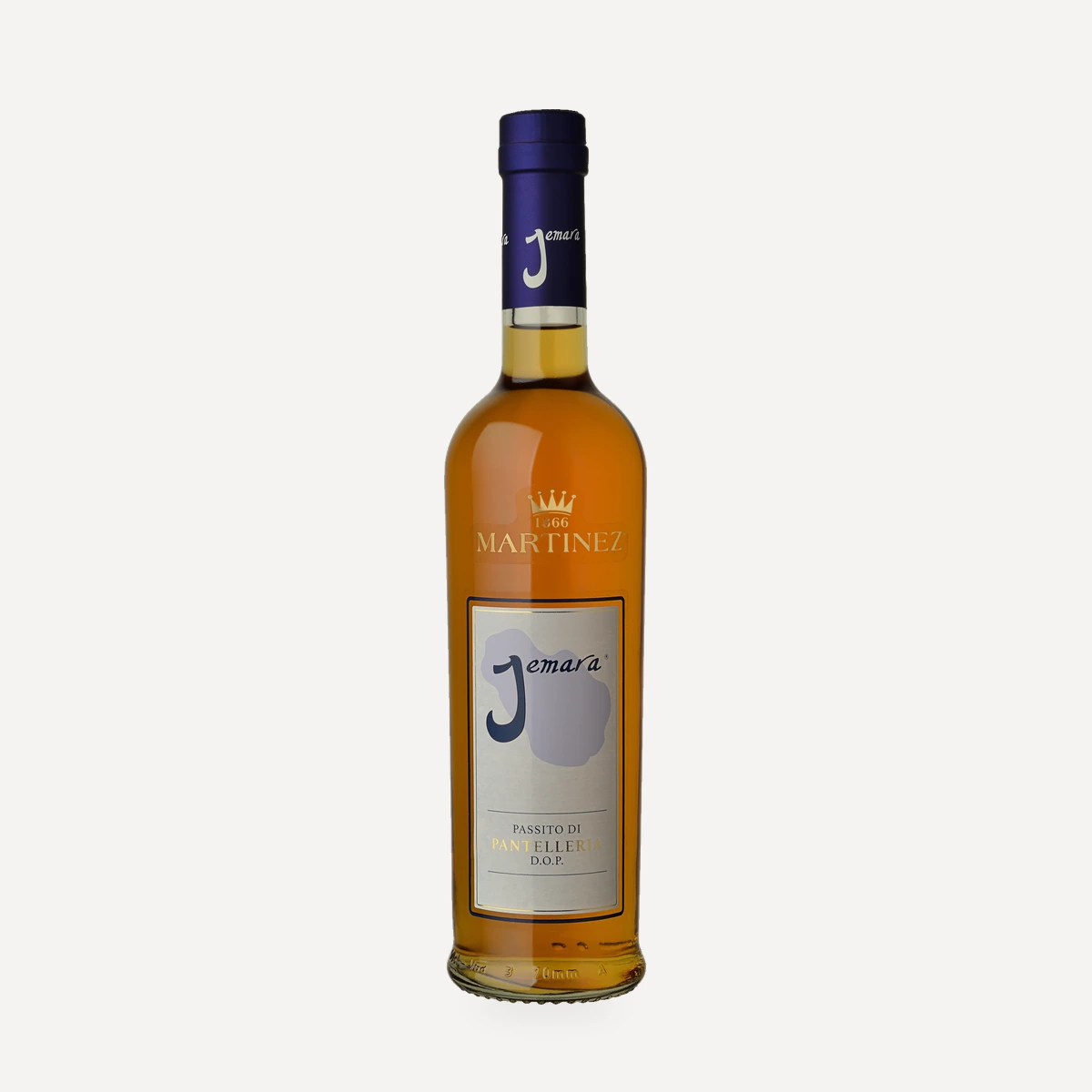
Jemara Passito di Pantelleria DOP
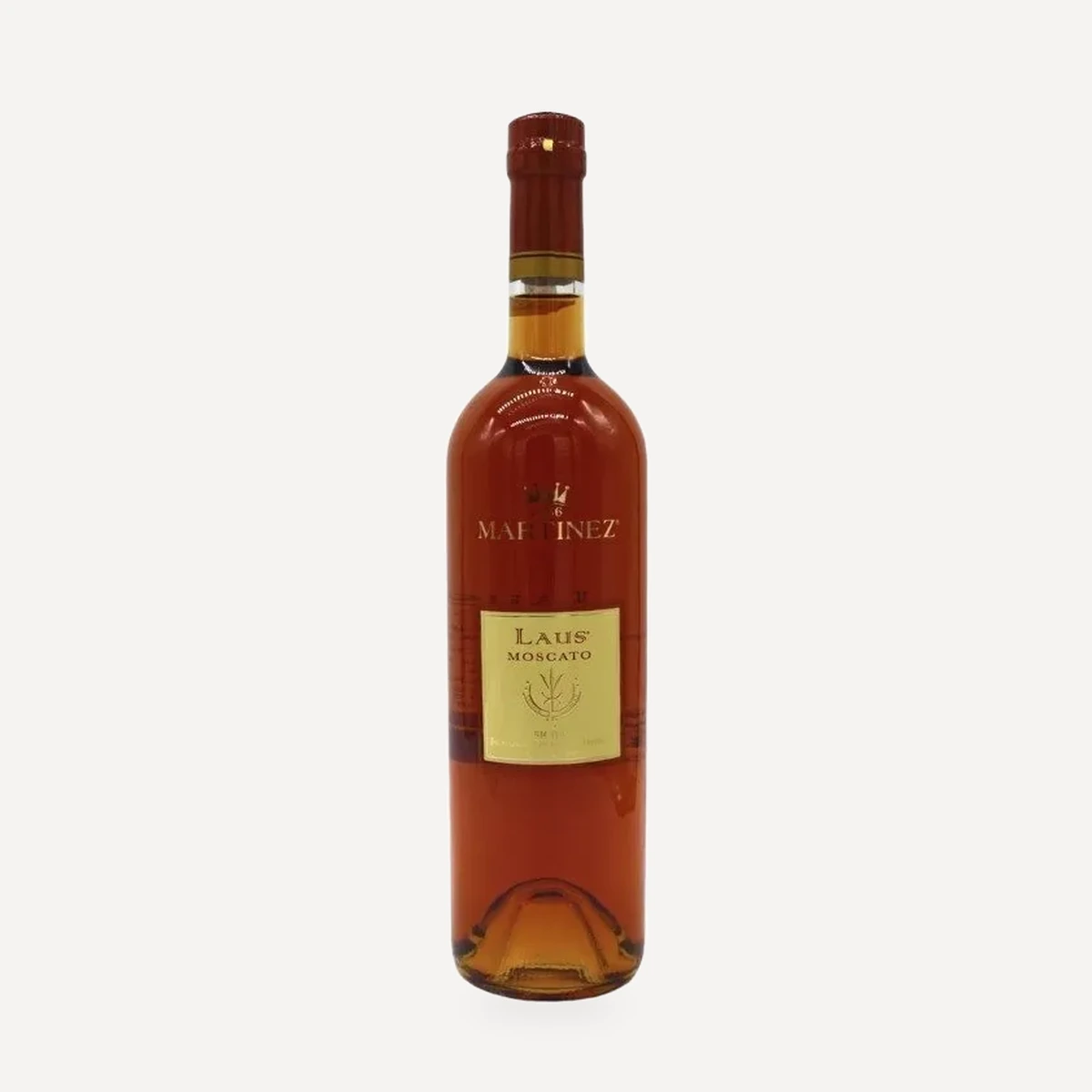
Laus Moscato I.G.P. Terre Siciliane
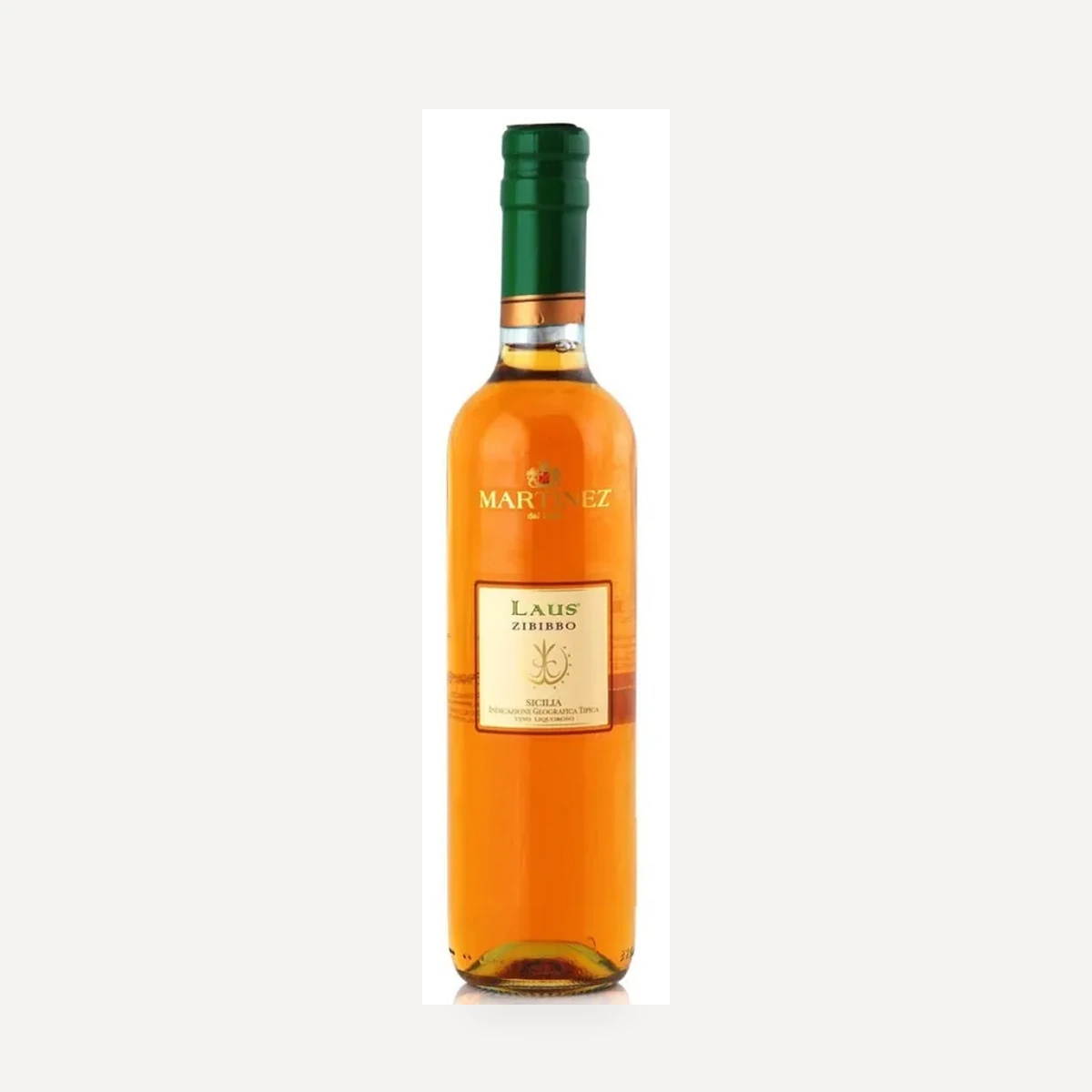
Laus Zibibbo I.G.P. Terre Siciliane
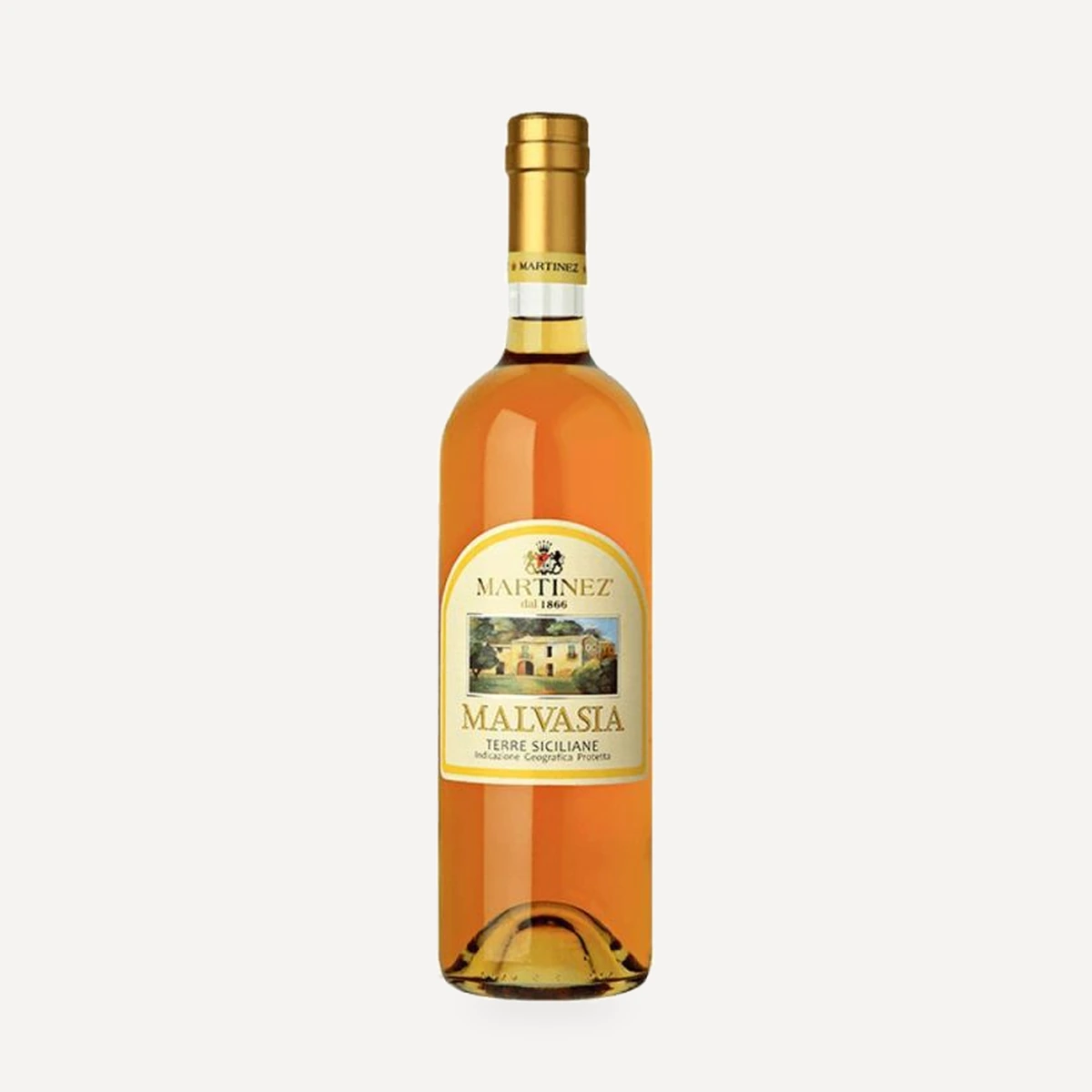
Malvasia IGP Terre Siciliane
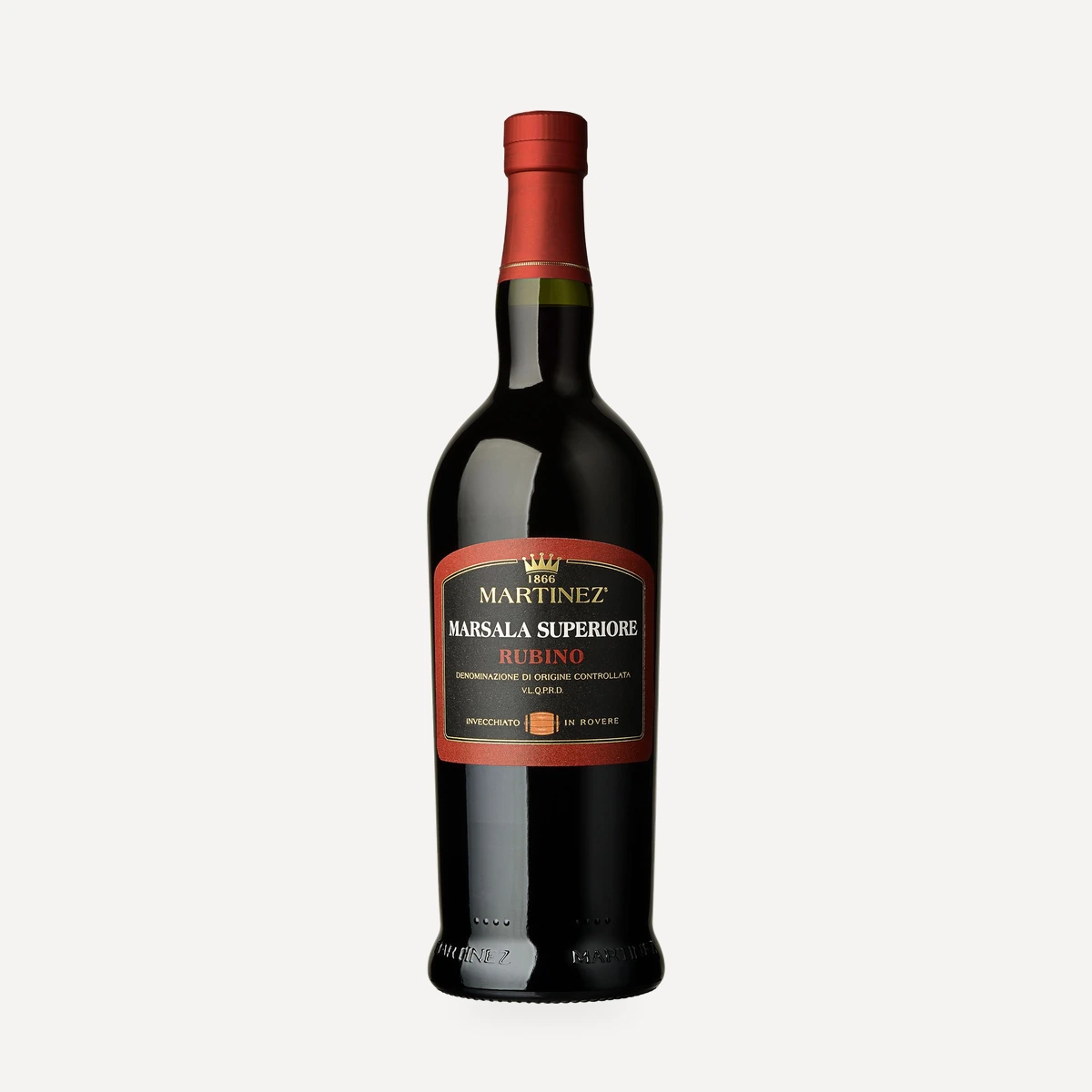
Marsala Superiore Rubino DOC
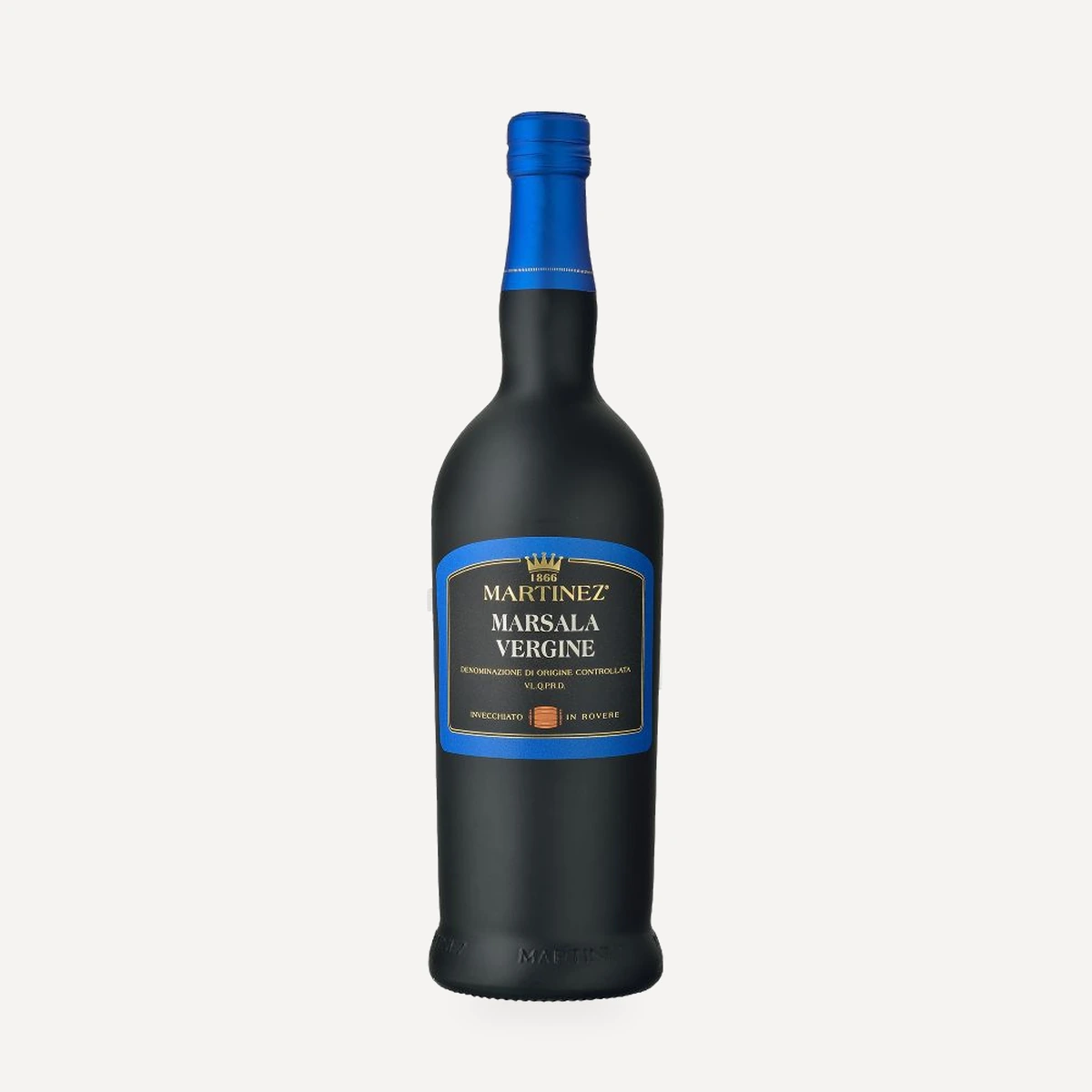
Marsala Vergine DOC
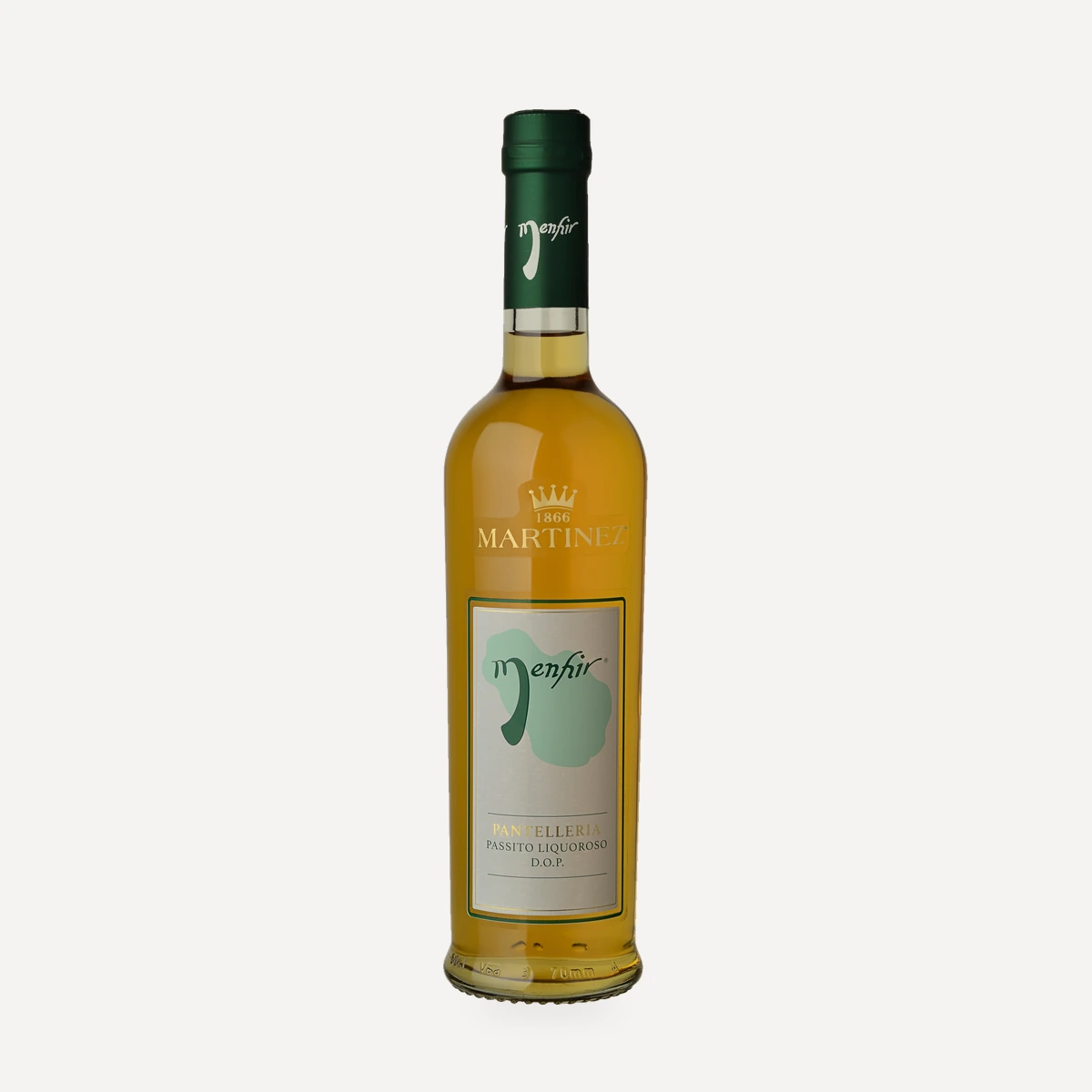
Menhir Pantelleria Passito Liquoroso DOP
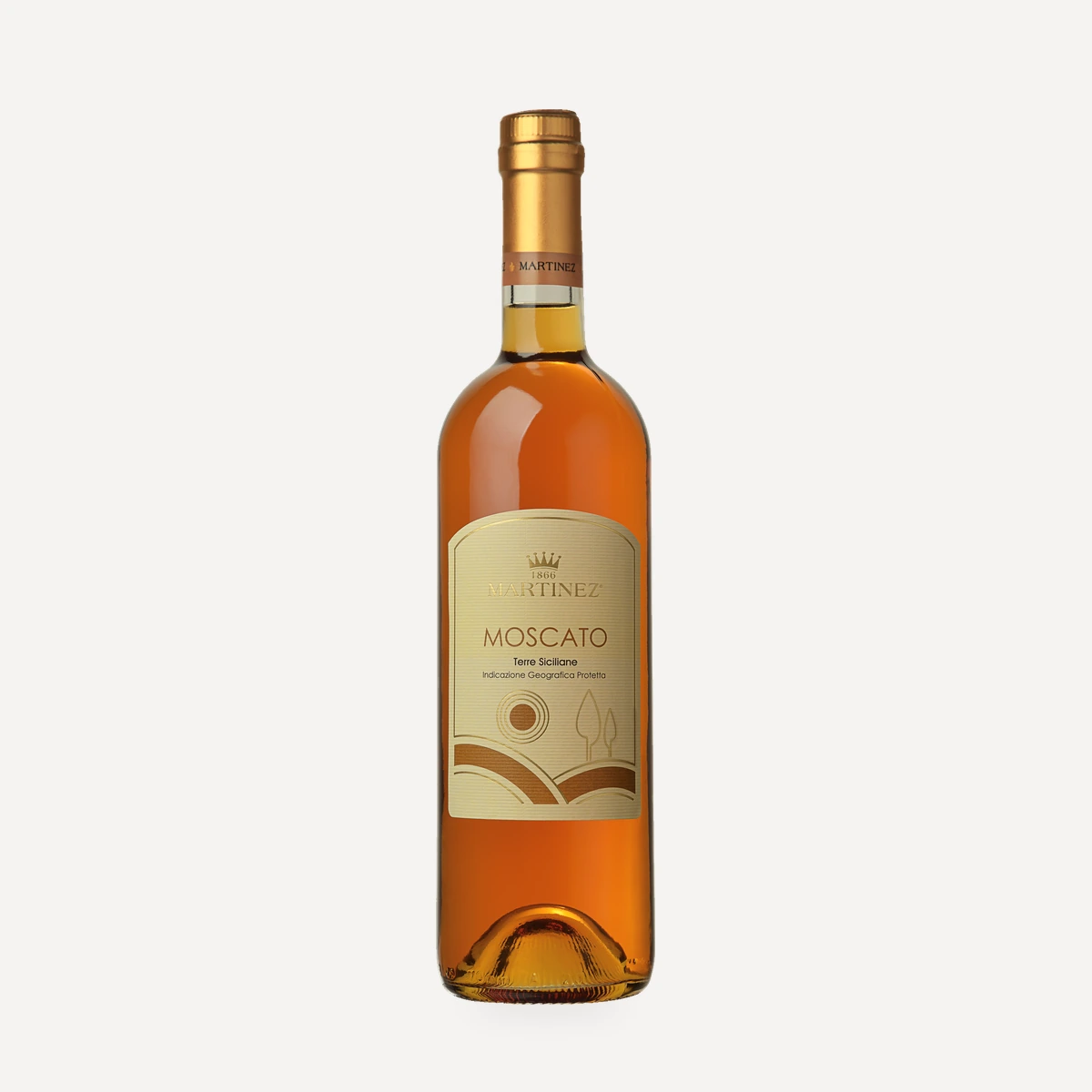
Moscato IGP Terre Siciliane
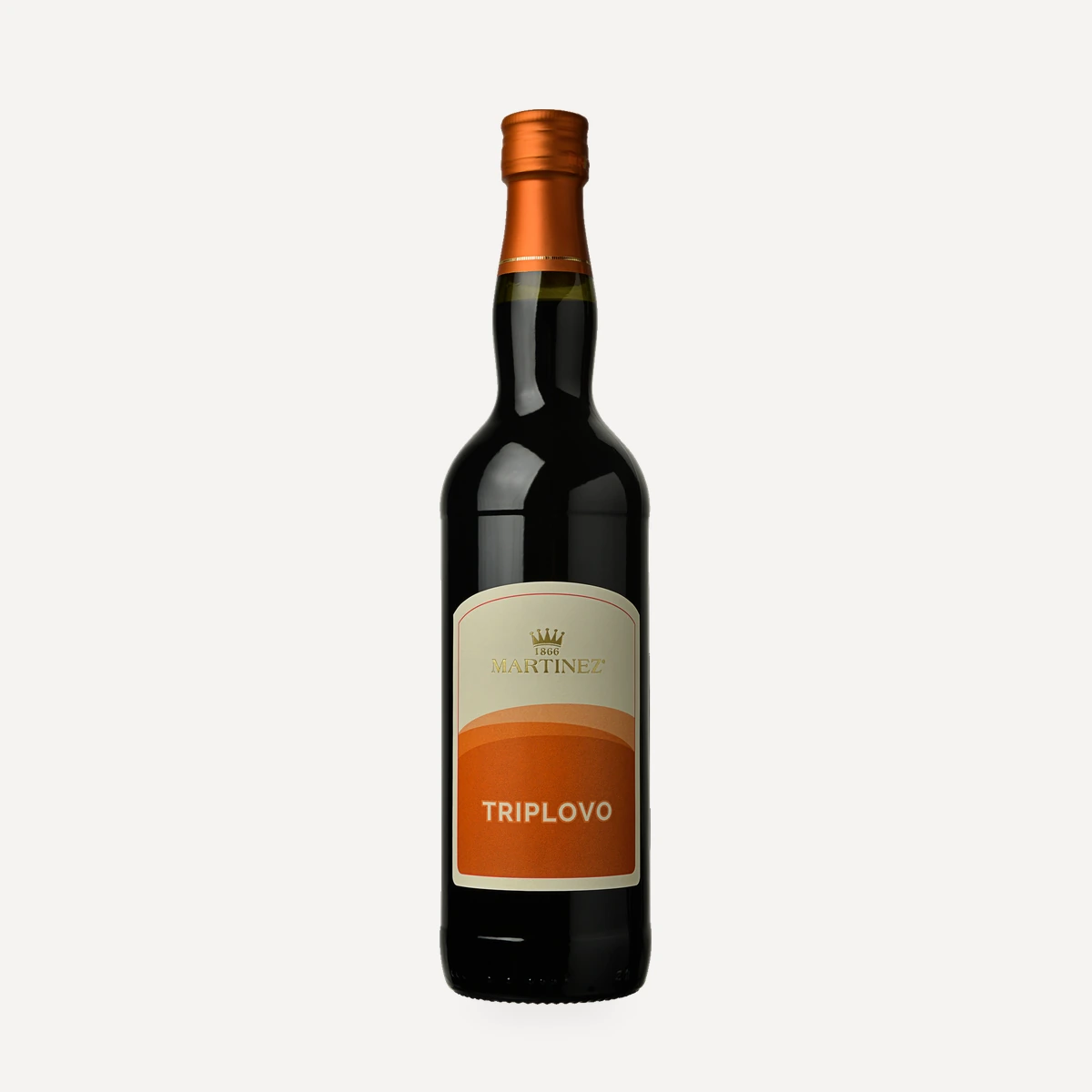
Triplovo
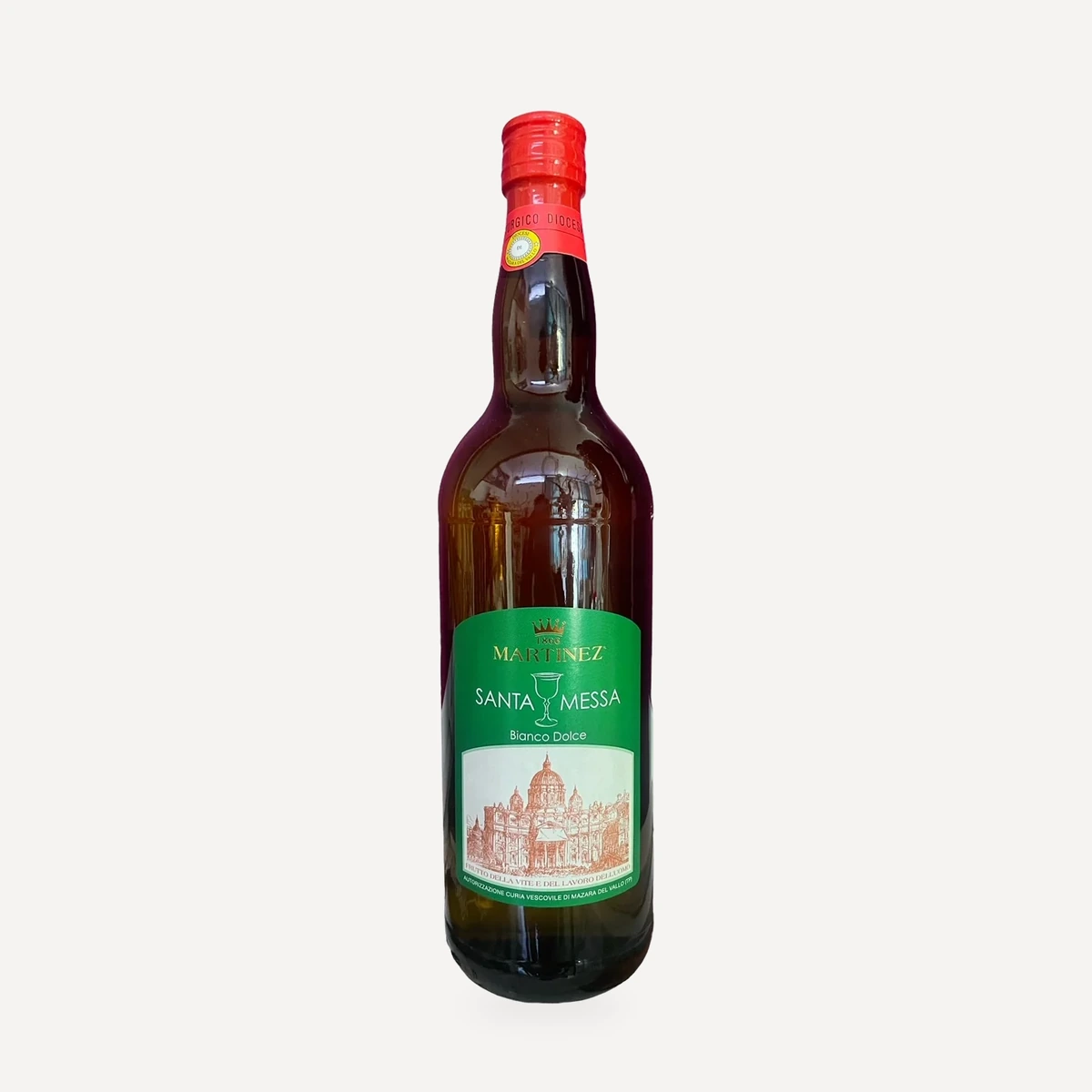
Vino per la Santa Messa Bianco Dolce
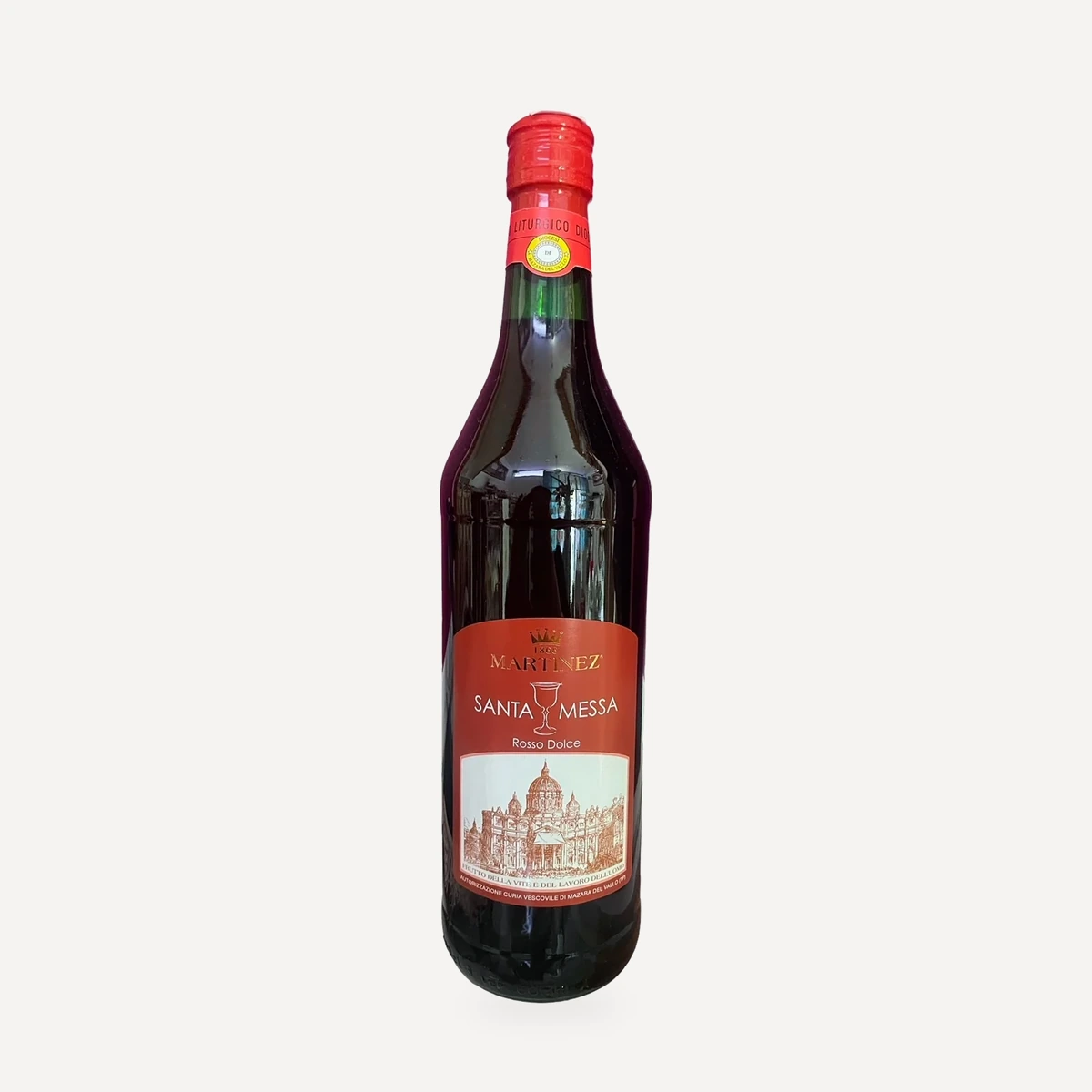
Vino per la Santa Messa Rosso Dolce
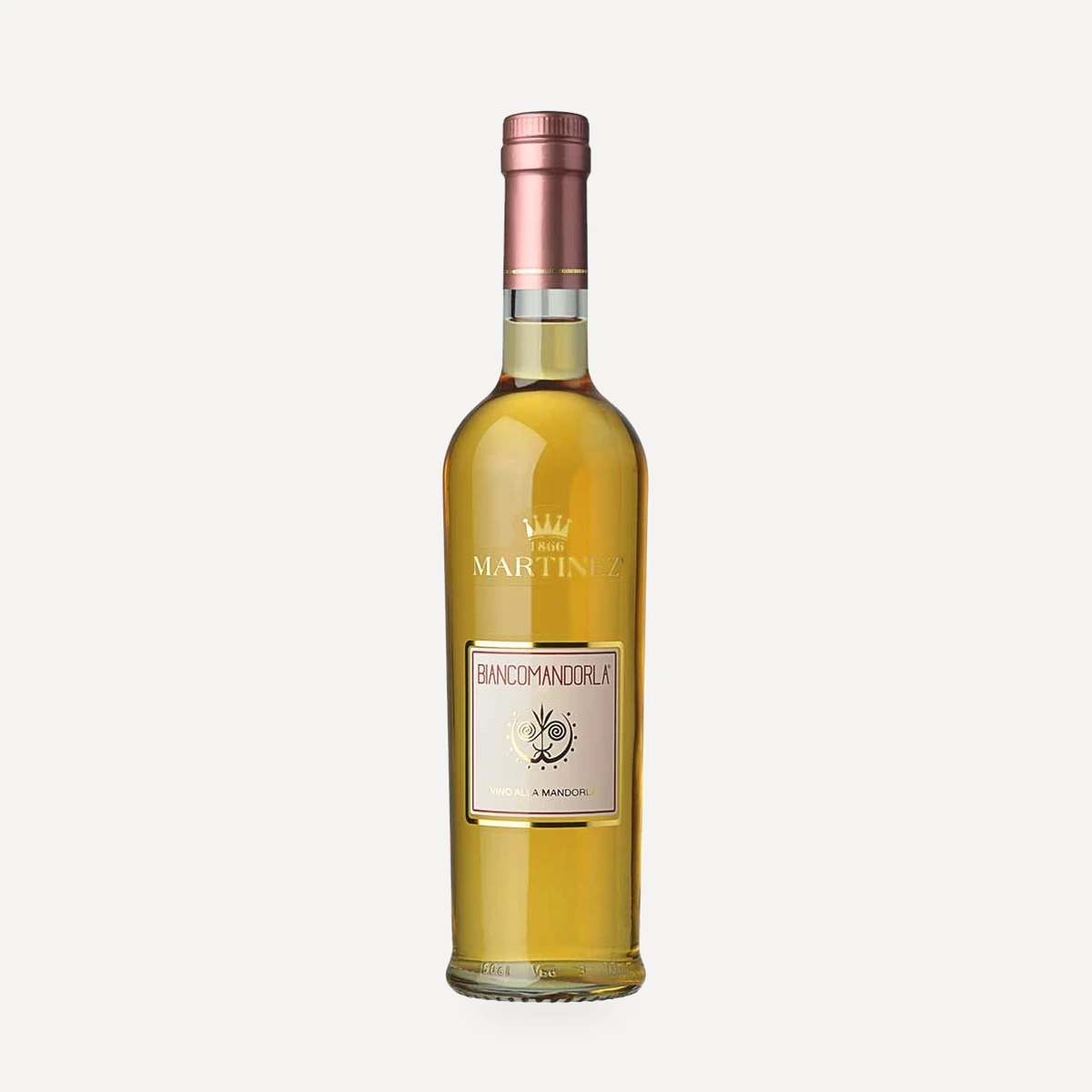
Biancomandorla