Storia
Viticultural roots
The land occupied by Masseria del Feudo has supported vine cultivation since 1860. At a later stage, the estate became the location of the first experimental Chardonnay plantings referred to in its history.
The family estate
Masseria del Feudo developed through four generations of the same family. Its old rural farm buildings were adapted to house the winery, while the historic palmento—the traditional wine-processing structure—was converted into a climate-controlled area for maturation.
The father of the present generation conceived a dedicated Nero d’Avola cru. The vineyard was subsequently described as approximately 20 years old. Its 2014 vintage yielded 794 individually numbered bottles, each signed by him; Francesco and Carolina dedicated the resulting reserve to their father.
Fourth-generation stewardship
Francesco and Carolina represent the fourth generation. They continue the family’s agricultural and viticultural work, combining established traditions with experimentation, environmental responsibility and attention to production quality.
The estate’s research activities now include a micro-vinification line used during every harvest. It provides a means of testing new approaches intended to express the particular characteristics of the estate’s land.
More recent vineyard development introduced Frappato and Nerello Mascalese. These varieties now appear together in Rosso delle Rose, marking a further stage in the estate’s exploration of Sicilian grapes.
Terroir
Masseria del Feudo lies in the Caltanissetta countryside of central Sicily. Its 15 hectares of vineyards occupy rolling, hilly ground.
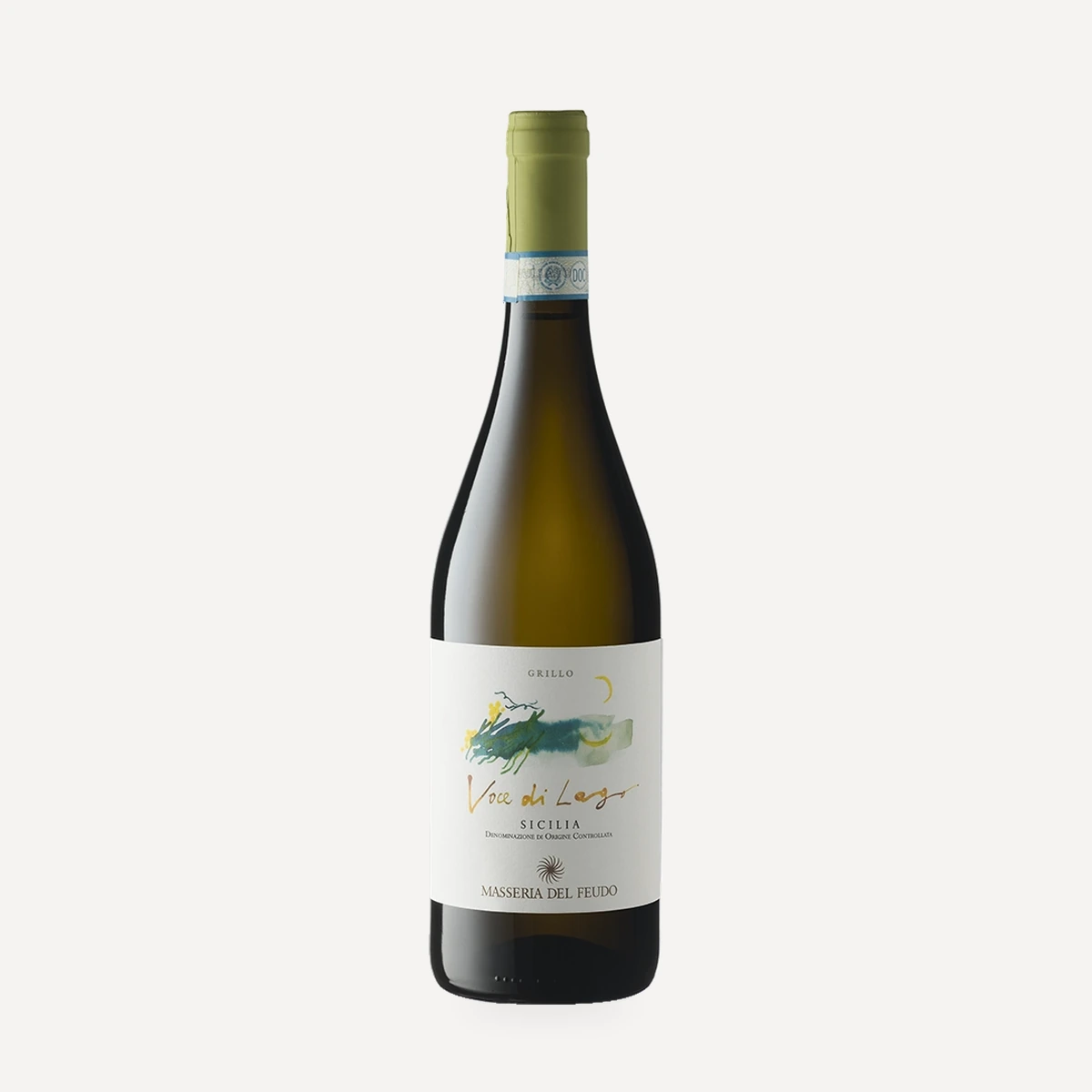
The individually described vineyard sites range from 450 to 500 metres above sea level. Two principal soil families are identified. The Grillo vineyards have medium-textured calcareous soils; the oldest Grillo parcel at 500 metres contains a particularly high proportion of rock fragments. The sites planted to Nero d’Avola, Syrah, Frappato and Nerello Mascalese are described as medium-textured clay soils.
The estate distinguishes several vineyard situations within this landscape: young vineyards at 480 metres, a young Nero d’Avola site at 500 metres, the oldest Grillo parcel at 500 metres, Vigna delle Rose at 480 metres and a 0.50-hectare Nero d’Avola cru at 450 metres.
Vinificazione
The 15 hectares of hillside vineyards are cultivated under certified-organic methods. Organic status is also identified across the estate’s current wines.
Harvesting is manual in every individually documented vineyard. The estate applies Guyot training to the Grillo, young Nero d’Avola, Frappato and Nerello Mascalese sites, while Vigna delle Rose and the earlier technical description of the Nero d’Avola reserve cru specify spur-pruned cordon.
Published yields vary by site and intended use. The young Grillo vineyard produces 2 kg per vine; the oldest Grillo selection approximately 1.5 kg; the young Nero d’Avola site at 500 metres approximately 2 kg; Vigna delle Rose 2.5 kg; and the Nero d’Avola reserve cru only 0.5 kg per vine. The young Nero d’Avola vineyard at 480 metres is limited to 9 tonnes per hectare, while the Frappato–Nerello Mascalese vineyard is limited to 8 tonnes per hectare.
Harvest timing extends from the first half of August for an early Nero d’Avola selection through mid-October for the reserve cru. The calendar includes Grillo in the second half of August and early September; other Nero d’Avola and Syrah selections in early and late September; and Frappato and Nerello Mascalese from late September into early October.
The winery occupies the old rural buildings of the masseria and has an overall capacity of 2,000 hectolitres. Its tanks and fermenters are made from stainless steel and concrete, with digital temperature control throughout.
A dedicated micro-vinification line permits experimental batches during every harvest. This work is directed toward identifying and strengthening expressions associated with the estate’s land.
Wine maturation takes place in the rooms of the historic palmento, now fitted with climate control. Across the cellar, the documented vessels include stainless-steel fermenters, concrete tanks, French-oak barrels and 25-hectolitre oak casks. Indigenous or naturally occurring yeasts are used in the documented fermentations. Depending on the intended result, the estate employs direct whole-cluster pressing, gentle pressing, cold settling, short cryo-maceration, extended skin contact, maturation on the lees and natural completion of fermentation in bottle.
Filosofia
Masseria del Feudo presents winegrowing as part of a broader, multigenerational agricultural identity. Francesco and Carolina’s fourth-generation stewardship is grounded in family values and in a balance between inherited practice and continuing innovation.
The estate defines its responsibilities in both environmental and production terms: social responsibility toward the environment is paired with a commitment to quality. Certified-organic cultivation, the development of multiple farm sectors and the use of estate products in hospitality give practical form to that position.
Experimentation is treated as a means of interpreting the land rather than as an end in itself. The micro-vinification programme conducts new trials during each harvest with the objective of bringing forward the particular characteristics of the estate’s territory.
Vini
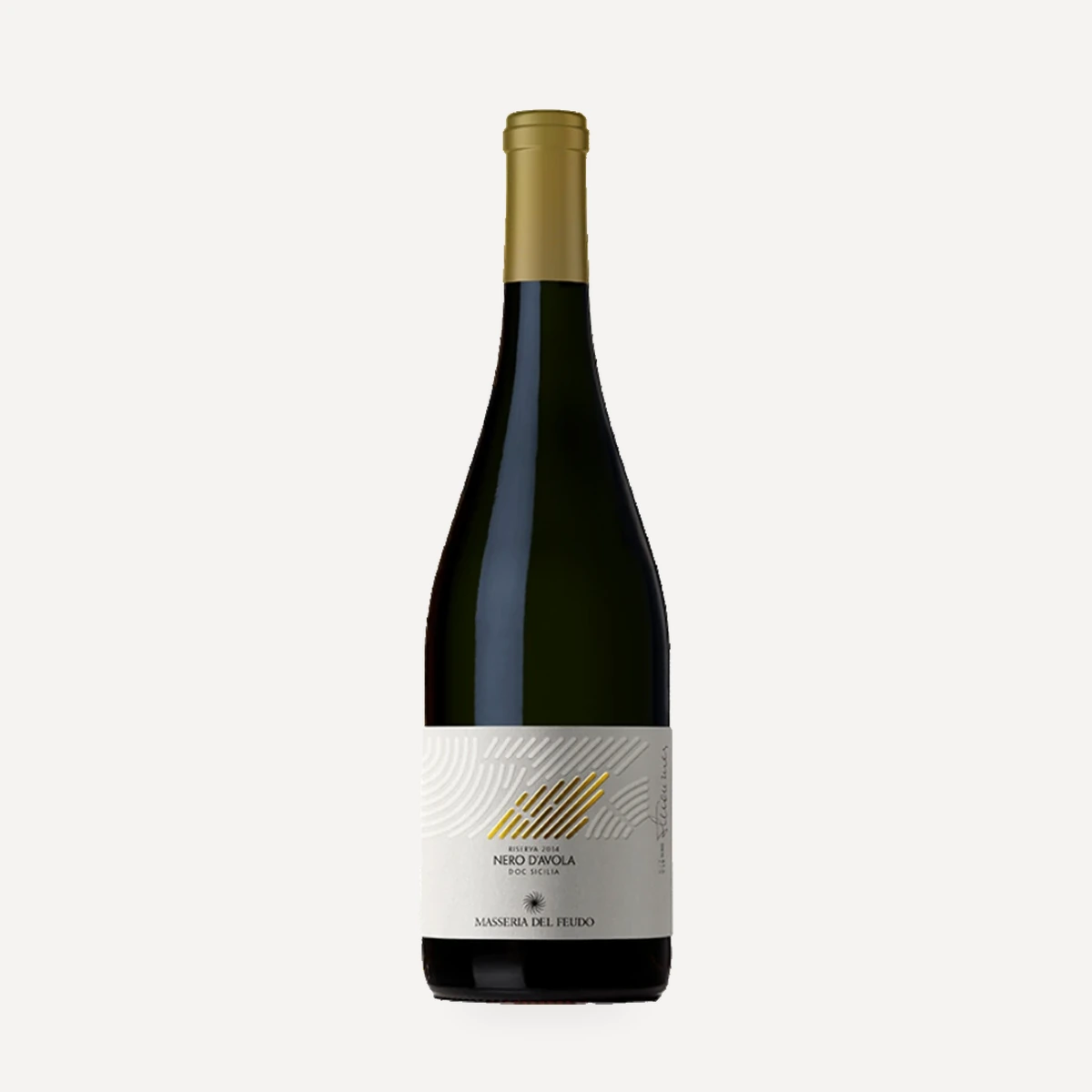
Nero D'Avola Riserva
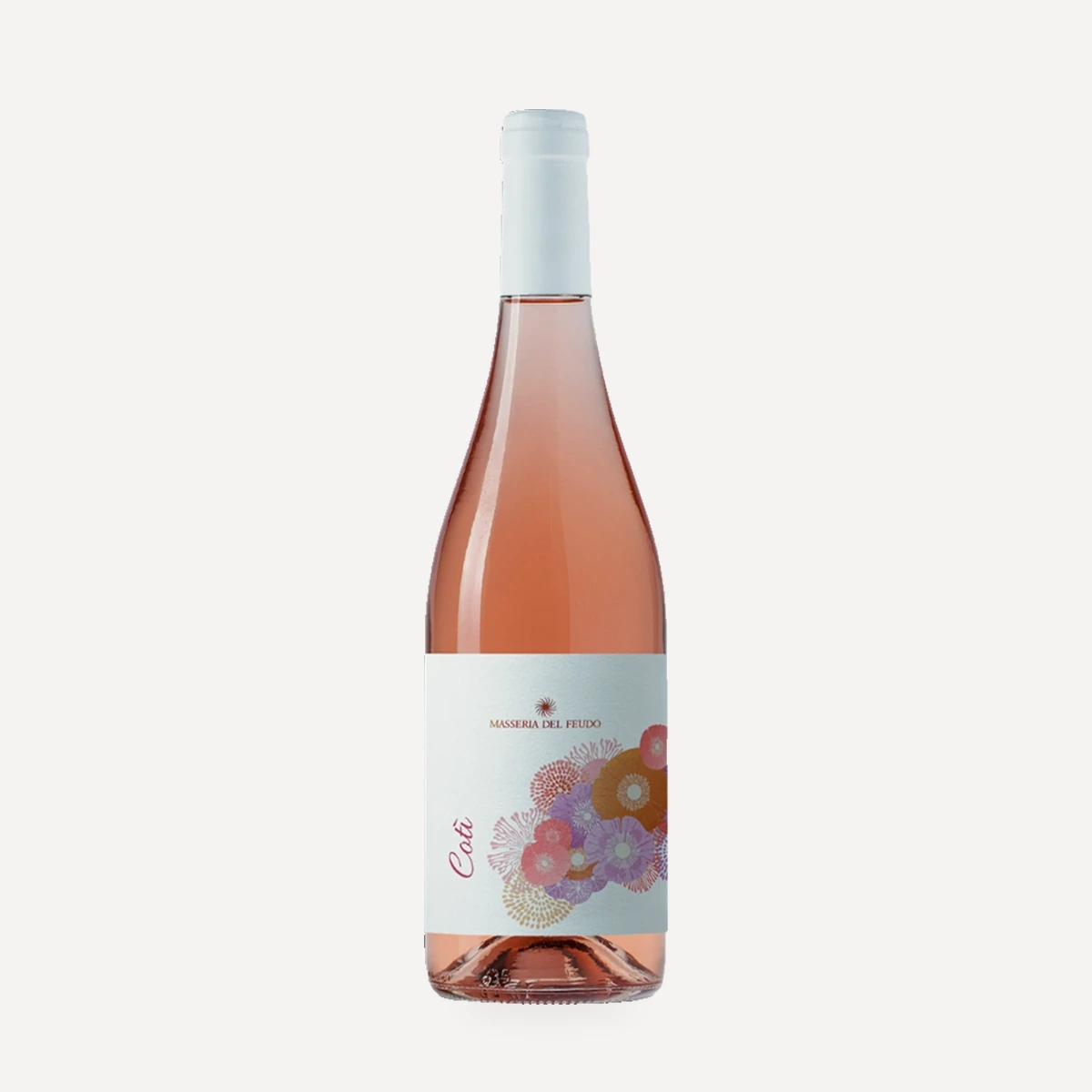
Cotì
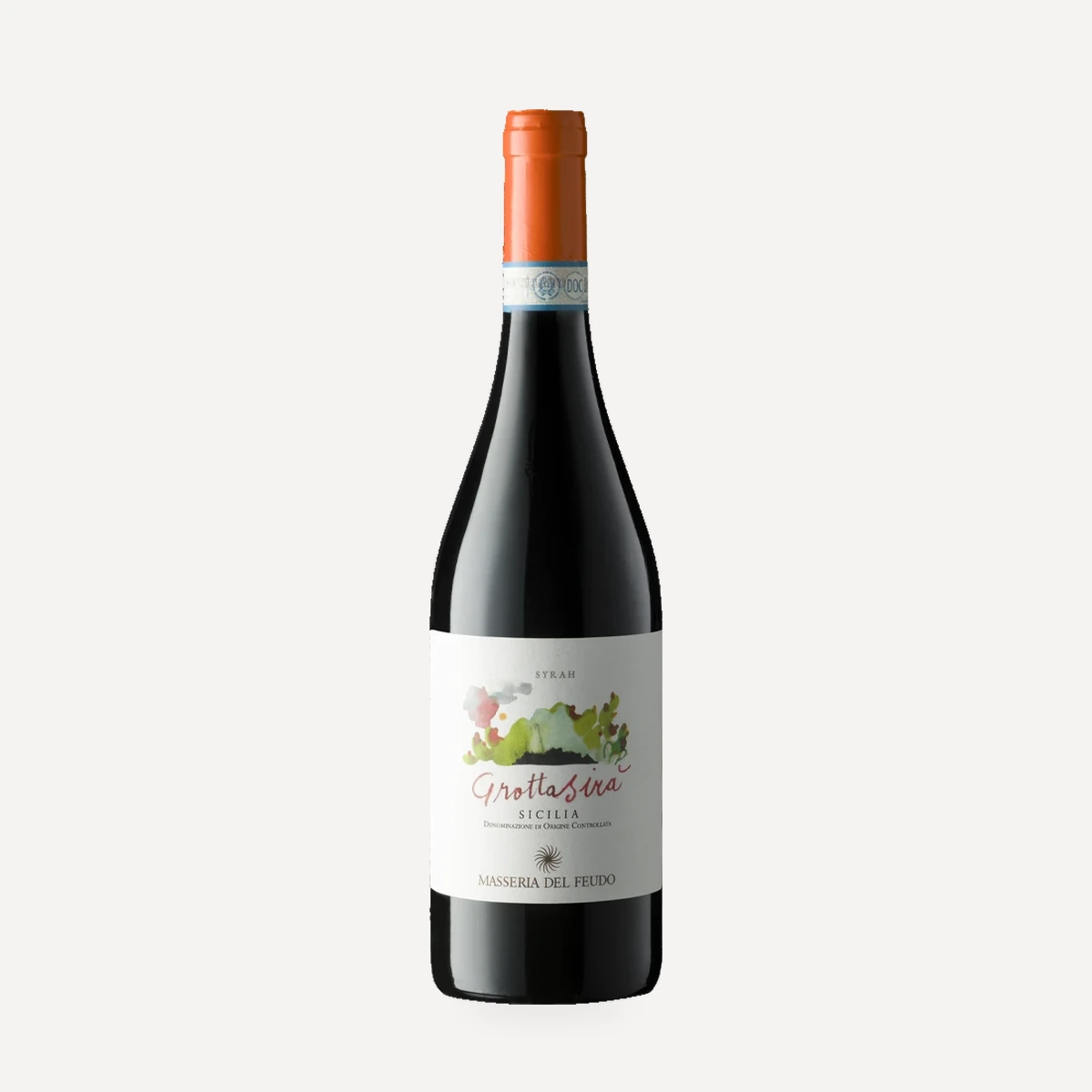
Grottasirà
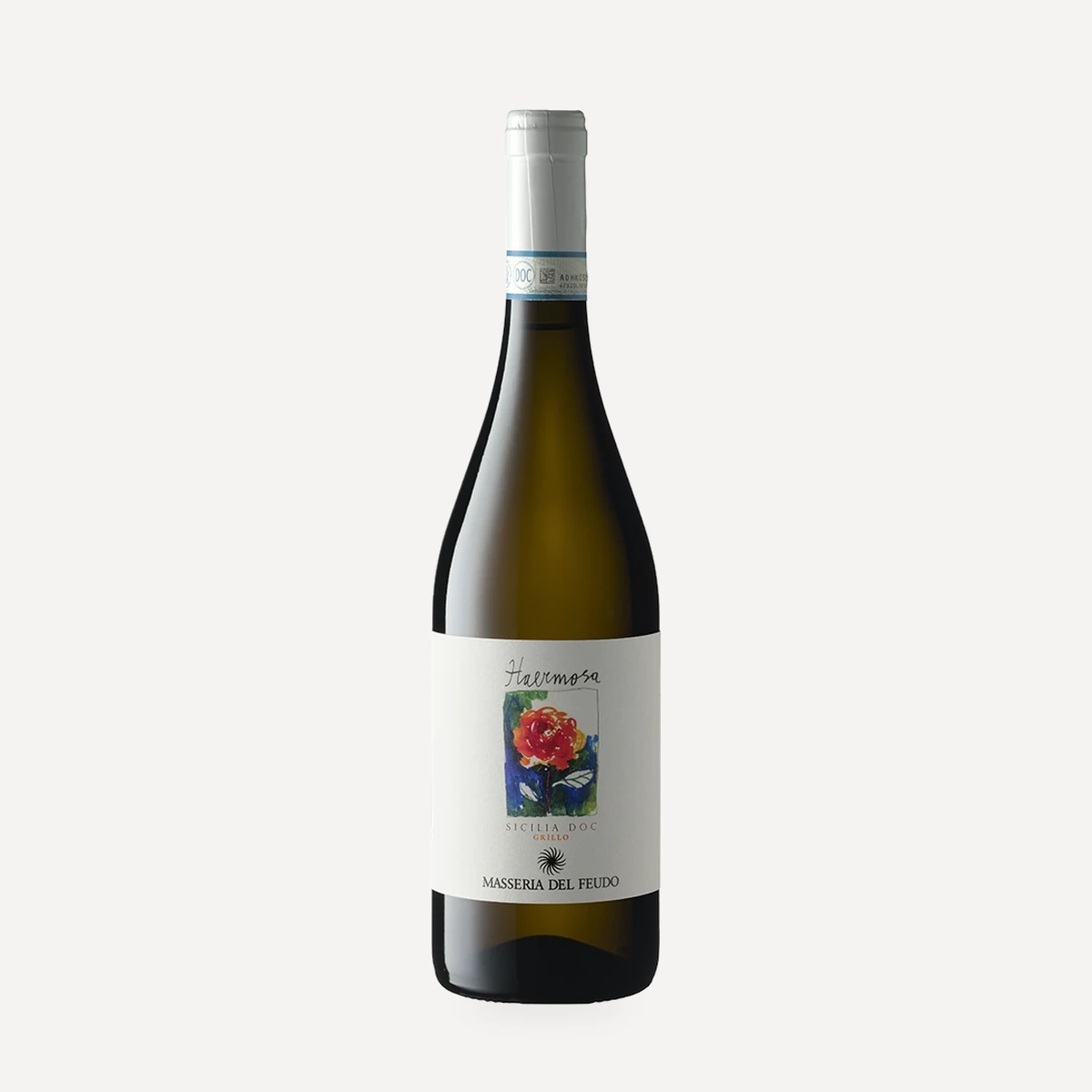
Haermosa
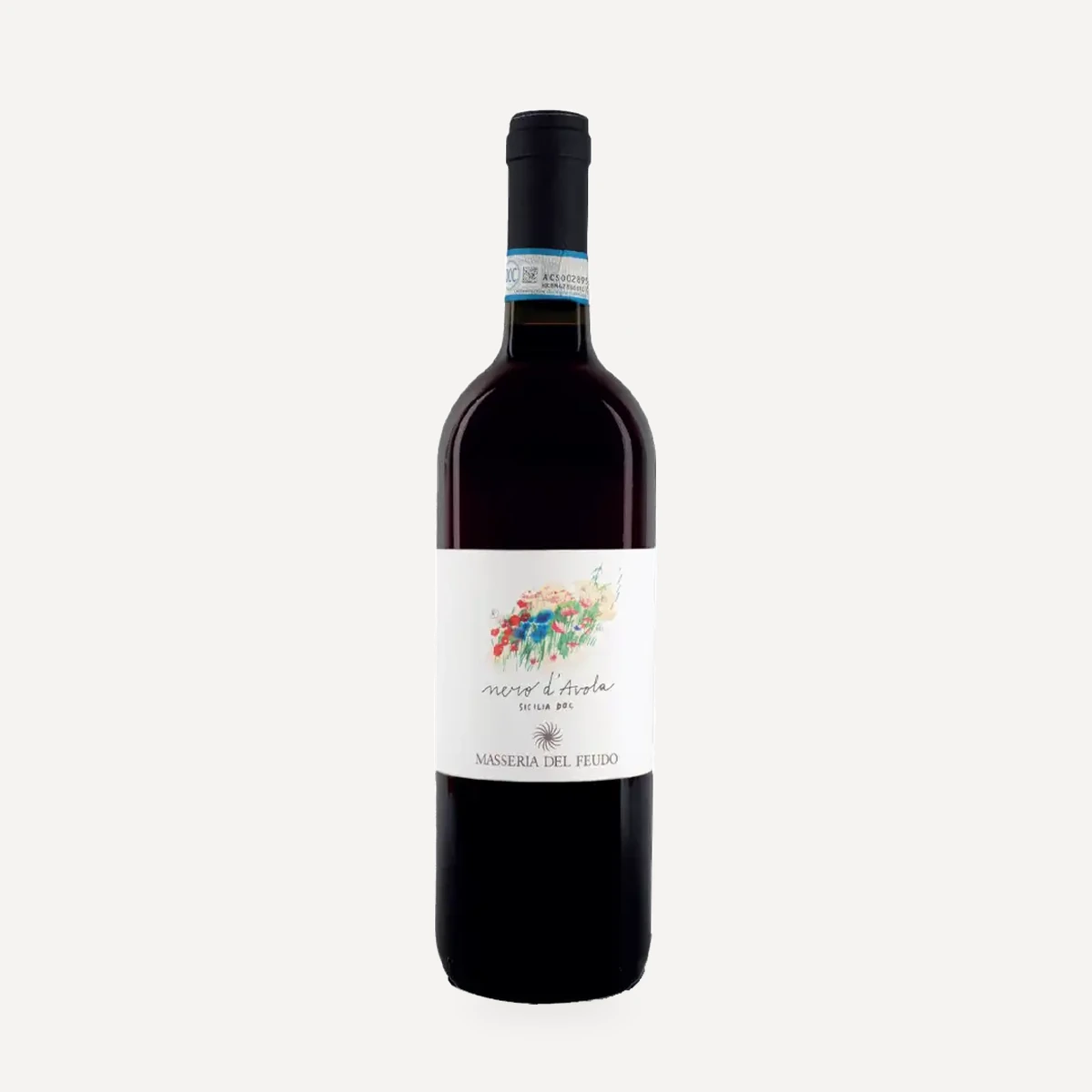
Nero d'Avola
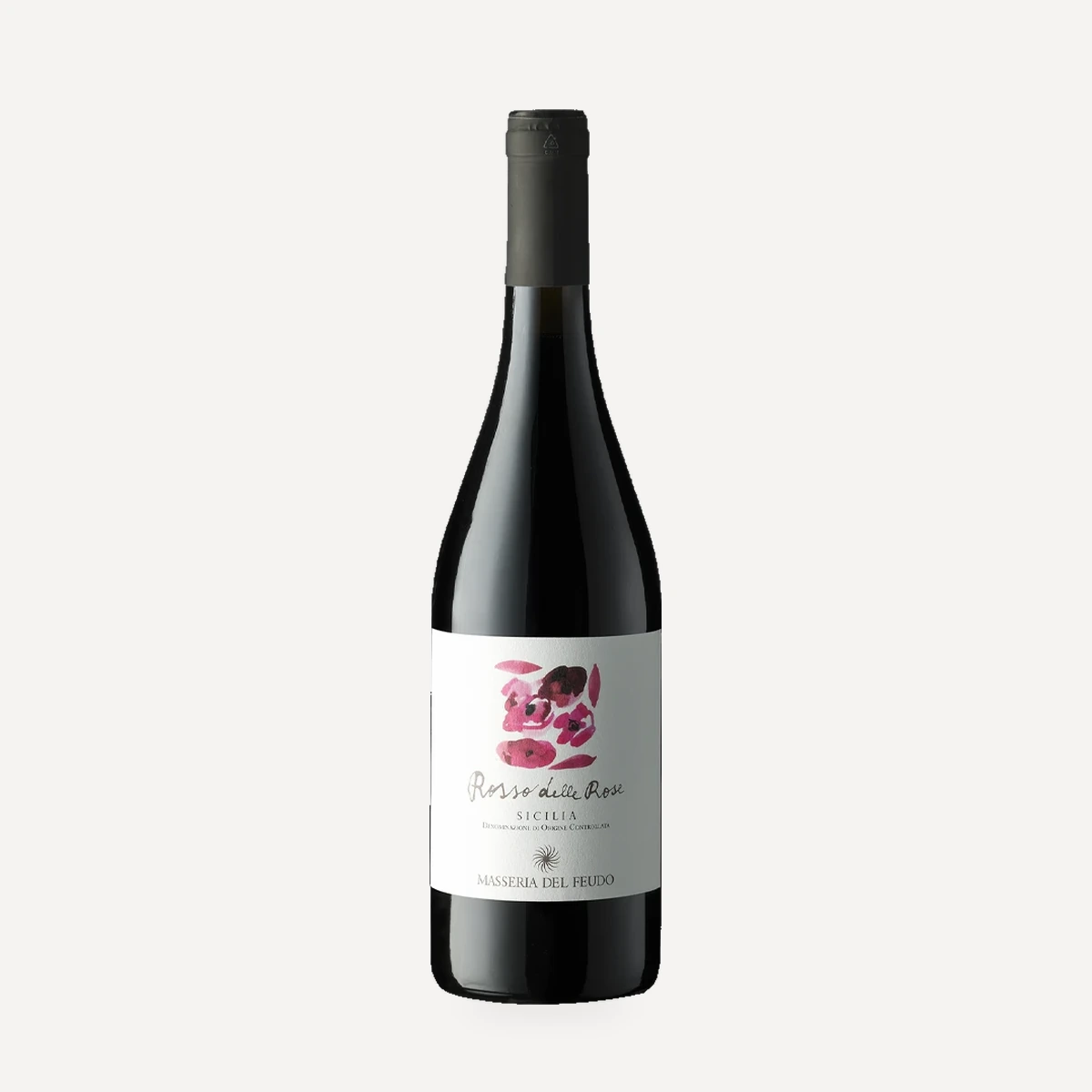
Rosso delle Rose
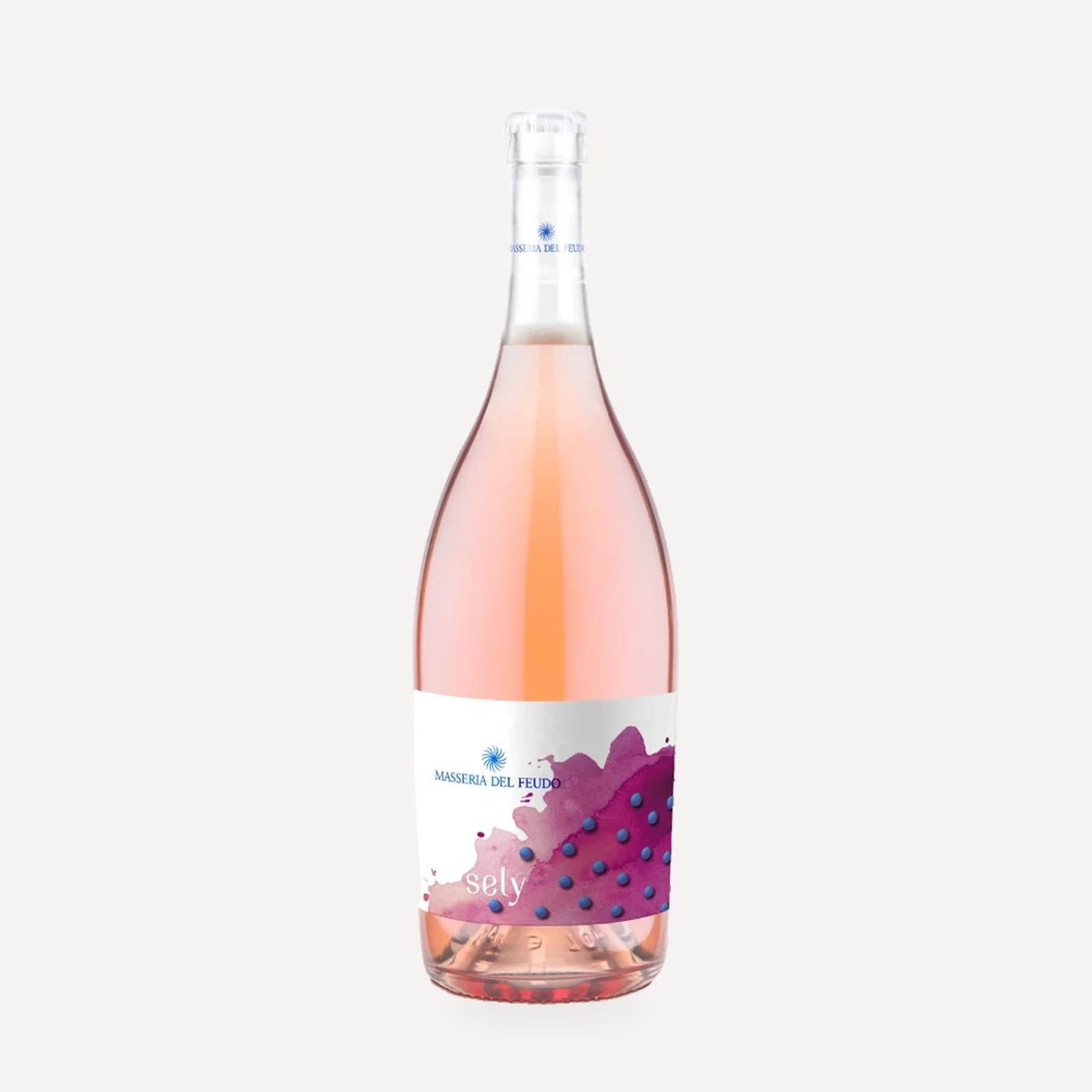
Sely
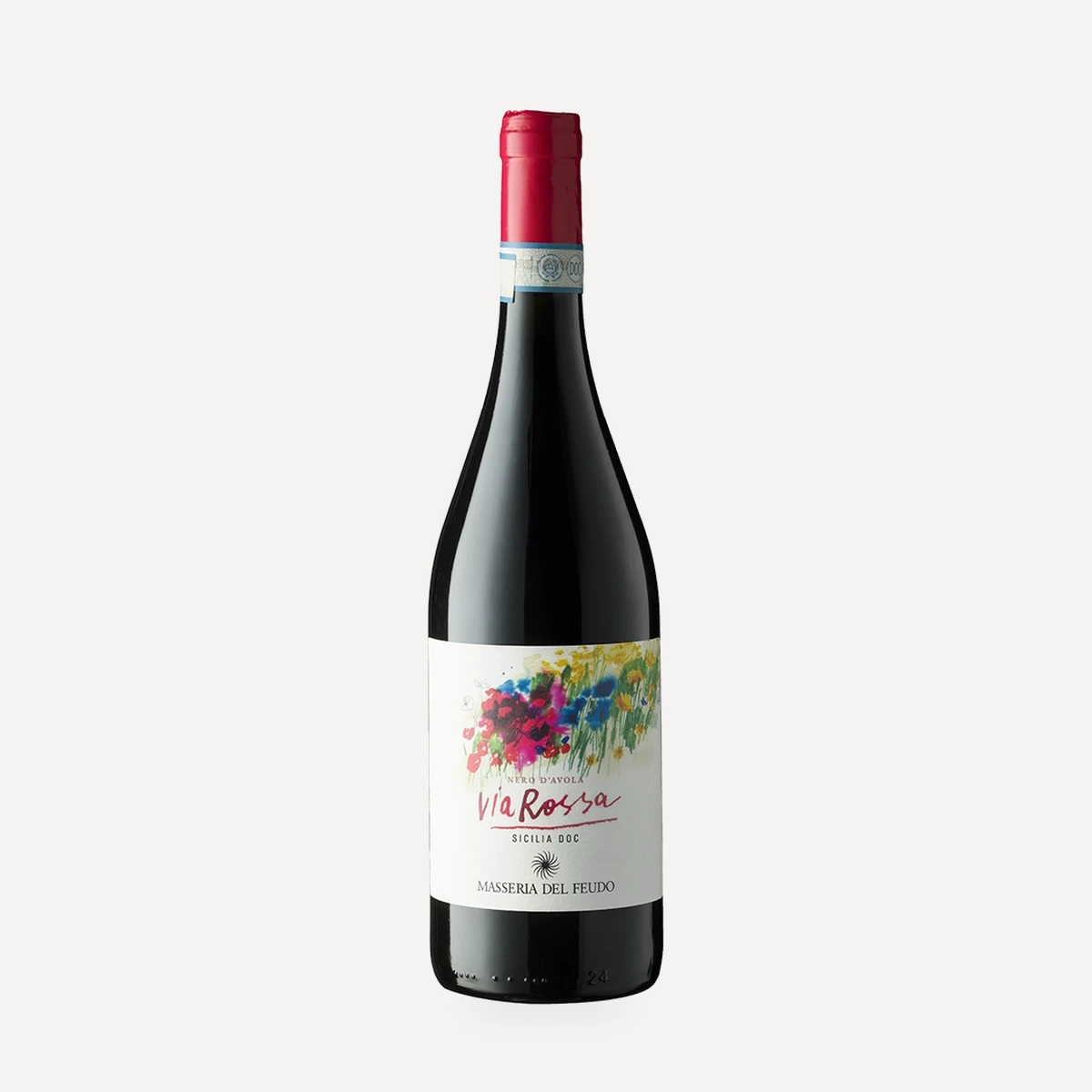
ViaRossa