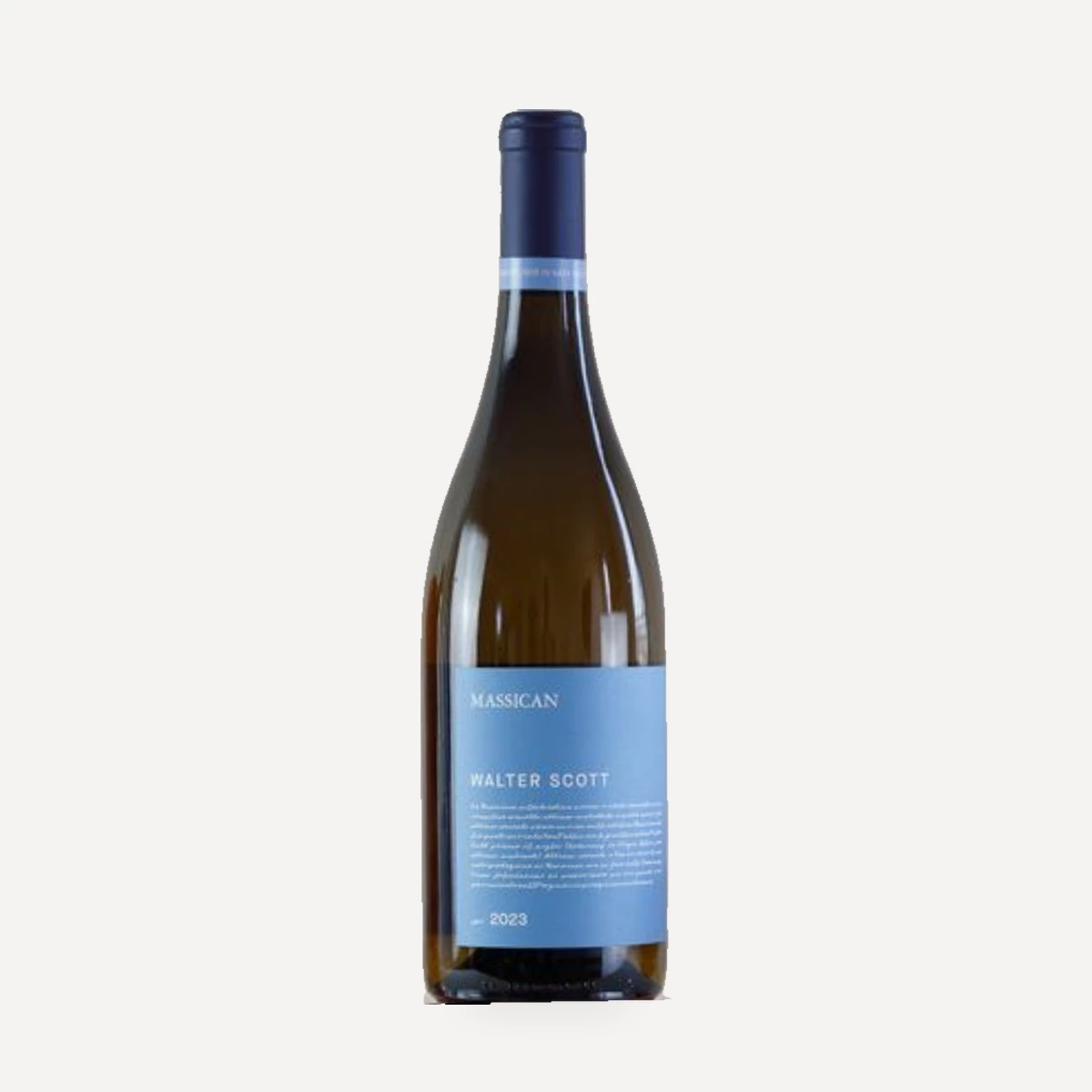
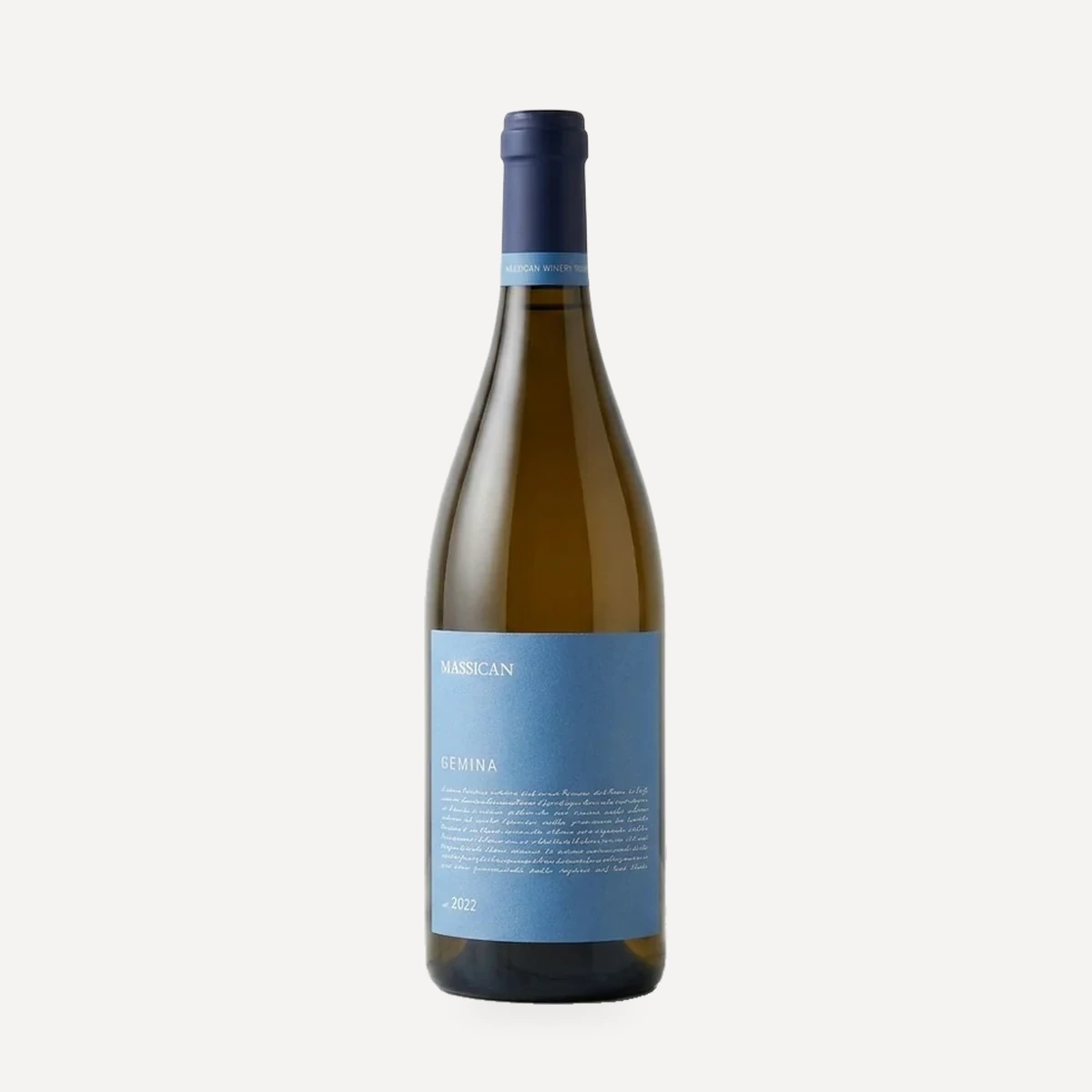
Questo vino
Vineyard and terroir
The California appellation reflects a multi-region blend: 28% of the fruit comes from Napa, 34% from Sonoma, 33% from Clarksburg and 5% from Lodi. Sources are Fish Vineyard in Calistoga, John Anthony in Carneros, Morganlee in Yountville, Shone Farms in Russian River, Heringer and Silt in Clarksburg, and Mio Vigneto in Lodi. Fifty-four percent of the vineyards are organically farmed, and no glyphosate is used for weed control.
Grapes
100% Sauvignon Blanc.
Vinification
Every vineyard lot is hand-harvested and fermented separately. Grapes are picked at daybreak and whole-cluster pressed. The juice settles overnight before being decanted the following morning. Native or cultured yeast is used according to the requirements of each lot. Fermentation and ageing take place in 44% stainless-steel barrels and 56% stainless-steel tanks. Blending occurs in January, followed by bottling in late February. The wine is sterile-filtered but neither fined nor cold-stabilized.
Ageing
The wine remains entirely in stainless steel: 44% in stainless-steel barrels and the balance in tanks.
Technical data
Alcohol is 12.5%, pH 3.2 and total acidity 7.4 g/L, including 2.8 g/L malic acid. Residual sugar is 0.1 g/L. Sulfur represents approximately 0.002% of the finished wine. Production totals 75,648 bottles. A 118 ml serving contains 93 calories, two grams of carbohydrates and approximately 0.1 g sugar.
Tasting profile
A fresh, bright and light-bodied Sauvignon Blanc with high acidity. Its broader house style emphasizes floral aromatics, citrus and saline flavors.
Serving and pairing
Designed to be consumed fresh and young, especially during the calendar year following the vintage. Recommended pairings include Condiglione, an Italian Niçoise-style salad, and goat cheese.
Label / history
The wine is conceived as a California expression of the bright, everyday Sauvignon Blanc tradition associated with northeastern Italy.