Storia
Origins of the Etna project
Massimo Lentsch’s decision to establish vineyards and a winery on Etna coincided with a significant personal turning point. The project was preceded by approximately 15 years of contact with local producers, wines, growers, vineyards and cellars. Those encounters informed his decision to work on Etna’s northern slope.
The project followed an earlier experience with the different volcanic environment of Lipari. On Etna, Lentsch continued to pursue freshness, elegance and acidity rather than forceful tannins or elevated alcohol. He placed his own name on the wines because he regards every vintage as an expression of its weather, the year’s vineyard work and his own personality and determination.
2016
The estate’s vintage chronology begins in 2016. A severe winter with limited rain was followed by mild spring weather and above-average temperatures, advancing vegetative growth by several days. Warm, rainless conditions from June through August also accelerated the first stages of ripening. Rain and lower temperatures after the end of August extended maturation and helped preserve freshness and fragrance. The season produced a profile associated with harmony, finesse and elegance rather than concentration.
2017
Rain in autumn 2016 and cold conditions at the beginning of winter initially delayed foliage development by approximately two weeks. Favorable spring weather eliminated that delay. Summer was hot and dry, with abrupt temperature changes. Water scarcity slowed the vines, while targeted vineyard work helped prevent Nerello Mascalese from becoming overripe or excessively alcoholic.
2018
Following the preceding drought, winter brought low temperatures and, in many locations, abundant snow. Budbreak occurred approximately ten days later than average. Cool, rainy conditions during flowering naturally restricted and balanced the crop. The delay continued through veraison, ripening and harvest, which took place approximately 14 days later than the recent average. Rain remained frequent during August and September, but stable conditions late in the season extended maturation and allowed grapes with good aromatic development to be harvested.
2019
The 2019 season followed a pattern considered characteristic of Etna. Vineyards above 600 metres received some summer rain, while normal day–night temperature differences refreshed the grapes and supported aromatic development. Nerello Mascalese was harvested during the middle ten days of October. The resulting wines developed fragrance, fine integrated tannins and considerable ageing potential.
2020
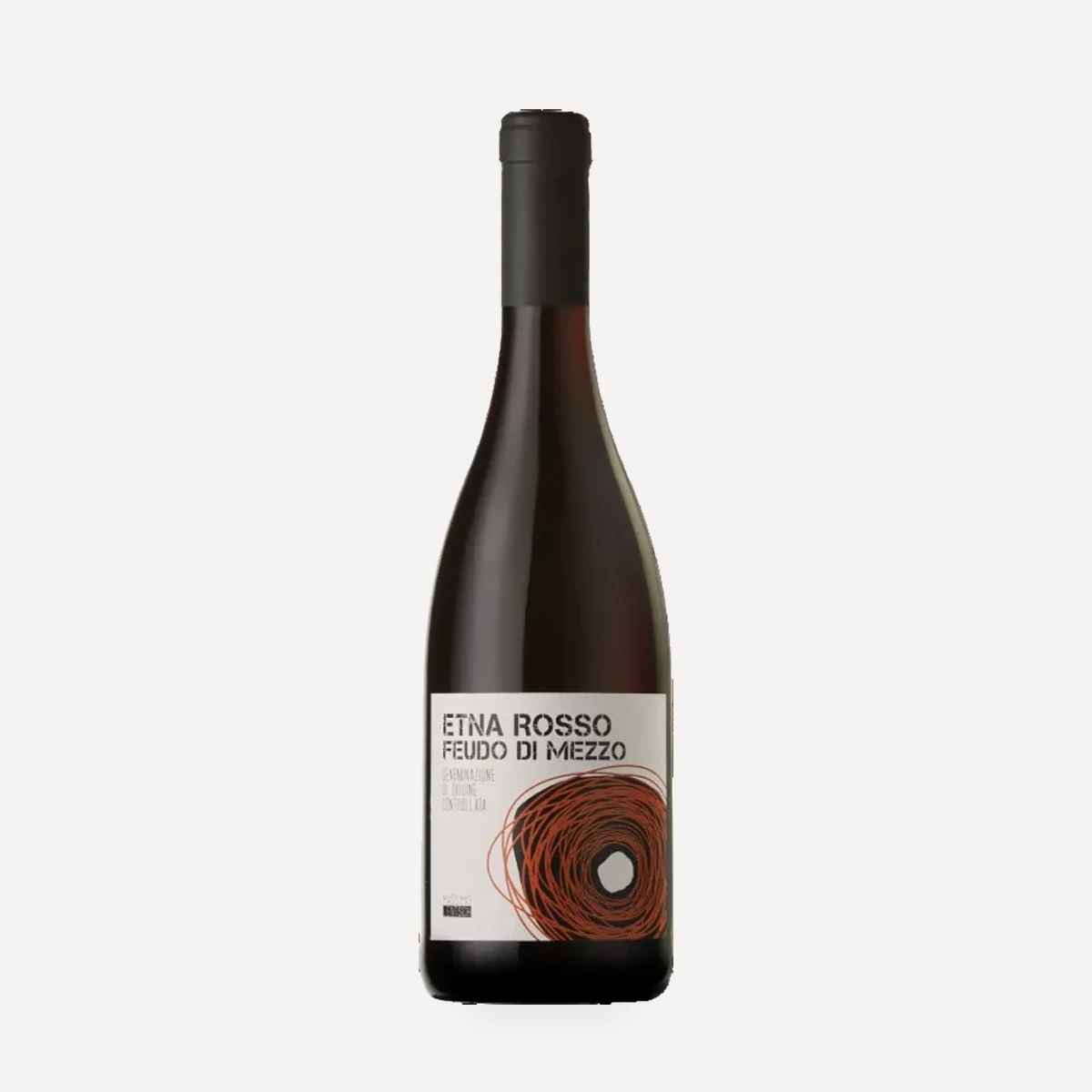
Vegetative growth and ripening proceeded regularly throughout 2020. The well-ventilated northern slope avoided excessive rainfall, permitting slow maturation of the grapes, skins and seeds. Harvesting of Nerello Mascalese began on 20 October. Fruit from this vintage later supplied the first Feudo di Mezzo contrada bottling, previewed at Vinitaly in April 2024.
2021
A short, sudden frost in March caused no serious vineyard damage. Heat and drought during spring and summer created considerable water stress, partly moderated by cool breezes on the northern slope. Autumn rain helped the vines recover, while mild temperatures and pronounced day–night variation accelerated ripening. Sugar levels were monitored continuously, and each variety was harvested several days earlier than usual to preserve freshness, restrain alcohol and maintain acidity and pH while attaining the intended phenolic and aromatic maturity.
On 30 April, plans were presented to restore the ancient palmento in Contrada Calderara Sottana. The structure had once received grapes in a stone pressing area known as the pista. Must then descended by gravity to vats below. Pressing employed a traditional conzu fitted with a large lignu i conzu beam and lava-stone counterweight, after which wine matured in large Etna chestnut vessels. The restoration formed part of a wider plan for a new winery, wine resort and bistro.
2022
The season remained dry until the middle of August, after which repeated rain revived the vines and completed a cycle that had been severely tested by heat. Green harvesting, particularly in young and vigorous vineyards, helped the naturally productive Carricante achieve physiological maturity on its customary schedule. Nerello Mascalese was harvested in the middle ten days of October. Evening winds in Feudo di Mezzo cooled and dried the vineyards, acting as a natural aid to vine health.
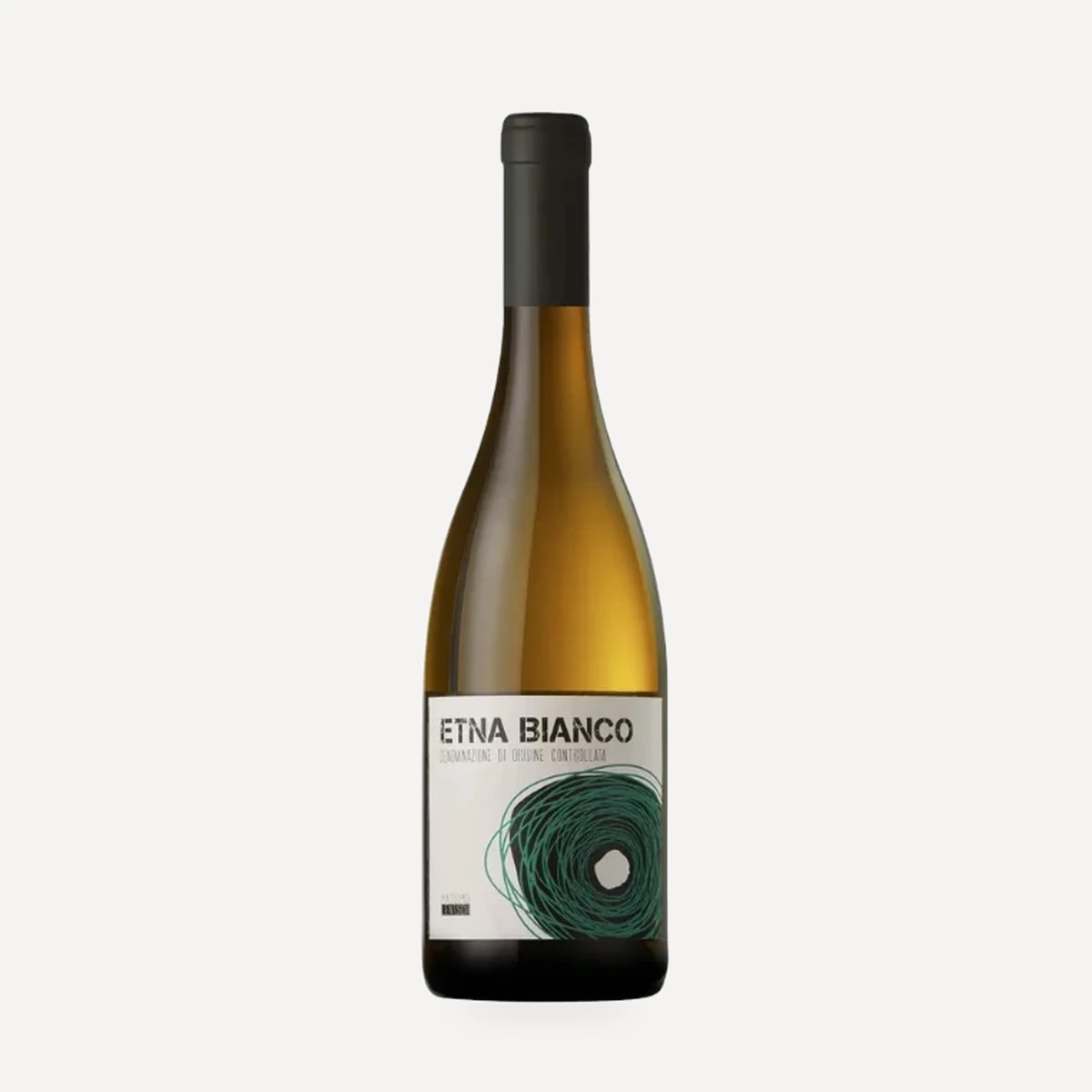
On 31 August, the first Etna Bianco DOC joined the range. Construction of the new winery in Randazzo included a thermolabyrinth intended to maintain a constant cellar temperature throughout the year without electrical cooling, supporting the objective of energy self-sufficiency.
2023
The winter of 2022/23 was mild, seldom falling below 0°C, and comparatively dry. Budbreak occurred approximately one week early. Spring then became cool and exceptionally wet, bringing almost 400 mm of rain. Difficult flowering conditions interrupted pollination, reduced berry set and produced looser bunches. Organic protection limited the effects of fungal diseases, including downy mildew.
Only about 60 mm of rain fell between July and September. Heat and localized water stress erased the early start, and veraison occurred approximately two weeks later than in 2022. September rain and a mild October restarted maturation. Harvest began several days later than average, and the grapes were carefully sorted before vinification. Overall production declined, with reductions reaching approximately 40% in older Nerello Mascalese vineyards. Carricante was less affected because it flowered before the heaviest rain.
Custom cement vessels were commissioned for the new winery in Contrada Calderara Sottana. Architect Michele Giannetti designed them to fit the building and production flow. Their concrete incorporates aggregates from the Brenta River, providing thermal conduction and resistance. The vessels’ thermal inertia follows seasonal temperature changes, reduces energy demand and limits reduction risks, while neutral internal surfaces avoid contributing aromas.
The cellar roof was completed by December. The building retained its planned adiabatic cooling, wind tower, gravity-fed production flow and objective of energy independence.
2024
The 2024 season received almost 600 mm of rain, approximately the average for the area, although its distribution was uneven. Winter temperatures were regular and rainfall scarce; budbreak followed 2023 by a couple of days. Heavy rain at the beginning of spring was followed from May by rapidly rising temperatures and very little precipitation. Flowering occurred under favorable, seasonally normal conditions. June and especially July were hot and dry, causing slight water stress but no fungal disease.
Rain in August and September restored the water supply, preserved an intact canopy and supported regular ripening and grape acidity. White grapes were harvested during the first week of October; red grapes followed late in the month, several days earlier than in 2023. Nerello Mascalese yields were slightly higher, while Carricante remained close to average.
The 2024 harvest was the first for which every stage of vinification took place in the new bio-energetic winery. Its custom cement vessels began supporting fermentation and maturation while reducing energy use and maintaining aromatic neutrality.
In February, the estate introduced its first extra-virgin olive oil, produced from old olive trees preserved in parcels at Castiglione di Sicilia and Randazzo.
2025
The Feudo di Mezzo vineyard was connected in detail with Etna’s eruption of 26 May 1879. The northeastern vents remained active until 7 June and generated a flow more than 10 km long. Lava damaged Passopisciaro, interrupted the road between Randazzo and Linguaglossa and approached the Alcantara River near Mojo Alcantara. Local families subsequently resumed cultivation where possible and reshaped the vineyard landscape. The estate’s century-old, ungrafted Feudo di Mezzo vines now stand beside ferrous material associated with that eruption.
The continued use of quincunx planting was detailed in vineyards beside the winery and in Montelaguardia, Piano Dario and Chiusa Politi. The arrangement was retained for uniform light distribution, unshaded canopies, deeper rooting, reduced competition and the free movement of drying winds between vines.
2026
A screwcap was adopted for Etna Bianco. The closure was selected to protect freshness, eliminate cork taint and provide calculated, reproducible micro-oxygenation through engineered liners.
Terroir
Northern Etna
The vineyards lie on Etna’s northern slope between Randazzo, Montelaguardia and Passopisciaro in Castiglione di Sicilia. The volcano forms a mosaic of exposures, elevations, soil compositions and microclimates. Cooler sectors alternate with warmer areas, while successive lava flows created materially different soil layers. Light, rainfall, average temperature, harvest timing and day–night temperature variation differ from the rest of Sicily.
The named sites range from approximately 600 to 800 metres above sea level. Their high-hill climate produces pronounced day–night temperature differences. Etna and the Nebrodi Mountains frame the vineyards around Randazzo, while valley breezes and evening winds cool and dry the vines. At Feudo di Mezzo, winds after sunset refresh the vineyards and provide a natural defense against stagnant humidity.
Soils
Feudo di Mezzo has fine-textured volcanic sand that is deep, fertile, rich in microelements and subacid in reaction. The vineyard borders ferrous material associated with the lava flow of 1879. Wild catmint, fennel and oregano grow in its grassed soil.
At Feudo Gabelle in Calderara Sottana, the lower ground is stony and alluvial, while the upper portion is sandy and rich in lava blocks and volcaniclastic deposits. Its Carricante sector also contains black pumice among the alluvial sand, stones and volcanic material.
Piano Dario has volcanic sand rich in lava blocks. Chiusa Politi and Montelaguardia have sandy soils containing lava blocks and volcaniclastic deposits.
Elevation and exposure
Feudo di Mezzo faces east at 750 metres. Gabelle faces north at approximately 600 metres, with its Carricante sector extending between 600 and 700 metres. Carrana and Confine both lie at 800 metres, facing east and south respectively. Teatro is north-facing at 800 metres.
Vinificazione
Viticulture centers on the alberello etneo system, with many ungrafted vines and dense quincunx planting. Each free-standing vine is treated as an individual within the larger vineyard community. The system encourages roots to explore deeper soil layers and offers resistance to wind and drought, good movement of sap and air, a relatively small leaf area, reduced evapotranspiration and limited water demand.
The quincunx arrangement places vines at the corners and center of a repeated geometric unit. It distributes sunlight evenly, prevents one vine from shading another, reduces competition, supports deeper rooting and permits machinery or tools to move between the plants. Air from Etna and the Nebrodi Mountains can pass through the staggered rows, drying the canopy and reducing stagnant humidity. The layout is used beside the winery and in Montelaguardia, Piano Dario and Chiusa Politi, with spacing of 1.1 × 1.1 m or 1.2 × 1.2 m depending on the parcel.
Every vine receives detailed manual attention without herbicides or chemical substances. Organic protection was particularly important during the wet spring of 2023, when it limited fungal infection and prevented material harvest damage. The wines follow organic and vegan protocols.
Tillage is used to improve the soil’s physical characteristics and biological substance. Winter or dry pruning is performed during dormancy, generally between November and March, with timing adjusted to geographical position, vineyard age and vine requirements. Early pruning advances budbreak, while late pruning delays it. Alberello pruning balances vegetative growth and fruiting while maintaining plant health and productive capacity.
A conservative pruning method uses small cuts, keeps cuts on one side of the plant and respects bud placement. This preserves sap flow and the accumulation of reserves, supports vine longevity and improves resistance to environmental and climatic stress.
Green harvesting selectively thins bunches so that each vine can concentrate its resources on the remaining fruit. It is especially important for productive Carricante and for young or vigorous vineyards. During 2022, the practice helped Carricante reach physiological maturity with a balanced crop after a hot, dry summer.
Harvesting is manual because alberello vines and the estate’s quality objectives require individual attention. Pickers assess ripeness, skin consistency, color and bunch integrity, discarding damaged or immature grapes. The picking sequence can be adjusted to weather and to the balance among sugar, acidity and aroma. Grapes may be selected in the vineyard and again at the winery, with rapid delivery limiting oxidation and premature fermentation.
Winery and production flow
The bio-energetic winery stands in Contrada Calderara Sottana beside an ancient palmento. Its architecture follows the natural slope so that grapes, must and wine can move by gravity, reducing pumping, mechanical handling and energy consumption. The building is organized into an exterior level, a vinification level and a lower barrel room and events area.
Passive temperature control is central to the design. Water, earth and the other elements of a planted “green crater” contribute to adiabatic cooling. A wind tower provides natural cooling and helps maintain suitable humidity and temperature for maturation. A thermolabyrinth maintains a stable cellar temperature throughout the year without electrical cooling, supporting the objective of energy self-sufficiency.
Custom cement vessels designed by Michele Giannetti are made from concrete enriched with Brenta River aggregates. Their thermal inertia follows seasonal conditions, moderates fermentation and maturation, reduces energy demand and limits reduction risks. Their neutral internal surfaces are intended to preserve the fruit’s aromatic identity. The 2024 harvest was the first for which every stage of vinification took place in this winery.
General principles
Only indigenous yeasts are used, and the wines are not fined. Harvesting and bunch selection are performed manually. The production approach combines traditional alberello-grown fruit with gravity movement, controlled temperatures and vessels selected for aromatic neutrality.
Red-wine methods
Red grapes are harvested manually, selected, partially destemmed and fermented with their naturally occurring yeasts. Etna Rosso receives approximately 15 days of skin contact, followed by about 12 months in oak. It is then transferred to steel for natural settling and bottled without fining or filtration, followed by at least six months in bottle.
Feudo di Mezzo undergoes a longer maceration and approximately 15 months in oak before natural settling in steel. It is bottled without fining or filtration and receives at least six months in bottle.
White-wine methods
Carricante for Etna Bianco is harvested manually and selected first in the vineyard and again in the cellar. Rapid transport limits oxidation and premature fermentation. After destemming and gentle pressing, the grapes receive several hours of cold skin maceration. The must is cold-settled and fermented at controlled temperature in cement. Maturation continues in cement on the fine lees with bâtonnage for at least six months, followed by bottling and a further four months in bottle.
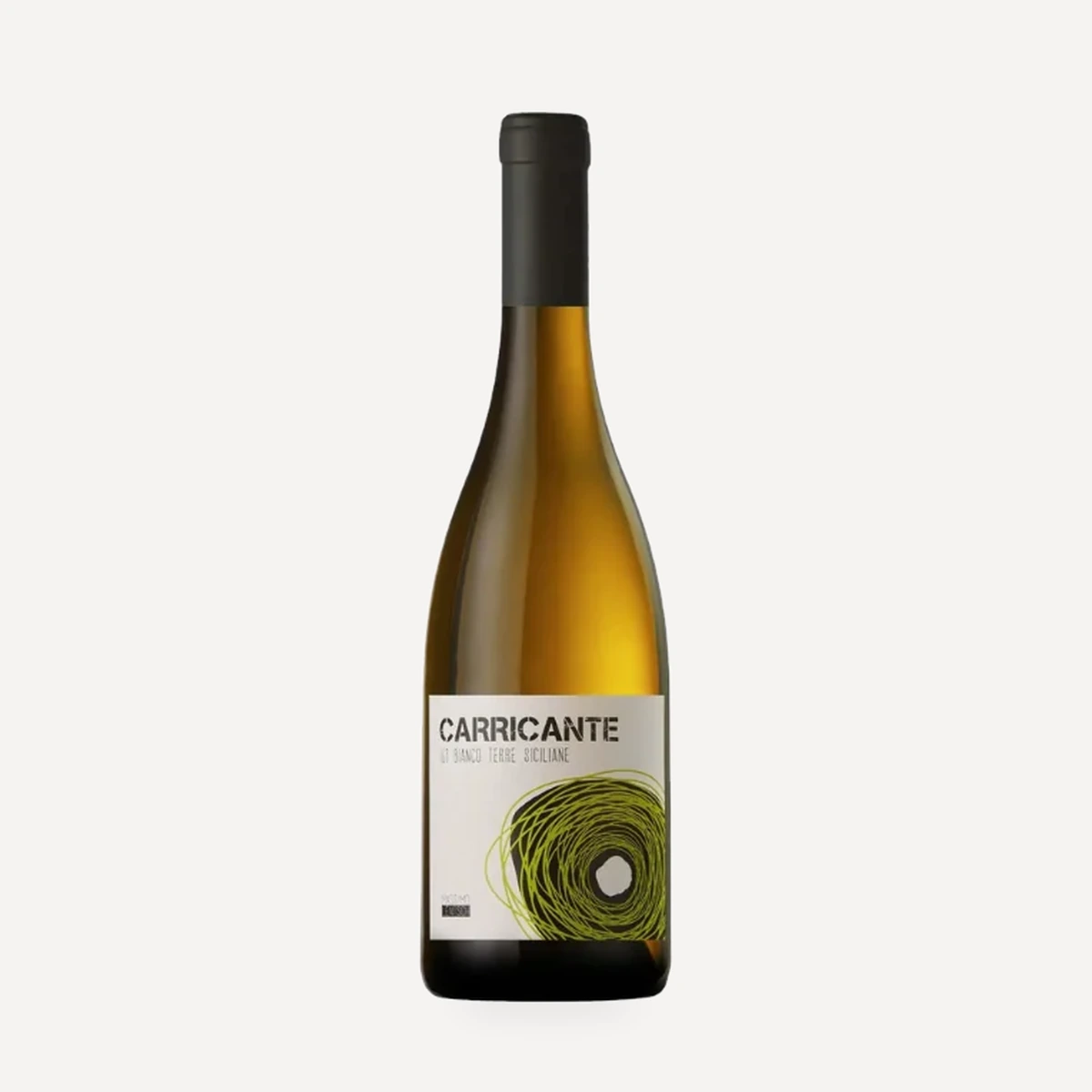
The Carricante IGT process includes several hours of pre-fermentation cold maceration in the press, gentle pressing, cold static clarification and controlled fermentation at 16–18°C, followed by approximately six months on fine lees with bâtonnage.
Rosé method
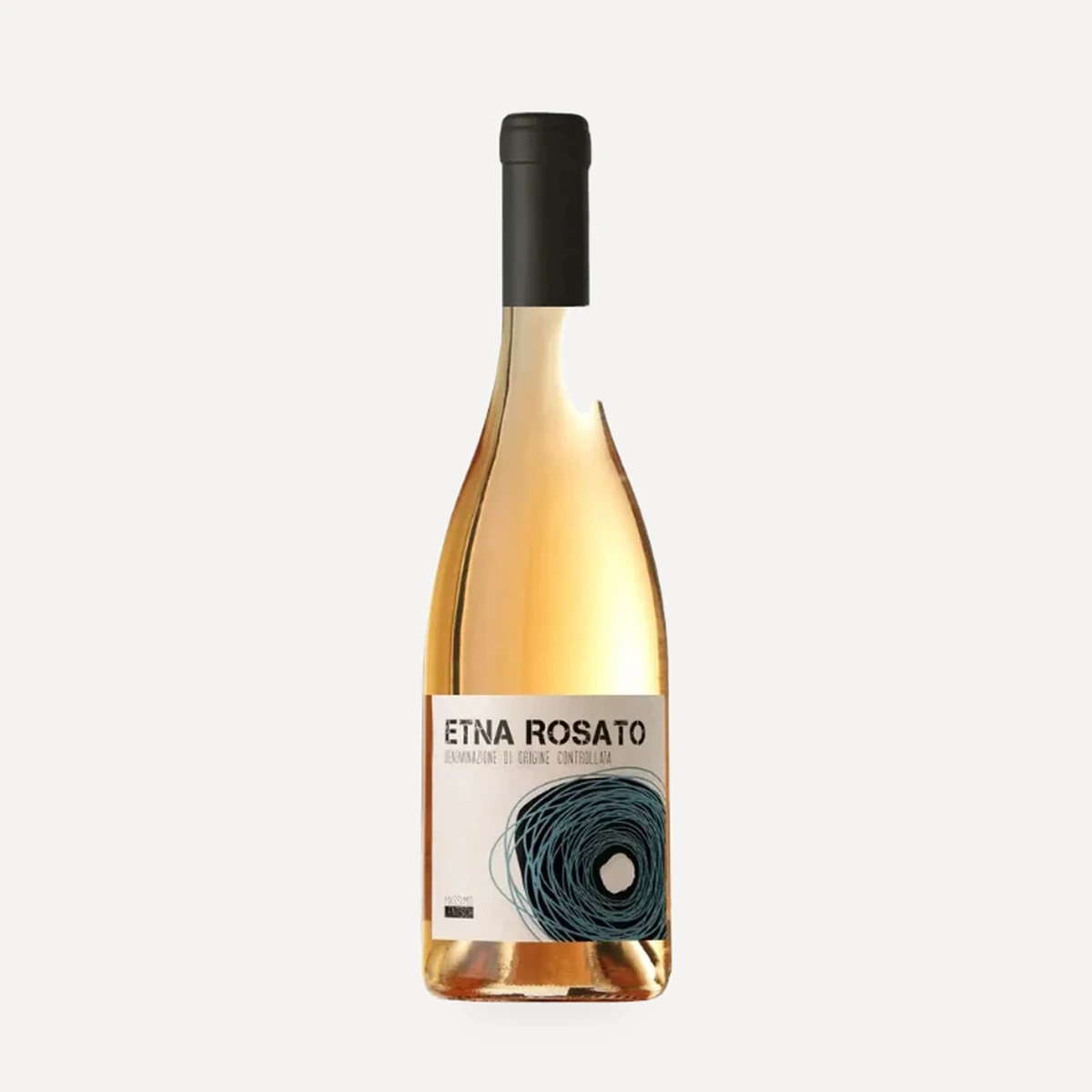
Nerello Mascalese is harvested manually and gently pressed. The must undergoes cold static clarification, followed by controlled-temperature fermentation in steel. The wine remains on its fine lees for at least four months before bottling.
Closure
Etna Bianco uses a screwcap selected to eliminate cork taint, protect freshness and provide calculated, reproducible micro-oxygenation through engineered liners.
Filosofia
Massimo Lentsch presents wine as the culmination of work in the vineyard, harvest and cellar, followed by years of maturation and evolution. Each vintage should communicate its weather and human effort while also carrying the personality of its maker. This understanding of wine as personal expression explains the use of his name on the labels.
The project seeks freshness, elegance and good acidity rather than forceful tannins or elevated alcohol. Its wines are intended to reveal subtle details without forcing them, drawing on indigenous varieties and viticultural environments with deep cultural roots.
The vineyard approach is defined as artisanal: every vine receives meticulous attention so that the complexity of the soil can emerge. Progress is treated as a means of preserving and enhancing nature rather than replacing traditional identity. Alberello training, ungrafted vines, indigenous yeasts and the absence of fining form part of this approach.
Environmental responsibility includes organic and vegan protocols, avoidance of herbicides and chemical substances, manual harvesting, conservative pruning, passive cellar cooling, gravity movement and reduced energy consumption. Protection of the environment and the people living within it is treated as inseparable from respect for the territory.
Vini
Massimo Lentsch Carricante IGT
Massimo Lentsch Etna Bianco DOC
Massimo Lentsch Etna Rosato DOC
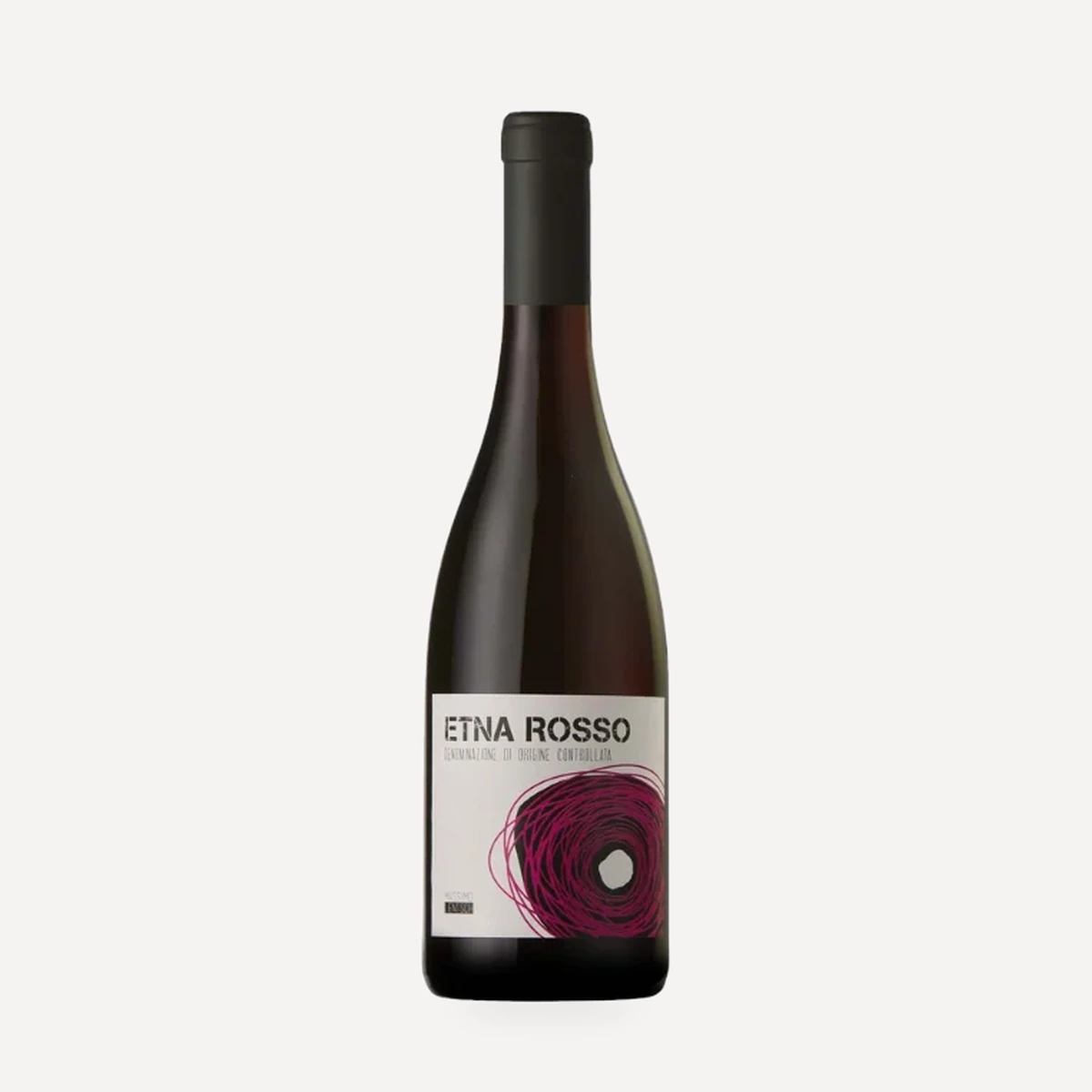
Massimo Lentsch Etna Rosso DOC