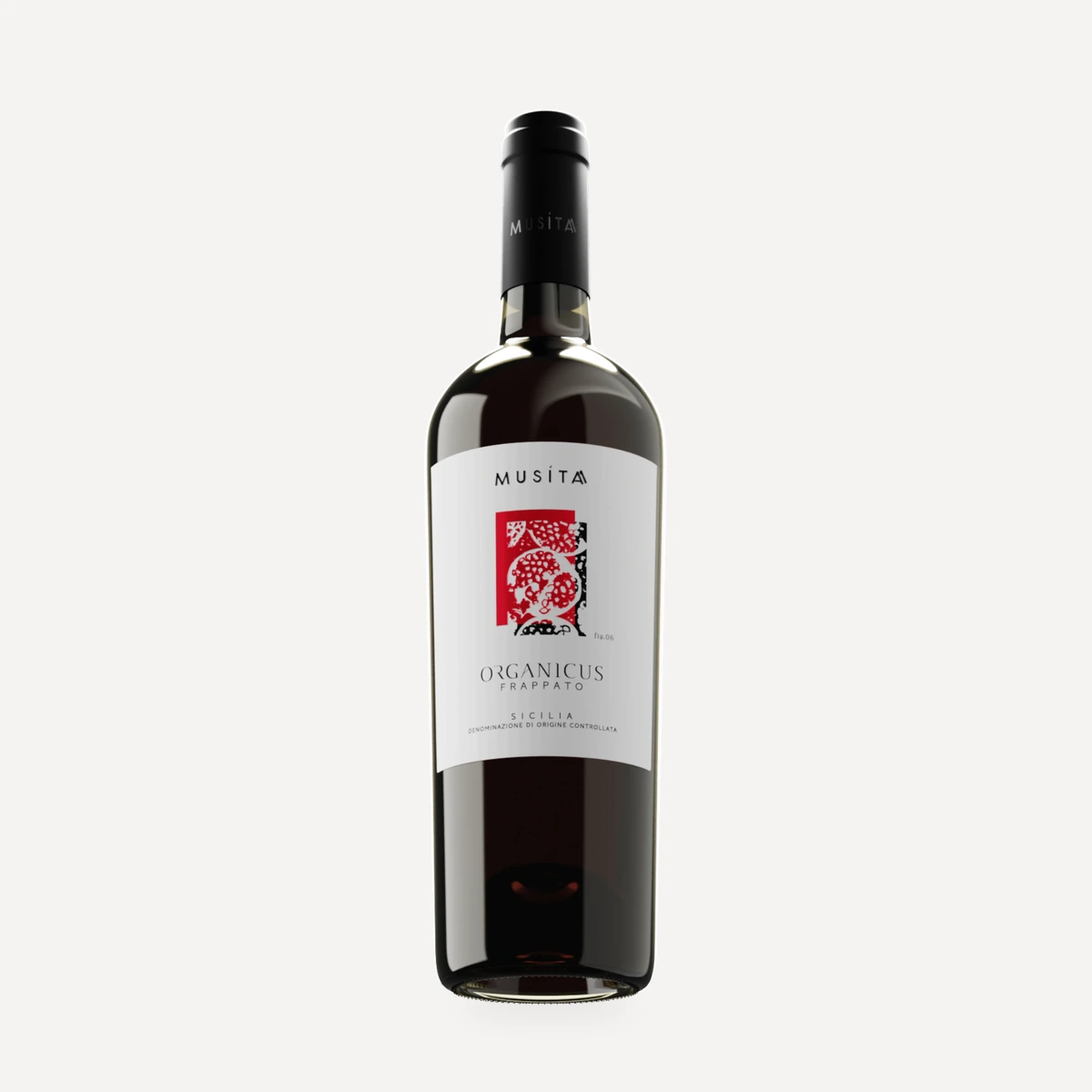
Storia
Don Ignazio and the first vineyard
Musita’s history began in the late 19th century, when Don Ignazio Ardagna planted the family’s first vineyard on the slopes of the hill known as Musìta. He began with a small number of bush-trained Catarratto vines, convinced that the hillside was particularly well suited to viticulture. The name of the hill is attributed to the Arabs.
Don Ignazio passed his attachment to the land and its cultivation to his son Domenico. Domenico subsequently transmitted the same tradition to Don Ignazio’s grandson Giuseppe, maintaining a direct succession from father to son.
The cooperative years
During the 1970s, local growers combined their resources to found a cooperative and build a winery on the same hill where the Ardagna family had cultivated vineyards for more than a century. Giuseppe delivered his grapes to this cooperative cellar while hoping that his children would eventually be able to present the fruit of their land under the family’s own direction.
Acquisition and revival of the winery
The Ardagna family later acquired the former cooperative winery and brought it back into operation, fulfilling Giuseppe’s ambition. The estate combined new techniques with the family’s established viticultural tradition. Its current vineyard base encompasses 60 ha owned by the Ardagna family, including land on the original Musita slopes, while approximately 150 ha cultivated by local partner growers provide an additional grape supply.
Development of quality and environmental systems
BRC Food certification was first obtained on 11 September 2018, followed by IFS Food certification on 20 September 2018. In 2023, Musita formalized several further systems: its Bioagricert certificate for organic production under Regulation (EU) 2018/848 was issued on 22 May, and its ISO 14001:2015 environmental-management certificate was issued by Agroqualità on 31 October. The first management review of its sustainability system took place on 2 August 2023.
Recent modernization
An 87 kWp photovoltaic installation was added to the roof of the bottled-wine warehouse in 2022. A further 100 kWp was installed in 2024. That year also brought a new red-grape crusher-destemmer and a new air compressor, both intended to lower electricity consumption.
In 2025, Musita acquired equipment for tartaric stabilization and in-house disgorgement of traditional-method sparkling wine. The stabilization system was intended to reduce electricity demand; the disgorging equipment eliminated greenhouse-gas emissions associated with transporting outside equipment. Two tasting-room climate-control units were replaced by units using refrigerants with lower global-warming potential, and the tasting room received new furnishings.
Terroir
Musita is based in the countryside of Salemi, in the central part of the province of Trapani in western Sicily. The family vineyards occupy hilly ground at elevations ranging from 400 m to more than 600 m. Salemi’s landscape combines vineyards and old olive groves, with the estate associating this setting with elegance, minerality and personality in its wines.
The named holdings reveal substantial variation within this hilly territory. Baronia, east of the old town of Salemi, has mixed clay soils. Karbinarusa is a Zibibbo site below a 19th-century manor house. Dimina combines sandy-clay soil with a conspicuously stony surface. On the Musita hill itself, Grillo occupies a calcareous north-western slope, while Nero d’Avola grows on a mixed-clay southern slope.
Vinificazione
The Ardagna family owns 60 ha of vineyards in the hills around Salemi, while local partner growers contribute grapes from approximately 150 ha. Musita’s agronomists support these growers continuously, with the collaboration organized around shared quality objectives.
Organic practice is explicitly associated with Baronia, the family’s largest vineyard. Musita also participates in the organic-production system governed by Regulation (EU) 2018/848 and certified by Bioagricert. Within the named sites, training systems include the traditional alberello retained in the Catarratto vineyard at Dimina. Agronomists and oenologists follow vineyard management and processing with the objective of expressing the characteristics of the land.
The Equalitas sustainable-organization system applies to Musita’s winery and bottling operations rather than agricultural good-practice requirements: Musita S.r.l. does not itself conduct cultivation within the organizational boundary covered by that system. The family vineyards and partner-grower network therefore remain distinct from the certified company’s cellar-focused Equalitas scope.
Winery and capacity
The winery occupies an overall site of approximately 14,880 m², of which 4,040 m² are covered. The winemaking area extends over 2,100 m² arranged on three above-ground levels and one underground level, with an adjoining barrel cellar and tasting rooms. A 383 m² bottling room contains a line capable of approximately 4,000 bottles per hour. A further 817 m² is allocated to dry-goods and finished-product storage, while 300 m² contains offices and a laboratory, together with separate changing, sanitary and staff-refreshment facilities. The external yard includes maneuvering space, a weighbridge and a dedicated grape-reception, crushing-destemming and pressing area.
Total cellar capacity is 51,596 hl: 42,988 hl in 59 food-safe resin-lined concrete tanks; 7,993.31 hl in 78 stainless-steel tanks; 160 hl in large wooden casks; and 455 hl in 223 barriques.
White and rosé production
The principal sequence for white and rosé wines comprises crushing-destemming, pressing, clarification, alcoholic fermentation, lees removal, maturation, protein and tartaric stabilization, filtration and bottling.
Red-wine production
The principal red-wine sequence comprises destemming, maceration with alcoholic fermentation, drawing off, lees removal, maturation, tartaric stabilization, filtration and bottling.
Control and traceability
Cellar work is governed by a production protocol, with each operation recorded through the company quality-management system. These records provide traceability for raw materials, oenological products and finished wines throughout production and initial commercialization. The traceability system is tested periodically.
Operational methods are selected to meet the intended wine quality while minimizing water and energy consumption and the use of processing aids, additives, nutrients, detergents and sanitizers. Quality, food-safety and legal-compliance testing is conducted both internally and by accredited external laboratories. Finished products are stored under defined conditions intended to preserve quality while minimizing energy use.
In 2024, Musita processed 18,030 quintals of grapes, including 7,472 quintals of organic grapes. It produced 11,859 hl of wine, of which 3,420 hl was organic. Bottling reached 5,420 hl and 722,702 bottles; the organic share was 837 hl and 111,592 bottles.
Filosofia
Musita presents its work as a meeting of family tradition and modern technology, history and innovation, and practical knowledge and dedication. The central objective is to preserve and express the characteristics of the Salemi territory throughout vineyard and cellar work.
The family places its Sicilian identity at the center of the project. Its stated view of wine is as a narrative of place, joining the natural diversity of Sicily with its landscapes, traditions and cultures. This extends to collaboration with local growers: the partner-vineyard model combines land, local knowledge and continuing agronomic support around a shared pursuit of quality.
Environmental and social responsibility are treated as company-wide commitments. Musita’s management systems monitor sustainability performance, evaluate suppliers in sustainability terms and use the results to define improvement projects. Operational decisions are expected to preserve product quality while reducing resource consumption and environmental impacts.
Vini
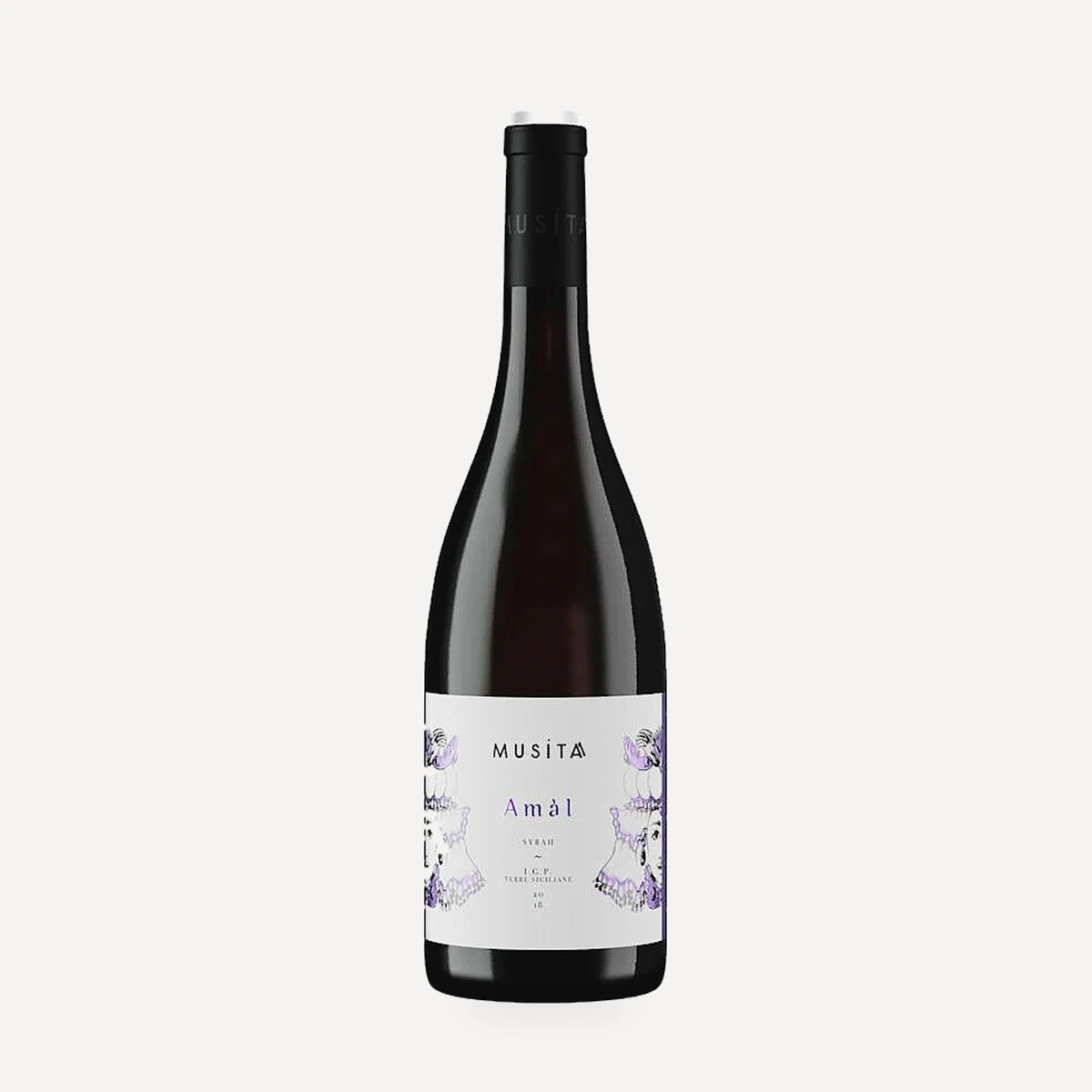
Amàl – Syrah
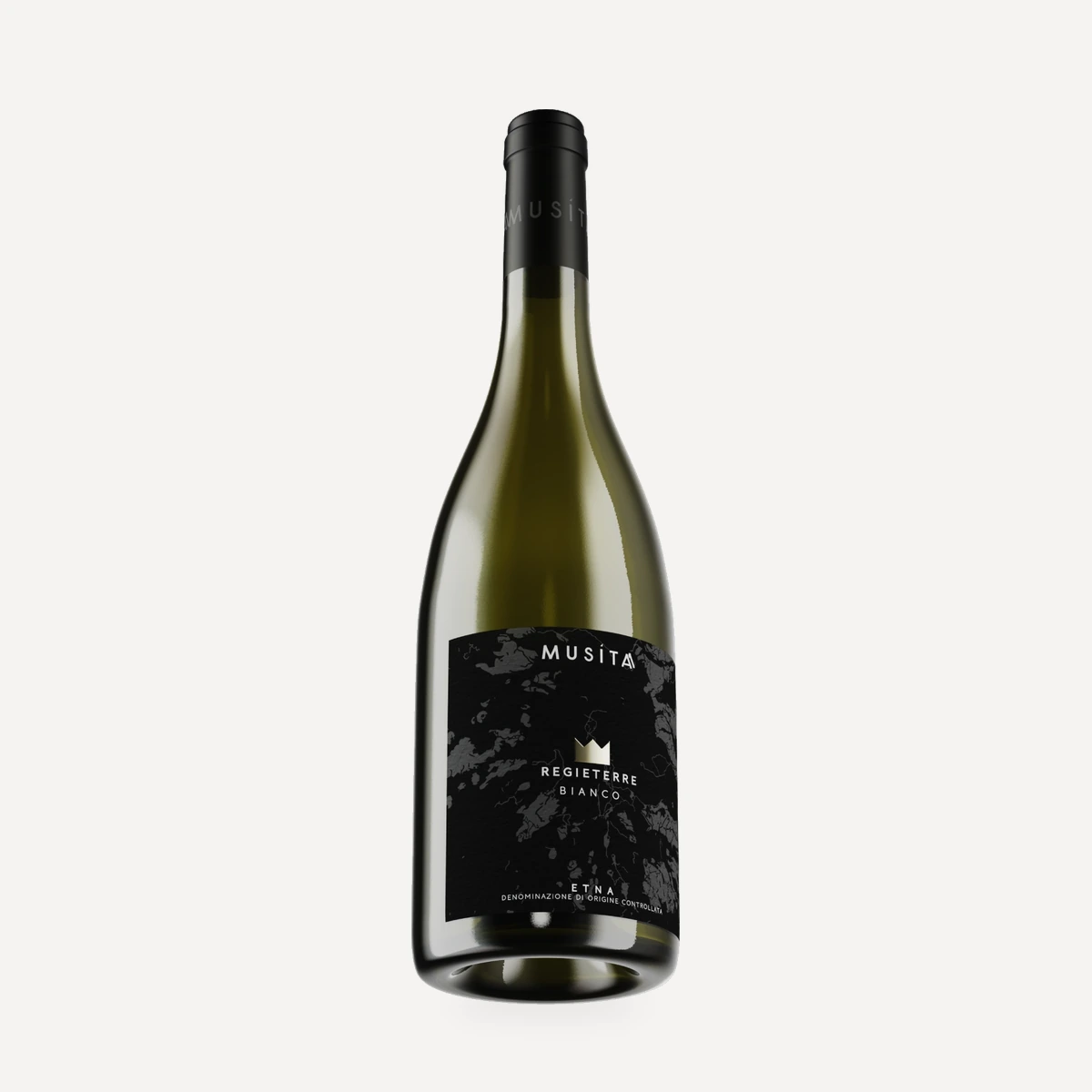
Etna Bianco
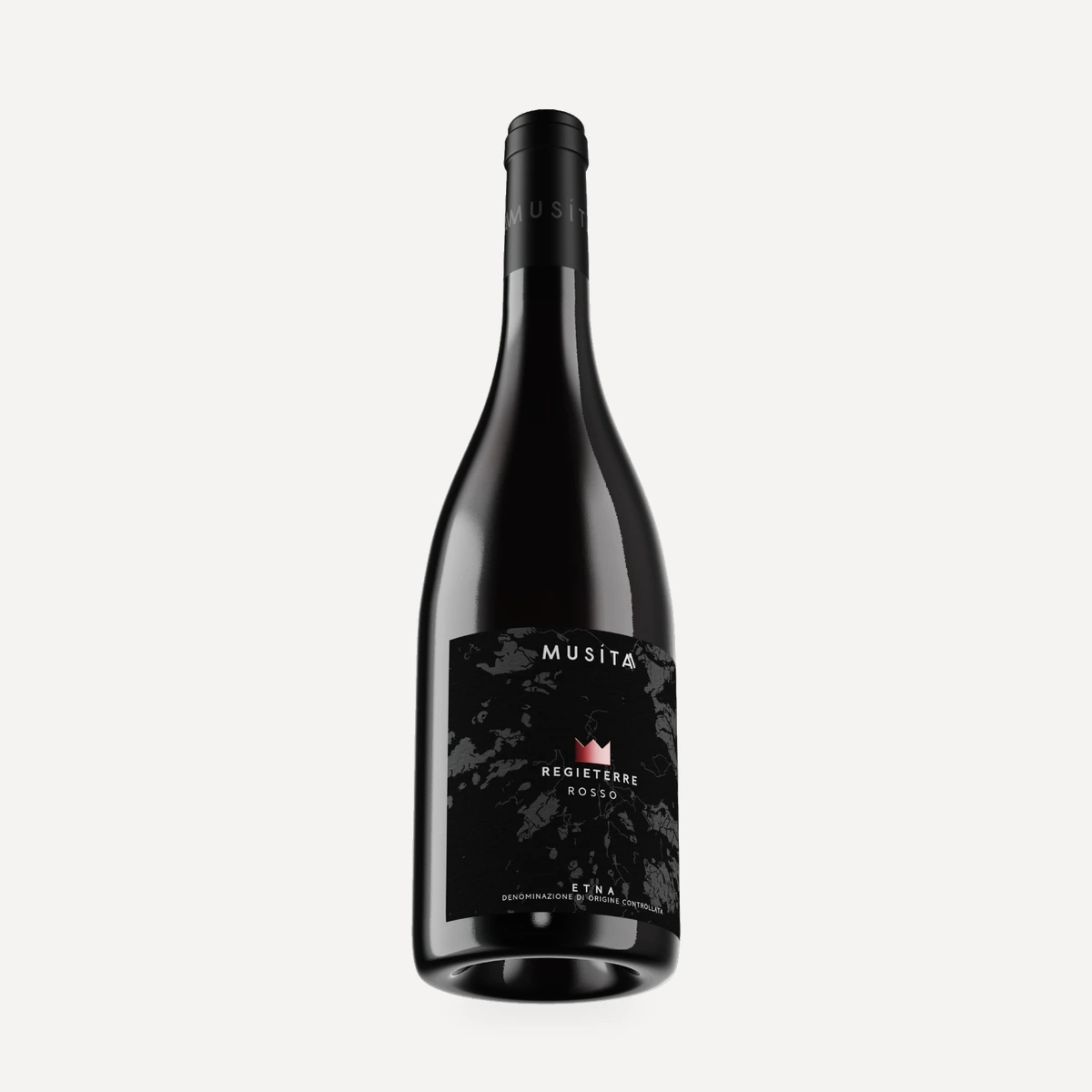
Etna Rosso
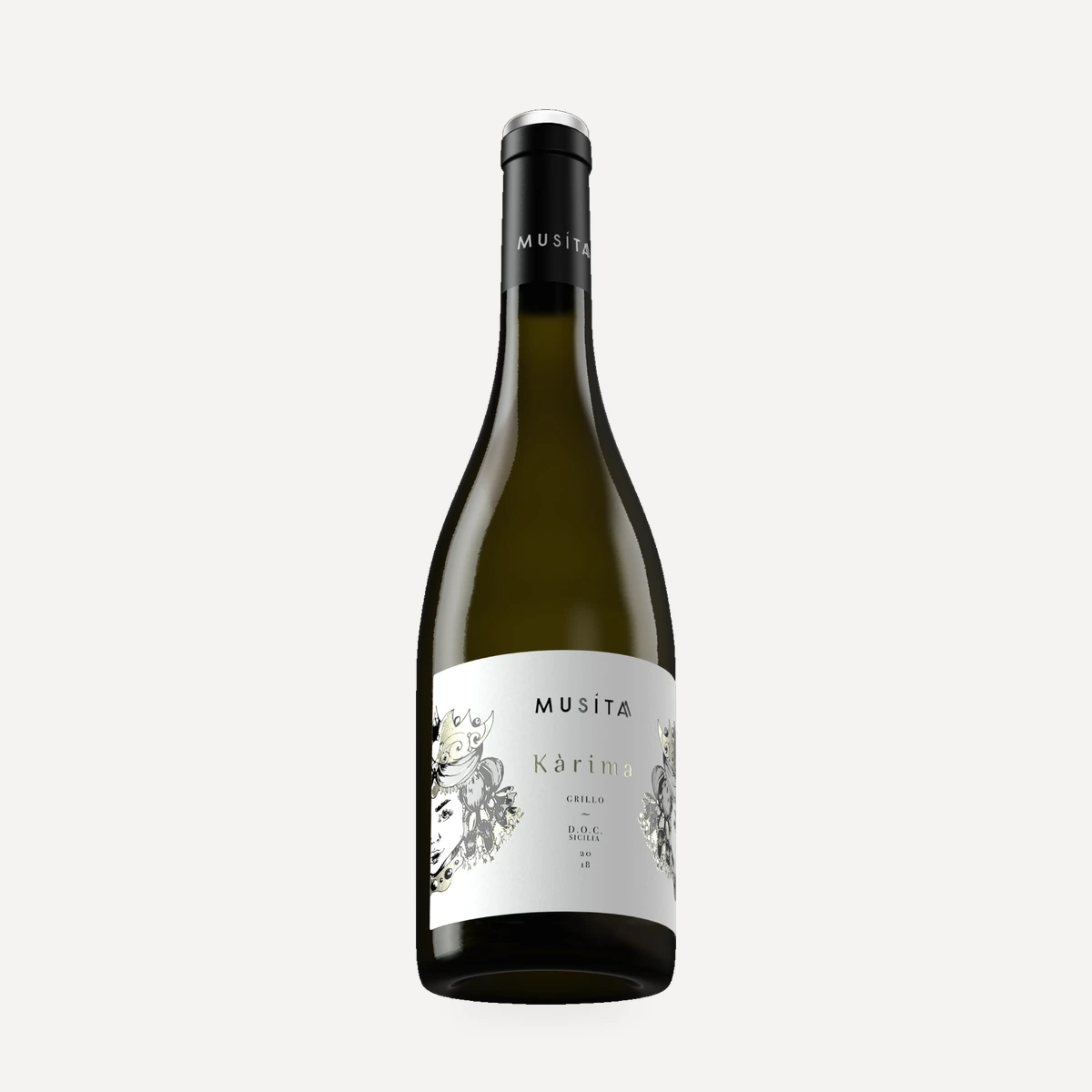
Kàrima – Grillo
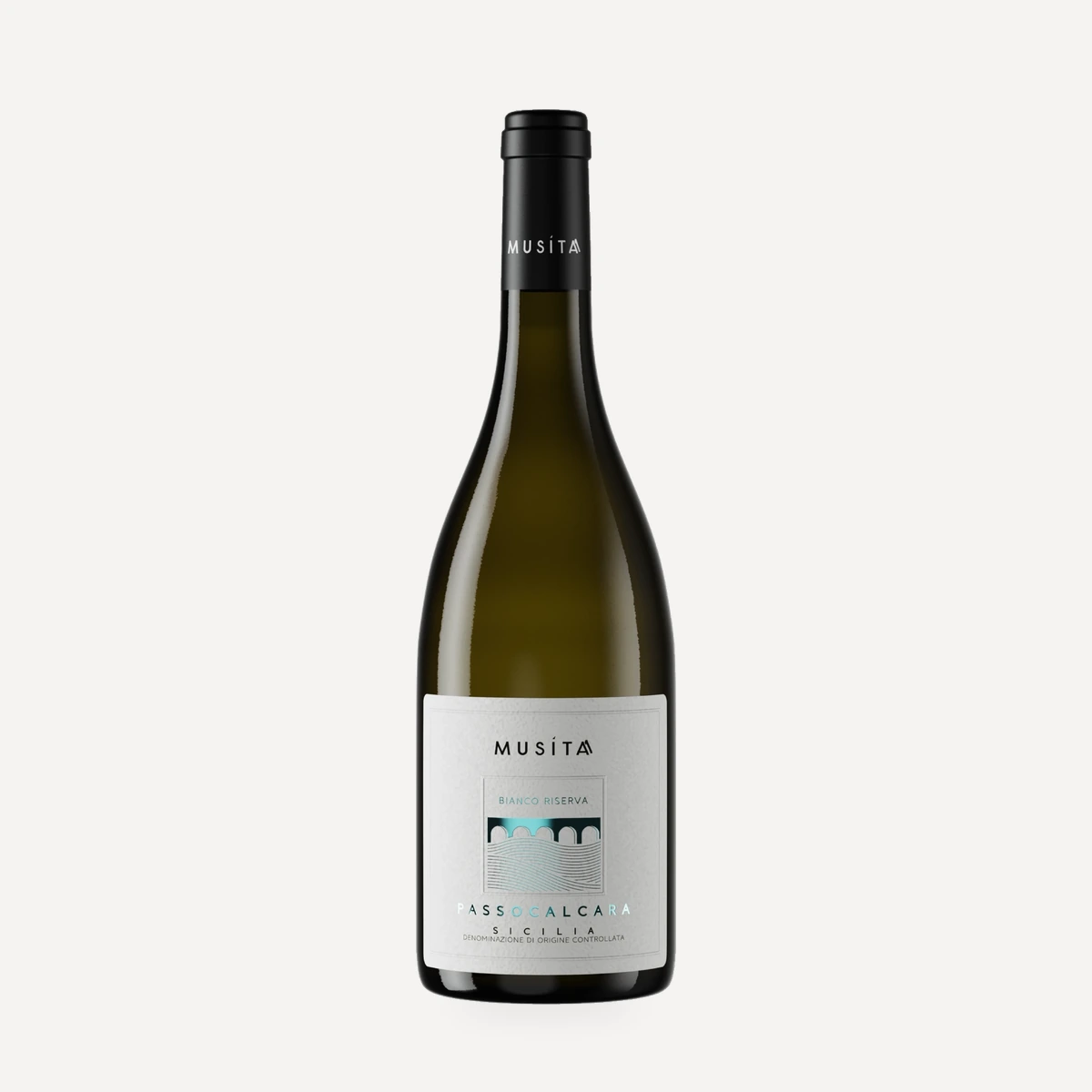
Passocalcara bianco
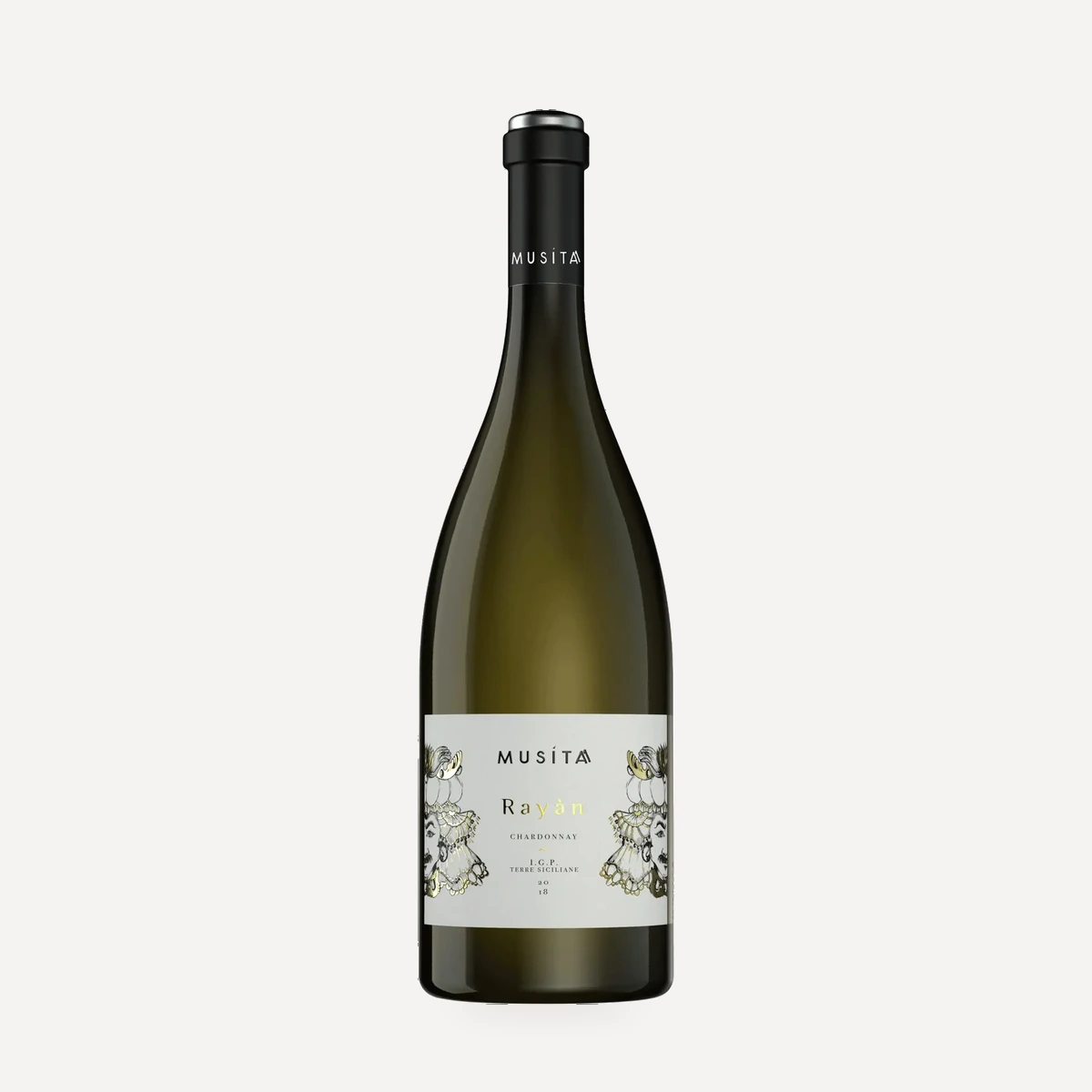
Rayàn – Chardonnay
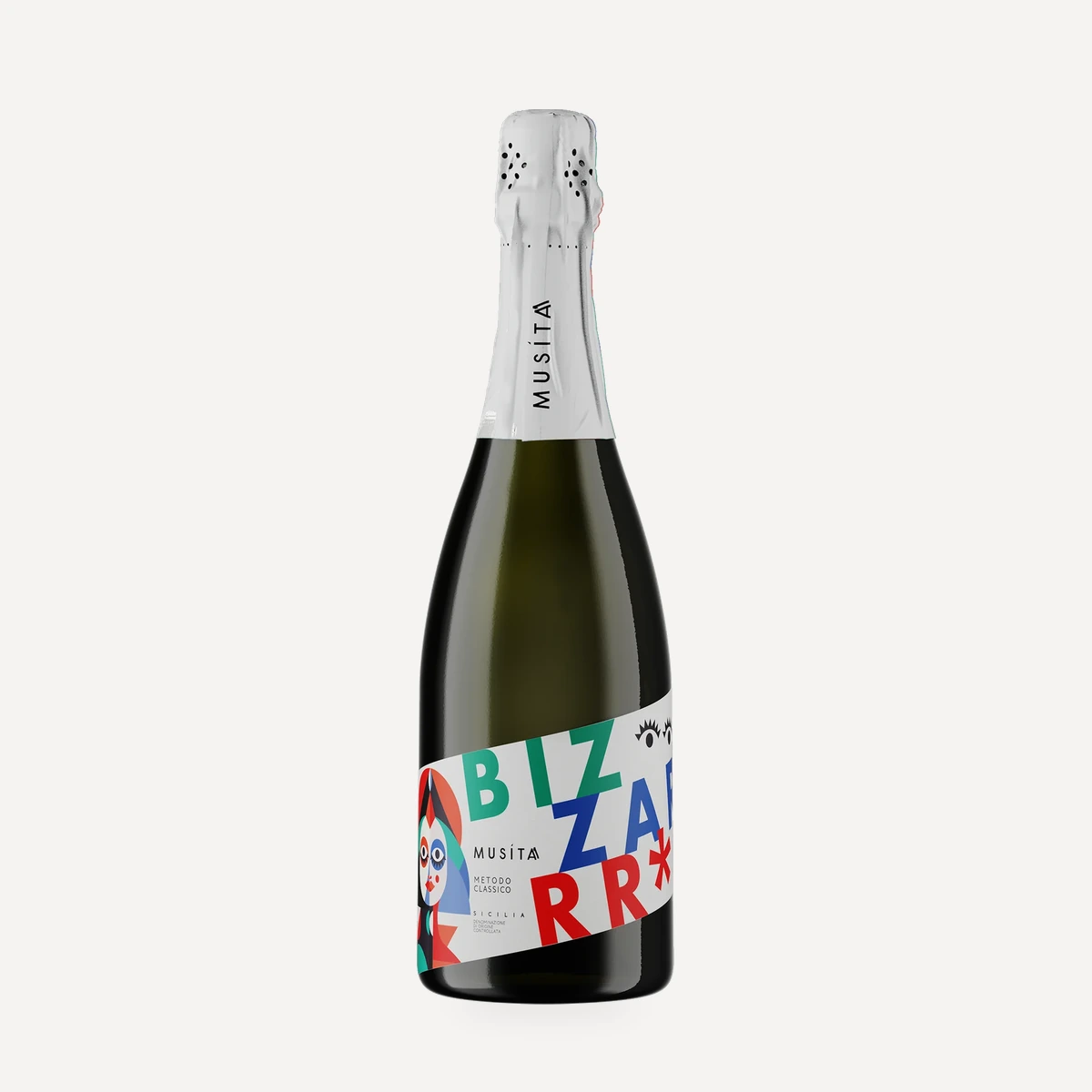
Bizzarr*
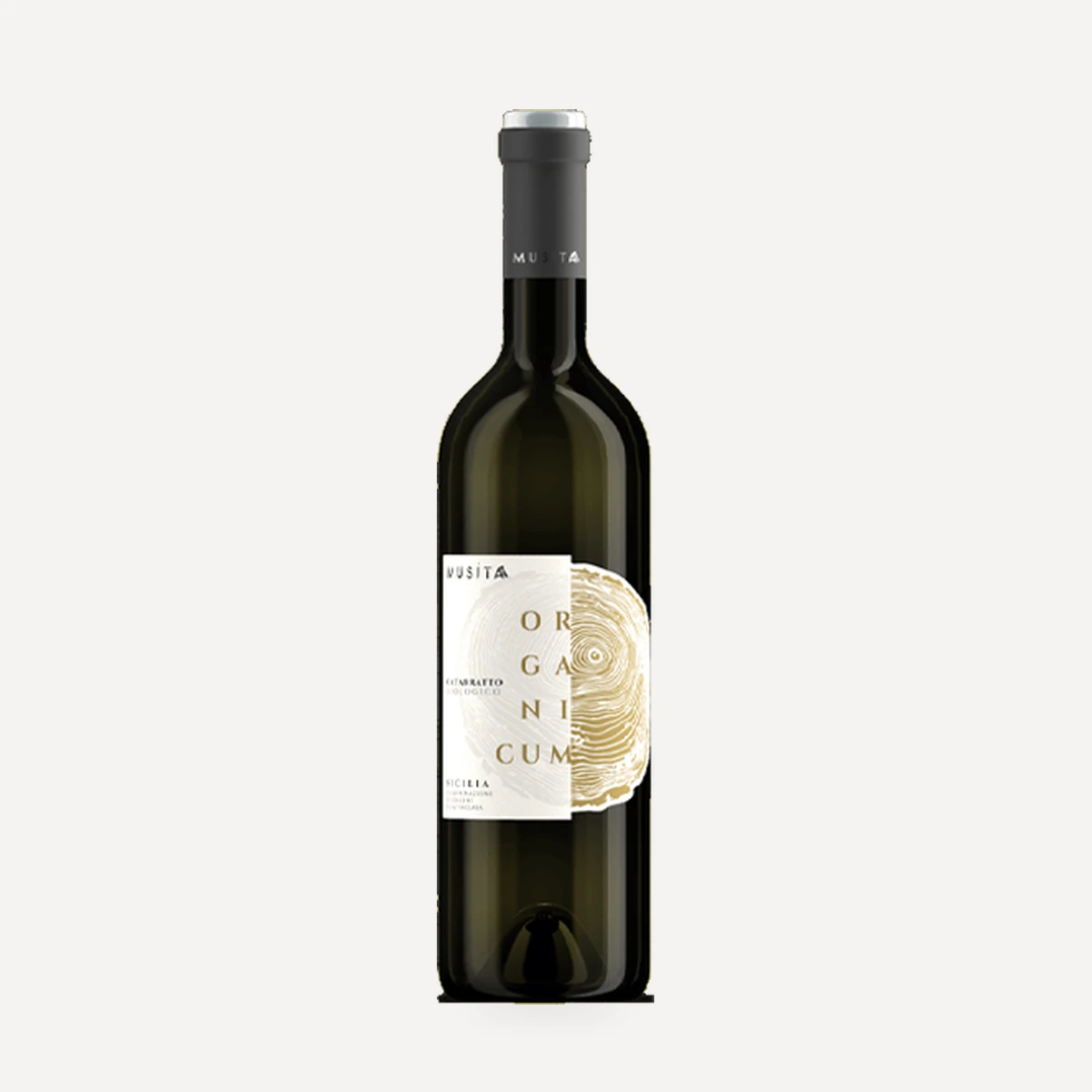
Catarratto
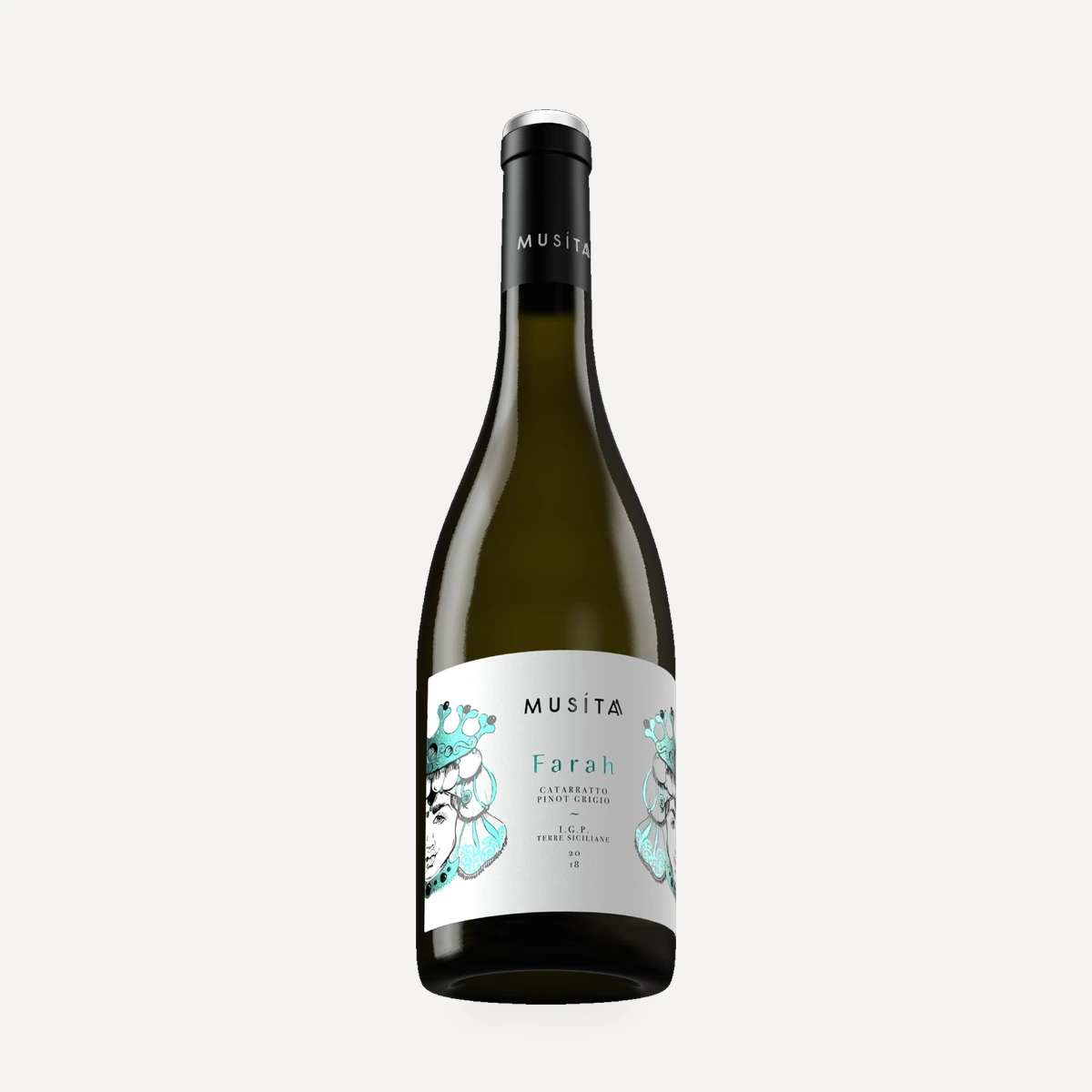
Farah – Catarratto Pinot Gigio
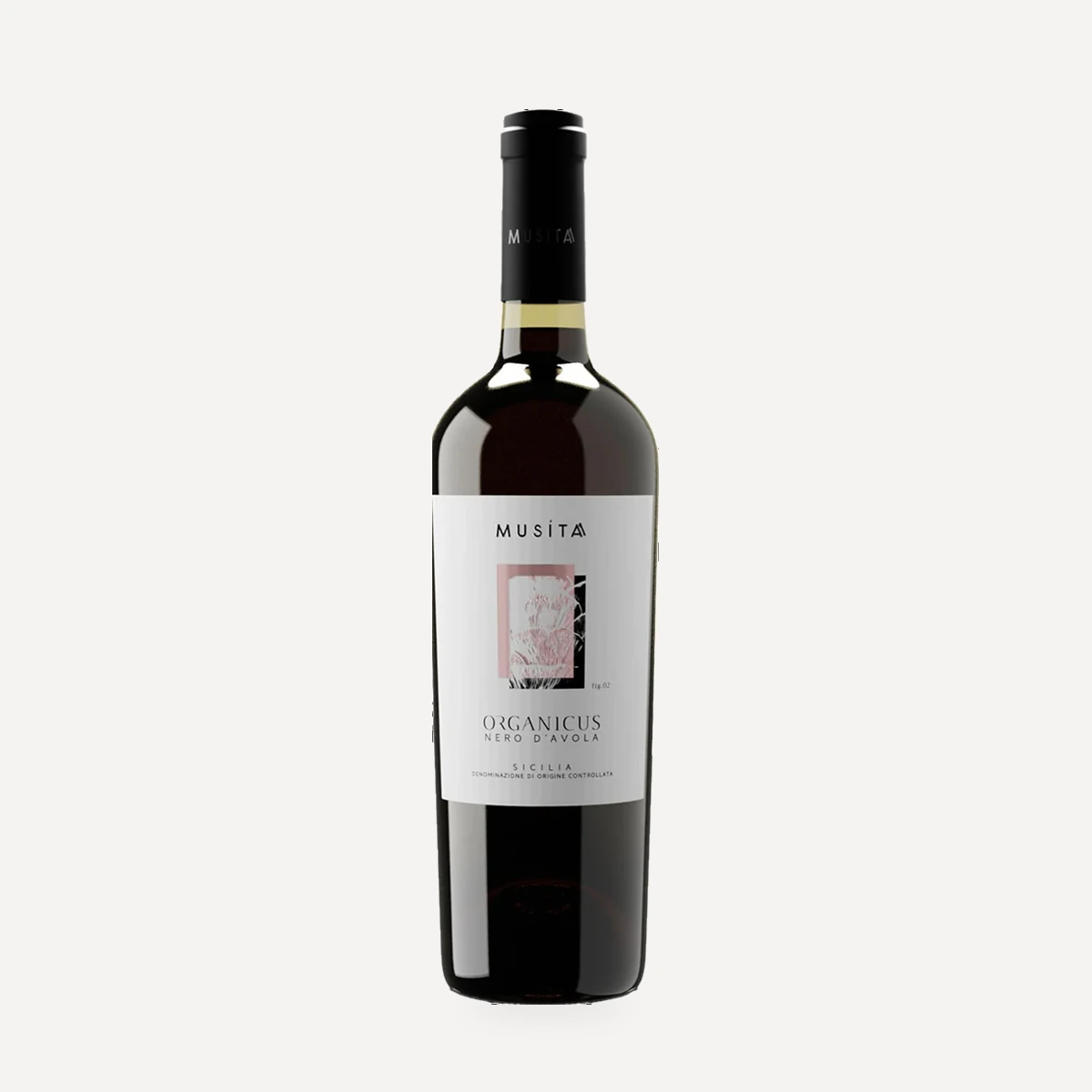
Nero d’avola
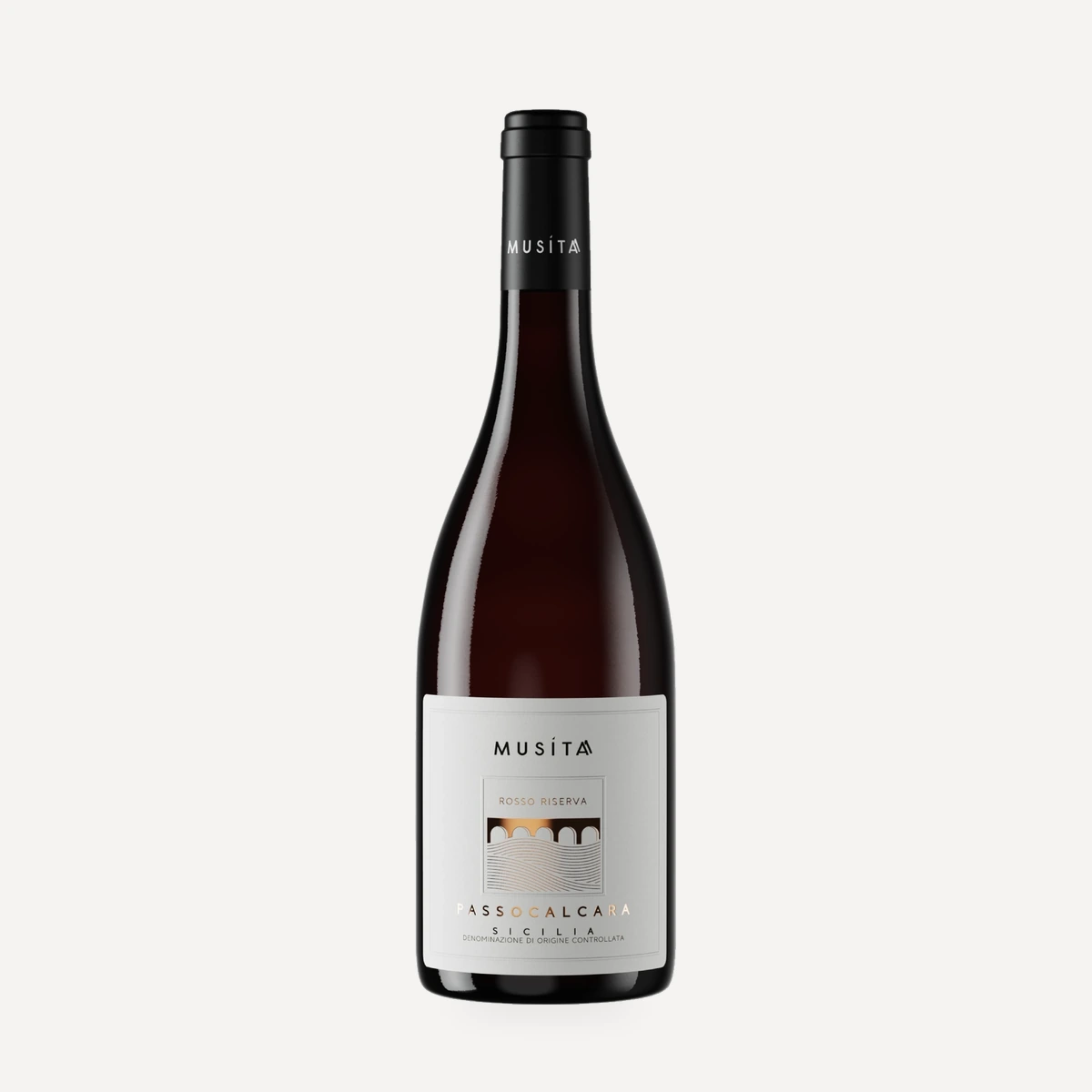
Rosso Riserva
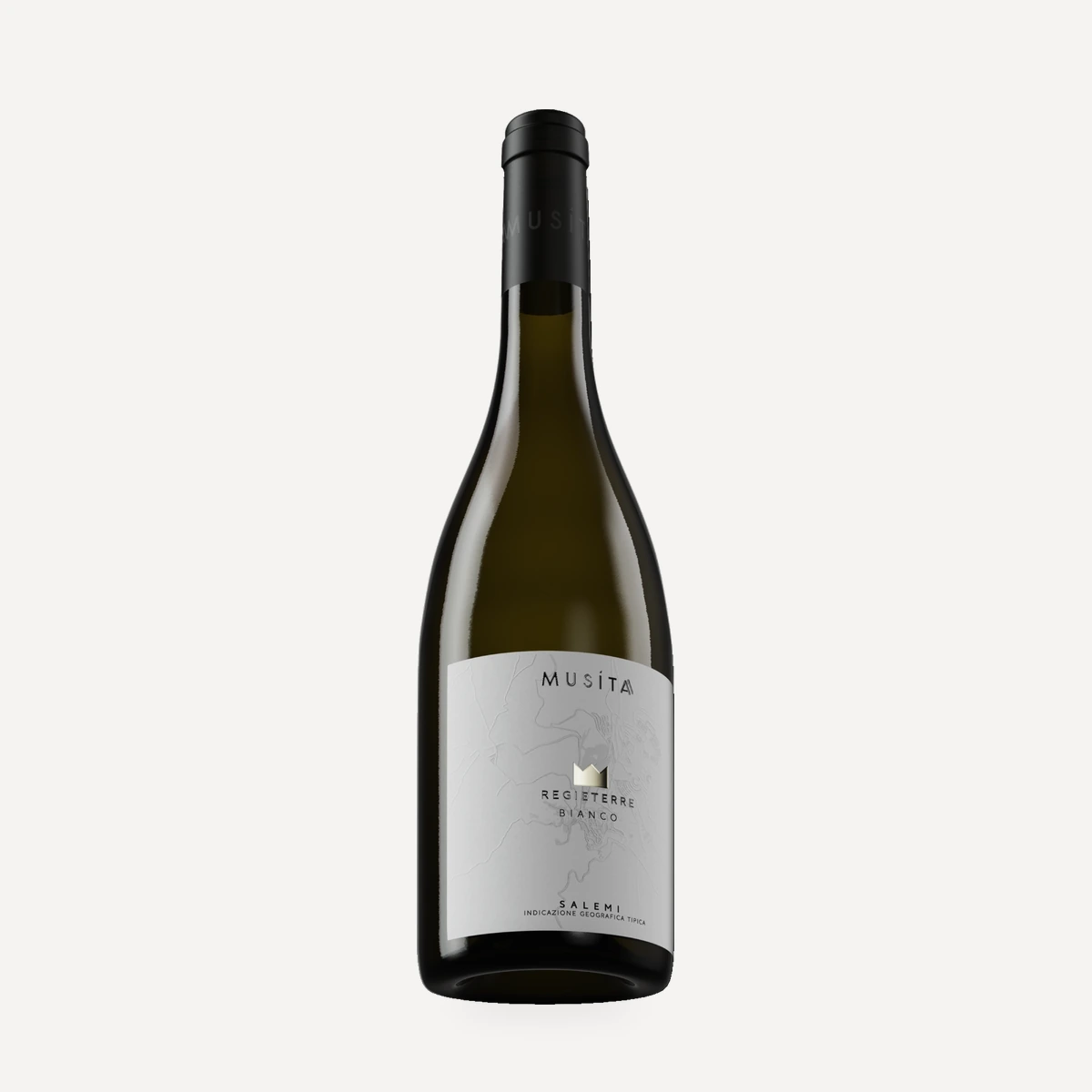
Salemi Bianco
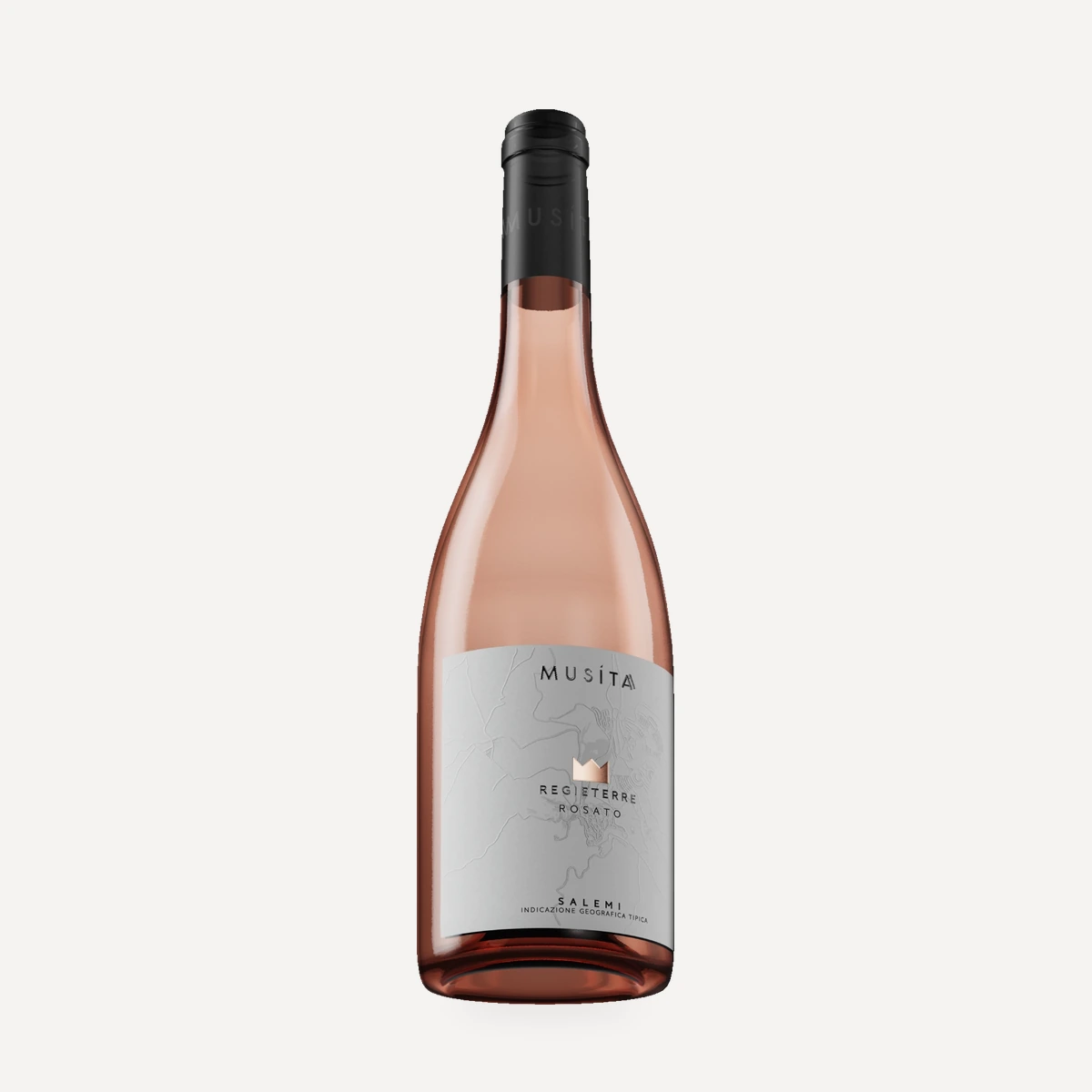
Salemi Rosato
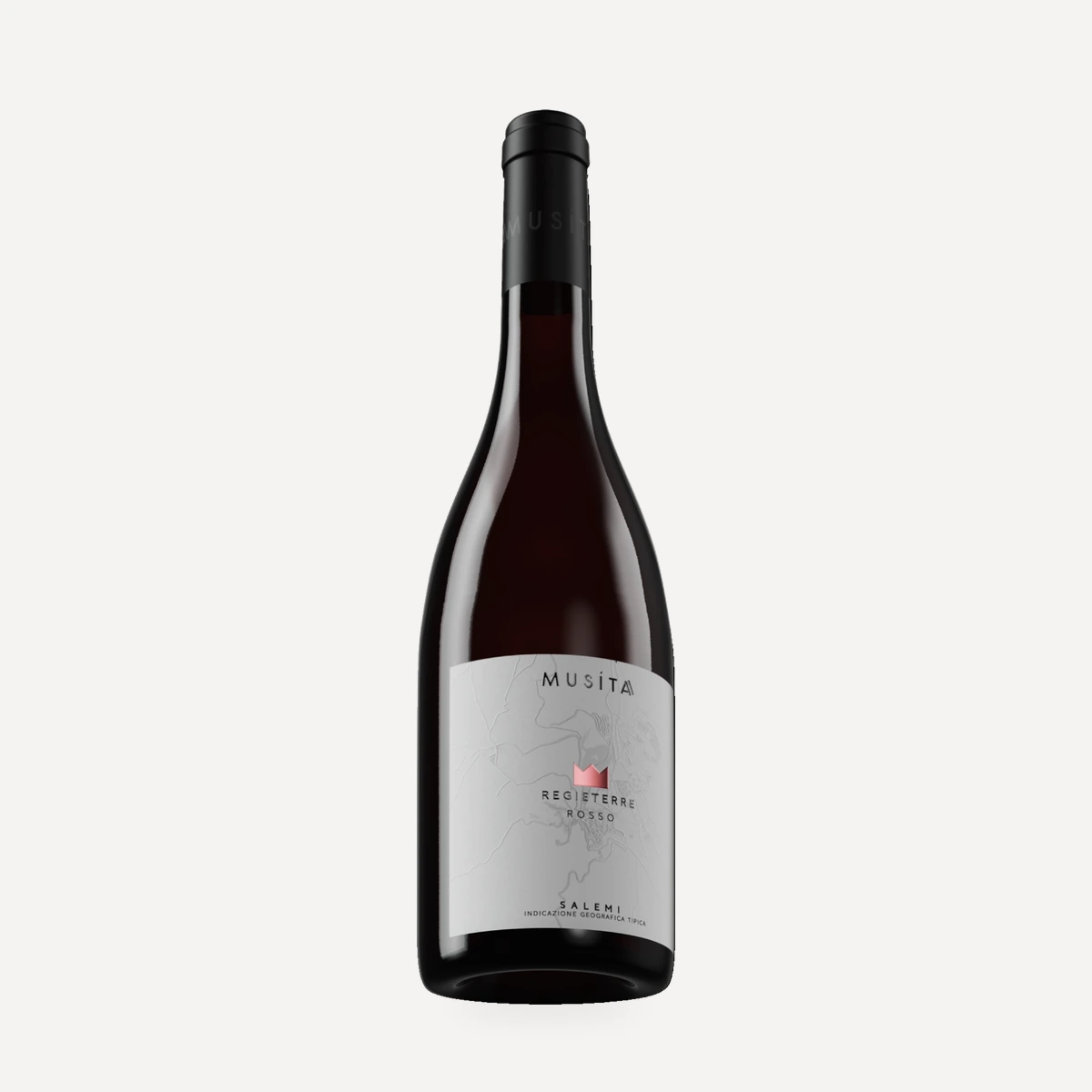
Salemi Rosso
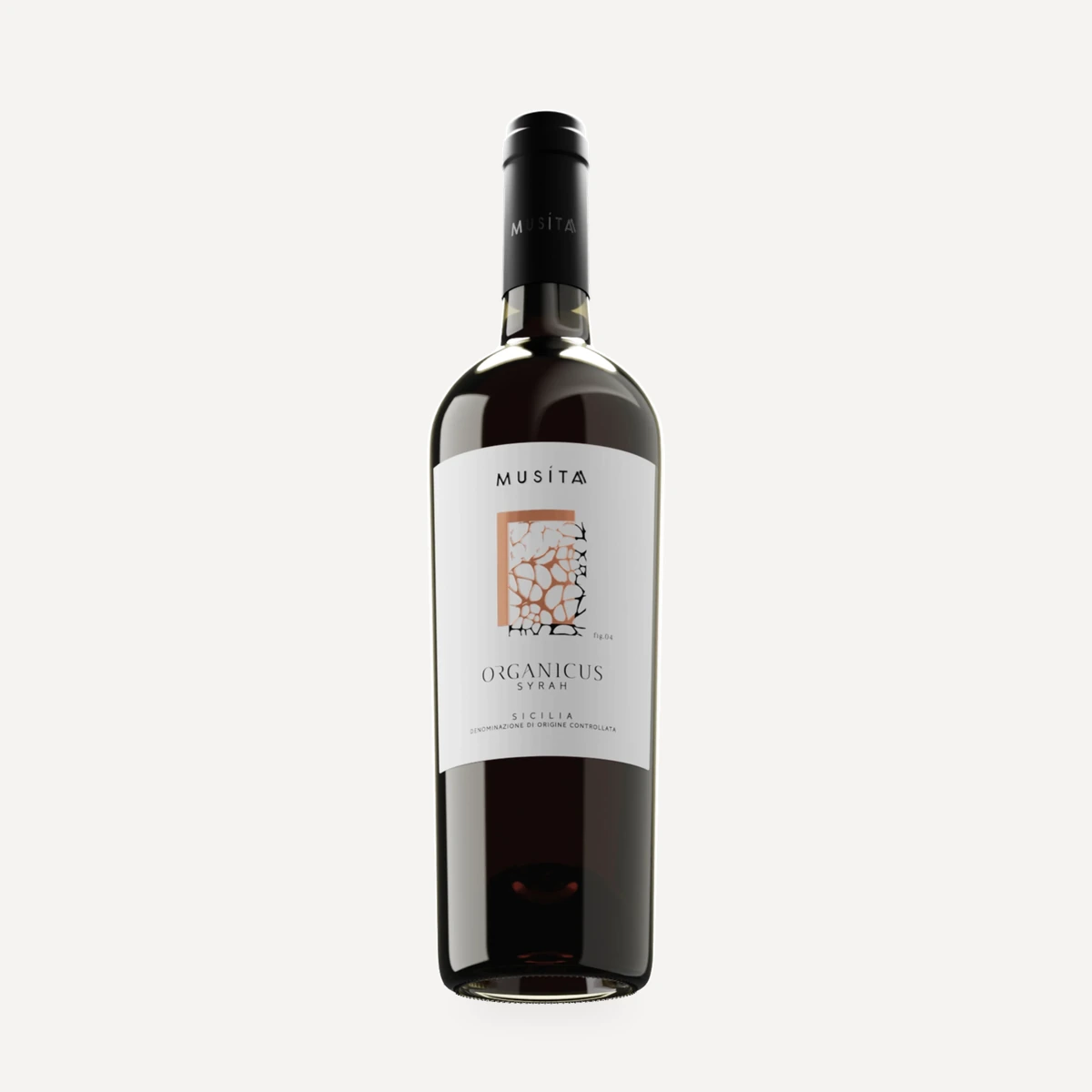
Syrah
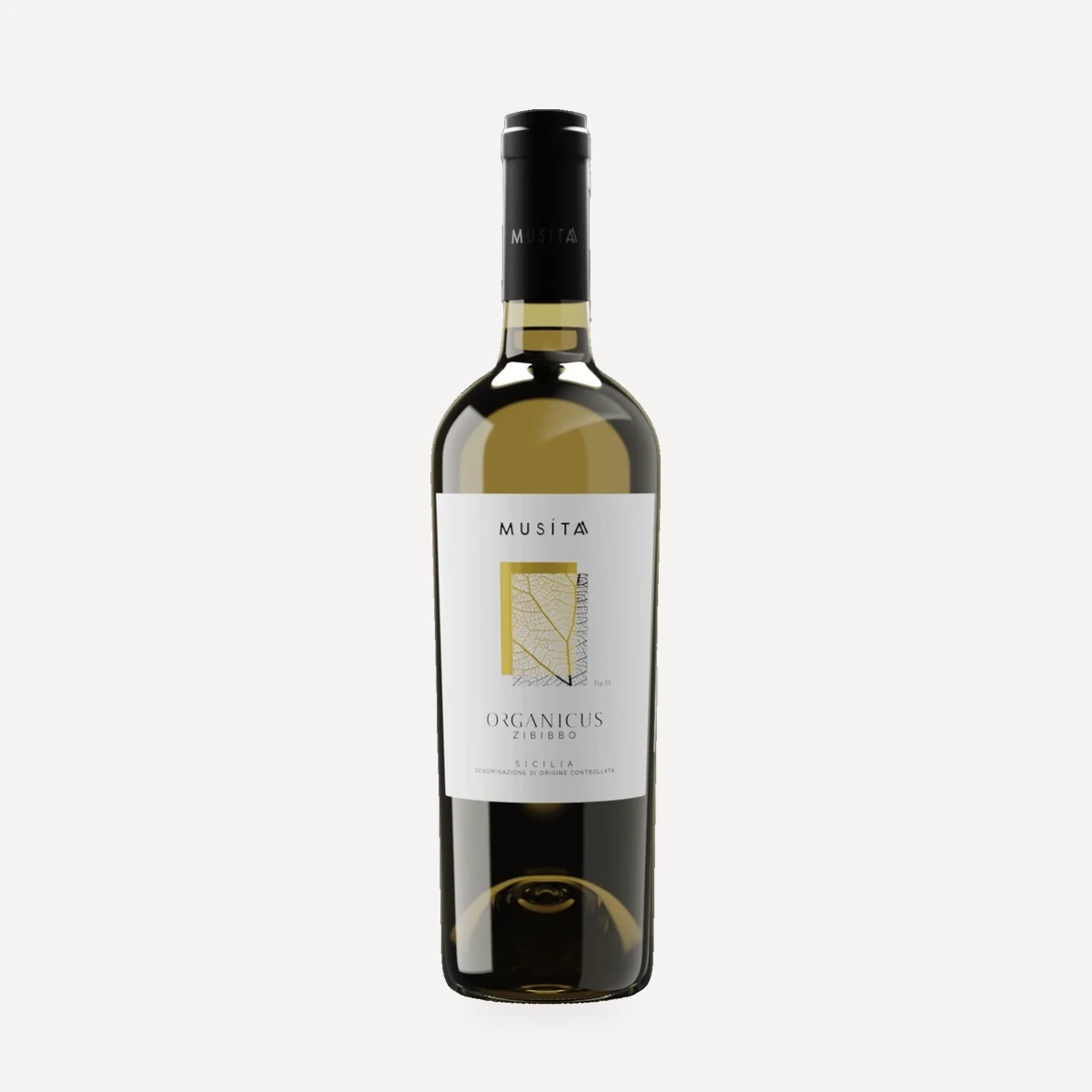
Zibibbo
Aisha Catarratto
Rabàh – Nero d’avola
Zibibbo passito