Storia
The Barbi-Ferrari family
Podere Barbi is the wine estate of the Barbi-Ferrari family at Vocabolo Stucchio in Baschi, within the Orvieto area. The family has worked in local wine production for many years, pursuing continual improvement in both the vineyards and the cellar. Its development has centred on the selection of varieties and clones suited to its approach, with indigenous grapes occupying the leading role and international varieties used only to a limited extent.
Vineyard development
The vineyard landscape preserves plantings of markedly different ages. Its oldest vines date from 1970, while younger vines were planted alongside them in 2007. This coexistence of older and newer blocks is accompanied by differences in planting density and soil type across the hill.
International presence
The family works with importers and their teams to establish the wines internationally. Podere Barbi is represented in more than 25 countries.
Terroir
The vineyards occupy the summit and slopes of a hill at approximately 300 m above sea level in an area called I Poggi di Baschi. The slopes face southeast and southwest. From the vineyard landscape there are views across the small Lago di Corbara and its surrounding green hills, while the farmhouse looks toward Orvieto, set on its ancient rocky platform.
Soil composition changes across the property, alternating among clay, marl and tuff, sometimes with small pebbles. Fossils are also abundant and contribute to the mineral character of the soils, conditions linked with the retention of consistent acidity in the estate’s white wines. At the lower edge of the vineyards, the massive rocky base supporting the hill becomes exposed; in season, this rock face is coloured by yellow-flowering broom.
Differences in soil type and vine density remain readily visible from one part of the vineyard landscape to another. Older vines dating from 1970 grow alongside blocks planted in 2007.
Vinificazione
Vineyard decisions are adapted to the conditions of the season and informed by experience accumulated over successive harvests. The work includes pruning, defoliation, crop thinning and plant-protection treatments. White varieties are trained to single or double Guyot, while red varieties use spurred cordon.
Chemical weed control is excluded throughout the estate, and antifungal treatments are kept to a minimum. Harvesting is manual, allowing selection of the fruit in the vineyard. White grapes are picked during the coolest hours to help preserve their aromatic potential. The proximity of the vines to the cellar enables red grapes to be processed within one hour of picking.
White-wine production
White-wine production is based principally on indigenous varieties. Particular importance is assigned to Grechetto, selected clones of Procanico and Vermentino, while international varieties are used only to a limited degree.
The grapes are harvested by hand during the coolest hours and selected for aromatic quality. After arrival at the cellar, the must is rapidly cooled in stainless-steel tanks and clarified by settling. The clear must then ferments under temperature control. Selected yeasts are generally used, while Grechetto undergoes spontaneous fermentation. Wood is not the standard fermentation vessel for the whites, although part of Archè is fermented in wood. Maturation in bottle before release is a customary final stage.
Red-wine production
Indigenous varieties account for 95% of the red-wine programme. Sangiovese is the principal red grape, followed by Montepulciano, Ciliegiolo and Canaiolo. The fruit is harvested and selected by hand, then processed within one hour because the vineyards are close to the cellar.
The red grapes are destemmed and crushed before a peristaltic pump transfers them to open fermentation vats. The cap is punched down manually three times per day. Fermentation temperature is continuously monitored with the aim of retaining varietal character.
Only part of the red production matures in small oak barrels. The barrels are housed in underground caves, where malolactic fermentation takes place. Reds considered not to require wood remain in stainless-steel tanks. The wines subsequently mature in bottle for several months.
Filosofia
Podere Barbi’s approach joins the established viticultural and winemaking traditions of the Orvieto area with modern cellar techniques intended to improve quality. Varietal identity is central to this philosophy: indigenous grapes predominate, selected clones are treated as an important qualitative choice, and international varieties remain a minor component.
Grechetto and selected Procanico material are particularly valued among the white grapes, alongside Vermentino. The red programme is built around Sangiovese, Montepulciano, Ciliegiolo and Canaiolo. In the cellar, technology is used to preserve the character of these varieties through rapid cooling, controlled fermentation temperatures and prompt processing after harvest.
Oak is applied selectively rather than routinely. Only the red wines considered suited to small-barrel maturation receive it; the remainder are kept in stainless steel. In the vineyard, pruning, defoliation, thinning and treatments are adjusted through experience of each harvest rather than applied as an unchanging formula. Continual improvement of both vineyards and cellar remains a long-term family priority.
Vini
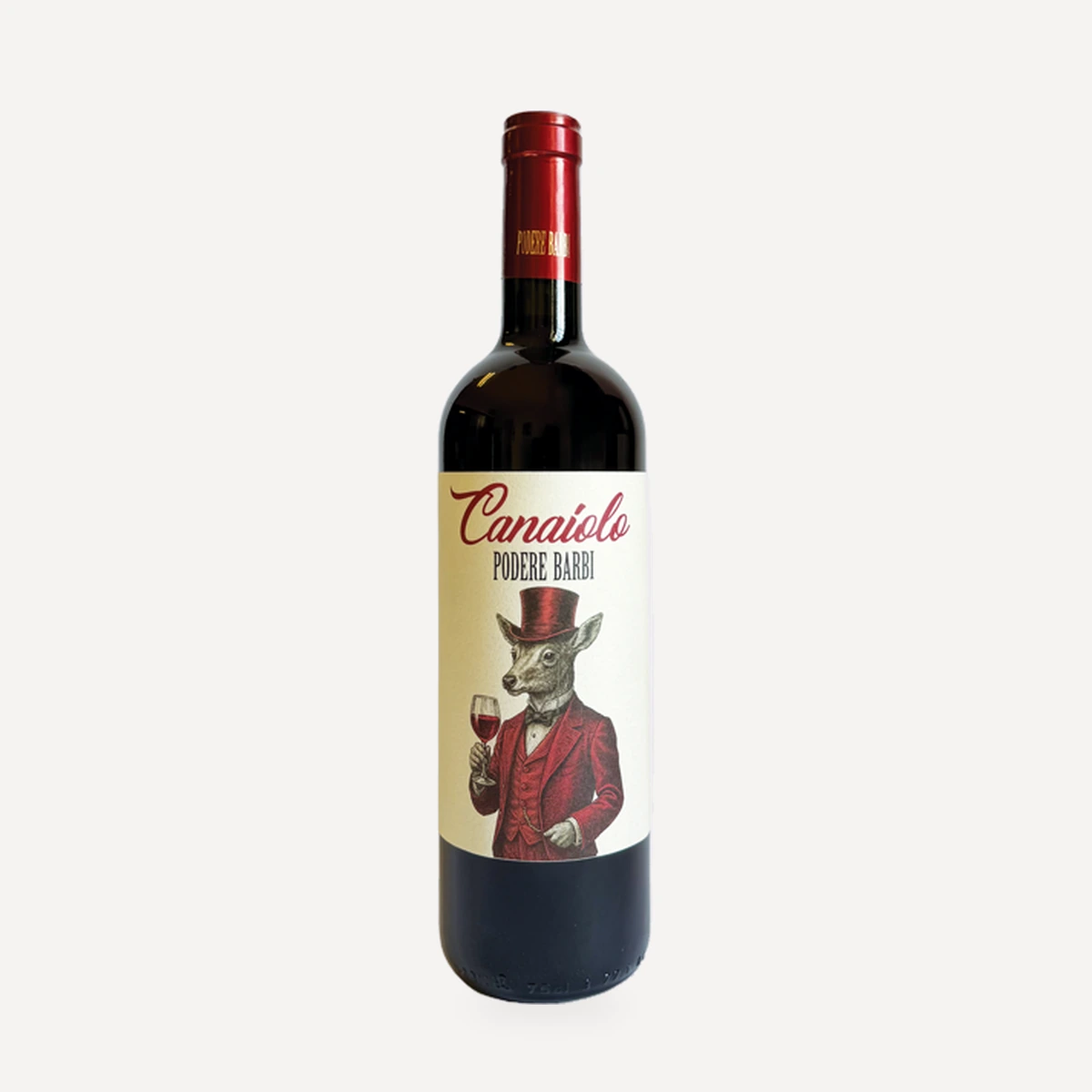
Canaiolo Umbria IGT
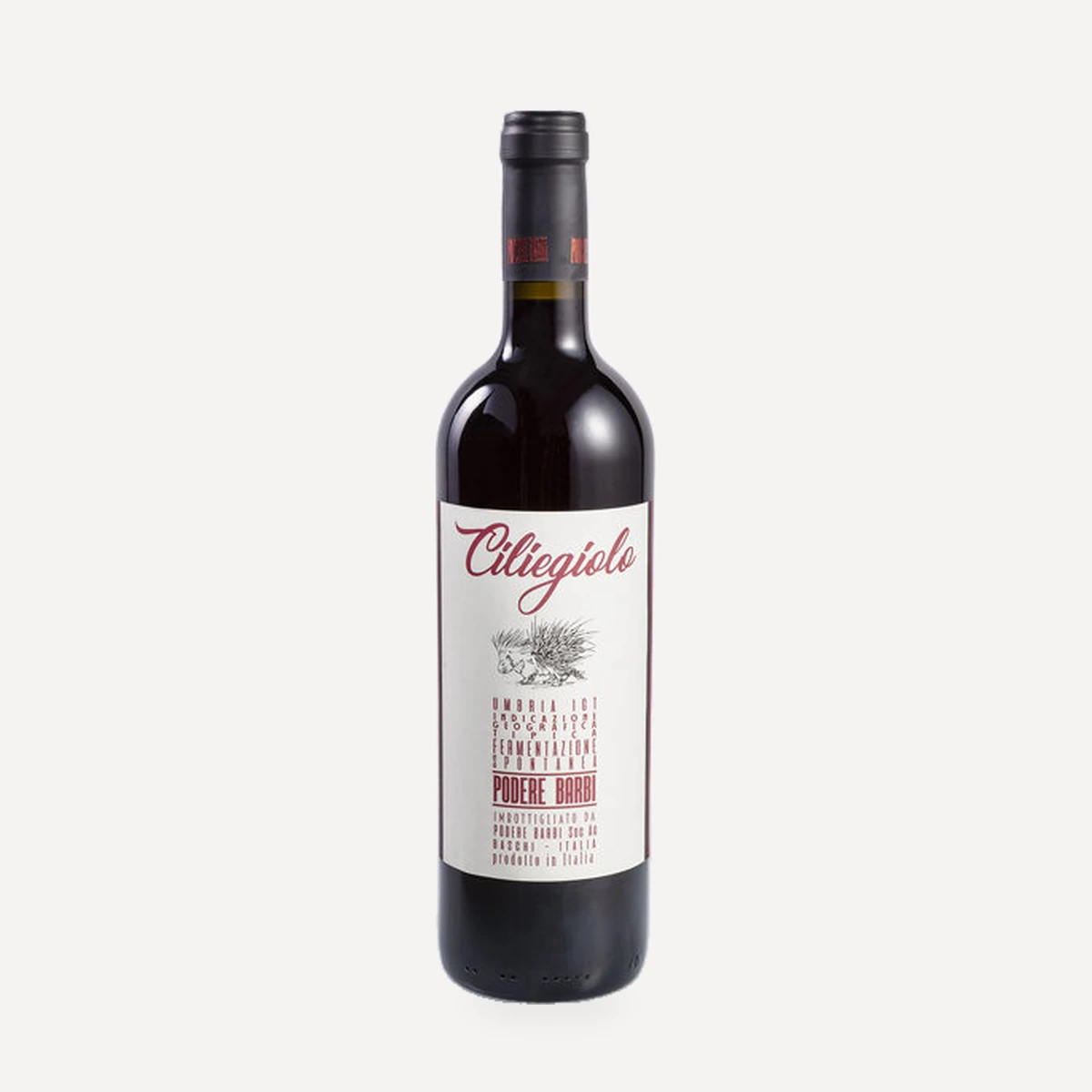
Ciliegiolo Umbria IGT
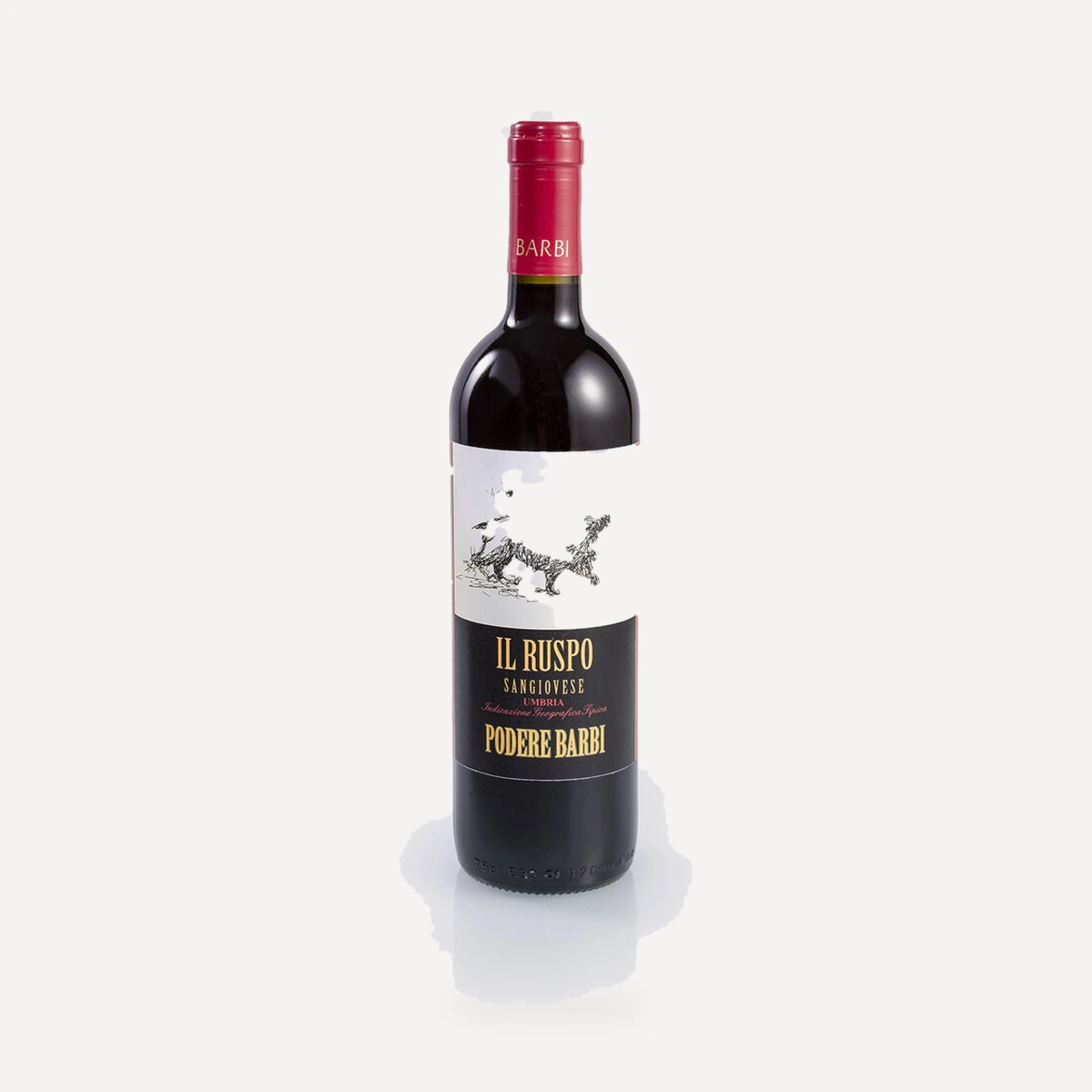
Il Ruspo Sangiovese Umbria IGT
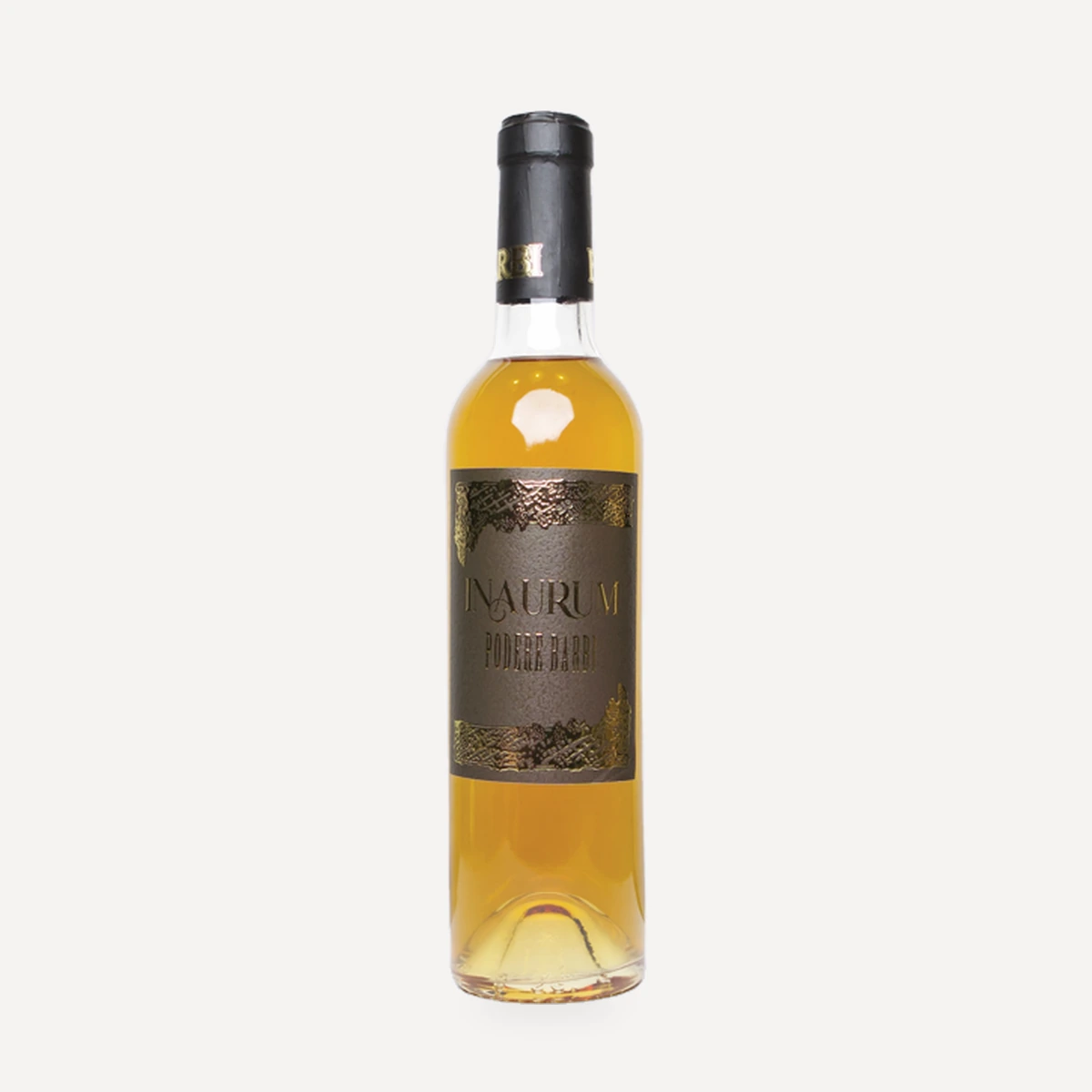
Inaurum Umbria IGT
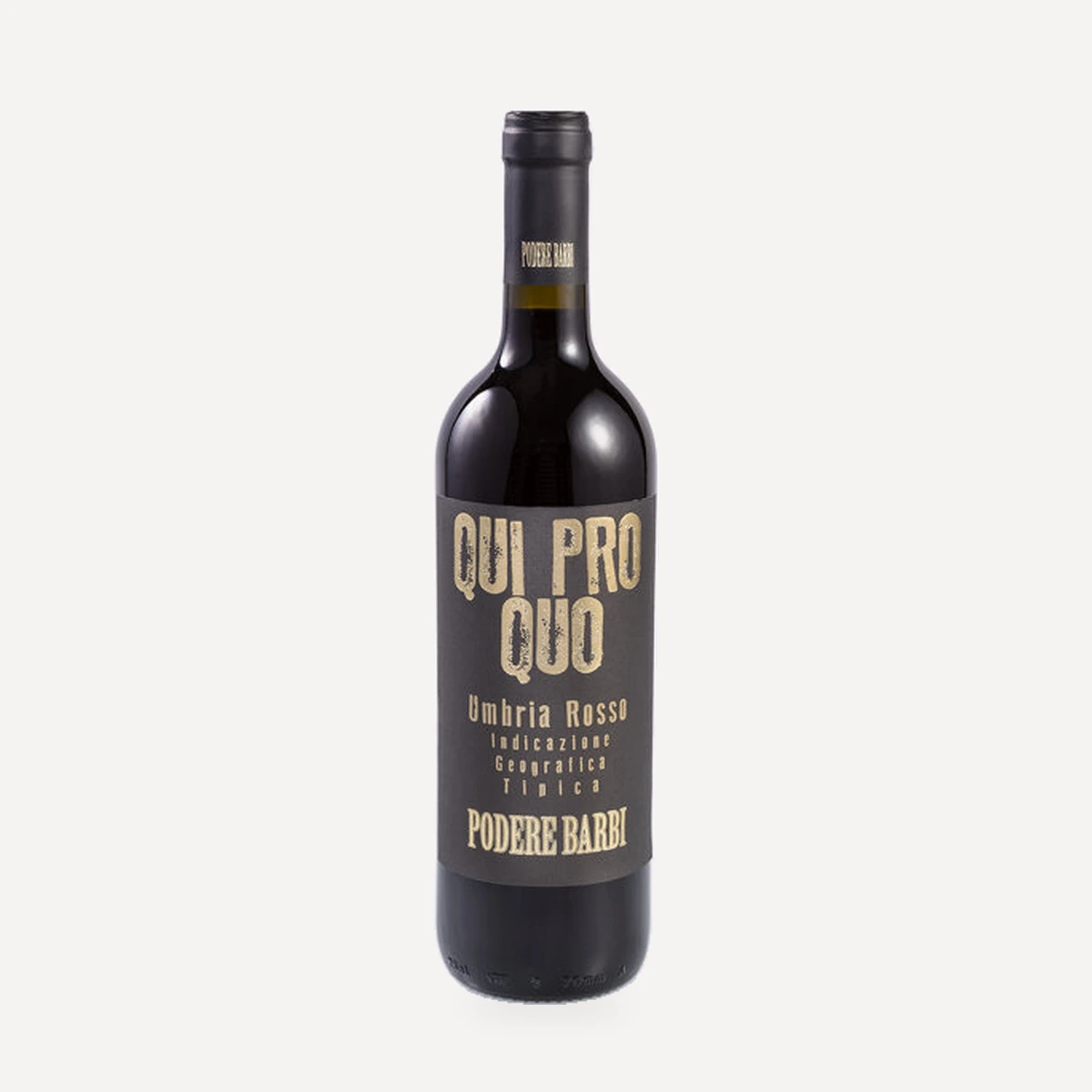
Qui Pro Quo Rosso Umbria IGT
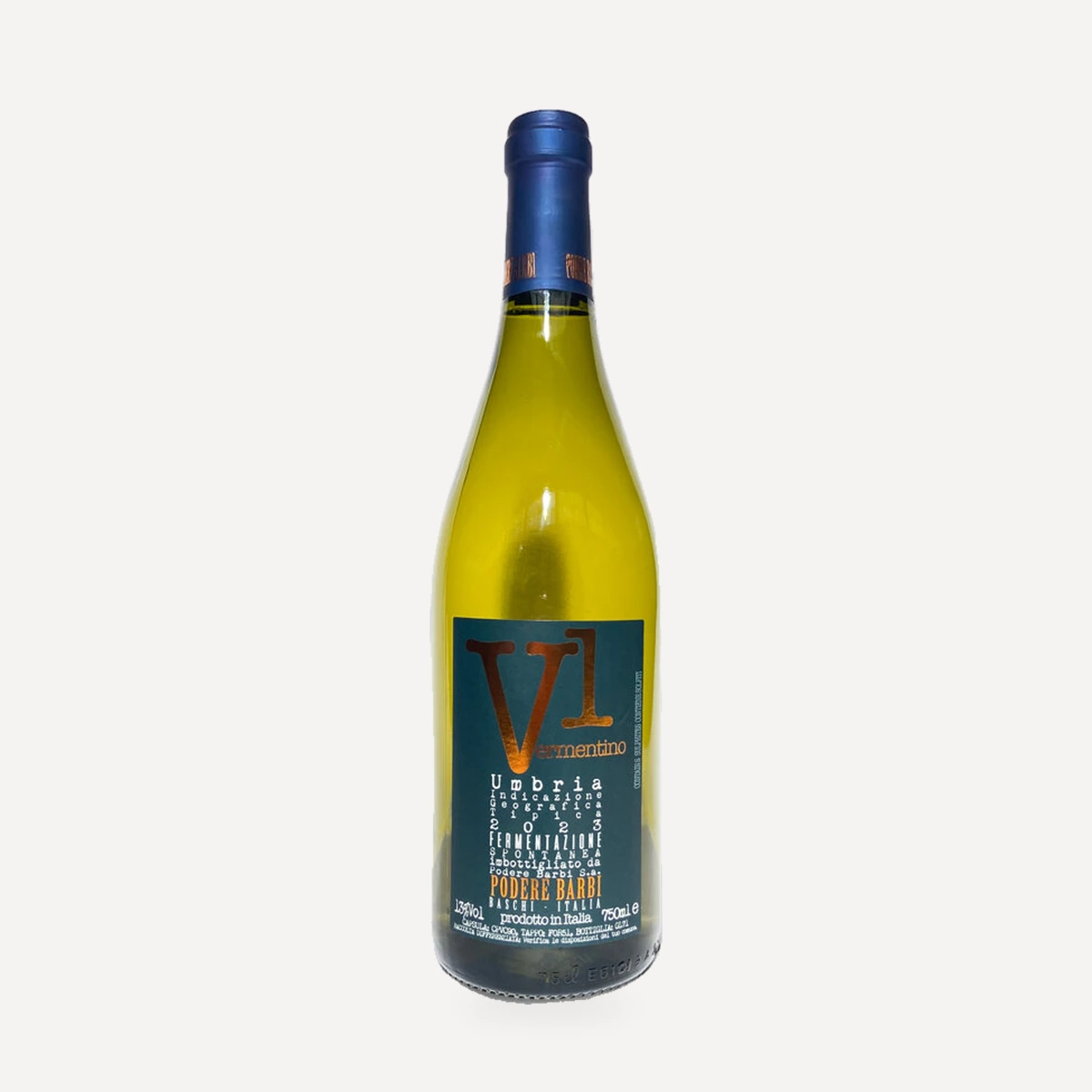
Vermentino Umbria IGT
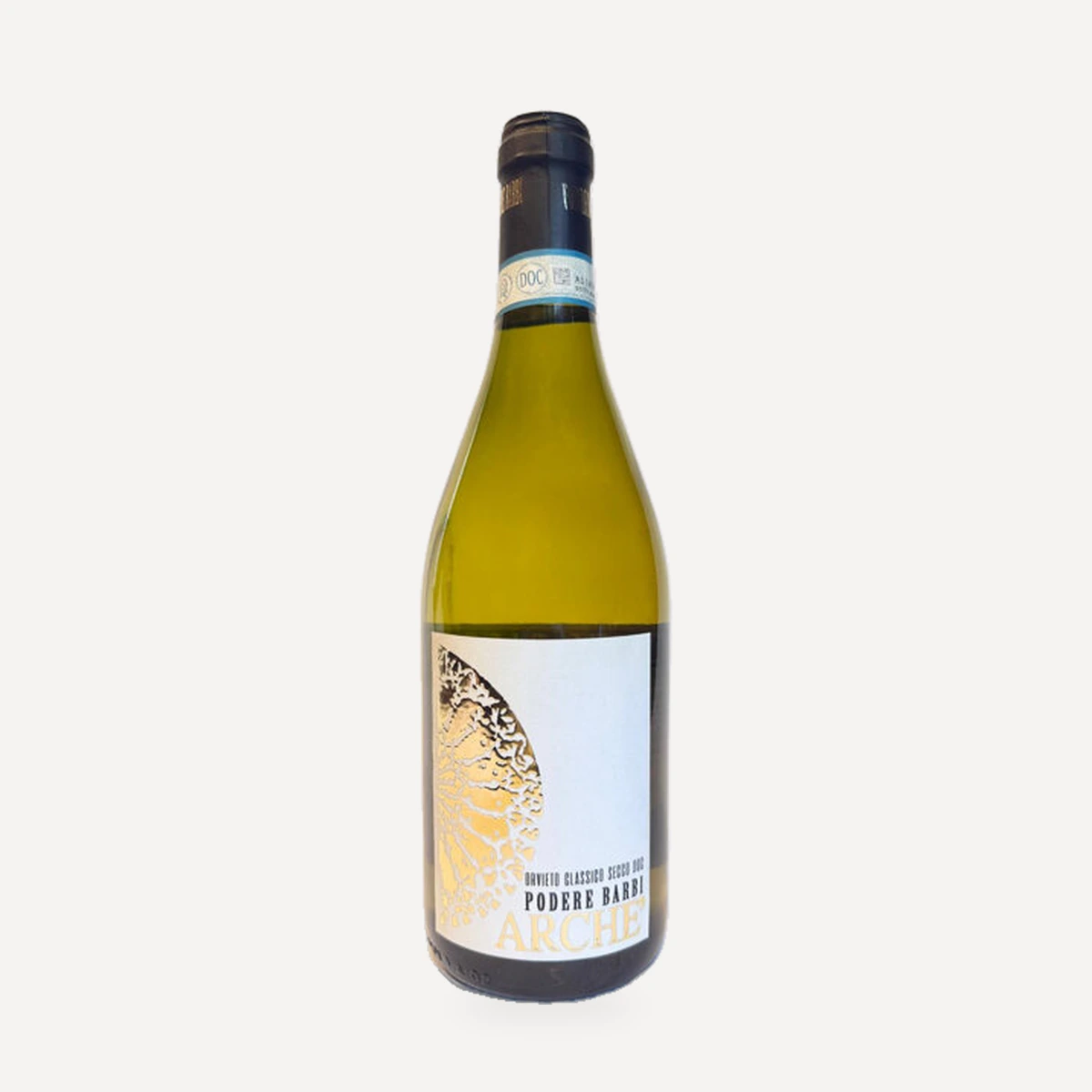
Archè Orvieto Classic
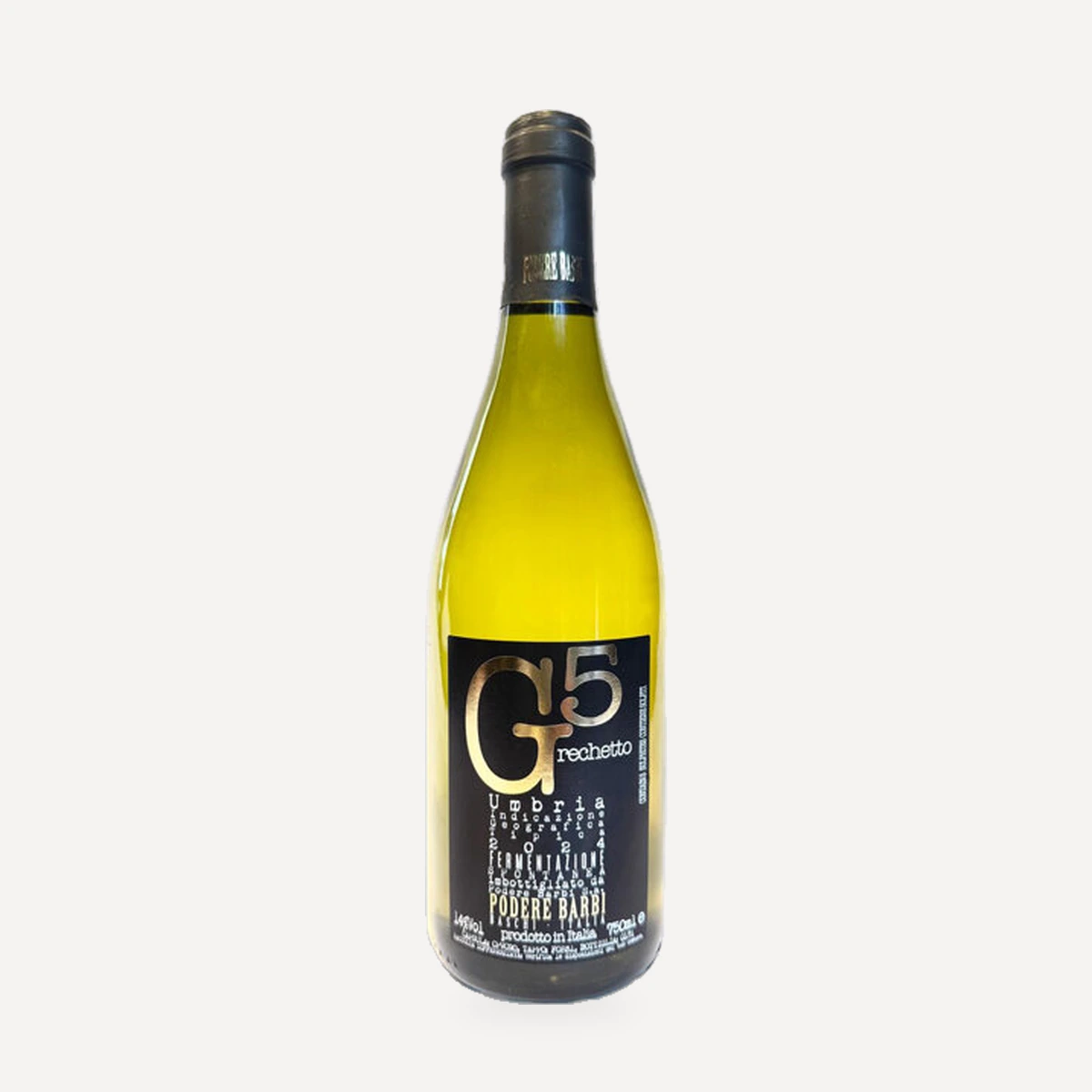
G5 Grechetto
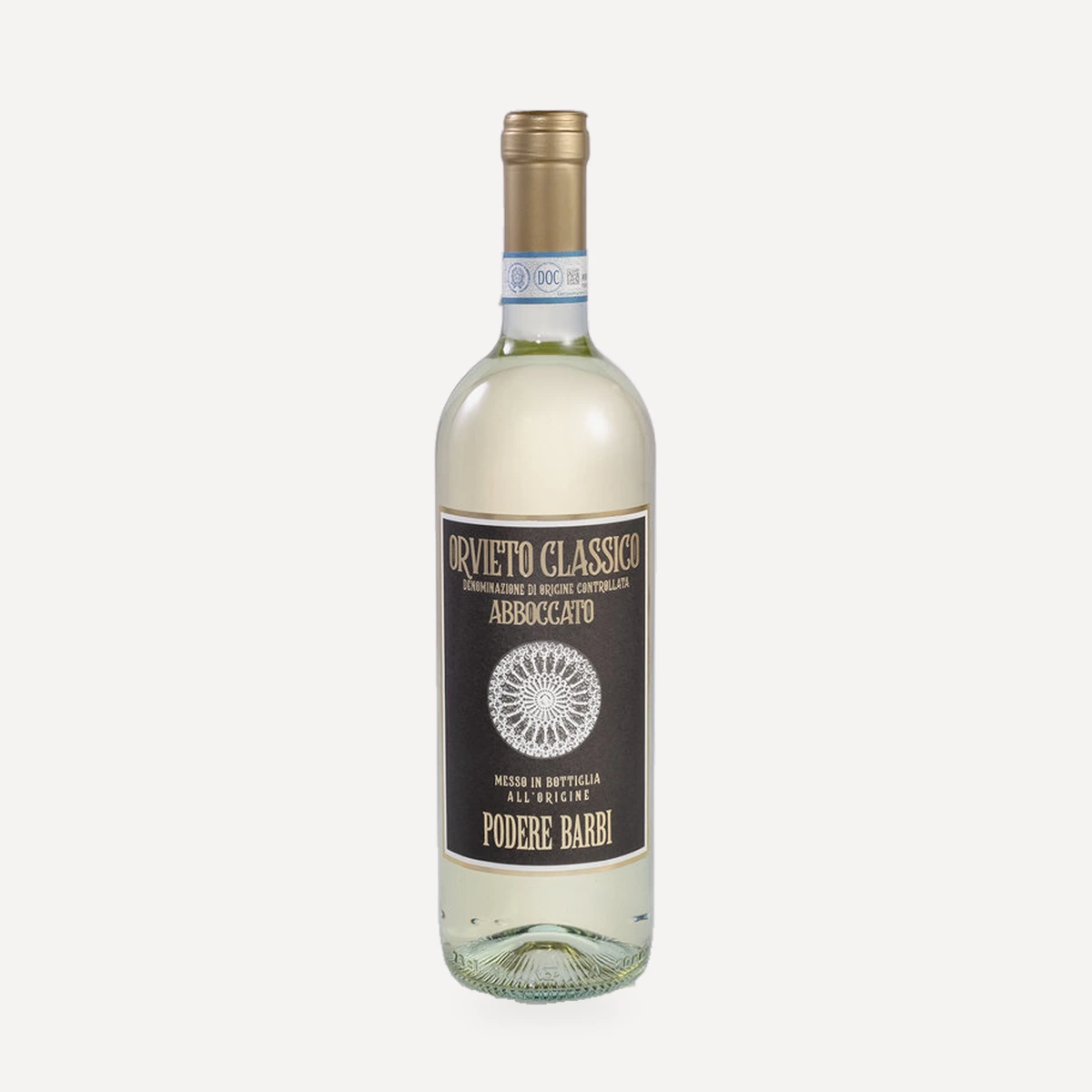
Orvieto Classico Abboccato Medium Dry
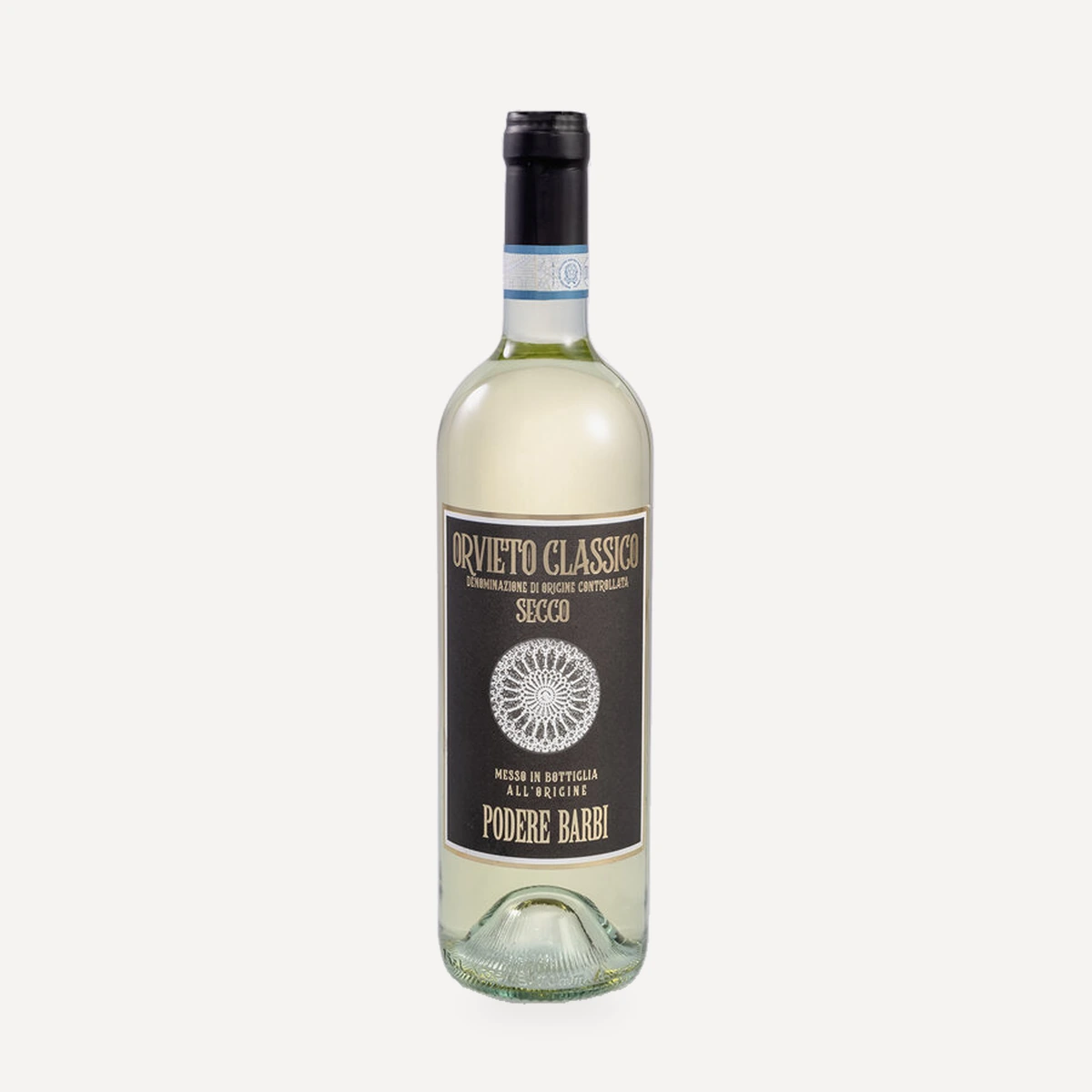
Orvieto Classico Dry