Storia
Medieval origins: 1212
The name Decugnano has an obscure origin lost over the centuries. Its documented connection with wine begins in 1212, when the lands of Santa Maria di Decugnano belonged to the Cathedral of Orvieto and produced wine for the Orvieto clergy. Two clerics, Giovanni and Pietro, were charged with safeguarding the property, whose focal point was the church of Santa Maria di Decugnano.
The Barbi foundation: 1973
In 1973, the 28-year-old Claudio Barbi encountered Decugnano by chance. The land had been abandoned, but he was captivated by it and decided to acquire the property, establishing Decugnano dei Barbi. He began renewing and planting vineyards and constructing the winery, with the objective of making high-quality wines capable of expressing the estate’s particular terroir.
The Orvieto vineyards of that period were dominated by Procanico, a Trebbiano clone. Seeking varieties better suited to Decugnano, Claudio began with Grechetto—then little used locally—and Chardonnay. He subsequently tested Sauvignon Blanc, Vermentino and Semillon. His red-variety trials began with Cabernet Sauvignon alongside Sangiovese and later extended to Merlot, Pinot Nero, Montepulciano and Syrah. This empirical program involved planting varieties, vinifying them and judging the resulting wines. It developed into five decades of work to identify the grapes best adapted to the estate.
First releases and traditional-method sparkling wine: 1978
The first wines appeared in 1978: an Orvieto Classico, a red wine and what Decugnano dei Barbi identifies as Umbria’s first Metodo Classico. Claudio created the sparkling wine as a tribute to his Brescian origins. Its original blend used Procanico and Verdello; it later evolved to Chardonnay and Pinot Nero, with maturation on the lees extended to almost four years. From its first release, it was always made as a vintage-dated sparkling wine rather than a multi-vintage cuvée.
Botrytis and Pourriture Noble: 1981
A 1931 analysis of Orvieto wine, commissioned by the Italian Ministry of Agriculture from Giorgio Garavini, had concluded that Botrytis cinerea did not assist grape ripening in Orvieto as it did in Sauternes. The creation of the artificial Lake Corbara basin after the Second World War subsequently altered the local microclimate.
Claudio observed abundant botrytis in the Orvieto area, while local growers generally harvested before it developed. Drawing on experience gained in Sauternes, he separated and vinified the botrytized fruit in 1981. That experiment became the first vintage of Pourriture Noble, described as Italy’s first noble-rot wine. Claudio chose the French winemaking term as its name at a time when consumer familiarity with fine wine was limited.
Labels, new names and the second generation
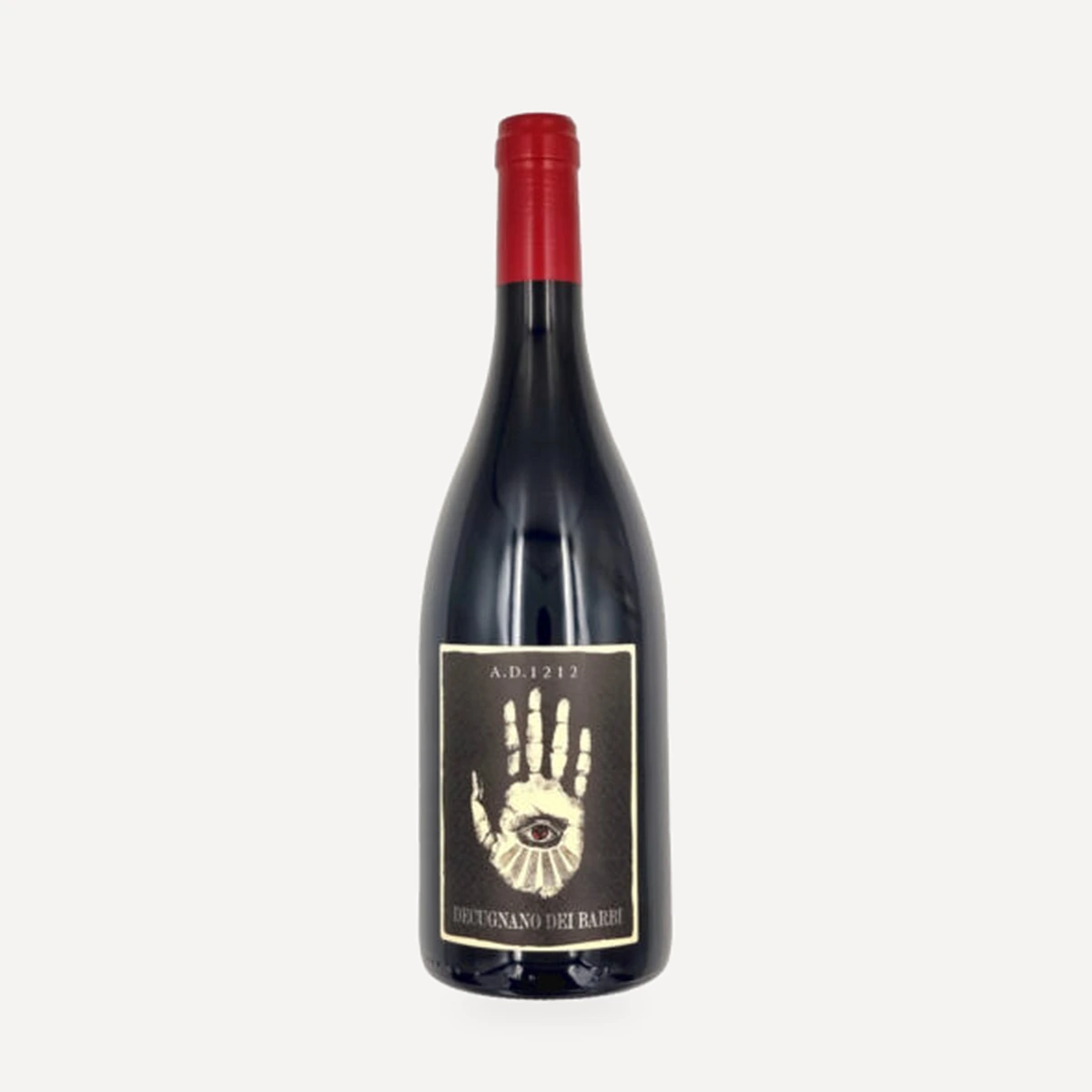
The estate’s principal red was first released in 1988 under the name “IL” Decugnano dei Barbi, a name proposed by Luigi Veronelli to emphasize its strong connection to its place of origin. It was renamed A.D.1212 in 2015, commemorating the estate’s earliest documented year. The traditional oval “Decugnano dei Barbi” label design originated in the 1970s and, although revised over time, remains in use in Umbria, the estate’s historic market.
A zero-dosage Metodo Classico was introduced with the 2010 vintage. It uses the same Chardonnay-and-Pinot Nero base and 42-month lees maturation as the Brut, but receives no sugar at disgorgement.
Today Claudio’s son Enzo Barbi continues his father’s work. The estate’s present vineyards include plantings made between 1984 and 2023, reflecting the continuing renewal and experimentation initiated by Claudio.
Terroir
Position and landscape
Decugnano dei Barbi lies at Località Fossatello in the commune of Orvieto, between Orvieto and Todi. The vineyards stand at approximately 320 m above sea level and face southeast and southwest. Their Mediterranean climate, solar exposure, constant ventilation and pronounced day-to-night temperature variation favor ripening while helping preserve acidity and aroma.
Marine-origin geology
The estate occupies the northeastern, marine-origin sector of the Orvieto countryside. This is described as the oldest of the area’s four geological zones. The other zones are the volcanic area south of the city, clay soils to the northwest and alluvial land in the Paglia River valley. Orvieto itself stands on a volcanic cliff, while Decugnano’s northeastern sector preserves deposits from the ancient sea rather than the volcanic character found elsewhere.
The vineyards grow over Pliocene marine beds formed approximately 3 million years ago. Fossil shells and oysters occur throughout the ground. The soils combine sand and clay and are rich in marine sediments, calcium and marl. Their light-colored sandy component drains freely, while the smaller proportion of clay helps retain water in particularly dry seasons. Calcium supplies micronutrients important to berry development.
The estate associates this geology with the pronounced mineral, saline and marine character of its wines, as well as freshness and capacity for aging. The oldest vineyards root into particularly shell-rich sandy ground.
Orvieto context and noble rot
Viticulture around Orvieto extends back to the Etruscans and Romans. The wine gained particular fame in the Middle Ages, when popes resided in the city and Orvieto wine formed part of papal banquets.
Lake Corbara, an artificial basin created after the Second World War, altered the local microclimate. In favorable parcels, humidity and early-morning mist can encourage Botrytis cinerea. When the fungus develops late under suitable conditions, it perforates the berries, promotes water loss and concentration, and can develop as noble rot rather than destructive grey rot. These conditions enabled the estate’s pioneering 1981 botrytis selection.
Vinificazione
Integrated vineyard management
Decugnano dei Barbi is certified under SQNPI, Italy’s third-party-verified national standard for integrated production. The estate explicitly identifies its farming as non-organic. Treatments are not applied according to a fixed calendar: weather, plant condition and each parcel are monitored, and intervention occurs only when considered necessary, using products selected for lower impact.
Pheromones are used instead of insecticides against the insect identified as the most damaging to the grapes. Decades of experience since 1973—including knowledge of airflow, which parcels dry first and where problems initially emerge—are used to reduce the number of interventions.
Soil, water and yields
Grass is allowed to grow in alternating inter-rows, and organic matter is used for fertilization. The vineyards are not irrigated. Guyot and spur-pruned cordon are both employed, with approximately 4,500 vines per hectare. Target yields are 7–9 tonnes per hectare for white grapes and 5–7 tonnes per hectare for red grapes.
Biodiversity and estate resources
Twenty-five hectares of woodland stand beside the vineyards and have never been converted to agriculture. The woods provide habitat for beneficial insects and create natural breaks between vineyard parcels.
Selective harvesting for noble rot
Grapes affected by noble rot are closely monitored and picked in several passes so that berries can be selected at the appropriate stage. The selected fruit is pressed immediately. This process responds to the highly variable progression of Botrytis cinerea within the vineyard.
Energy and packaging
A 50 kW photovoltaic installation supplies more than 75% of the winery’s energy consumption. Lightweight glass bottles reduce packaging weight and transport-related emissions.
Winery and cellar
Claudio Barbi began constructing the winery when he established Decugnano dei Barbi in 1973. Production combines stainless-steel vinification and selective use of French oak with traditional cellar work. Historic Etruscan caves beneath the Decugnano hill are used for maturation of the estate’s Metodo Classico.
Metodo Classico
The first traditional-method sparkling wine was made in 1978. Initially based on Procanico and Verdello, it subsequently evolved to Chardonnay and Pinot Nero. The sparkling wines have always been vintage-dated, using fruit from a single harvest rather than blending reserve wines from multiple years. The Brut is now matured on its lees for almost four years; riddling and disgorgement remain manual.
The zero-dosage version was introduced with the 2010 vintage. It shares the Chardonnay-and-Pinot Nero base, stainless-steel primary vinification and 42-month lees maturation used for the Brut but receives no added sugar at the final dosage stage.
Noble-rot production
Pourriture Noble is made from selected vineyards with a microclimate favorable to noble rot. The harvest requires repeated passes through the vines and careful selection at the correct stage of botrytis development. The fruit is pressed immediately and undergoes a long fermentation in stainless steel. The method originated in 1981, when Claudio Barbi separately vinified grapes affected by Botrytis cinerea.
Still-wine techniques
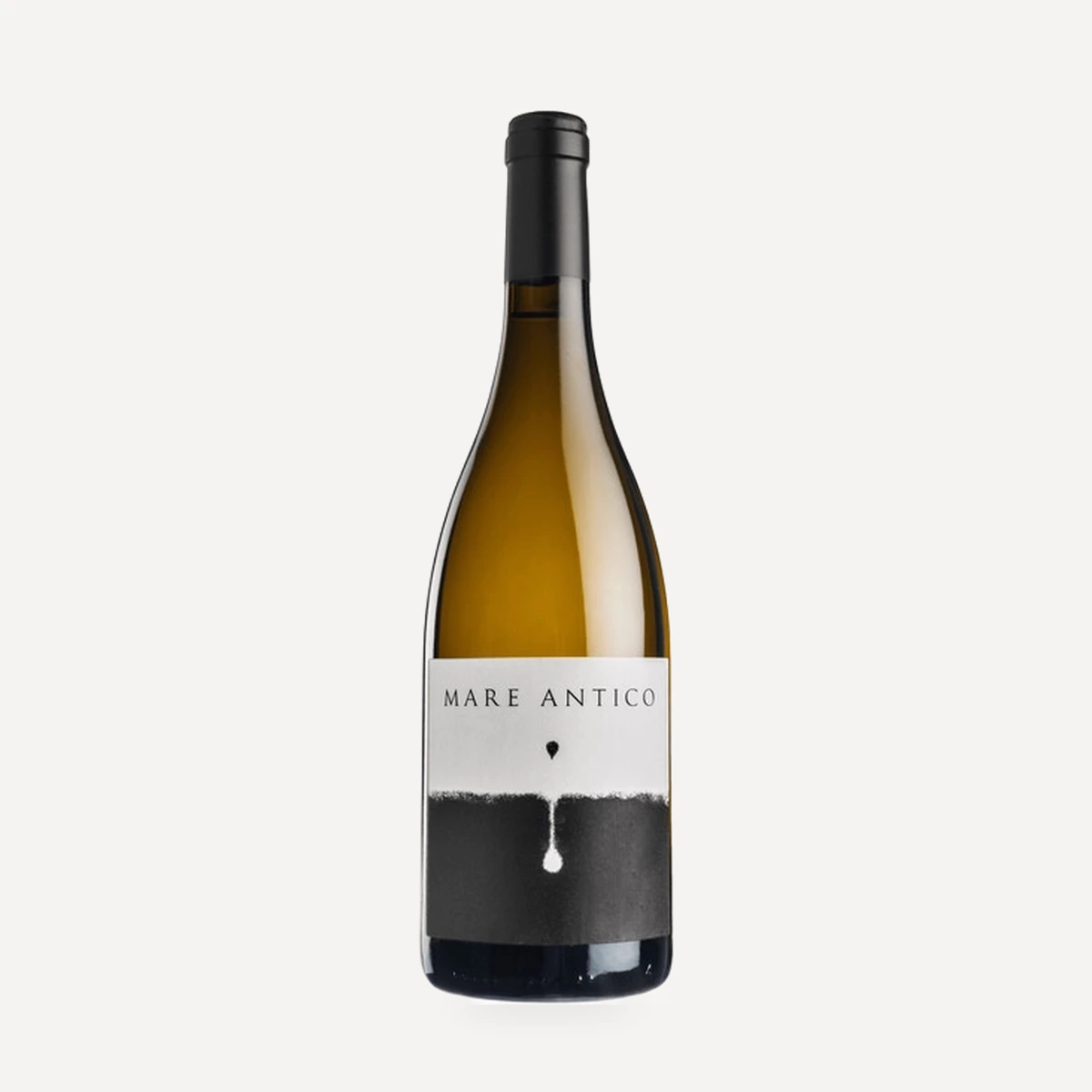
Stainless steel is the principal fermentation vessel identified across the range. Selected lots may be fermented or matured in French barrels. The estate’s principal red undergoes careful blending after stainless-steel vinification and partial maturation in French barriques. A documented white-wine protocol separated the varieties for approximately 15 days of fermentation at 14–16°C; a 5% portion fermented in barrique and completed malolactic fermentation before the final wine received one year of bottle maturation. This protocol relates to the 2019 predecessor of Mare Antico rather than a universal estate procedure.
Bottling uses lightweight glass, while more than 75% of cellar electricity is supplied by the estate’s 50 kW photovoltaic system.
Filosofia
Terroir before all else
Decugnano dei Barbi defines terroir as the foundation of its work. Its stated aim is to create high-quality artisanal wines that remain faithful to the estate’s marine-origin soils, combining tradition with innovation and treating continual improvement as an ongoing objective.
Claudio Barbi’s approach was experimental rather than prescriptive: plant different varieties, vinify them and evaluate the resulting wines to determine the affinity between grape and place. Five decades of trials underpin the current understanding of which varieties best express Decugnano.
The family’s quality objective is paired with restrained intervention in the vineyard. Decisions are based on observed need rather than a fixed treatment calendar, drawing on long familiarity with the behavior of individual parcels. The estate openly distinguishes its SQNPI-certified integrated approach from organic farming.
Environmental responsibility is framed as a commitment to future generations. Unconverted woodland, reduced-impact crop protection, organic fertilization, alternating grass cover, solar power and lighter bottles form part of this position. Enzo Barbi describes the family’s purpose as producing the highest-quality wines while respecting a rare and valuable terroir.
Vintage variation is deliberately retained in Metodo Classico production: the sparkling wines have always been made from a single harvest, allowing each release to reflect its year rather than seeking consistency through a multi-vintage blend.
Vini
Mare Antico Orvieto Classico Superiore DOC
Orvieto Classico Superiore Bianco DOC
AD 1212 Il Rosso
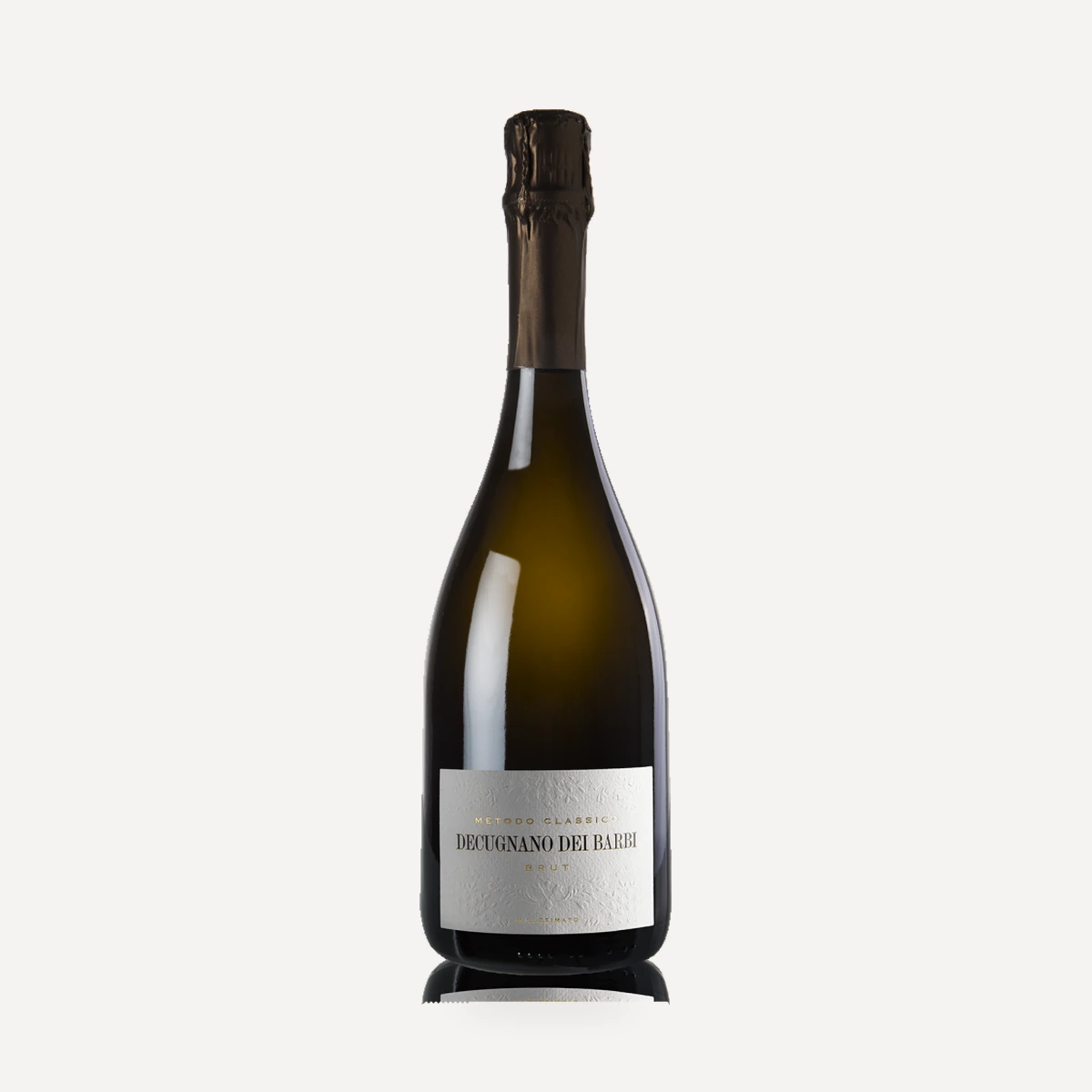
Decugnano dei Barbi Metodo Classico Brut
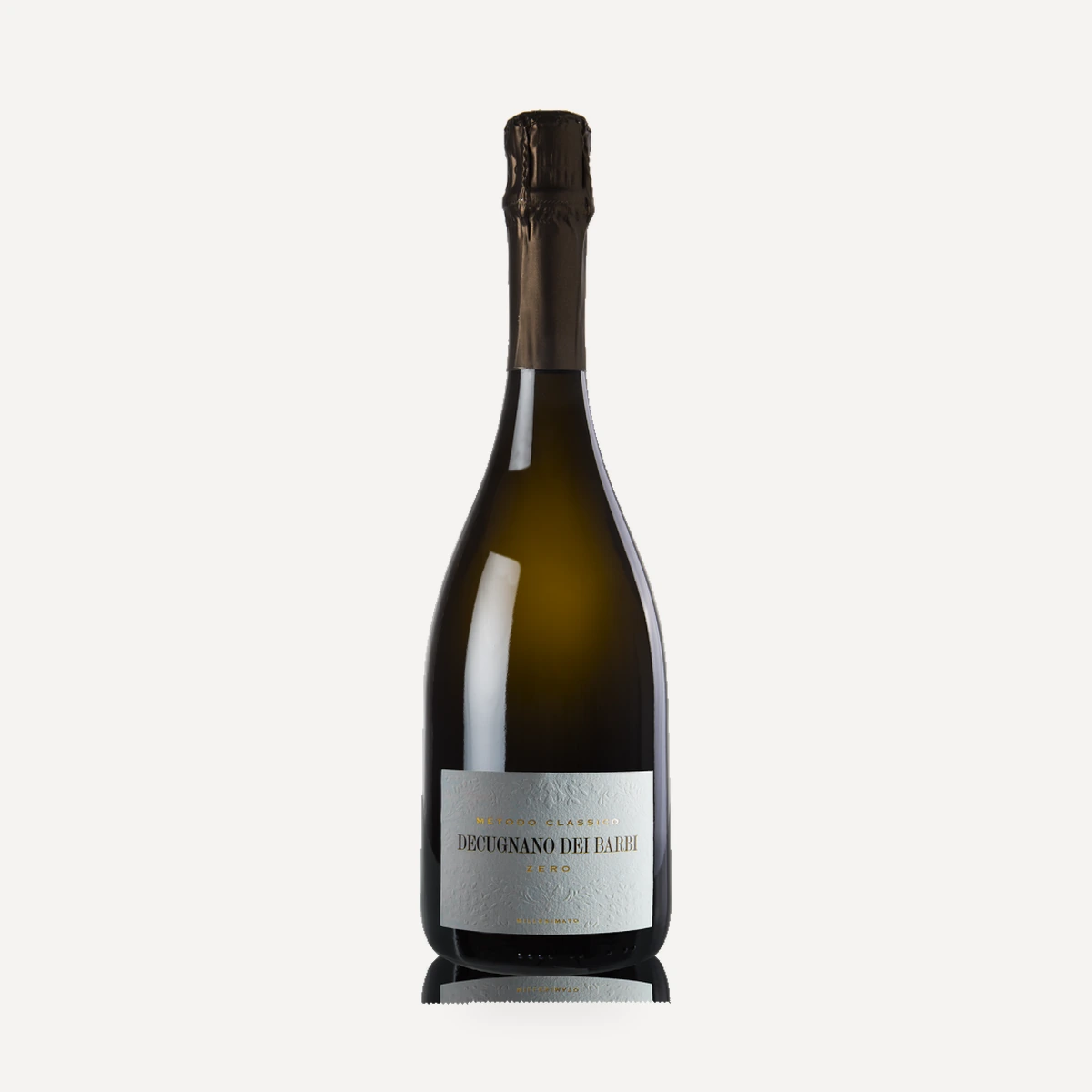
Decugnano dei Barbi Metodo Classico Dosaggio Zero
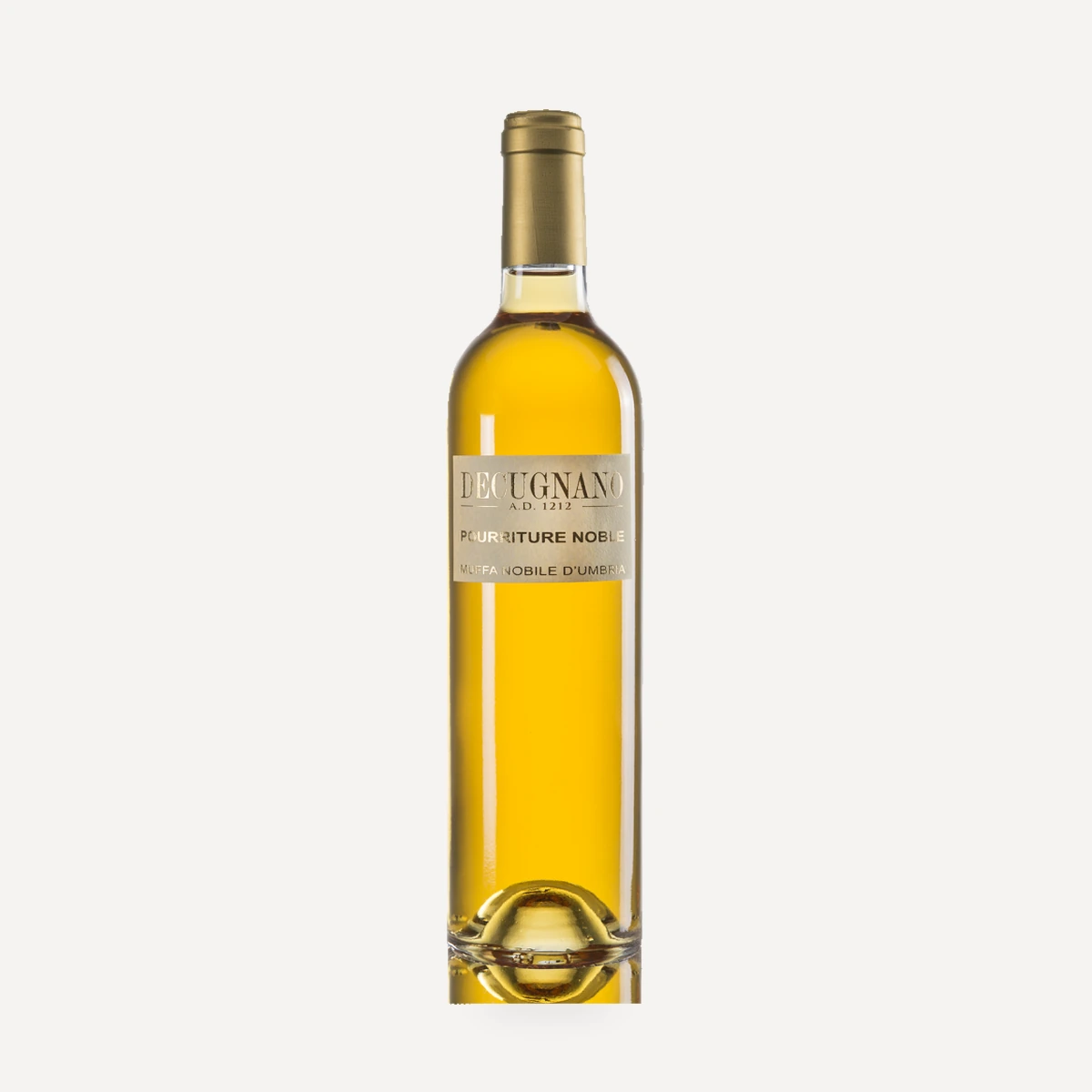
Pourriture Noble
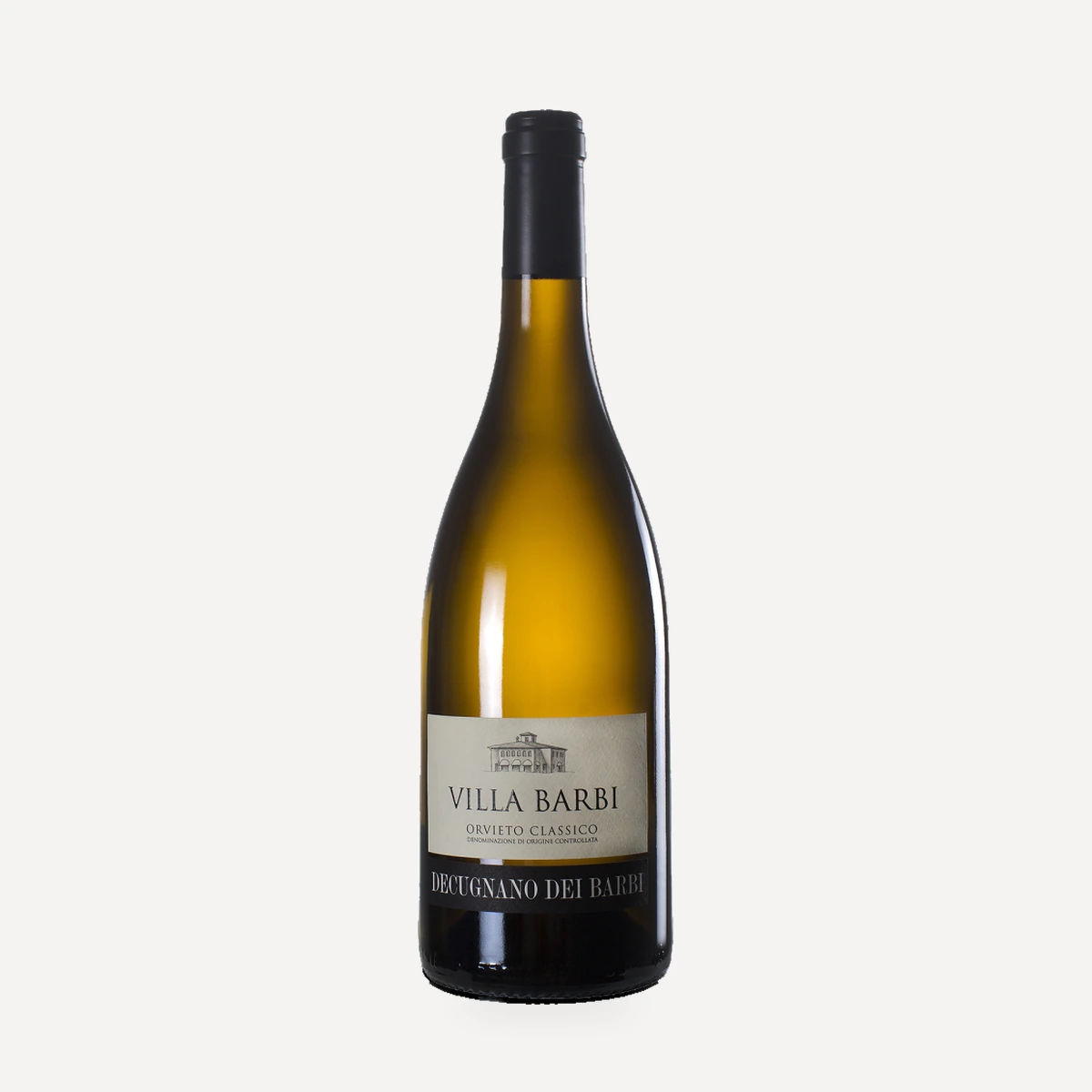
Villa Barbi Bianco
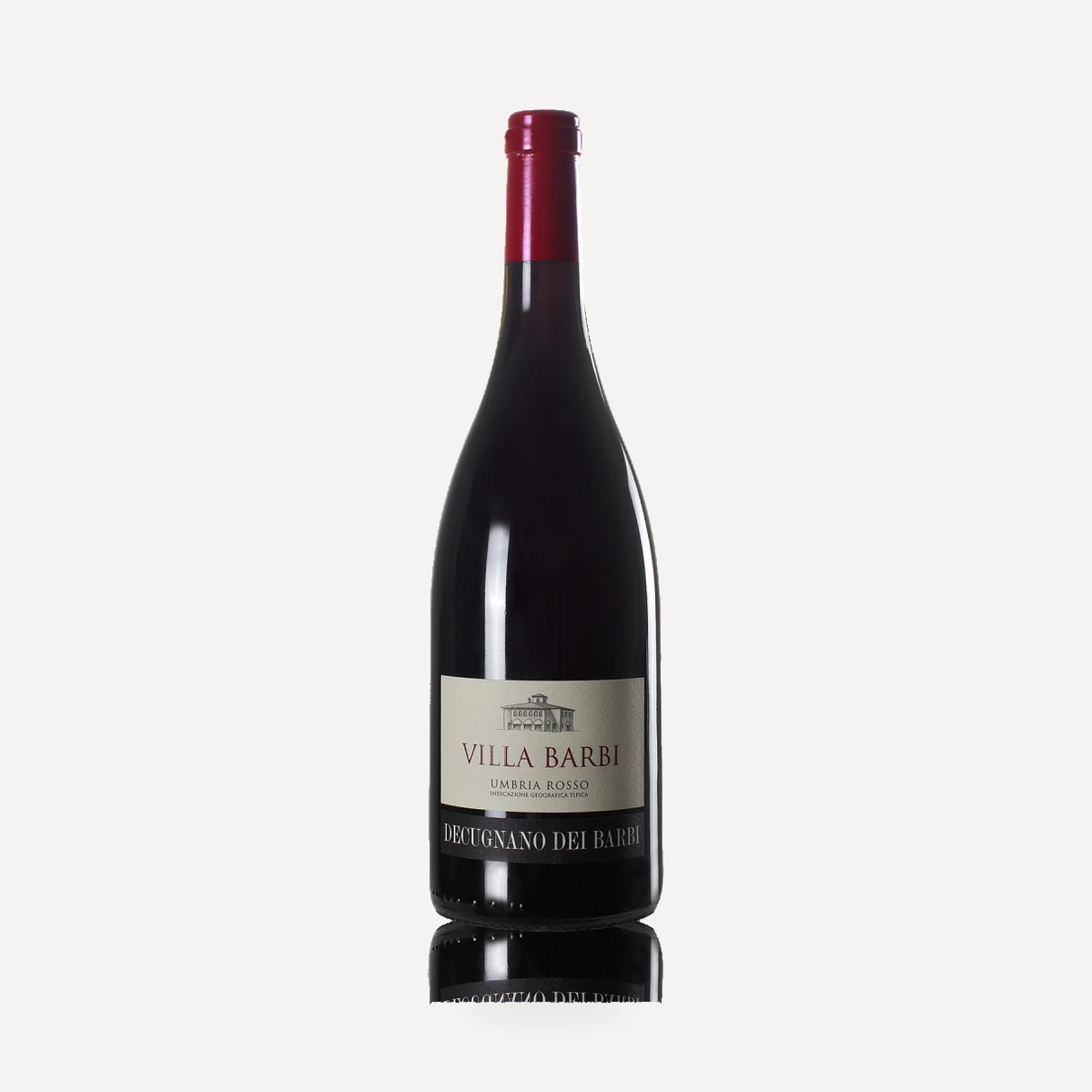
Villa Barbi Rosso
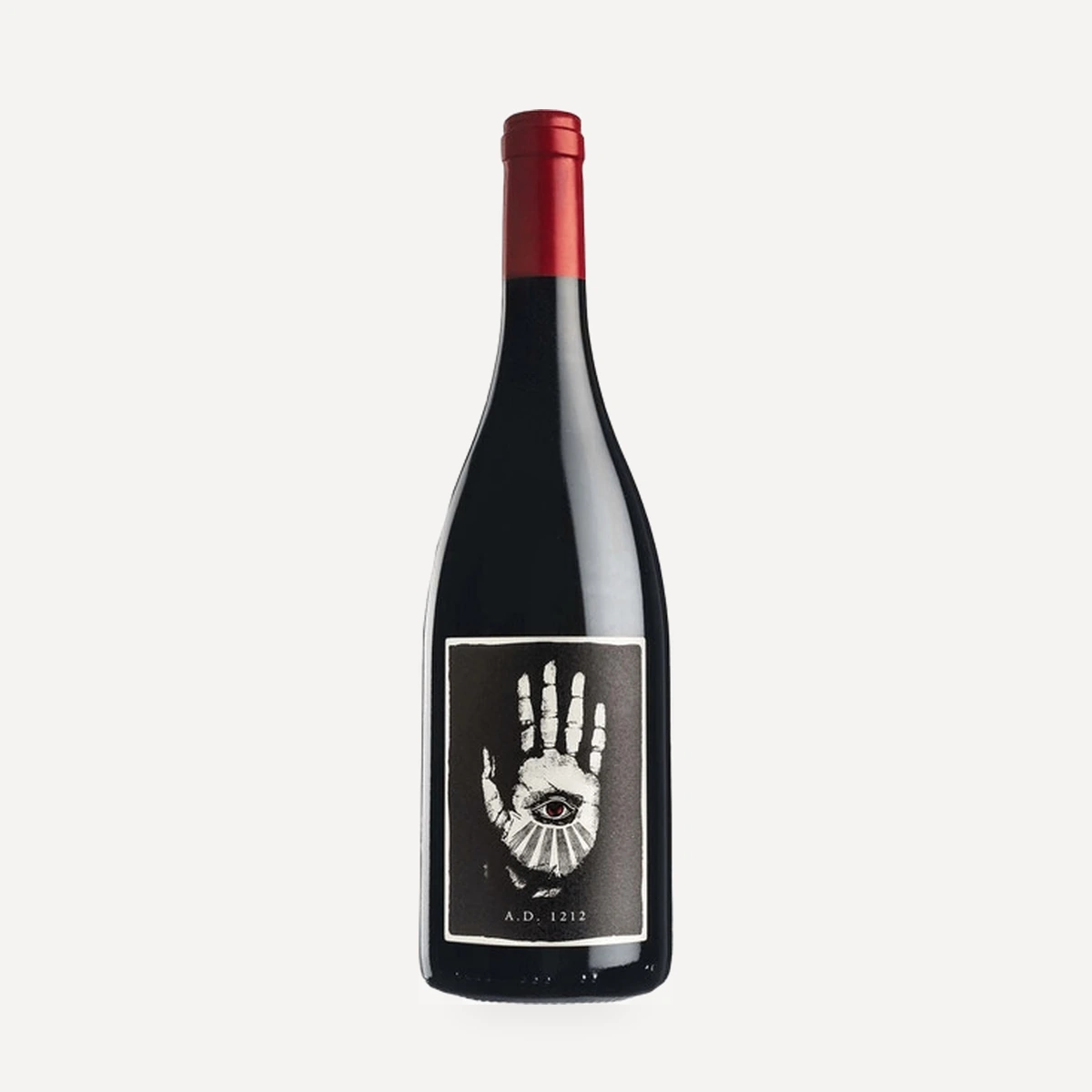
A.D. 1212 Umbria Rosso IGT
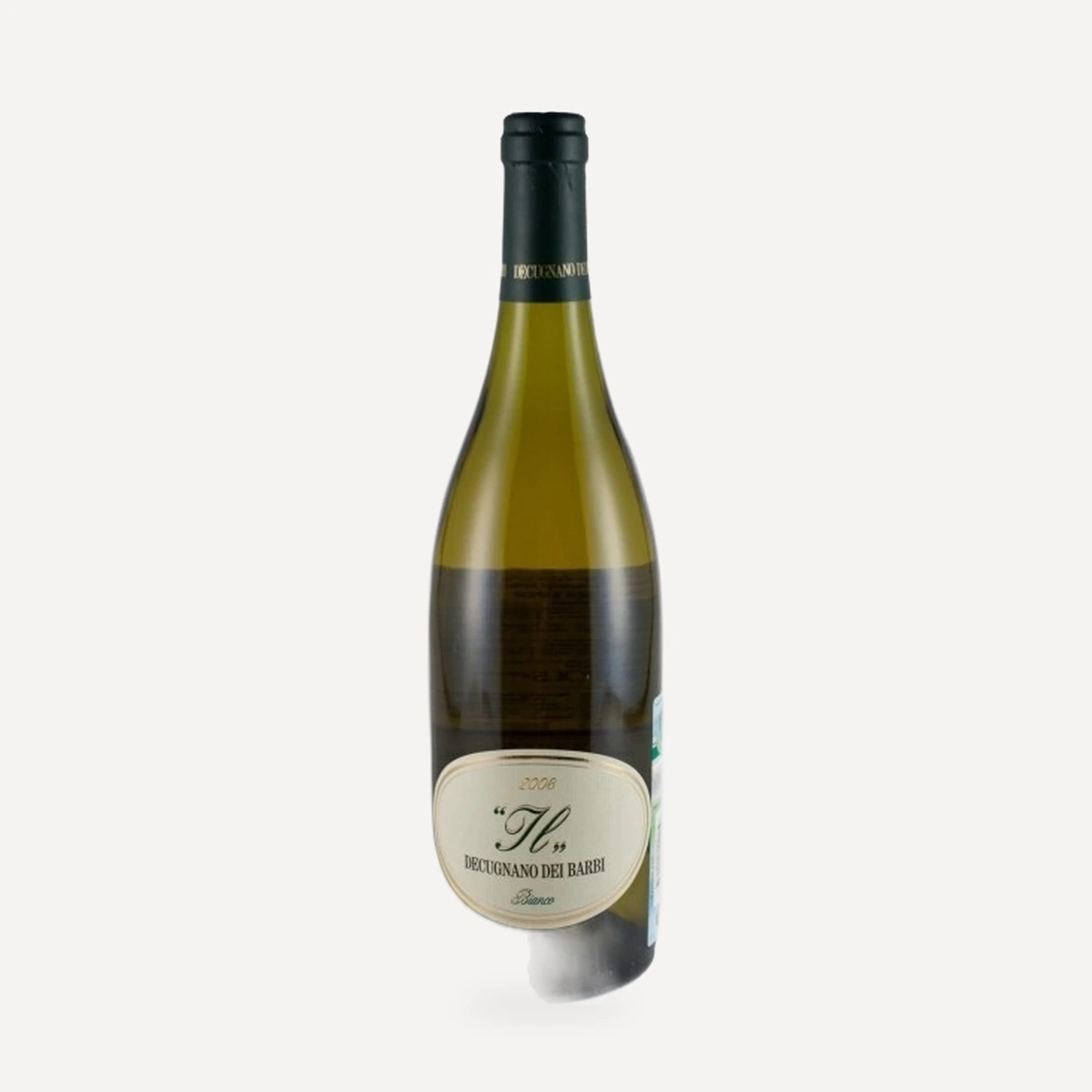
Bianco Umbria IGT
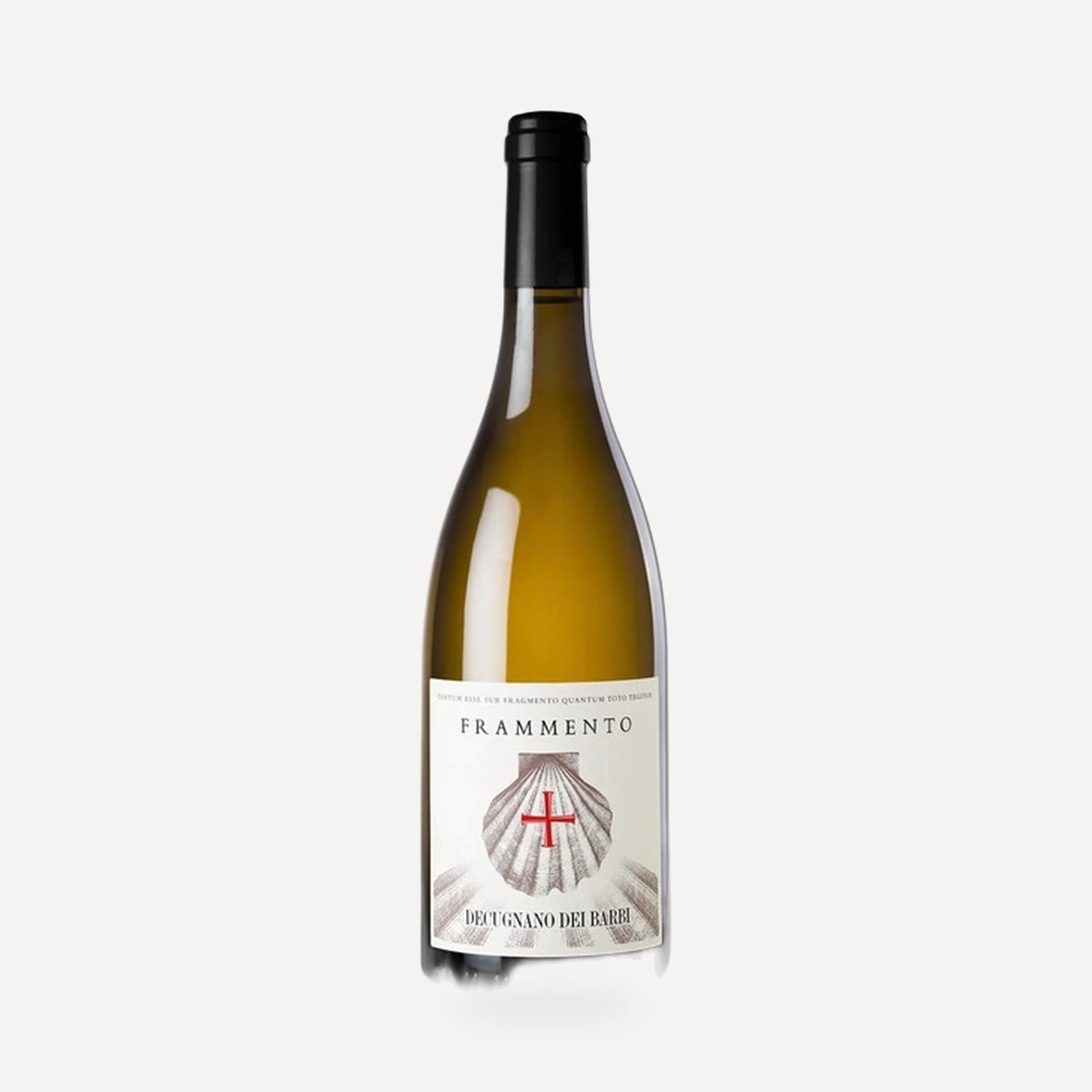
Frammento Orvieto Classico DOC