Storia
Creation of the project
Poggio Anima was formed as a joint venture between Riccardo Campinoti of Le Ragnaie in Montalcino and his United States importer, Ronnie Sanders of Vine Street Imports. Rather than operating as a single landed estate, the partners built the project around long-standing relationships with growers in several Italian regions. Their model is to identify individual vineyards capable of expressing a particular place and grape, then make the wines from those sites rather than purchase bulk wine or surplus juice.
The first wine and changing vineyard sources
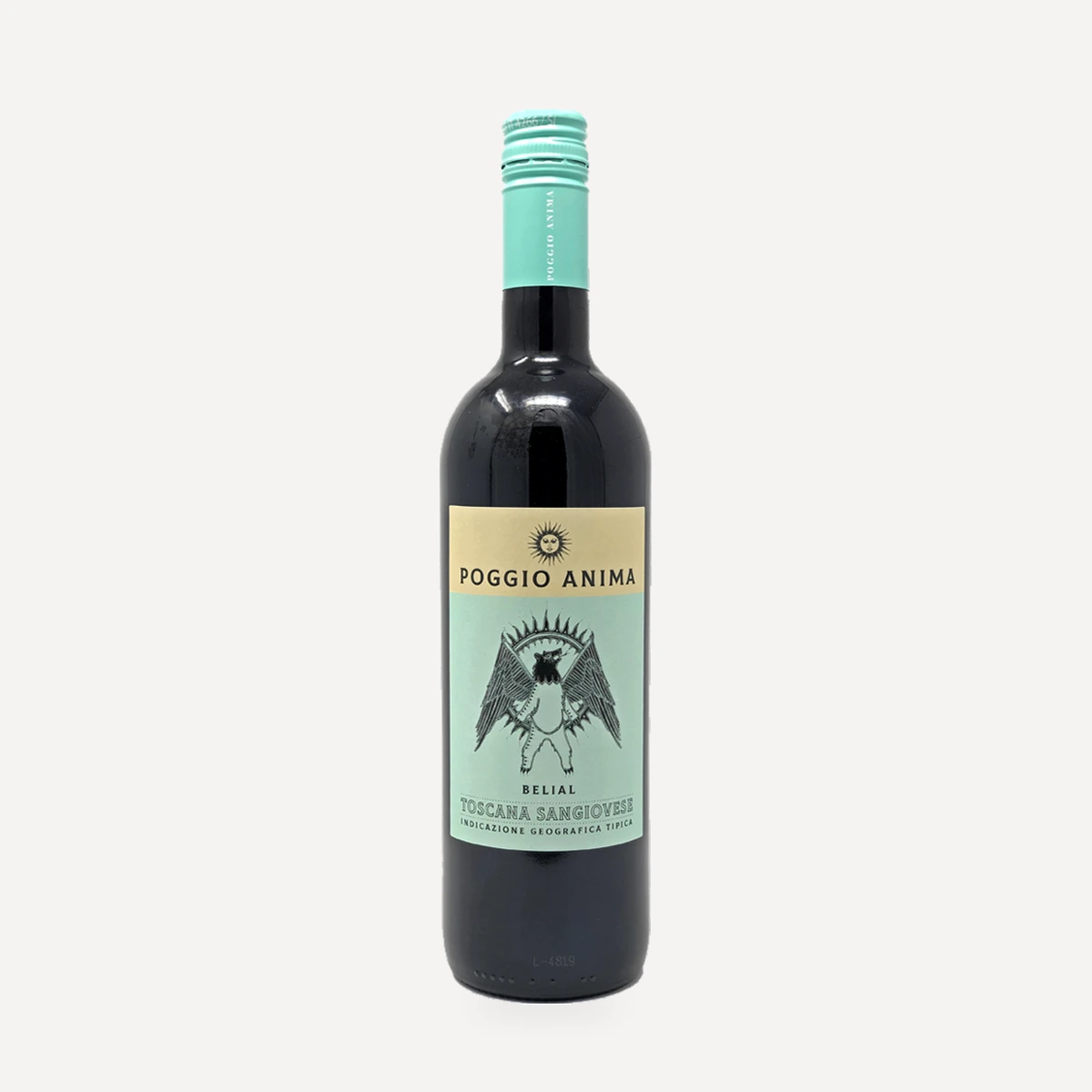
Belial, the Sangiovese, was the wine that began the Poggio Anima range. Its 2017 release was described as the ninth vintage. The vineyard supplying Belial changed during those nine vintages. In 2017, the fruit came from a single vineyard near Siena in the Chianti Colli Senesi area, with mature vines then given as 26–46 years old. By the 2023 vintage, Belial was sourced from vineyard sites in Valdichiana, between the provinces of Siena and Arezzo, with vines given as 22 years old.
Development as a multi-regional collection
The project expanded beyond Tuscany through grower relationships in Abruzzo, Puglia and Sicily. Its portfolio encompasses Sangiovese from Tuscany; Pecorino and Montepulciano from Abruzzo; Primitivo from Puglia; and Nero d'Avola, Grillo, Zibibbo and Syrah from Sicily. This structure allows Poggio Anima to work with markedly different coastal, inland, hillside and high-altitude environments while maintaining a common emphasis on identifiable grape varieties and places.
Evolving cellar work
Methods have changed with the vineyard, grape and vintage rather than following one uniform recipe. Belial's 2017 élevage combined stainless steel with a small proportion of neutral Slavonian botti, whereas the 2023 wine rested entirely in stainless steel. Asmodeus also evolved: the 2019 Nero d'Avola spent six months in used 500-litre French tonneaux and another three months in stainless steel, while the 2023 release used second-use French and American barrels for two months before returning to tank.
Terroir
Tuscany
The current Sangiovese comes from Valdichiana vineyard sites situated between the provinces of Siena and Arezzo. The 2023 vineyards have clay soils. An earlier source used for the 2017 vintage was a single vineyard near Siena in the Chianti Colli Senesi area, where the soil was described as rocky red clay of Pliocene origin.
Abruzzo
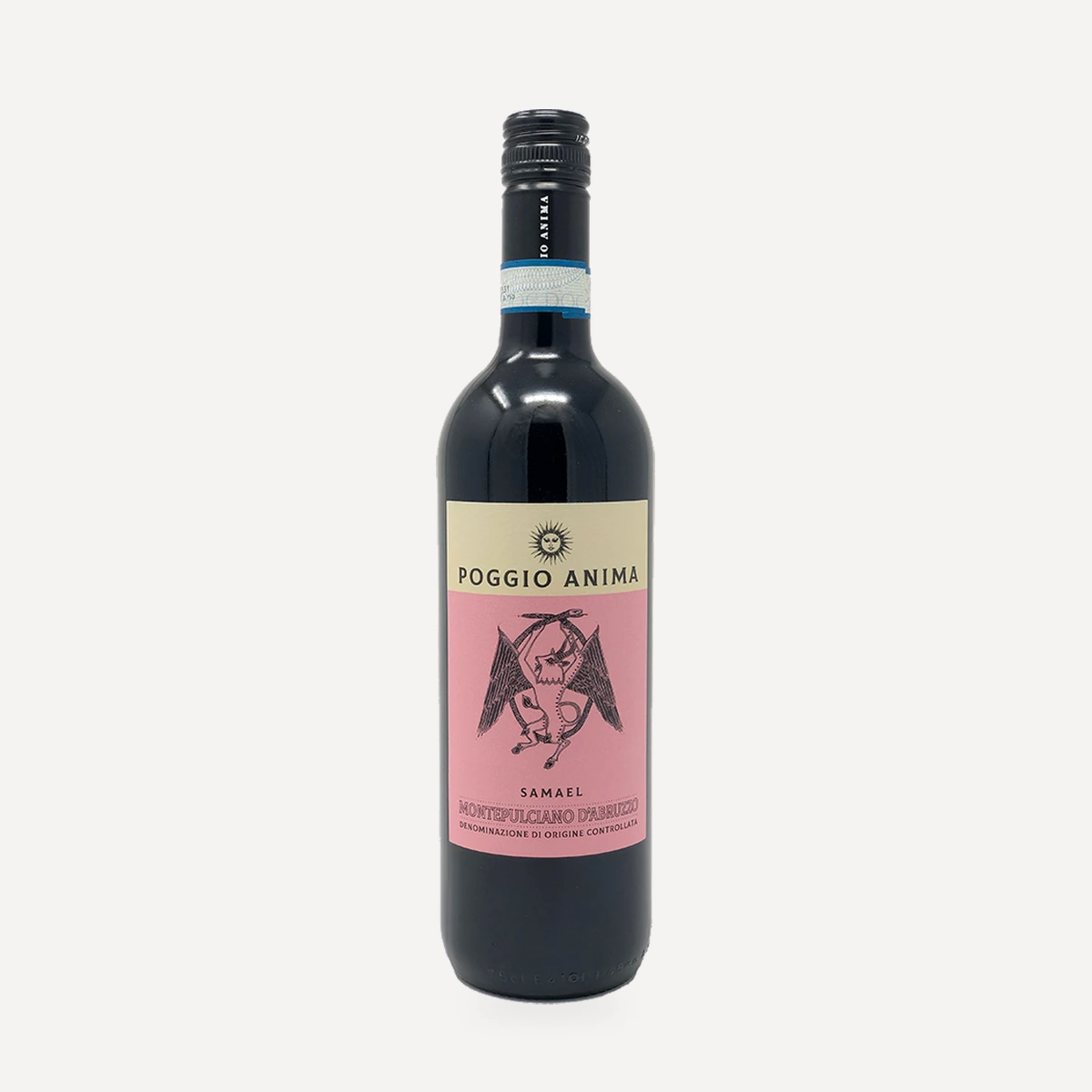
The Pecorino vineyard is a steep, organically farmed site in Terre di Chieti, less than approximately 1.6 km from cliffs descending to the Adriatic Sea. Its sandy marl lies over limestone. The site is planted to both Pecorino and Montepulciano.
The organically farmed Montepulciano vineyard is in Chieti, less than approximately 0.8 km from the Adriatic. Its soil is clay over limestone. During 2017, the area experienced the most severe winter snowstorm in more than a century, delaying budbreak by two weeks. Record heat later brought harvest forward. No rain fell from June through August, reducing fungal pressure, and the fruit achieved strong phenolic ripeness despite heat stress.
Puglia
The Primitivo source lies at San Pietro in the province of Taranto, toward the upper part of the inner Puglian heel between the Adriatic and Ionian seas. Maritime winds moderate afternoon temperatures compared with areas farther north. The site is dominated regionally by Negroamaro, but selected Primitivo rows ripen successfully in its exceptionally infertile soils. The soil combines material of rocky volcanic origin with limestone, red sand and red clay. Yields are correspondingly low.
Sicily
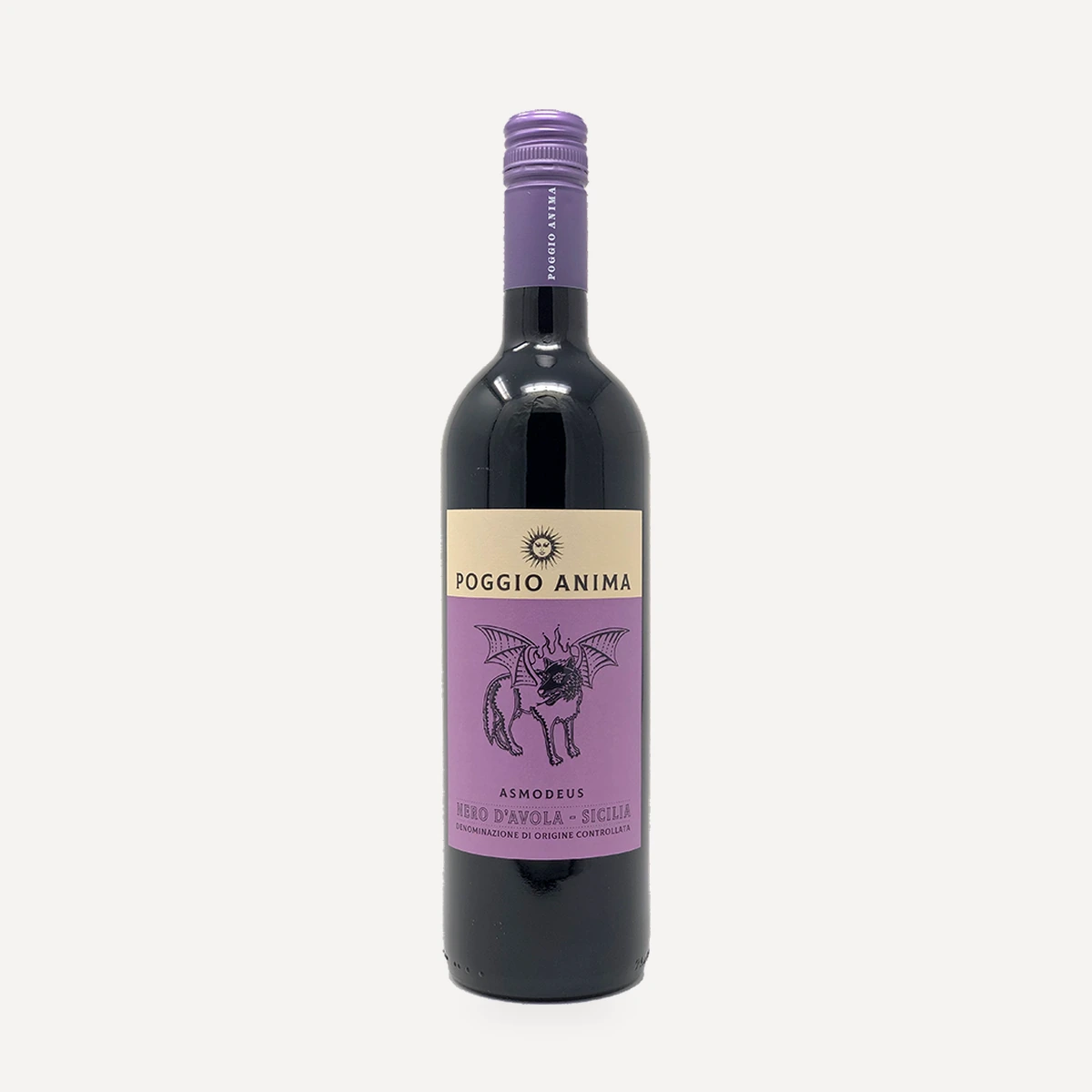
The Nero d'Avola vineyard lies in central Sicily in the province of Caltanissetta at approximately 488 m above sea level. Its altitude and inland position support ripening conditions for Nero d'Avola. The south-facing vines grow in volcanic sand and clay.
Raphael draws Zibibbo from mountainous, maritime hillside vines at Castellamare, approximately halfway between Trapani and Palermo, and Syrah from an inland site at Salemi roughly 48 km farther south. The soils are principally brown clay and limestone. The Syrah site is close to the Caltanissetta-area Nero d'Avola source.
The Grillo vineyard is in western Sicily at Chirchiaro, between Salemi and Vita and approximately 40 km from Marsala. It stands at about 488 m above sea level, with east-facing vines on sandy, clay-rich soils. Elevation and proximity to the sea contribute freshness in a climate capable of severe frost, wind and summer temperatures exceeding 40°C.
Vinificazione
Poggio Anima works through established relationships with growers rather than a single contiguous estate. Farming varies by vineyard. The 2023 Valdichiana Sangiovese sites were conventional; the 2019 Terre di Chieti Pecorino and 2017 Chieti Montepulciano sites were organic; and the 2023 Caltanissetta Nero d'Avola and 2019 Castellamare and Salemi sites were practicing organic.
Hand harvesting is documented for Sangiovese, Pecorino, Zibibbo, Syrah and Montepulciano. In 2019, Pecorino was picked in early to mid-September with high sugar concentration balanced by natural acidity. For Raphael, Zibibbo was picked in early September and Syrah in early October after a cool, rainy spring delayed the harvest by two to three weeks.
The Caltanissetta Nero d'Avola and Chirchiaro Grillo vines use vertical trellising and Guyot pruning. The Nero d'Avola rows face south, while the Grillo rows face east. During the rainy 2023 season in Caltanissetta, mildew pressure was addressed by opening the canopy to improve its condition.
Vintage conditions have required site-specific responses. In Chieti in 2017, heavy winter snow delayed budbreak, while a hot, dry summer advanced harvest but also limited fungal disease. In Puglia that year, an initially mild spring encouraged early budding before frost reduced yields by 30–40%; intense heat followed later in summer. Western Sicily also experienced severe frost and temperatures above 40°C in 2017, although the higher hillside Grillo plantings preserved more of the crop.
General approach
Cellar work is adapted to each grape, vineyard and vintage. Temperature-controlled stainless steel is central to the range, but the project also uses neutral or previously used French oak, American oak, French barriques, French tonneaux and, historically, a small proportion of Slavonian botti. Both spontaneous and inoculated fermentations are employed.
Whole-berry Sangiovese
Sangiovese is harvested by hand and fermented as whole berries. For the 2023 vintage, native alcoholic and malolactic fermentations took place in temperature-controlled stainless steel after 7–10 days of skin contact, intended to obtain colour without excessive tannin. The wine rested in stainless steel for 12–18 months, then was filtered without fining. The 2017 version had a longer, 20-day skin-contact period and spent nine months in a combination of 90% stainless steel and 10% Slavonian botti.
Pecorino
Pecorino is hand-harvested, destemmed and gently pressed with a bladder press. A small portion of the skins is returned to the juice for seven hours before draining. Fermentation begins naturally in stainless steel. After four weeks, the wine is racked off the gross lees and rests for another six months before bottling; the stated total stainless-steel élevage is seven months.
Nero d'Avola
Nero d'Avola spends several hours in a refrigerated space before destemming. In 2023 it underwent a two-week cold soak with frequent délestage, followed by gentle pressing and vinification in stainless steel. It then spent two months in second-use French and American barrels before returning to tank for integration. Bottling involved gentle fining, one-micron filtration and a measured sulfur addition. The 2019 vintage followed a different program: four days of cold soaking, warm stainless-steel vinification, six months in used 500-litre French tonneaux and three further months in stainless steel.
Zibibbo and Syrah rosato
The Zibibbo and Syrah are handpicked separately. Zibibbo is pressed and held very cold in tank to arrest fermentation, with a carbon-dioxide blanket protecting the must. Syrah remains on its skins for several days to extract colour. The two musts are blended, inoculated fermentation proceeds for three weeks, and the wine ages for three months in stainless steel.
Montepulciano
Handpicked Montepulciano is pressed to tank and fermented on its skins for nine days with frequent pump-overs. It remains on the skins for a further week after fermentation to build structure while softening the ripe tannins, then is pressed to neutral French tonneaux or barriques for six months before bottling.
Primitivo
Primitivo is destemmed and gently crushed before fermentation in stainless steel. A small portion undergoes rotofermentation. After primary fermentation, the wine receives 20 days of extended maceration. It is then transferred to French barriques, 15% of them new, where malolactic fermentation and seven months of maturation take place.
Grillo
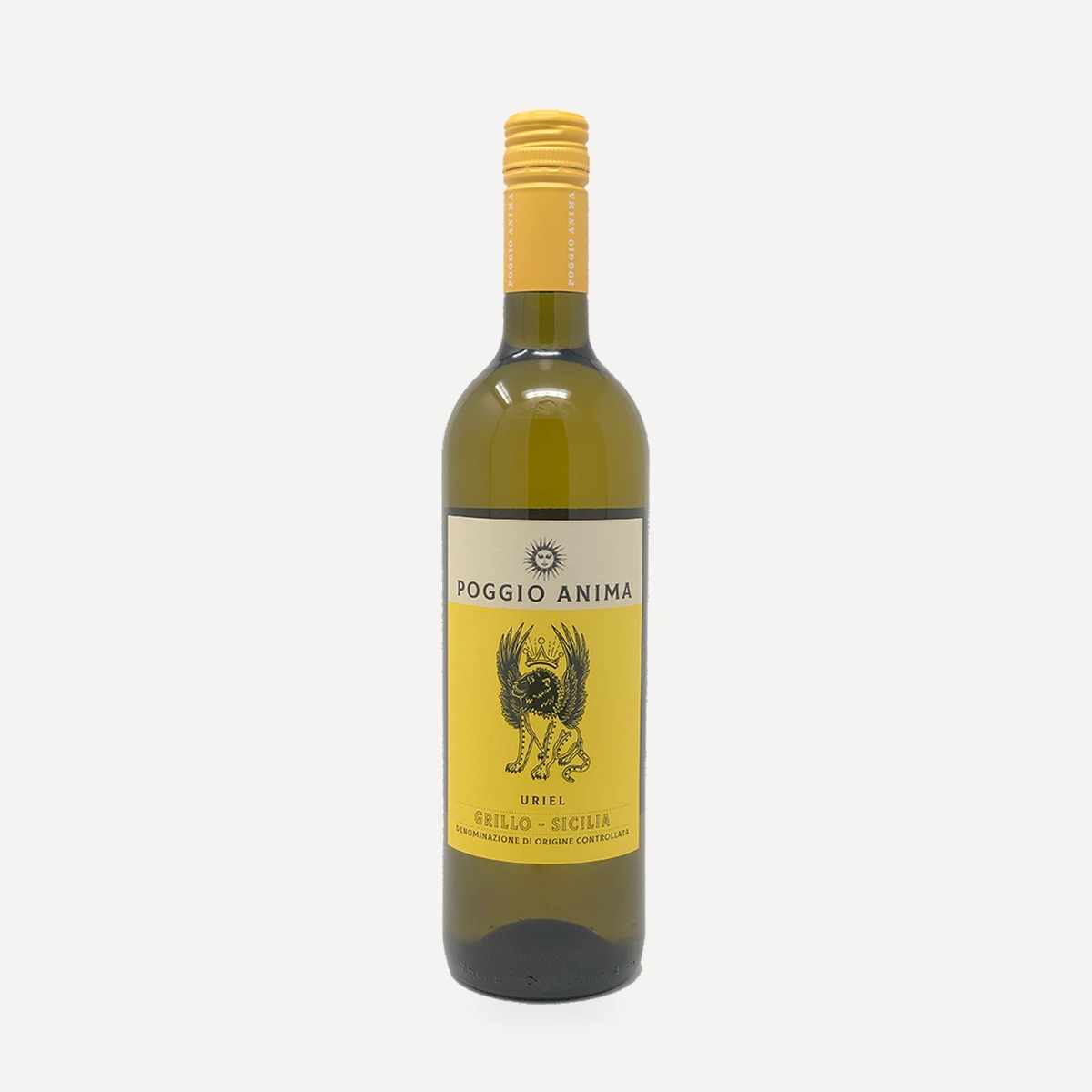
Grillo is destemmed and receives several hours of skin maceration before gentle pressing. Fermentation takes place in temperature-controlled stainless steel, followed by several months on the lees. Total stainless-steel élevage is six months.
Filosofia
Poggio Anima is conceived around the capacity of a vineyard and grape to convey a recognizable place. Its partners seek vineyards through established grower relationships and reject a model based on bulk wine or surplus juice. Riccardo Campinoti's guiding principle is that the decisive work takes place in the vineyard, allowing cellar intervention to remain limited and responsive to the raw material.
The project's name translates as “Hill of Soul,” expressing the idea that individual vineyards possess vitality and identity. Its broader creative concept is balance: the Eastern idea of Yin and Yang is combined with Western religious and mythological imagery, setting white against red, good against evil, angels against demons, and contemporary packaging against traditional European winemaking practices.
White wines bear the names of archangels, while reds take the names of fallen angels or demonic figures. Each name is chosen to reflect the perceived character of its grape, region or style. The range was conceived around one variety and an individual place, although the Raphael rosato combines Zibibbo and Syrah from two western Sicilian sites.
The project's commercial aim is to make wines with defined origins and traditional winemaking foundations suitable for regular, weekday drinking, without sacrificing the identity of the vineyard or variety.
Vini
Poggio Anima Samael Montepulciano
Poggio Anima Asmodeus Nero d'Avola
Poggio Anima Belial Sangiovese
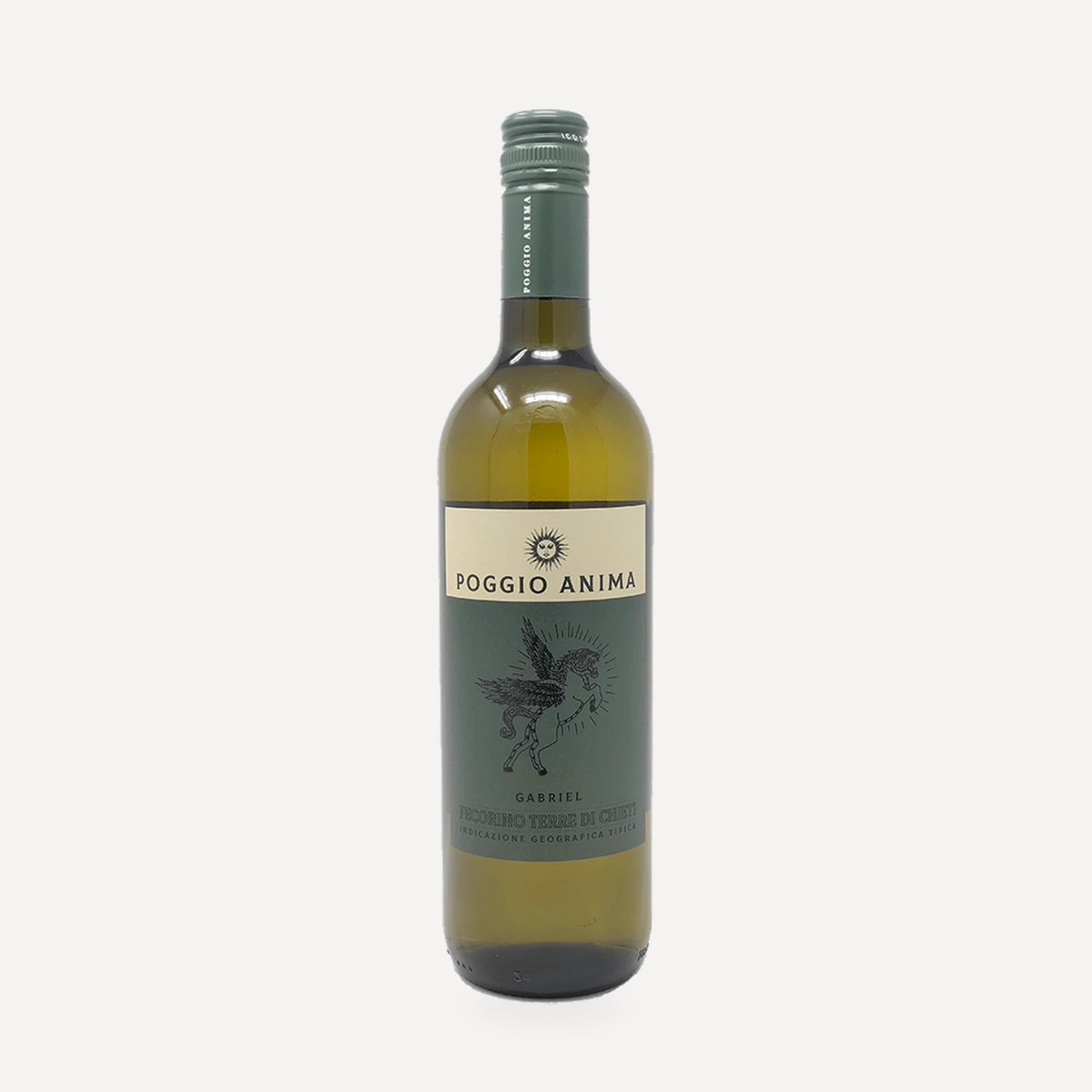
Poggio Anima Gabriel Pecorino
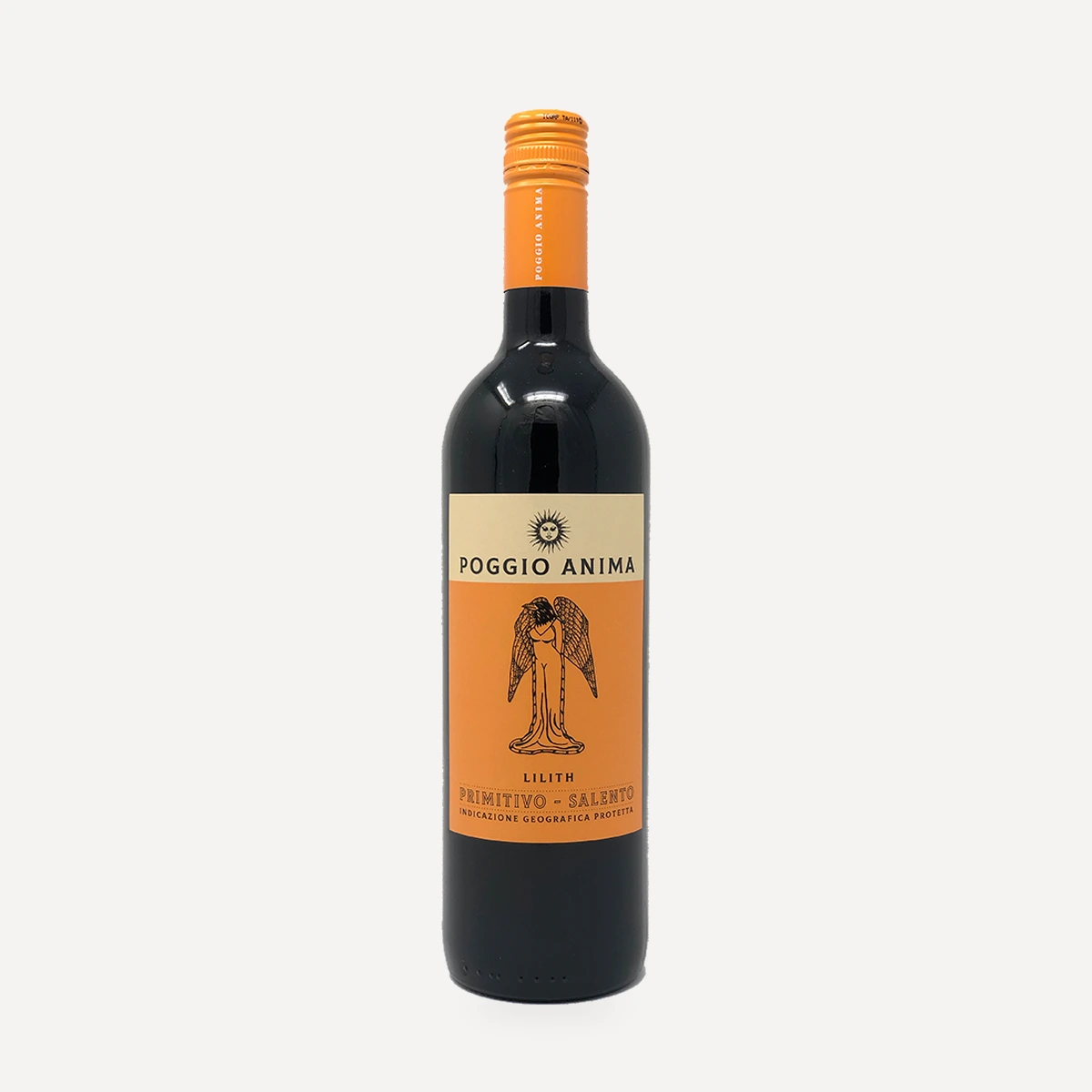
Poggio Anima Lilith Primitivo
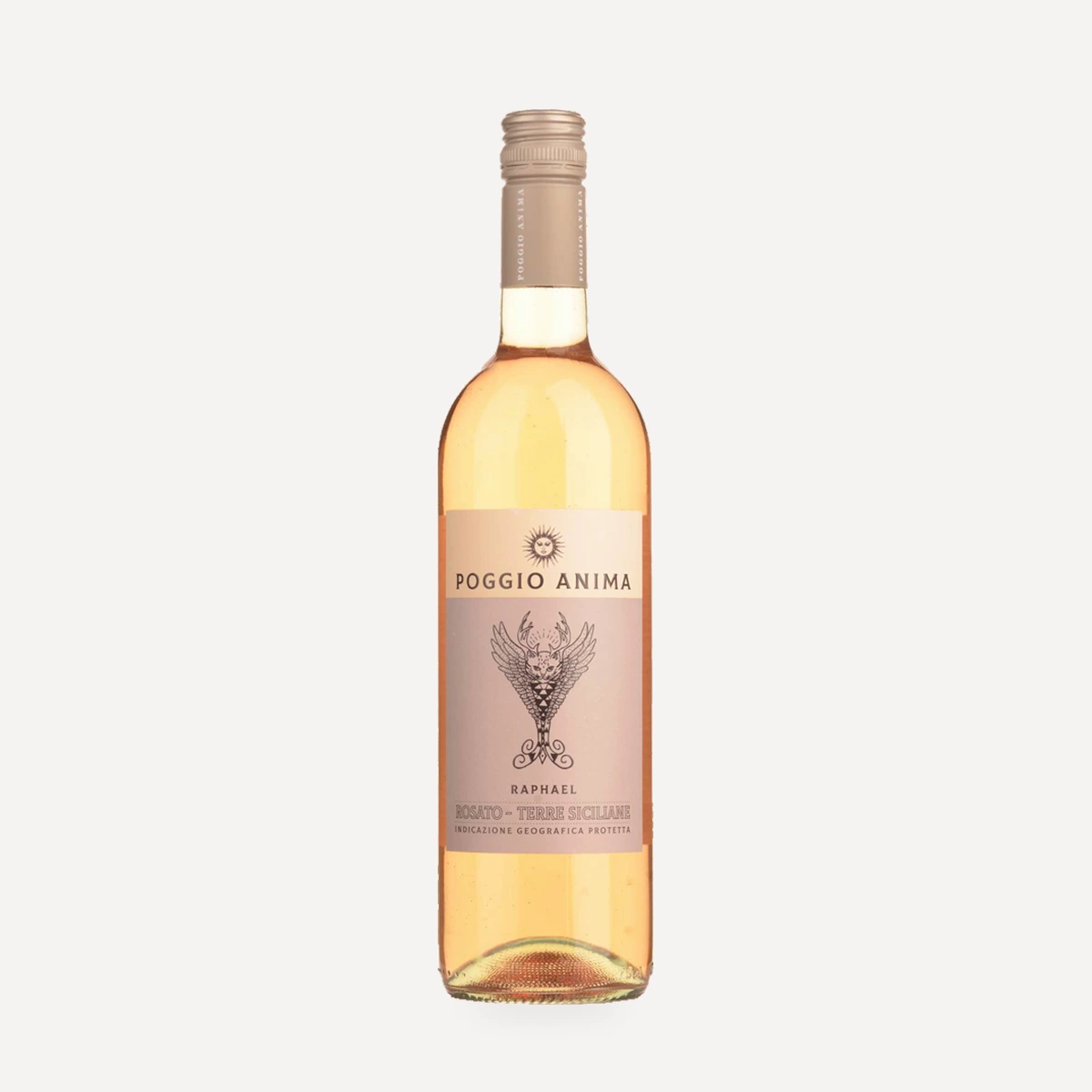
Poggio Anima Raphael Rosato