Storia
The acquisition of Targia
Pupillo was founded in 1909, when Antonino Pupillo and his wife, Maria Ciancico, acquired the Targia fief from the Arezzo family. Antonino was a lawyer, archaeology enthusiast and mayor of Ferla. He was the son of Eloisa Barresi, Baronessa di Canseria; Maria was the daughter of Bianca Scudero dei Baroni di Villanova. Both families belonged to the Sicilian nobility whose fortunes had developed under Spanish rule.
The estate occupied the ancient Feudo Targia, an agricultural landscape containing Greek, Roman, Arab and Norman remains and now incorporated into the Parco Archeologico delle Mura Dionigiane. Targia had long produced fruit, vegetables and wine.
Antonino entrusted his sons Sebastiano and Paolo with modernizing the agricultural enterprise. Citrus fruit and vegetables were then its principal crops, and the brothers introduced production practices that helped open the way for other agricultural businesses around Siracusa.
Nino Pupillo and the revival of winegrowing
Nino Pupillo, the youngest son of Sebastiano Pupillo and Bianca Ciancico, studied agricultural sciences in Pisa during the 1970s. At Mulino, the estate’s oldest vineyard, he began grafting Moscato Bianco di Siracusa and working to save the local grape from disappearance. The surviving Mulino vines subsequently became a source of propagation material for younger plantings.
The crisis in Sicily’s citrus industry during the 1980s encouraged Nino to restore wine production as a central part of Targia’s future. His agricultural approach combined the recovery of Moscato with biodiversity, organic inputs and regular monitoring of soil and water. Gino Veronelli, Carlo Hauner and Giacomo Tachis encouraged the project, to which Nino devoted more than two decades. Tachis also participated in the development of Solacium.
Solacium debuted with the 1990 vintage. Pollio followed in 1995, while Cyane and Re Federico entered production in 2000. These projects expanded Pupillo’s work from naturally sweet Moscato to dry Moscato and Nero d’Avola from the volcanic Senie sector.
Nino also worked to reactivate production under the Siracusa denomination when the absence of producers threatened its practical survival. In 2011, the denomination was expanded to encompass additional local varieties, including Nero d’Avola.
Fourth-generation stewardship
Carmela Pupillo began working beside her father in the vineyards in the early 2000s. She and her brother Sebastiano represent the fourth generation associated with Targia. Carmela, born in 1977, holds a degree in literature and a sommelier diploma and serves as winemaker. Sebastiano, born in 1976 and educated in communications, supports the family project through communications and photography. Their work combines continued recovery of Moscato Bianco di Siracusa with experimentation, environmental stewardship and increasingly detailed interpretation of the estate’s individual soils.
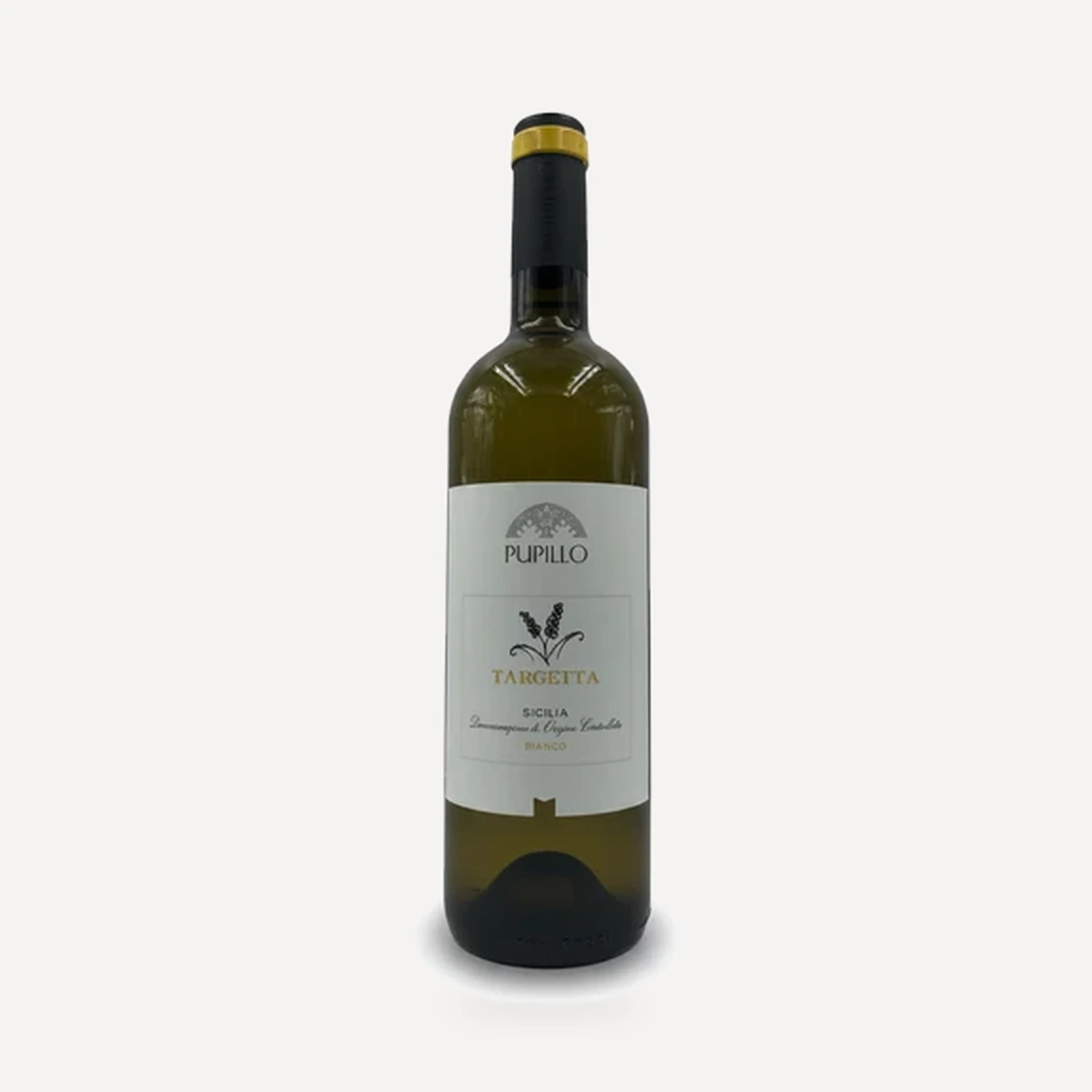
Podere 27 and Baronessa di Canseria began with the 2010 vintage, followed by Targetta in 2014. Damarete introduced a skin-contact expression of Moscato in 2019. Damarete Rosato followed in 2021, and Podere 27 Rosato extended more than a decade of traditional-method sparkling-wine experimentation from Moscato Bianco to Nero d’Avola in 2022.
During 2020, agronomist Antonino Indorante undertook a detailed study of the vineyard soils to clarify their composition, strengthen parcel interpretation and inform future planting decisions. In the same spring, specialist grafters propagated Moscato Bianco in the youngest vineyard using scions collected from the old Mulino vines.
Terroir
Pupillo occupies Contrada La Targia on the northern edge of Siracusa, close to Megara Hyblaea, the Balza delle Mura Dionigiane and the remains of Castello Eurialo. The estate forms a green enclave that descends gently toward the Ionian coast. Vineyards nearest the fortifications reach approximately 70 m above sea level.
Targia’s geology changes within a few hundred metres. Calcareous soils predominate, including medium-textured limestone ground and sandier lower sectors with fewer sediments. Clay-bearing areas retain water, while alluvial sectors contain heavier sediment deposits. Near the Balza and Castello Eurialo, volcanic material interrupts the prevailing limestone. Investigations conducted in the early 2000s associated the visible lava rock with ancient underwater volcanic activity and geological uplift of land once submerged beneath the Mediterranean. Volcanic stones remain visible around Senie.
The Mediterranean and Ionian Sea moderate temperatures, promote relatively early ripening and supply persistent ventilation. Wind is especially influential in the higher vineyards, reducing humidity, keeping foliage and flowers dry and limiting conditions favorable to molds and parasites. During flowering, this ventilation lowers the risk of fungal damage and failed fruit set. Maritime influence is also associated with saline notes in the wines. The sector used for Solacium lies where Ionian breezes meet the maestrale.
A ravine reaching approximately 30 m in depth isolates Targia and divides the upstream and downstream groundwater systems. Irrigation water comes from the Calcinara stream at Pantalica through the ancient Galermi aqueduct. After an underground journey of approximately 40 km, it is collected in historic basins called gebbie. Water can therefore be stored during abundant periods and used for vines and other crops during dry weather without drilling boreholes.
The vineyards are predominantly arranged in north–south rows. Limestone, sand, clay, alluvial sediments, isolated volcanic formations, maritime ventilation and aqueduct water produce distinct conditions among the individual plots.
Vinificazione
Pupillo organizes vineyard work around biodiversity, organic-compatible inputs and continued observation of soil and water. Vines, citrus groves, olive trees and other estate crops receive only treatments permitted under organic-farming rules. Weeds are controlled mechanically rather than with chemical herbicides.
Dry winter pruning is adapted to vineyard position and grape variety, seeking stable productivity and balance between vegetative growth and fruiting. Pruning residues remain in the vineyard. They are shredded, incorporated by harrowing and allowed to decompose into humus.
Spring cultivation loosens and aerates the ground, supports root development and removes plants competing with the vines for water. The sequence includes shredding winter-pruning material, initial harrowing, milling—locally called a scumatura—and work between individual vines with specialized inter-vine equipment. Bees among the flowers and swallows feeding on insects form part of the vineyard environment.
Copper and sulfur are used against downy mildew and powdery mildew. After fruit set, furrows may be prepared for surface-flow irrigation, with timing determined by seasonal weather. Water delivered by the Galermi aqueduct is conserved in historic gebbie during periods of abundance and released when crops require irrigation.
The estate propagates Moscato Bianco di Siracusa from its historic plant material. In 2020, scions were collected from old Mulino vines and grafted onto young plants using the English double-cleft method. Specialist grafters exposed the lower vine, removed the unwanted upper section, cut both scion and rootstock longitudinally, fitted them together and bound the union with raffia.
Wind, canopy development and berry exposure are observed throughout flowering and ripening. Ventilation reduces humidity and disease pressure in higher vineyards, while sufficient foliage shades berries from direct sunlight and helps protect aromatic compounds. Harvest timing varies by variety, plot and intended expression, beginning with Moscato and some Nero d’Avola parcels in August and continuing through September. All current technical protocols specify manual harvesting.
Fruit is harvested manually, and cellar practice is adapted to grape variety, vineyard and intended expression.
Dry and gently sweet Moscato production includes crushing and destemming, approximately two hours of cold maceration, static settling and temperature-controlled fermentation in stainless steel. Settling lasts 12–24 hours for Cyane and 24–48 hours in the rosé protocol. Selected Moscato and rosé lots mature on their lees for three to four months with weekly bâtonnage.
Skin-contact Moscato undergoes approximately 15 days of maceration, with two 15-minute pump-overs per day, followed by temperature-controlled fermentation in stainless steel.
Rosé production involves manual harvest, crushing and destemming, direct pressing, approximately two hours of maceration, static settling for 24–48 hours, temperature-controlled fermentation and three to four months of lees maturation with weekly bâtonnage.
Red-grape methods include crushing and destemming, cold pre-fermentation maceration, temperature-controlled fermentation and délestage. For the Nero d’Avola-led red program, 30% of the lot matures in lightly toasted barriques for at least six months. Cabernet Sauvignon undergoes approximately two weeks of skin maceration; 30% then matures for one year in second-use barriques.
Traditional-method sparkling production is applied to both Moscato Bianco and Nero d’Avola. The Moscato base is vinified off the skins, chilled through a heat exchanger, cold-macerated for 18 hours, softly pressed and kept for ten months on the lees. Nero d’Avola is vinified as rosé, held in a cold cellar, whole-bunch pressed and likewise aged for ten months on the lees.
Naturally sweet Moscato comes from grapes over-ripened on the vine. The fruit is harvested manually, destemmed and macerated in stainless steel for two weeks before an initial year of bottle maturation.
Filosofia
Pupillo’s central objective is to preserve Targia as a living agricultural landscape and pass it to another generation. Moscato Bianco di Siracusa is treated both as an inherited responsibility and as a continuing field of experimentation: material from the old Mulino vineyard is propagated into younger vines, while the grape is interpreted through dry, gently sweet, skin-contact, traditional-method sparkling and naturally sweet production.
The estate defines quality through the combination of technical knowledge, close attention to the land and the matching of grape variety to soil. Pedological study, regular monitoring of land and water and plot-specific interpretation are intended to guide future planting and clarify differences among calcareous, volcanic, clay-bearing and alluvial sectors.
Environmental stewardship encompasses vineyards, citrus trees, olives, other crops, spontaneous vegetation, water systems, historic buildings and the garden. Mechanical weed control, treatments permitted in organic farming and conservation of aqueduct water in historic basins form part of this approach.
Carmela and Sebastiano Pupillo frame fourth-generation stewardship as a balance between family continuity and innovation. Their work seeks to safeguard Targia’s agricultural and cultural character while strengthening environmental sustainability and developing new expressions of its grapes. Hospitality extends the same approach by connecting working agriculture with archaeology, architecture, the historic village and garden.
Vini
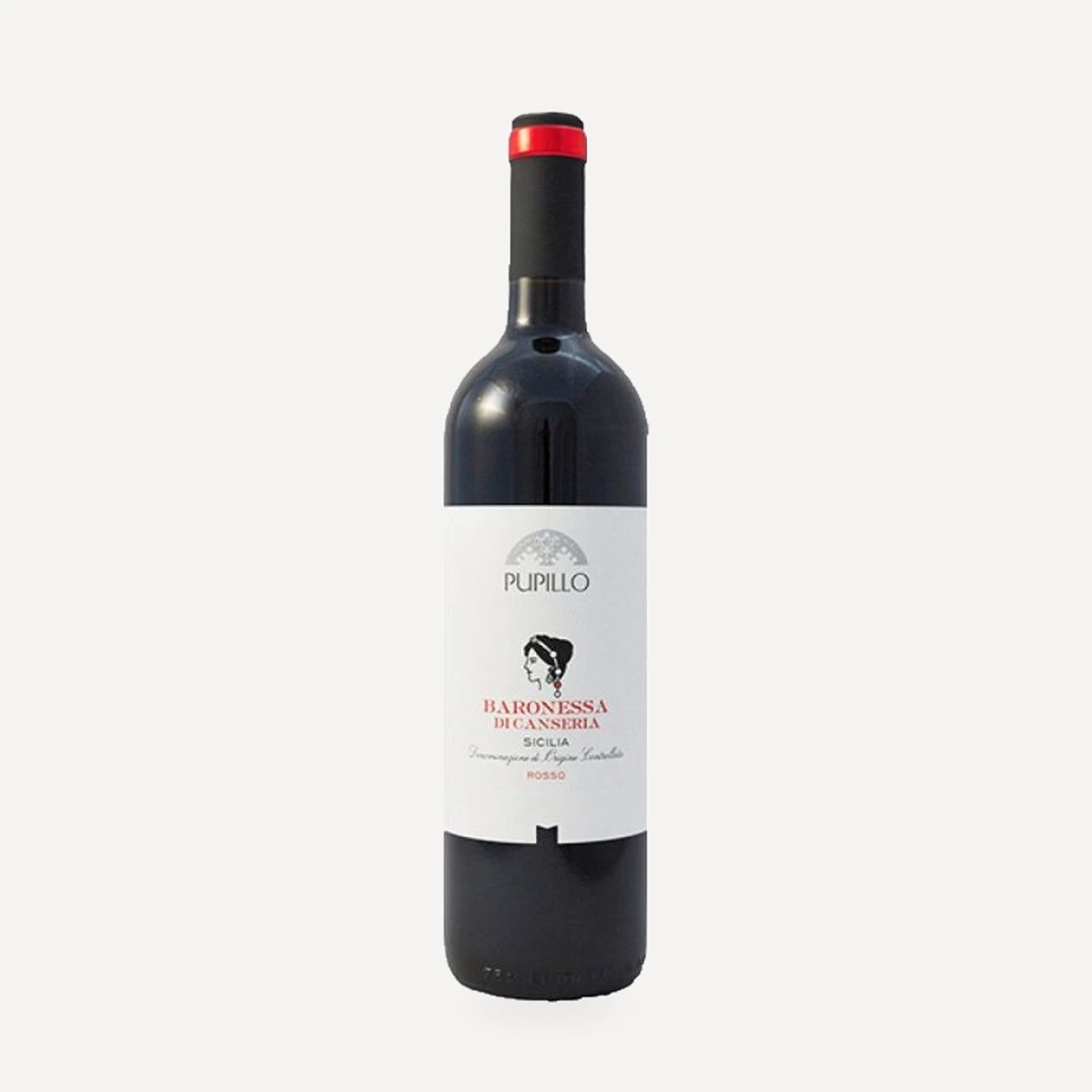
Baronessa di Canseria
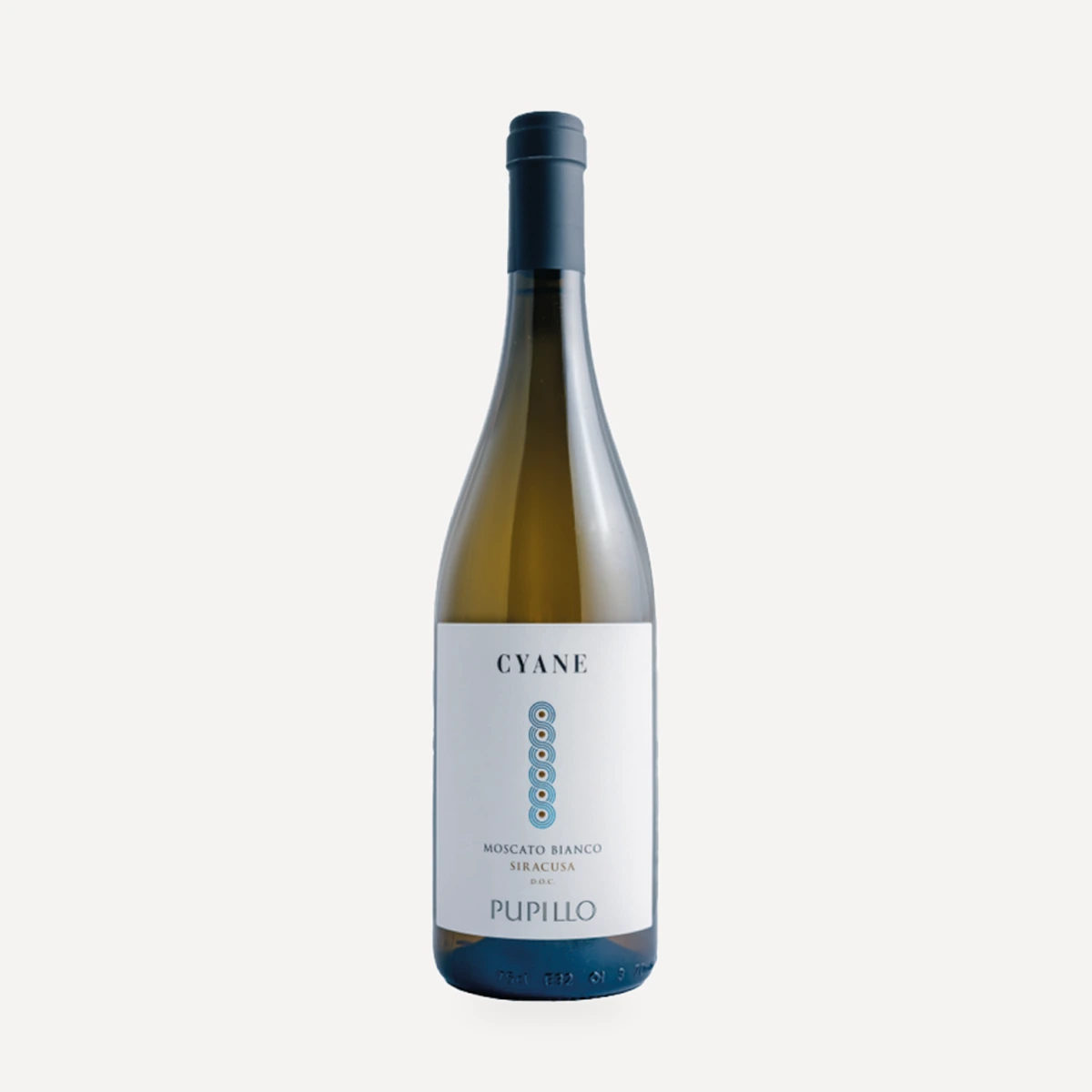
Cyane
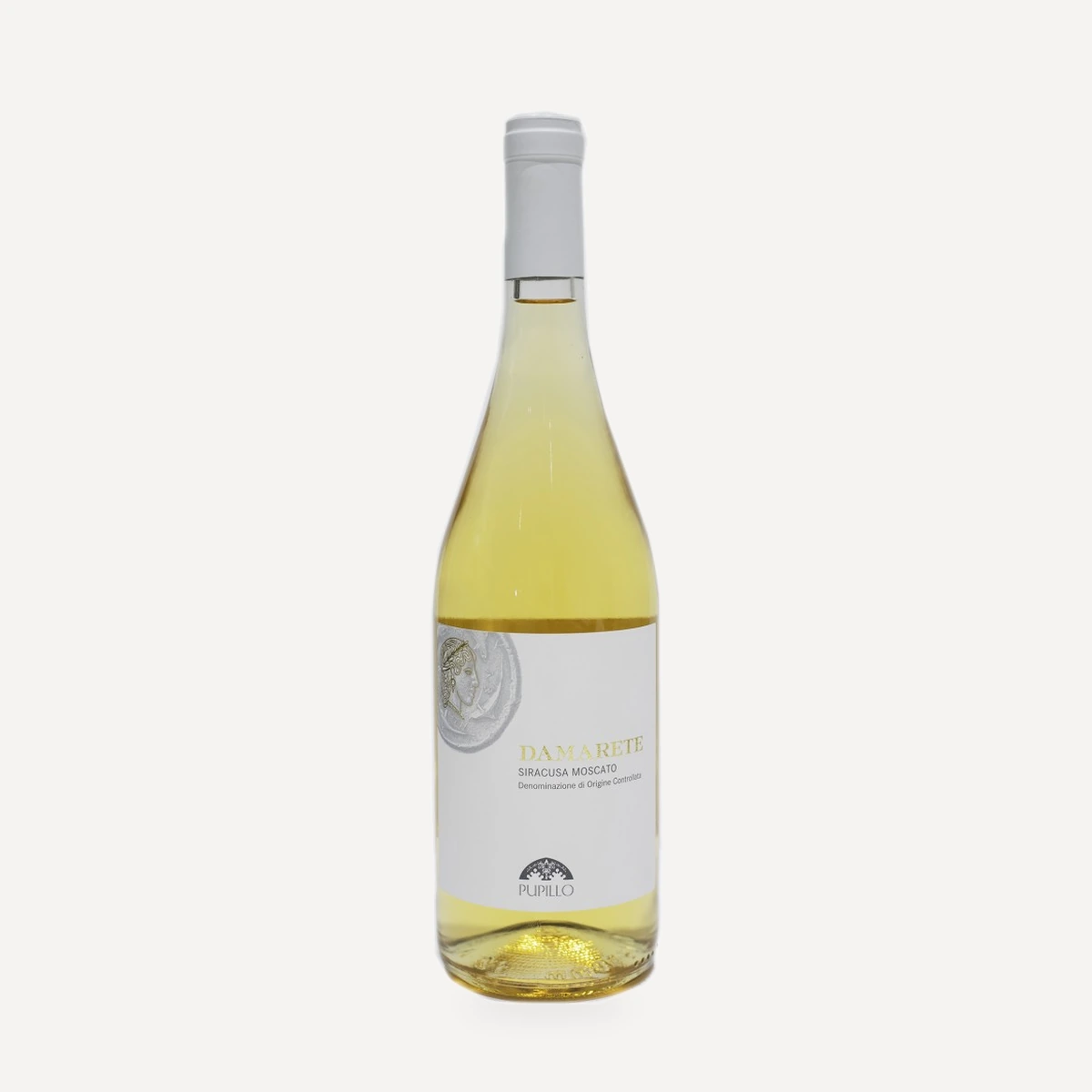
Damarete
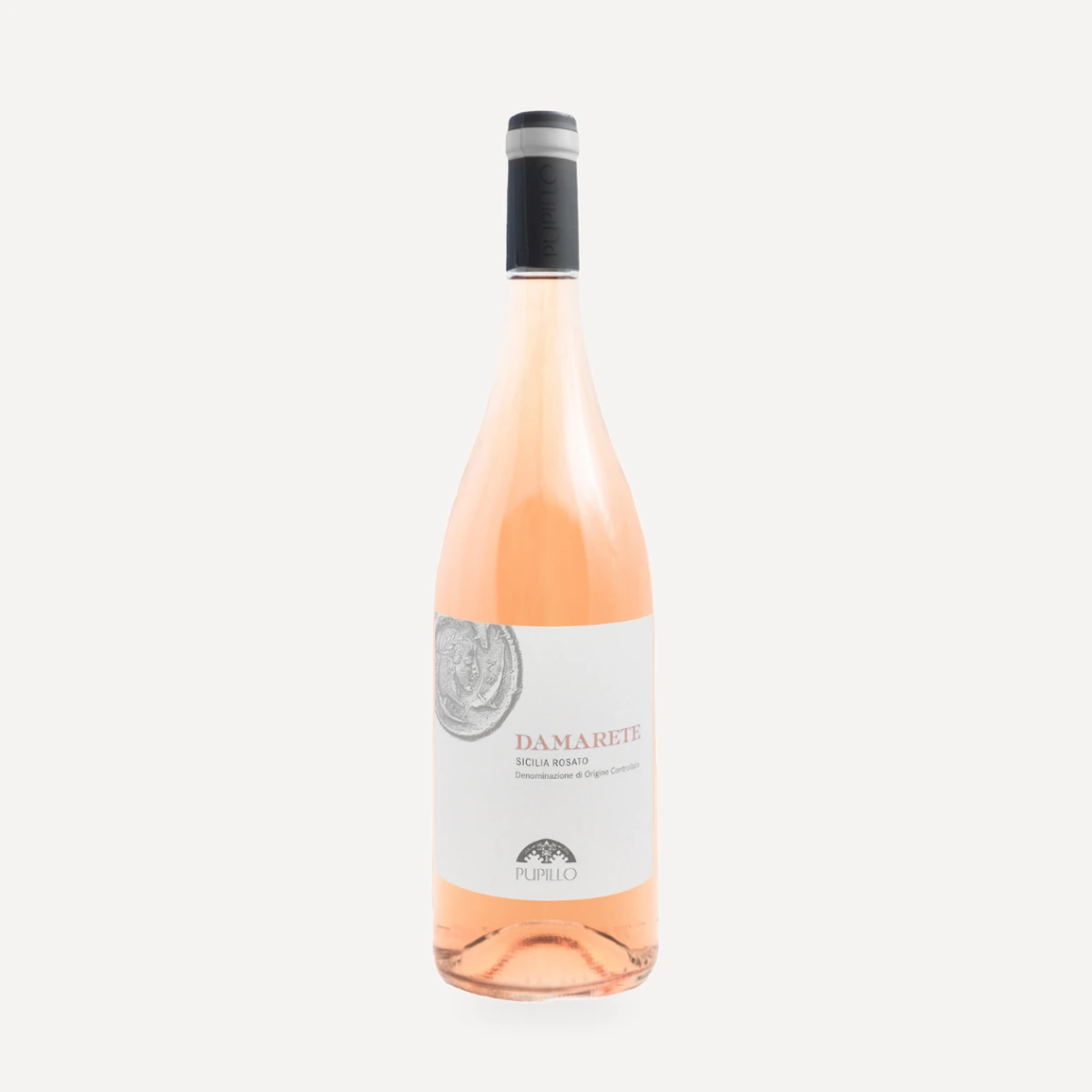
Damarete Rosato
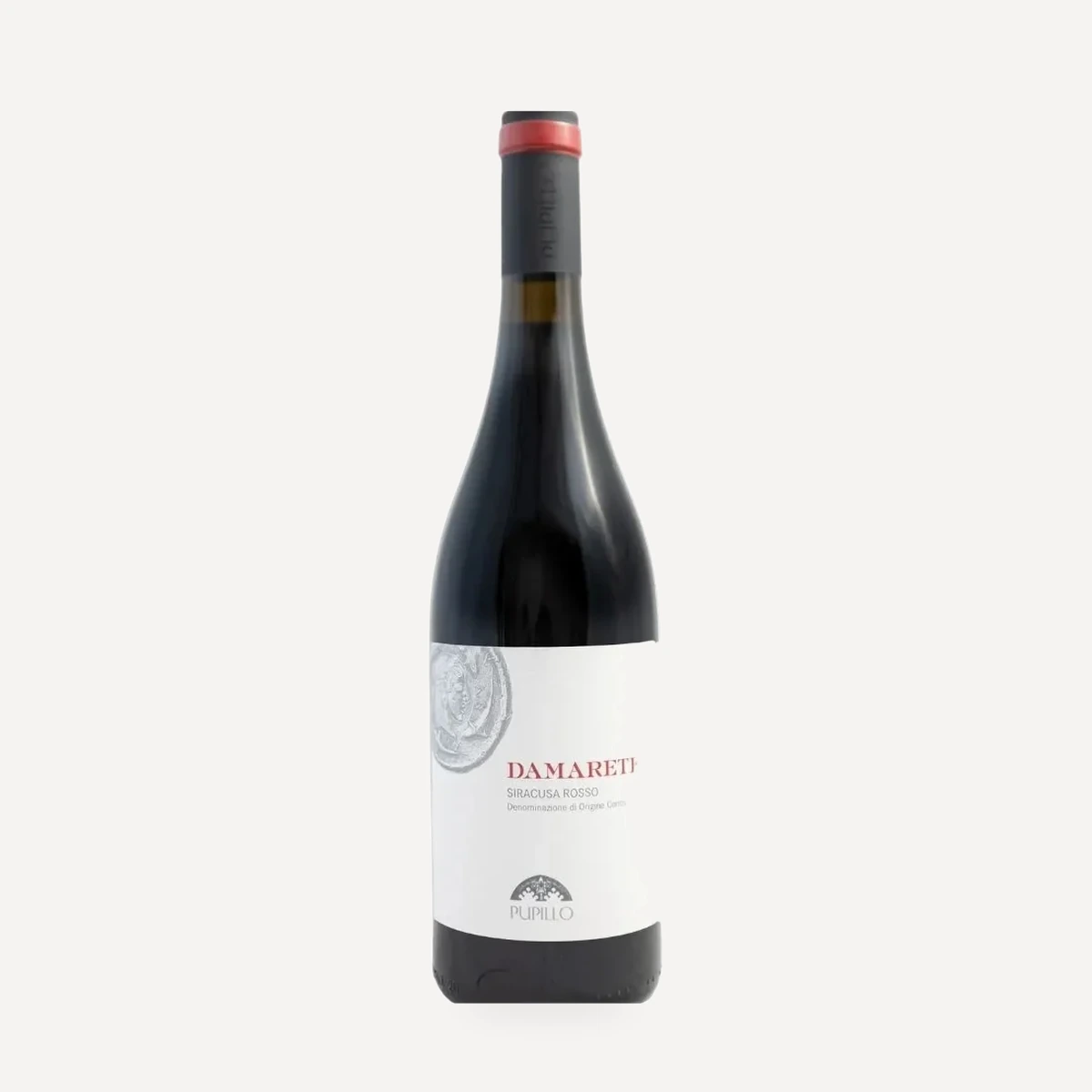
Damarete Rosso
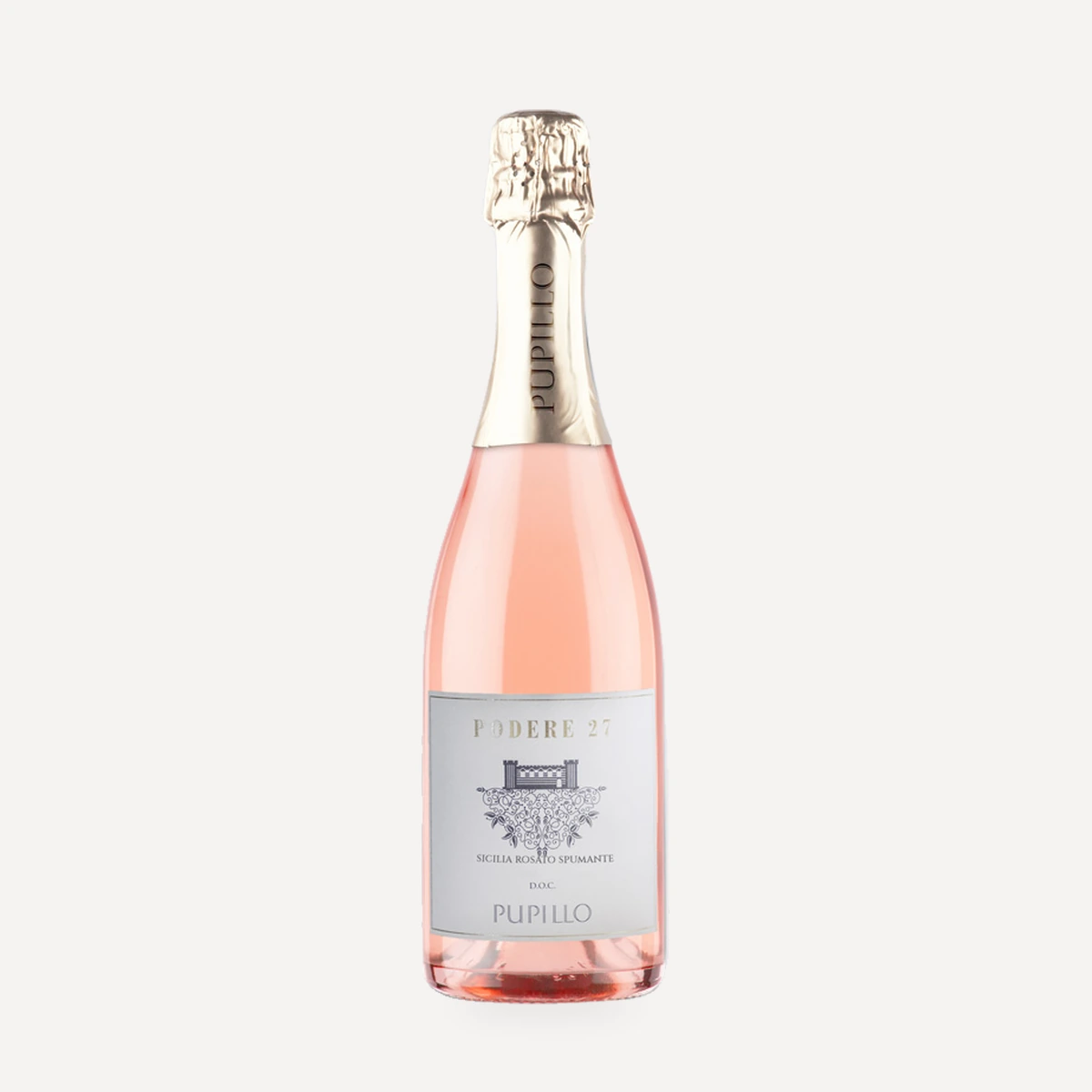
Podere 27 Rosato
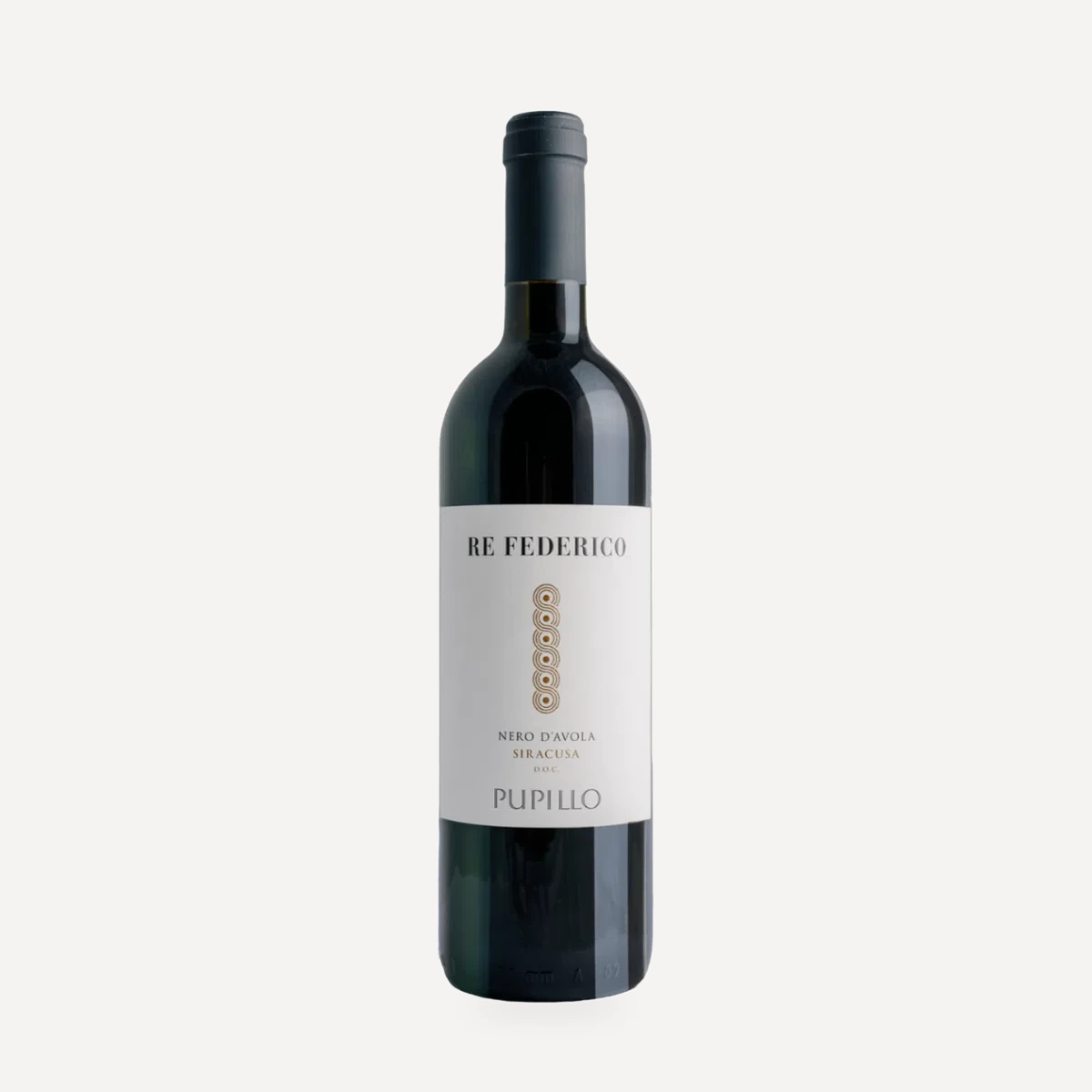
Re Federico