Storia
1815: vineyards, first harvest and the ancient cellar
The Scilio family has cultivated vineyards and produced Etna wine since 1815. A stone carved into the volcanic rock at the entrance to the ancient cellar commemorates the first harvest of that year. The cellar also dates to 1815 and was constructed entirely from lava stone on a mass of volcanic rock. Its three-level interior retains exposed wooden roof beams, arches, lava-stone floors and the original palmento used for crushing grapes.
Viticulture and winemaking knowledge subsequently passed from one generation of the family to the next for more than two centuries. Before the development of the present commercial project, the agricultural business made and sold wine in bulk: red wine from Nerello Mascalese and Nerello Cappuccio, and white wine from Carricante and Catarratto.
The 1980s: creation of the modern enterprise
A new entrepreneurial phase began during the 1980s through engineer Giovanni Scilio and his wife, Elizabeth Ann Ellis. Giovanni combined his attachment to the family land with professional experience in renewable energy and bioclimatic architecture. Their three children—Salvatore, Marco and Luisa—also took part in the project. Together they helped create the Scilio brand and rationalize the chain extending from vineyard cultivation and wine production to distribution in Italy and export markets.
Several long-serving advisers joined during the same period. Melina Zingali has handled administration since the early 1980s. Agronomist Francesco Ancona has advised the business since the 1980s and became responsible for its organic-viticulture direction.
2007: a cellar beneath the basalt
Giovanni Scilio completed a purpose-built underground cellar in 2007. Excavated into basalt approximately 6 metres below ground, it uses a passive natural system to maintain an almost constant temperature through the year. The project applied Giovanni’s experience in bioclimatic architecture and renewable energy to the maturation and storage of wine, reducing the need for energy-intensive temperature control.
2019: Calogero Statella joins the team
Calogero Statella became Scilio’s consulting oenologist in 2019. Born in 1977, he had decided to pursue oenology at thirteen. His approach centres on the relationship among grape variety, people and environment.
Fifth-generation management
Scilio is now managed by the family’s fifth generation. Luisa Scilio, one of Giovanni and Elizabeth’s three children, is the sibling who chose to devote herself fully to the enterprise developed by her parents. She initially entered the business through its agritourism division, applying her training in economics and commerce, and later extended her studies into the management of small and medium-sized enterprises.
Luisa now heads both wine production and the agritourism operation, drawing on her parents’ knowledge and experience when required. Her management priorities include developing the business and its staff, adopting new technologies and advancing environmental-sustainability policies.
Terroir
Scilio’s estate is located at Contrada Valle Galfina in Linguaglossa, between Mount Etna and the Mediterranean Sea. The property extends across 13 hectares, of which 11 hectares are occupied by old and young vineyards. Olive trees, the winery and traditional rural buildings share the surrounding landscape.
The principal estate vineyards associated with the current range lie at approximately 650 metres above sea level and face east. Their volcanic soils contain abundant stony material, sand and mineral microelements. Scilio connects the character of these soils with the area’s particular microclimate and maintains low yields across both young and mature plantings.
The production area for Alta Quota occupies a different setting on Etna’s northern side at Randazzo. It lies at approximately 900 metres, has sandy volcanic soil and experiences a mountain climate marked by strong differences between daytime and nighttime temperatures.
Scilio’s conception of terroir also incorporates the management of natural resources. Its circular-economy measures include material recovery, solar energy and rainwater collection, while vineyard and cellar practices are intended to preserve the original relationship between the grapes and their place of origin.
Vinificazione
Scilio applies organic principles in both the vineyard and cellar and produces certified-organic wines from estate-grown grapes. The stated objectives are to reduce environmental impact, protect consumer health and preserve the connection between each wine and its place of origin.
Pesticides and other agents considered aggressive toward the environment are excluded. Green manure is used to support the soil’s and vines’ natural productive capacity, a practice associated by Scilio with greater aromatic intensity in the grapes. The wider agricultural model follows circular-economy principles through material recovery, solar-energy use and rainwater collection.
Harvesting begins when the grapes have reached full maturity. Bunches undergo careful selection, are picked by hand and placed in small crates before being transported gently to the cellar. Low yields are maintained in both young and mature vineyard blocks. The principal estate material currently described ranges from 20 to 65 years old, while the Alta Quota production area contains Nerello Mascalese vines averaging 90 years.
The ancient cellar
Grapes are transformed in the three-level cellar dating from 1815. The building was constructed entirely from lava stone on a mass of volcanic rock and retains exposed wooden roof structures, arches, lava-stone floors and its original palmento. Operations once performed solely through human labour are now assisted by modern machinery.
The general process includes destemming, gentle pressing and controlled vinification intended to preserve the grapes’ aromas and flavours. The symbolic crushing stage continues to take place in the original palmento, now with mechanical equipment. The production sequence extends from grape reception and storage in tanks through crushing, fermentation, bottling and labelling.
Scilio defines its natural approach to vinification as attentive supervision of alcoholic fermentation, followed, according to the grape material, by completion of malolactic fermentation and maturation. Cellar work aims to retain the grapes’ original characteristics without corrective manipulation or chemical intrusion.
The underground cellar
Maturation and ageing take place in the underground cellar completed in 2007. Excavated into basalt approximately 6 metres below ground, it employs a passive system that maintains an almost constant temperature through the year. Oak casks, tonneaux and barriques are used for maturation and ageing. Bottling uses natural cork closures and glass bottles exclusively.
Filosofia
Scilio presents history, nature and progress as complementary elements of a family enterprise. More than two centuries of inherited knowledge are combined with continuing technical development, with the goal of improving production without separating wine from the environment in which its grapes were grown.
Sustainability encompasses environmental, social and economic responsibilities. Organic cultivation, circular use of materials, solar energy, rainwater recovery and bioclimatic cellar design form part of a long-term commitment to the Etna territory. Organic production is treated as more than an agricultural method: its purposes include lowering environmental impact, protecting consumer health and retaining the identity of the grapes and their place of origin.
The cellar philosophy emphasizes preservation rather than correction. Fermentation is monitored attentively, while chemical interventions that could distance the wine from the original character of the grapes are rejected. Tradition remains visible in the continued operation of the 1815 lava-stone cellar and its palmento; contemporary machinery and the naturally regulated underground cellar provide modern control and efficiency.
Hospitality and conviviality form another part of this outlook, linking the rituals of harvest and wine production with food, family gatherings and the reception of visitors. Under Luisa Scilio’s management, this heritage is paired with investment in technology, environmental policy and the development of the people working within the enterprise.
Vini
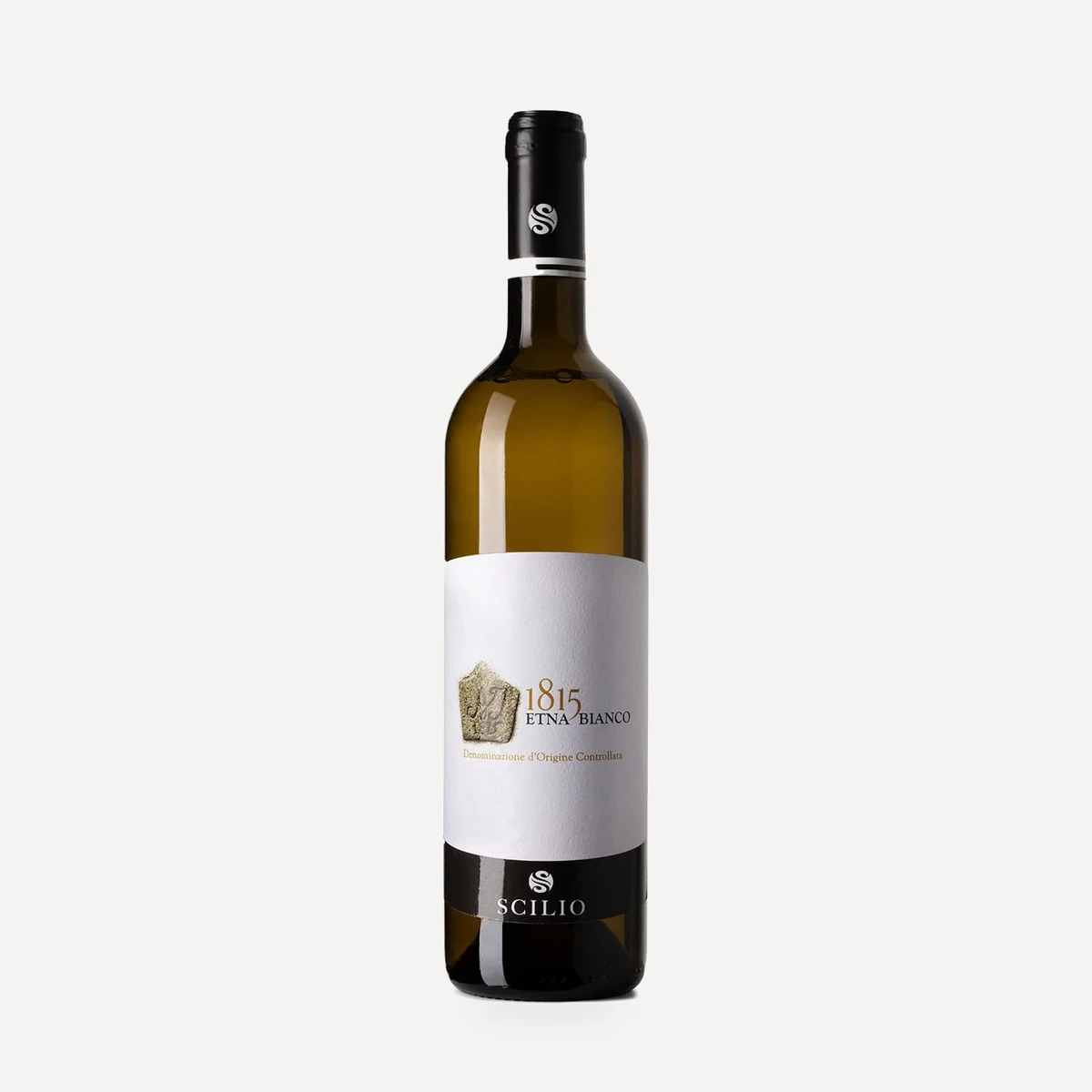
Etna Bianco 1815
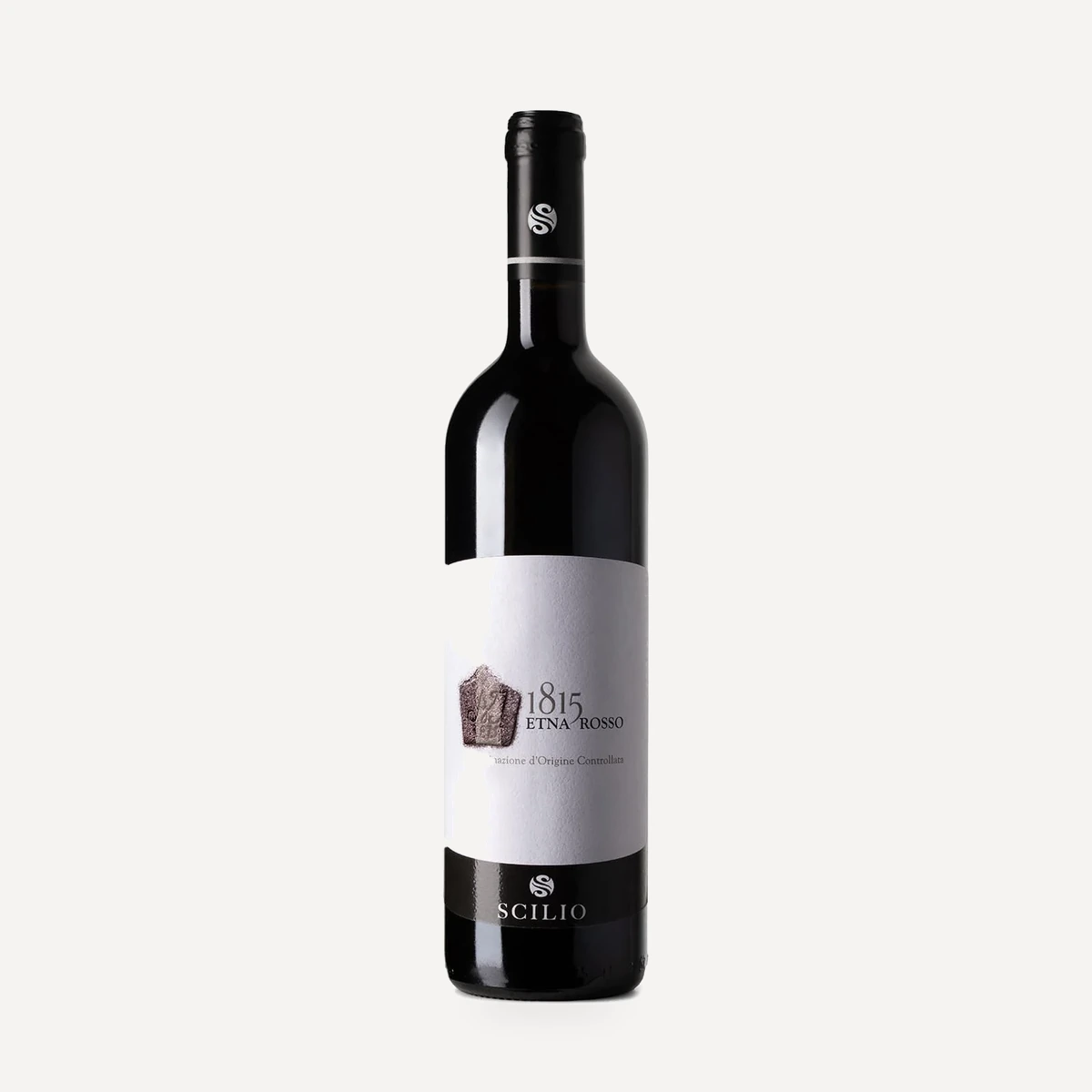
Etna Rosso 1815
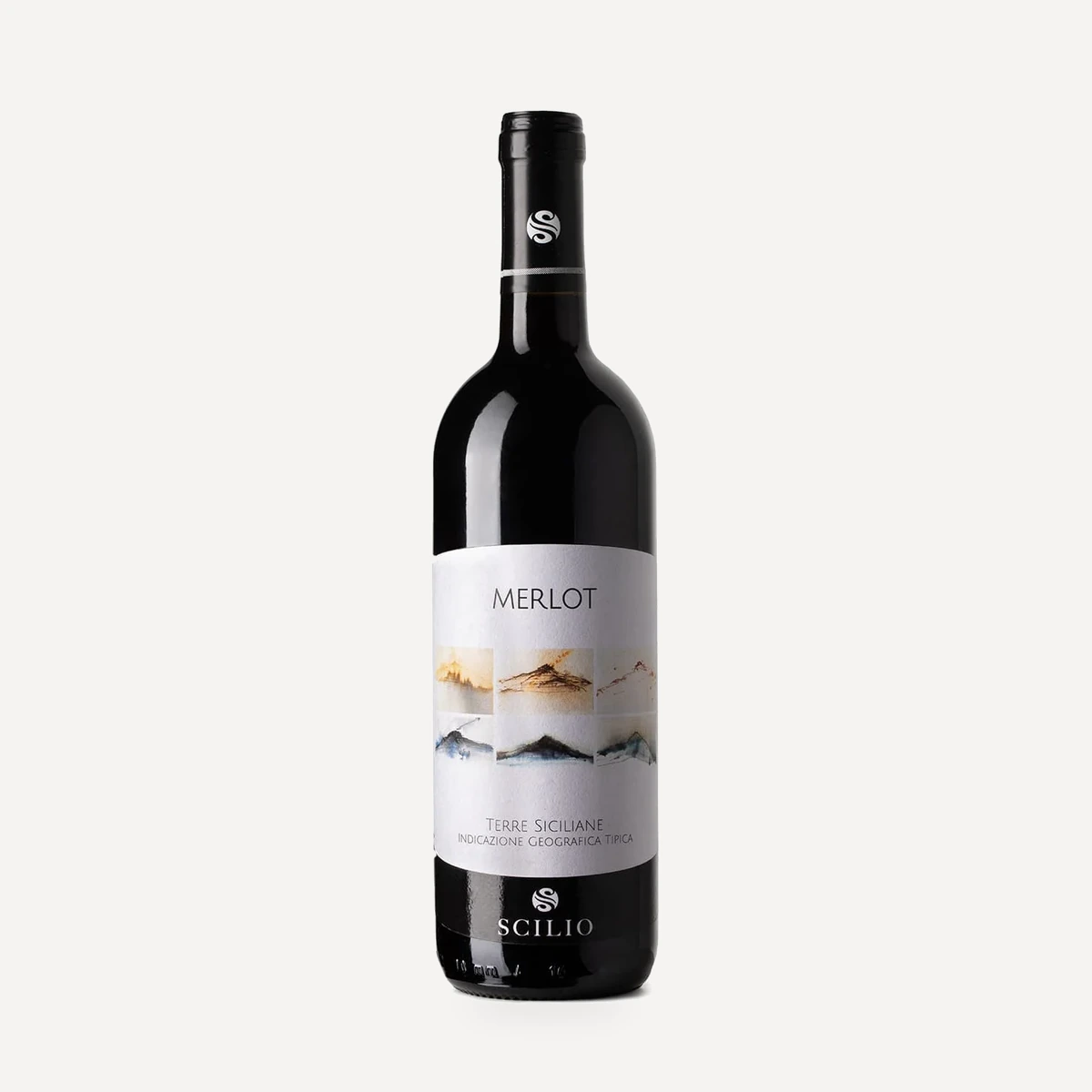
Merlot
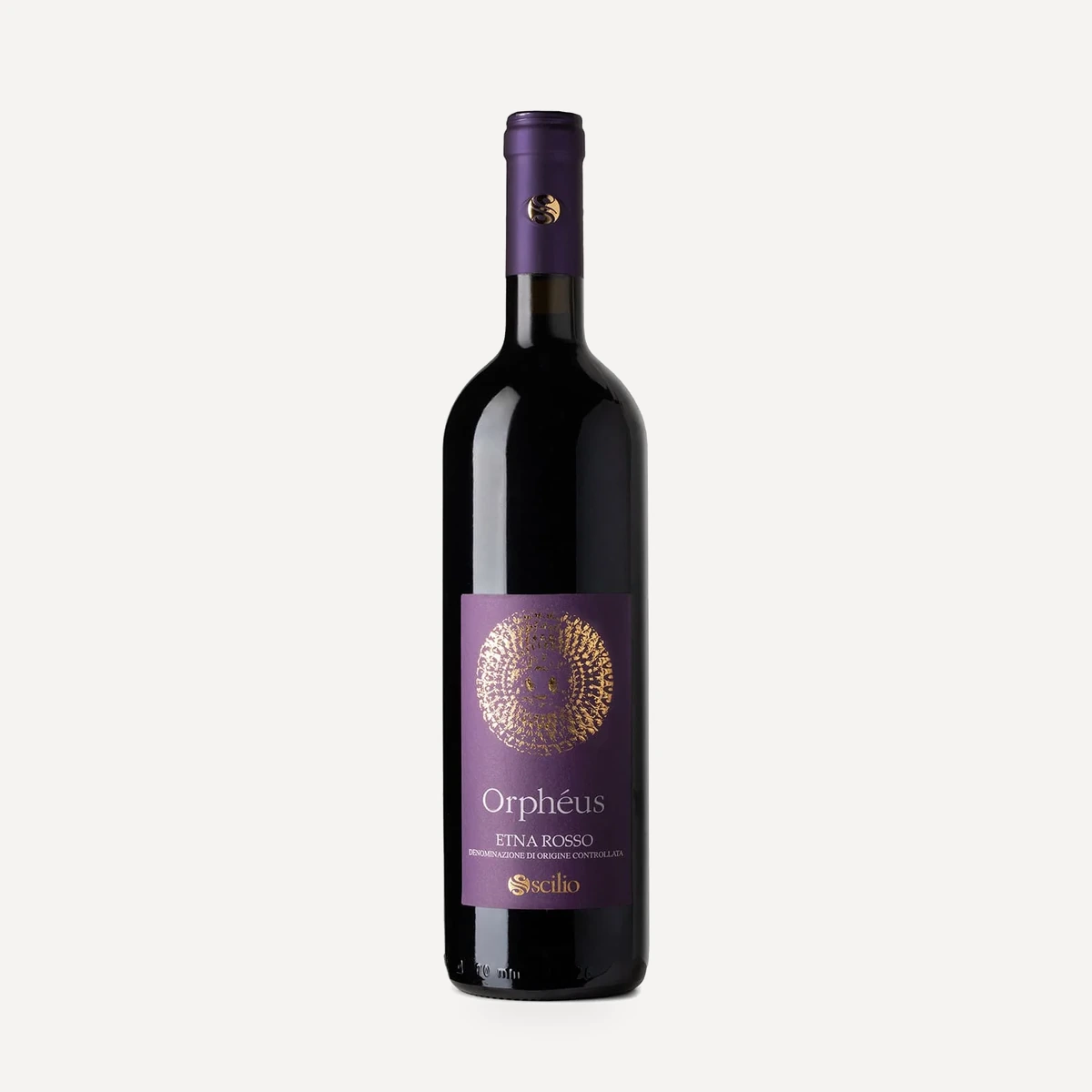
Orphéus
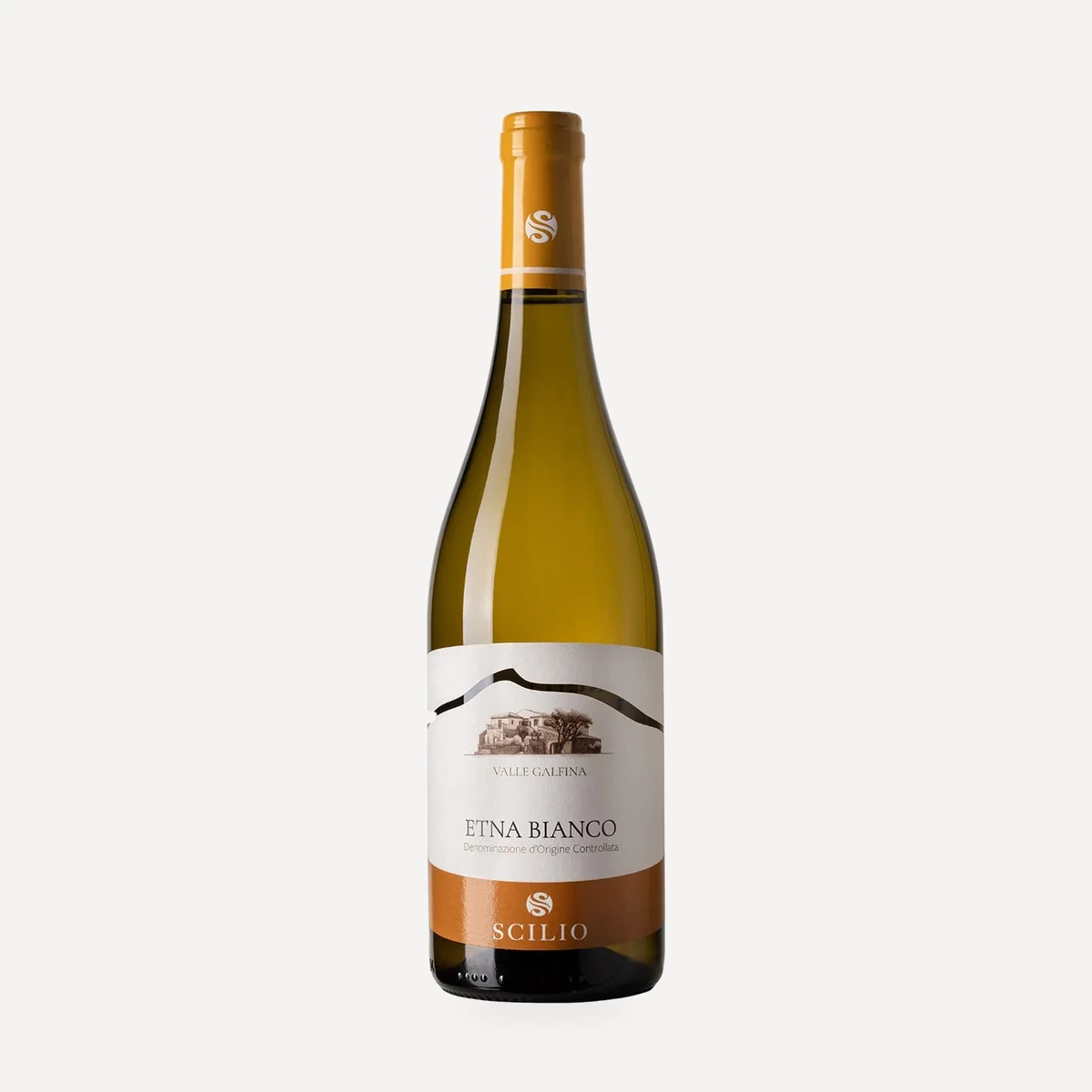
Valle Galfina Etna Bianco
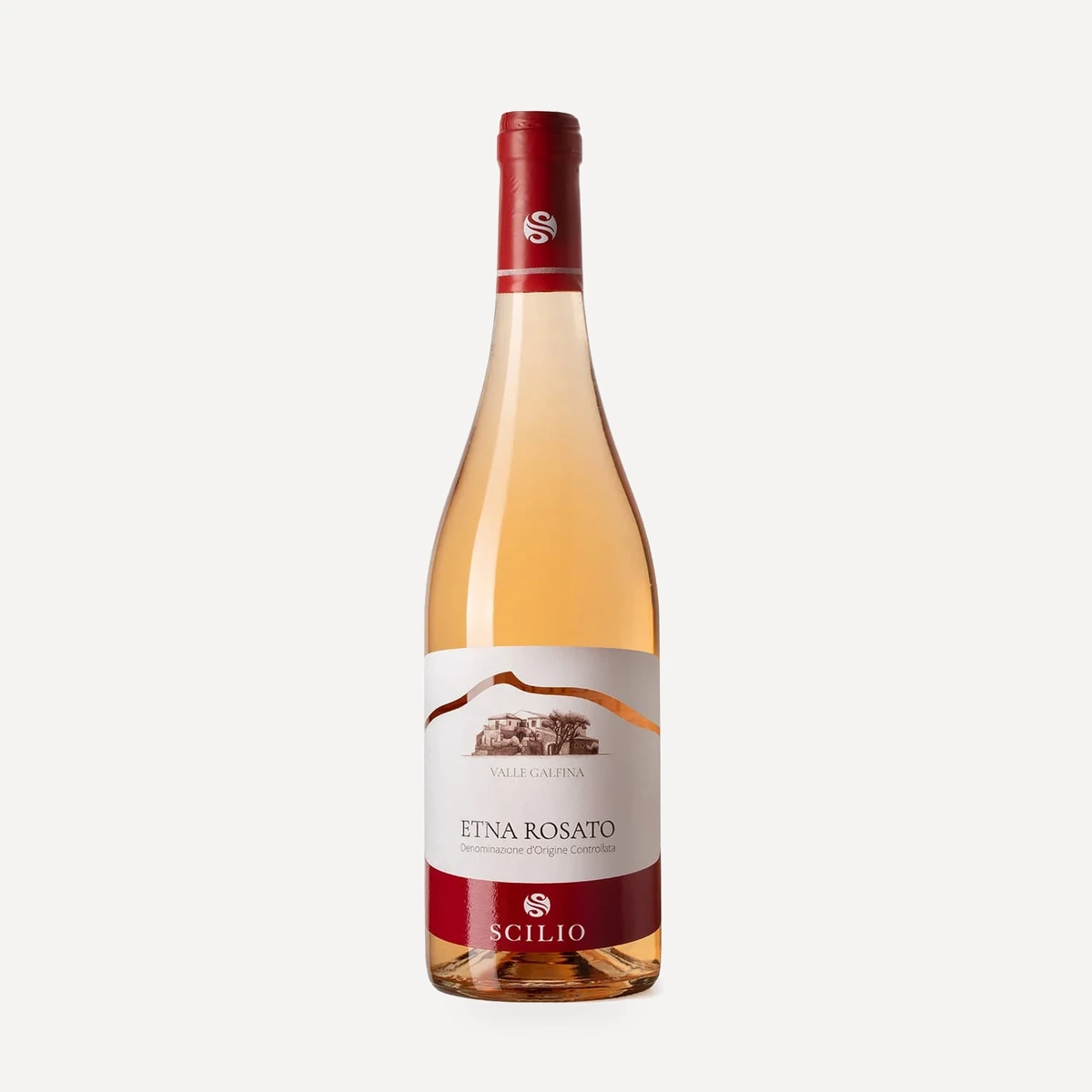
Valle Galfina Etna Rosato
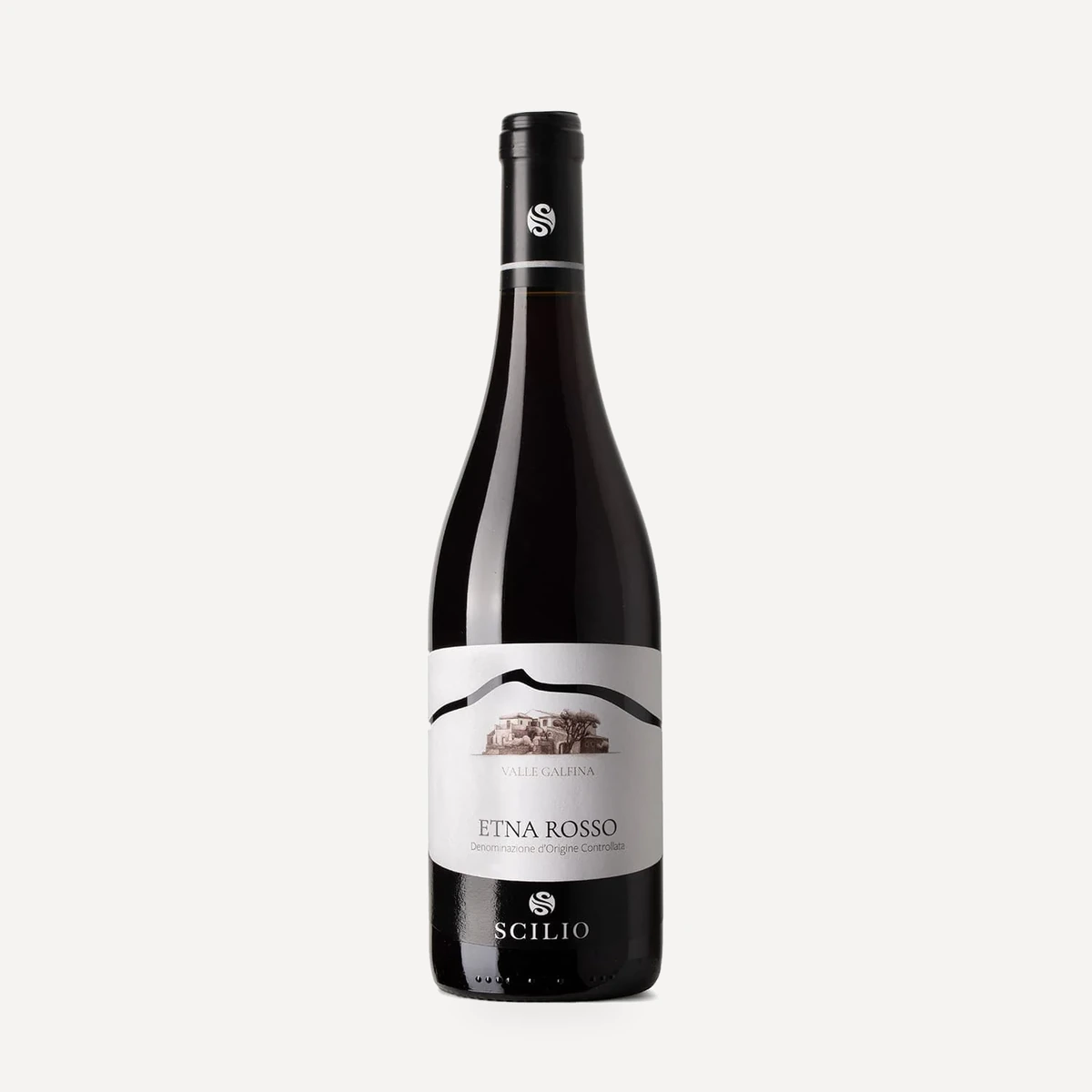
Valle Galfina Etna Rosso
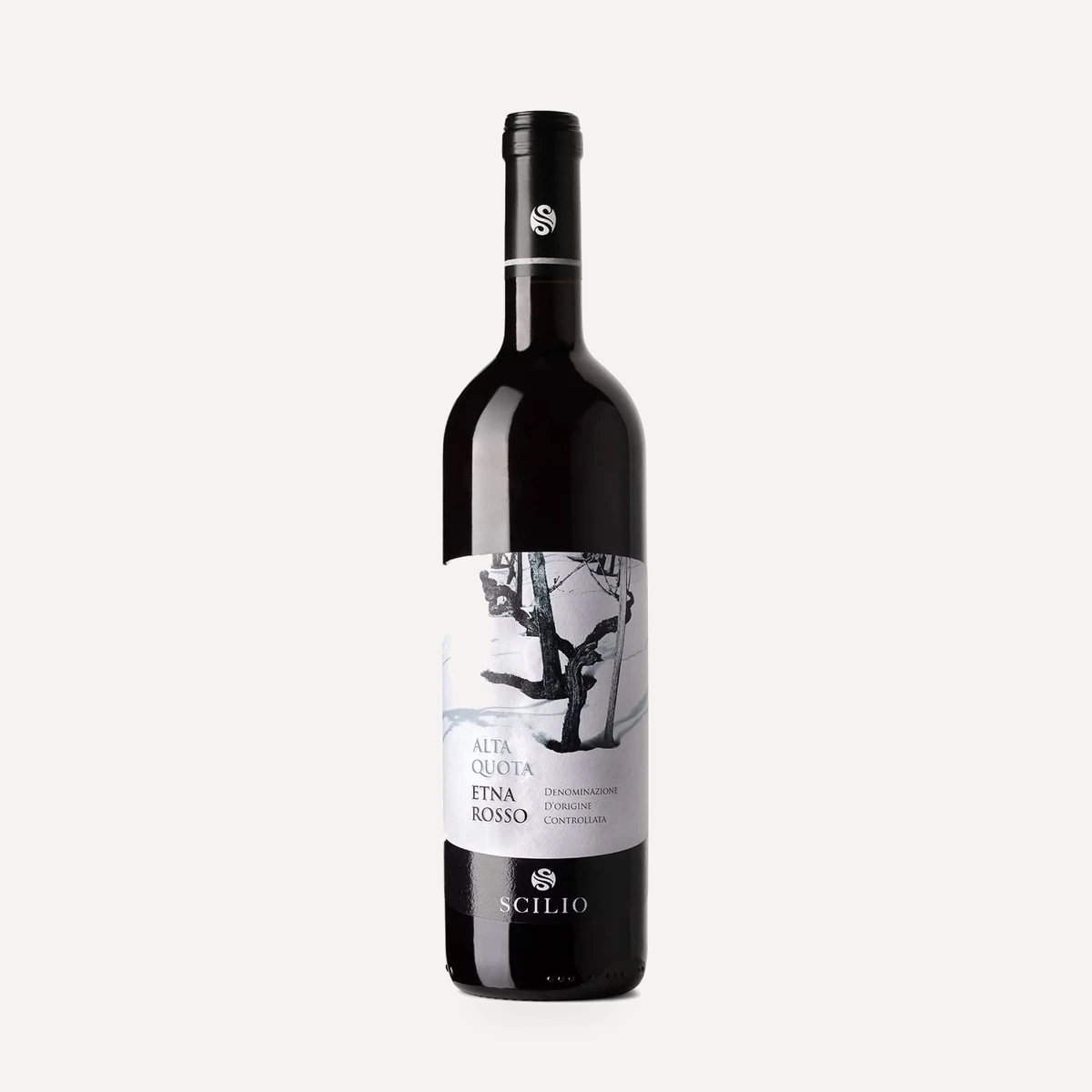
Alta Quota