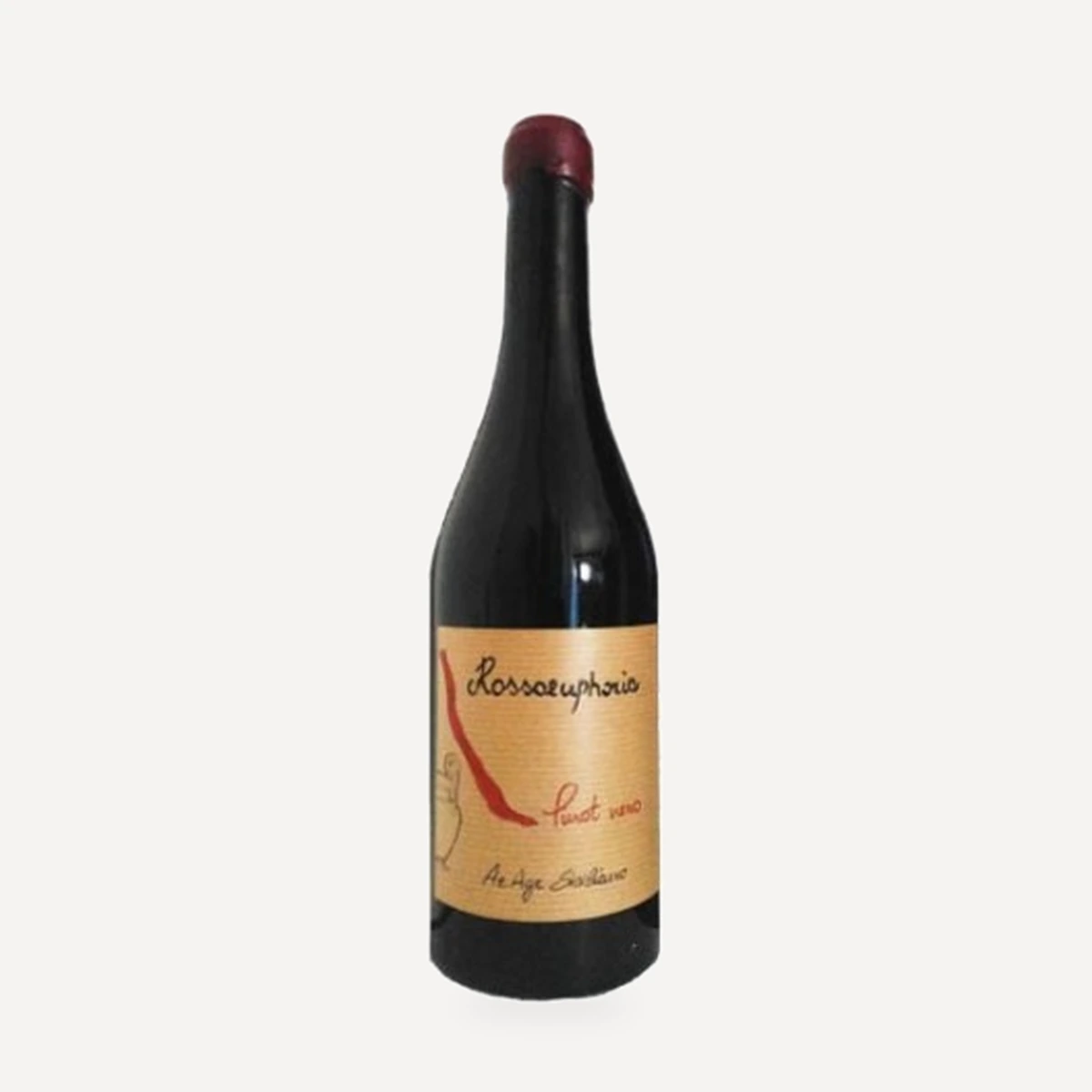
Storia
The March 1981 eruption and the search for new land
In March 1981, an eruption of Mount Etna covered a chestnut grove situated approximately 2 km before Randazzo. Rocco and Marisa decided to replace the lost property with land where they could build a country house. Their search led them to a vineyard in contrada Marchesa.
The old Marchesa vineyard
At the time of acquisition, Marchesa was an alberello-trained vineyard approximately 90 years old. Its grapes produced what was described as a 15-degree wine, but numerous vines were missing and the vineyard required substantial reorganization.
An opportunity arose to make Marchesa one of the experimental vineyards proposed on Etna by the Istituto Regionale Vite e Vino. Dr. Rocco Siciliano accepted. The old alberello layout was converted to rows, and the vineyard was planted not only with Nerello Mascalese but also with non-native varieties, including Pinot Noir and Cabernet.
The first limited vinifications
Comm. Di Miceli encouraged Rocco Siciliano not to sell the entire crop. Part of the Pinot Noir was consequently retained for vinification, while Cabernet was made available to Cantina Torrepalino. These early wines were produced in limited quantities.
Experimental Pinot Noir in the 1990s
In the mid-1990s, the Istituto Regionale Vite e Vino vinified the vineyard’s Pinot Noir crop. A few years later, the wine was evaluated by Dr. Tachis during his work as a consultant to Sicily’s experimental vineyards. He responded enthusiastically to its quality and compared it with Pinot Noir from Burgundy.
The vineyard subsequently became particularly associated with Pinot Noir at local tastings, while its Cabernet Franc, Cabernet Sauvignon and Nerello Mascalese also attracted appreciation.
Production without added sulfites
In 2015, Siciliano moved to the production of wines without added sulfites, a change associated with a more pronounced expression of fragrance and elegance in the vineyard’s wines.
Terroir
The vineyard lies in contrada Marchesa on Mount Etna, within the territory of Castiglione di Sicilia. The estate is reached from the S.S. 120 Solicchiata–Passopisciaro road.
A hill overlooks the vineyard and supports wildlife including rabbits, foxes, porcupines and weasels. The wider property combines vines with olive trees, an orchard, kitchen-garden crops and uncultivated habitat.
Vinificazione
The principal recorded change in the vineyard was its conversion from an old, incomplete alberello planting to a row-trained experimental vineyard. The project retained Nerello Mascalese in the varietal composition while introducing Pinot Noir and Cabernet, including Cabernet Franc and Cabernet Sauvignon.
The agricultural property has considerable plant diversity beyond its wine grapes. It includes approximately 150 olive trees; 16 red- and green-apple trees; one quince; one mela cola; six cherry trees; ten walnut trees; three pear trees; one plum tree; two apricot trees; seven peach trees; three fig trees; and one each of hazelnut, chestnut, persimmon and kiwi. Prickly pears and blackberries are also present, together with Cardinale and Minnella grapes. The kitchen garden produces tomatoes, cabbages, green beans and courgettes. Rabbits, foxes, porcupines and weasels have been observed on the hill overlooking the vineyard.
The estate’s first limited production developed when Comm. Di Miceli persuaded the owner to retain part of the crop rather than sell all the grapes. Pinot Noir was vinified in limited quantities, while Cabernet was made available to Cantina Torrepalino.
In the mid-1990s, the Istituto Regionale Vite e Vino conducted an experimental vinification of the Marchesa Pinot Noir. A few years later, Dr. Tachis evaluated the resulting wine in connection with his consultancy for Sicily’s experimental vineyards.
Since 2015, Siciliano’s wines have been produced without added sulfites. The change was associated with greater fragrance and elegance in the resulting wines.
Vini
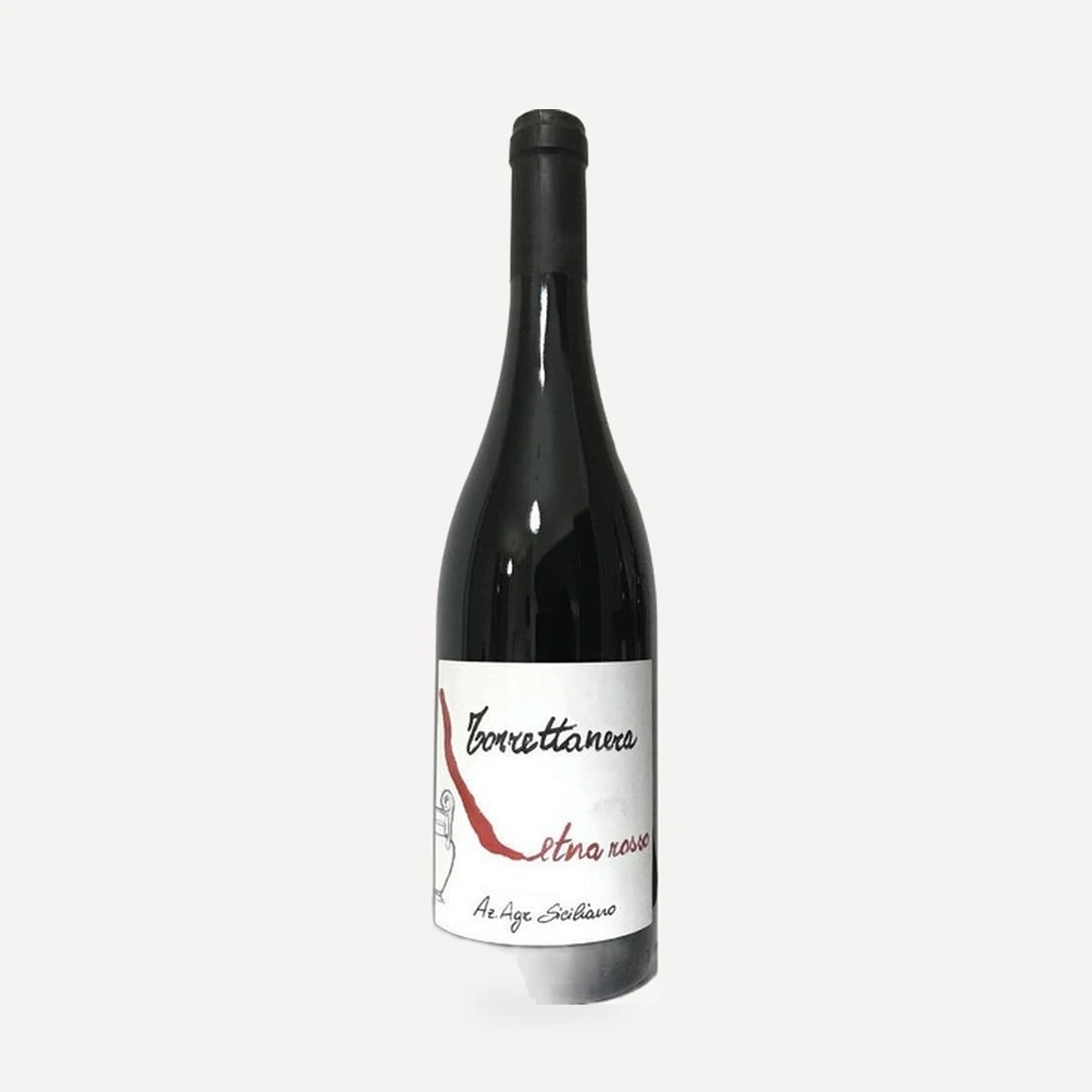
Torrettanera Etna Rosso DOC