Storia
Family roots from the eighteenth century
The Grasso family’s involvement in wine production and commerce on Etna dates to the mid-eighteenth century. Giuseppe Grasso’s paternal grandparents were both wine merchants and winegrowers. Until 1980, they controlled approximately 200 hectares of vineyards on Etna and sold their production as bulk wine.
The Leonardi legacy and Riposto warehouse
In 1890, Giuseppe Leonardi—the great-grandfather of the present generation—established a warehouse in Piazza Laviefuille. The family’s Etna wine was shipped from this historic facility through the port of Riposto, continuing the commercial model in which local wine travelled in bulk to other markets.
The winery and Villa Santo Spirito both trace their physical origins to the late nineteenth century. The villa is an old nineteenth-century masseria at Passopisciaro, while the historic winery incorporates a traditional palmento and vinification spaces.
The 1950 union and Villa Santo Spirito
In 1950, the Leonardi family was joined with Giuseppe Grasso, a winegrower from Sant’Alfio, in what the family describes as a marriage bound by wine. Villa Santo Spirito was acquired during the same period. The purchase became a defining point in the family story and later supplied the symbolic foundation for the Albedo stage of Stanza Terrena’s alchemical narrative.
Contraction of the historic vineyard holdings
After the Italian methanol scandal and a decline in wine prices associated with the commercial ascendancy of lemons, Giuseppe Grasso’s paternal grandparents sold most of their vineyards. Wine commerce, formerly based on approximately 200 hectares and bulk sales, was subsequently restricted to the regional market.
Giuseppe Grasso’s international formation
After studying oenology, the present-day Giuseppe Grasso gained experience in several wine regions. In 2017 he worked in Bordeaux: first at Saint-Vivien with vigneron Stéphane Chaumard, then at Château Guillaume in Saint-Philippe-du-Seignal, and subsequently at Château La Roberterie in Juillac.
In 2018, he lived in Colmar, encountered a range of Alsatian vignerons and worked near the German border in the Kaiserstuhl at the cooperative Badischer Winzerkeller eG in Breisach. During the 2019 harvest, he served as an assistant oenologist at Rockburn Wines Limited in Cromwell, Central Otago, New Zealand. In 2020, he worked at Keermont Vineyards in South Africa alongside oenologist Alex Starey, an experience he regards as the most important stage of this international formation.
Creation of Stanza Terrena
In 2020, Giuseppe Grasso and Pier Paolo Grasso created Stanza Terrena, bringing the family’s historical roots into a contemporary project. That year also marked the family’s first production of quality bottled wine intended for export, a decisive departure from the earlier history of bulk wine.
Between 2020 and 2022, the late-nineteenth-century winery underwent a careful restoration. The work recovered the historic character of the palmento and vinification spaces while preparing them for a contemporary approach to winemaking. The restored cellar is conceived as a meeting point between inherited tradition and present-day production.
Terroir
Stanza Terrena’s historic vineyards are situated at Passopisciaro and Sant’Alfio on Etna. The holdings encompass parcels of different ages and exposures, including a centenarian vineyard and an exceptionally old alberello described as approximately 200 years old.
The project presents Etna as a complex terroir in continuous evolution. Nerello Mascalese is the principal variety in the vineyards and the central expression of this setting. Minnella, a relic variety historically relegated to a blending role, is also cultivated and given an autonomous interpretation. Other white grapes traditionally blended with Nerello Mascalese are likewise vinified separately within the range.
Vinificazione
The family cultivates historic vines at Passopisciaro and Sant’Alfio with an emphasis on respecting natural cycles. Each harvest is approached as an individual work rather than as a standardized repetition.
Nerello Mascalese dominates the vineyards. Minnella is preserved as a relic variety that had long been treated principally as a blending grape; Stanza Terrena seeks to give it an independent expression. The project also separates white grapes historically blended with Nerello Mascalese so that they can be vinified on their own.
The oldest material includes a centenarian vineyard and an alberello described as approximately 200 years old.
Historic cellar
The winery dates from the late nineteenth century and includes a traditional palmento and historic vinification rooms. Restoration undertaken from 2020 through 2022 recovered the original character of these spaces while adapting the cellar to contemporary production. The resulting winery is intended to join respect for inherited structures and practices with a modern winemaking outlook.
Methods represented across the range
Production methods include short maceration followed by maturation in large casks; spontaneous fermentation with carbonic or semi-carbonic maceration; brief maceration for rosé; maturation in stainless steel and tonneaux; and spontaneous fermentation followed by stainless-steel maturation for white grapes traditionally used in blends.
The carbonic or semi-carbonic process is applied to fruit from the oldest vineyard, including grapes associated with an approximately 200-year-old alberello. This technique is used to reinterpret very old plant material through a contemporary method.
The first quality bottled production intended for export was made in 2020, replacing the family’s much older model of bulk-wine commerce.
Filosofia
Tradition in transformation
Stanza Terrena frames its work as a union of deep family roots and contemporary vision. Knowledge transmitted through the family is combined with deliberate choices and innovation, while each vintage is treated as an individual creation. The objective is not simply to reproduce the past, but to use it as material for new expressions of Etna.
The restored winery embodies this balance: a nineteenth-century palmento and historic vinification spaces remain central, while modern methods are used to interpret old vineyards and varieties.
The alchemical framework
The project’s symbolic language draws on alchemy, in which raw matter is transformed into something purified and precious. That process is linked to an Etna terroir understood as continuously evolving.
Nigredo represents the dark and chaotic starting point, recalling the period when Etna wine was sold in bulk without an individual identity. Albedo signifies purification, clarity and the search for more defined expressions; within the family narrative, it is associated with the 1950 acquisition of Villa Santo Spirito. Rubedo represents completed transformation, in which the past generates something new and tradition is joined with innovation. Citrinitas adds the image of golden light emerging from chaos.
Revaluing overlooked material
The same transformative principle guides the treatment of Minnella and other white grapes historically consigned to blends. Rather than leaving these varieties in a supporting role, Stanza Terrena seeks to reveal them as autonomous expressions. The use of carbonic or semi-carbonic maceration on fruit from the oldest vineyard follows a comparable idea: very old vine material becomes the basis of a contemporary interpretation.
Vini
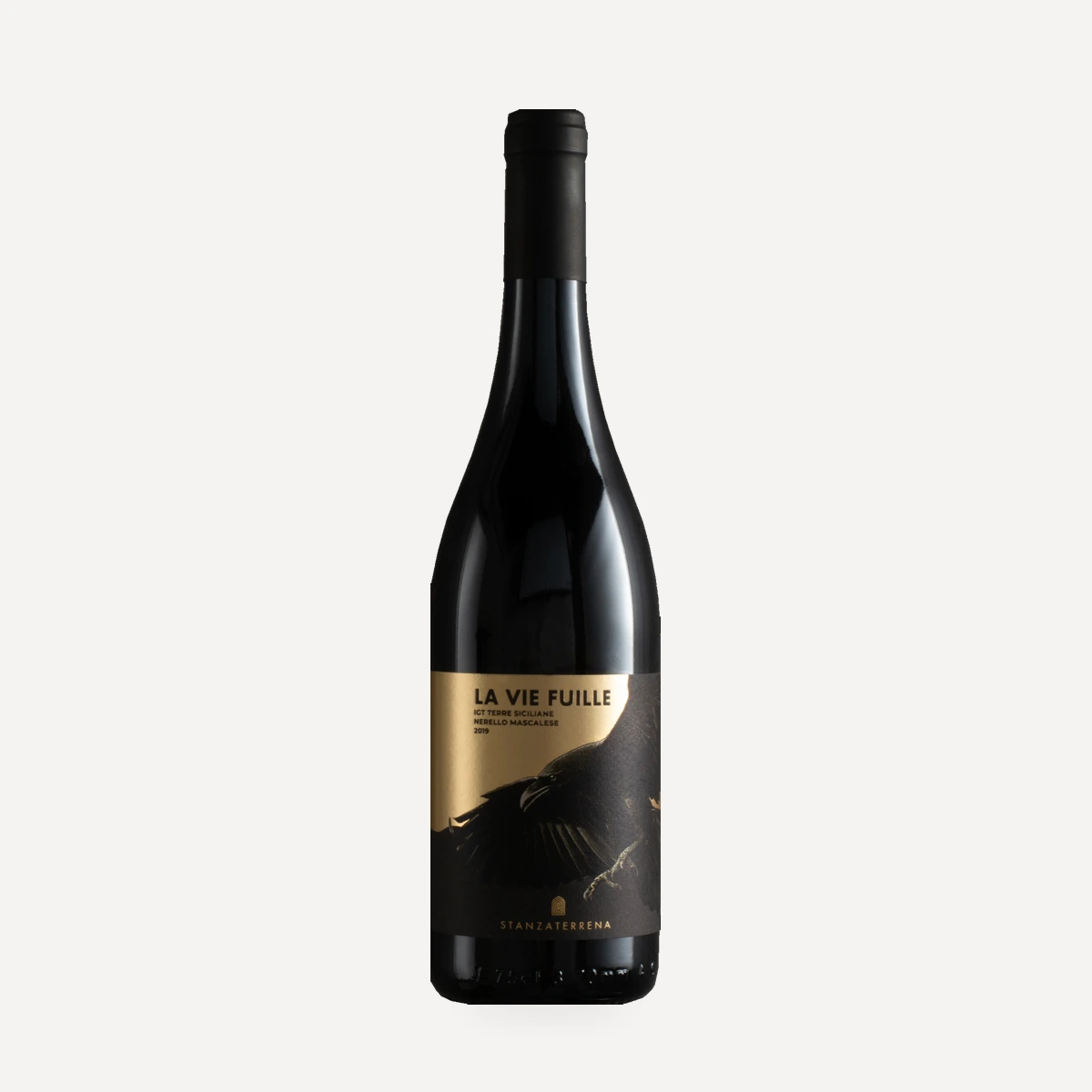
Le Vie Fuille
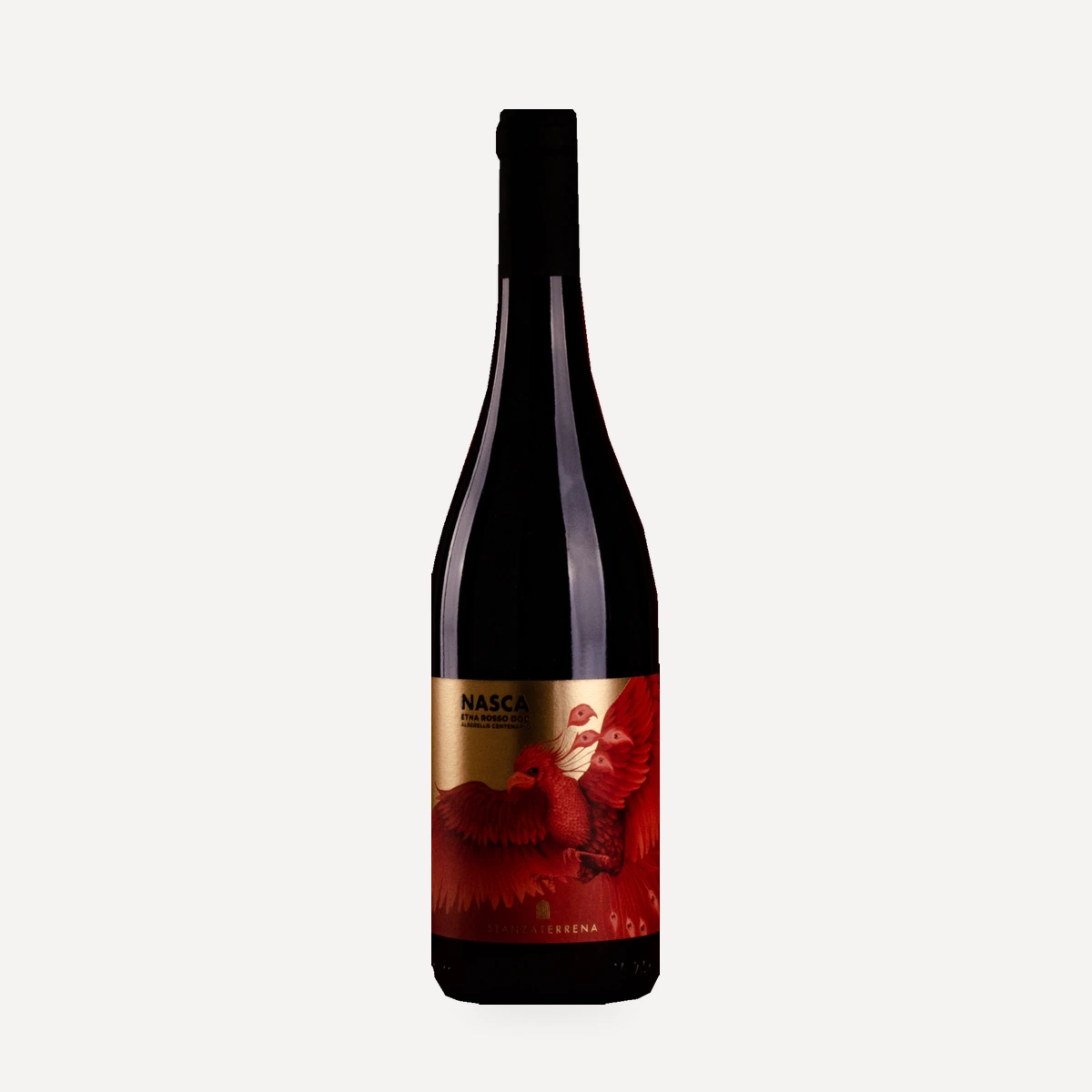
Nasca
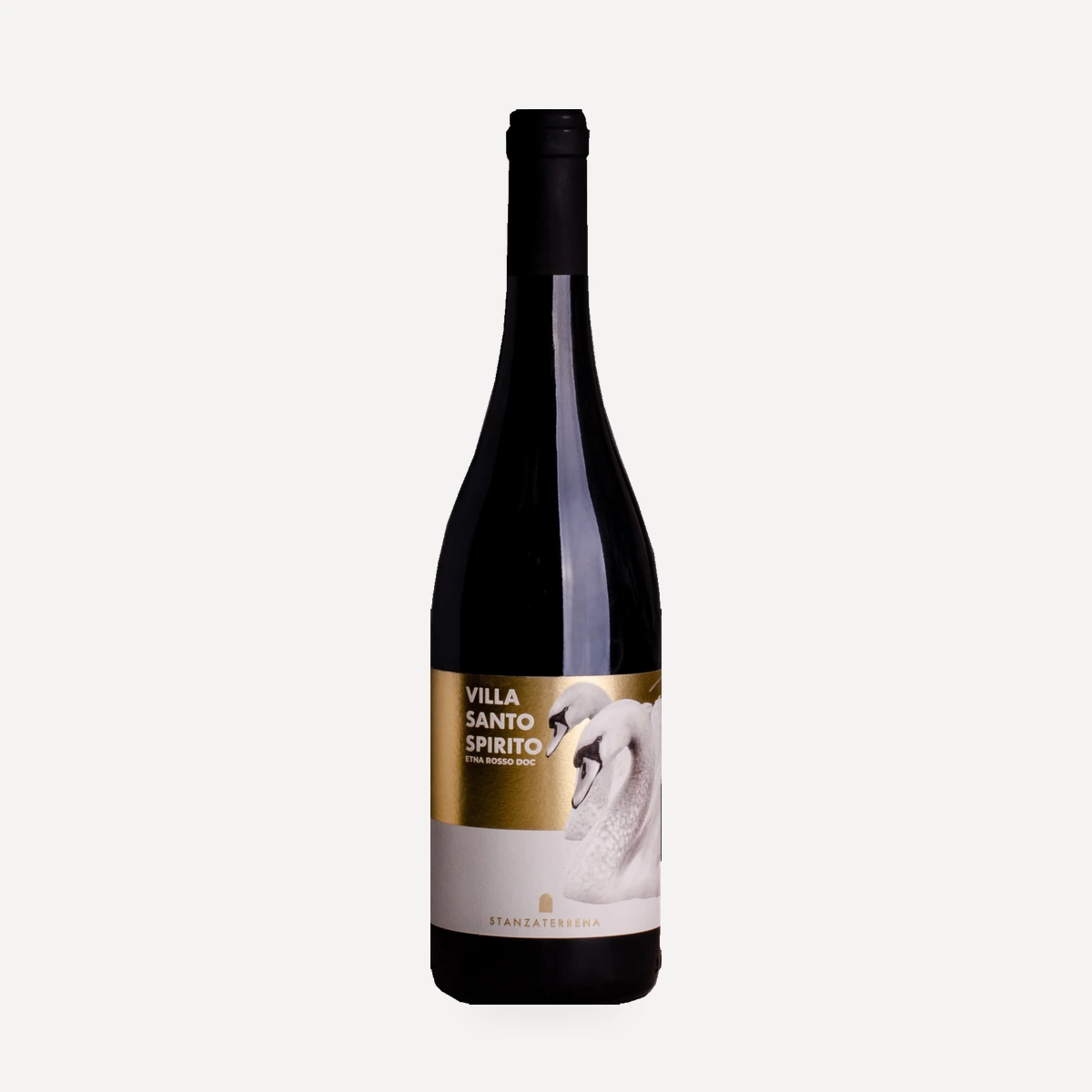
Villa Santo Spirito
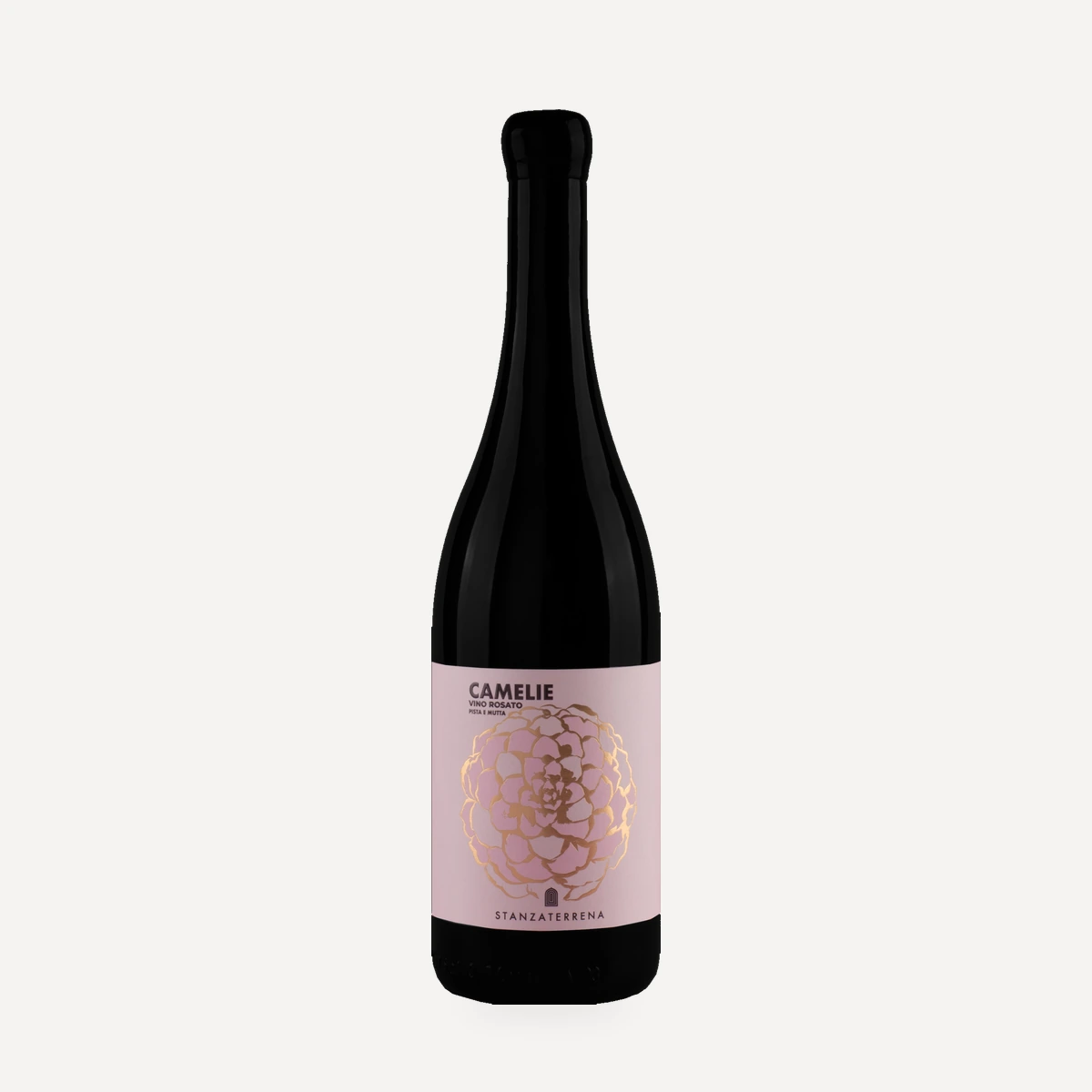
Camelie
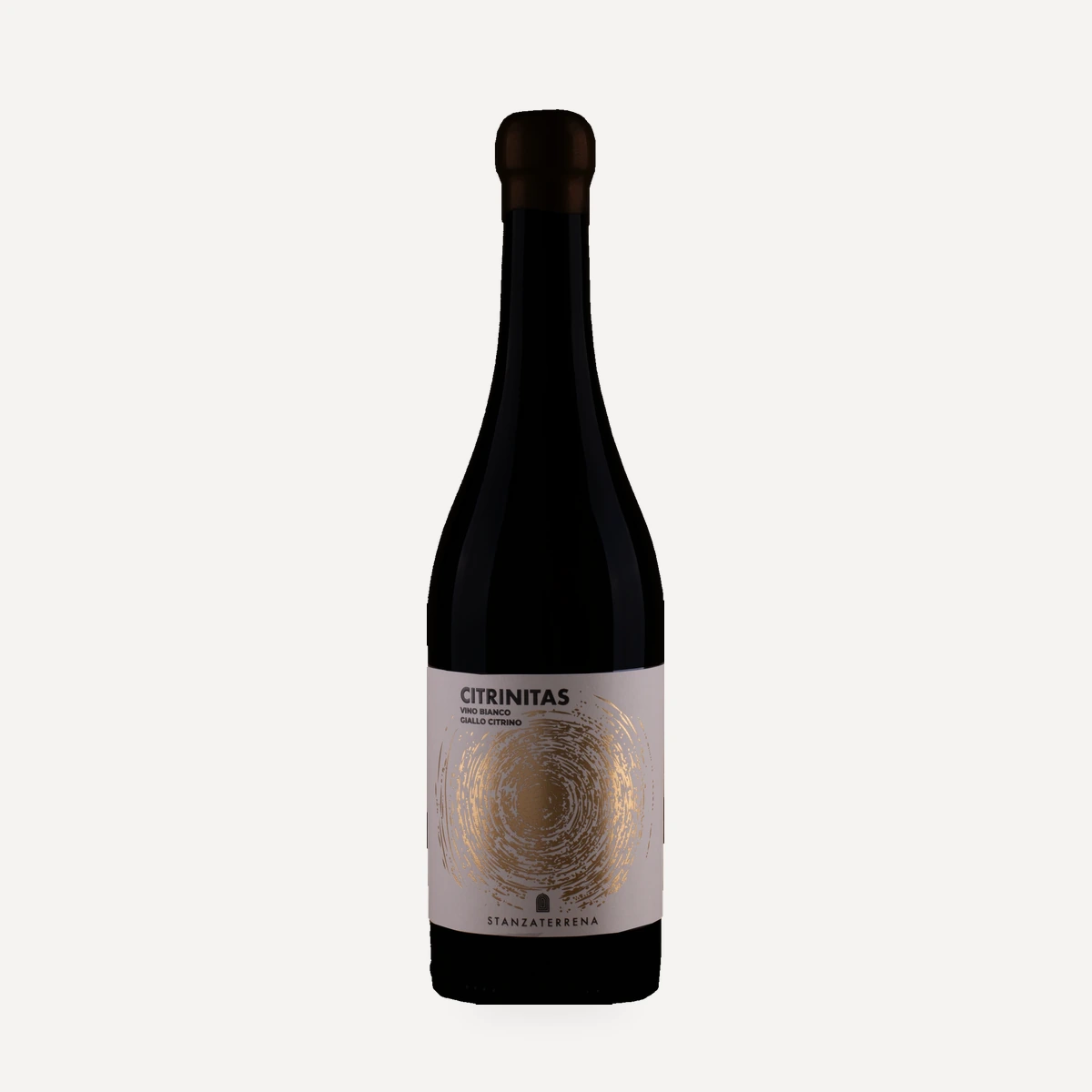
Citrinitas