Questo vino
Vineyard and terroir
The vines were planted in 2014 at 295 metres above sea level on particularly sandy moraine soil. Planting density is 4,500 vines per hectare, with Guyot training and a yield of 40 hL/ha. The vineyard is farmed using entirely natural viticultural practices. Harvest takes place by hand around the middle of September.
Grapes
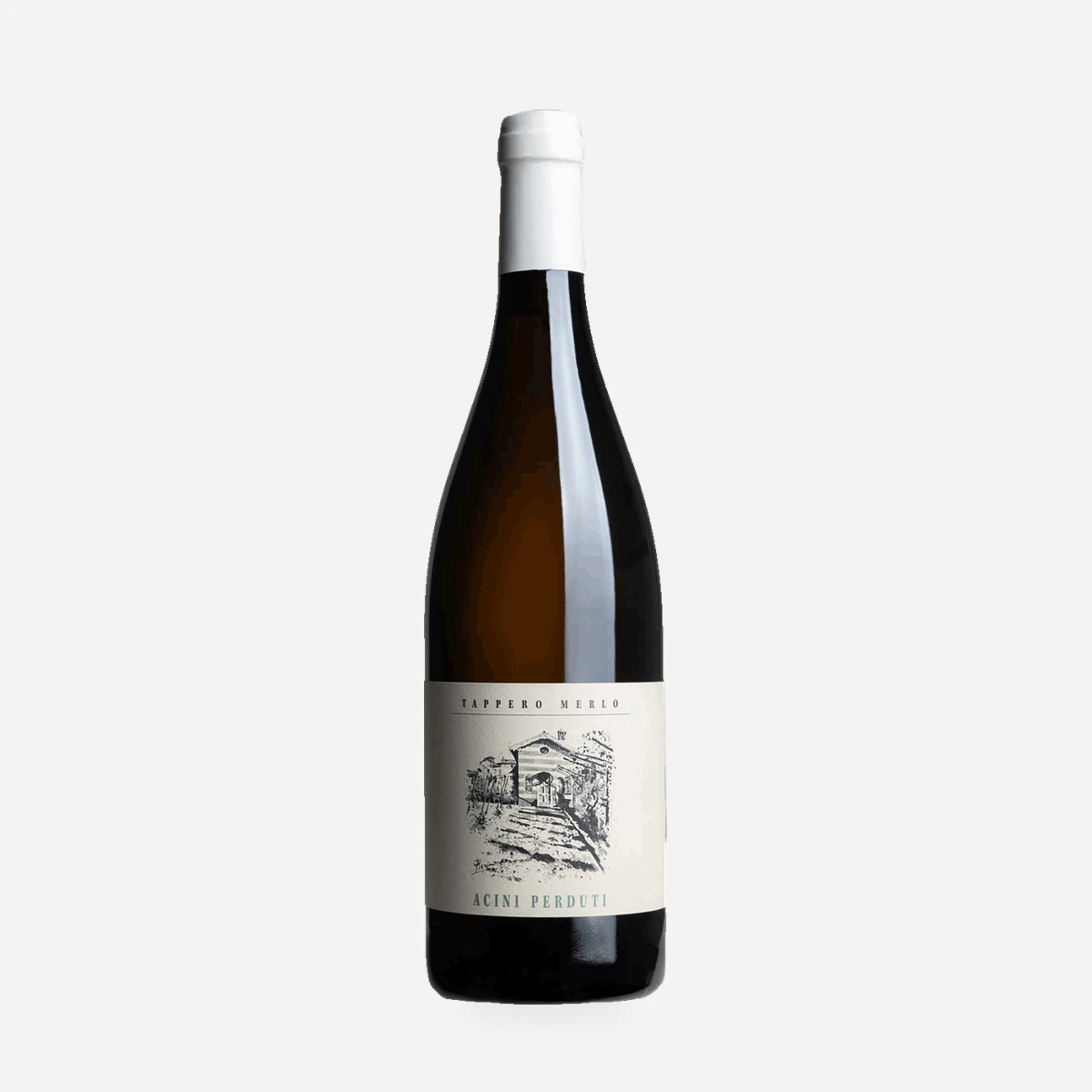
Acini Perduti is made from ancient native white grape varieties. Its historical inspiration involves the recovery of a variety that had disappeared from Canavese and its combination with another traditional white variety associated with Caluso.
Vinification
Fermentation takes place with indigenous yeasts in 500-litre tonneaux. After maturation, the wine undergoes gentle clarification and filtration intended to preserve its integrity.
Ageing
The wine remains on its fine lees in tonneaux for approximately 12 months, with weekly bâtonnage, followed by 4–6 months in bottle before release.
Technical data
Alcohol: 12% vol.
Tasting profile
Pale greenish yellow with straw reflections. The nose is intense and enveloping, opening with a delicate aromatic character and notes of sage, lemongrass and wild herbs. Citrus, pear and apple follow, together with acacia and broom flowers, while the finish introduces very light spice and mineral nuances. The palate combines freshness and savoury character in balanced proportions, with moderate structure and good persistence.
Serving and pairing
Serve at 10–12 °C. Pair with assorted starters, savoury pies, vegetable-, mushroom- or fish-based risotto and pasta, especially dishes featuring bottarga. It also suits mildly spiced recipes, seafood and octopus salads, fried seafood, tempura vegetables, mushrooms, and young or moderately matured cheeses, particularly goat cheese.
Label / history
The wine draws inspiration from Giovanni Battista Croce, a goldsmith, agronomist and wine writer who served at the courts of Emanuele Filiberto di Savoia and Carlo Emanuele I. His 1606 treatise on the wines and grapes of the hills around Turin provided clues for recovering a grape variety that had disappeared from Canavese. The wine evokes the Savoy court at the end of the sixteenth century and the later migration of Piedmontese people—and their vines—to California during the nineteenth century.