Questo vino
Vineyard and terroir
The Erbaluce is grown at 300–350 metres above sea level in highly acidic moraine soils composed of approximately 80% sand, 15% silt and 5% clay, with almost no organic matter.
Grapes
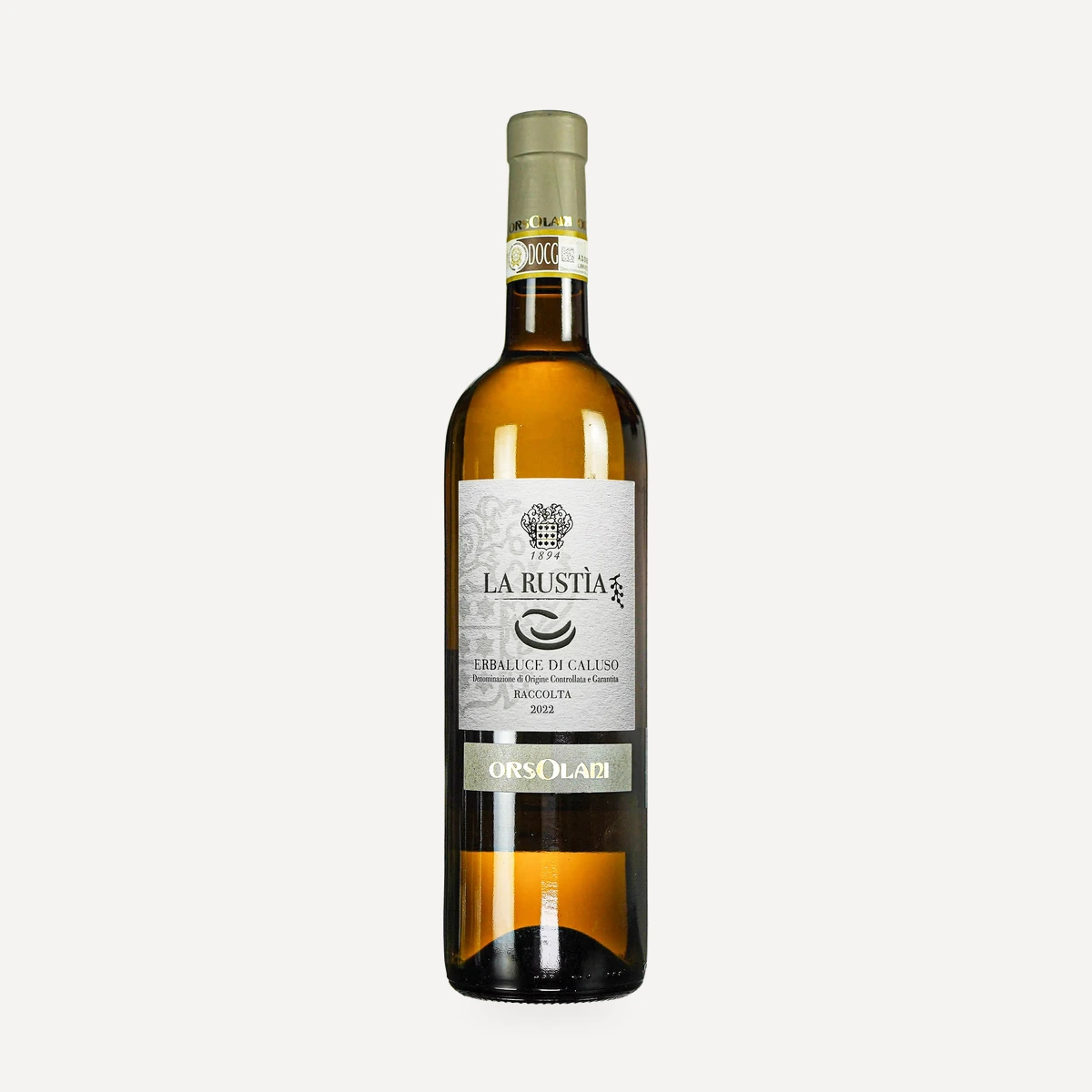
100% Erbaluce di Caluso, harvested two weeks earlier than the normal picking date.
Vinification
Primary fermentation takes place partly in stainless steel and partly in used barriques. After the base wine has rested for several months, a pied-de-cuve is prepared in the spring following harvest to initiate bottle refermentation under temperature-controlled conditions. The technical sheet records a tirage period of five to six months and a pressure of 4.5 atmospheres.
Ageing
The technical sheet specifies six months in used barriques and tonneaux. Following bottle refermentation, the wine remains on its lees for at least 60 months. Slow riddling on pupitres prepares it for disgorgement, normally carried out in spring, after which it rests for several more months.
Technical data
Traditional method. Brut. Alcohol: 12.5–13% vol., depending on the vintage. Residual sugar: 4–6 g/L. Pressure: 4.5 atm.
Tasting profile
Straw yellow with delicate golden highlights, lively brilliance and a very fine, elegant and persistent bead. Mature, complex aromas combine aromatic herbs and chalk with subtle bread-crust and dried-fruit notes. The palate is elegant and fresh yet full and enveloping, with citrus accents. It is long and soft, finishing with honey, vanilla, hazelnut and a pronounced, complex mineral character.
Serving and pairing
Versatile across a meal, it pairs with elaborate starters, cured meats and cheeses, vegetable risotto, seafood first courses, soups, fried seafood or vegetables, tempura herbs and vegetables, richly flavoured fish soup, cacciucco, and baked or pan-cooked fish.
Label / history
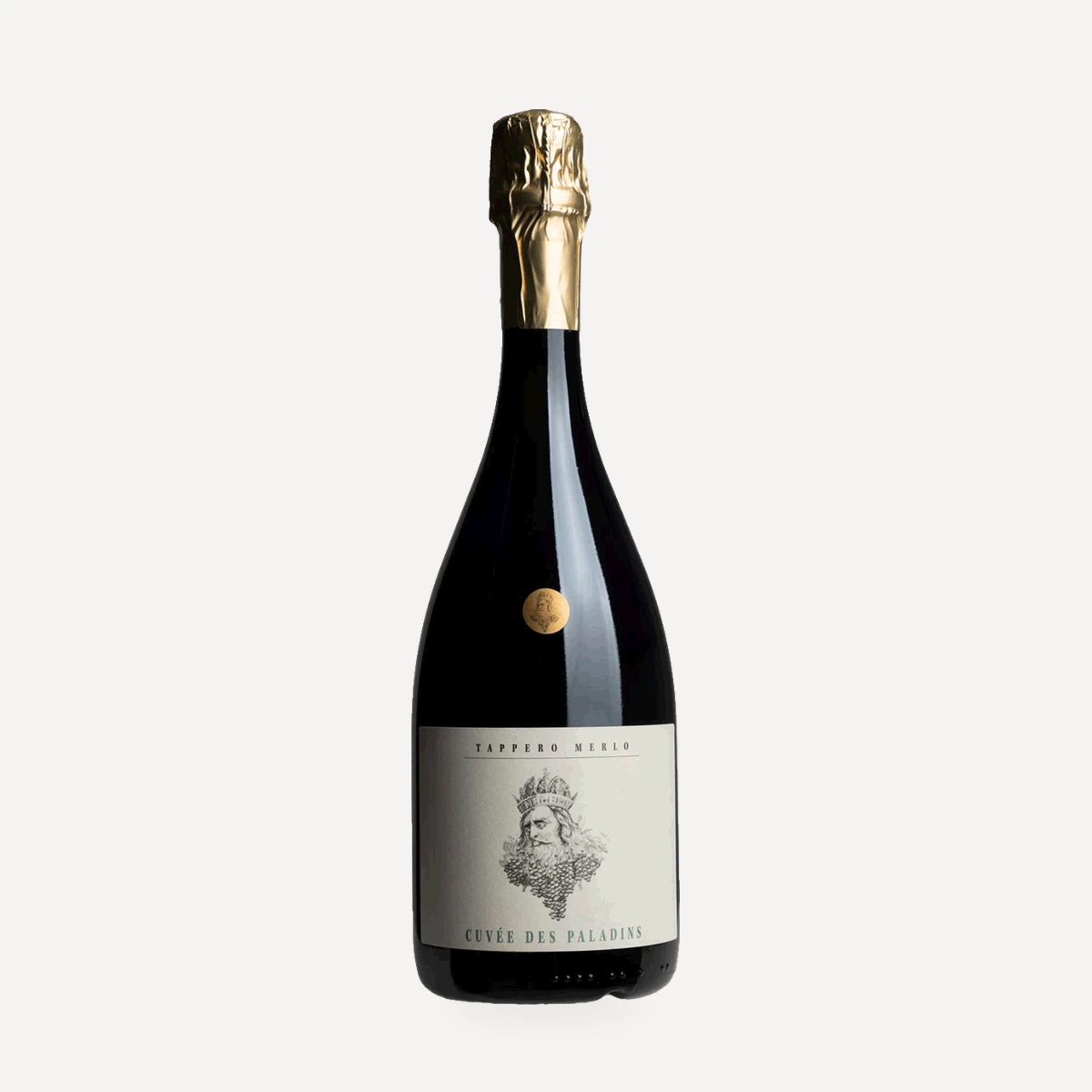
The name refers to Charlemagne’s twelve paladins. It evokes a legend linking the renewal of viticulture under Charlemagne with the possible movement of Erbaluce between Canavese and the Rhône Valley. It also recalls the longstanding Canavese practice of making small quantities of sparkling wine for family celebrations by adding sugar, fresh must or passito to initiate refermentation in bottle; peach leaves were sometimes used for aromatisation.