Storia
Ancient viticultural background
Viticulture in the Aeolian Islands reaches back to antiquity. Wine amphorae found in the archipelago attest to the place of wine in local culture from the era of Phoenician travelers and Greek colonization. Malvasia and Corinto Nero were introduced during the period of Hellenic settlement and adapted to the small volcanic islands. Malvasia is associated with Crete and takes its name from Monemvasia, the Peloponnesian port from which Greek wines entered Mediterranean trade routes; Corinto Nero traces its name to the Greek city of Corinth.
Nineteenth-century travelers
In 1835, Alexandre Dumas père visited the Aeolian Islands during the era of the European Grand Tour. His travel diary recorded the spectacle of the islands and is part of the cultural memory associated with the landscape surrounding the estate.
The beginning of the Lentsch project — 2005
Tenuta di Castellaro began with a morning walk by the Lentsch family across the Piana di Castellaro in the summer of 2005. Massimo Lentsch, then working as a consultant on the internationalization of small and medium-sized businesses, had been struck by Lipari’s sunset and landscape while visiting the island by boat. Wanting to create a tangible product, he chose wine.
To locate suitable property, Lentsch rented a scooter and placed one hundred handwritten notices around Lipari seeking land both with and without vines. The project was conceived not simply as a vineyard development but as the recovery of abandoned agricultural land and the integration of vineyards, people and the wider landscape.
The existing plant material presented two problems: the plantings did not provide the indigenous varietal base required for the project, while surviving native vines showed latent viral disease that would have shortened their lives. The team therefore uprooted and replanted the vineyards. Agronomist and oenologist Salvo Foti, a specialist in volcanic soils, accompanied Lentsch across all seven Aeolian Islands in search of old Malvasia and Corinto Nero vines.
The first stage of development used massal selection from the archipelago’s oldest vineyards. Cuttings were entrusted to the French nursery Pépinières Guillaume, established in 1895, which propagated vines from genetically varied source plants so that physiological, productive and genetic diversity would be retained within each variety. Clonal selection was also incorporated into the estate’s work with the healthiest old indigenous vines.
Establishing an Aeolian wine identity
In 2008, the estate presented the first vintage of Bianco Pomice, its reference dry white. The wine joined Malvasia delle Lipari with Carricante and marked an early milestone in the emerging range. The first vintage of the estate’s Malvasia delle Lipari DOC passito followed in 2012.
All vineyards were established or reorganized under the traditional alberello system. The estate adopted a high-density quincunx layout, treating each freestanding vine as an individual and the vineyard as a community. This choice also made vineyard work almost entirely manual.
The cellar and landscape project
A former ruin on the Piana di Castellaro became the site of a fully buried bioenergetic cellar. Architects Michele Giannetti and Alessandro Dal Piaz worked with the owners from the project’s outset. The winery combined contemporary construction with references to Lipari’s Norman cloister and volcanic geology. Its barrel-room columns reproduce the textures and colors of geological phenomena spanning more than 20,000 years.
The estate also acquired the Cave di Caolino area. Cleaning and reclamation began immediately, with the goal of turning it into a geomineral park open to the public. Three other ancient ruins among the vineyards were restored as Casa Pomice, Casa Ossidiana and Casa Caolino, forming the Castellaro Wine Resort.
Certifications and later development
Since 2019, every label has carried the Vegan Attitude mark issued by Suolo e Salute. The certification covers the entire production chain and excludes animal-derived processing aids. Static settling and successive rackings are used for natural clarification. The wines are also certified organic, while the estate’s environmental-management system holds ISO 14001 certification.
In 2021, the estate began vinifying Malvasia delle Lipari in cocciopesto amphorae, reviving a material associated with Hellenistic and Roman construction and winemaking. This work led to Eúxenos, a dry, lightly skin-macerated Malvasia conceived as a link between ancient methods and contemporary cellar practice.
By 2026, the project covered 24 hectares and produced approximately 85,000 bottles annually, most of them sold through international hospitality and restaurant channels. It encompassed the vineyards, underground winery, Wine Resort and the reclaimed Cave di Caolino geomineral park.
Terroir
Lipari and the Aeolian setting
The vineyards lie on Lipari, the largest of the seven volcanic Aeolian Islands off northeastern Sicily. The island is a dormant volcano rising a little over 600 metres above the sea, with a much larger submerged structure. Successive eruptions have produced a varied palette of volcanic soils; the island’s last eruption is placed in the thirteenth century.
Climate
Lipari has a temperate, highly ventilated climate shaped by the sea. Maritime influence moderates temperatures while increasing atmospheric humidity, particularly across the Piana di Castellaro. Strong differences between daytime and nighttime temperatures are a defining feature of the plain. Marine breezes, sunshine and island winds accompany ripening.
Soils
The volcanic soils are fertile and rich in mineral elements, particularly phosphorus, potassium, iron, magnesium and calcium. On the Piana di Castellaro, the vineyards grow primarily in volcanic sand. The estate associates these soils with structure, longevity and the marked mineral and saline character of its fruit.
Piana di Castellaro
Most of the vineyards and the winery stand on the Piana di Castellaro at approximately 350 metres above sea level. The principal sites face northwest and overlook Alicudi, Filicudi and Salina. Caolino, Gelso, Lisca, Panoramica and Cipressi share this elevated, wind-exposed volcanic setting.
Vigna Cappero
Vigna Cappero occupies 7,000 m² of terraces supported by dry-stone lava walls. Its sandy soil contains pumice-derived fragments. The vineyard faces southeast toward Vulcano and lies approximately 80 metres above sea level. Its conditions are warmer, drier and well ventilated, favoring sugar accumulation and aromatic development in Malvasia delle Lipari and Corinto Nero.
Vinificazione
All 24 hectares are managed under organic protocols and trained exclusively as freestanding alberello bush vines. The method requires almost entirely manual work, from establishing new plantings through pruning, routine maintenance, grape selection and harvest.
The planting pattern is a high-density quincunx: each vine occupies the vertex of an equilateral triangle at 1.20 m × 1.20 m spacing. This arrangement exposes every plant through 360 degrees to sunlight, wind and other climatic influences. Density averages about 7,000 vines per hectare and reaches approximately 9,000 vines per hectare in the most tightly planted areas. Each alberello develops a deep taproot capable of reaching mineral-rich soil horizons.
The project began with visual massal selection in the oldest Aeolian vineyards. Candidate vines were chosen for health and productivity, and cuttings were propagated while maintaining multiple DNA profiles within each variety. This preserved genetic diversity and a range of physiological and productive traits. Clonal selection of healthy old native vines complements the massal work.
Malvasia delle Lipari and Corinto Nero form the core of the indigenous program. The estate also cultivates Nero d’Avola, Carricante, Moscato Bianco, Pinot Nero and Alicante. Grapes are harvested manually and selected during picking. Along the vineyard margins, capers and caperberries are also grown organically.
At Vigna Cappero, heroic viticulture is practiced on lava-stone terraces. After harvest, selected bunches destined for passito are spread on special wooden racks in the sun for about 15 days. The mobile structures stand over a dark lava wall that absorbs daytime heat and releases it at night; the fruit is inspected, tended and covered each evening against the maritime air.
Gravity and cellar vessels
Grapes and must move through the winemaking process by gravity, without mechanized transfer. The cellar uses stainless-steel tanks, barriques, large wooden casks and cocciopesto amphorae for vinification and maturation. Both whole bunches and partially destemmed fruit are used where appropriate, while longer skin contact is part of some red and amphora-fermented work.
Natural clarification and vegan production
Clarification relies on static settling rather than animal-derived fining agents. Solid material is progressively removed by successive rackings between vessels, producing naturally clear wine. This practice underpins Vegan Attitude certification across the production chain; all labels have carried the certification mark since 2019.
Cocciopesto amphorae
Cocciopesto is an inert, porous material historically used by the Romans as waterproof plaster for cisterns, baths and masonry. Its thick walls help stabilize temperature naturally, while its porosity permits gradual micro-oxygenation without contributing aromas. The ovoid amphora shape creates convective movement, keeping fine lees suspended and helping fermentation gases condense. Since 2021, the estate has used these amphorae for a dry Malvasia delle Lipari fermented spontaneously with indigenous yeasts, macerated on the skins for more than 20 days and matured in amphora for nine months.
Passito production
Fruit from the terraced Vigna Cappero is dried naturally for approximately 15 days on special racks exposed to the sun. The grapes are checked and covered every evening. The dried fruit is pressed directly in a pneumatic press; the must settles statically before a slow fermentation in oak barrels that may continue for months until it stops naturally. Repeated rackings clarify the wine before bottling.
Bioenergetic winery
The winery is fully buried and was constructed on the site of an old ruin. Its design follows three principles: integration with the landscape, use of natural resources and respect for Lipari’s architectural tradition. Solar chimneys capture daylight and distribute it through the barrel room, almost eliminating electric lighting there. A wind tower, or badghir, combines a chimney with a thermal labyrinth to provide natural climate control and maintain suitable temperature and humidity for maturation. Photovoltaic panels cover every winery roof, while a constructed wetland uses selected plants and their associated bacterial habitat to purify wastewater biologically.
Filosofia
The estate defines its model as “contemporary craftsmanship”: advanced vineyard and cellar technology is employed to recover and enhance ancient viticultural and winemaking methods rather than replace them.
Its declared principles are respect for people, nature, history, culture and tradition. Social sustainability is pursued through the development and continuing education of staff; environmental sustainability rests on integration with the landscape, responsible use of natural resources, lower energy consumption and pollution prevention.
Massimo Lentsch frames the vineyard as one element within a complex territorial system rather than an isolated production space. Understanding the system’s history and respecting its interactions are presented as prerequisites for detailed, craft-based farming. The estate does not seek external stylistic models for its wines, directing its work instead toward the distinct expression of Lipari’s different eruption-derived soils.
Emiliano Falsini’s approach similarly begins in the vineyard. He views winemaking as an interpretation of the energy and force communicated by nature and considers a wine’s elegance to be rooted in the soil that nourished the vine.
Landscape conservation is part of the same philosophy. The underground cellar, recovery of abandoned land, reclamation of the Cave di Caolino and restoration of old vineyard ruins connect agricultural production with the protection of Lipari’s natural and cultural setting.
Vini
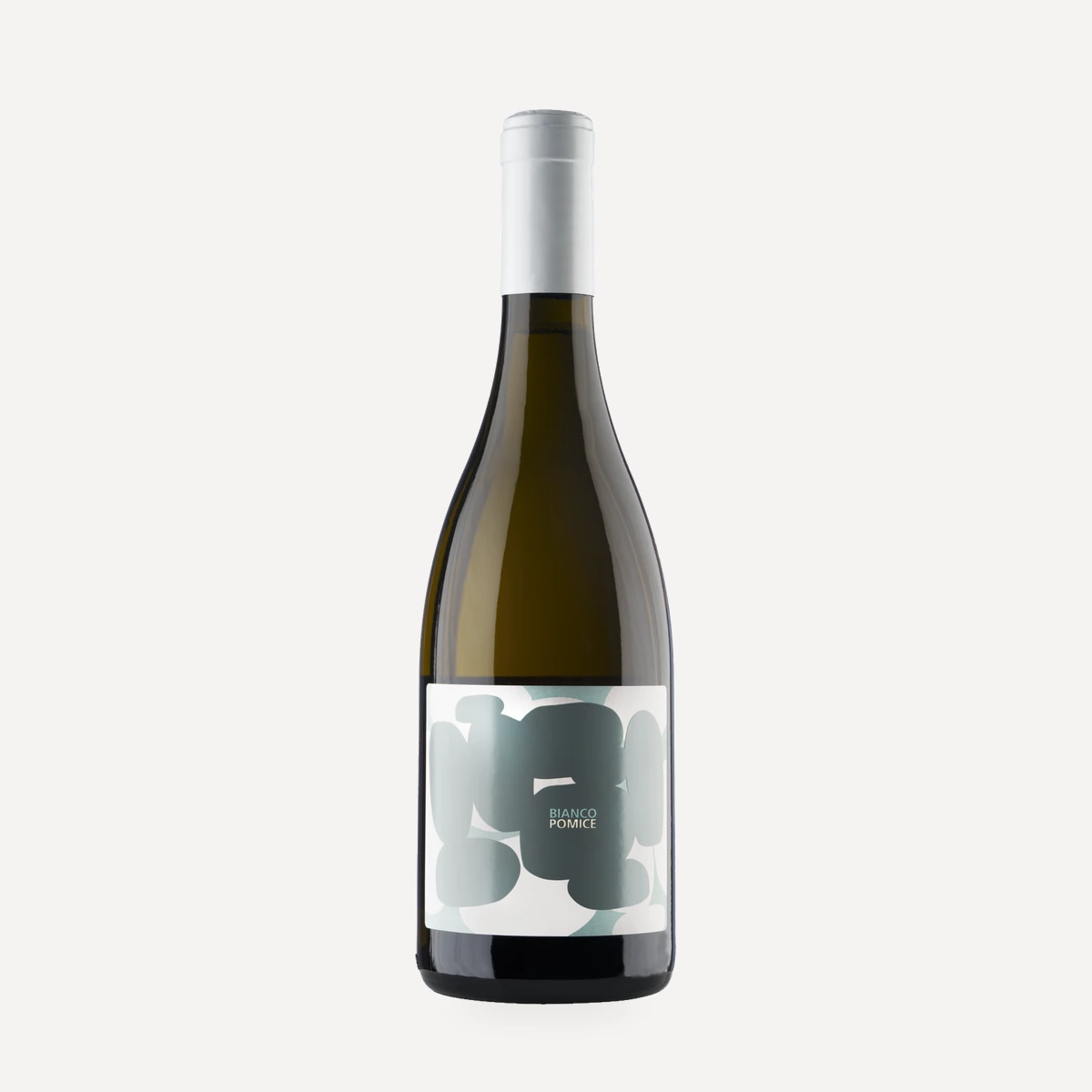
Bianco Pomice
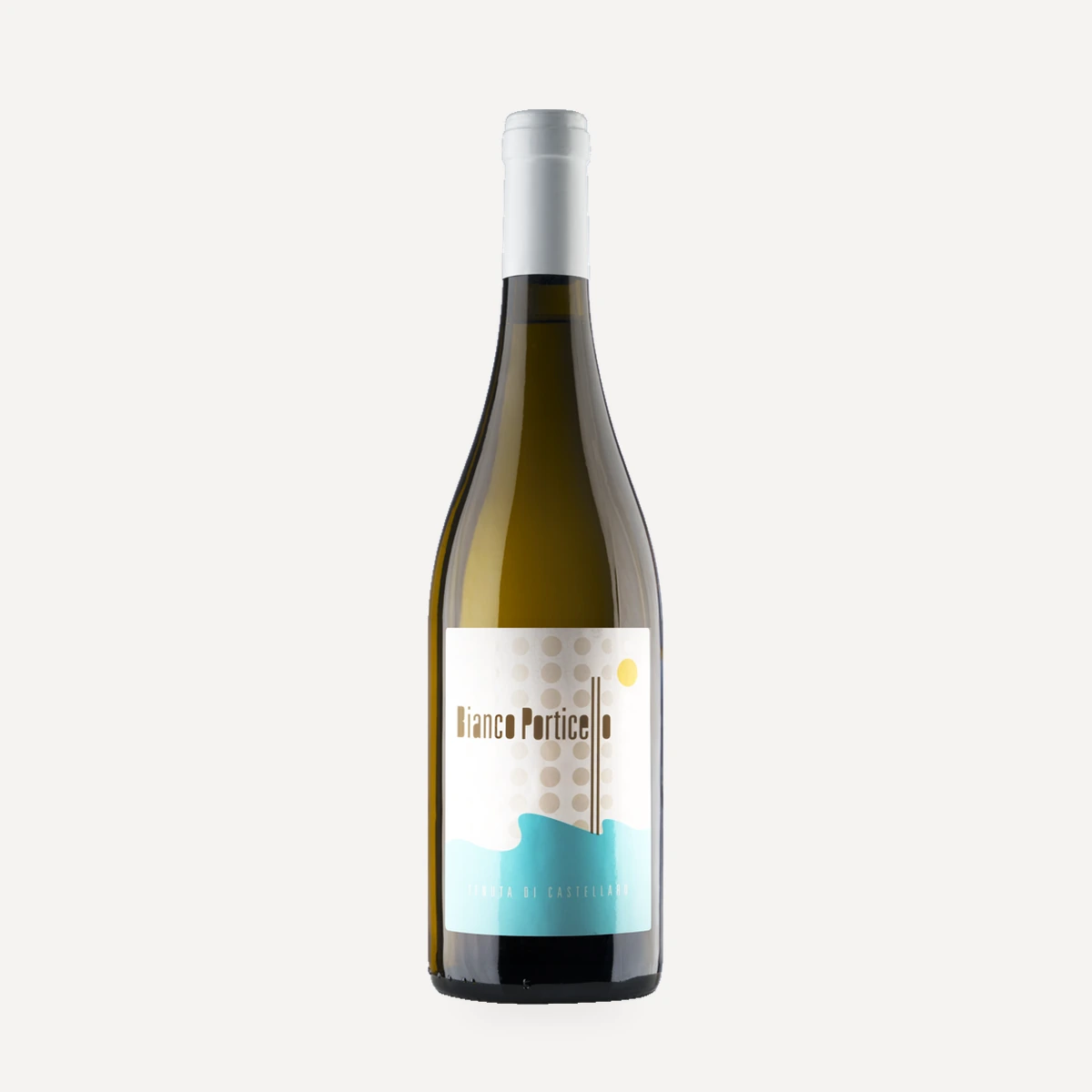
Bianco Porticello
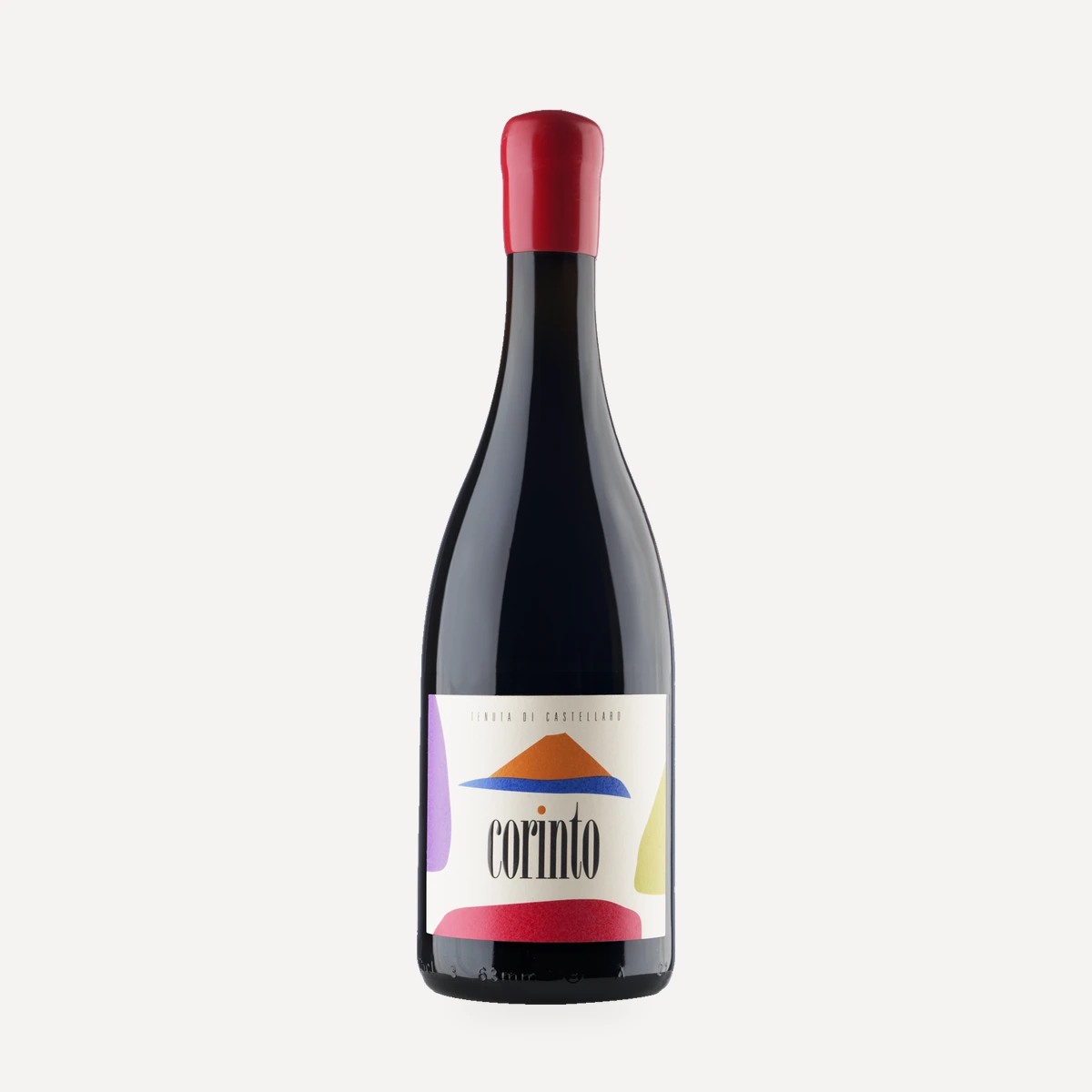
Corinto
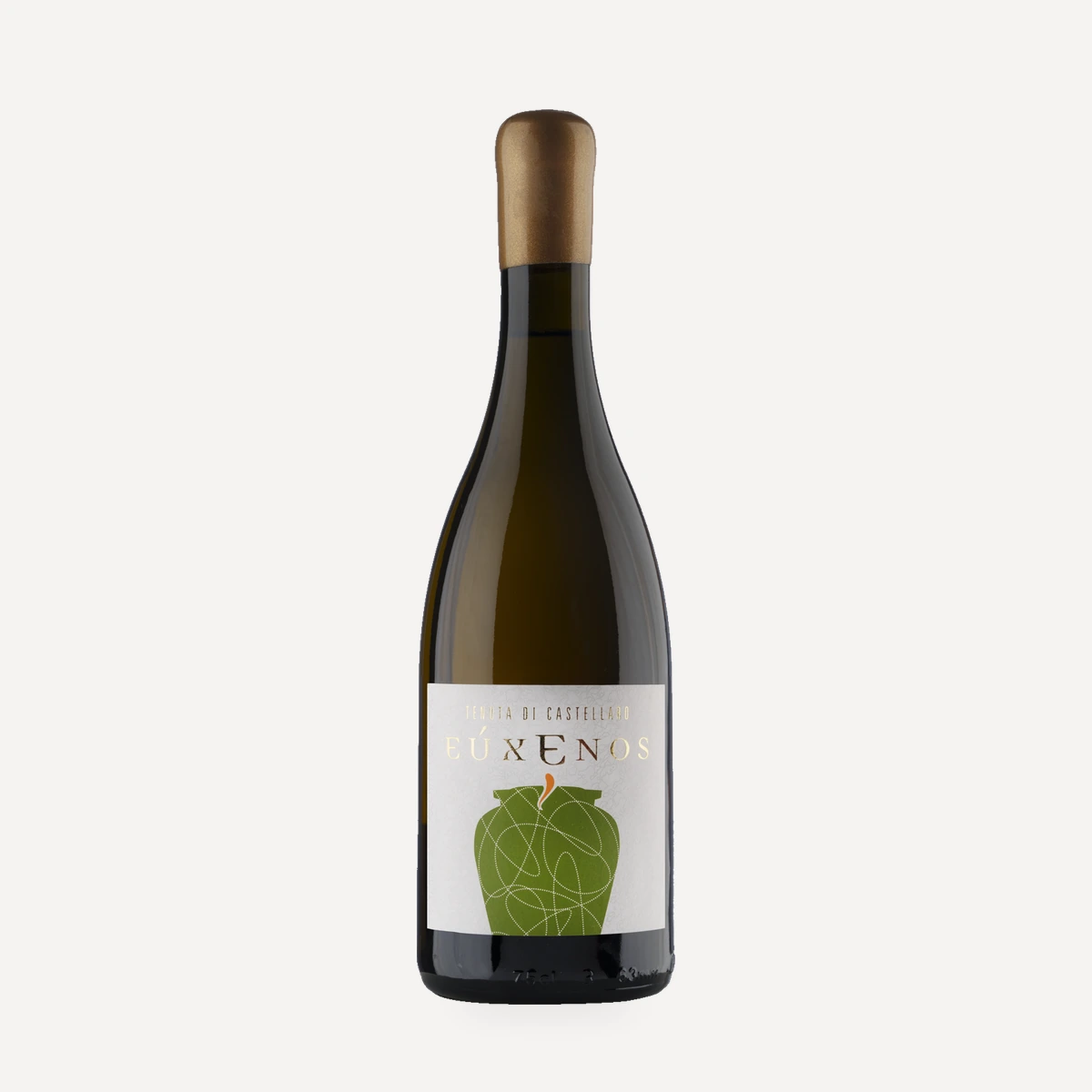
Eùxenos
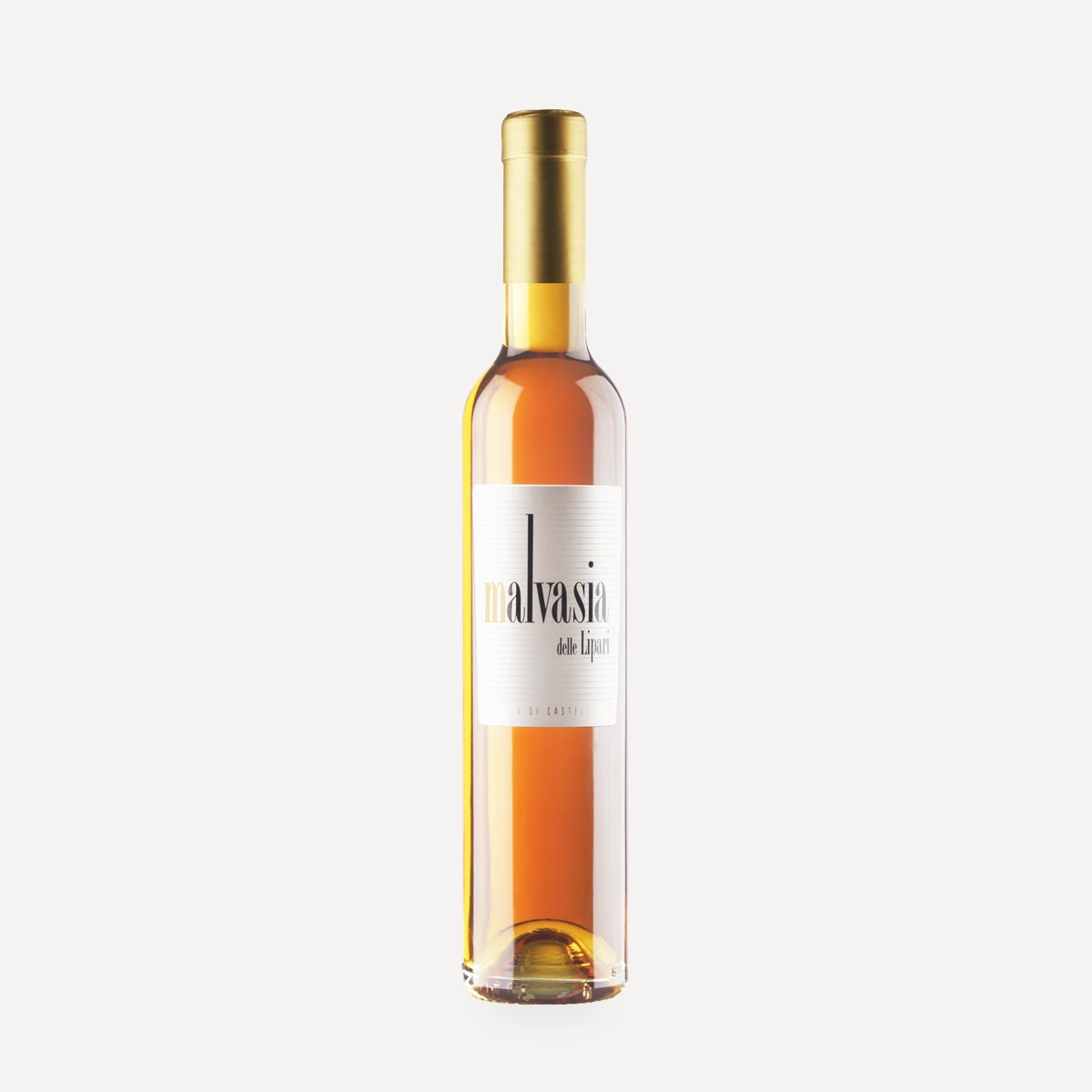
Malvasia delle Lipari DOC
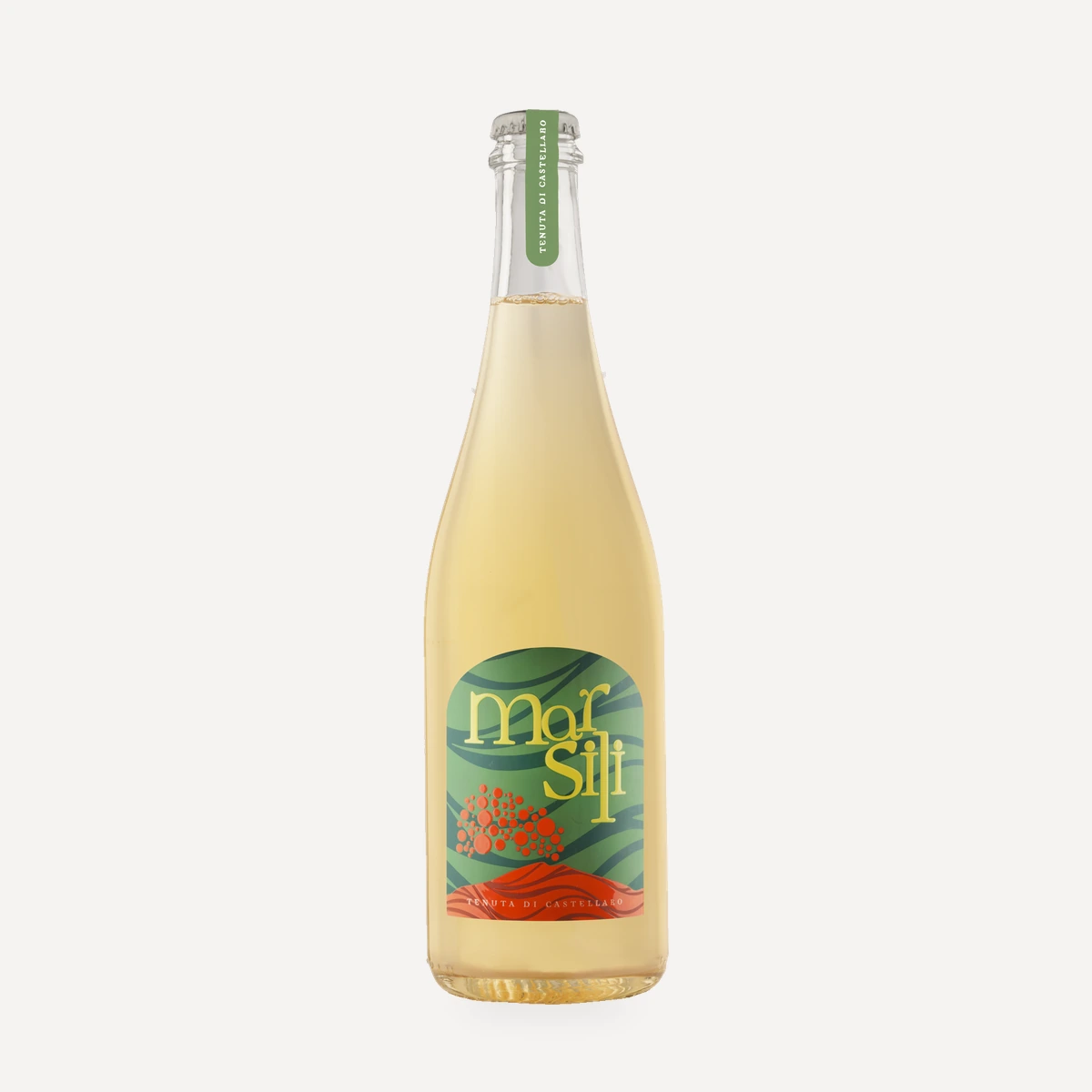
Marsili Bianco
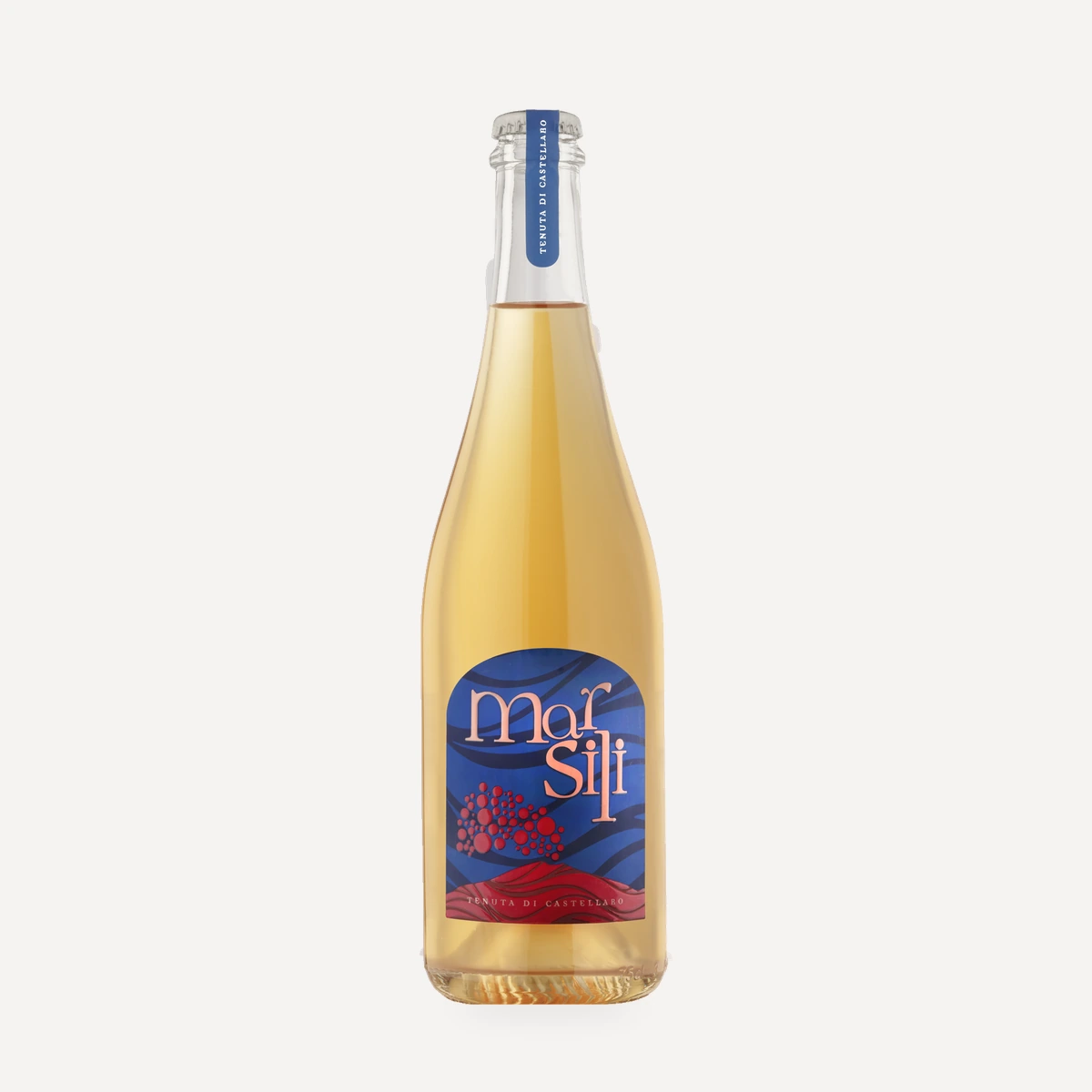
Marsili Rosato
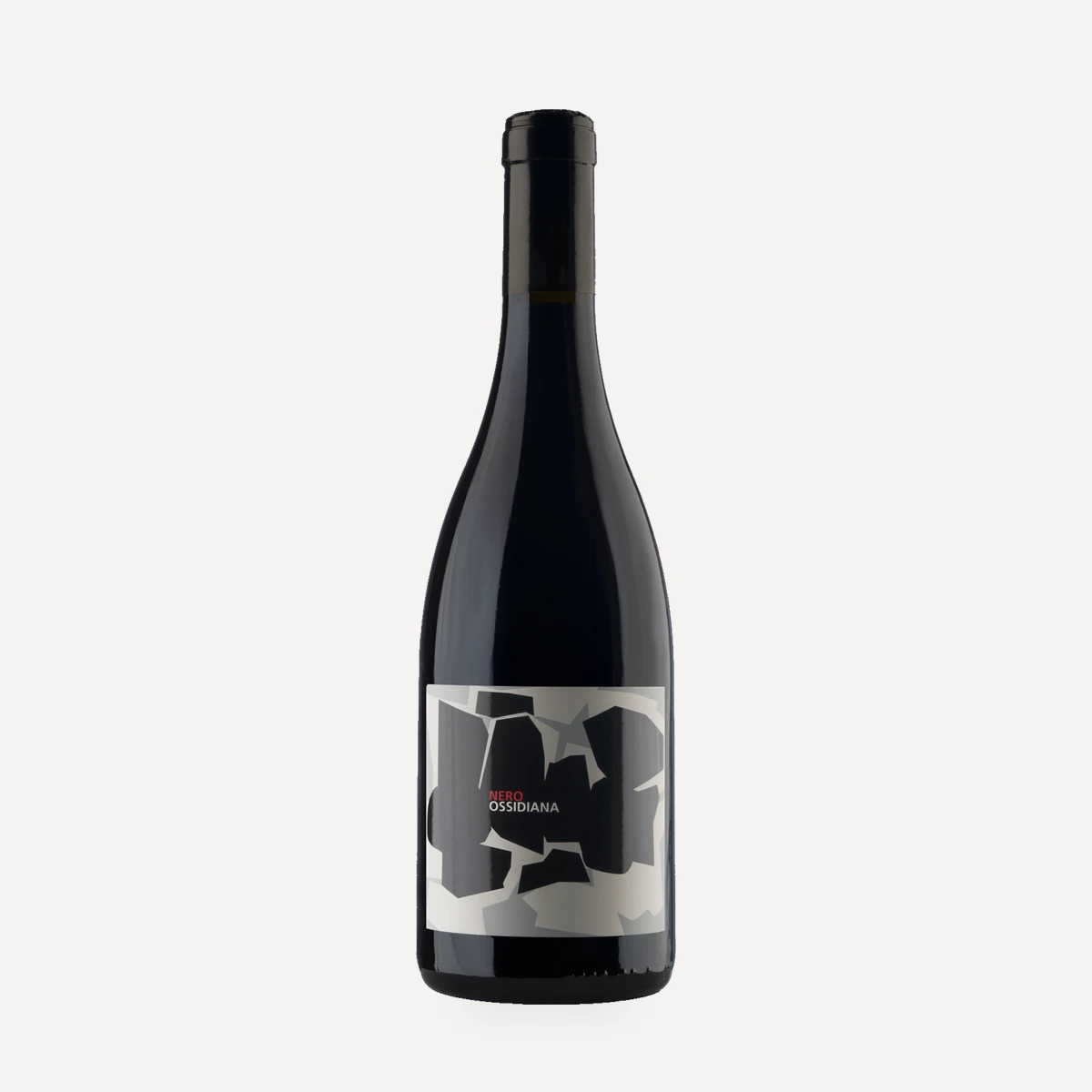
Nero Ossidiana