Storia
Development of the vineyards
Gazzerotta is the largest of the Pellegrino family’s five estates. Its 90 hectares lie inland from Mazara del Vallo and have been assigned principally to Nero d’Avola, complemented by individual vineyards of Grillo, Malbec and Frappato.
A Grillo vineyard was planted in 1981 using the traditional practice of grafting in the field and selecting scion wood from the best mother vines. This parcel, planted with a Pellegrino clone, became the source of Senarìa. A second old Grillo vineyard followed in 1982. Over the ensuing decades, the vines developed substantial trunks and deep roots adapted to the estate’s water and heat stress.
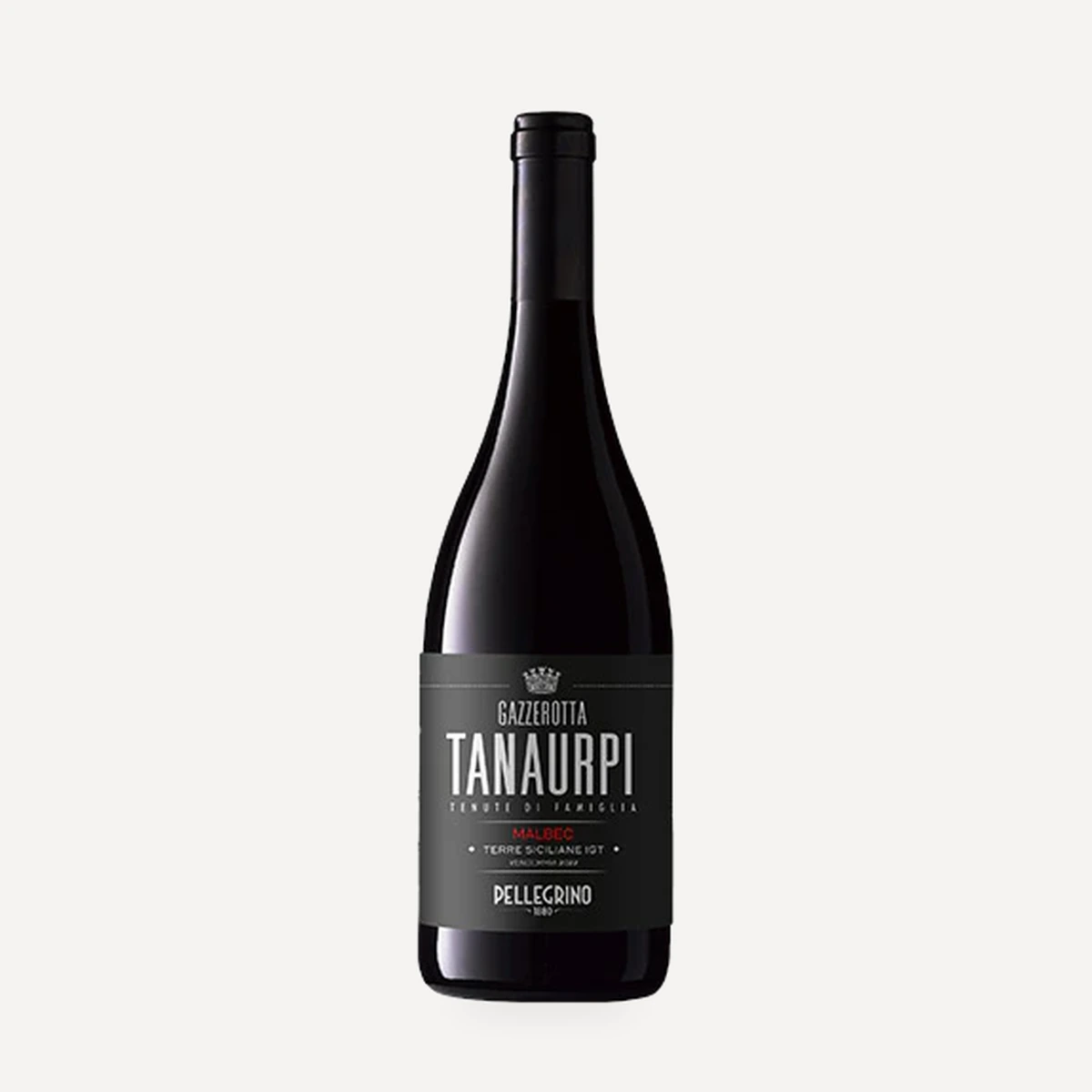
Approximately two decades before the current Tanaurpi release, the family established a small experimental Malbec vineyard at Gazzerotta. A 2.4-hectare Frappato parcel was also selected for Junco, completing the estate’s three single-vineyard projects alongside the older Grillo planting.
The Tenute di Famiglia project
In 2010 Pellegrino began the Tenute di Famiglia project. Seven years of work in the vineyards and cellar were devoted to identifying which cultivar best expressed each family estate’s particular soils, climate, sunlight and wind exposure. The resulting management model applied precision viticulture row by row, with cultivation techniques adapted to each site.
The project’s four original estate crus were presented in April 2017 during the 51st Vinitaly. Gazzerotta represented the family’s inland, clay-rich site and its principal association with Nero d’Avola. Subsequent development consolidated three single-vineyard expressions within the estate: Senarìa from old Grillo, Tanaurpi from the experimental Malbec parcel and Junco from Frappato.
Terroir
Tenuta Gazzerotta occupies 90 hectares in the inland countryside of Mazara del Vallo, in the province of Trapani. At approximately 20 metres above sea level, it is described as a broad plateau and is the largest of the Pellegrino family estates.
The ground is brown, with a clay matrix rich in minerals. In the old Grillo vineyards, the clay-textured soil also contains calcium carbonate, which contributes to soil aggregation. The combination of clay, mineral content and the vines’ deep root systems helps the mature plantings contend with the estate’s restricted water supply.
Distance from the sea exposes Gazzerotta to high maximum temperatures and greater thermal stress than the coastal estates. Summers are dry, light is intense and the site experiences water stress. Limited water during the early stages of berry development produces smaller, more concentrated berries with a higher skin-to-pulp ratio, deeper colour and persistent aromas.
The old Grillo vines have adapted to these conditions through strong structures, large trunks and deep roots that reach natural water reserves. Their traditional supported bush-vine canopy moderates solar stress by shading the bunches from direct radiation. Nero d’Avola, by contrast, receives deliberate leaf removal to increase sunlight exposure.
Vinificazione
Gazzerotta is managed organically as part of the family’s policy of cultivating estate grapes exclusively by organic methods. Organic fertilizers are used in the vineyards. Across the family estates, vineyards coexist with olives, fruit, cereals and vegetables, and agricultural rotation follows the seasonal cycle while returning nutrients to the soil.
The estate forms part of a long-running research program that treats each property as an open-air laboratory. Soil, microclimate, sunlight and wind exposure are evaluated to match varieties and cultivation techniques to individual sites. The resulting precision-management model operates row by row. A clonal-selection project includes Grillo, one of Gazzerotta’s principal single-vineyard varieties.
Canopy management responds to the needs of the individual plantings. Nero d’Avola vines are defoliated and opened around the fruit to accentuate solar exposure. In the old Grillo vineyards, the traditional Sicilian alberello appoggiato or supported bush-vine arrangement positions the canopy to provide maximum protection from direct sunlight. The mature Grillo vines’ deep roots and substantial trunks help them withstand both water and thermal stress.
The Malbec parcel was conceived as an experimental vineyard. Frappato occupies a dedicated 2.4-hectare site, while the old Grillo plantings preserve field-grafted material selected from superior mother vines.
Gazzerotta’s development formed part of the Tenute di Famiglia program, which involved seven years of coordinated work in both vineyard and cellar before the original estate crus were introduced in 2017.
Pellegrino’s Sicilian white and red wines are assigned to the Cardilla winery under oenologist Gaspare Catalano. Founded in 2004, Cardilla contains a 760 m² maturation hall equipped with 20 large wooden casks, 191 barriques and 74 stainless-steel tanks. Its stated storage capacity is 3,129.26 hl in wood and 19,425.2 hl in stainless steel.
The estate material supports two complementary ranges: an estate Nero d’Avola expression and three wines tied to individual Gazzerotta vineyards—old-vine Grillo, experimental Malbec and Frappato. Detailed fermentation, maceration, maturation and bottling protocols are not generalized across these wines.
Filosofia
Gazzerotta embodies the family’s estate-by-estate approach: each property is treated as a field laboratory in which research identifies the soils and microclimates most appropriate to each cultivar. The aim is not to impose one agronomic model across every vineyard, but to manage individual rows according to their climate, soil composition and exposure to sun and wind.
The estate also reflects Pellegrino’s commitment to organic cultivation and stewardship of agricultural land for future generations. Environmental measures extend beyond the vines to organic fertilizers, crop rotation, recyclable materials, glass reuse, photovoltaic power, LED lighting, controlled water consumption and management intended to reduce waste and pollution.
Tradition and experimentation coexist at Gazzerotta. Field-grafted Grillo planted in 1981 and 1982 survives alongside a modern experimental Malbec parcel and a dedicated Frappato vineyard. Traditional alberello appoggiato training protects old Grillo from the sun, while precision canopy work exposes Nero d’Avola according to its different needs.
Vini
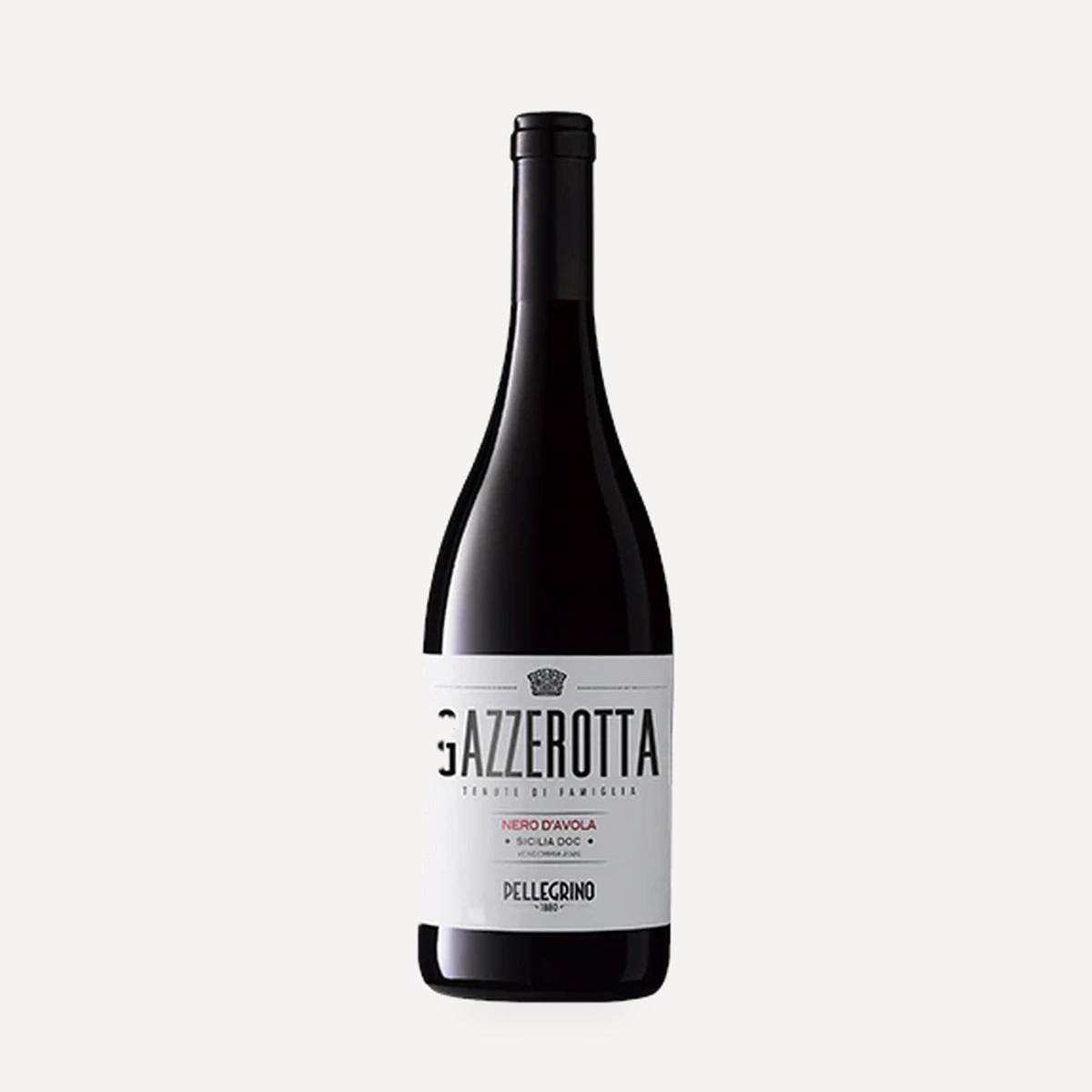
Gazzerotta Nero d’Avola Sicilia DOC
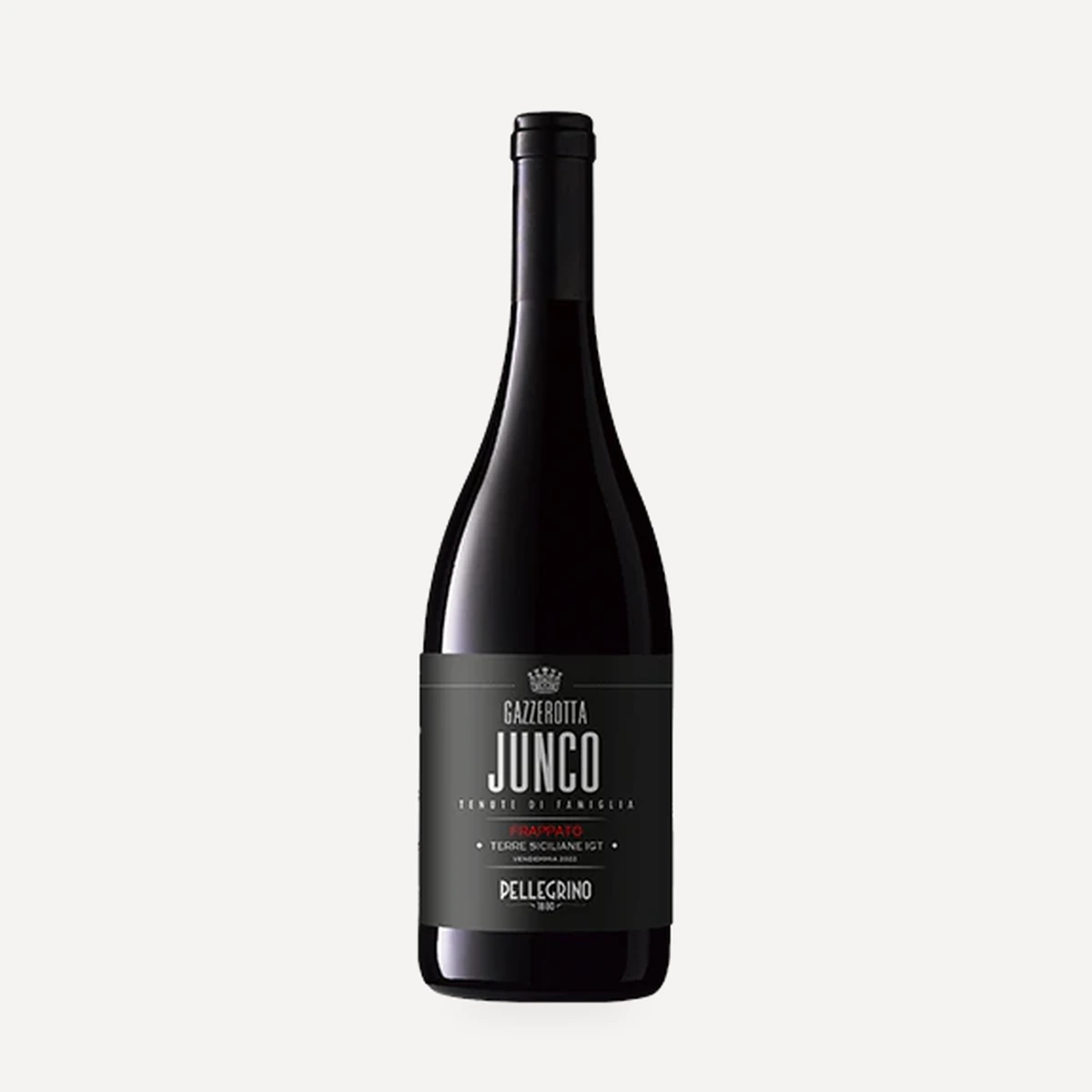
Junco Frappato Terre Siciliane IGT
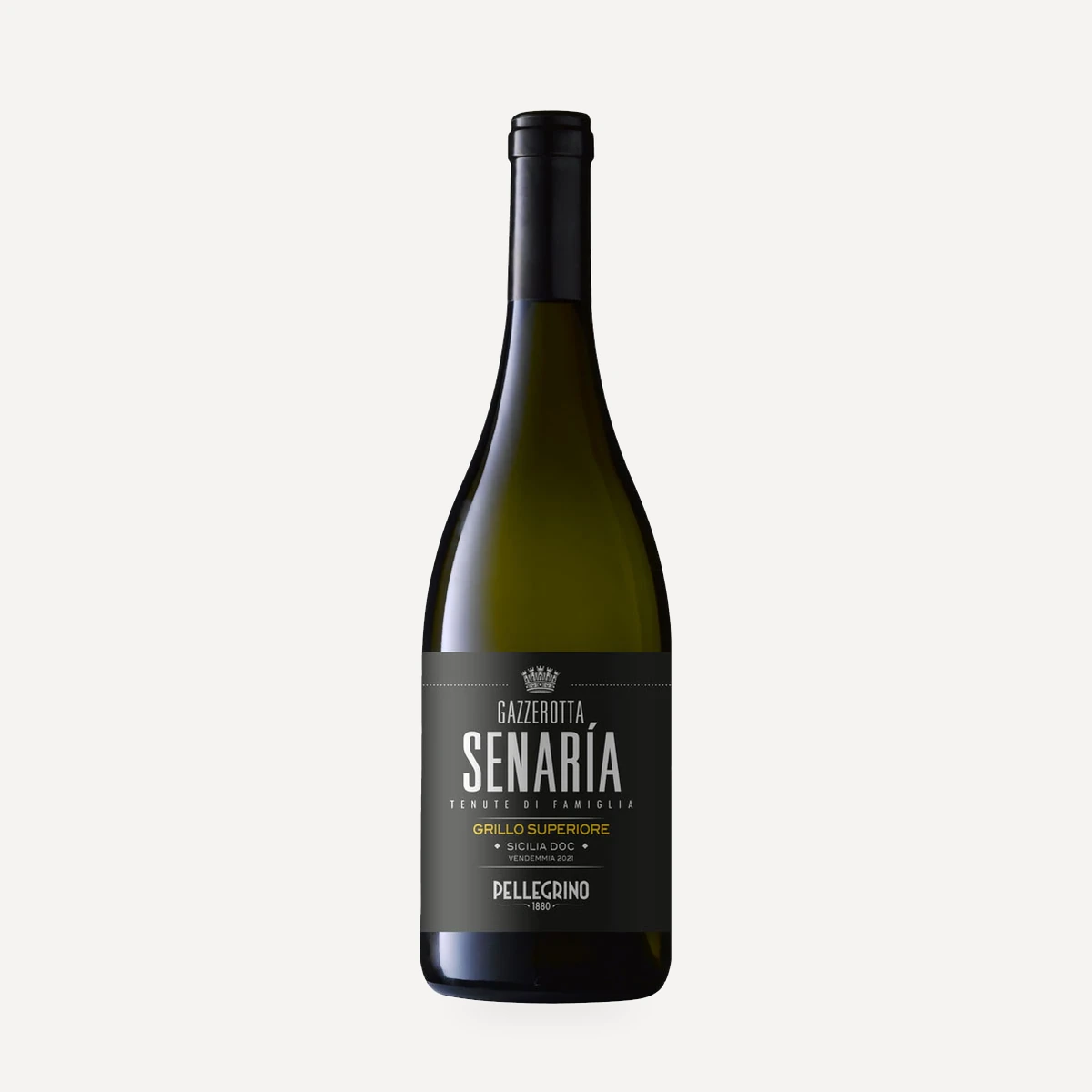
Senarìa Grillo Sicilia DOC