Storia
The founders’ paths
Sophie Sassard comes from Nice and built her career in journalism, working for Reuters and the Financial Times Group. She also co-founded an education-technology company in London. Dino Distefano grew up in Biancavilla, beneath the vineyards on Mount Etna’s south-western slope. His professional background was in computer-science research, alongside creating and selling companies. Neither founder trained as an oenologist.
Meeting in London and returning to Etna
Sophie and Dino met in London over a bottle of wine. Their shared interest in wine eventually led them to make their own. Dino’s connection to Biancavilla made the south-western slope of Etna a return home rather than the selection of an unfamiliar wine region.
The couple now divide their lives between Hackney and Biancavilla. They associate London with ambition, openness and creative independence, while Biancavilla contributes the perseverance of a community accustomed to living and working beneath an active volcano. They learned the practical craft of winegrowing and winemaking through experienced collaborators rather than formal oenology studies.
Continuity since 2016
The same core collaborators have worked with Sophie and Dino since 2016. In the cellar, they work with oenologist Salvo Rizzuto, whose knowledge of the local soils and grape varieties is central to the project.
Vineyard development
A 0.7 ha vineyard in Contrada Vallone Rosso, Biancavilla, was planted in 2019 with Nerello Mascalese at 870 metres. Its first recorded vintage was 2026, introducing an amphora-aged red made without oak.
The estate today
TERRAFUSA remains Sophie and Dino’s long-term personal project and produces approximately 12,000 bottles annually. Its vineyards occupy the less widely explored south-western slope of Etna, combining older vines with newer plantings. Cultivation and harvest are manual, the vineyards are dry-farmed, and pesticides and synthetic inputs are avoided. Cellar work follows a low-intervention approach based on indigenous yeasts, pied de cuve starters and maturation in steel, terracotta or oak according to the intended wine.
The name “Terrafusa” was coined by the founders. It joins the idea of molten lava within the earth with an Italian play on fusa as passionate, eccentric or slightly mad.
Terroir
Position and altitude
The vineyards stand at approximately 870 metres on Mount Etna’s south-western slope, above Biancavilla. The location combines one of Europe’s more southerly latitudes with mountain-like altitude. This tension between abundant southern light and cooler high-elevation conditions defines the growing environment.
Exposure, light and temperature
A southerly exposure provides sustained light through the day. The prolonged illumination supports complete sugar and phenolic ripening and promotes even skin development. Altitude moderates and slows this process: cooler nights preserve acidity and reduce the risk of excessively rapid maturation. The combination can produce structured, concentrated grapes while retaining freshness and balance.
Marked temperature variations are part of the site. Older vines have adapted over time to these fluctuations, as well as to poor soils and water stress.
Volcanic soils
The ground consists of volcanic ash and ancient lava. The south-western slope rests on some of Etna’s oldest lava flows. Centuries of decomposition have allowed minerals from these formations to become integrated into the soil. The estate associates these mature volcanic soils with the depth and mineral character of its wines.
Old vines
Older Nerello Mascalese and Carricante vines are present, including alberello-trained Nerello Mascalese. Their long adaptation to poor volcanic ground, water stress and strong temperature swings gives them greater productive stability. TERRAFUSA regards this stability as a basis for more consistent, expressive grapes requiring fewer corrective interventions.
Vinificazione
Vineyard cultivation is entirely manual. Pesticides and other synthetic chemical agents are excluded, and the vines are grown without irrigation. This approach demands greater attention and more time in the vineyard but is intended to deliver sound, intact and naturally balanced fruit, thereby limiting the need for corrective cellar work.
The harvest is performed by hand. Its timing is determined by the phenolic maturity required for the intended wine rather than by operational convenience. Bunches are selected during picking so that only suitable fruit proceeds to vinification.
Older vines have adapted to nutrient-poor volcanic ground, water stress and pronounced temperature changes. Their resulting productive stability is valued for consistency and site expression. No organic or biodynamic certification is specified.
From vineyard to cellar
Cellar work is conceived as a continuation of vineyard cultivation: the aim is to accompany the fruit rather than construct a wine through correction. Manually harvested bunches are selected during picking. Harvest dates are chosen according to phenolic maturity and the intended character of each label.
Indigenous fermentation
Fermentation is initiated with a pied de cuve prepared exclusively from indigenous yeasts naturally present on the grape skins. TERRAFUSA accepts the practical risks of this method—including slow fermentation, arrested fermentation and possible deviations—because it considers the native microbial population integral to transmitting the vineyard’s identity. The resulting wines are associated with broader aromatic development, fuller structure and natural suppleness.
Steel and terracotta
Primary fermentation takes place in stainless steel or terracotta according to the wine. Neutral steel is used to preserve freshness and primary aromas. Porous terracotta permits natural micro-oxygenation, enabling gradual development without introducing the flavour of a vessel material.
Selected whites and a red undergo skin maceration in terracotta. For white grapes, this produces an orange-wine style. The extended contact extracts colour, tannins and aromatic compounds, adding structure and ageing capacity. Micro-oxygenation through the amphora is intended to help balance anthocyanins and tannins and develop a softer texture.
Maturation
Maturation takes place in either terracotta or oak. The cellar uses oak barrels ranging from 225 to 500 litres and from first through fifth use. Oak is employed to soften tannins and stabilize the wine while avoiding domination of its aromatic profile. Terracotta is selected when freshness, continuity and unmasked expression are priorities.
Depending on the label, the final stage includes more than one year of bottle rest before release. This period allows the wine’s components to integrate and reach a naturally balanced, stable state.
Filosofia
TERRAFUSA treats good wine as the outcome of vineyard work rather than cellar construction. Its central principle is to follow the grapes and the conditions of the place instead of forcing or correcting them. Manual cultivation, dry farming, the exclusion of pesticides and synthetic inputs, selective hand harvesting and indigenous fermentation form a connected method rather than separate technical choices.
The founders accept that spontaneous fermentation can be slow, stop unexpectedly or develop unpredictably. They regard that risk as preferable to suppressing the character of the fruit and its native yeasts. Steel, terracotta and wood are selected according to the needs of each wine: vessels should guide texture and development without obscuring origin.
Older vines are valued for the equilibrium developed through long exposure to poor volcanic soils, water stress and large temperature changes. The less intervention those vines require, the more clearly the founders believe they can express the south-western Etna site.
The project also draws on the founders’ two homes. Hackney represents creative independence, ambition and openness; Biancavilla represents persistence and the ability to work with difficult natural conditions. Curiosity, patience and a willingness to do things independently shape the estate’s continuing development.
Vini
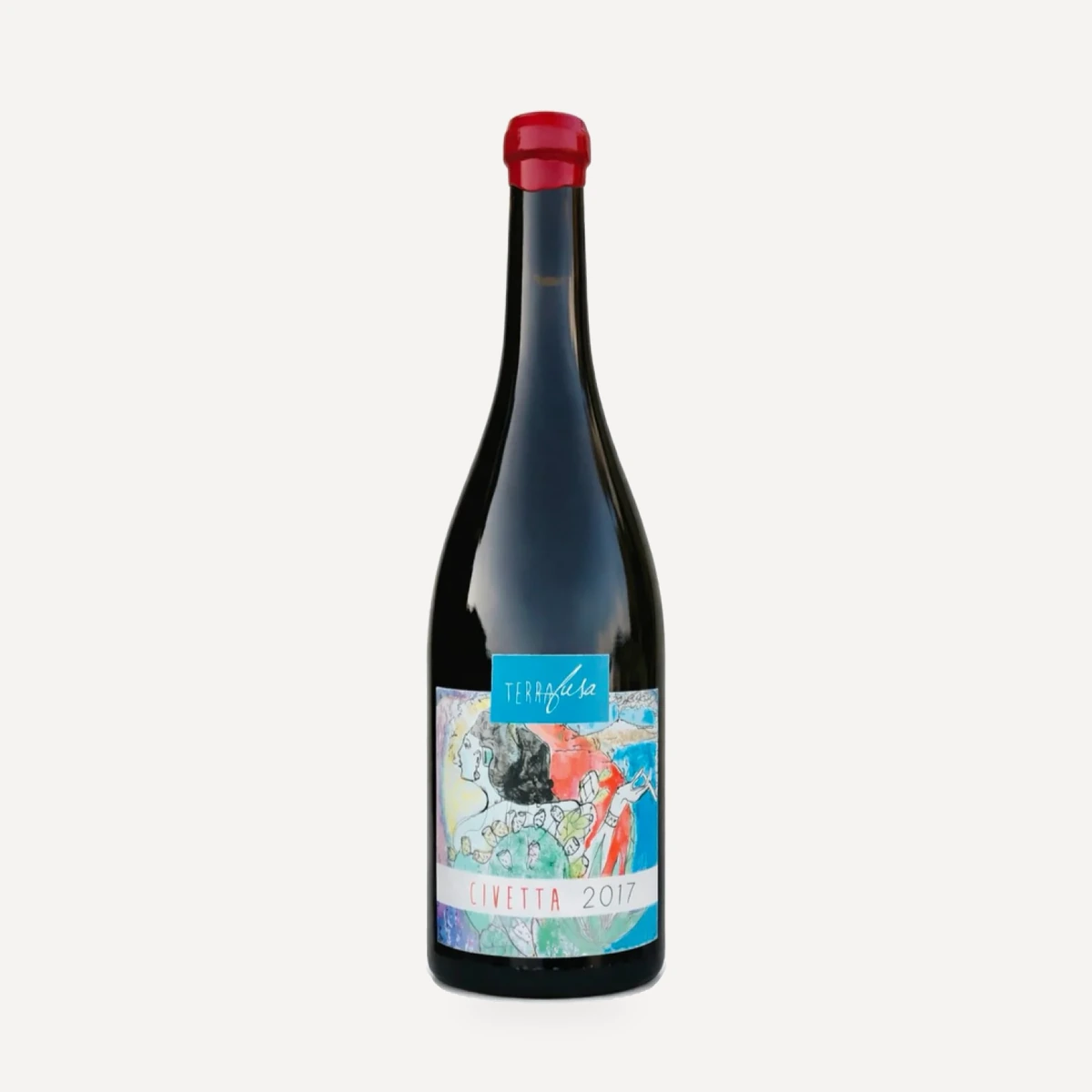
Civetta
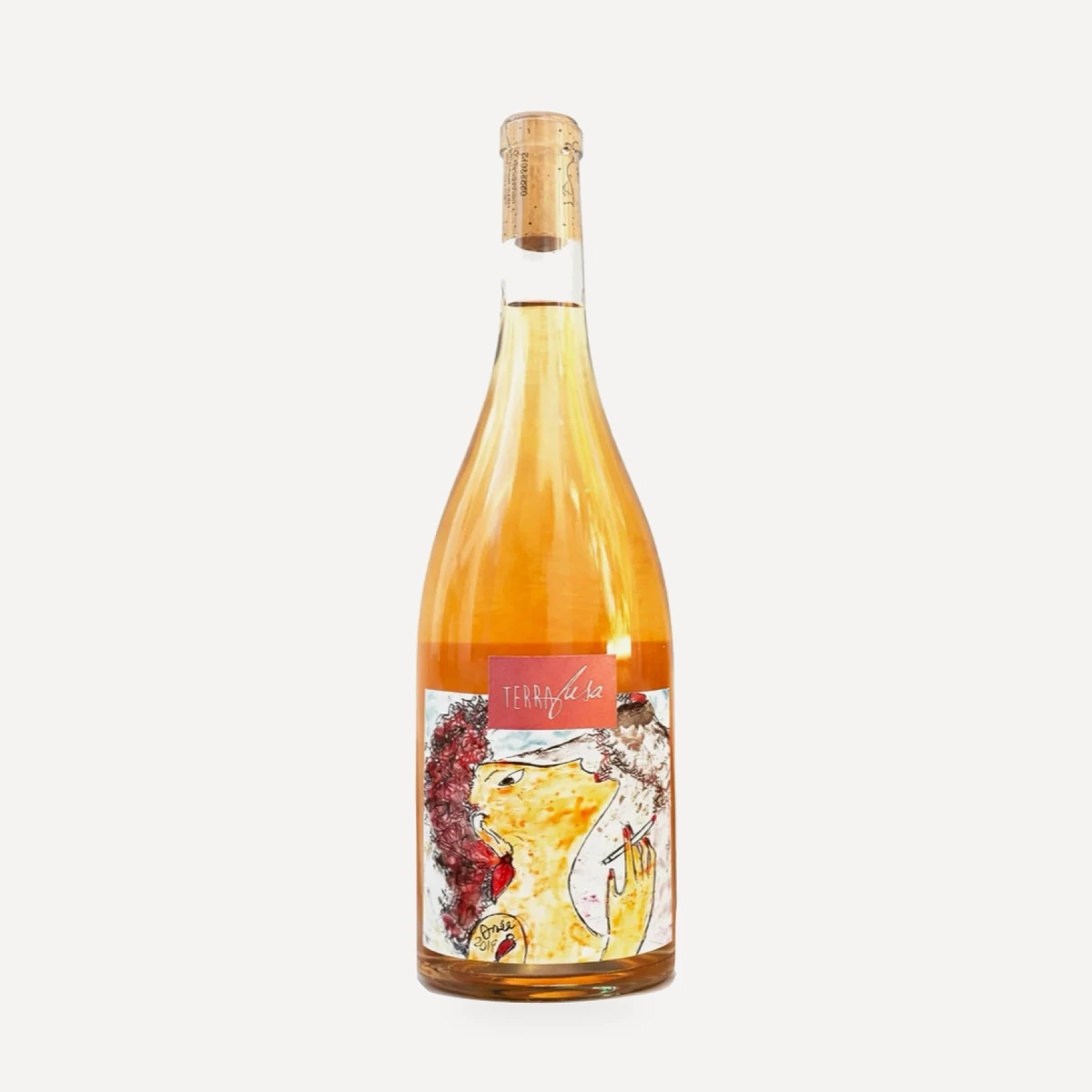
Osée
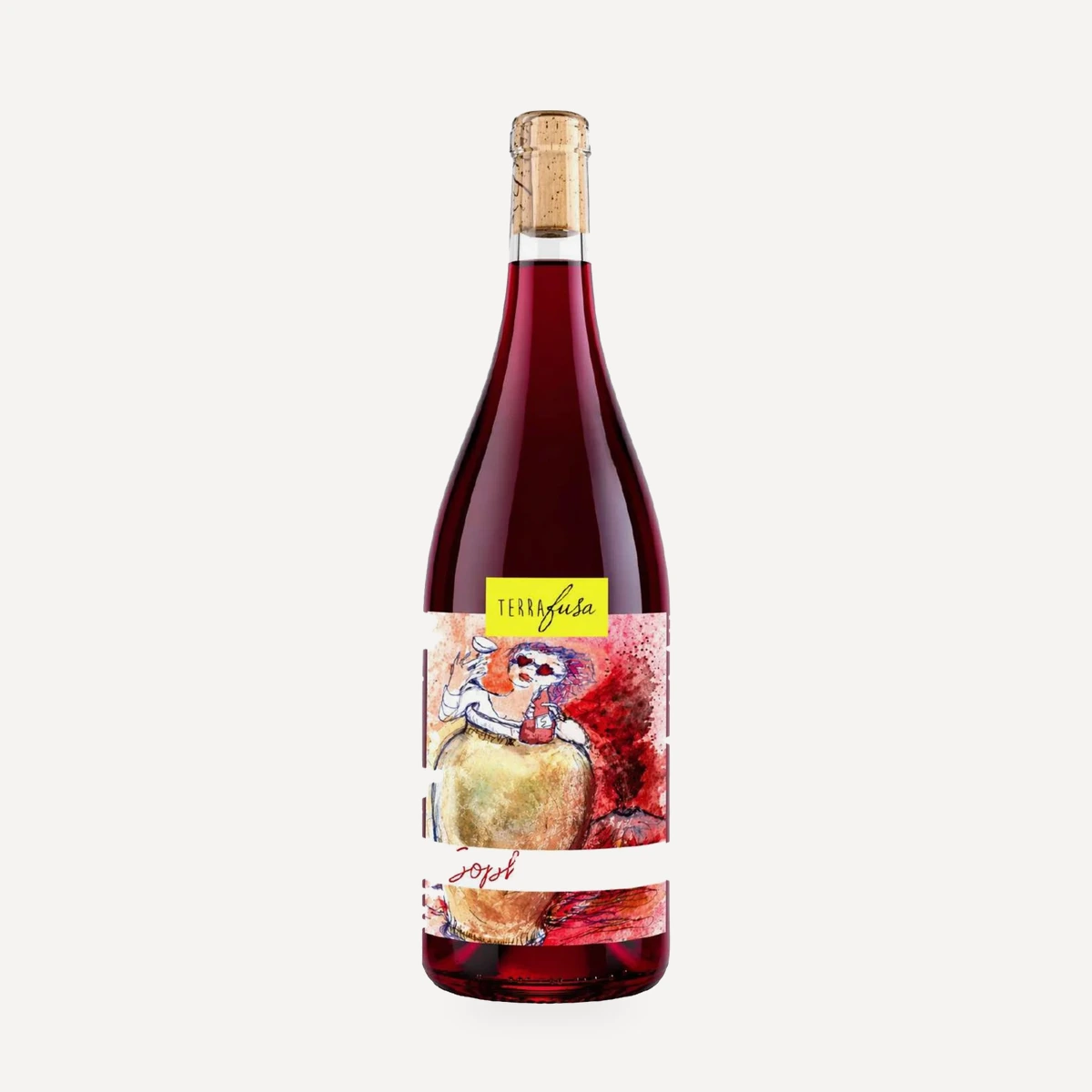
Sophie