Storia
The search for a place on Etna
In 2007, after several years spent looking for a suitable site, Palermo engineer Antonio “Nino” Bevilacqua turned his attention to Mount Etna on the advice of Sicilian producer friends. He negotiated with the numerous small owners among whom this part of the countryside had been divided and purchased vineyards on the volcano’s north-western side.
In January 2008 he chose a landscape in Contrada Bocca d’Orzo made up of lava, woods, stone terraces and the ruins of old palmenti. The property had been abandoned and overgrown with brambles. Bevilacqua acquired its small plots individually and began an agricultural and environmental restoration rather than levelling the land into a single mechanised vineyard. Scrub was removed, surviving old alberello vines were recovered, dry-stone walls and terraces were rebuilt, and new small vineyard parcels were planted. Traditional rural buildings, agricultural stores and palmenti were restored while retaining their original appearance and were adapted to the estate’s new functions.
Bevilacqua personally directed the design and development of the property. At the beginning of the project he invited enologist Riccardo Cotarella to see the site and proposed a division of responsibilities: Bevilacqua would oversee its agricultural and environmental recovery, while Cotarella would concentrate on wine quality. Agricultural consultant Lucio Brancadoro supervised the extensive manual work required in the vineyards.
First production in 2008
Terrazze dell’Etna was formally established in 2008 as a shared Bevilacqua family project intended to unite wine, the Etna landscape and, later, hospitality. By October, the first bottles and labels had been produced. The inaugural wines were Cirneco and two traditional-method sparkling wines, Rosé and Cuvée. The 2008 harvest was also the first vintage of the estate’s Nerello Mascalese red.
The initial range focused on Nerello Mascalese, Chardonnay and Pinot Nero. Nerello Mascalese supplied the still Etna Rosso, while Chardonnay and Pinot Nero were used for the two Metodo Classico sparkling wines. Production at the beginning of the following decade amounted to only a few tens of thousands of bottles, sold mainly in Italy.
Development of the range and market
The packaging project was completed in 2012, when the estate formally approached the market with its first commercial releases. The range subsequently expanded with Carusu, Cratere, Ciuri, Rosato and Pinot Nero. The objective was to combine high quality with a production scale of at least 100,000 bottles, considered sufficient to give the enterprise economic efficiency while remaining limited.
In April 2014, Nino Bevilacqua’s daughter Alessia joined the project as head of development and communication. Her work also included close attention to grape production, vineyard conditions and the state of the soils. By 2016 the vineyards covered 36 ha, combined old and new plantings and supported a reported production of 180,000 bottles. Consulting enologist Riccardo Cotarella was working with winemaker Pier Giuseppe Carucci.
First decade
On 17 November 2018, the family celebrated the estate’s tenth anniversary. At that time the vineyard was reported at 38 ha, rising almost vertically through the terraces toward 1,000 metres. The property included the winery outside Randazzo, private houses, hospitality facilities and a palmento at approximately 700 metres. The anniversary programme included a vertical tasting of Cirneco from the 2008, 2009, 2011 and 2012 harvests, four Metodo Classico sparkling wines and five other wines. Nino Bevilacqua and Riccardo Cotarella led the tasting with sommelier Nando Papa.
Expansion and sustainability
The estate subsequently reached approximately 40 ha and a range of 11 wine types. In 2023 it acquired a further 5.5 ha, contributing to increased volumes in the 2024 harvest and creating room for new projects.
By 2024 the estate had fully adopted the protocols of an organic regime. Its environmental programme extended from vineyard management to the winery and hospitality facilities. A 100 kW photovoltaic installation, developed with C.S. Group, was designed to generate 150,000 kWh of renewable electricity annually and avoid approximately 80,000 kg of carbon-dioxide emissions per year.
Wine, accommodation and visitor experiences now form parts of the same family project. The Bevilacqua family continues to guide the estate with a team of technicians, consultants, vineyard workers and hospitality staff collectively described as its “winefamily.”
Terroir
Terrazze dell’Etna occupies the slopes of Mount Etna around Bocca d’Orzo in the municipality of Randazzo. The principal descriptions place it on the volcano’s north-western side, within Etna Natural Park. Its terraced vineyards rise through a broad vertical range, from approximately 350 to 950 metres above sea level; a 2018 account described the upper limit as close to 1,000 metres.
The vineyards grow on an active volcanic landscape. Lava rock slowly disintegrates into ash, black powder and volcanic sand, forming dark soils associated with a pronounced mineral expression. Individual sites differ: Statella is explicitly rocky, while the other named contrade are distinguished primarily by elevation and their resulting expressions.
Altitude exposes the terraces to strong sunlight, rainfall described as six to ten times that of the rest of Sicily, and temperature variations exceeding 30°C. Cold air descending from the summit and the shadow cast by the mountain over the vineyards create a distinctive microclimate. The combination of elevation, exposure and fragmented lava-derived soils produces marked differences among contrade and parcels.
The estate forms an amphitheatre of restored stone terraces bordered by woods and old lava flows. Human cultivation and volcanic forces are treated as inseparable parts of the landscape. Etna’s natural territory received UNESCO World Heritage recognition in 2013, and the estate lies within the protected park.
Vinificazione
The original stone terraces were recovered through a naturalistic architectural intervention and are cultivated by hand. Local vineyard workers perform every stage requiring manual dexterity, including pruning, tying and harvesting. The steep slopes and rough terrain make mechanised harvesting impractical.
At the end of winter, sheep graze the grass between the vines. Vineyard teams then hoe soil softened by the flock’s passage. These operations follow the seasonal cycle and combine animal grazing, manual soil cultivation and the maintenance of the traditional terraced landscape.
Harvest timing varies with elevation and grape variety. A documented harvest sequence began with Pinot Nero and Chardonnay, continued with Nerello Mascalese intended for rosé and ended with Nerello Mascalese for red wine, sometimes in the latter part of October. In 2024 all grapes were picked manually. Ripening was approximately one week later than in preceding years, and the harvested fruit was healthy after a hot season with intense spring rain.
The estate had fully adopted organic-regime protocols by 2024. Its stated approach is to follow each season, allow natural conditions to guide cultivation decisions and seek the lowest practical environmental impact. Vineyard care is framed as stewardship of the soil, terraces, old vines and surrounding Etna Park landscape.
All wines are produced, matured and bottled in the estate’s central winery. The building contains the principal processing and ageing spaces, a barrel cellar equipped with French oak, and a dedicated pupitre room for traditional-method sparkling wine.
Still-wine maturation takes place either in stainless steel or in third- and fourth-use French oak tonneaux. The restrained use of seasoned wood is intended to preserve the expression derived from the volcanic ground. Traditional French oak work is combined with modern cellar equipment and energy-conscious practices.
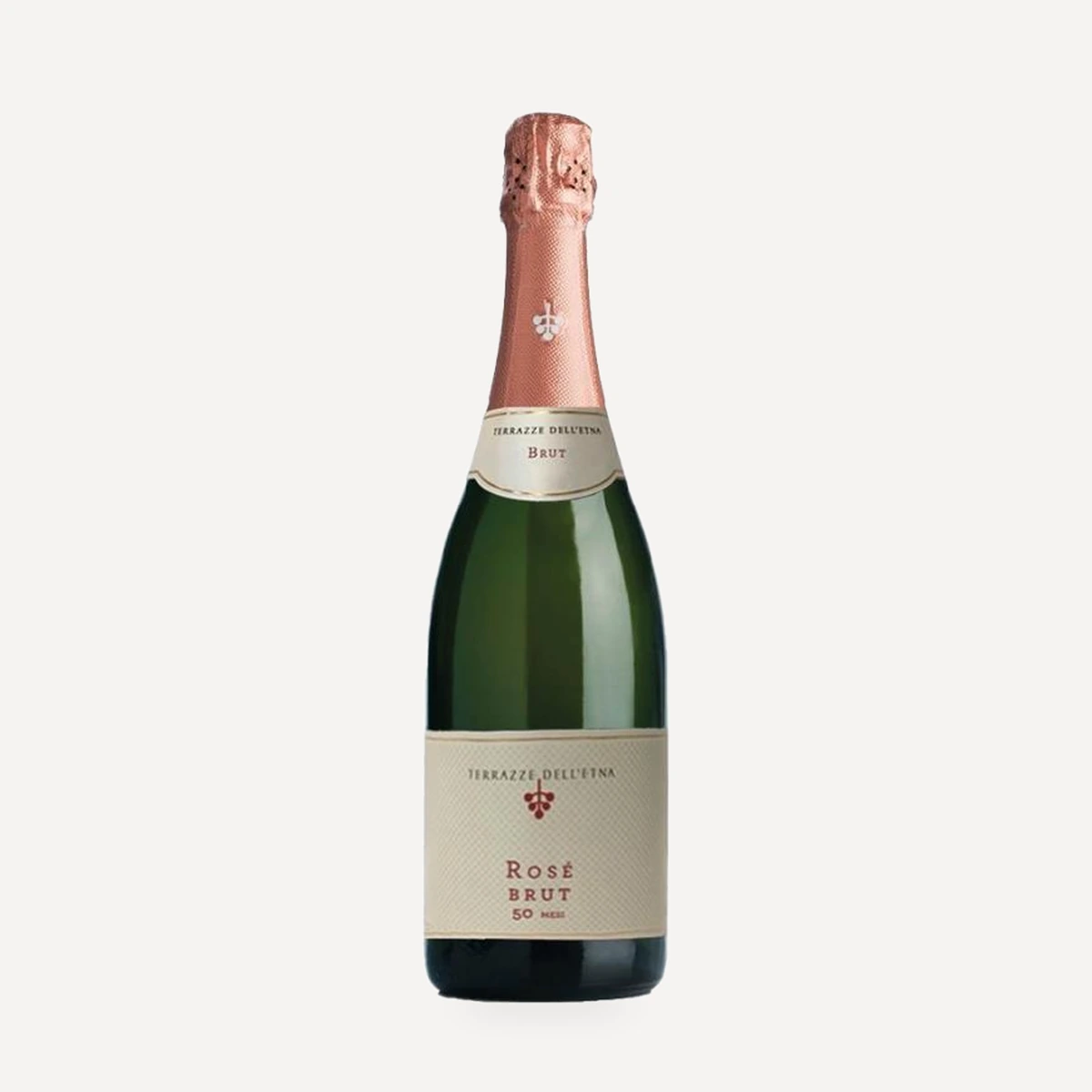
Metodo Classico is central to the estate’s history. The current sparkling range comprises four wines: Chardonnay-based Blanc Brut and Pinot Nero–Nerello Mascalese Rosé Brut, each in versions aged for 36 or 50 months on the lees. Selected yeasts and cane sugar are used for secondary fermentation. Bottles rest protected from light and are periodically turned by hand on pupitres during remuage. Dégorgement is performed manually, followed by at least one additional month of bottle maturation before release.
Thirty-six months on the lees is used to develop further aromas while retaining freshness. The 50-month period is intended to give greater complexity, depth and ageing capacity. The estate also employs parcel and contrada micro-vinifications to capture differences within the volcanic landscape.
Filosofia
Terrazze dell’Etna presents wine as a family undertaking and as a faithful narration of its place of origin. Its central principle is stewardship: protecting the natural setting, reviving old vineyards and agricultural structures, and respecting the rhythms of the soil rather than forcing the landscape into a more easily mechanised form.
The estate links tradition with contemporary technology. Traditional terraces, manual cultivation, French oak, pupitres and hand disgorgement coexist with a modern winery, micro-vinification and renewable-energy investment. Technology is intended to support precision and sustainability without weakening the identity of individual elevations and contrade.
Patience and observation are treated as working methods. The team seeks to respond to the season, the rows and the changing condition of the land. Wine is understood as a custodian and narrator of its origins, while the relationship between people, vineyards and family is presented as the foundation of the project.
The cellar’s architectural and aesthetic programme extends this philosophy beyond production. Art, architecture and wine are conceived as connected forms capable of creating harmony, and that relationship is carried through the production chain and visitor experience.
Vini
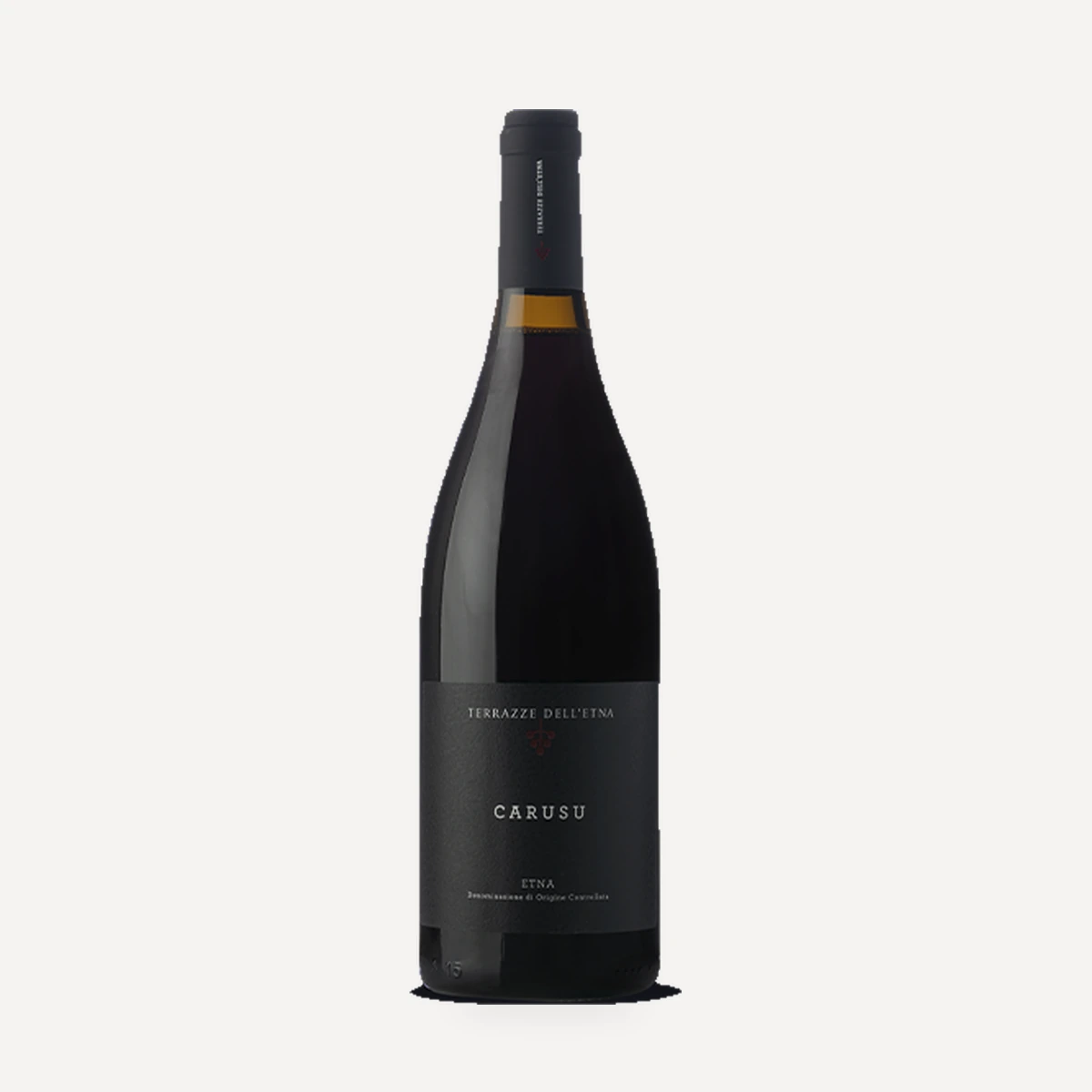
Carusu
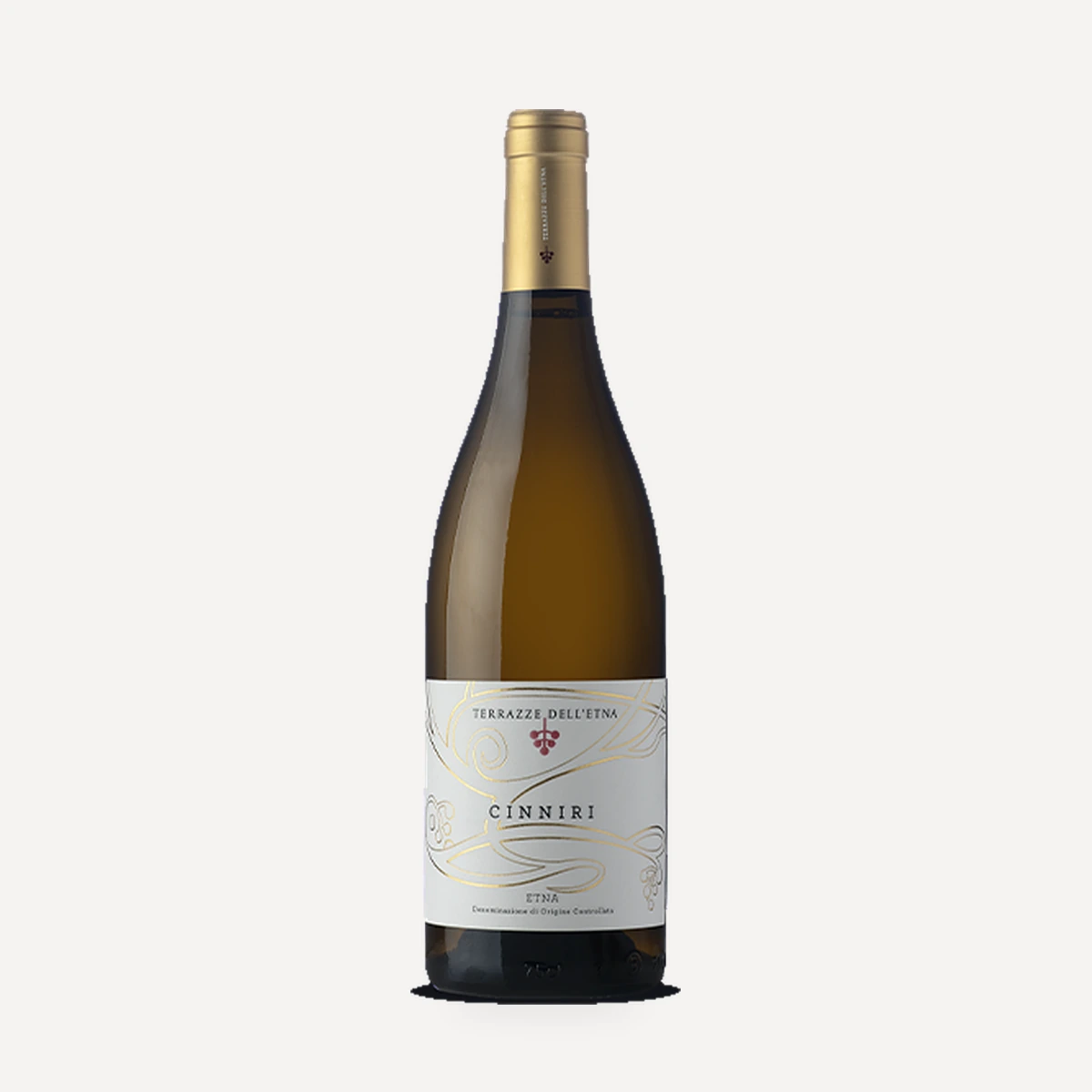
Cinniri
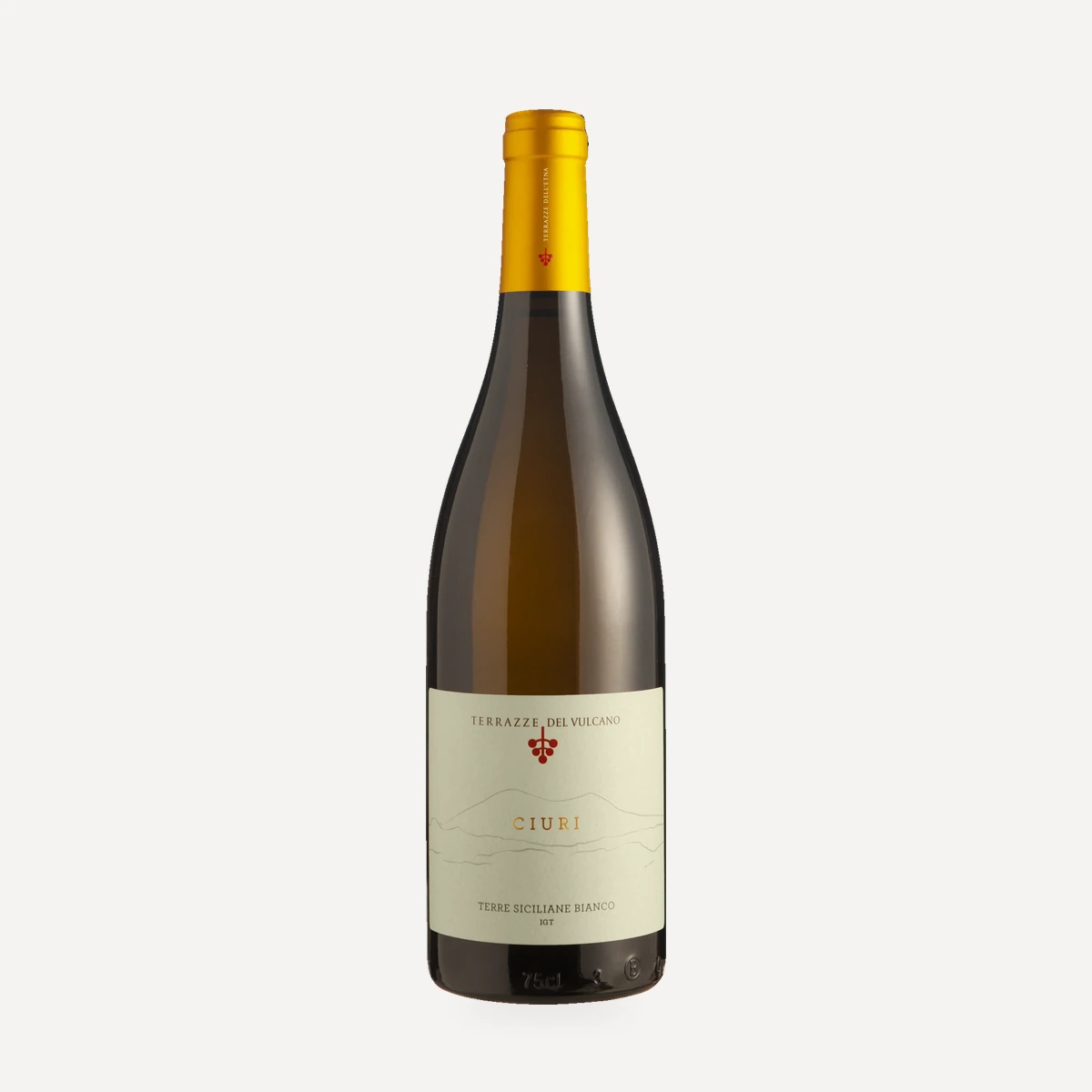
Ciuri
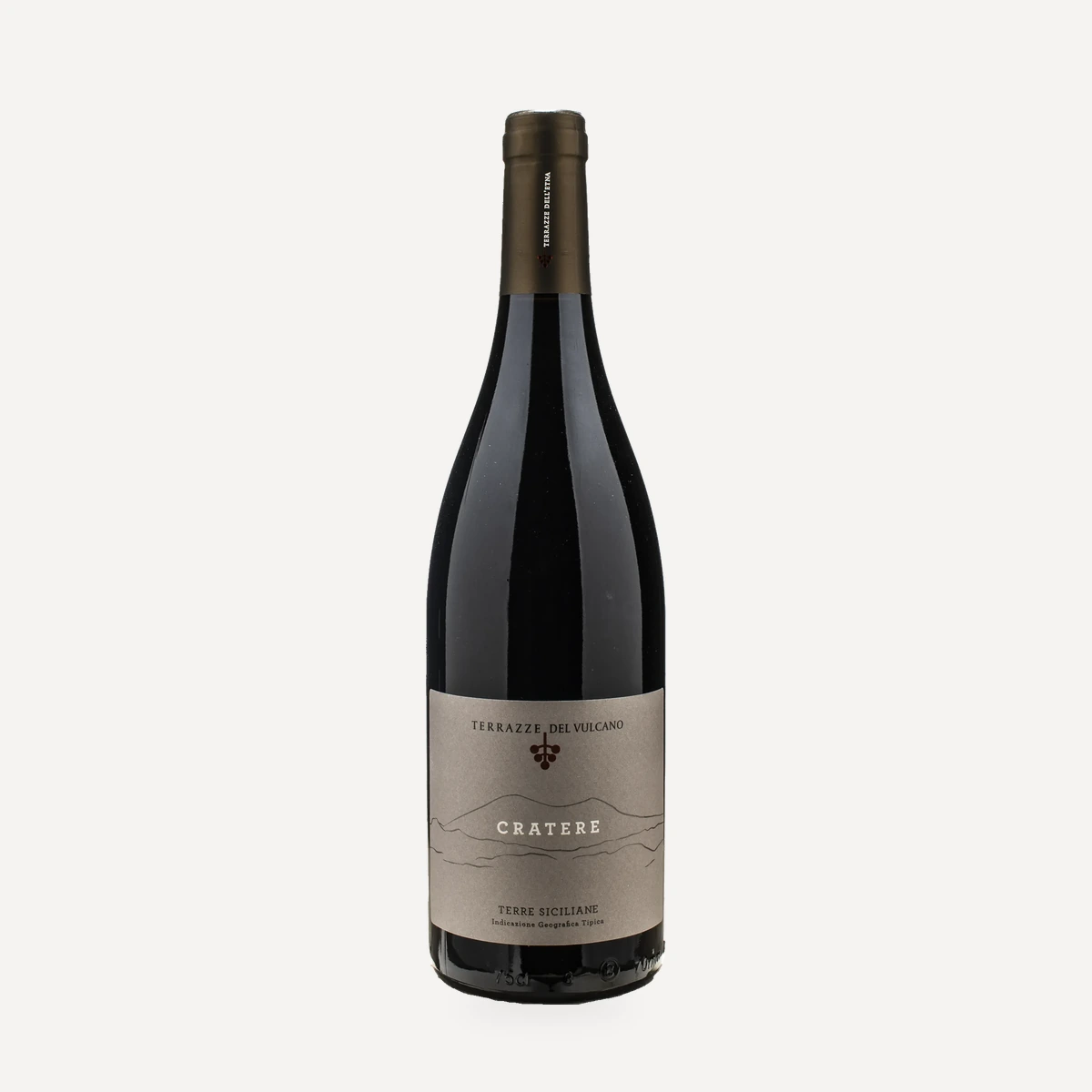
Cratere
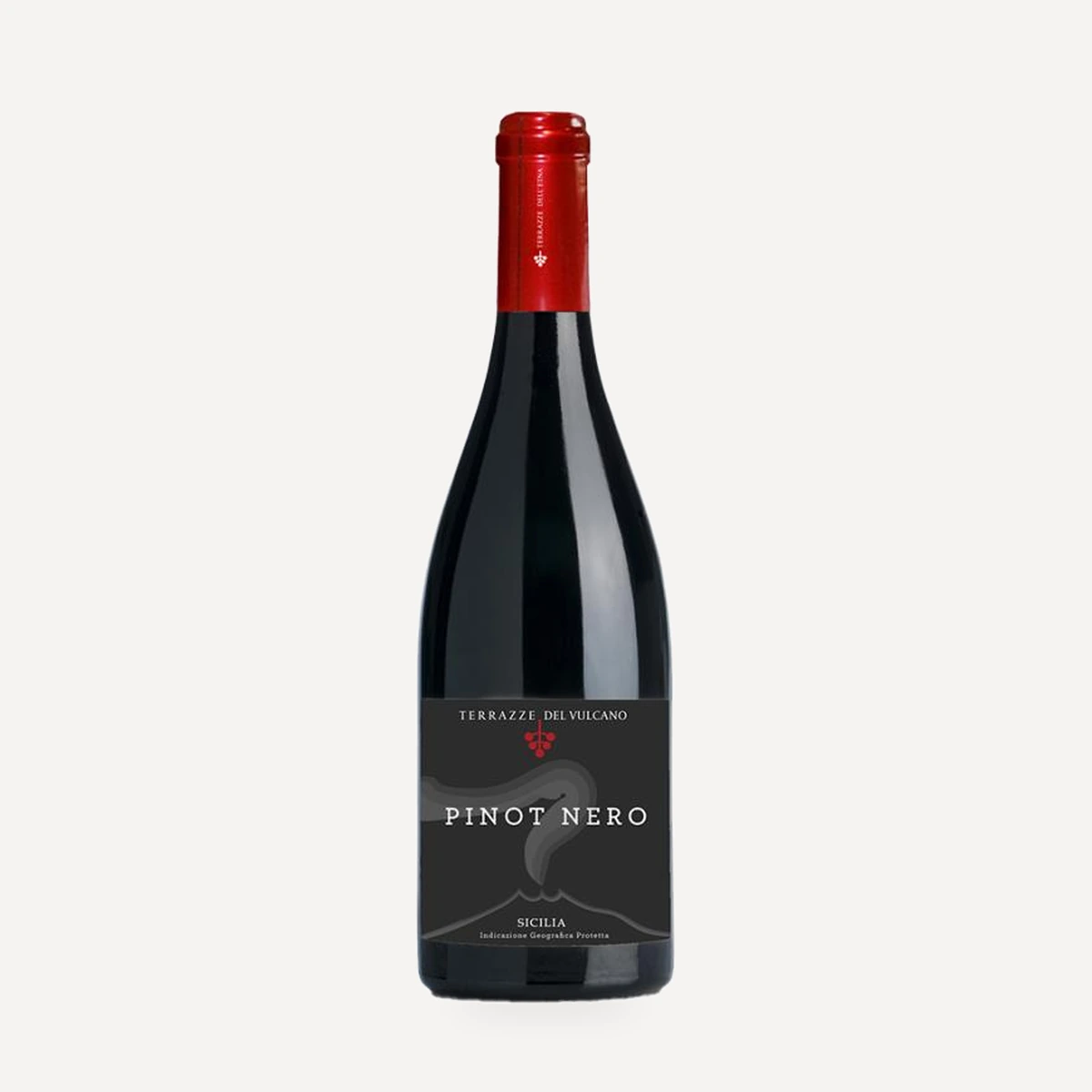
Pinot Nero
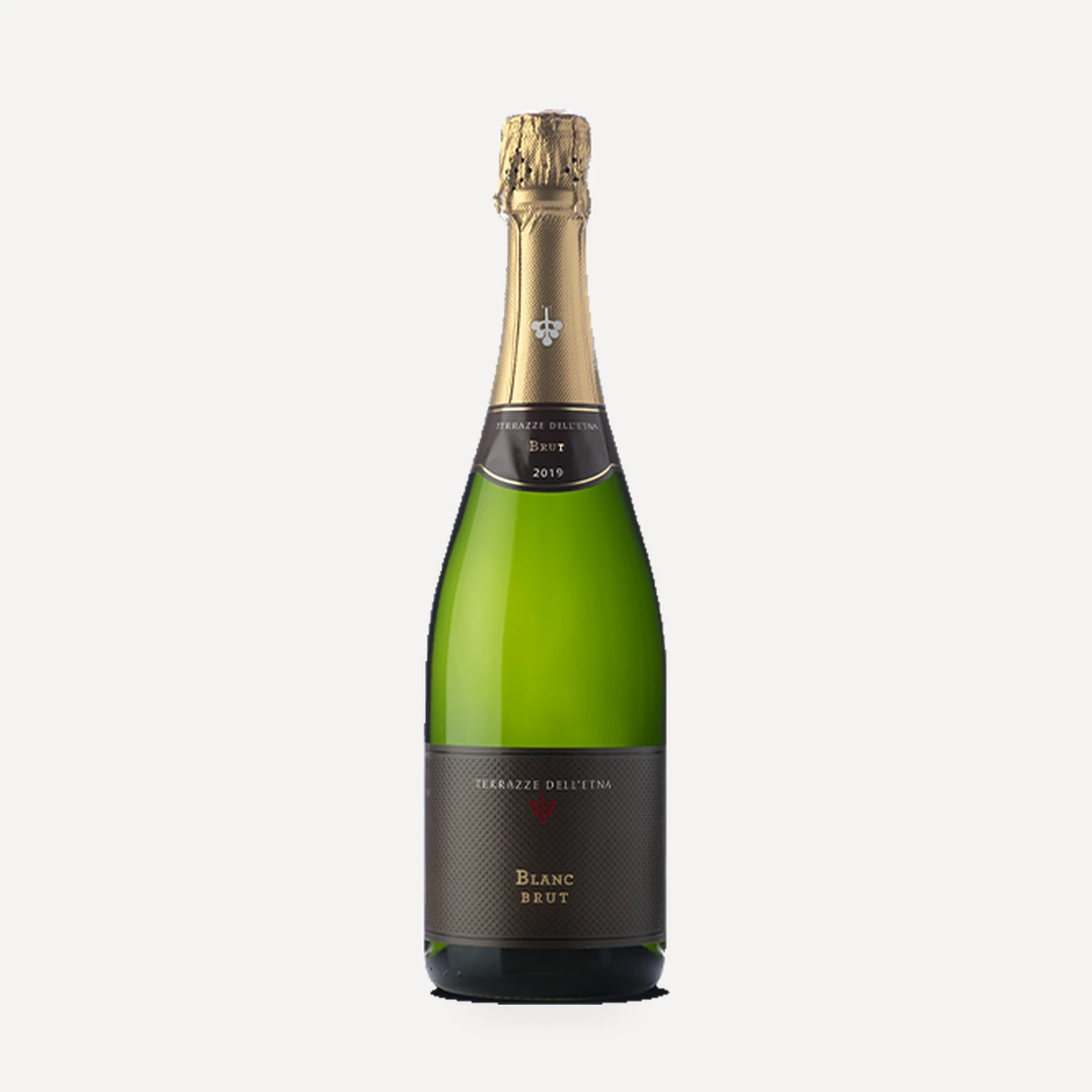
Blanc Brut
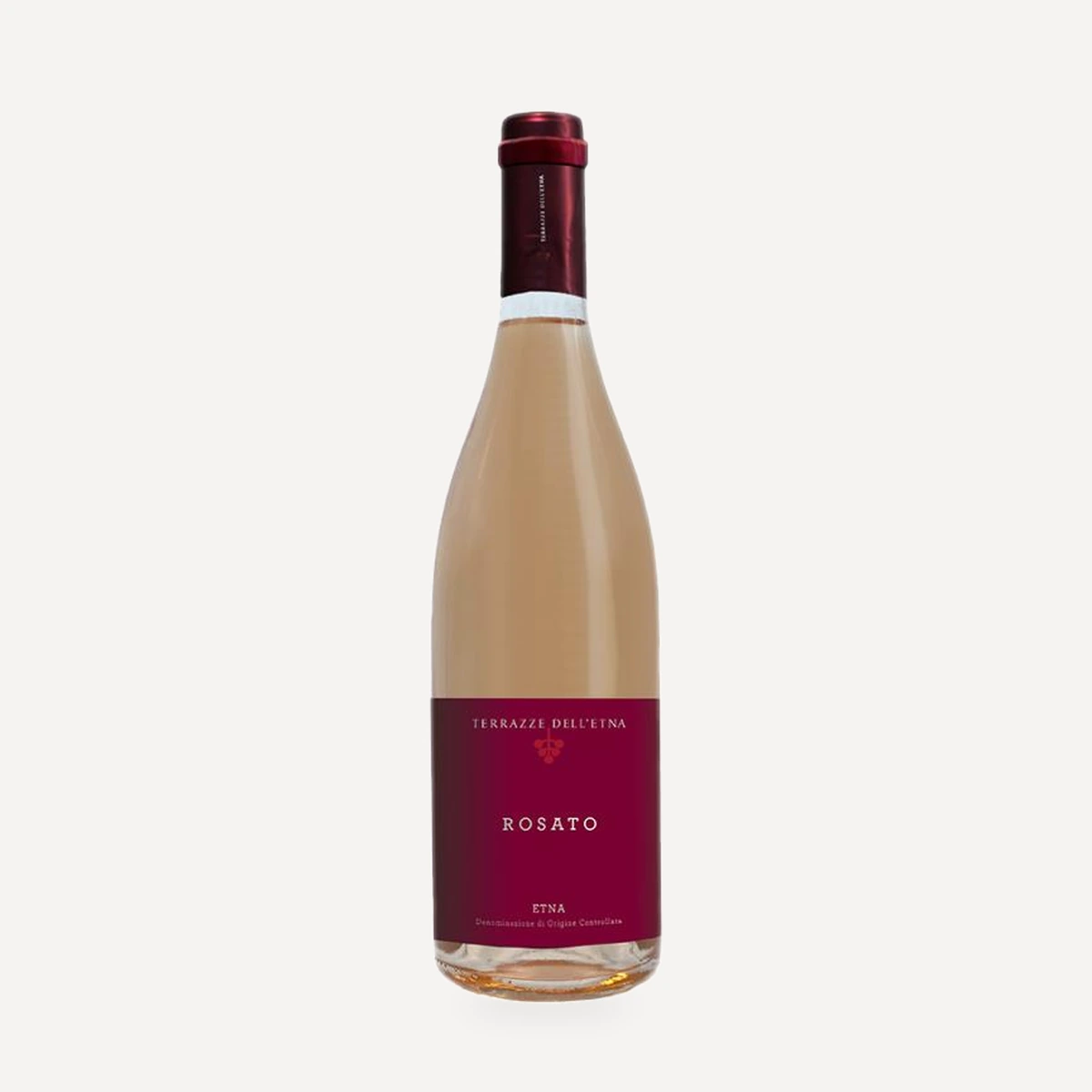
Rosato
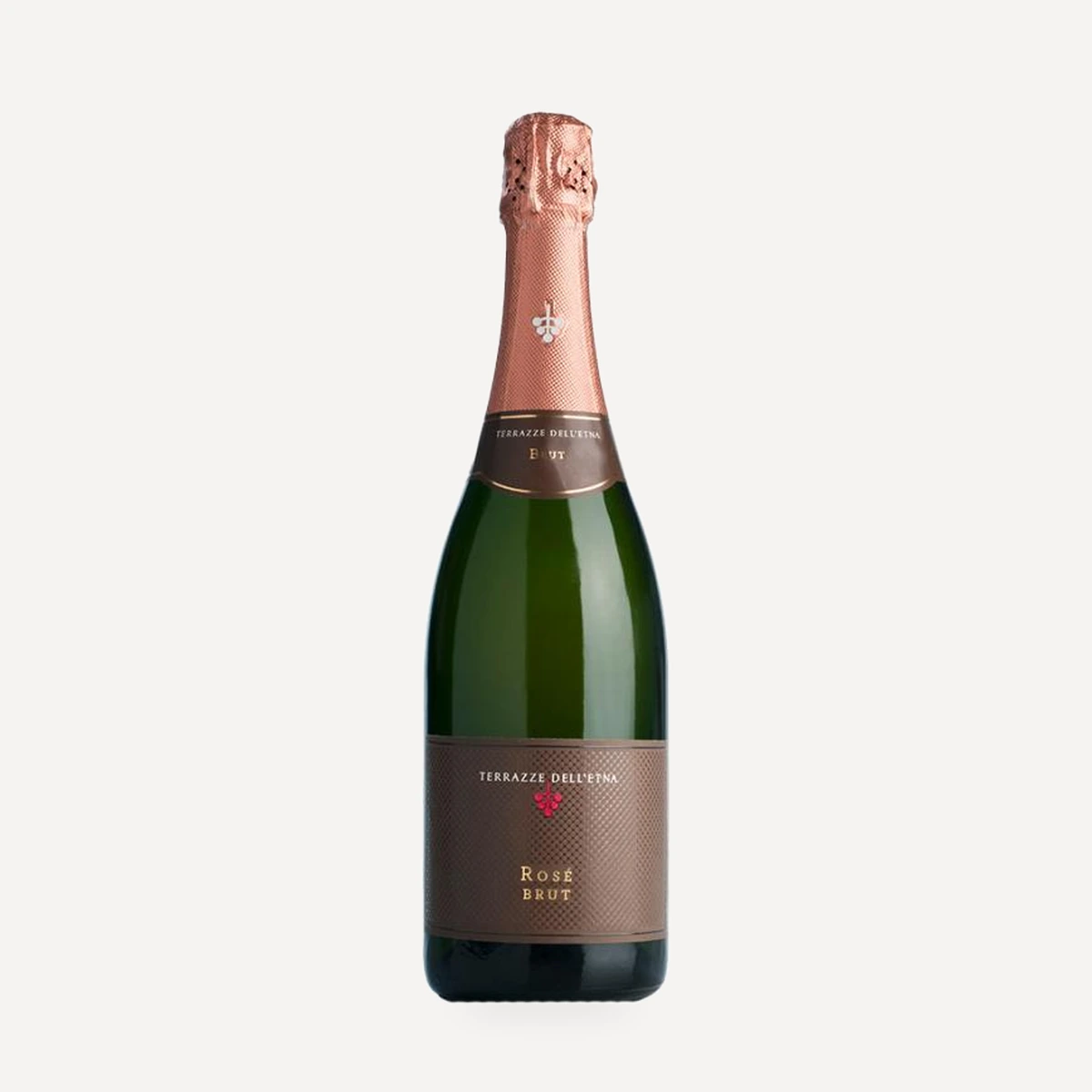
Rosé Brut