Storia
A family estate in south-eastern Sicily
Terre di Giurfo is a family-owned estate in Contrada Giurfo, along the Dirillo River valley near the boundary between Licodia Eubea and the Iblean area. Vineyards and olive groves occupy land characterised by varied soils, abundant sunlight and a warm Mediterranean growing season.
The Alessi siblings connect the project with gratitude toward their parents, particularly their father, who managed the Giurfo agricultural estate over the years. Alessandra and Achille Alessi are identified as the present owners, continuing the family tradition through the Terre di Giurfo wine portfolio. The name Alakì was formed from the opening letters of Alessandra and Achille.
Vineyard development
The oldest dated vines associated with the range were planted in 1930 in the Etna production area around Viagrande and Aci Sant’Antonio. These vineyards, used for the Nardalici wines, are trained as alberello at a density of 10,000 vines per hectare.
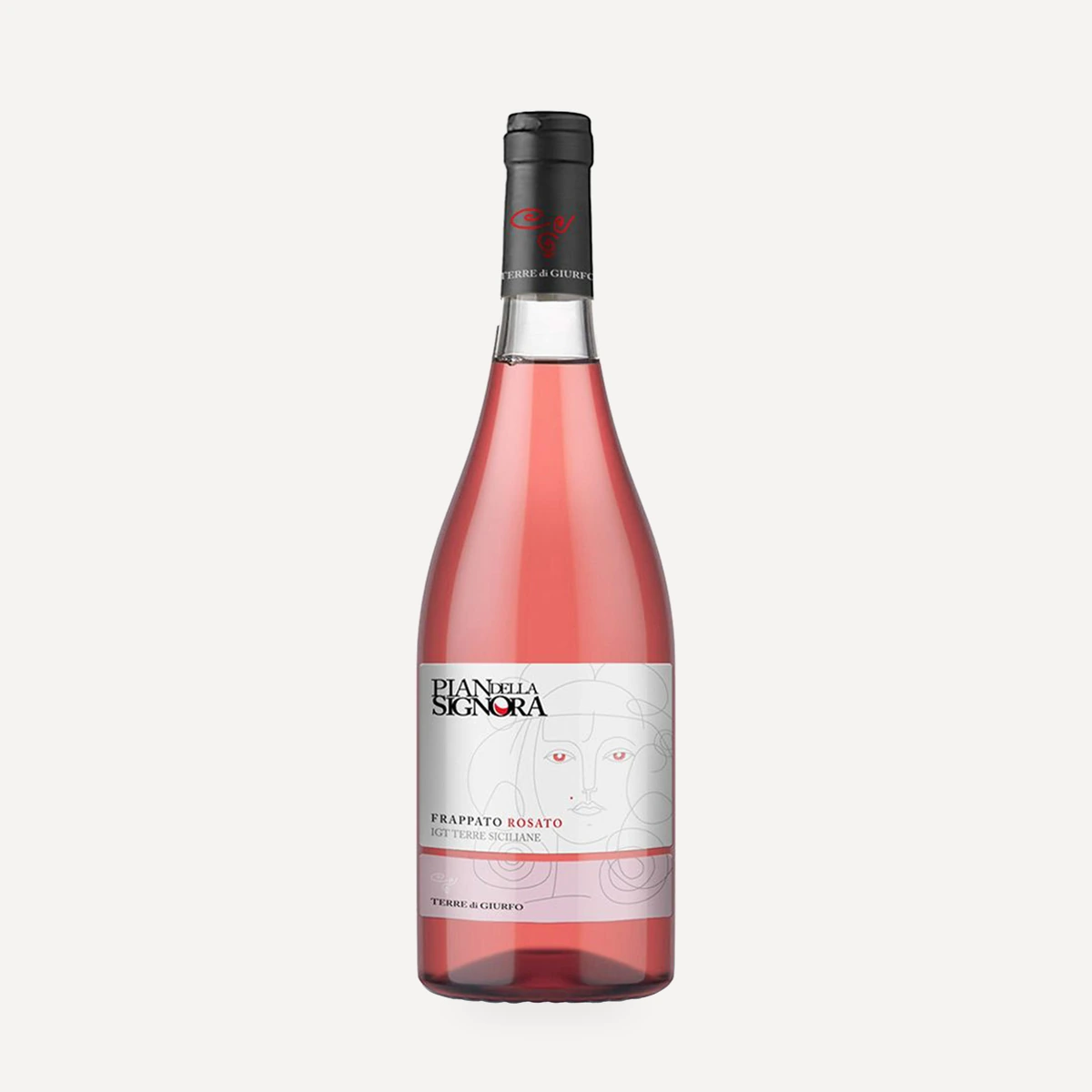
Plantings in Licodia Eubea followed in several distinct stages. Frappato and Nero d’Avola vineyards dated 1995 underpin wines including Belsito, Kudyah, Pian della Signora, Tarakè and Uniku. Grillo and the principal Maskaria vineyard date from 1998. A Syrah vineyard was planted in 1999, followed in 2000 by the vineyard associated with the barrel-aged Maskaria. The Chardonnay vineyard used for Zaccaria was planted in 2008.
Development of the portfolio
The estate’s range grew around Sicilian varieties and denominations, spanning Cerasuolo di Vittoria DOCG, Vittoria DOC, Sicilia DOC, Etna DOC and Terre Siciliane IGT. It now includes red, white, rosé, sparkling and sweet styles. Cerasuolo di Vittoria holds a central place in the range through Maskaria, while Frappato appears in red, rosé, sparkling and sweet expressions. The Nardalici labels extend the portfolio to Etna-grown Carricante, Catarratto, Nerello Mascalese and Nerello Cappuccio.
By 2022, Terre di Giurfo was exporting 80% of its production. The estate had also developed a wine-tourism programme combining guided experiences, tastings, local foods and its own olive oil.
Terroir
Dirillo River valley
The main estate lies in south-eastern Sicily along the Dirillo River valley, near the boundary between Licodia Eubea and the Iblean area. Its vineyards and olive groves benefit from pronounced solar exposure, a generous climate and heterogeneous soils.
Most Licodia Eubea wine-growing sites are placed at approximately 500 metres above sea level. The Chardonnay source reaches 550 metres. Winters are rainy with moderate temperatures, while summers are hot and dry. The soils are medium-textured and tend toward calcareous or compact conditions; the English-language technical descriptions also identify calcareous tufa within the soil profile.
Etna sources
The Nardalici vineyards lie around Viagrande and Aci Sant’Antonio, at approximately 700 metres above sea level. The white-wine vineyard is described as volcanic and strongly mineral, with pronounced day–night temperature changes. These Etna sites carry the oldest dated vines in the range, planted in 1930.
Olive-growing area
Tonda Iblea olives are grown around Chiaramonte Gulfi, between that municipality and Licodia Eubea, at about 450 metres above sea level. The soils are medium-textured, tending toward compactness and interspersed with calcareous tufa. Winters are rainy and moderate; summers are hot and dry.
Vinificazione
Terre di Giurfo is presented as an organic winery, although the individual vineyard profiles record more than one farming designation. Frappato and Nero d’Avola sources used for Belsito, Kudyah, Maskaria and Uniku are explicitly described as organically farmed espalier vineyards. The Syrah vineyard is described as espalier-trained under integrated pest management, while several other profiles identify the training system without assigning a farming certification.
Most Licodia Eubea vines are trained to espalier at 4,000–5,000 plants per hectare. The older Etna vines are trained as alberello at 10,000 plants per hectare. Reported yields extend from 3 tonnes per hectare for the sweet Frappato and Etna vineyards to 8–9 tonnes per hectare for many dry-wine sources.
Harvest timing varies by grape and intended style. Frappato destined for sparkling rosé can be collected at the end of August, while other Frappato and Nero d’Avola parcels are harvested from mid-September through the end of that month. Syrah is harvested in mid-September, Grillo around mid-September, and the Etna grapes in early October. Grapes for the sweet Frappato are harvested during the second and third ten-day periods of September and subsequently dried further in the sun on racks. Tonda Iblea olives are picked manually and directly from the trees in October.
Production is centred on temperature-controlled stainless steel, with 150-hectolitre tanks repeatedly specified for both red and white vinification. Red wines are made with skin maceration, generally at 25–28°C, with durations varying from approximately 8 days to as long as 45 days according to the intended expression. The Etna red undergoes a 15-day skin maceration at 20–25°C.
White grapes are vinified through white-wine processing, with soft pressing specified for Grillo and Chardonnay. Fermentation temperatures range from 12–15°C for the Etna white to 14°C for Chardonnay and 15–18°C for Grillo. Stainless-steel maturation followed by bottle ageing is the most frequently described regime.
Rosé production uses short skin contact: Pian della Signora and Tarakè receive approximately six hours on the skins before completing fermentation in stainless steel. The sweet Frappato undergoes 25 days of maceration in a 1,000-litre stainless-steel vessel at 15–20°C, followed by three months of maturation at 15°C.
Wood is used selectively. Barrel-aged Maskaria matures for eight months in oak and cherry-wood tonneaux. Chardonnay combines stainless-steel and barrique maturation, while the Etna red is associated with tonneau maturation in its Italian technical profile. Bottling schedules range from late October for Grillo to February, March or April for other wines, with bottle maturation frequently following the vessel-ageing stage.
Filosofia
Terre di Giurfo presents family continuity, gratitude and attachment to place as the foundations of its identity. Alessandra and Achille Alessi connect the contemporary project to their parents and especially to their father’s stewardship of Giurfo, framing the estate as the continuation of a family agricultural tradition.
The range is built around the expressive possibilities of Sicily’s grapes and growing areas. Frappato, Nero d’Avola, Grillo and Insolia anchor production in the Dirillo River valley, while the Nardalici wines interpret high-elevation Etna vineyards. International varieties such as Syrah and Chardonnay remain tied to individually identified estate plantings.
The declared outlook also joins wine with nature, countryside and local food culture. Wine-tourism experiences place the vineyards, olive oil and regional dishes alongside the wines, presenting agriculture and hospitality as parts of the same estate identity.
Vini
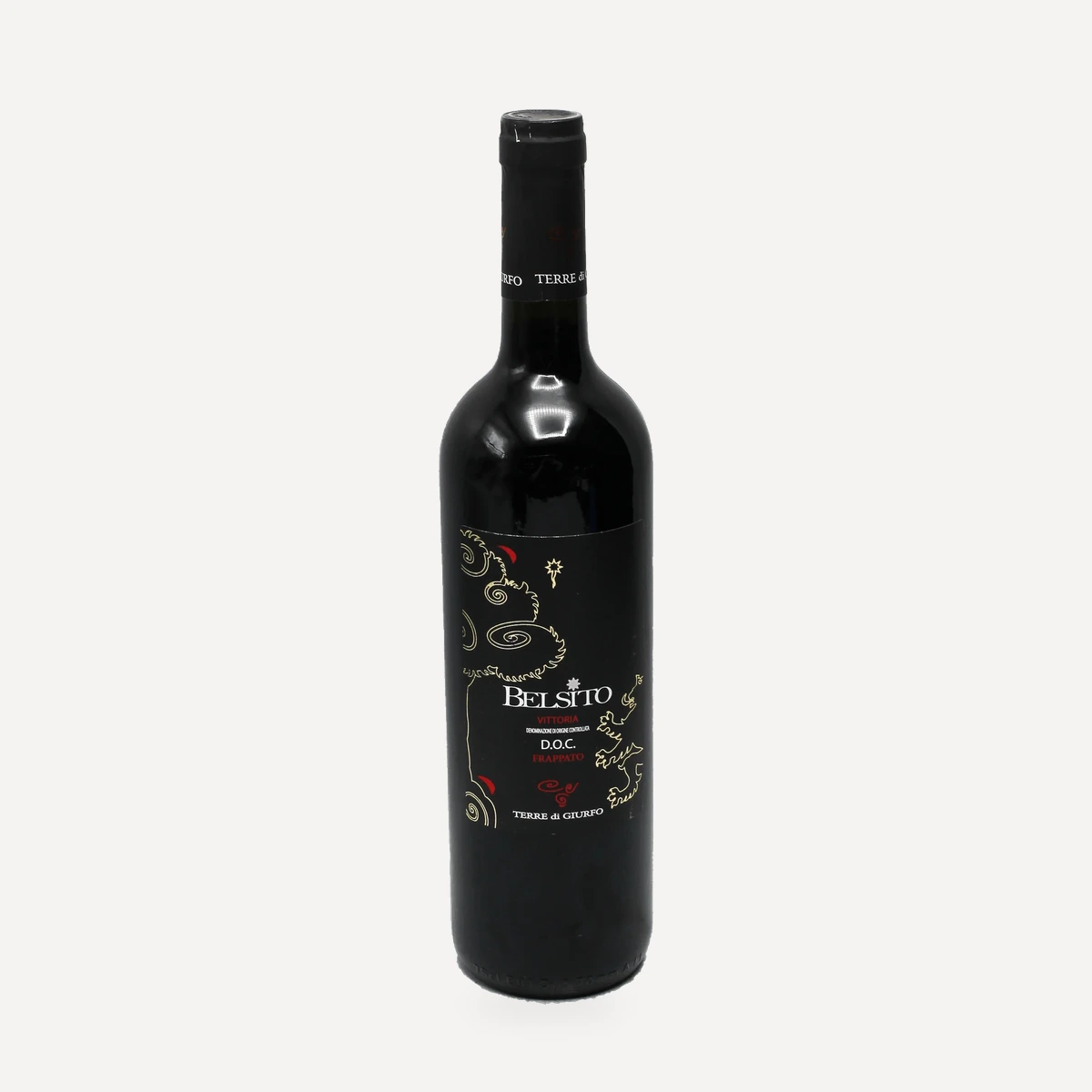
Belsito Vittoria D.O.C. Frappato
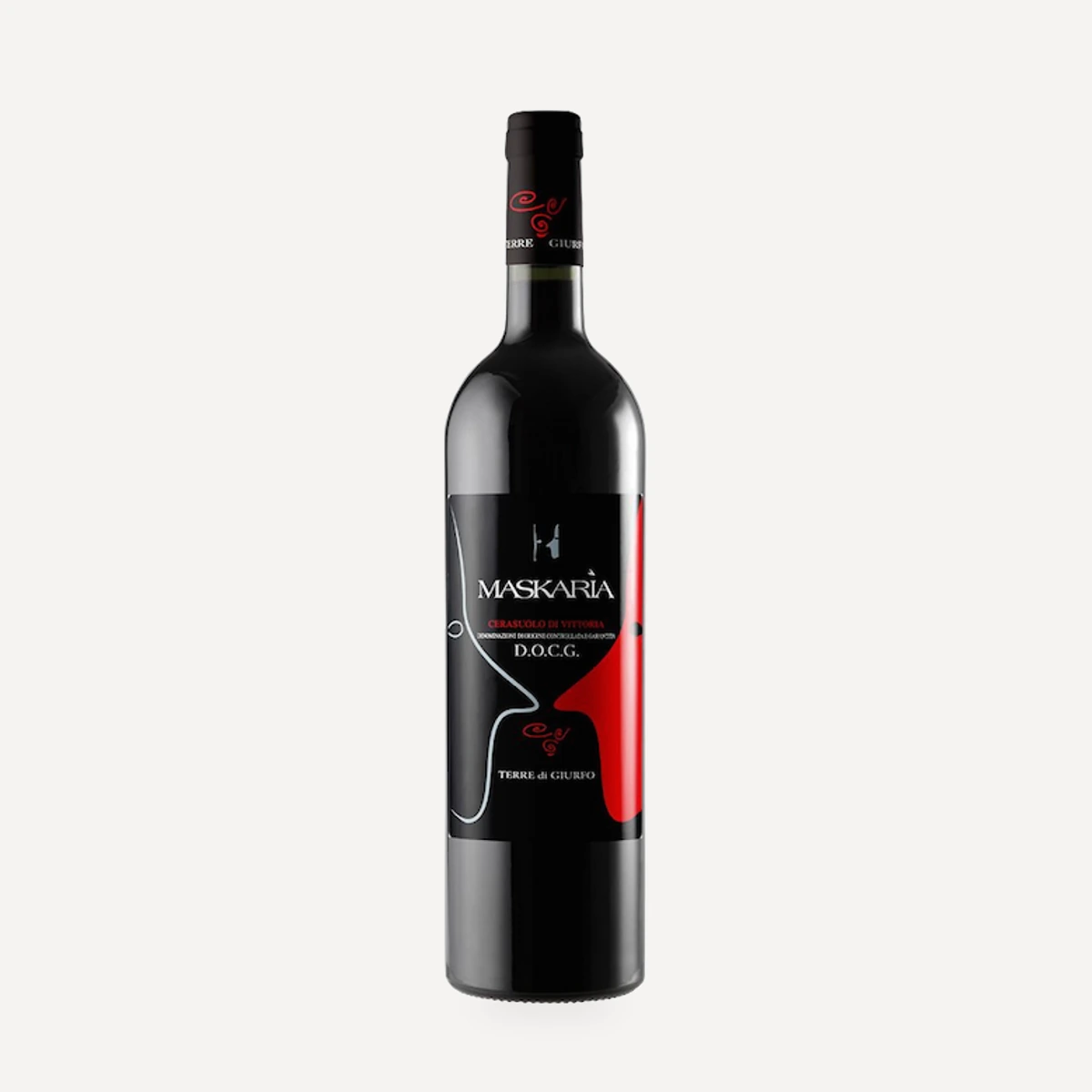
Maskaria Barricato Cerasuolo di Vittoria D.O.C.G. Sicilia
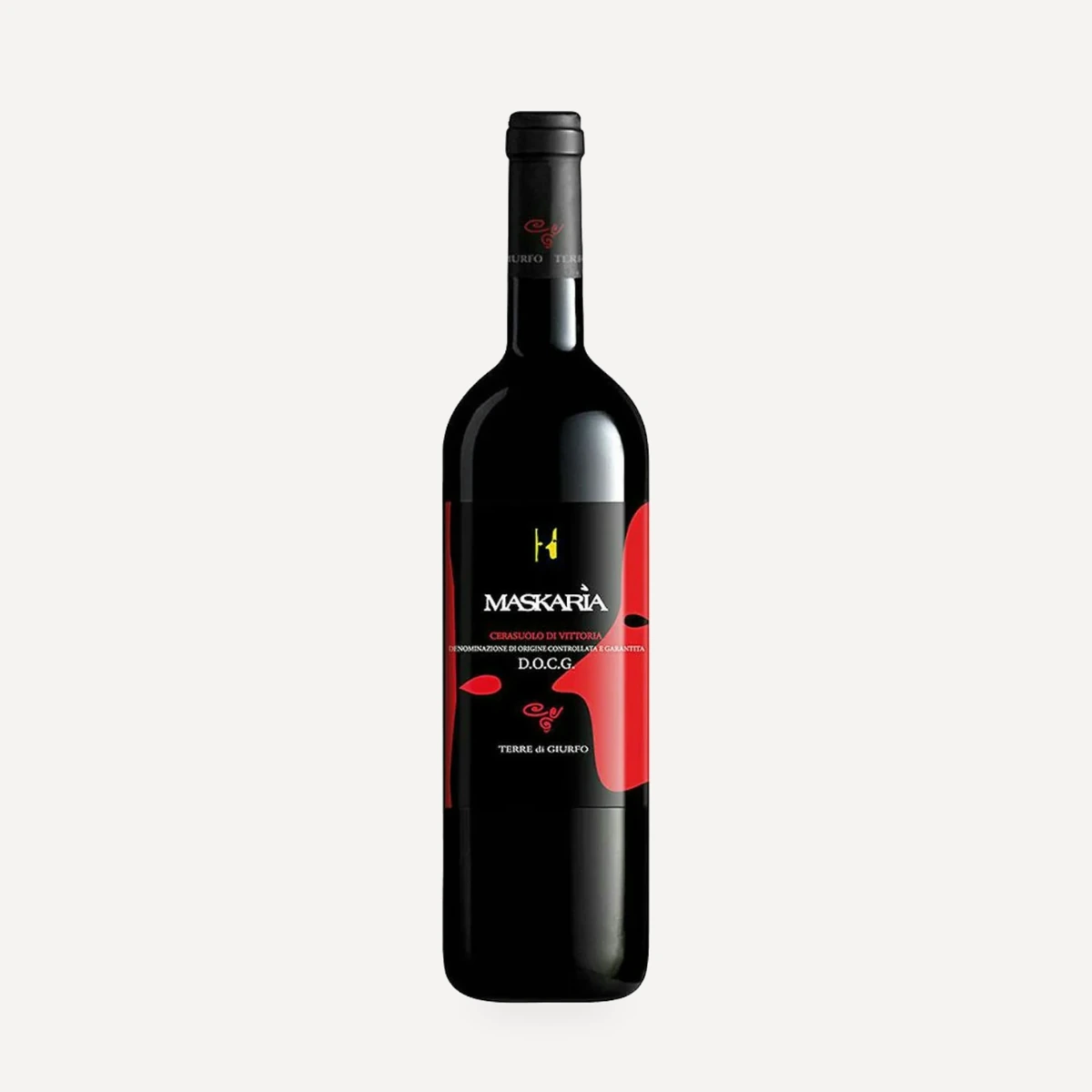
Maskaria Cerasuolo di Vittoria D.O.C.G. Sicilia
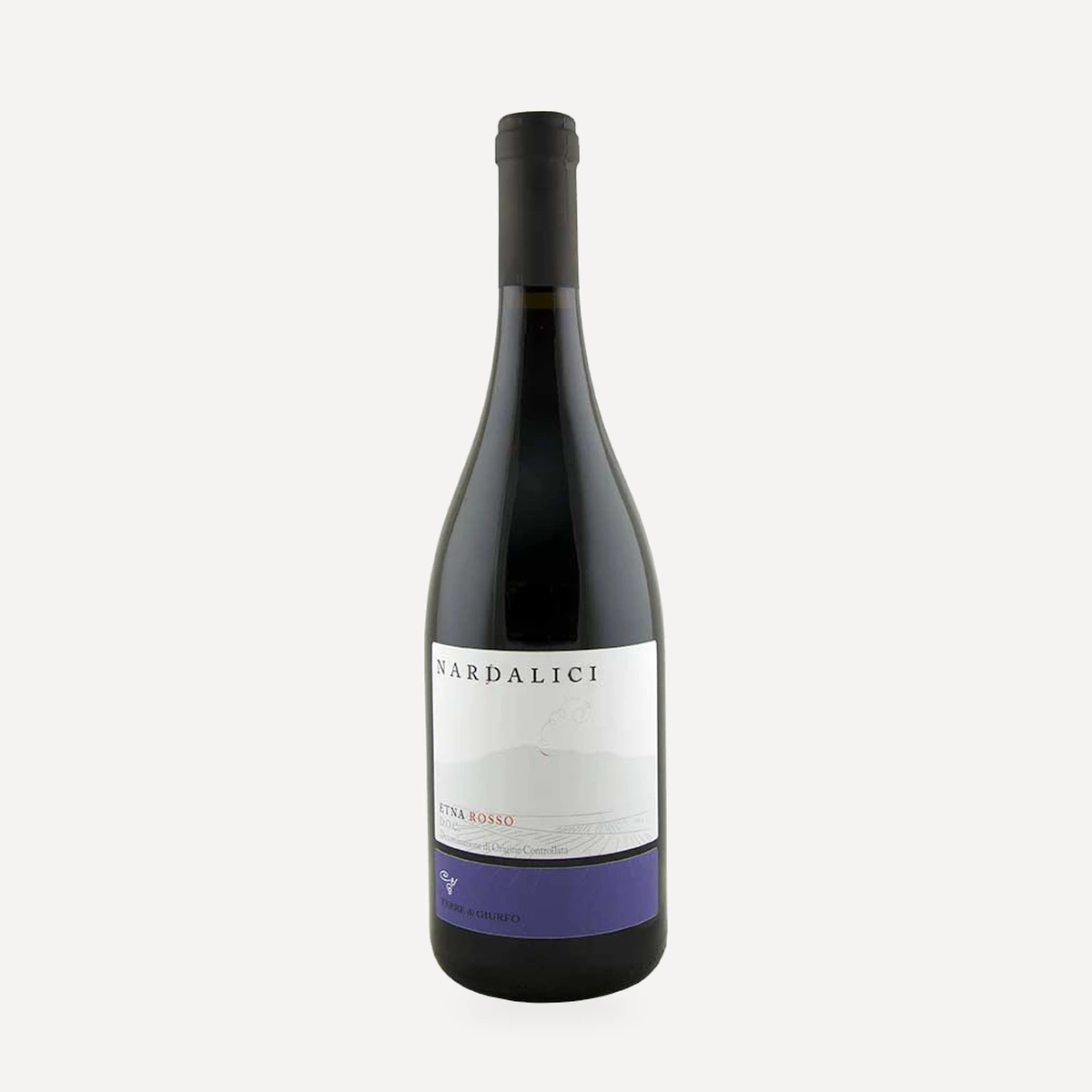
Nardalici Etna Rosso D.O.C.
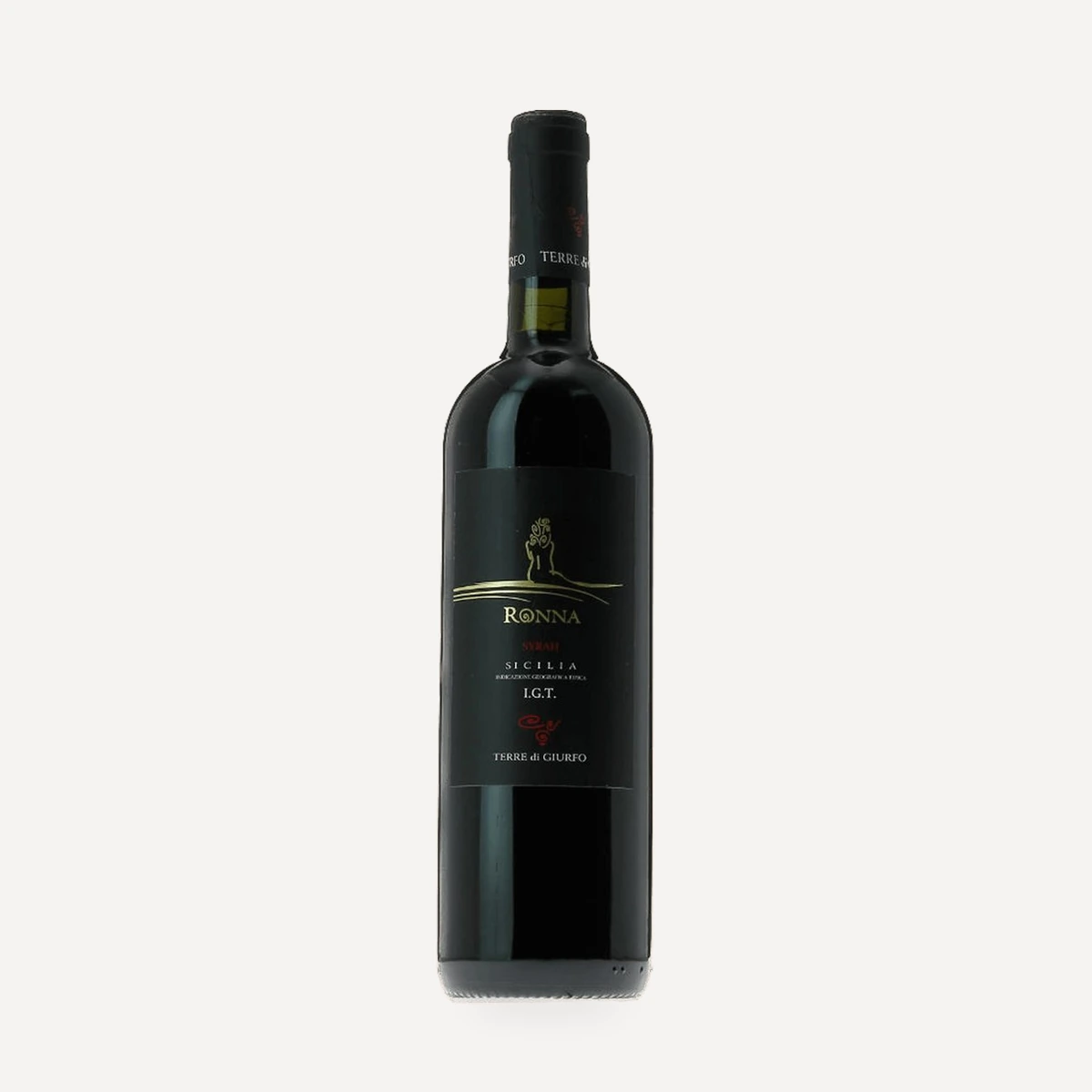
Ronna syrah D.O.C. Sicilia
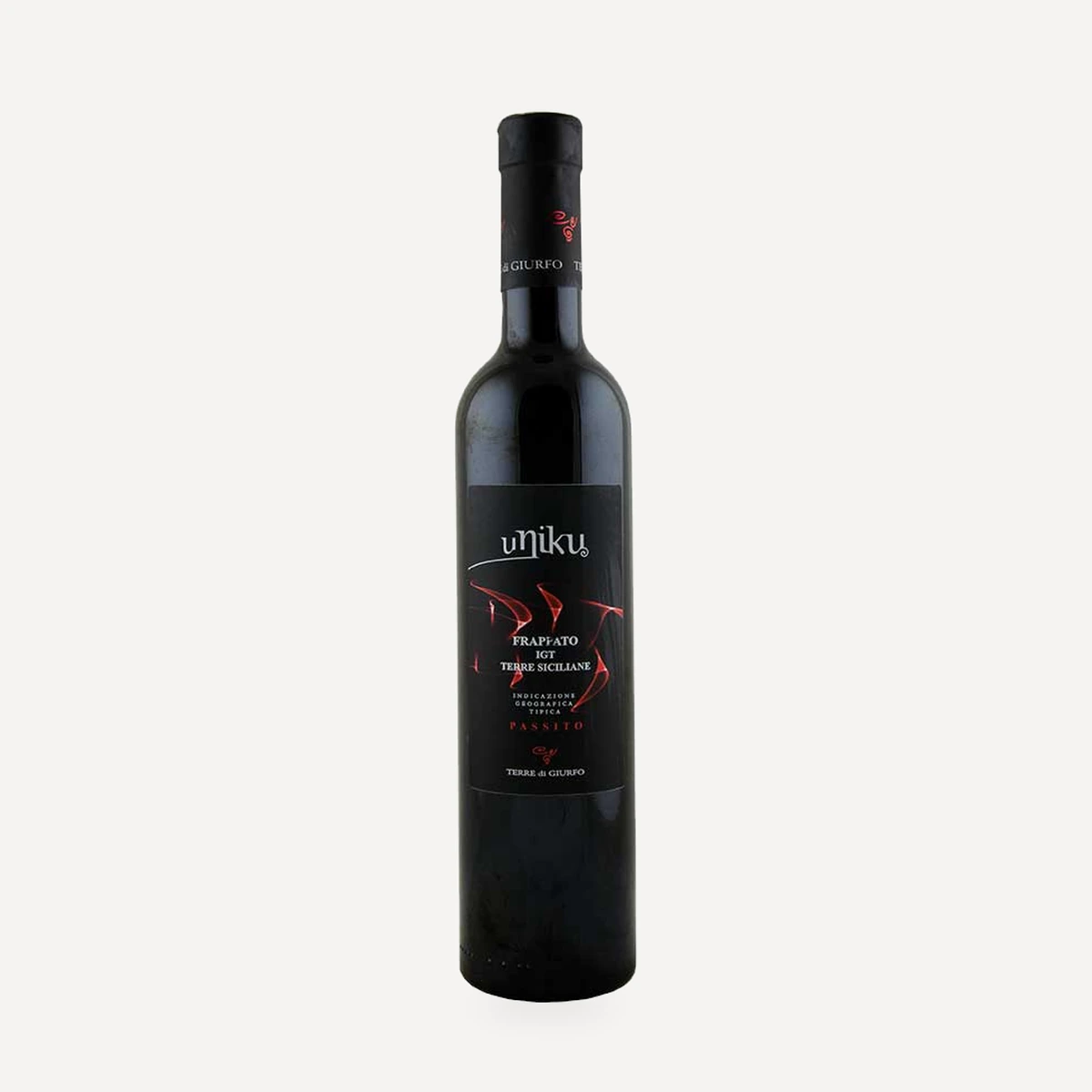
Uniku frappato dolce Sicilia