Questo vino
Vineyard and terroir
The Pinot Grigio is grown in Veneto, in north-eastern Italy, in vineyards with clay and limestone soils. The winery's 25 hectares of vineyards lie on both sides of the Claudia Augusta, the Roman road that runs through the winery. The soils are fertile, made up mainly of clay and rich in mineral salts. The nearby Piave River gives a distinctive character to wines from grapes grown along its banks. The winery is a few kilometres from the Adriatic coast and very close to the historic centre of Treviso, in an area designated for Piave wines. On tougher soils that are difficult to cultivate, the company grows Cabernet Sauvignon, Merlot, Raboso, Carmenere and Prosecco.
Vinification
The grapes are harvested at optimal ripeness. They are gently pressed and macerated for three days in steel vats, then fermented under strict temperature control.
Ageing
The wine spends a short period in steel tanks, then is decanted, filtered and bottled. It is not meant for long keeping and is best drunk within two years of release.
Label / history
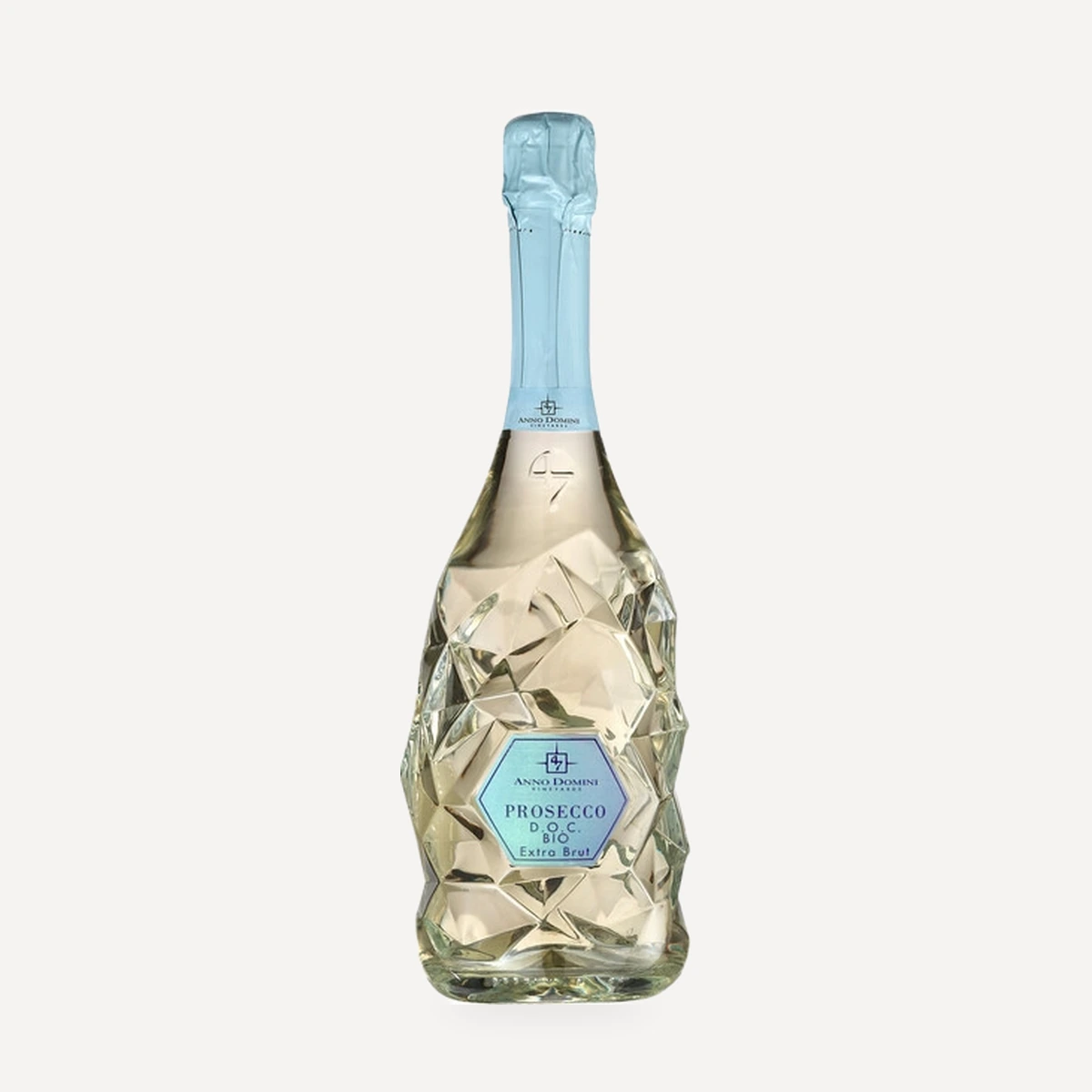
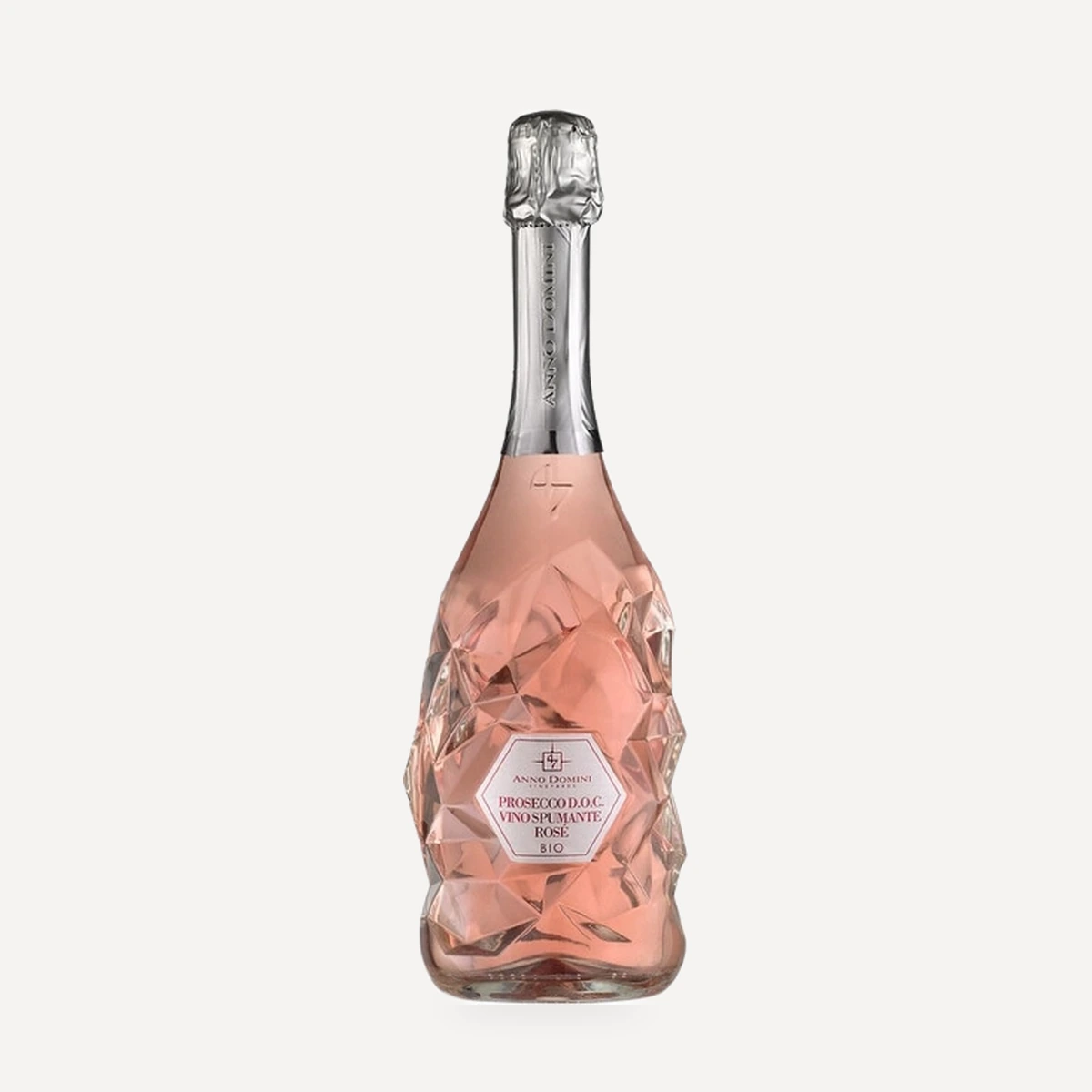
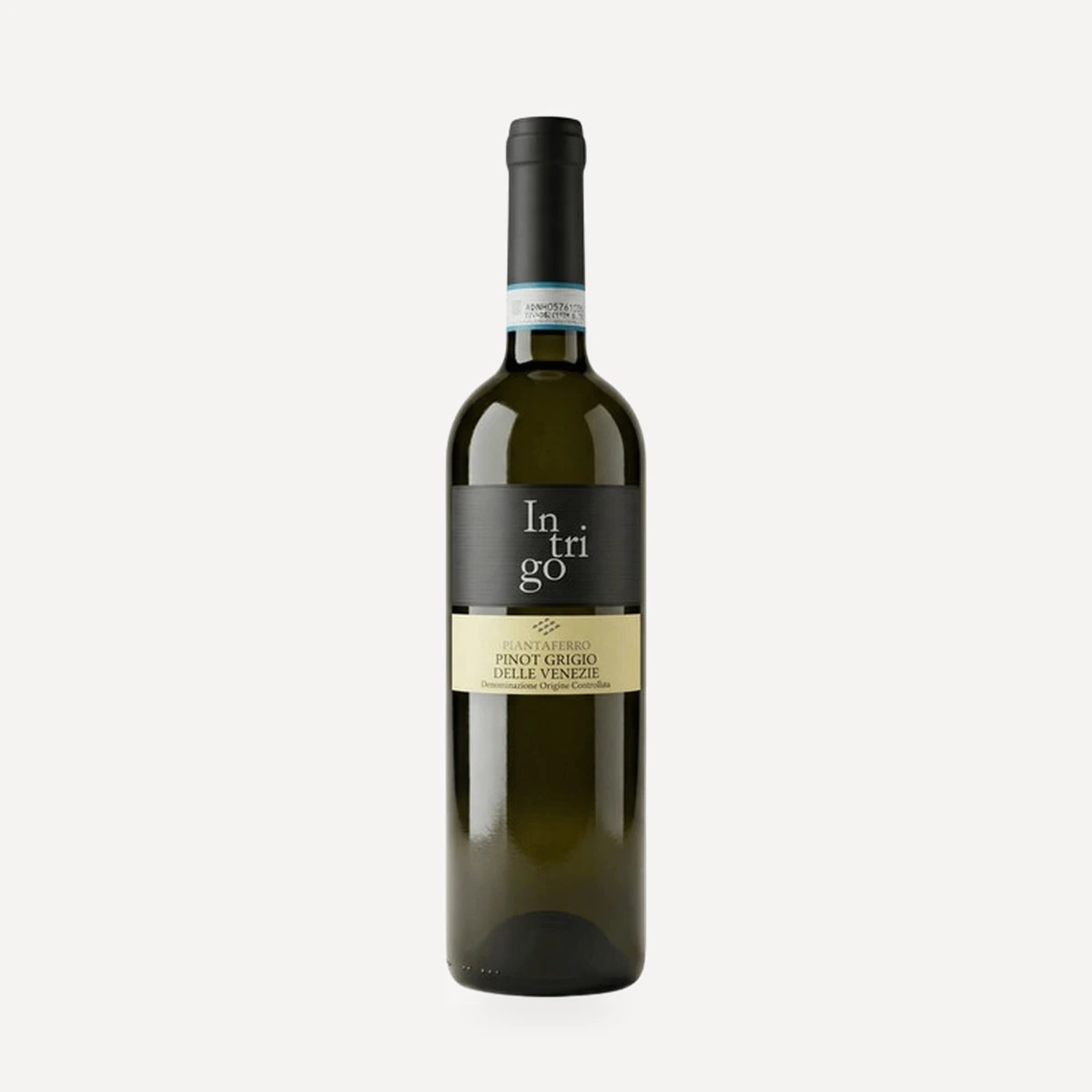
The Piantaferro wines are made at the 47 Anno Domini winery, part of the Tombacco group. "Piantaferro" joins "pianta" (plant or crop) and "ferro" (iron or stake). It comes from a local farming custom of driving a stake into the ground to mark newly found fertile land. The trademark shows three stylised rows of vines, symbolising the high fertility of the Piave area.
The winery is named for the year 47 AD, when Emperor Claudius completed the Roman road later called the Claudia Augusta.