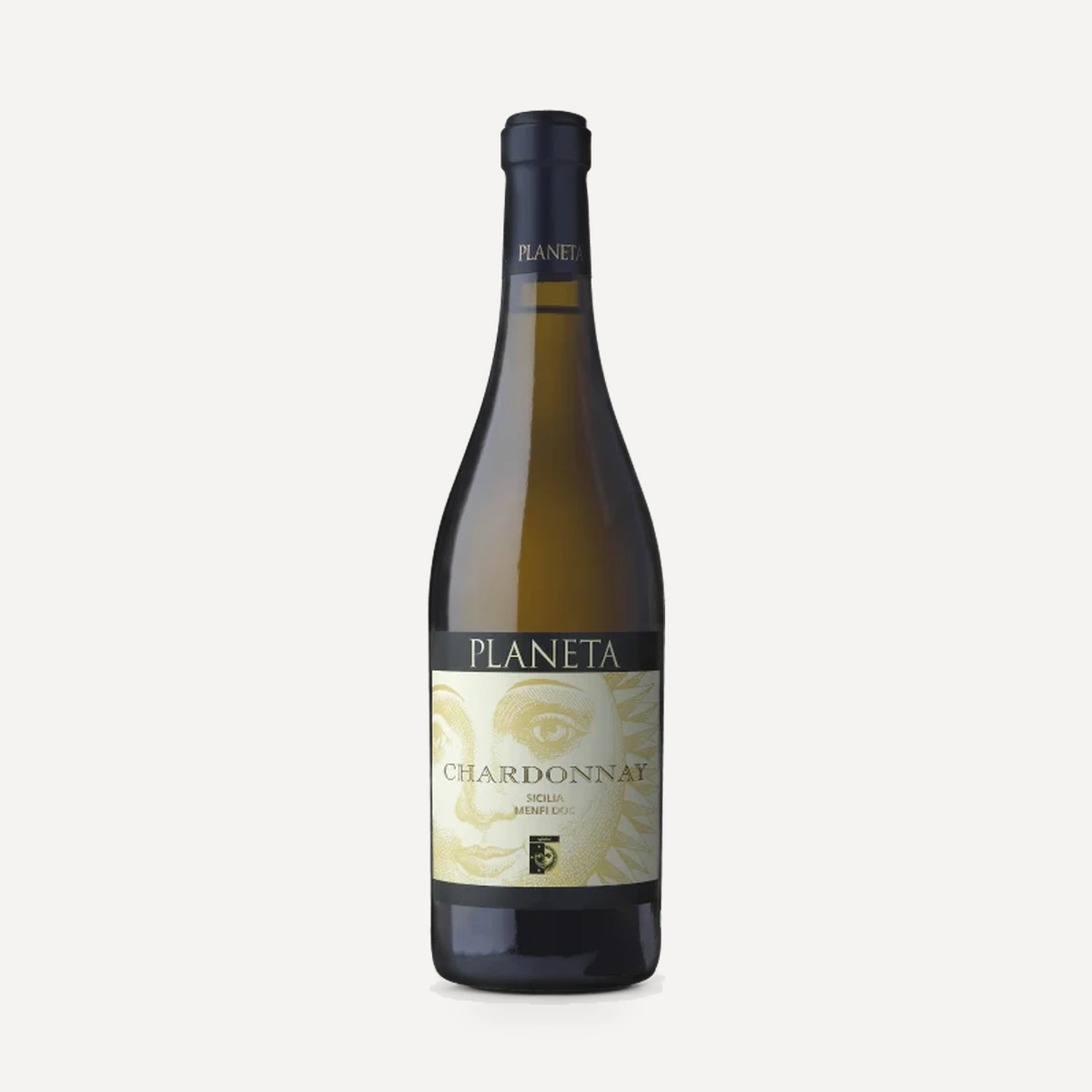
Questo vino
Vineyard and terroir
The Chardonnay comes from Ulmo, Maroccoli and Monte Cirami in the district of Sambuca di Sicilia (AG). Ulmo lies at 250 m above sea level, while Maroccoli and Monte Cirami reach 415 m. Ulmo has moderately deep, medium-textured soil, with abundant pebbles at depth, moderate lime and areas of dark, organic-rich earth. The soils at Maroccoli and Monte Cirami are calcareous, slightly chalky and medium structured, with abundant lime.
Planting density is 4,545 vines/ha at Ulmo and 5,050 vines/ha at Maroccoli and Monte Cirami. Corresponding yields are 60 and 70 q/ha. The vines are trained on espaliers and Guyot pruned.
The vineyards follow certified-organic practices and the SOStain® protocol. Clover, vetch, yellow mustard and spontaneous plants provide ground cover, increasing organic matter and nitrogen while supporting soil microfauna. Vine health is managed with small quantities of sulphur and copper; beneficial insects, mating disruption, zeolite, kaolin and plant extracts are used against pests.
Grapes
100% Chardonnay. The grapes are grown at Ulmo, Maroccoli and Monte Cirami.
Vinification
Harvest takes place from 16 to 28 August. The grapes are picked by hand into 16 kg crates and chilled to 12–14 °C. After destemming and crushing, they undergo gentle pressing followed by static settling at 6–7 °C. The clarified must is racked into 225 L Allier oak barrels, where fermentation proceeds at approximately 17–19 °C for 5–7 days.
Ageing
The wine remains on its primary lees in 225 L Allier oak barrels for 11 months. Bâtonnage is performed weekly during the first five months and every 14 days thereafter. The barrel composition is 40% new oak, 30% second-use and 30% third-use. Bottling of the 2024 vintage is scheduled for August 2025.
Technical data
Menfi DOC. Alcohol: 13% vol. Total acidity: 5.50 g/L. pH: 3.33. Formats: 0.375 L, 0.75 L, 1.5 L and 3 L. The 0.75 L bottle weighs 750 g and is closed with a one-piece natural cork. Ageing capacity is 8–10 years.
Tasting profile
Pale to rich light gold in colour, deep yet transparent. The bouquet moves between sweet fine wood and fruit, floral, honeyed and savoury nuances: apricot, preserved and ripe yellow peach, pink grapefruit, acacia and thistle honey, fresh milk, beeswax, marzipan and oriental spices, followed by peaty, cereal and toasted notes.
The palate combines softness and creaminess with a crisp, refreshing line of acidity. Oak gives a rounded texture without concealing the other aromas, while a mineral accent carries the wine into a powerful, balanced finish.
Serving and pairing
A multifaceted Chardonnay intended for creative and contemporary food pairings.
Vintage notes
The 2024 Menfi harvest produced a small crop but excellent-quality white grapes with definition and balance. Chardonnay was picked early and developed a particularly expressive aromatic profile. Organic vineyard management performed especially well in the dry conditions, delivering healthy grapes.
Label / history
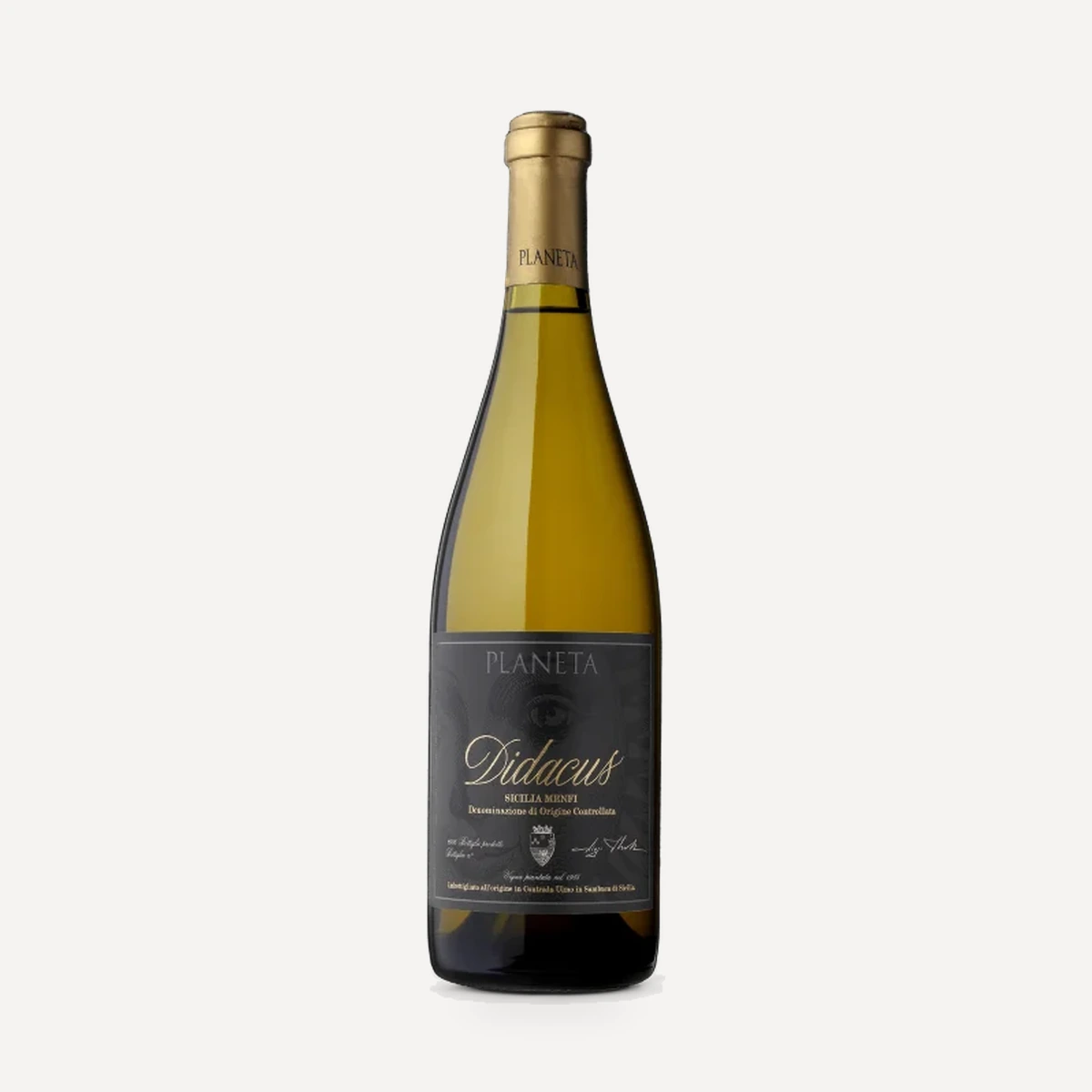
The project began in 1985 with the aim of producing a Sicilian Chardonnay capable of taking its place alongside international expressions of the variety. The first commercial vintage was 1994, making the 2024 harvest the wine’s thirtieth anniversary.
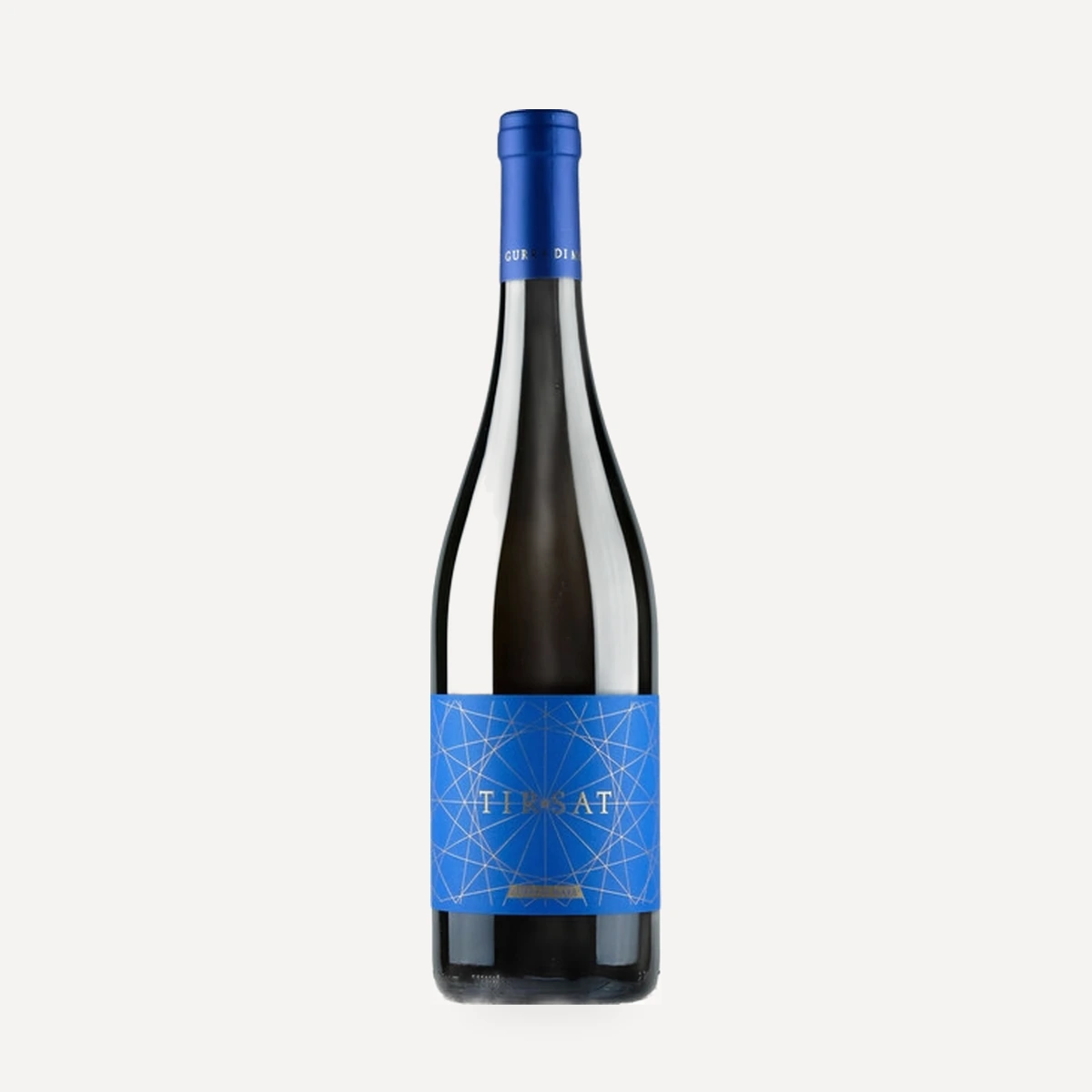
For the anniversary release, one bottle in every six-bottle case carries a reproduction of Claire Fontaine’s 2023 artwork On Fire. The work belongs to Planeta’s art collection at the Studiolo in Ulmo. The anniversary also connects symbolically through fire with A Long and Magnificent Walk, a rural-landscape itinerary in the Selinunte Archaeological Park curated by Professor Giuseppe Barbera.