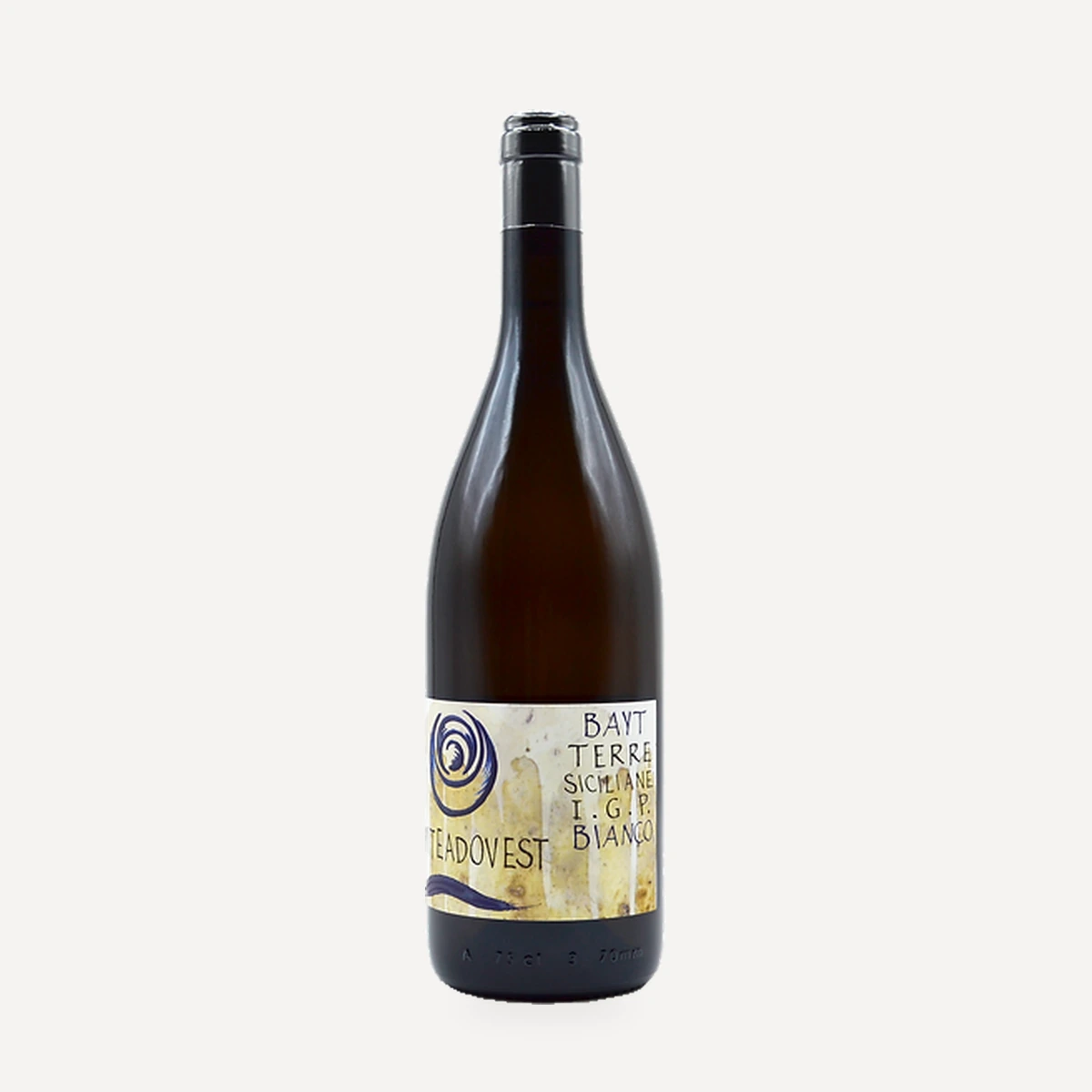
Storia
Family-vineyard origins
Viteadovest originated through the union of vineyards belonging to two families, Puleo Portelli and Angileri. These holdings are distributed between the municipalities of Marsala and Mazara del Vallo. The individual sites belong to a local viticultural history extending back more than a century.
The estate developed as a dispersed network rather than a single contiguous property. Its vineyards lie as much as 15 km apart, a configuration valued for the different expressions it produces within the same broader territory. The current estate comprises nine vineyard zones, while the headline figures give 8 hectares under vine, seven cultivated varieties and production of 49,200 bottles.
Organic certification and present direction
Since 2018, the entire cultivated surface has been certified organic. Vineyard management combines traditional practices with experimentation, relying on observation, manual work and low-intervention disease and weed control.
Viteadovest’s present direction is to operate as a self-sufficient, all-round agricultural estate. Its work is organized around the identity of individual contrade and small parcels, with each vineyard intended to produce a distinct wine. The range now encompasses white, red, oxidative and passito wines.
Terroir
Viteadovest works at the western edge of Sicily, with vineyards distributed across the municipalities of Marsala and Mazara del Vallo. The holdings form a dispersed network whose individual parcels can lie as much as 15 km apart. Viteadovest treats this separation as a source of diversity and as a means of expressing multiple facets of the same territory.
The documented vineyards range from approximately 80 to 250 metres above sea level. Sites around Marsala include Rinazzo at 80 metres, Baiata, Gurgo and Pellegrino at about 100 metres, and Capofeto at 240–250 metres. In Mazara del Vallo, Kelbi minori is at 220 metres and Chelbi at 240 metres. The Cabernet Sauvignon vineyards in Muciuleo and Kelbi maggiori jointly span 90–110 metres.
Two contrasting soils are identified for the Cabernet Sauvignon parcels. One vineyard, which ripens at the beginning of August, stands on Pleistocene clay. The second, which ripens at the end of September, is rooted in calcarenitic marl. Their markedly different ripening calendars are preserved through separate harvesting and vinification before the components are assembled.
Vine ages vary considerably across the estate, from recently established parcels to vineyards averaging 30–50 years. This range accompanies differences in altitude, municipality, contrada and harvest date within the nine-zone vineyard network.
Vinificazione
Observation is the principal vineyard-management tool. Work follows natural rhythms while combining inherited practices with experimentation, with the intended balance based on respect for both the vine and its surrounding environment.
Almost all vineyards are trained as alberello and managed for low yields per hectare. Spontaneous plant growth is retained through winter and spring, encouraging a broad mixture of species. This vegetation is then incorporated as green manure before summer.
Synthetic products are not used for weed, pest or parasite control. Work is limited to manual operations, hoeing and sulfur, with copper employed only when considered indispensable. The entire cultivated area has been certified organic since 2018.
Harvest timing is decided vineyard by vineyard, when the fruit of a particular site is considered ready to give its fullest expression. All grapes are picked by hand and placed in crates so that they arrive at the winery as intact as possible. The estate’s parcel-based approach assigns each vineyard to the production of an individual wine.
Grapes are processed according to the needs of each lot, using both destemmed fruit and whole bunches. In the tanks, the weight of the grape mass begins the crushing process. Fermentation starts spontaneously through indigenous yeasts, whose naturally varying populations are regarded as a source of complexity.
All musts remain in contact with their skins. Maceration varies from a few days to several months according to the lot. Pressing is performed with a vertical hydraulic press and a gentle press.
Fermentation proceeds without added sulfites through the completion of malolactic fermentation. The wines remain on their lees throughout maturation. They are bottled without fining or filtration, with an appropriate quantity of sulfites added only at bottling.
The cellar repertoire represented across the range includes stainless-steel tanks, chestnut casks, oak barrels and tonneaux, amphora and bottle maturation. These vessels and maturation regimes are applied selectively rather than as a single standardized recipe.
Filosofia
Viteadovest defines its work as the production of natural wines at Sicily’s western edge. Its central purpose is to convey a place and the lives connected with it through wine, approaching the work as attentive, respectful artisans rather than seeking superiority over other producers.
Territorial identity is pursued at the scale of individual contrade and small pieces of land. The intended wines are simple, clean and direct, capable of maturing over time, communicating a story and conveying emotion. Distinctiveness is understood as the result of being made by these growers in this particular place.
Marsala is treated as a frontier territory whose history, traditions and local identity deserve renewed attention. Sustainability and lawful business practices form part of this position. The long-term ambition is an all-round, self-sufficient agricultural enterprise capable of sustaining and enhancing its territorial expression while presenting that territory internationally.
In the vineyard, the philosophy joins tradition with experimentation and gives priority to observation and natural rhythms. In the cellar, spontaneous fermentation, extended contact with the skins where appropriate, maturation on the lees and avoidance of fining and filtration are used to preserve the identity of the fruit and its place of origin.
Vini
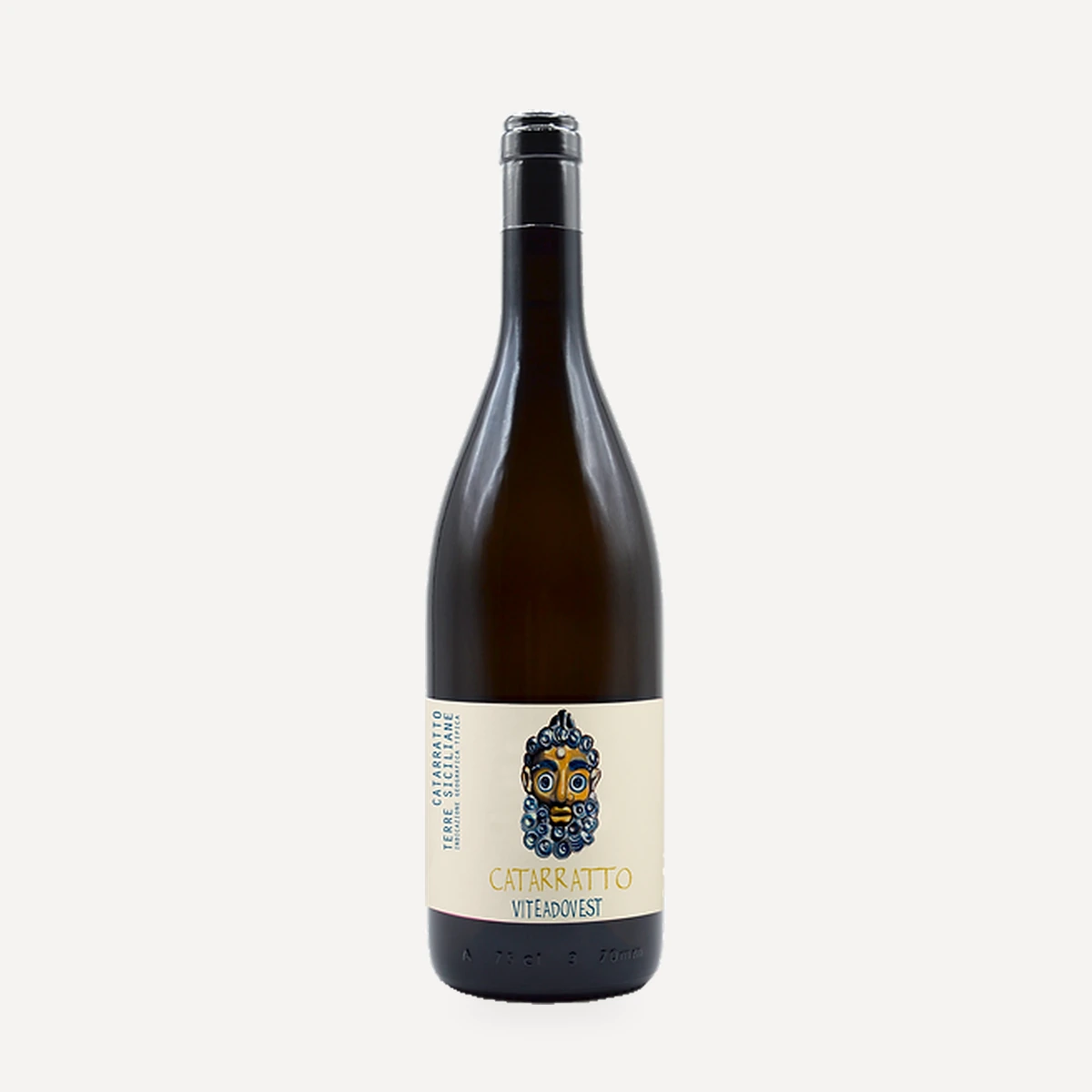
Catarratto
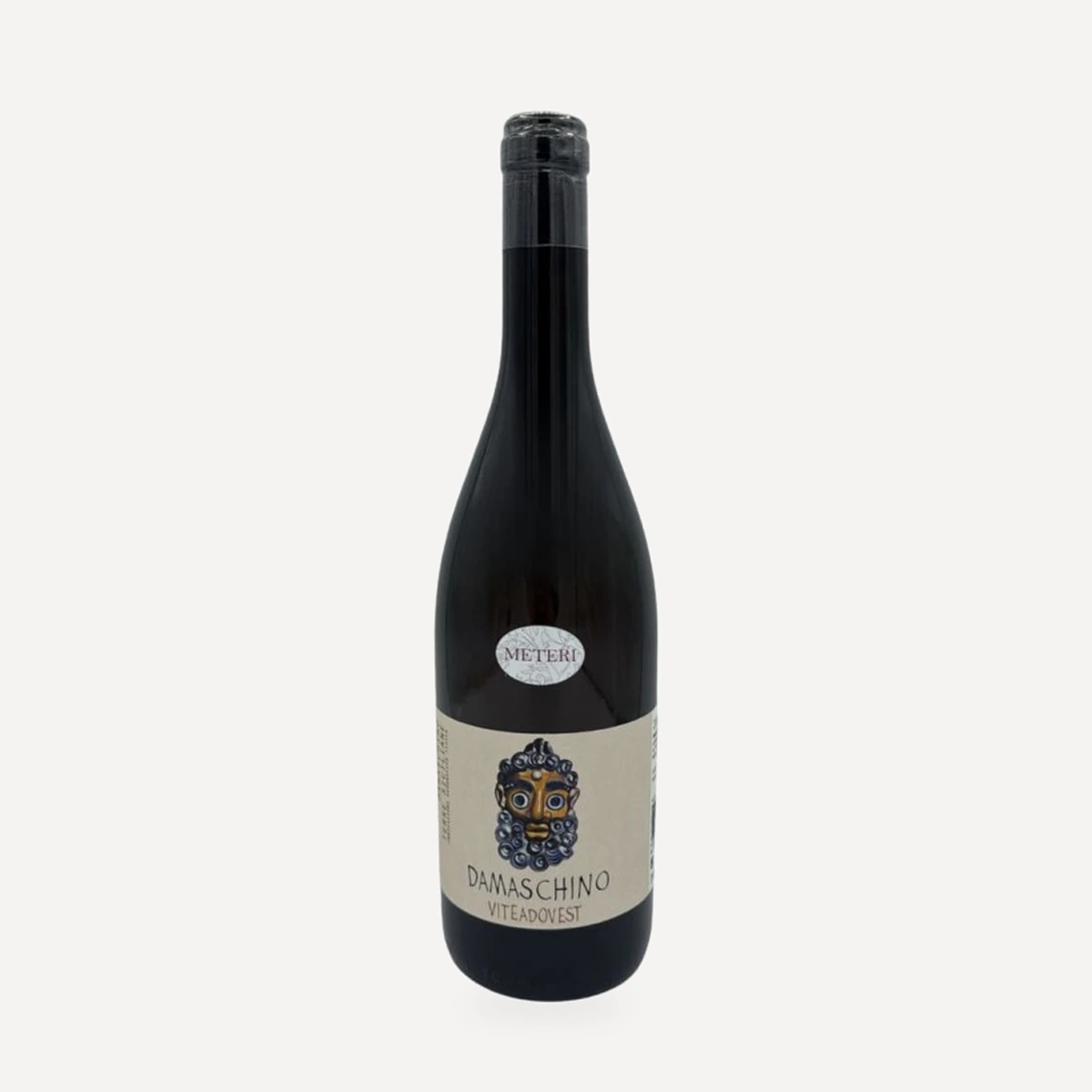
Damaschino
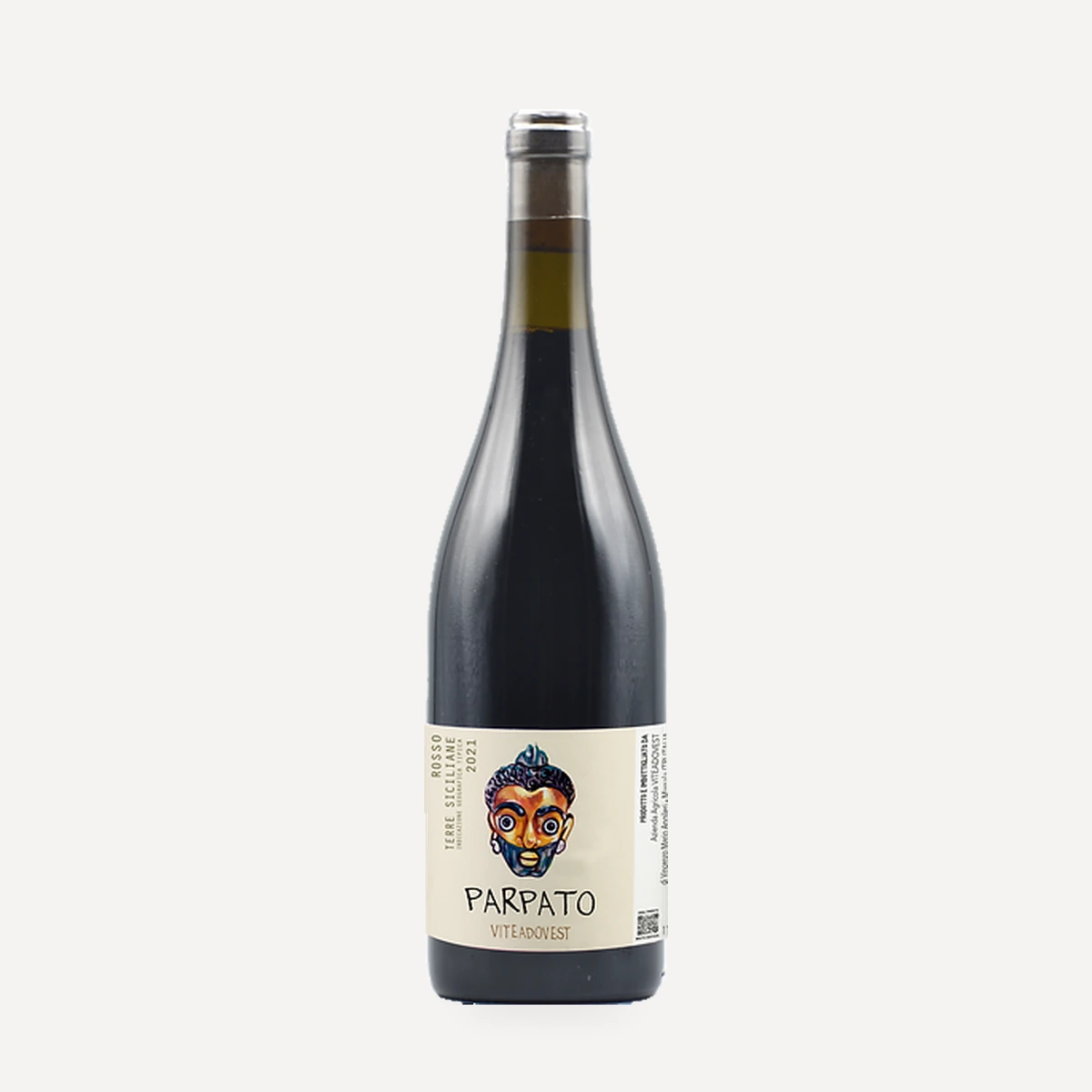
Parpato
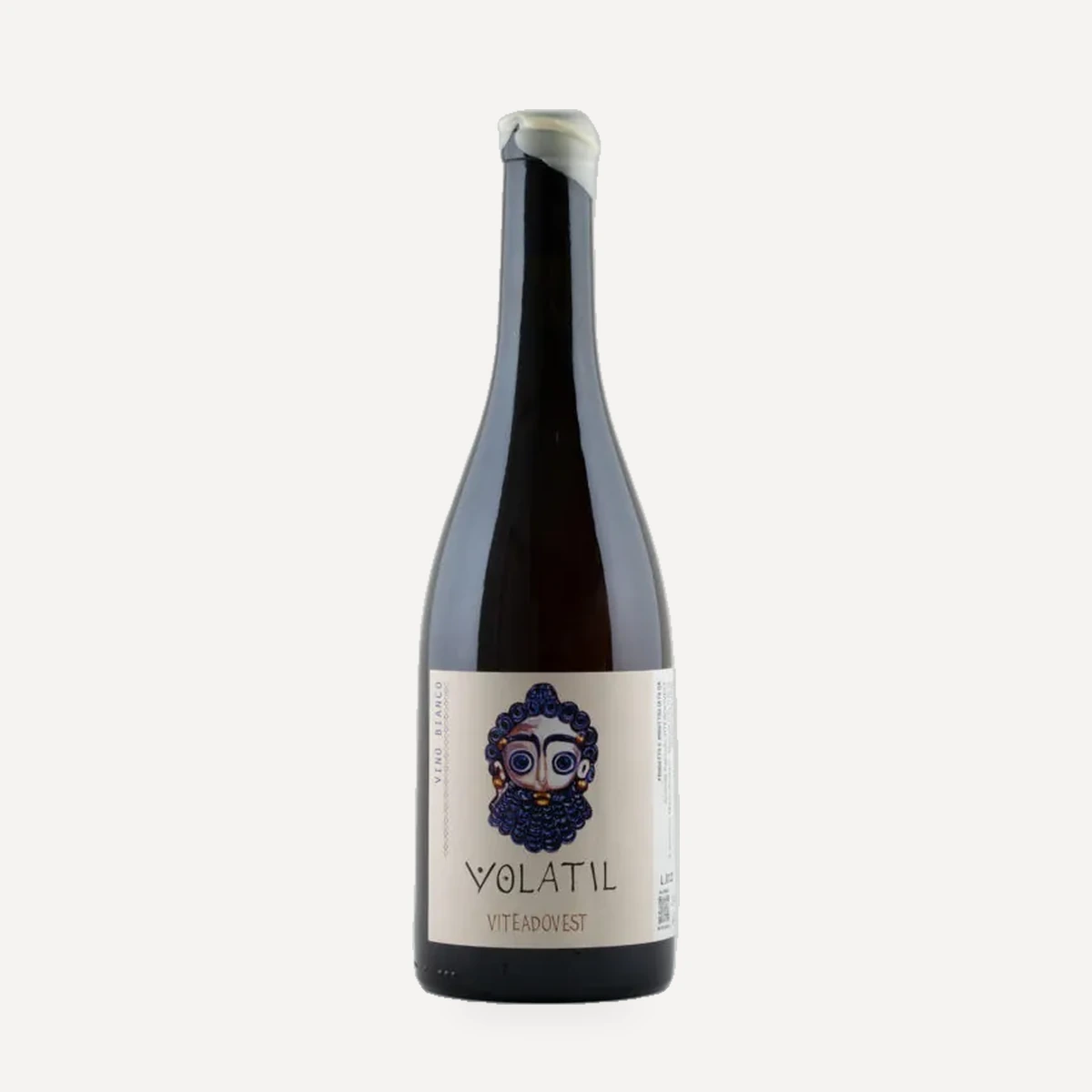
Volatil
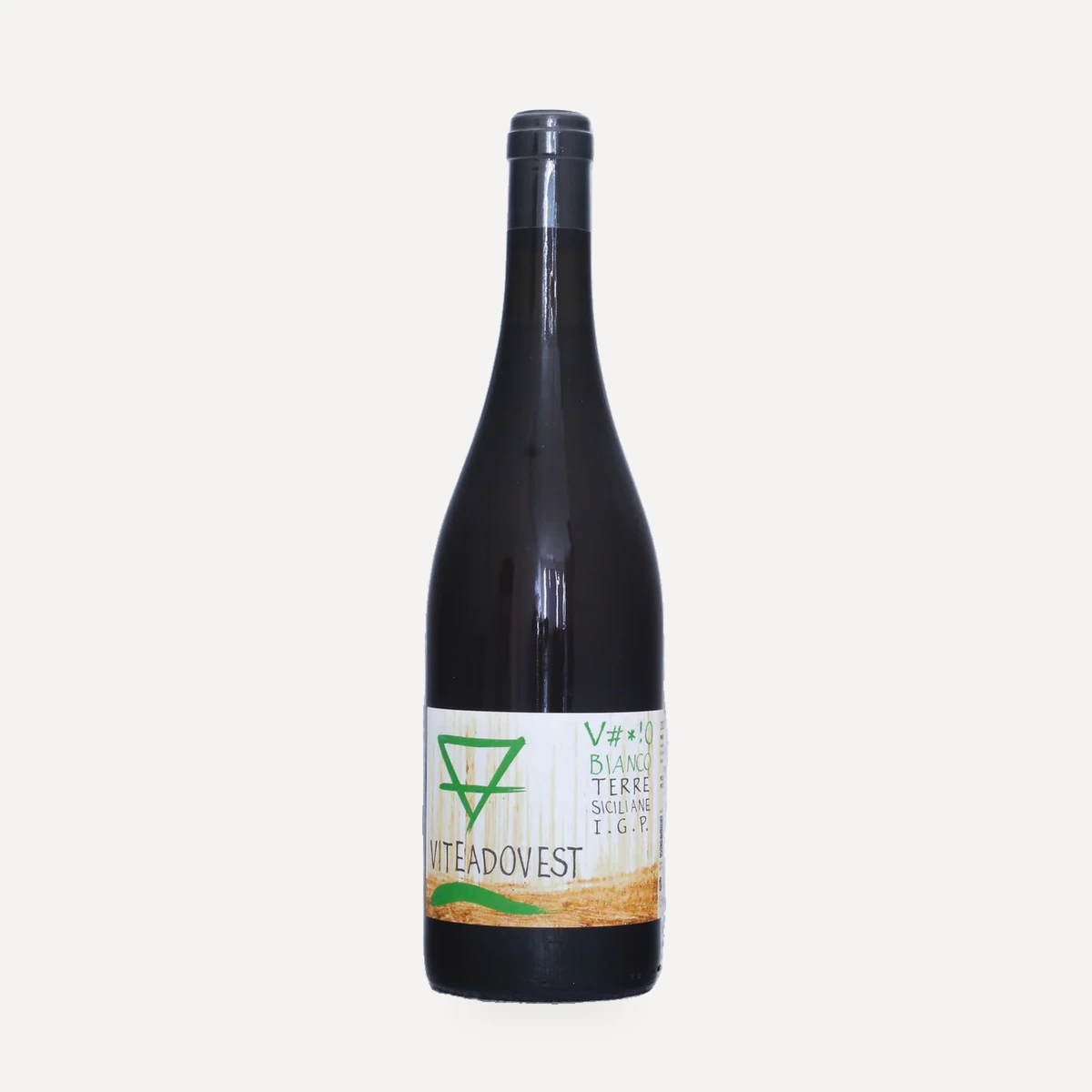
Vurgo
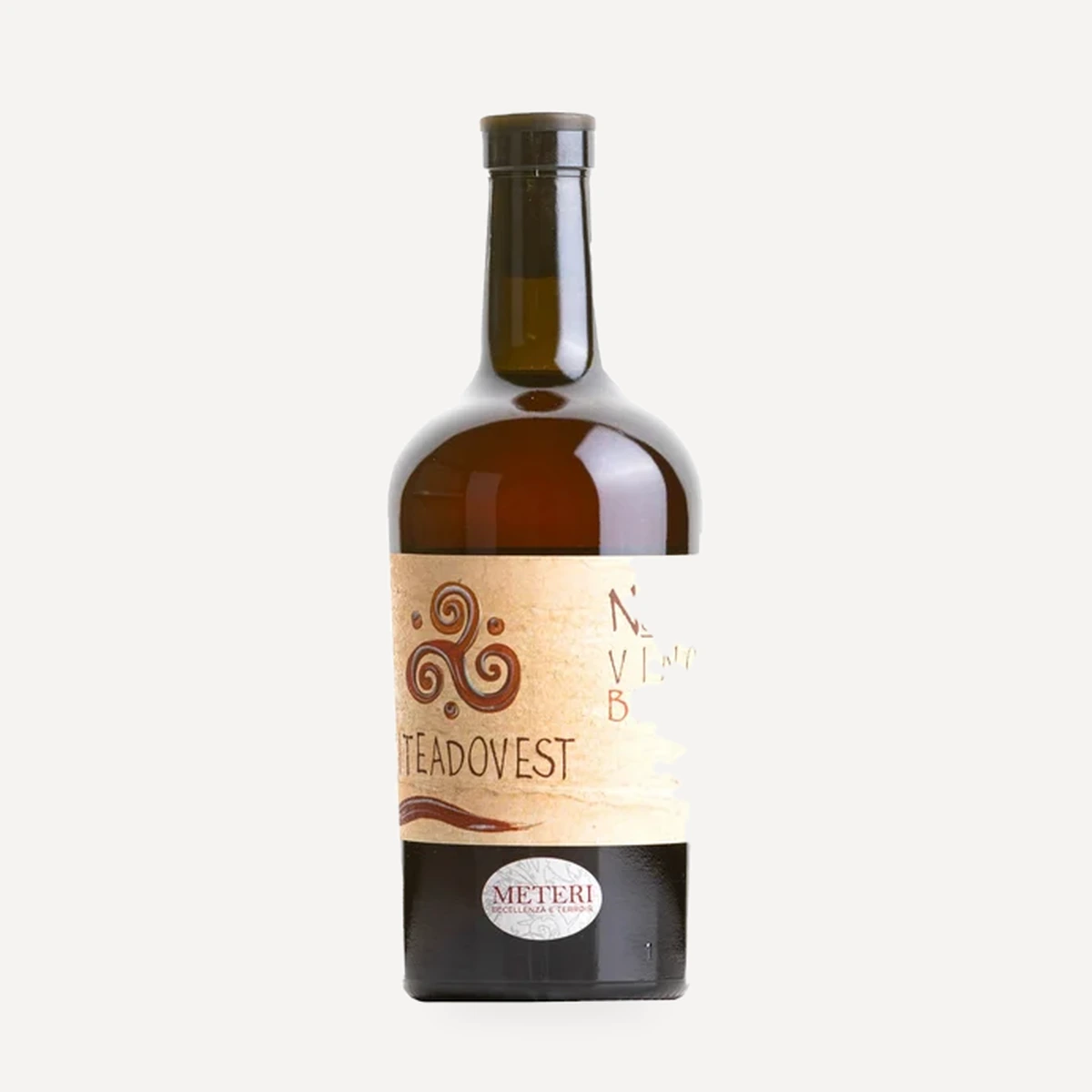
N°73
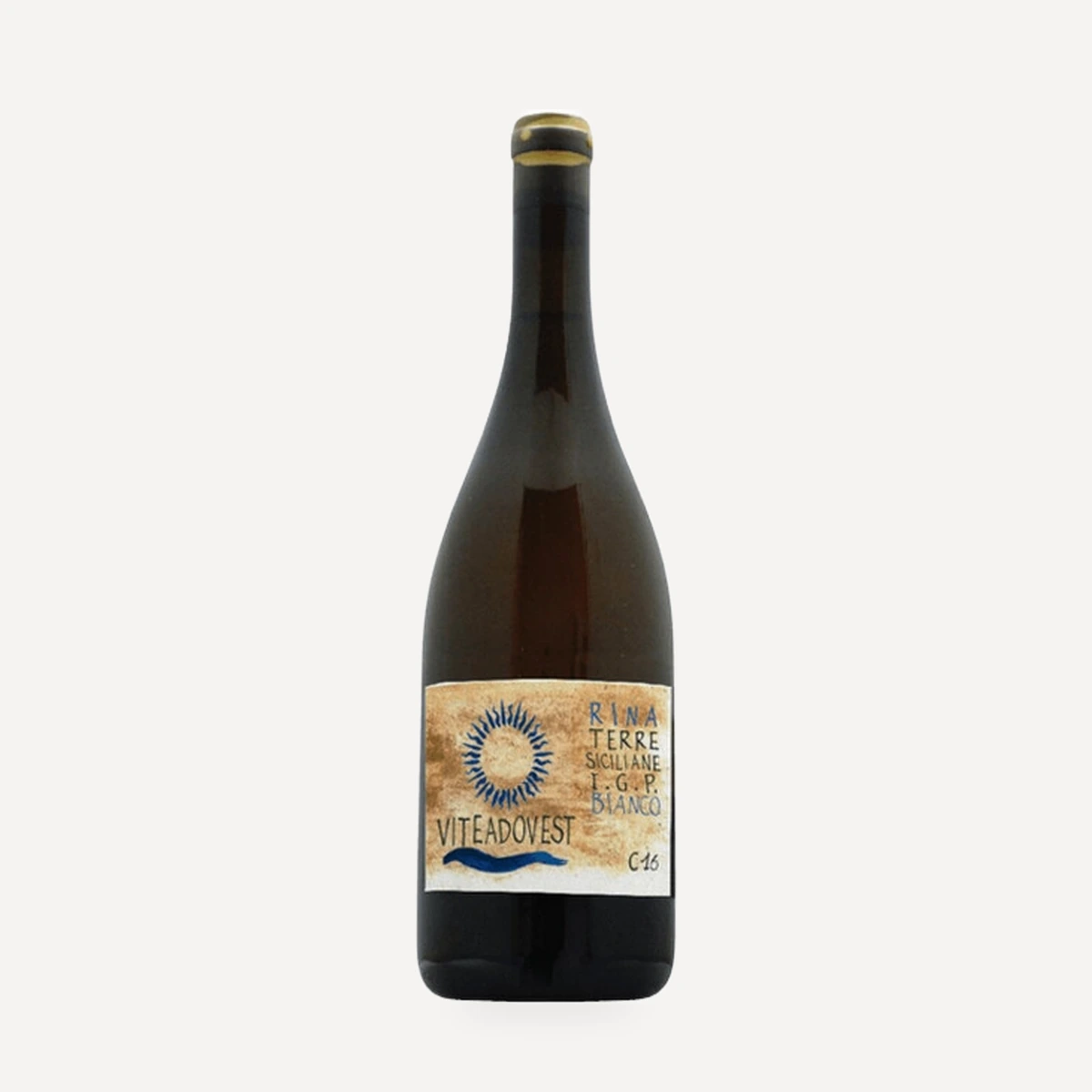
Rina Bianco Terre Siciliane IGP
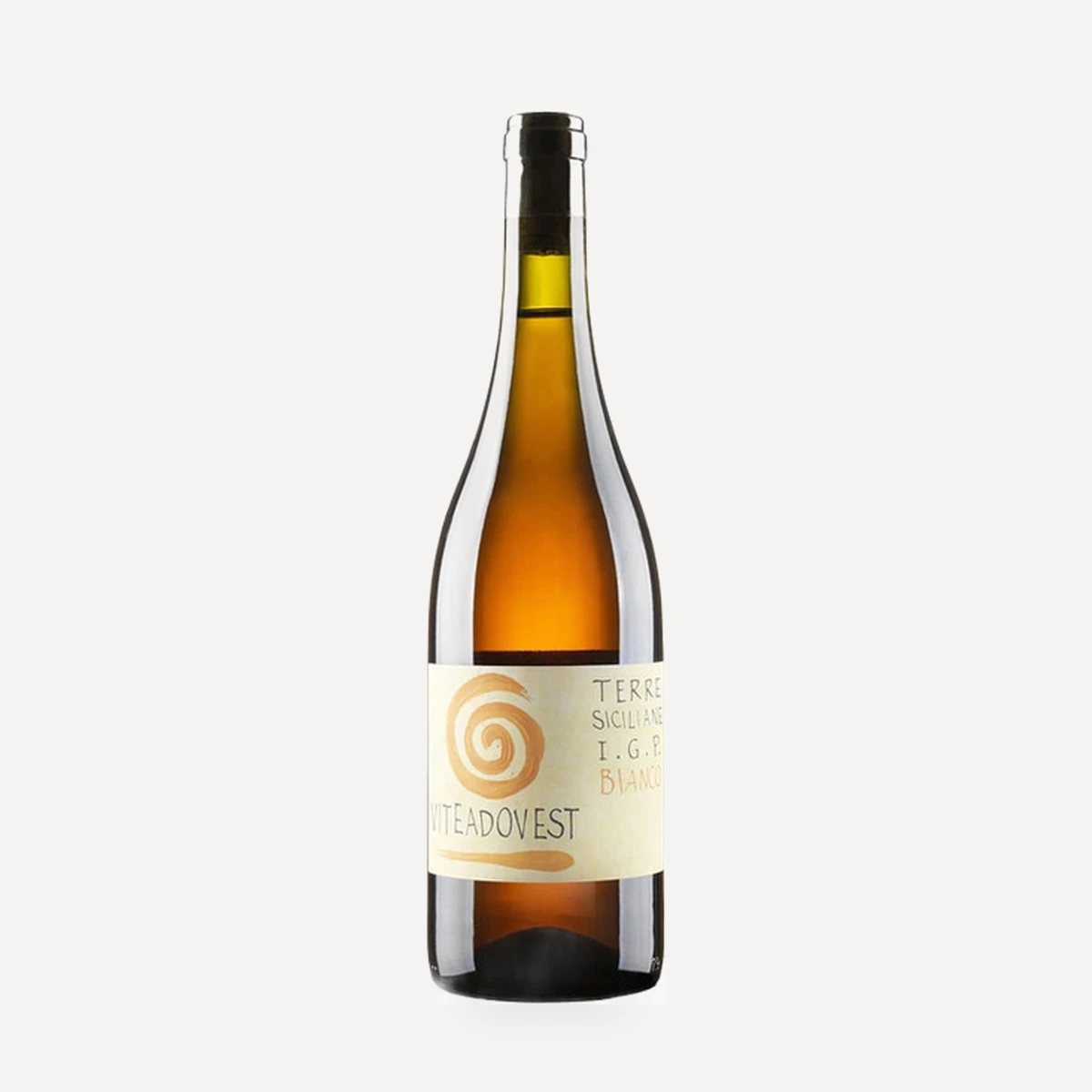
Bianco Terre Siciliane IGP
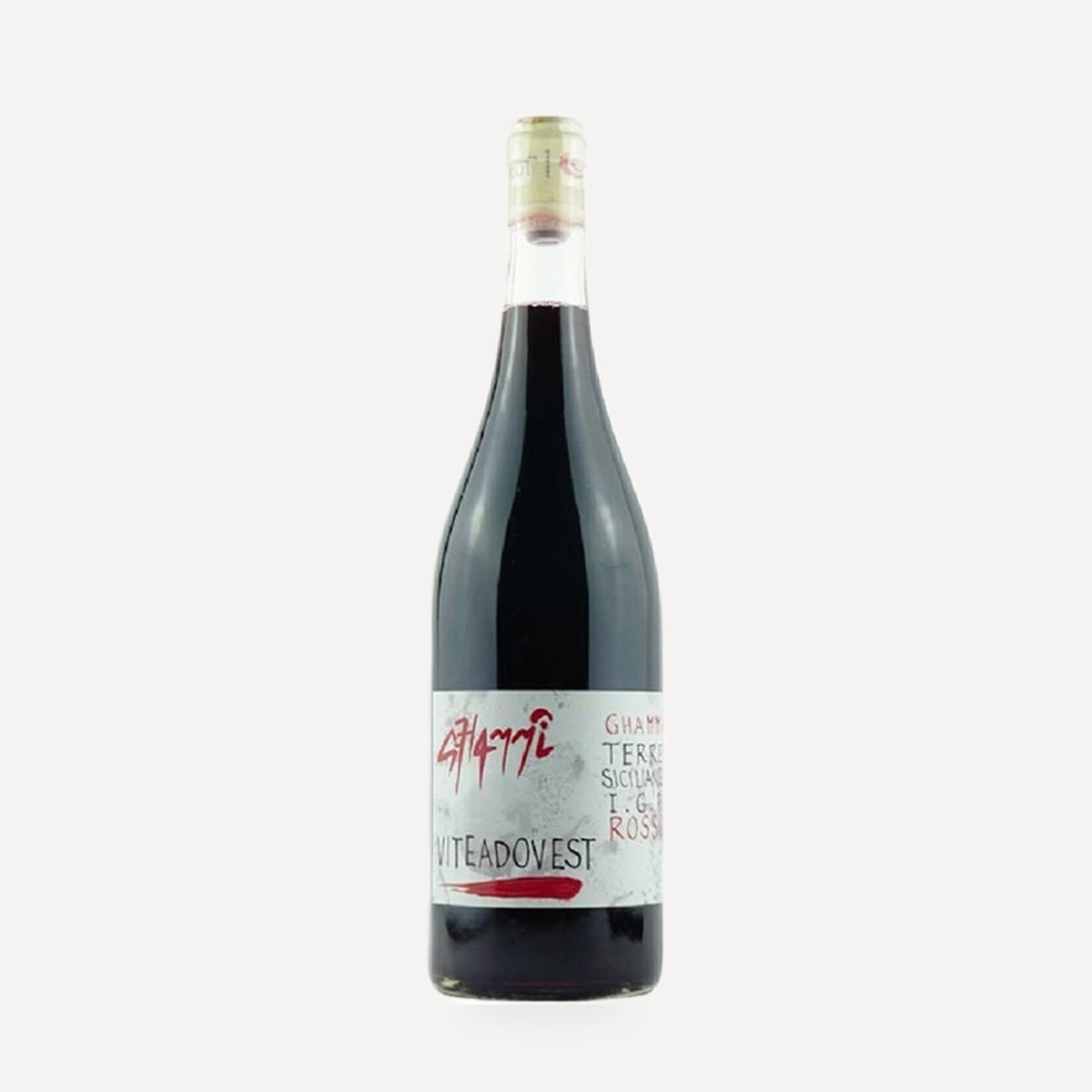
Chammi Rosso Terre Siciliane IGP
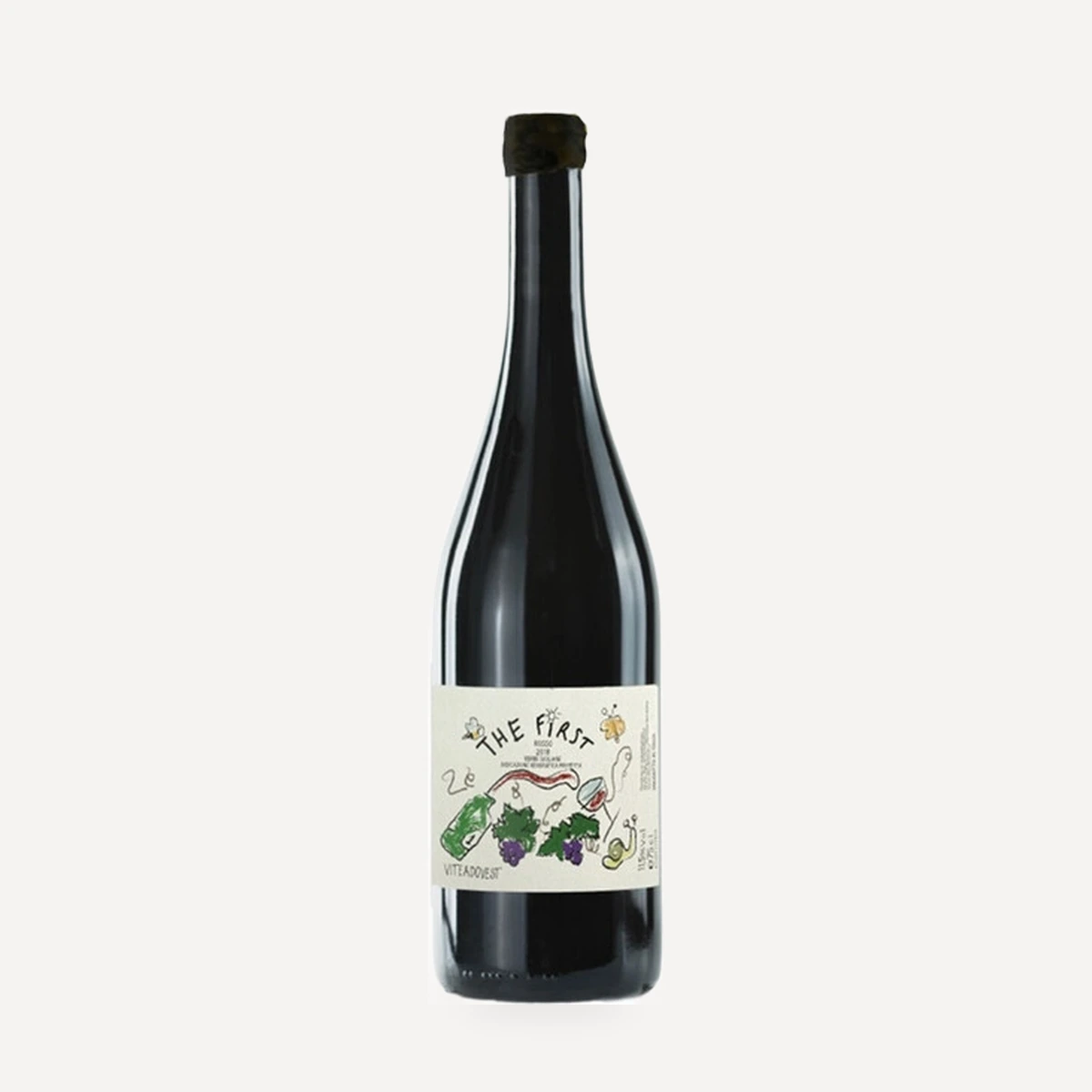
The First Rosso Terre Siciliane IGP
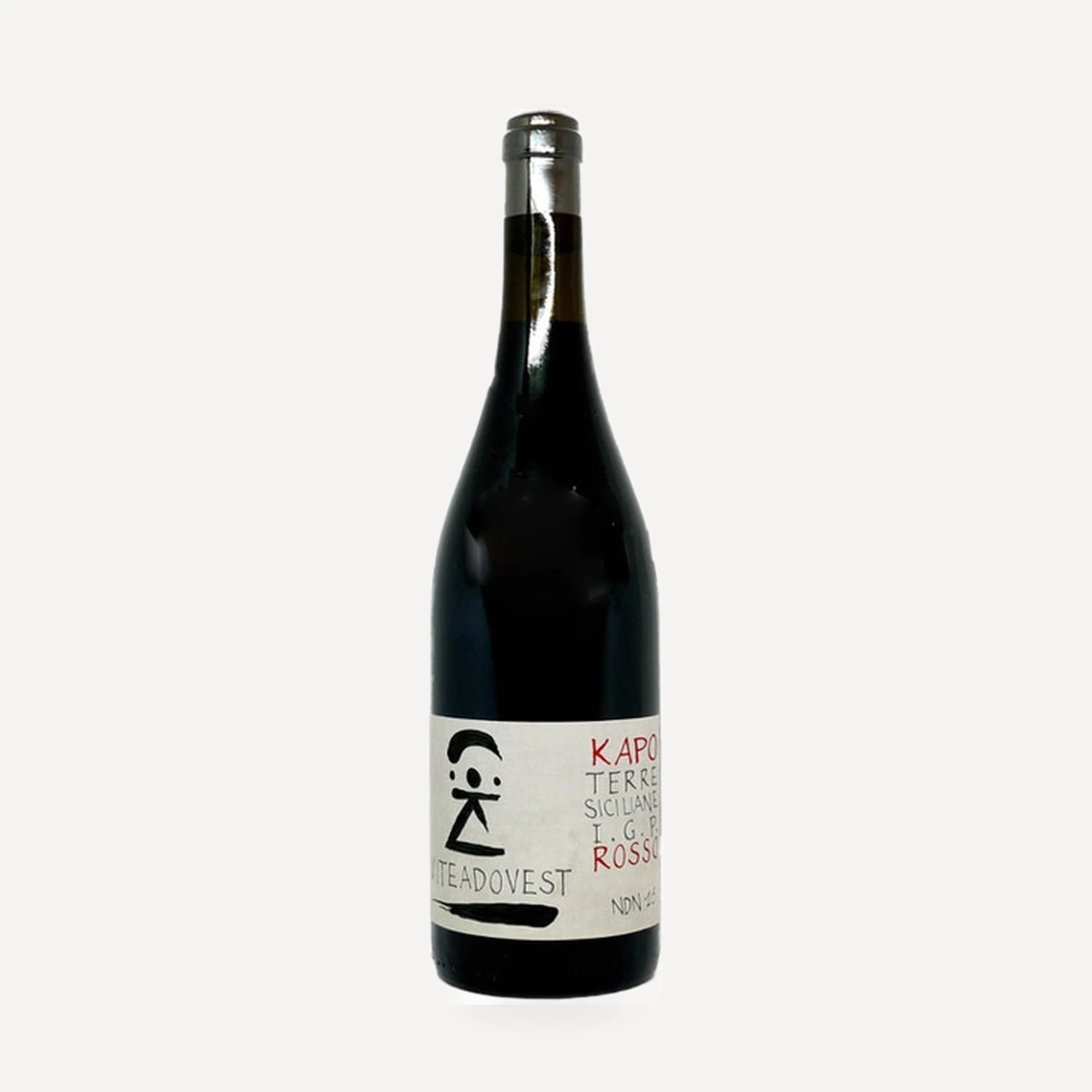
Kapo Rosso Terre Siciliane IGP