Storia
Agricultural roots
The Vivera family's agricultural history connects three parts of Sicily. Armida's ancestors cultivated vineyards and olive groves around Corleone for generations. In Chiaramonte Gulfi, the family's Tonda Iblea oil has been kept as a household reserve since 1882, when the family also operated its own local mill, the trappitu. Harvest was largely undertaken by women from dawn, while the men pressed the olives at night. Antonino Vivera likewise remembered first visiting the old olive trees of Chiaramonte Gulfi with his father as a child.
Establishing the vineyards
The documented vineyard plantings began at Petrulla in 1998, followed by Casalotto and Solicchiata in 1999, Muranna in 2000, Martinella on Etna in 2003 and Dagala in 2006. The Etna project was undertaken at a time when many vineyards in the area had been abandoned and viticulture needed to be re-established. Even Carricante propagation material was then difficult to obtain. At Martinella, the family used massal selection, choosing cuttings from selected vines and grafting them by hand.
Antonino, his wife Armida and their children built the winery in Contrada Martinella. It was set discreetly into the landscape so that it would not interrupt views of Etna. The restrained exterior contrasts with a colourful interior conceived as a meeting point between established winegrowing traditions and experimentation. Eugenio Vivera and his brother contributed to its design, treating the winery as a healthy, welcoming environment for both wine and the people working there.
First bottled wines and revival of Martinella
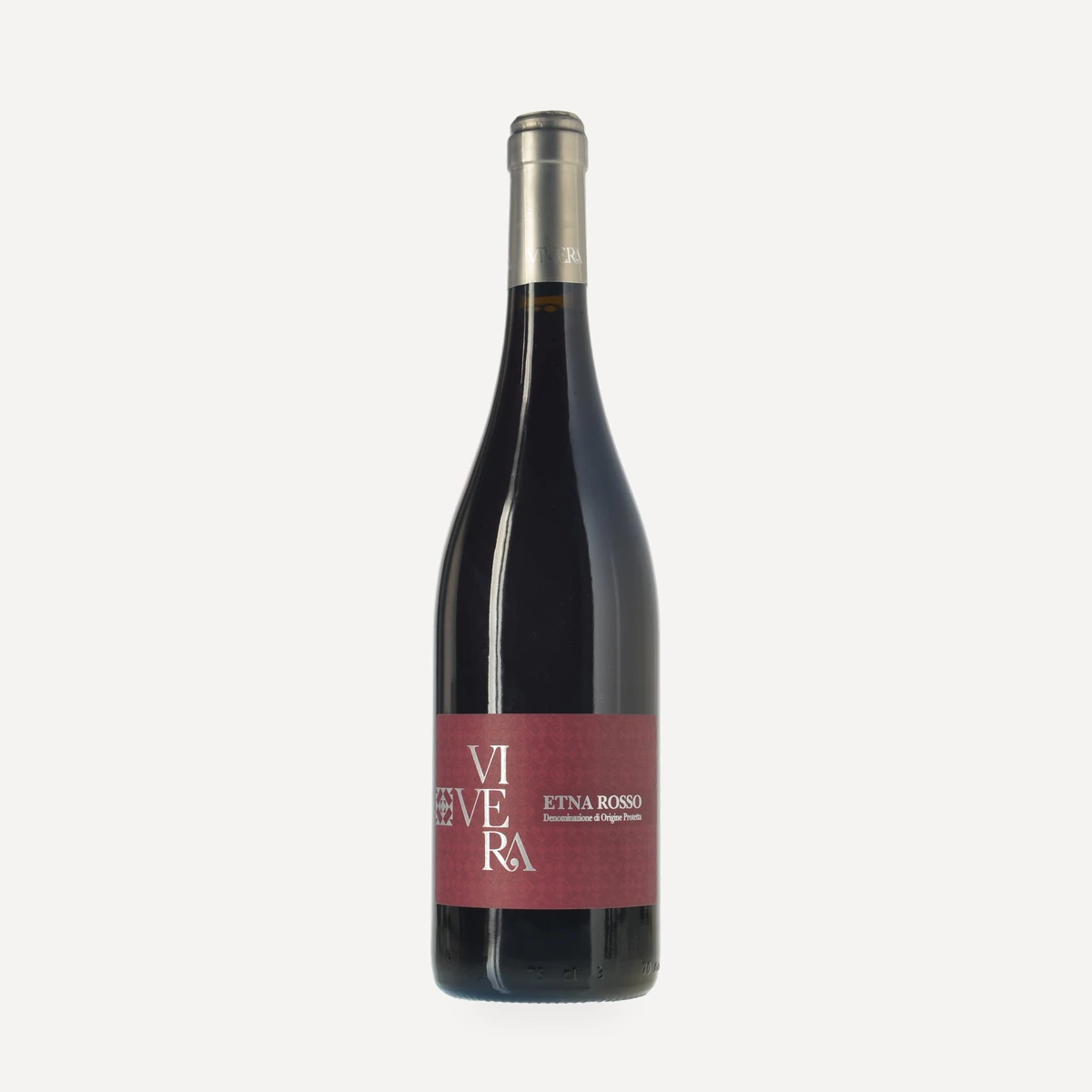
In 2008 Vivera released its first bottled wine, A’mami, combining Carricante from Martinella with Chardonnay from Solicchiata and dedicating the result to Armida. The first documented vintages of Martinella and Terra dei Sogni were also produced in 2008.
The Martinella name revived an Etna red once produced at Linguaglossa decades earlier from Nerello Mascalese and Nerello Cappuccio. The family brought the name back as a tribute to Linguaglossa and its residents. In Sicilian, A’ Martinedda refers to the contrada and to the vineyard that inspired the family's commitment to wine.
A new generation of leadership
Loredana Vivera became head of the family business in 2019. Under her direction, the estate has continued to connect its two principal winegrowing identities: the volcanic vineyards of Linguaglossa and the inland hills of Corleone. Its approach combines long-established agricultural roots with experimentation, extended maturation and an explicit commitment to organic farming, biodiversity and the welfare of its workforce.
Recent development
In 2024 a new vineyard was planted in Contrada Martinella for future Etna DOC production. The planting continued the family's work of rebuilding and extending viticulture on the north-eastern slope of Etna.
Terroir
Contrada Martinella, Etna
Contrada Martinella lies near Linguaglossa on the north-eastern slope of Etna. The 14-hectare property occupies traditional terraces between 550 and 600 metres above sea level. Both the Mediterranean and Etna's summit craters are approximately 9 km away, and the vineyard looks toward both. A nearby forest contributes to a biologically varied setting, while persistent wind removes humidity and helps keep the vines healthy.
Martinella has a mountain climate with cool summers and marked differences between daytime and night-time temperatures. The altitude moderates both hot seasons and cold, rainy years, supporting balanced ripening. The soil is volcanic, stony and subacid, with abundant skeletal material. It is exceptionally deep: an exploratory excavation was said to have encountered volcanic material down to about 250 metres. The quantity of stone makes cultivation demanding, while allowing roots to penetrate a deep volcanic profile.
Corleone
Corleone stands at approximately 540 metres in western Sicily. Vivera's mixed vineyard and olive estate covers about 35 hectares on the hills below the town, between 200 and 450 metres above sea level. The soils are described as clayey and alluvial, with rounded white stones; individual vineyard descriptions also identify clay-limestone topsoils of moderate depth and fertility.
Winters are cold, although snow is rare. Spring brings abundant spontaneous flowers and grasses. Summers are warm and windy, with day-to-night temperature differences reaching 20°C. Rocca Busambra, rising to 1,613 metres, the Ficuzza woodland, streams and the Due Rocche waterfall form part of the surrounding landscape.
Chiaramonte Gulfi
Vivera's Chiaramonte Gulfi holding is devoted to old Tonda Iblea olive trees rather than vines. The trees grow in Contrada Dicchiara at approximately 350 metres above sea level on dry, gently sloping, pale soils rich in limestone and clay.
Vinificazione
All of Vivera's land has been cultivated organically for more than 20 years, and the operation uses a certified organic system. Vineyard treatments are selected for low or negligible environmental impact. Pesticides and herbicides are excluded, while mechanical intervention is limited to protect the soil's organic system.
Biodiversity is supported through the structure of the vineyards. Ninety-eight percent of the retaining walls are dry-stone constructions made without metal or concrete. Their cavities provide habitat for plants, animals and beneficial insects that help control vine diseases. The proximity of woodland at Martinella further contributes to biological diversity.
Pruning is performed manually. The teams thin bunches to manage quality, harvest by hand and select the best clusters during picking. Grapes are placed in crates so that the fruit reaches the cellar intact. At Martinella, selected vine material is propagated by massal selection: cuttings are chosen directly from preferred vines and grafted by hand. Lupins are also grown between the rows, continuing an old Etna practice.
Harvest dates vary by variety and place. Chardonnay may be picked around mid-August, other Corleone varieties from late August into mid-September, Carricante toward the end of September, and Nerello Mascalese and Nerello Cappuccio in early October.
The environmental programme extends beyond the vines. Lightweight bottles reduce transport impact. Cellar wastewater passes through a phytoremediation system and is reused to irrigate ornamental plants. The cellar's design reduces electricity demand for lighting and temperature control.
The winery stands in Contrada Martinella within the commune of Linguaglossa. It was designed in detail around wine quality, efficient working conditions and the wellbeing of the people employed there. Its exterior is visually restrained and integrated into the Etna landscape, while colour distinguishes the interior work areas according to function. The building incorporates measures intended to reduce electricity use for illumination and temperature maintenance.
The production philosophy calls for suitable working spaces, high-quality equipment and careful handling from vineyard to cellar. Grapes are harvested manually, selected during picking and transported in crates to preserve their condition. Sulfur dioxide use is kept low.
Across the range, Vivera employs temperature-controlled fermentation, stainless steel, maturation on fine lees and, where the intended style requires it, extended ageing in French and Caucasian oak. Long maturation is treated as a means of emphasizing the identity of a territory and grape variety rather than standardizing the wine. Wastewater from cellar cleaning is treated through phytoremediation and reused for ornamental irrigation.
Filosofia
Vivera treats each vine as one living component of a wider ecological system. Soil, animals, other plants, climate and human work all shape its development; ecology consequently includes the health of the vineyard as well as the wellbeing and quality of life of the people who work there.
The family presents wine as an expression of its culture and its willingness to experiment. Its approach moves between historical research, local tradition and personal creative choices. This can mean unusually long maturation intended to emphasize variety and place, or exploring an unconventional path when it offers a more individual result.
Vintage variation is embraced rather than corrected away. The Collezione Corleone is not intended to taste identical every year: each harvest reflects its own climate and history, compared to a new painting with different forms, light and colour.
The winery's idea of quality encompasses both the finished wine and the conditions in which people work. Colour, training, scientific reading, vineyard and cellar trials, blind internal tastings and continuing dialogue are used to build knowledge and improve collaboration. Social sustainability is defined through support for rural communities, fair work and continued access to agricultural land.
Vini
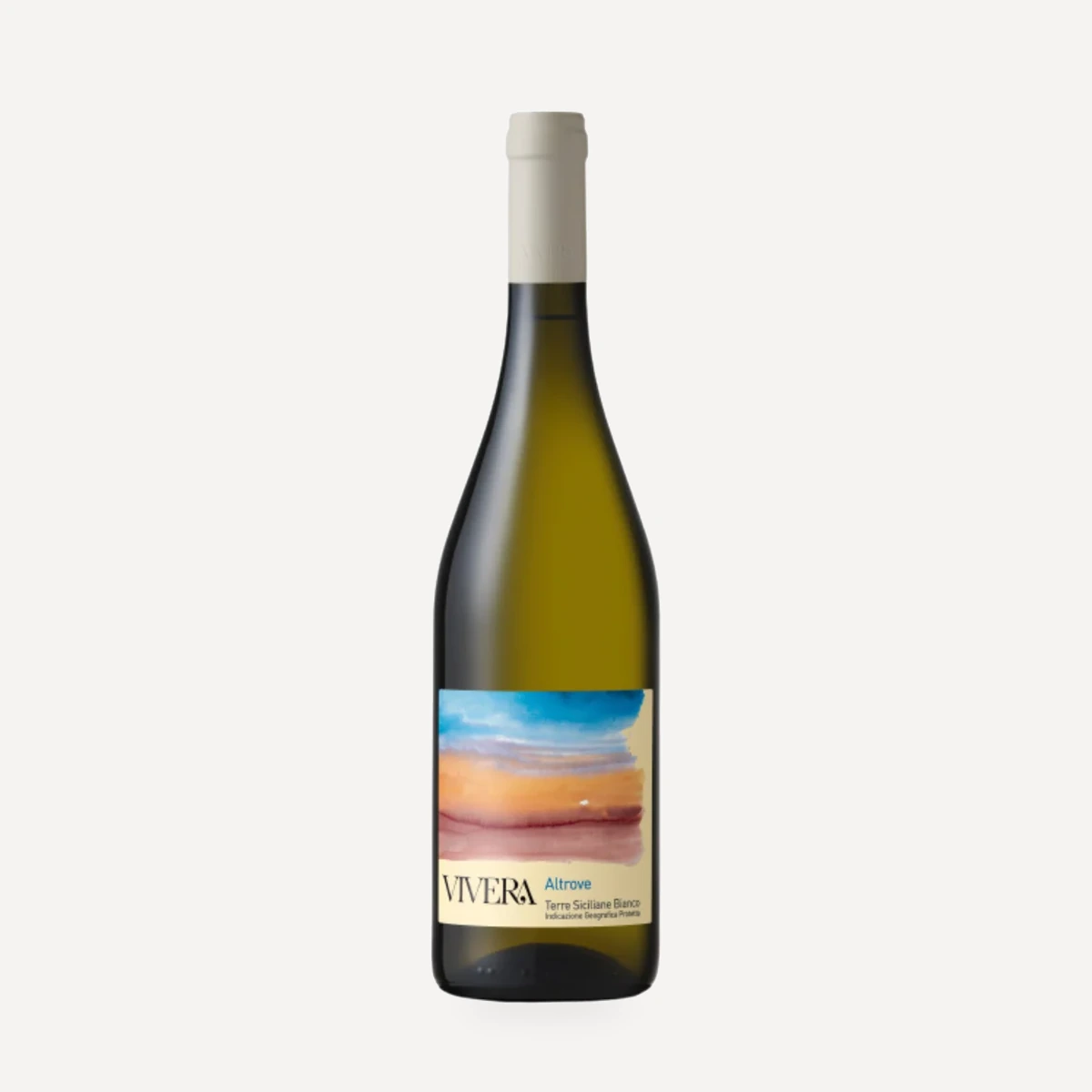
Altrove Terre Siciliane IGP Bianco
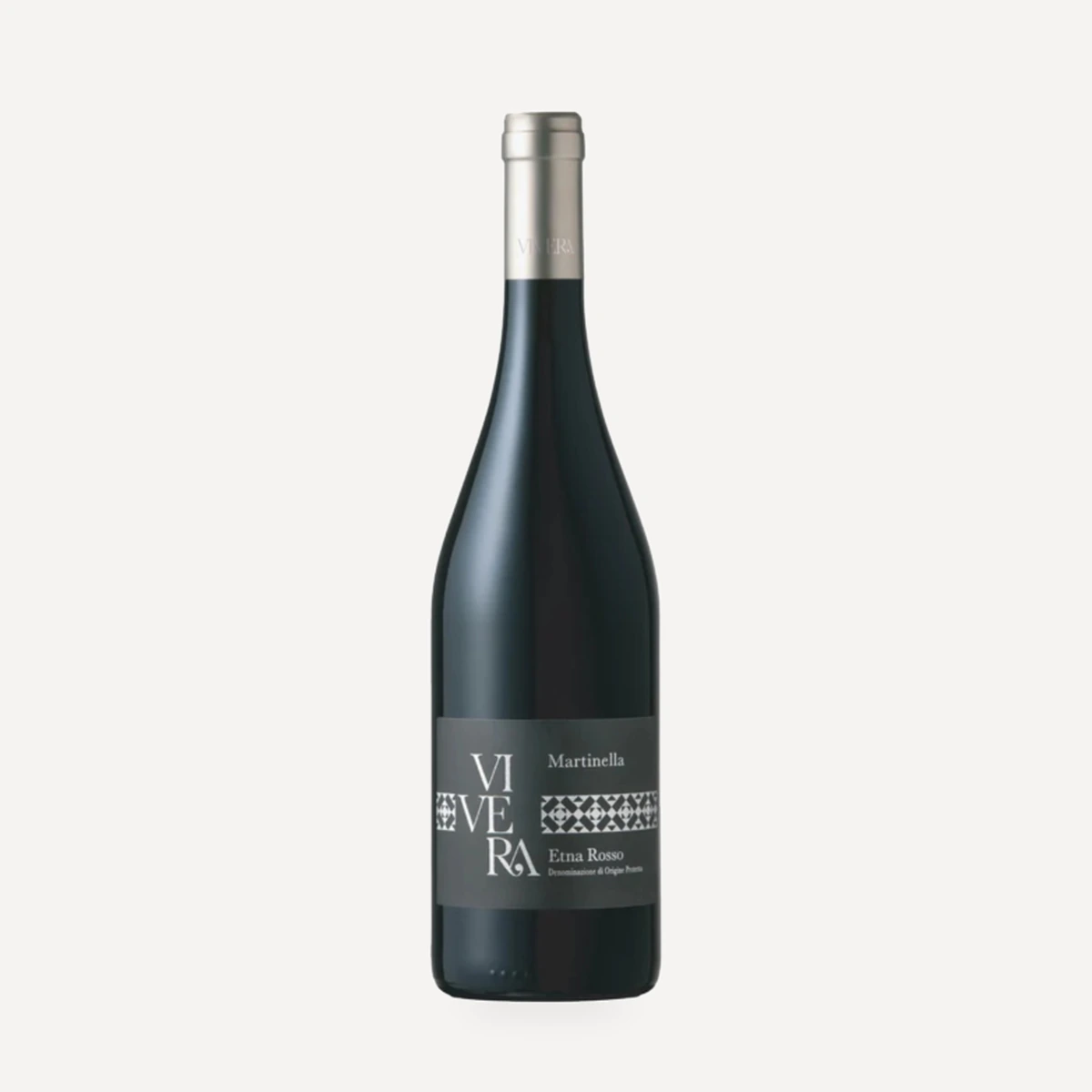
Martinella Etna Rosso DOP
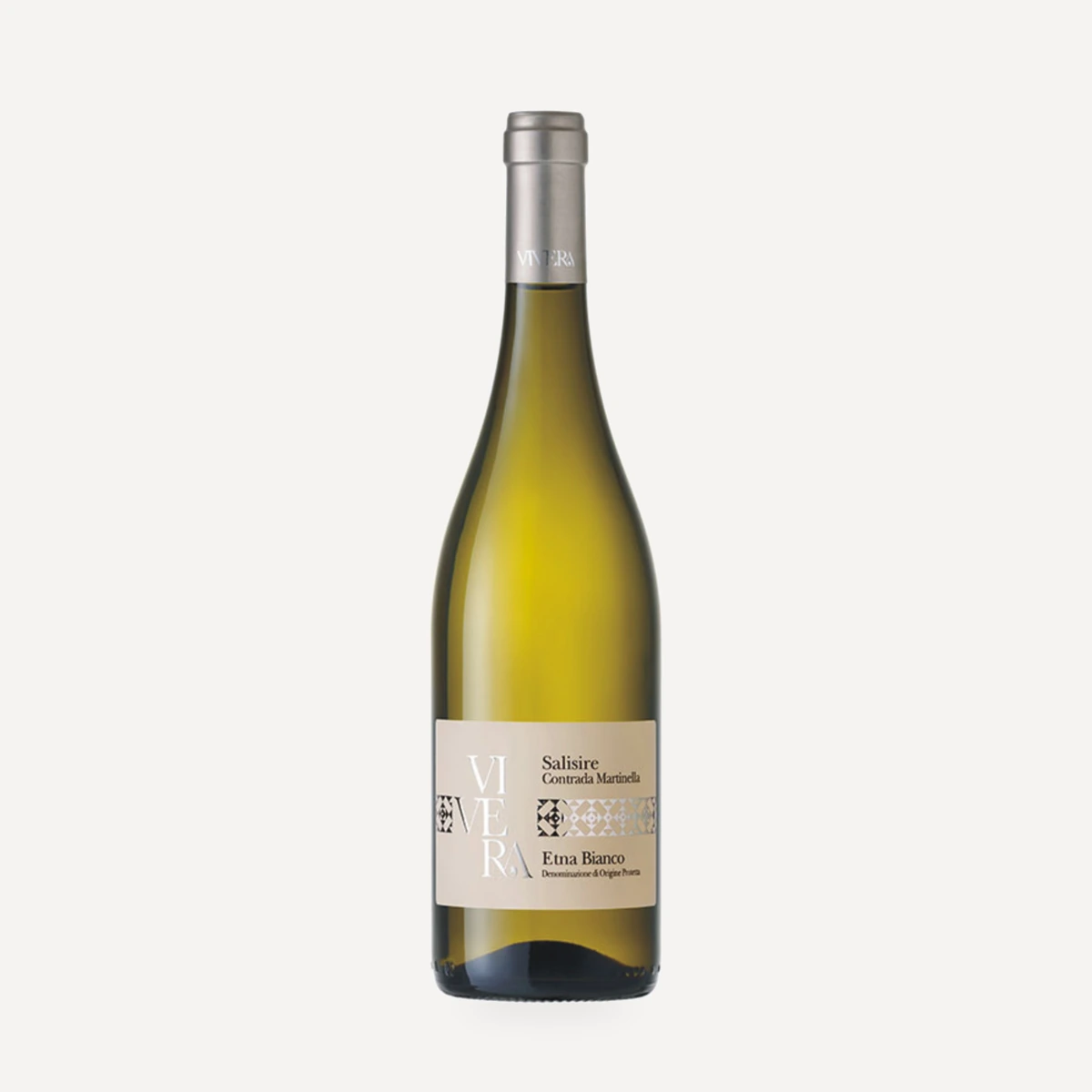
Salisire Contrada Martinella Etna Bianco DOP
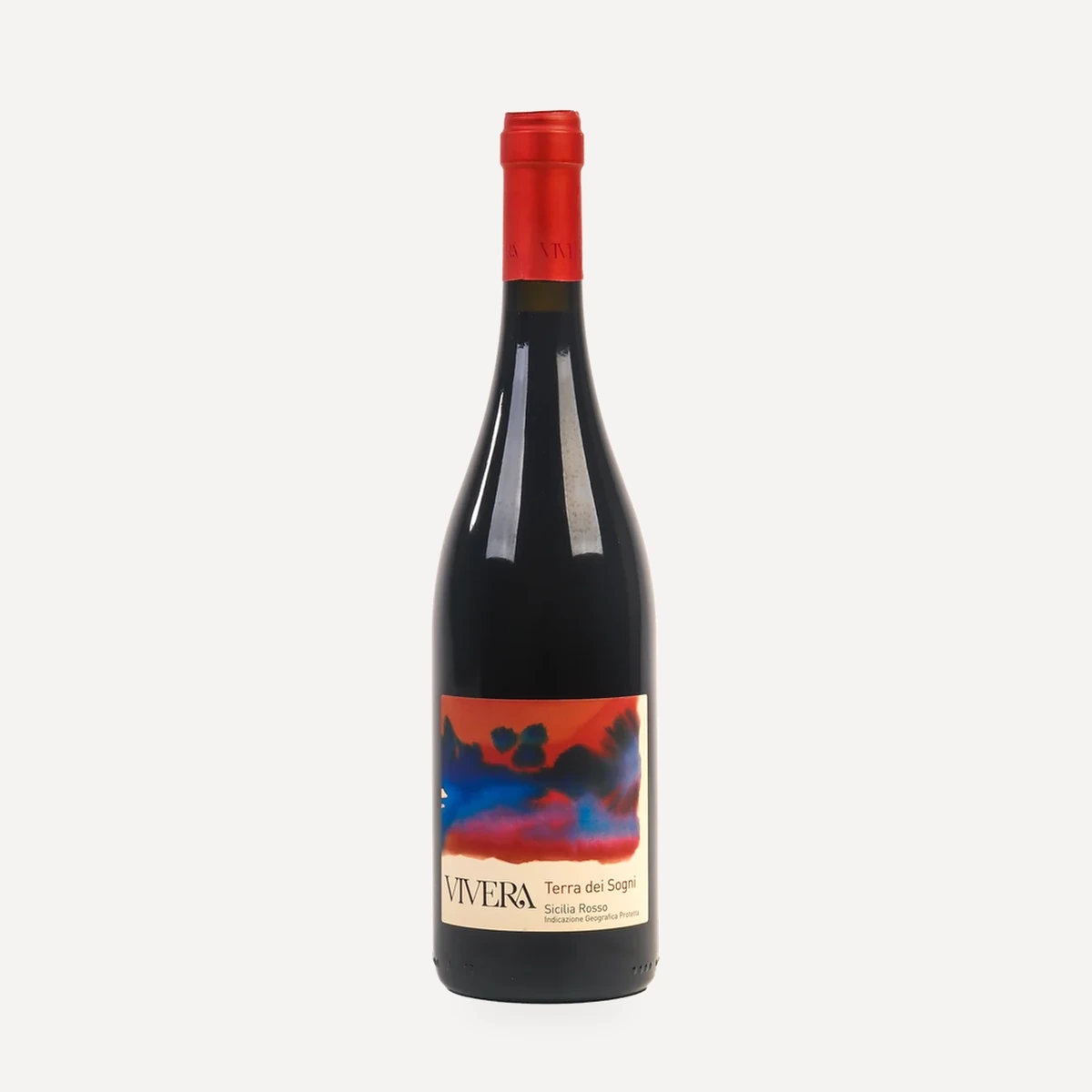
Terra dei Sogni Terre Siciliane IGP Rosso