Beaujolais Nouveau: from early sales to an international November tradition
Beaujolais Nouveau developed from 19th-century trading practices into an annual release governed by French regulations and, since 1985, scheduled for the 3rd Thursday of November.
Origins and the 1951 exemption
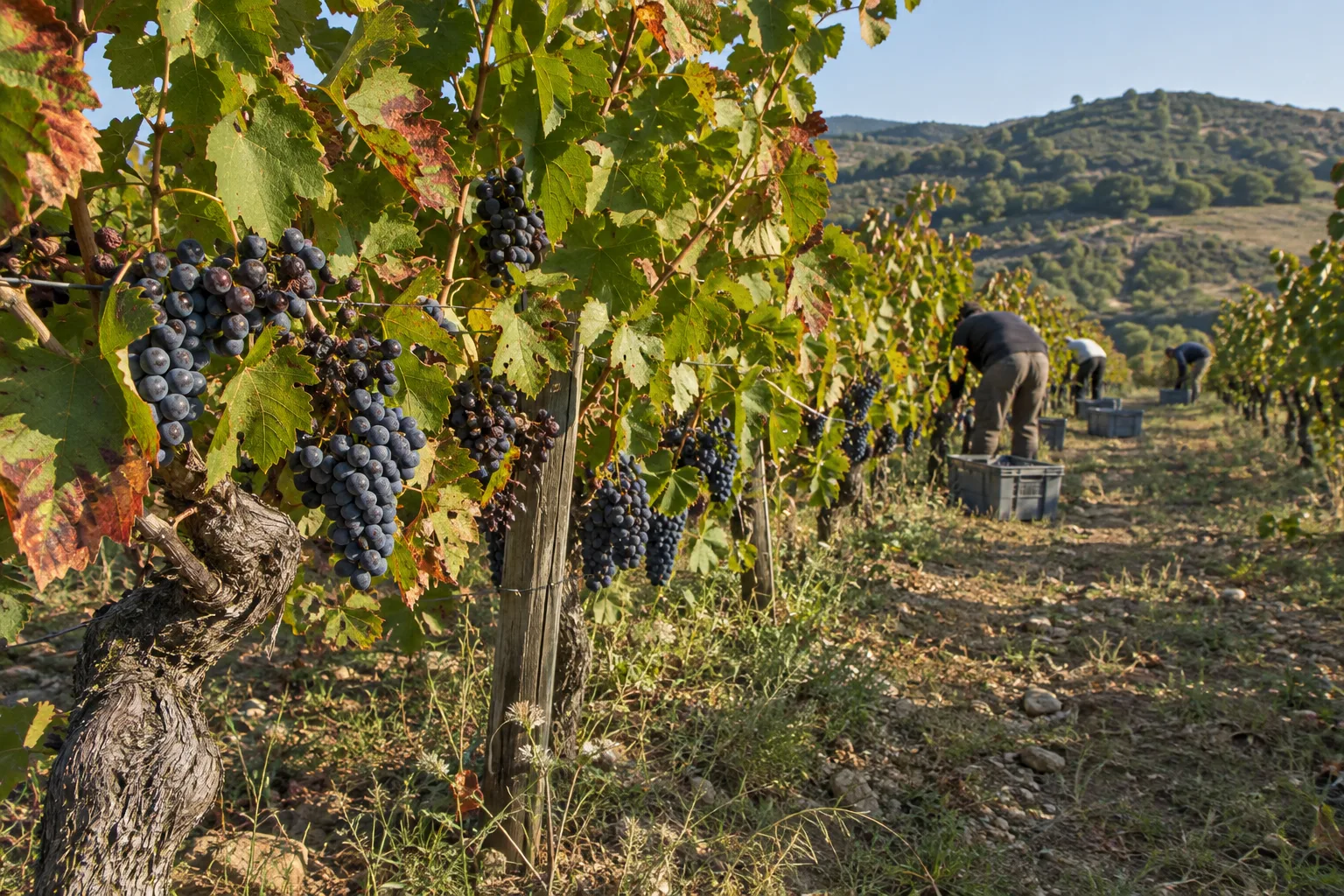
In the 19th century, some drinks merchants bought wine directly after pressing and presented the new Beaujolais to distributors, cafés and restaurants in Paris and Lyon within the following weeks. Fermentation often finished during transport, helping protect the wine from deterioration.1
A ministerial order issued in September 1951 prohibited the sale of appellation wines before 15 December of the harvest year. Beaujolais growers, accustomed to distributing bottles earlier, protested and secured an exemption on 13 November 1951. An official notice allowed certain wines to be marketed before the original deadline if their labels carried the word “nouveau”; the 1951 vintage was launched 2 days later, on 15 November.1
How the November release date was established
The release was set for 15 November in 1967, but growers faced administrative difficulties when that date fell on a Saturday or Sunday. In 1985, the celebration was therefore assigned to the 3rd Thursday of November.1
Production and commercial scale
Sales volumes rose rapidly from the 1960s and reached about 500,000 hl in the mid-1980s, while never exceeding half of total Beaujolais production. Technical constraints generally limit primeur wine to 50% of the harvest.1
An international annual event
The festive Beaujolais Nouveau occasion became an annual fixture for wine drinkers and a major marketing event. From the 1980s, the slogan “Le Beaujolais Nouveau est arrivé!” was used to announce the new vintage, while bars, bistros and restaurants updated their wine lists for the 3rd Thursday of November.1
The phenomenon spread beyond France, particularly to the United States and Asia. Inter Beaujolais figures show that 161,000 hl were produced in 2019; 46% of marketed Beaujolais Nouveau volume was exported, and Japan alone accounted for 23%.1
Sources
- 1La Revue du vin de France — Quelle est l'histoire du Beaujolais nouveau et pourquoi est-il célébré ?
Written by the Dionysus editors from the sources above.