Weinkenner finds Württemberg ahead of Baden in 2024 Spätburgunder GG review
Weinkenner’s 12 November 2026 assessment found few parallels between the 2024 Spätburgunder GGs of Baden and Württemberg and French Burgundy. Rainer Schnaitmann’s Lämmler led a stronger Württemberg showing, while the review also covered every submitted or highlighted wine from Wöhrwag, Graf Neipperg, Staatsweingut Weinsberg, Dautel and Beurer.
The 2024 vintage: fine wines, but no standout
Weinkenner’s review, published on 12 November 2026, examined Spätburgunder GGs from Baden and Württemberg, especially the 2024 vintage. The critic found few or no parallels with French Burgundy: the German wines were generally fruit-led and insufficiently layered, though still enjoyable. The review cautioned that French Burgundies are not uniformly world-class and that Germany’s best Spätburgunders have their own character. Its verdict was that several fine wines appeared, but no exceptional 2024 release.1
The assessment echoed the 1st installment published 14 days earlier, saying the 2024 wines lacked the magnetism and distinctive character that make Pinot Noir so sought after.1
Baden: frost, mildew and only 8 GGs
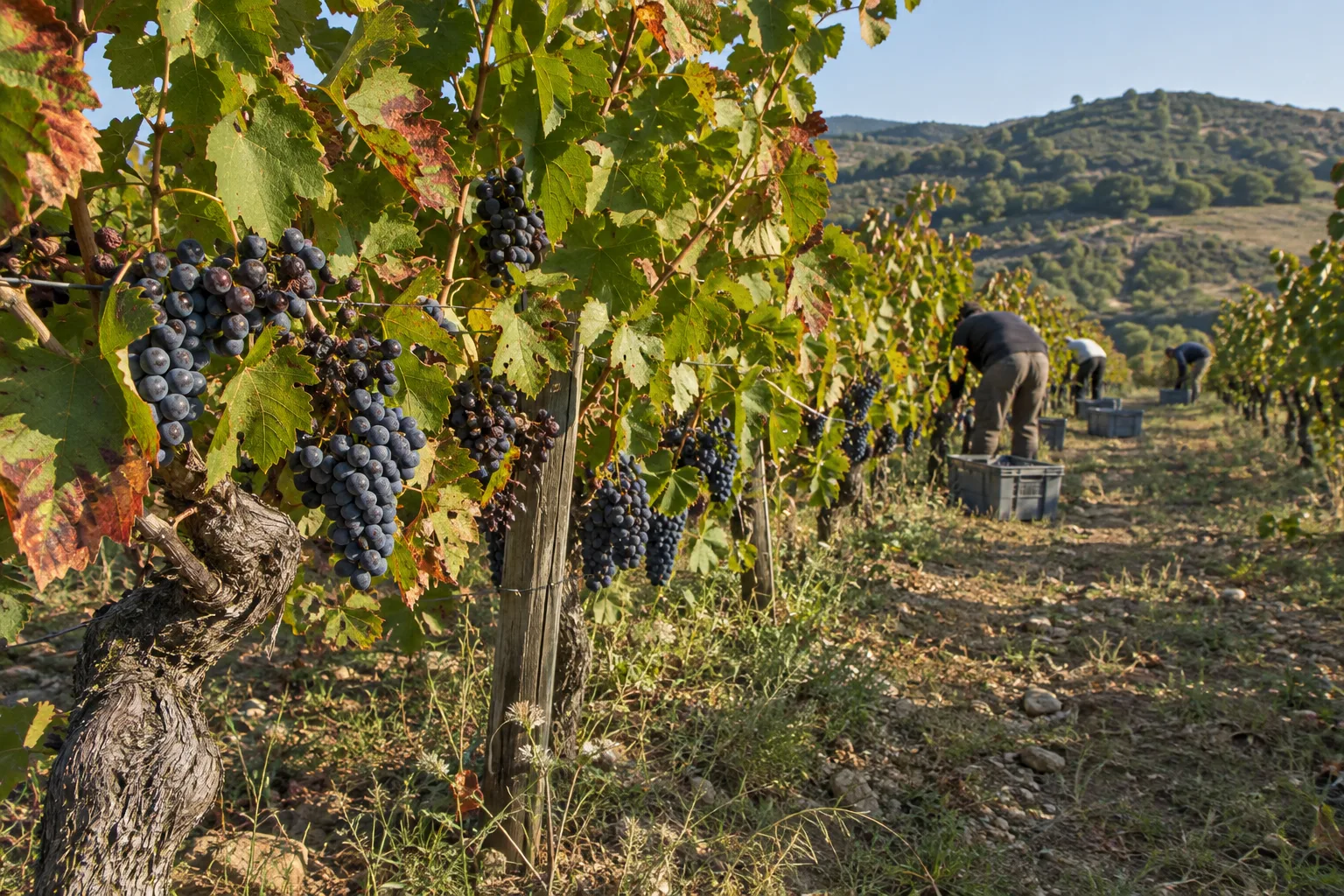
Northern Baden was hit hard by frost, particularly the Taubertal and Kraichgau, while the Markgräflerland reported an almost ideal growing season. Many estates in Ortenau, Breisgau and Kaiserstuhl did not submit a 2024 GG. Only 8 appeared at the preview, against 14 the previous year, although some estates might bottle later.1
Franz Keller, Bernhard Huber and Dr. Heger nevertheless made lighter wines with unexpected grip and energy. Bernhard Huber’s 2024 Bienenberg was dark, tightly woven, pure and expressive, but short of the final degree of ripeness and fullness. Julian Huber offset that leanness with freshness and red-fruit aromas; the usual reductive note was less marked. Low volumes kept the 2024 Sommerhalde, Alte Burg, Schlossberg and Wildenstein out of Wiesbaden, but they later reached the market.1
Kaiserstuhl’s 2024 wines
Franz Keller presented all 3 of its 2024 GGs. Achkarren Schlossberg was less taut and forceful than usual and somewhat lean. Steinriegel was soft and velvety and suggested depth, but lacked the flavor complexity of the 2022. Eichberg performed best, with blue-red color, clean fruit, delicate spice and integrated tannin, though the reviewer did not call it brilliant.1
Dr. Heger bottled 4 GGs in 2024, all juicy and delicate but modest in scale. Achkarrer Schlossberg was pale, with bright fruit and limited range; Vorderer Winklerberg was relatively one-dimensional, Winklerberg Winklen lacked complexity, and Winklerberg Wanne had somewhat more weight.1
Older Baden releases showed greater depth
Among late-presented wines, Konrad Salwey’s 2023 Eichberg was dark, generous, slightly tannin-led and still marked by oak, while the cooler, apparently lighter 2023 Kirchberg was aromatically deeper and finer. Bercher’s 2023 Feuerberg Kesselberg was powerful but, in the reviewer’s view, somewhat overextracted and masked by tannin. Weingut Blankenhorn’s 2023 Sonnenstück was the surprise: compact, taut and direct, with red and blue fruit, light toast and attractive Pinot sweetness.1
Staatsweingut Freiburg’s 2021 Doktorgarten Winklen from Blankenhornsberg was solid and promising despite the cool vintage. Lämmlin-Schindler’s 2022 Frauenberg left the reviewer uncertain, with the explicit qualification that the difficulty might have lain with the tasting rather than the wine.1
Heitlinger’s 2022 Königsbecher combined a complex bouquet with fruit, spice and salinity over firm tannin without becoming overripe. The 2022 Löchle from sister estate Burg Ravensburg was similarly serious but more playful, with warmer fruit and ample tannin; the reviewer expected it to reach its best form in another 3 or 4 years.1
Württemberg: smaller crop, stronger aromas
In Württemberg, Spätburgunder ranks only 4th by volume among red varieties, behind Trollinger, Schwarzriesling and Lemberger. The reviewer considered its qualitative lead over Lemberger uncertain and described the Lemberger GGs tasted at the preview as better than ever.1
Late frosts at the end of April reduced the crop, though less severely than in the Ahr, Saxony or Franconia. A rainy spring and extensive mildew pressure caused greater trouble. Prolonged cool temperatures enhanced aromas compared with warm years, while retained acidity benefited the reds. The Remstal supplied the strongest group.1
Schnaitmann and Aldinger lead the Remstal
Rainer Schnaitmann’s 2024 Lämmler led the Württemberg wines. Rather than berry fruit, it offered earthy spice, iodine, plum, tree resin and light chocolate, with freshness and no burdensome weight; the critic found it unusually multifaceted and precise.1
Aldinger’s 2024 Lämmler “Kaiser,” grown high beside the forest, combined crisp, cool fruit and defined acidity with savory spice, clean fruit, concentration and substance. The 2024 Gips “Marienglas” was warmer, with cinnamon and clove. Both carried the restrained reductive bouquet described as an Aldinger signature.1
Stuttgart and the Unterland complete the Württemberg picture
Wöhrwag’s 2024 Herzogenberg from Stuttgart was well-founded, transparent and precise, but the reviewer found it too technical to be enchanting. Graf Neipperg’s 2024 Schlossberg was fruit-led and lean but short on facets, still nervous and carrying some hidden green notes; the estate normally matures its GGs for a long time. Staatsweingut Weinsberg’s 2024 Gundelheimer Himmelreich was a power wine into which everything the grapes offered seemed to have gone, but its elements still needed to come together.1
Dautel’s 2 GGs were from 2023. Schupen, from a limestone-rich south-facing site near Bottwar, was the leaner wine: delicately berry-fruited, concentrated, aromatically deep, supple and homogeneous. Forstberg from Oberstenfeld was lightly minty, herb-spiced and fruit-sweet, with more individual character; the reviewer also judged it outstanding.1
Beurer’s 2023 Öde Halde from Mönchshalde was not spectacular but still impressive, earthy and spicy with rough, velvety tannin and a strong sense of terroir. Graf Neipperg’s 2023 Ruthe, now leaving the cellar, showed the vintage effect: unlike the 2024 Schlossberg, it was richer, finer and warmer, without any green notes.1
Sources
Written by the Dionysus editors from the sources above.