Pasqua and Charles Smith create a multivintage Pinot Noir from Veneto
Pasqua Wines has partnered with Washington wine producer Charles Smith of House of Smith on Pasqua + Smith, a Veneto Pinot Noir that combines multiple vintages matured in French oak.
Based near Verona, with vineyards extending into the Valpolicella hills, Pasqua Wines has more than 100 years of history. The producer works within regional appellation rules while pursuing wines intended to be unconventional and accessible to a broad audience.1
Chief executive Riccardo Pasqua presents accessibility as a matter of accommodating different drinkers and occasions, as well as simplifying how wine is discussed and presented.1
The multivintage white-wine project
Pasqua launched “Hey French, You Could Have Made This But You Didn’t” in 2019 and has produced Editions 1–5. Every edition blends 80% Garganega, 10% Pinot Blanc and 10% Sauvignon Blanc, but combines different vintages to interpret the volcanic Monte Calvarina hills within the Soave Classico zone.1
Each edition spends up to 8 months in oak. The report describes the wines as textured and layered, evolving as they open, while the choice of vintages gives each blend an individual character.1
Artist CB Hoyo designed the red-and-yellow label to evoke spray paint, using prominent typography and strong contrast. Hoyo’s dyslexia informed an approach intended to make the wording easier to read.1
Pasqua + Smith
The collaboration brings Pasqua together with Washington wine producer Charles Smith of House of Smith. Pasqua + Smith is a Pinot Noir from Veneto assembled from multiple vintages; the components mature in French oak tonneaux and barriques before blending, producing what the report describes as freshness, texture and complexity.1
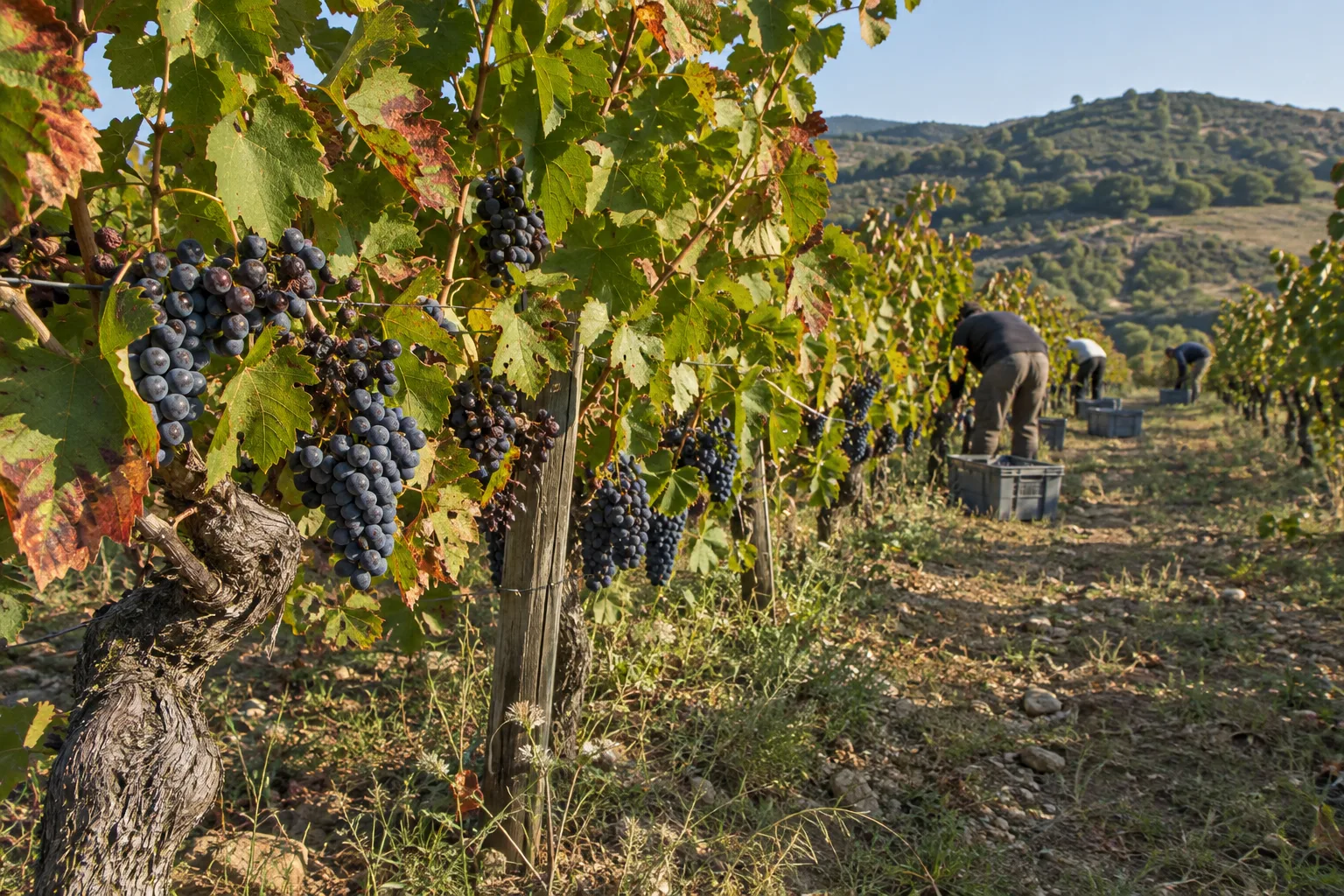
Pasqua’s vineyards reach into the Valpolicella hills at elevations of about 500 metres above sea level. Mountains, valleys and varied exposures create distinct microclimates, while nearby Lake Garda and cool air currents descending from the mountains help moderate vineyard temperatures.1
Vineyards adapting to change
Site selection reflects those local conditions. Cabernet Sauvignon is planted on north-facing slopes, where some vines are up to 50 years old, while Pasqua is also testing varieties such as the difficult-to-cultivate Montevego grape. Traditional stone walls known as Marogna remain part of the neighbouring vineyard landscape.1
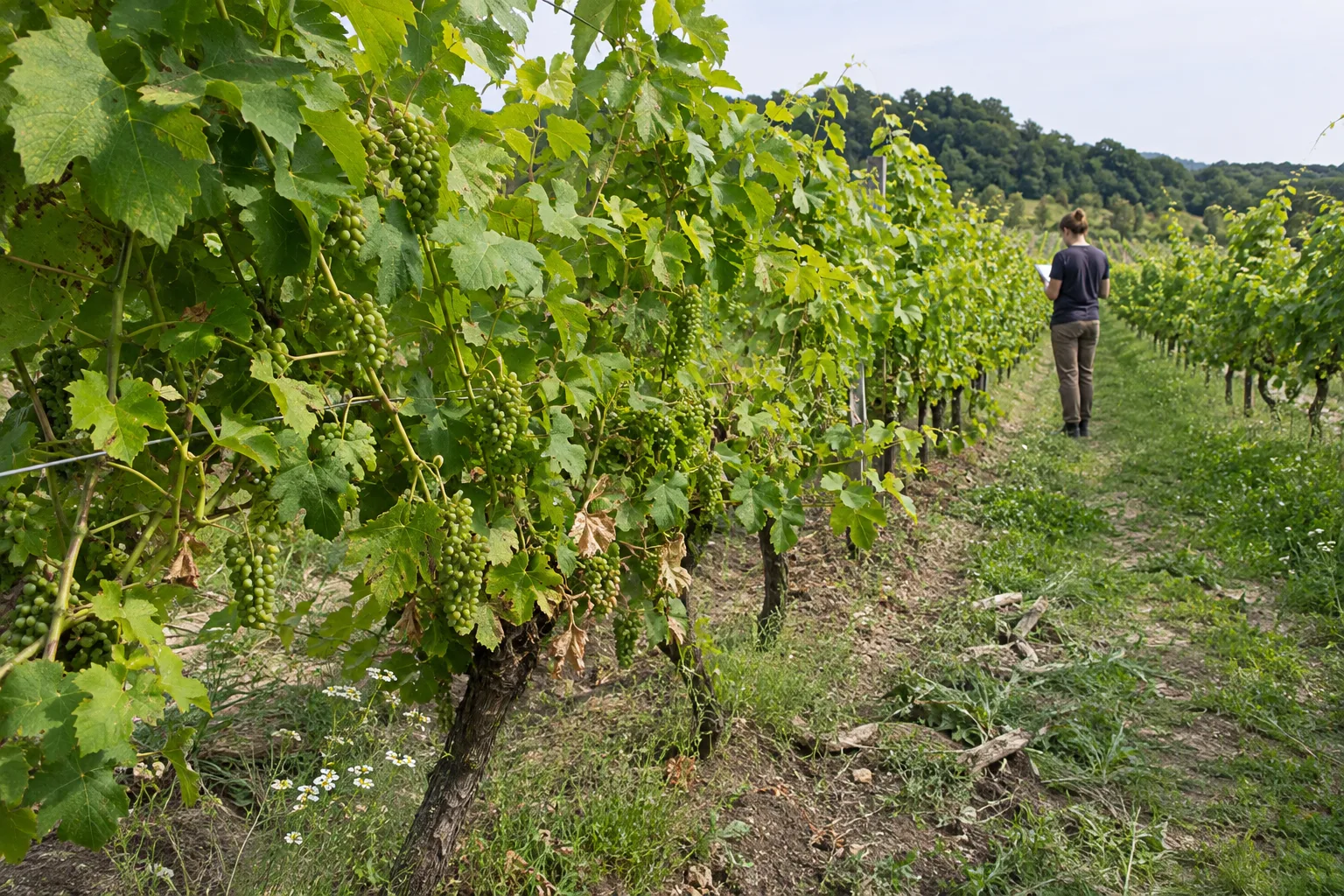
Since 2014, the estate has experimented with vineyard practices including retaining more canopy to shade grapes from increasing heat. Canopy removal normally takes place 3–4 times in an average year, but it was required just 1 time in 2026.1
Amarone and appassimento
The wines tasted during the visit included Amarone della Valpolicella Riserva 2017. Freshly harvested grapes were also seen drying before fermentation as part of the appassimento process, which requires sound fruit before drying begins.1
Drying concentrates the fruit and raises the amount needed for production: about 2.5 kg of grapes are required for 1 litre of finished wine, compared with roughly 700 g for a standard bottle of wine.1
In the United Kingdom, Pasqua’s wines are distributed by Corney & Barrow.1
Sources
Written by the Dionysus editors from the sources above.