About this wine
Vineyard and terroir
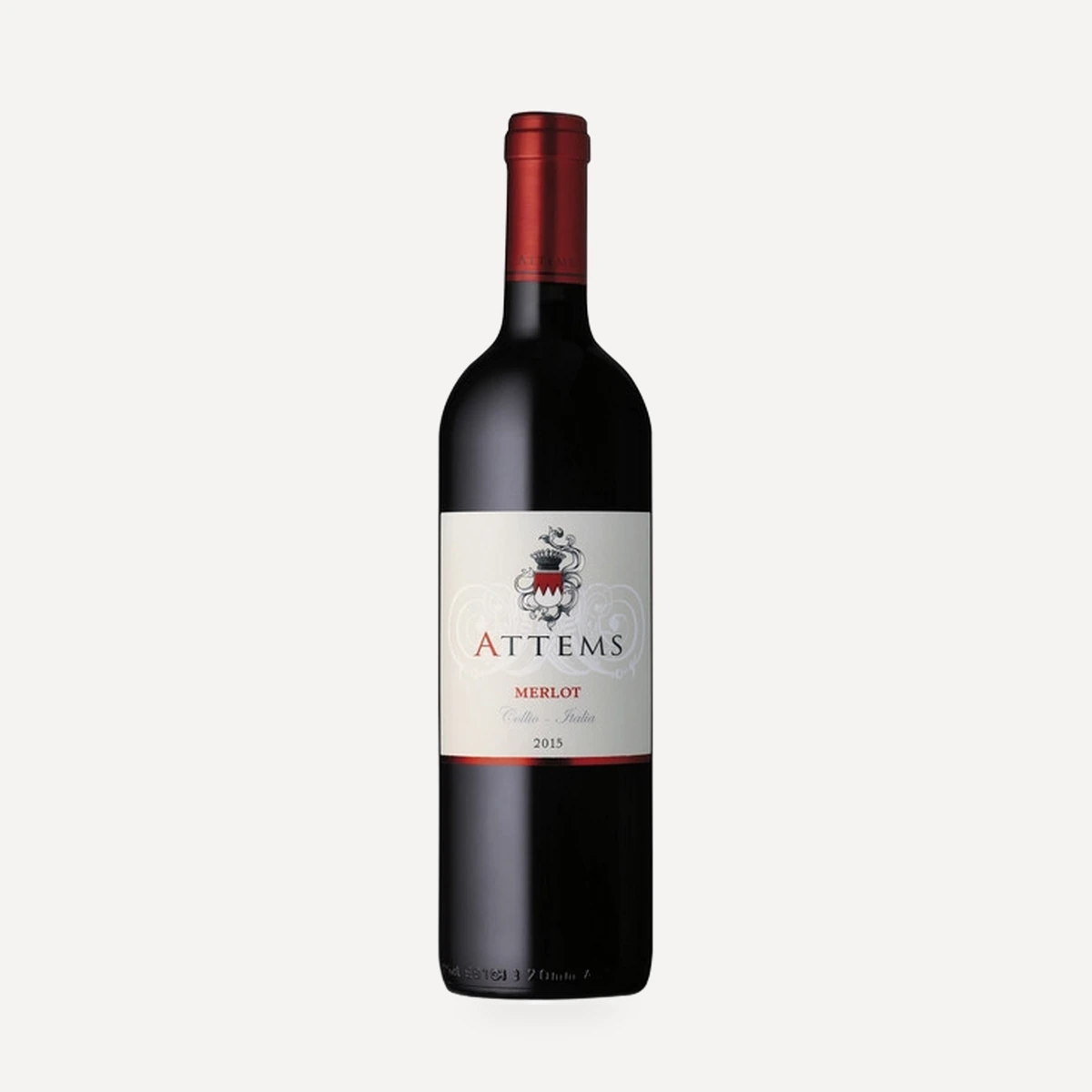
The grapes come from terraced vineyards in Collio Goriziano. The soils are Eocene marl and sandstone formed by the uplift of ancient seabeds approximately 50 million years ago. The Guyot-trained vineyards have an average age of 25 years and a density of 5,000 vines per hectare. Yield for the 2015 vintage was 8 tonnes per hectare.
Grapes
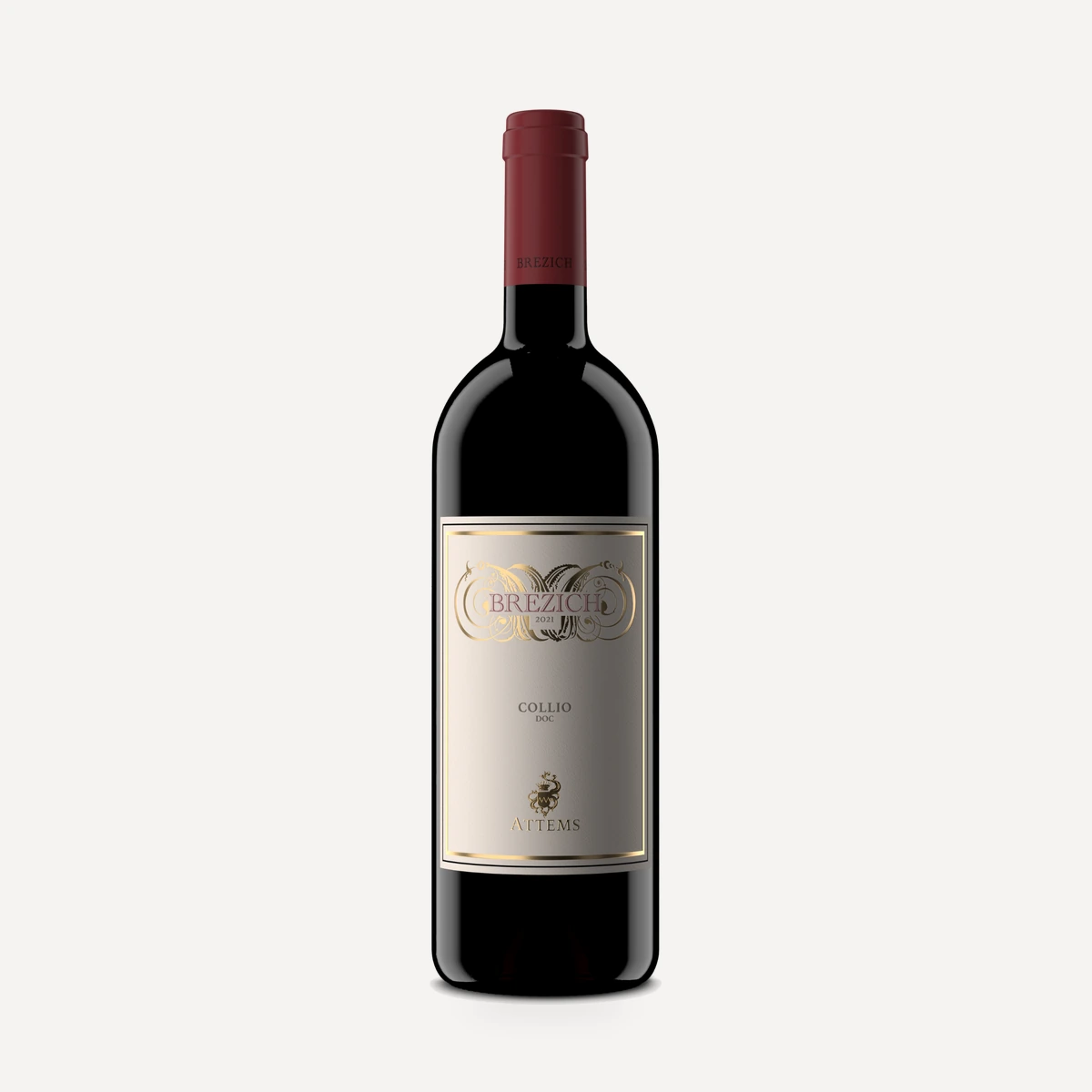
100% Merlot.
Vinification
Harvest took place during the final days of September. After destemming and crushing, the grapes were protected from oxygen until fermentation began spontaneously without added yeast. Maceration lasted 15 days, with daily pump-overs and punch-downs performed every eight hours. Malolactic fermentation began after racking.
Ageing
The wine matured for 12 months in third- and fourth-use barrels, followed by a further 15 months in traditional cement vats before bottling.
Technical data
Alcohol: 13.0% vol.
Tasting profile
Deep, vibrant ruby red with scarlet highlights. Black-fruit aromas emphasize blackcurrant and blackberry, followed by violet, fresh tobacco, aromatic herbs and a sweet vanilla note. The palate has a delicate but balanced structure with fine, elegant tannins. Wild-berry flavours return on a fresh, lingering finish.
Serving and pairing
Pair with lighter stewed meats such as rabbit or chicken with vegetables, grilled lamb, or substantial soups containing sausage and bacon.
Vintage notes
Budbreak during the first ten days of April 2015 was consistent with seasonal averages. Ideal temperatures and regular water supplies supported early development, while excellent weather during flowering aided the crop. July was exceptionally warm, averaging 31.8°C; natural springs within the Collio ponca soils helped the vines avoid water stress. From late August into early September, day-to-night temperature differences reached 14.5°C. At harvest, the grapes showed ripe skin tannins without excessive astringency and an above-average concentration of anthocyanins.