History
The Attems dynasty in Collio
The earliest documented connection between the Attems dynasty and viticulture dates to 1106, when a record confirmed its ownership of land devoted to growing vines in Collio. The family’s presence in Friuli subsequently developed alongside high-level commercial, social and political relationships and a sustained interest in wine production. Its history intersected with the Patriarchate of Aquileia, the County of Gorizia and, much later, the First World War.
Estate ledgers from 1764 record the production of Ribolla Gialla and Refosco, providing specific evidence of the varieties made by the family in the eighteenth century.
The creation of the Collio consortium
In 1964, Count Douglas Attems founded the Consorzio dei Vini del Collio. It was the third wine consortium established in Italy and the first in Friuli. Douglas Attems remained its president until 1999. The organization was founded around production rules intended to protect the growing area, including quantitative limits on harvested grapes in the interest of wine quality.
Frescobaldi ownership
The Frescobaldi family acquired Attems in 2000. It has continued to operate the estate as a distinct Friulian property, preserving its individual identity and characteristics while combining tradition with innovation.
Terroir
Position and landscape
The 44-hectare estate occupies south-facing terraced slopes west of Gorizia. Its position shelters the vineyards from cold northerly winds and the Bora associated with Trieste. The vineyards lie less than 15 km from the Adriatic Sea. Sunlight reflected from the Gulf of Trieste intensifies the light over Collio, particularly during ripening in August and September.
The property spans environments between Isonzo and Collio. Vineyards on the plains and slopes of the Province of Gorizia have an average elevation of about 60 m above sea level, while Chardonnay sites described within the estate range from approximately 60 to 130 m. Cicinis is a terraced hill at the foot of Monte Calvario (Podgora) in Collio Goriziano.
Three soil environments
The estate distinguishes three principal soil zones:
- The Isonzo zone consists of alluvial ground containing sand and clay, often mixed with pebbles. It is warmer, more humid and less ventilated than the higher sites. Chardonnay and Sauvignon Blanc are grown here and can be harvested earlier to preserve fruit and freshness.
- The intermediate area known as manine is a largely level zone between Collio and Isonzo. Its loamy, well-drained soils support Pinot Grigio and Ribolla Gialla.
- The highest, coolest and most ventilated vineyards lie in Collio. Their locally named ponca consists of Eocene sandstone, sand and silt with alternating marl, originating from a prehistoric seabed. The soil influences aromatic development and savoury character. Sauvignon Blanc is planted in this elevated sector.
Current estate vineyards also include deep, naturally moist clay-rich soils; deep alluvial soils with abundant pebbles; and freely draining fluvial deposits rich in sand and stones. The geology of the Eocene sandstone is associated with seabed uplift approximately 50 million years ago.
Rain, wind and temperature
The nearby Julian Alps contribute to weather disturbances and annual rainfall of approximately 1,000–1,600 mm, distributed through the year. Water stored in shallow soil layers helps supply the vines during the warmest months.
Ventilation is constant. In summer, easterly breezes clear cloud and reduce humidity, an important natural restraint on fungal pressure in the rainy Collio environment. Adriatic breezes also contribute to the vineyards’ maritime influence.
Winters are severe and temperatures frequently fall below 0°C. Summer maxima generally remain below 30°C. The hilly terrain creates pronounced day–night temperature differences, supporting the accumulation of sugars, pigments and aromatic compounds. The combination of these thermal shifts and reflected maritime light shapes the estate’s white-grape ripening conditions.
Winemaking
The estate’s vineyard management is centered on preserving biodiversity and adapting work to the conditions of individual sites.
Woods and hedges stand close to the vineyards, while rivers, lakes and fields form part of the broader surrounding habitat. This network supports a varied population of plants, insects and animals and is treated as part of the vineyard ecosystem.
Green manure is sown in autumn using plants including mustard, phacelia, Italian clover and tall fescue. The cover grows through spring, produces flowers that attract bees and other insects, and is then incorporated into the soil. The practice is intended to maintain fertility while making the soil softer and better drained. In demanding seasons, the cover is retained for longer in combination with careful shoot selection and vineyard ventilation.
Late pruning has been used for several years in Pinot Grigio vineyards to delay budbreak relative to the local average. Other canopy work includes selective shoot removal and limited leaf removal. Leaf stripping has been used to expose Chardonnay bunches after summer heat and to help Ribolla Gialla attain full ripeness before a short skin maceration.
Harvest timing is determined separately for each vineyard block according to exposure, variety and the desired aromatic profile. Grapes are tasted daily as maturity approaches in both Collio and Isonzo. Decisions combine laboratory analysis with assessment of berry texture, aromatic intensity and sugar–acid balance. Picking progresses by variety and site rather than being carried out all at once. Hand harvesting permits selection of bunches and, on Cicinis, grapes are collected at dawn in crates from separate terrace levels.
The cellar is designed to receive grapes immediately after picking and preserve the integrity and aromatic potential of the bunches. Harvested fruit is kept separated by vineyard block and received in hoppers before pressing or maceration.
Pressing, maceration and juice handling employ techniques intended to restrict oxygen contact. Depending on the lot, gently pressed must is clarified by static settling for 24–48 hours. Fermentation temperature and duration are adjusted to the variety. For the principal white wines, current protocols generally use controlled temperatures of approximately 15–18°C for about 15 days.
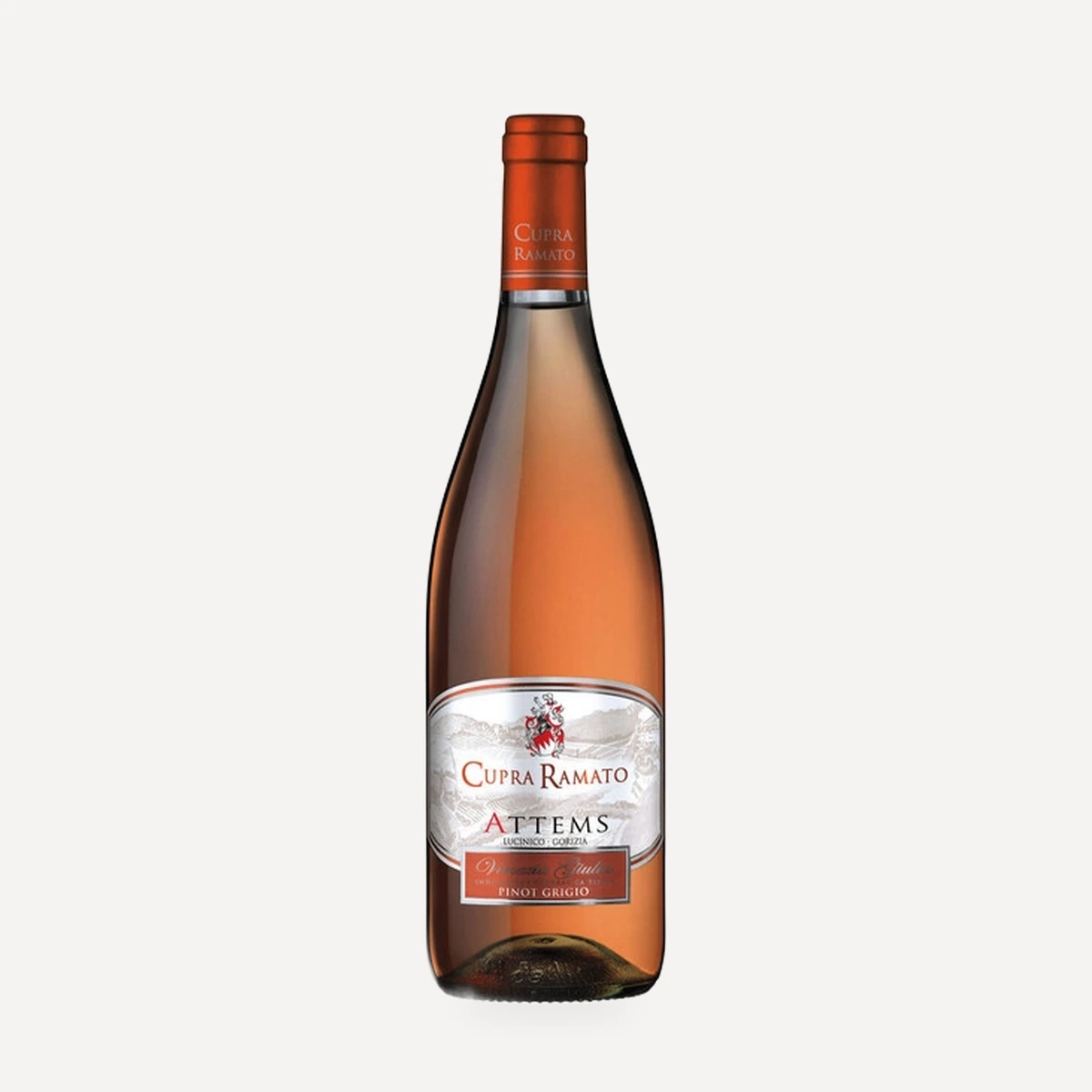
Stainless steel is the main fermentation vessel for the varietal wines. Selected lots of Chardonnay and Pinot Grigio may ferment or mature partly in barriques. Pinot Grigio Ramato is destemmed and crushed before a short, cool period of skin contact; the 2025 protocol used approximately 6 hours at 8°C, followed by gentle pressing, settling and fermentation in steel.
A portion of Sauvignon undergoes brief cold maceration without oxygen before pressing. Ribolla Gialla is gently pressed and fermented in steel. Malolactic fermentation is avoided in these white-wine protocols. Following alcoholic fermentation, the wines remain on fine or noble lees, which are periodically resuspended; current varietal protocols commonly specify approximately five months.
Cicinis uses a dedicated combination of vessels. Whole bunches are pressed gently after a dawn harvest, and the free-run must is clarified by static settling. Current proportions are 40% egg-shaped cement tanks, 10% new barriques and 50% second- and third-use barriques and tonneaux. The egg-shaped concrete creates convection currents through internal temperature differences; together with the material’s microporosity, these currents lift yeast from the bottom and keep it circulating. The wine remains on its lees for approximately seven months at low temperature without malolactic fermentation.
Across the cellar, the objective is to retain varietal aromatic compounds while building complexity, elegance and persistence without disrupting the relationship between vineyard and wine.
Philosophy
Attems presents wine as an expression of the equilibrium among soil, climate, vines and cellar work. Its guiding principle is that intervention from vineyard to cellar should not break that balance.
This approach combines close attention to individual parcels with protective handling after harvest. Picking dates, fermentation conditions and maturation vessels are selected according to variety and site rather than imposed uniformly across the estate. The intended results are aromatic clarity, flavour complexity, elegance and persistence.
Biodiversity is understood as the richness of plant, insect and animal life within a resilient ecosystem. Woods, hedges, waterways, fields, flowering cover crops and pollinating insects are therefore treated as functional parts of the winegrowing environment. Under Frescobaldi ownership, the estate’s stated direction joins innovation to respect for Attems’ distinct Friulian identity and historical continuity.
Wines

Cicinis

Trebes
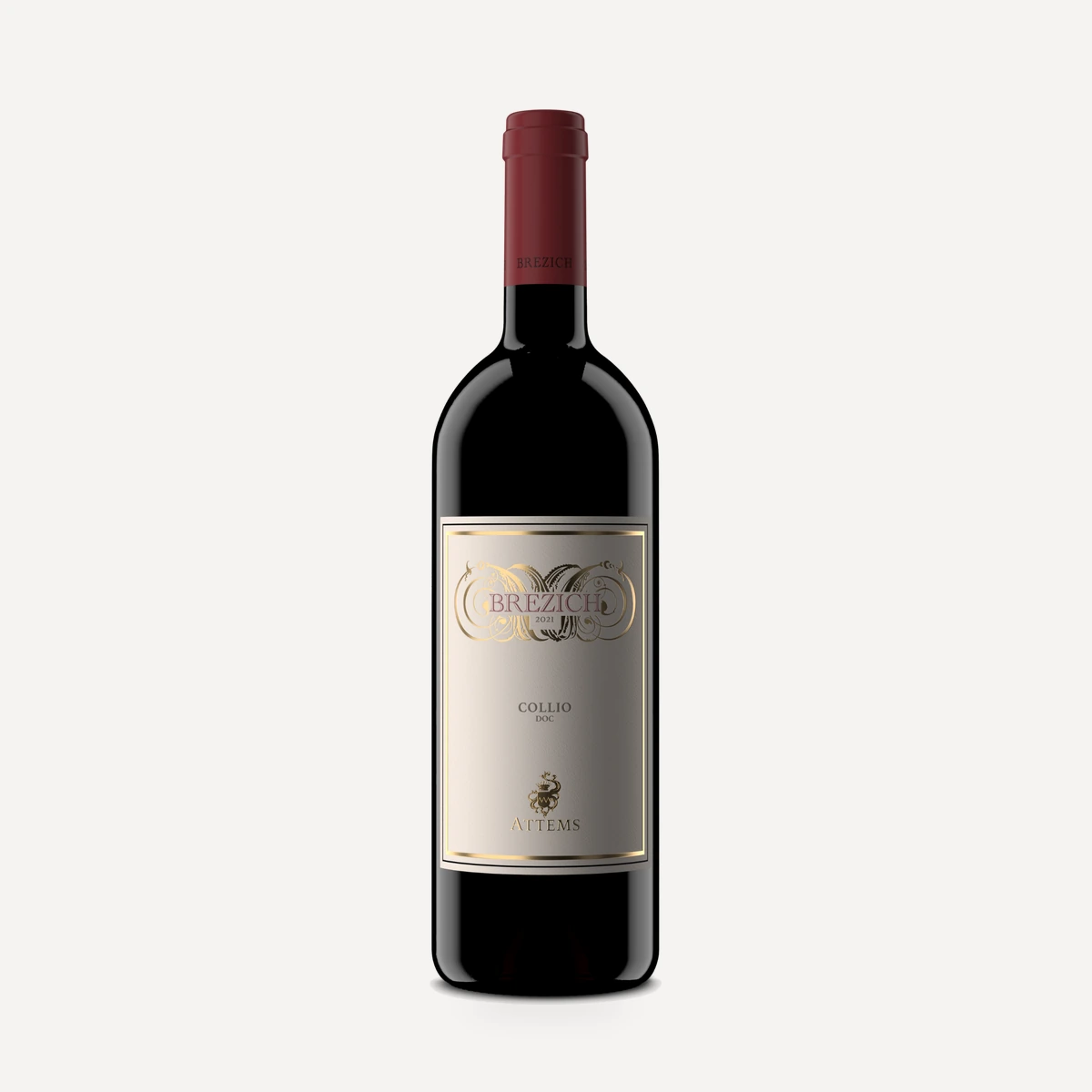
Brezich
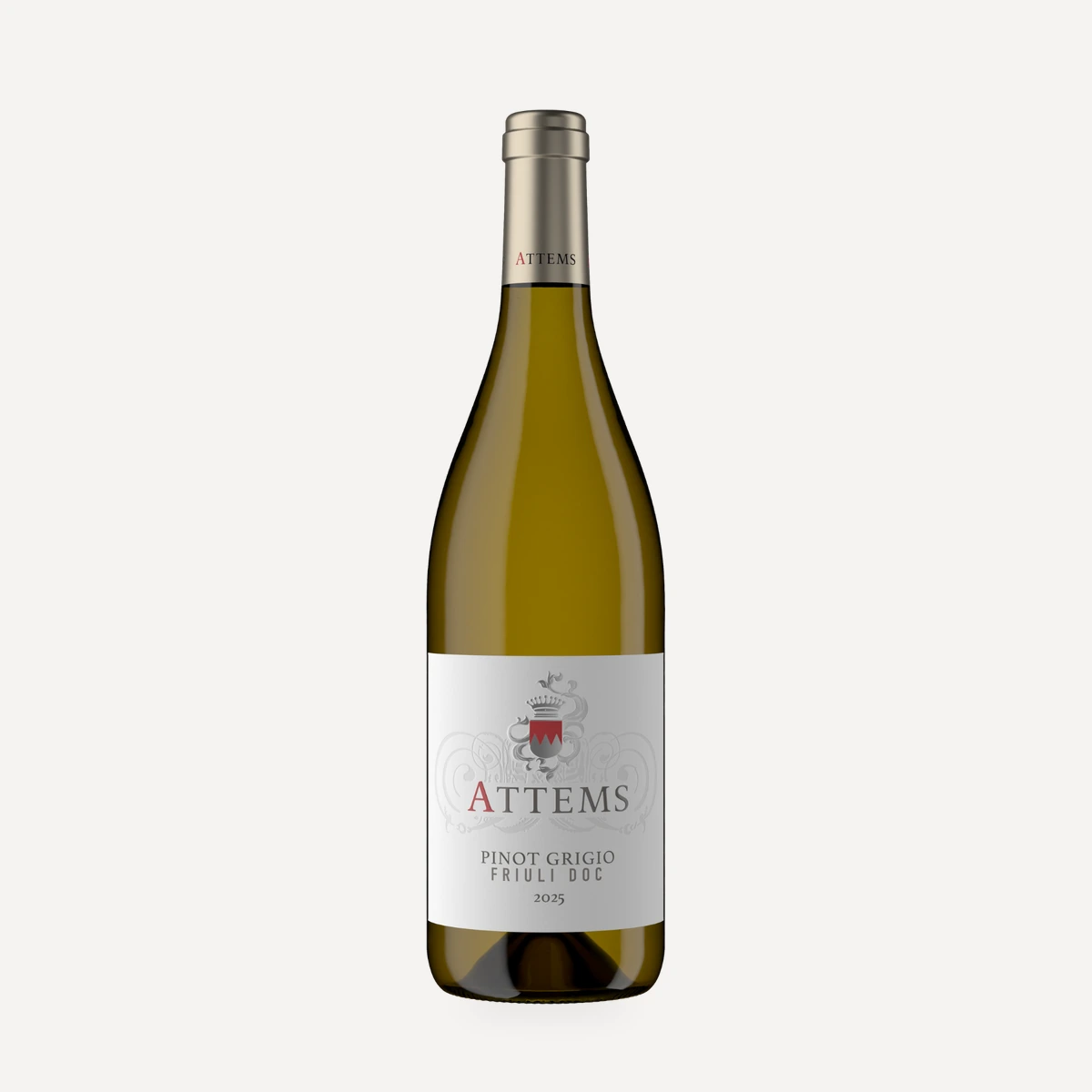
Pinot Grigio

Pinot Grigio Ramato

Sauvignon

Chardonnay

Ribolla Gialla
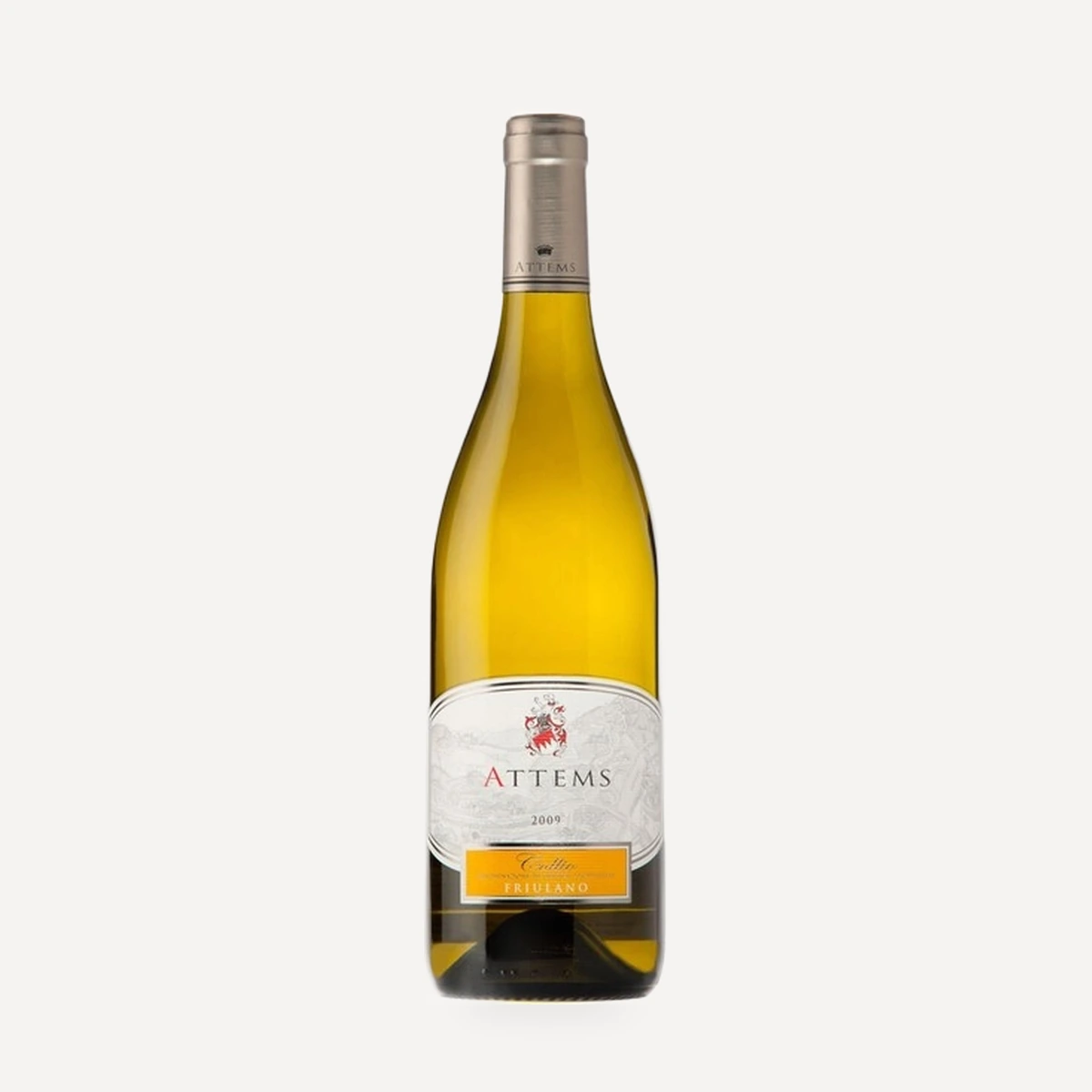
Friulano
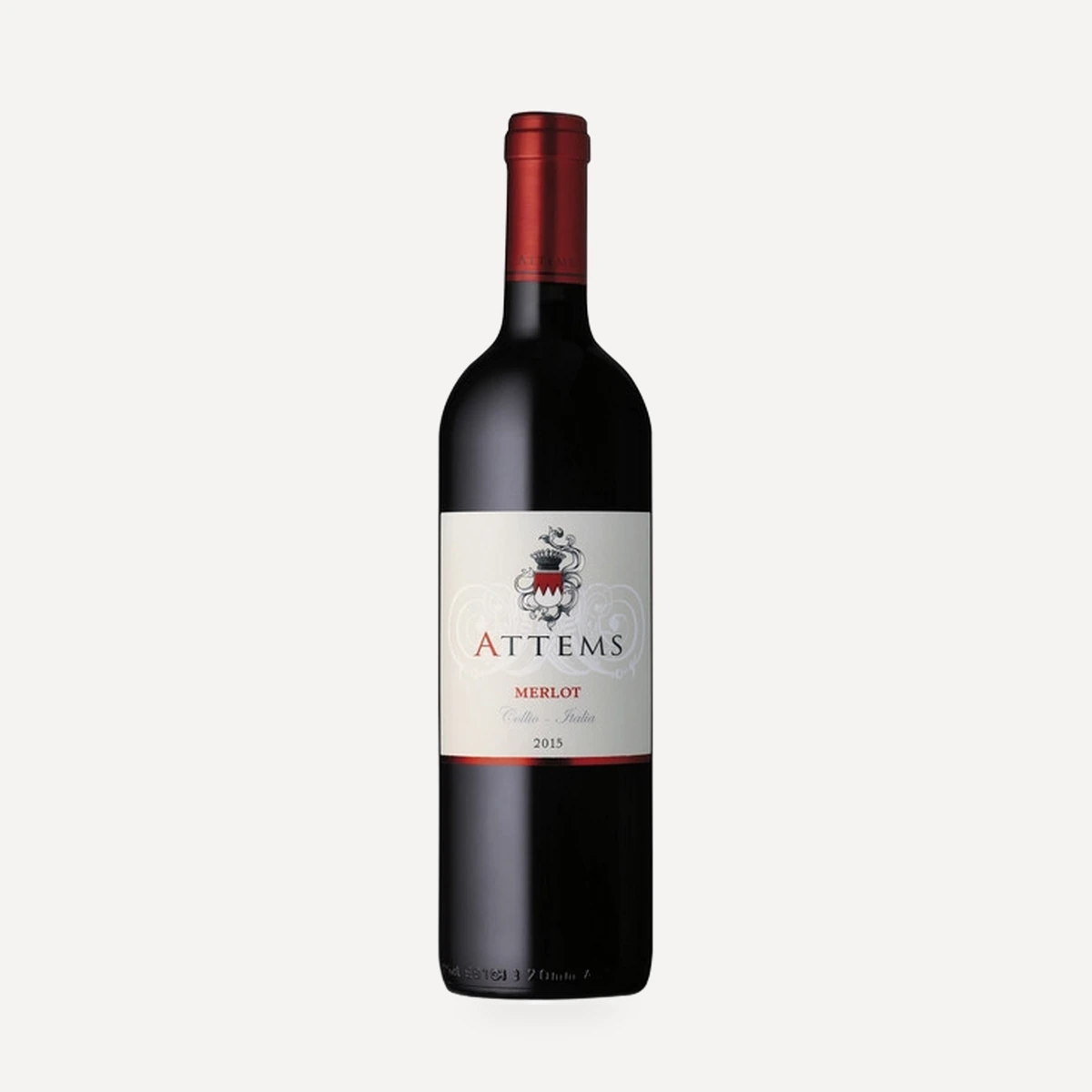
Merlot