History
Family memories and a return to the countryside
Francesco Cirelli’s relationship with farming began with childhood memories of his maternal grandparents, Giovina and Attilio. They took him back to the countryside they had left when they moved to the city: he remembers his grandmother preparing a freshly laid egg, while his grandfather placed a chick in his hands and let him sit on a tractor. A family story about his paternal grandfather, also named Francesco, added another association with the land: he would seek refuge among the vines to recover a sense of joy and serenity.
These experiences made the countryside a place of affection, calm and security for Francesco. In 2003, with essential support from his parents, he made it a central part of his own life. The project subsequently developed alongside his wife, Michela Cirelli.
Development of the mixed farm
The estate developed as a certified-organic, mixed agricultural holding surrounded by 22 hectares in the countryside of Atri. Its vineyards form part of a wider system that also includes ancient olive groves, fruit and vegetable crops, arable rotations and livestock. Wine, olive oil, vegetables and fruit are produced within a farming cycle based on crop rotation, periods of soil rest, natural fertilization and free grazing.
The amphora project
Terracotta became central to Cirelli’s winemaking as a modern interpretation of a much older vessel tradition. The amphoras are made by hand by an artisan in Impruneta, a historic Italian centre of terracotta craftsmanship. Each holds approximately 800 litres and has a fitted stainless-steel lid designed to restrict oxygen contact while allowing the vessel to support slow, consistent micro-oxygenation.
The Anfora Riserva project was developed to examine the effects of extended maturation in terracotta. Separate white, red and rosé wines from the 2015, 2016 and 2017 harvests remained in amphora before the vintages were blended shortly before bottling in July 2018. The red and rosé blends received a further year of bottle maturation before release.
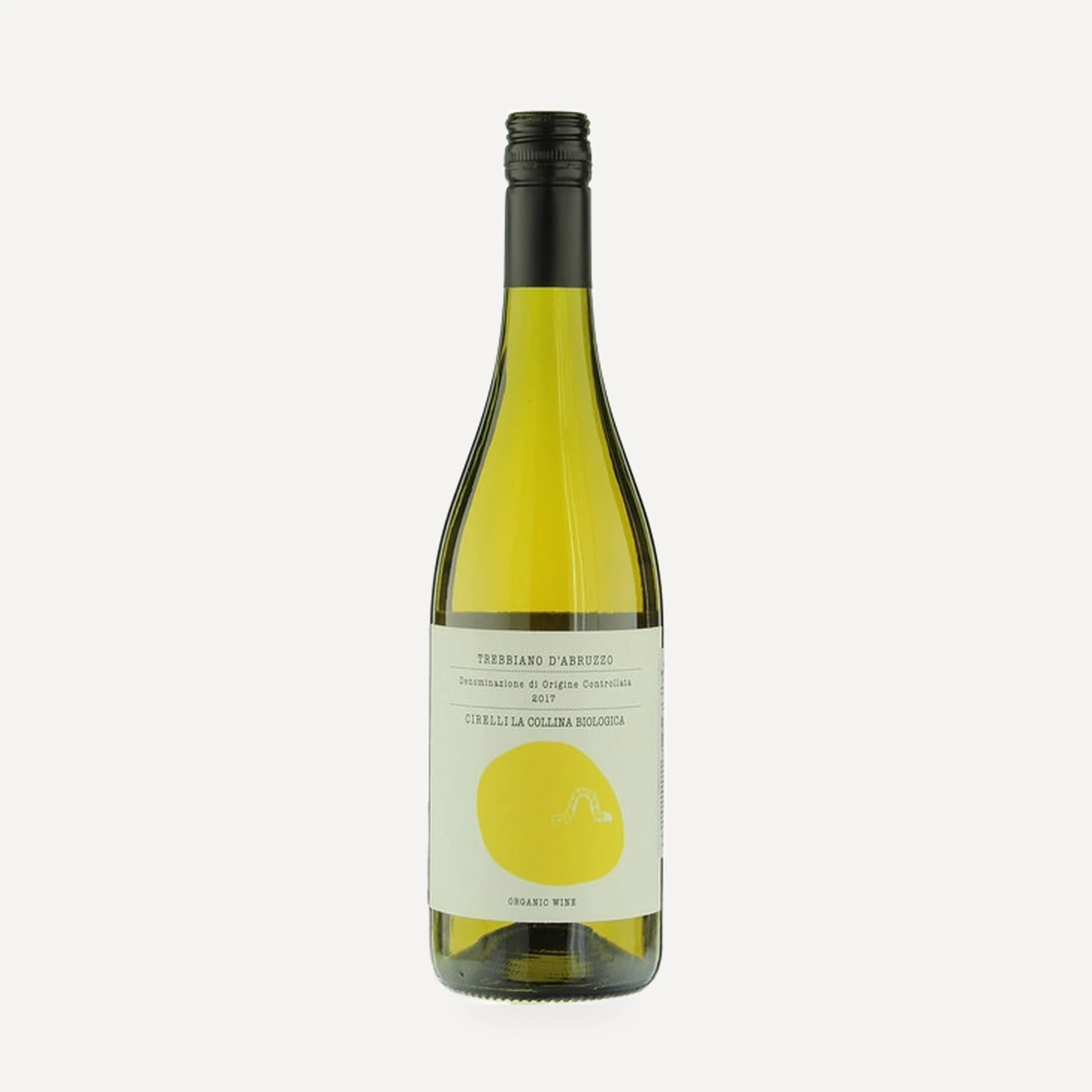
A separate Trebbiano d’Abruzzo DOC 2017 extended-ageing wine spent three years in amphora on its lees, with bâtonnage. It was bottled at the beginning of 2021 and remained in bottle for another six months before release.
Terroir
The estate lies in the Abruzzo countryside around Atri, 8 km from the Adriatic Sea. Hills, vineyards and olive groves define its immediate landscape. The wider setting includes cultivated land, woods, national parks and the calanchi—dramatic formations created by soil erosion. The WWF-protected Calanchi di Atri area, the Adriatic coast, the Torre del Cerrano marine reserve and Gran Sasso d’Italia are prominent elements of the surrounding geography.
The documented vineyard soils are composed of clay and limestone. The proximity of vineyards, old olive groves, mixed crops and freely grazed animals places the vines within a diversified agricultural landscape rather than an isolated monoculture.
Winemaking
Quality and sustainability are pursued first in the vineyard, with the objective of finding the most expressive result for each grape variety while respecting both vines and soils throughout the growing cycle.
Herbicides and synthetic fertilizers are excluded, as are plant-protection products considered incompatible with the estate’s organic approach. Soil fertility is maintained with organic fertilization and biodynamic Preparation 500. Grapes are harvested manually and selected by hand.
The vineyards belong to a broader mixed-farming system. Crop rotation allows soils to rest and recover nutrients, while freely grazing animals provide both weed control and natural fertilization without harmful chemical inputs. The arable cycle begins in its first year with wheat, barley, spelt and alfalfa. Vegetables are compulsory in the following year. During the third and fourth years, crops such as sunflower are planted; after seed collection, the remaining stalks are incorporated into the soil and decompose, returning organic matter and nutrients.
Biodynamic soil management, Guyot training and hand-picking into boxes are specifically documented for vineyards supplying the extended-ageing amphora wines.
A deliberately limited-intervention cellar
The guiding cellar maxim is “the less you do, the better.” The objective is to bring sufficiently healthy, high-quality fruit into the cellar that intervention can remain minimal. Equipment is deliberately limited, and work with terracotta vessels depends heavily on manual effort and accumulated experience.
Fermentation, maceration and maturation are not governed by predetermined technical formulas. Their duration is adjusted to the conditions of each harvest and to practical experience. The intended result is a wine that conveys the specific place and vintage rather than a standardized cellar recipe.
Terracotta vessels
The amphora program draws on the ancient use of terracotta by Caucasian, Greek and Roman wine cultures while treating tradition as something to be critically reinterpreted. The vessels are considered tools rather than an end in themselves.
Each amphora is handmade by an artisan in Impruneta and holds approximately 800 litres. A fitted stainless-steel lid limits direct oxygen contact. Terracotta supports slow, steady micro-oxygenation without imposing the aromatic character associated with another maturation material.
Documented extended-ageing methods
For the red 2015–2017 Anfora Riserva components, the grapes were destemmed, gently crushed and transferred to amphora. Indigenous yeasts conducted fermentation. The skins were plunged gently to avoid extracting harsher tannins; maceration generally lasted about ten days, followed by separation and gentle pressing. The wines remained in amphora through malolactic fermentation. The three vintages were blended in differing proportions to balance elegance and drinkability, bottled in 2018 and matured for another year in bottle.
For the rosé 2015–2017 components, destemmed Montepulciano underwent several hours of skin contact before gentle pressing, limiting extraction of the grape’s red colour. Fermentation with indigenous yeasts and subsequent maturation took place in amphora through malolactic fermentation. The three vintages were blended, bottled in 2018 and given a further year in bottle.
For Trebbiano d’Abruzzo DOC 2017, destemmed grapes underwent 24 hours of maceration in tank. The juice was separated from the skins, which were gently pressed, and indigenous yeasts carried out fermentation in clay amphora. The wine then remained in amphora for three years, refining on its lees with bâtonnage. Bottling took place at the beginning of 2021, followed by six months in bottle before release.
Philosophy
Nature and its cycles provide the organizing principle for the estate’s vineyards, olive groves, fruit and vegetable crops and livestock. The farming model treats the vineyard as one part of a wider ecological and agricultural cycle, with soil rest, crop rotation, grazing and natural fertilization linked together.
Francesco Cirelli’s winemaking goal is to bring out the distinct character of the territory, the season and the person behind the wine. Wine is understood as the product of its environment, while quality is pursued together with protection of that environment.
Minimal intervention is an aspiration rather than a fixed doctrine: the condition of each year’s grapes determines how little cellar work is possible. Vintage differences also govern the length of fermentation, maceration and maturation. Amphora is treated as a practical means of achieving the desired expression, not as the defining objective of the wine.
The historical use of terracotta is approached critically rather than nostalgically. Ancient knowledge is adapted to contemporary work through handmade Impruneta vessels and controlled closures. The resulting wines are conceived as cultural products rooted in the land as well as agricultural products.
The estate’s social philosophy is summarized by Francesco’s phrase, “Wine makes people closer.”
Wines
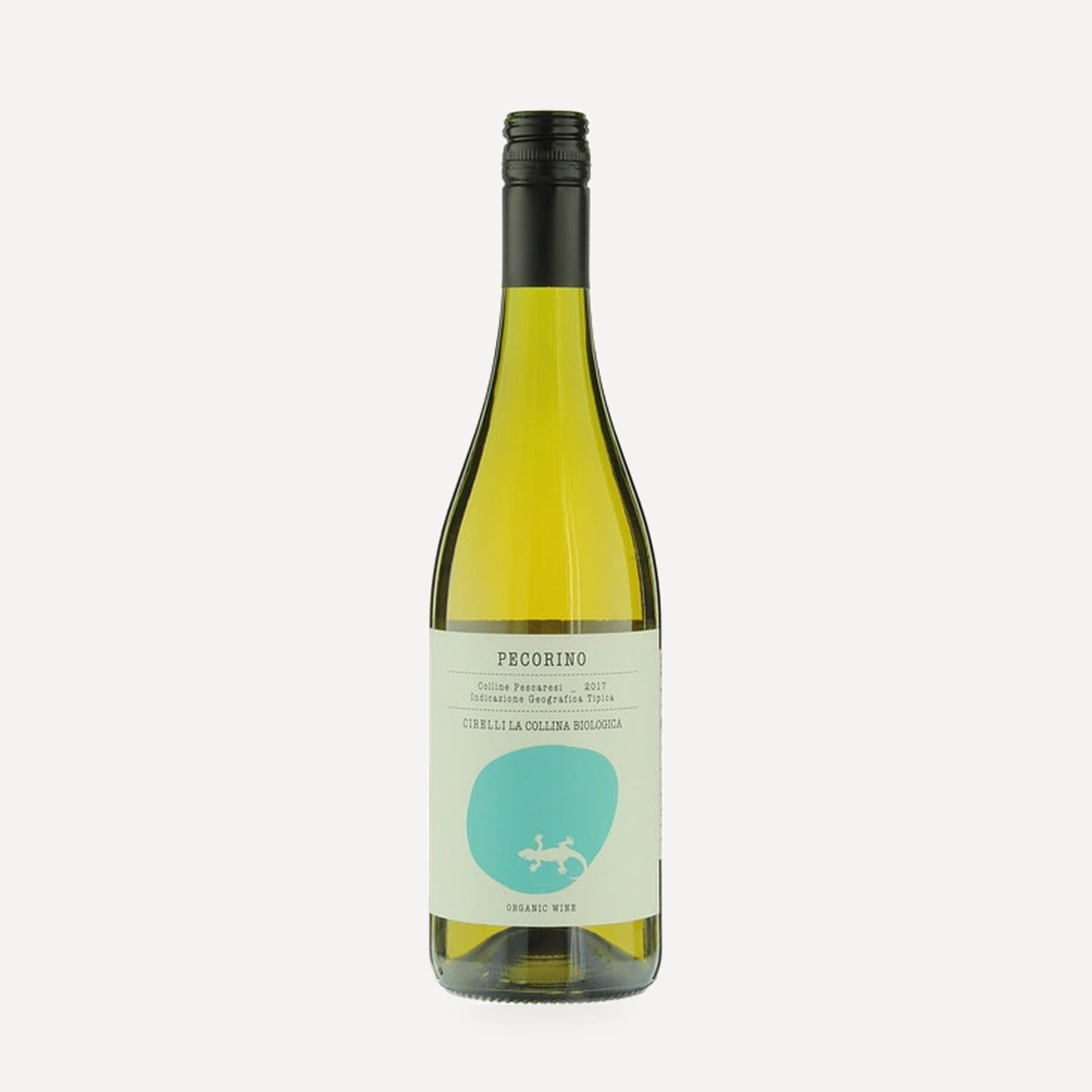
Pecorino Colline Pescaresi IGT
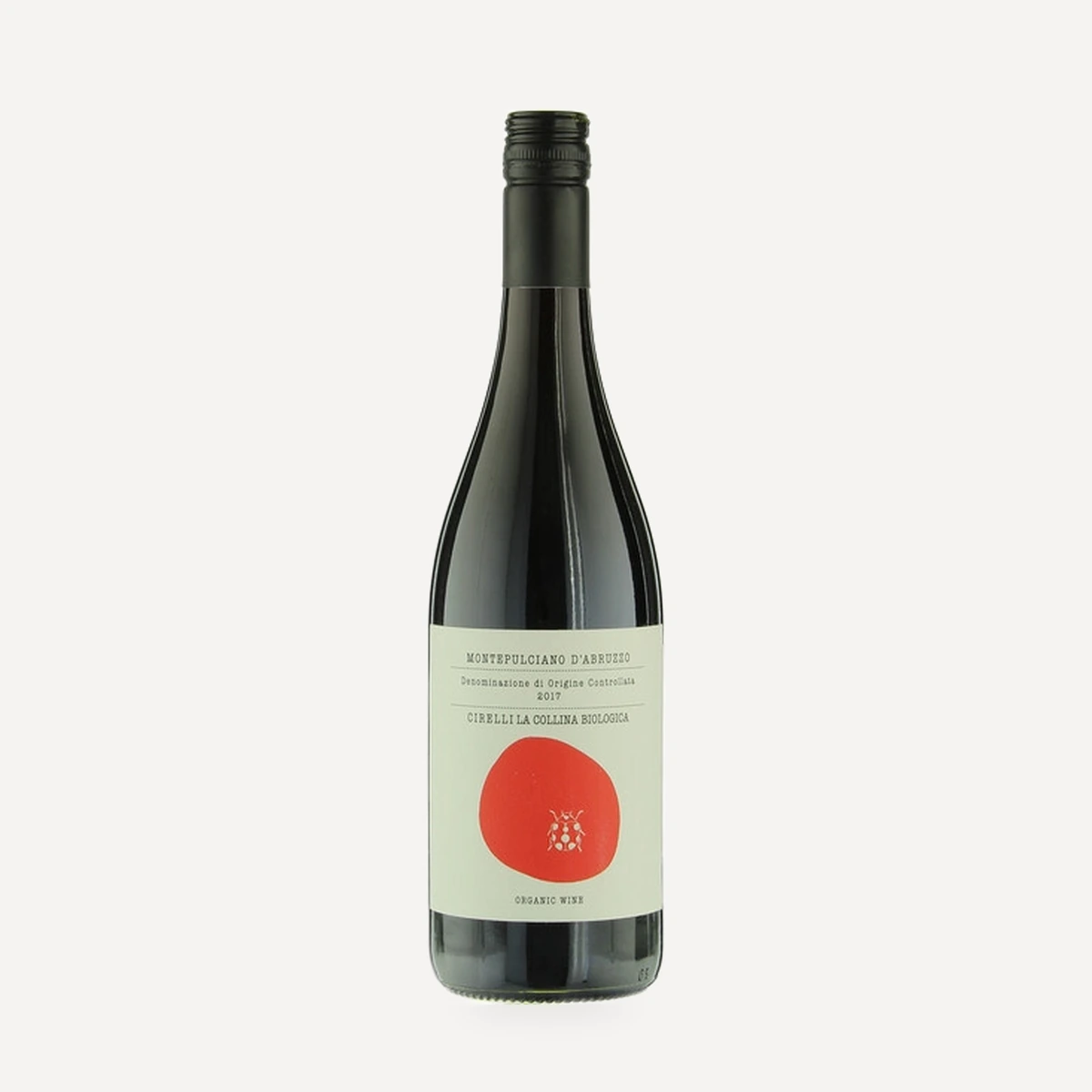
Montepulciano d’Abruzzo DOC
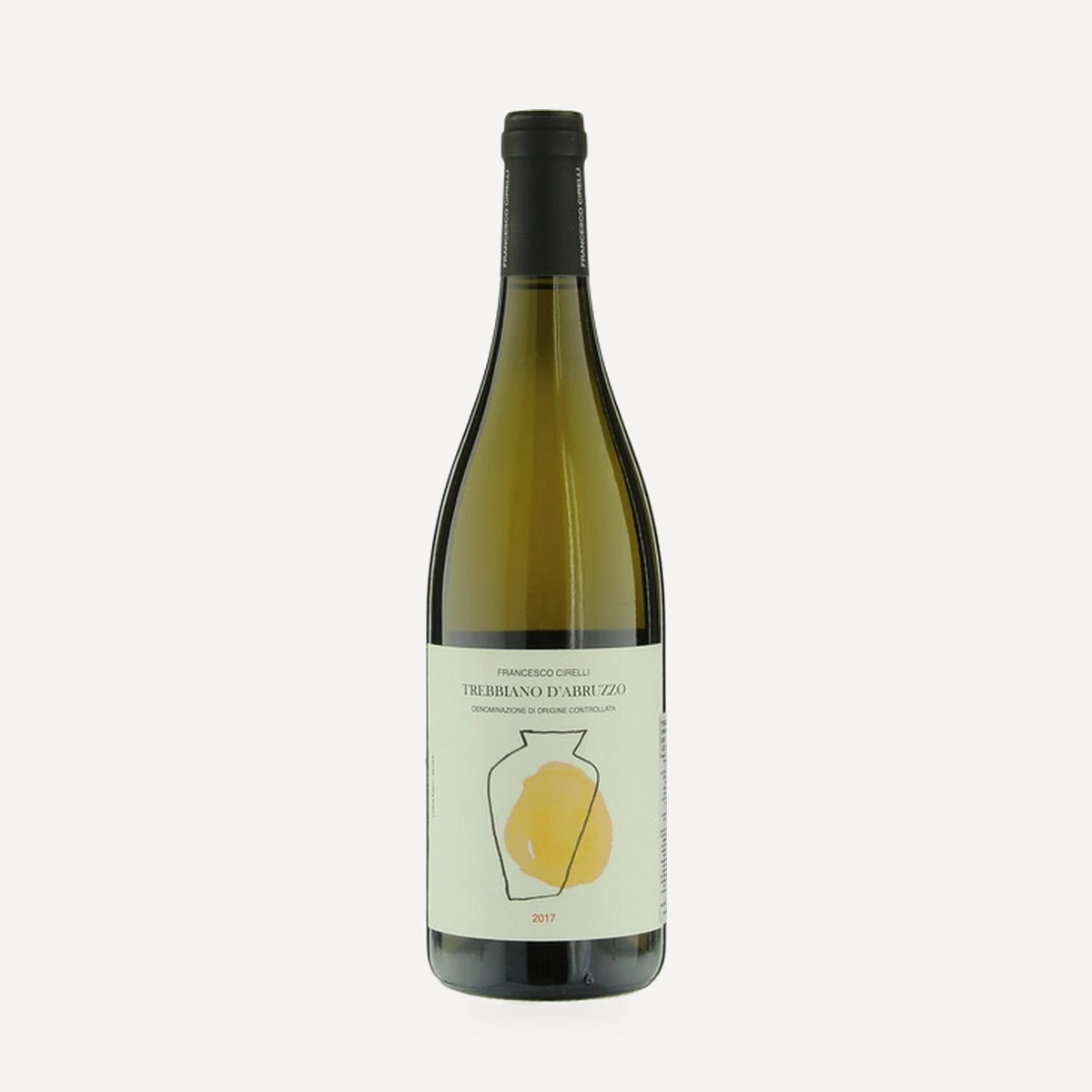
Trebbiano d’Abruzzo Anfora DOC