History
Origins and Villa Castorani
The earliest surviving record of the old agricultural estate dates to 1793. The property began as a hunting estate and entered the Castorani family through the dowry of the noblewoman Adelina Ruggeri De’ Capobianchi upon her marriage to Raffaele Castorani.
Raffaele Castorani was a surgeon who taught for many years at the Sorbonne in Paris and was credited with inventing the first surgical technique for cataracts. His reputation brought prominence to the property, which took his name as Villa Castorani.
The Casulli period
Ownership later passed to Professor Antonio Casulli, a Sardinian scholar of international law. Casulli taught at the University of Naples and subsequently at the University of Tokyo, where he gained the personal esteem of Emperor Hirohito.
His tenure marked the farm’s most prosperous historical phase. The agricultural land surrounding the villa expanded to more than 200 cultivated hectares.
Division and decline
Antonio Casulli died at the end of the 1970s. The property was subsequently divided, beginning a decline that lasted for more than twenty years. Villa Castorani was abandoned, and its vineyards were left without care.
Revival in 1999
A group of friends revived the estate in 1999, reconnecting its modern development with the history of Villa Castorani. The Trulli and Cavuto families became the families associated with the present company and remain directly involved in its management. Their responsibilities extend across the full cycle, from grape production to the promotion and marketing of the finished wines.
The renewed project was developed around a commitment to high-quality wine, the agricultural values historically associated with the local countryside, and a continuing attachment to Abruzzo. Traditional techniques became a central part of the production approach.
Castorani today
The villa again serves as the focal point of an estate covering approximately 100 hectares. The property lies in the hills of Alanno, in the Province of Pescara, within the CASAURIA DOCG area.
Montepulciano is the principal cultivated variety. The white varieties are Trebbiano, Malvasia, Cococciola, Pecorino and Passerina, accompanied by a small experimental planting. The vineyards average more than 30 years of age and are cultivated organically, without pesticides or chemical fertilisers. Biological control is used for vineyard protection, while the vines are nourished with natural fertilisers.
Terroir
Castorani lies in Abruzzo on the hills of the Province of Pescara, within the municipality of Alanno and the CASAURIA DOCG area. The vineyards stand approximately 350 metres above sea level at GPS coordinates 42° 16′ 38″ N, 13° 57′ 55″ E.
The estate occupies a landscape between the Majella National Park and the nearby Adriatic coast. The vineyards receive favourable sunlight and cooling night winds. Pronounced differences between daytime and nighttime temperatures form another defining element of the growing conditions. These combined influences provide the climatic setting for the estate’s organically cultivated grapes.
Winemaking
The vineyards are cultivated entirely under organic farming practices. Pesticides and chemical fertilisers are excluded. Vineyard protection relies on biological control methods, and vine nutrition is based on natural fertilisers.
Castorani follows the annual agricultural and production cycle continuously, beginning with pruning and accompanying the grapes through vinification and bottling. The vineyard team’s activity is integrated with the cellar rather than treated as a separate stage; winemaker Angelo works in both environments.
Underground cellar
The cellar is completely underground, allowing it to maintain a naturally constant temperature throughout the year. The winery itself forms the central hub of the estate, with the vinification area lying beneath the lawn surrounding the complex.
Concrete and Montepulciano
Concrete tanks are a defining element of production. Castorani uses them to guide the evolution of Montepulciano toward greater softness while retaining the variety’s complexity.
Grape drying
A dedicated controlled area is used to dry Montepulciano for an Abruzzese appassimento inspired by Amarone. The approach was developed through repeated vintages. Approximately 500 quintals, equivalent to 50 metric tonnes, of fresh grapes are handled in this area over 100 days. Temperature, humidity and pressure are monitored throughout the process.
Barrel ageing
The cellar uses 500-litre barrels exclusively. This format was selected to align oak influence with the character and preferred balance of the wines, giving a measured contribution from fine wood. The barrels are employed for white, rosé and red wines.
Bottle maturation and finishing
Bottles mature in large metal baskets under controlled storage conditions until labelling. After labels are applied, every bottle is placed into its box by hand.
Philosophy
Castorani presents quality as the result of close attention to the entire cycle, from pruning and grape production through vinification, bottling and commercial presentation. The Trulli and Cavuto families remain personally involved across these stages.
Its declared principles combine respect for the agricultural values historically rooted in the Abruzzo countryside with traditional winemaking techniques, careful workmanship and attachment to the land. Organic cultivation, biological vineyard protection and the rejection of pesticides and chemical fertilisers translate that outlook into vineyard practice.
In the cellar, tradition is paired with deliberate technical choices. The underground structure provides natural temperature stability; concrete is selected for the way it shapes Montepulciano; and the exclusive use of 500-litre barrels is intended to keep oak influence subtle and proportionate. The appassimento project represents the same balance between regional identity and experimentation, adapting an Amarone-inspired idea to Montepulciano from Abruzzo.
Wines
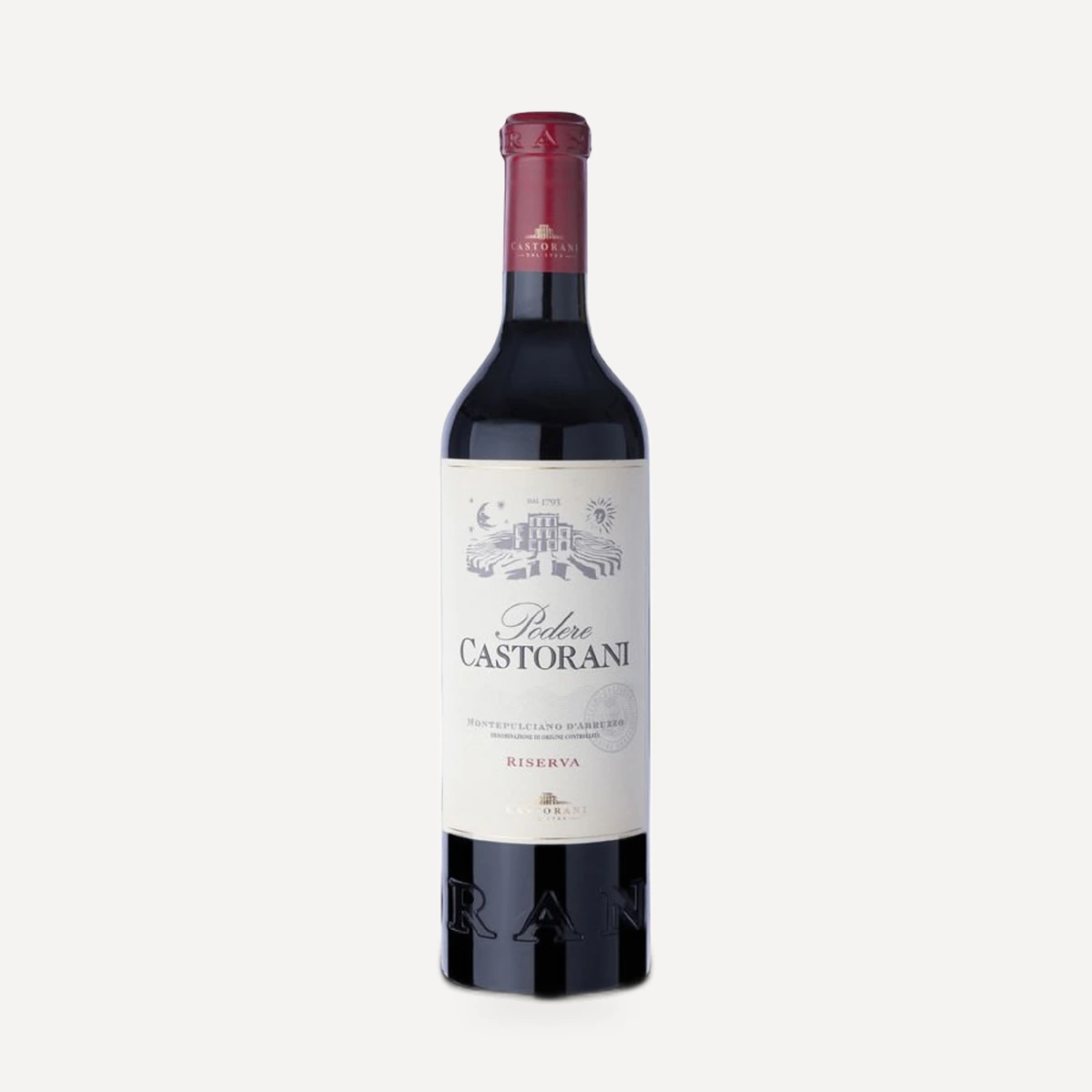
Podere Castorani Montepulciano d'Abruzzo Casauria RISERVA DOC
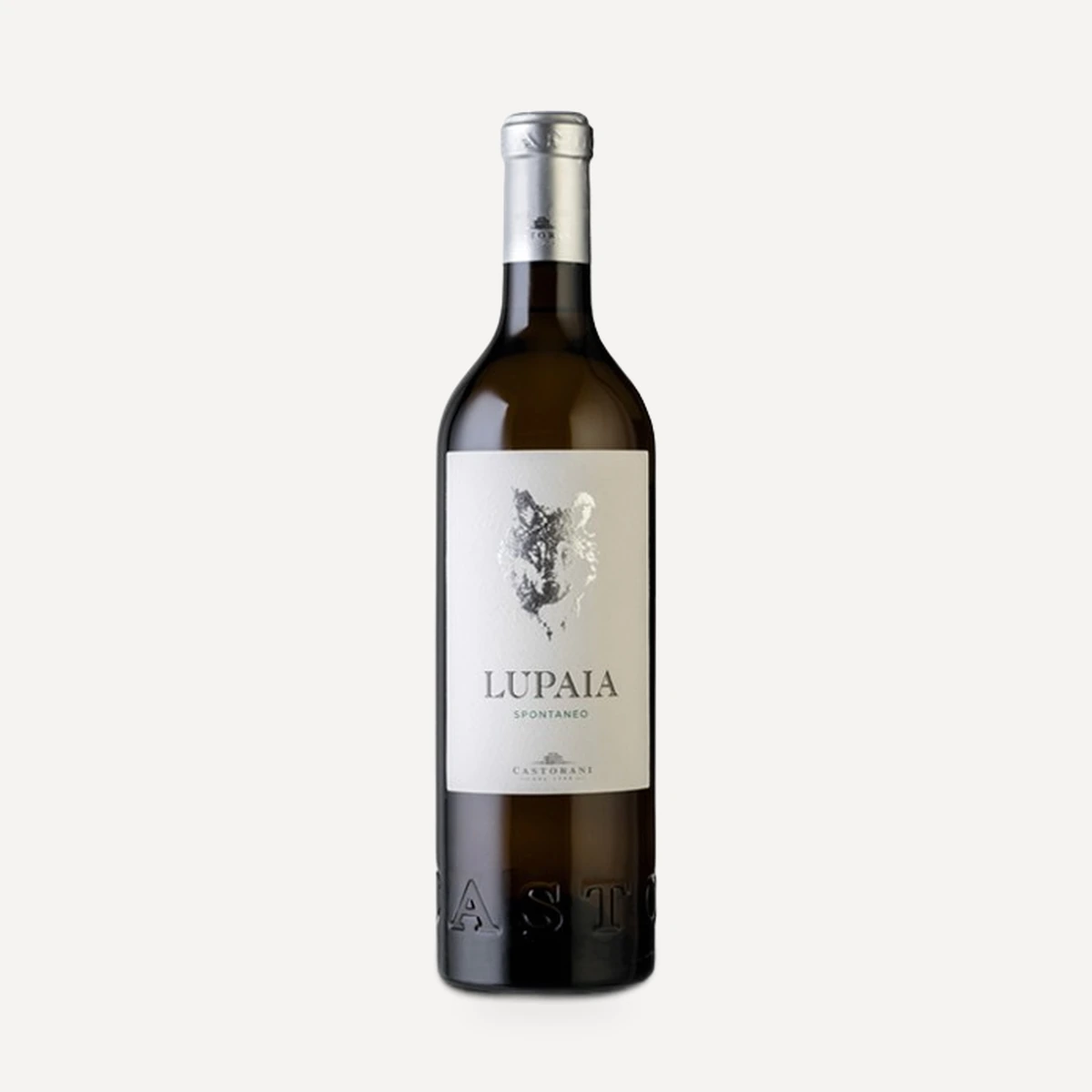
Lupaia Spontaneo Trebbiano Colline Pescaresi
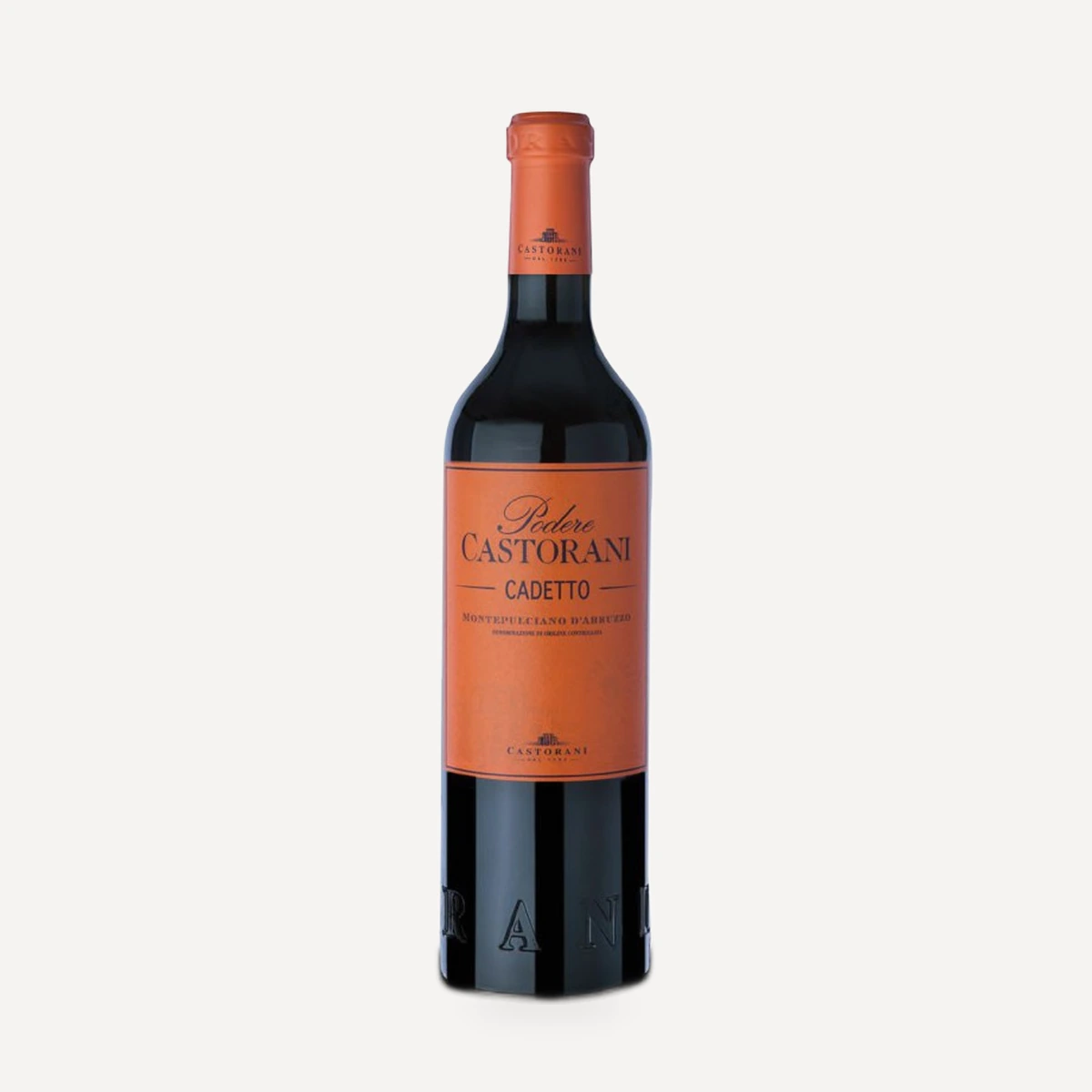
Cadetto Montepulciano d'Abruzzo DOC
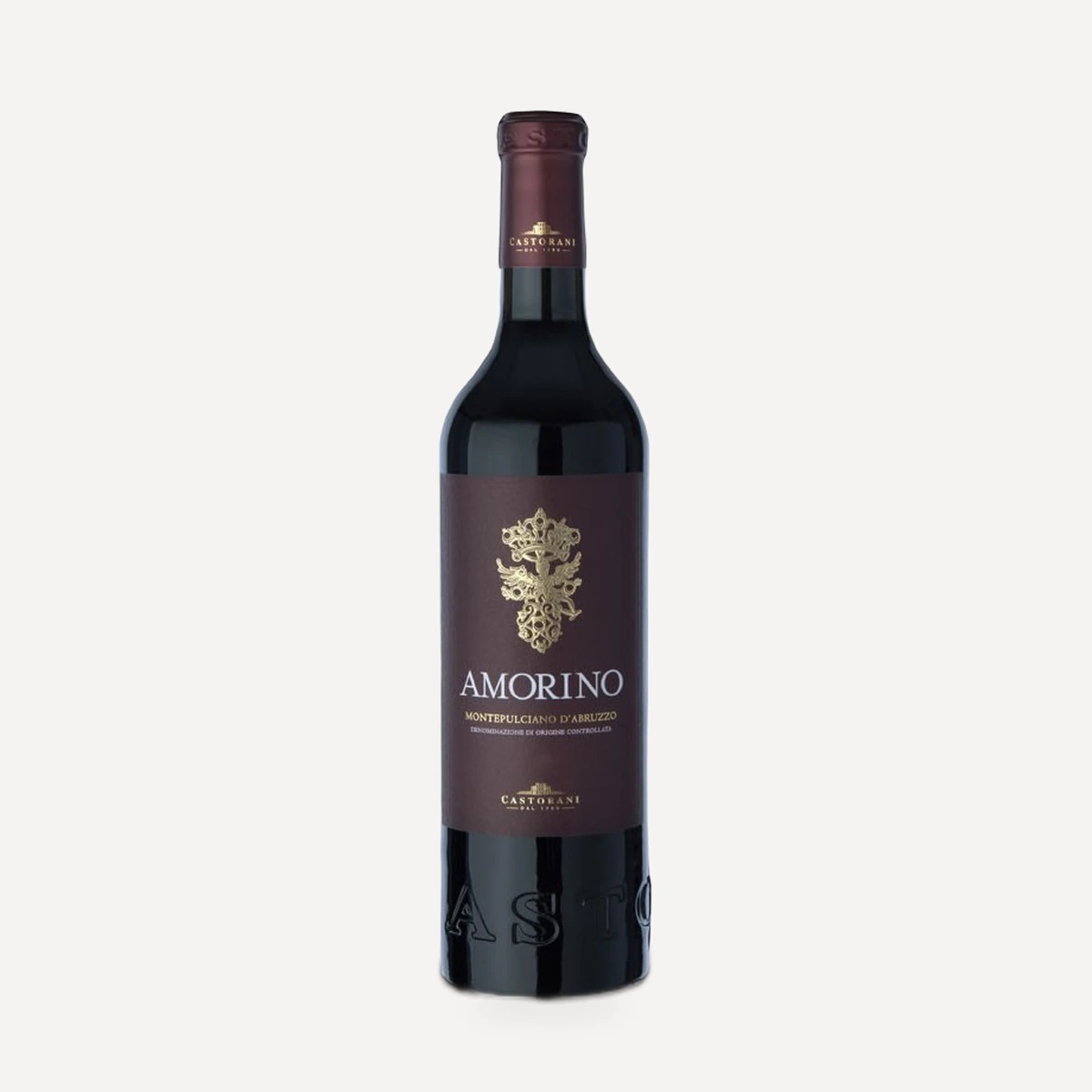
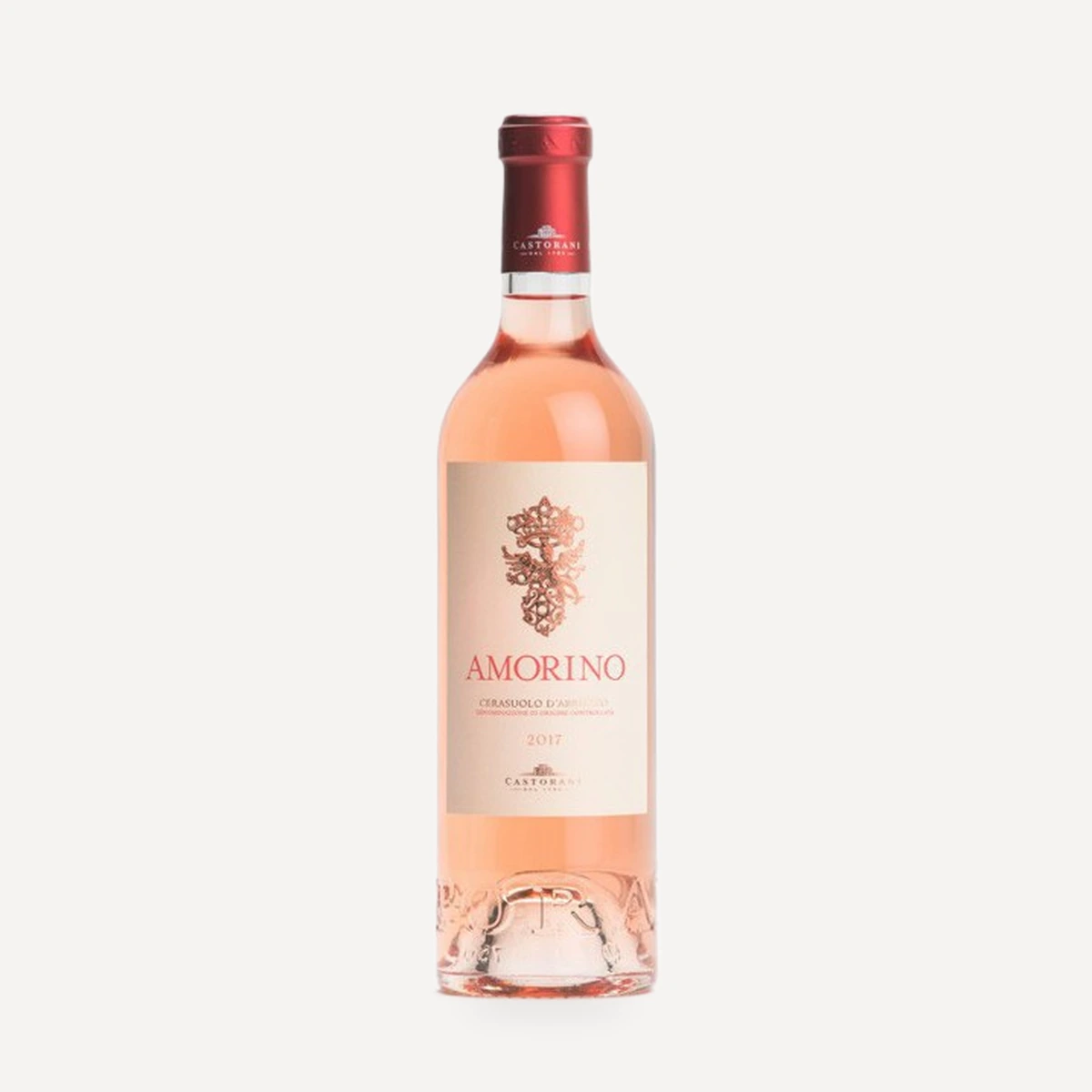
Amorino Montepulciano d'Abruzzo DOC
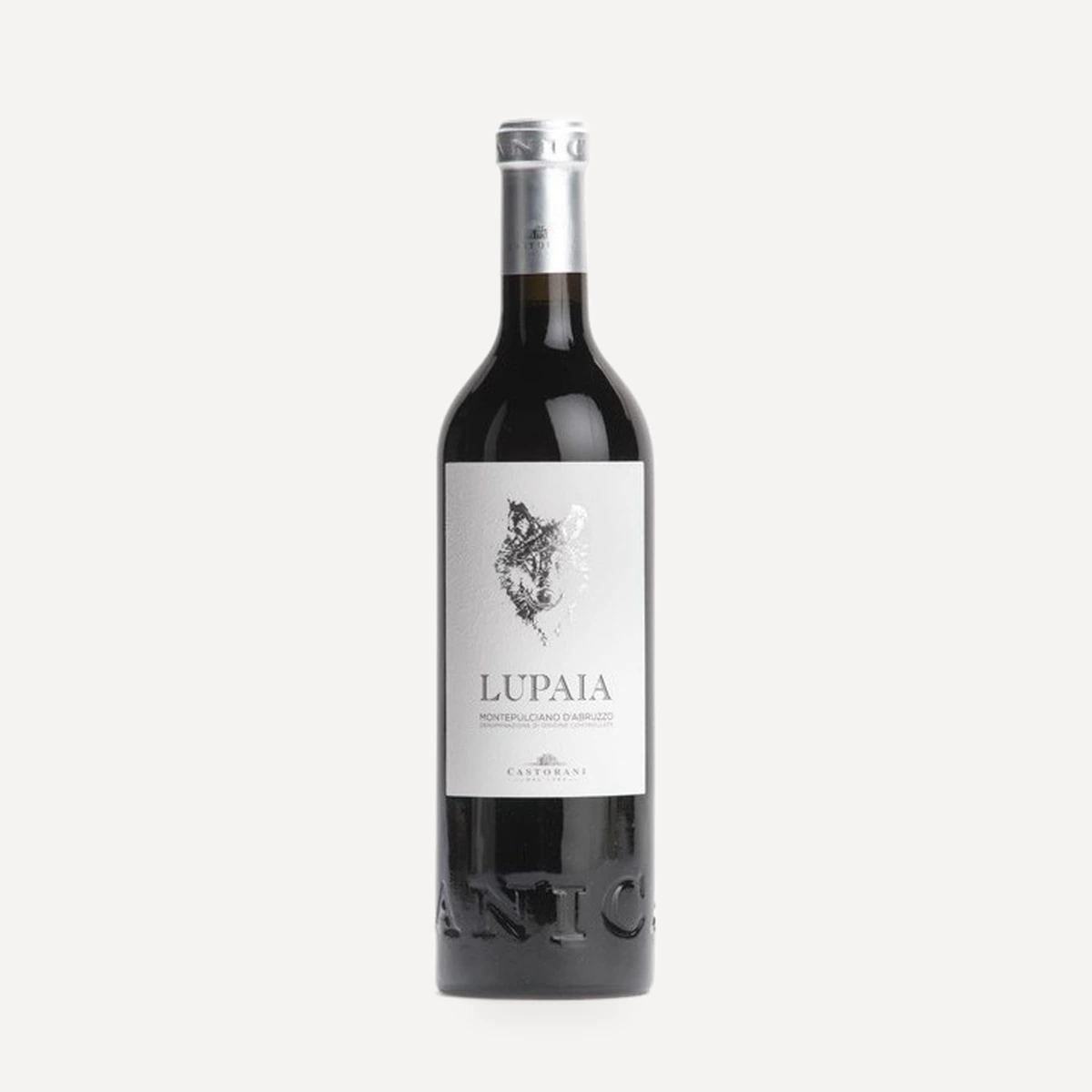
Lupaia Montepulciano d’Abruzzo DOC
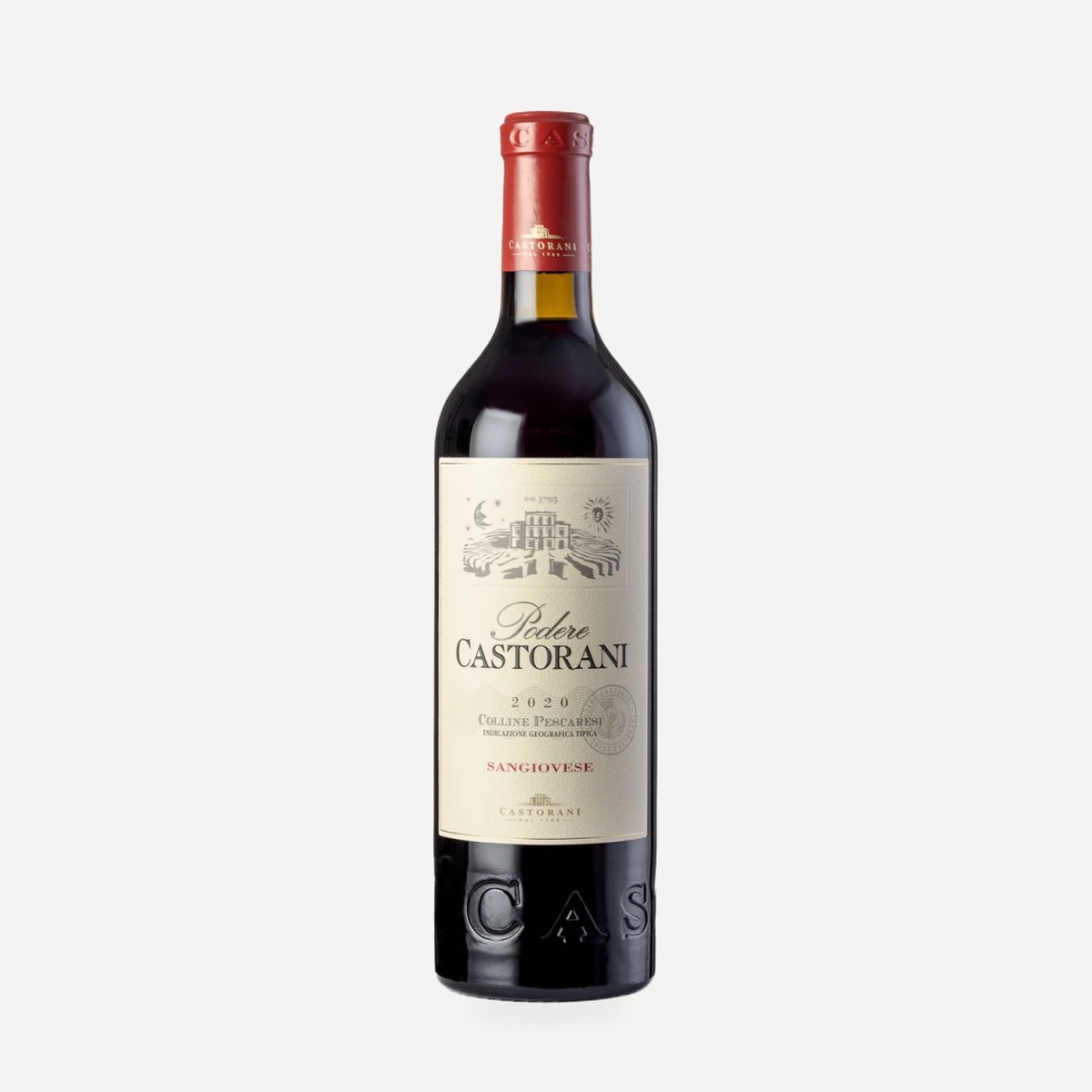
Podere Castorani Sangiovese Colline Pescaresi IGT
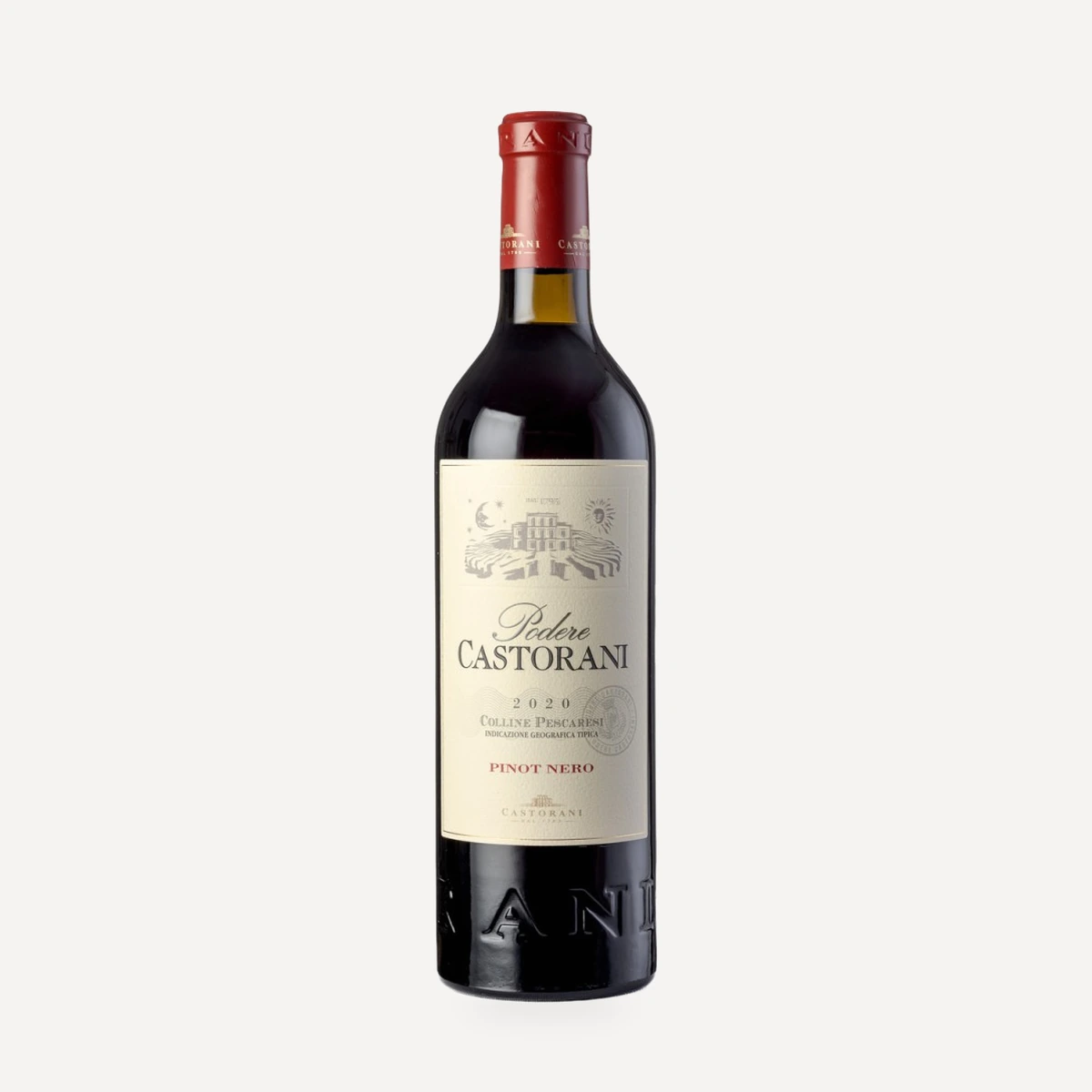
Podere Castorani Pinot Nero Colline Pescaresi IGT
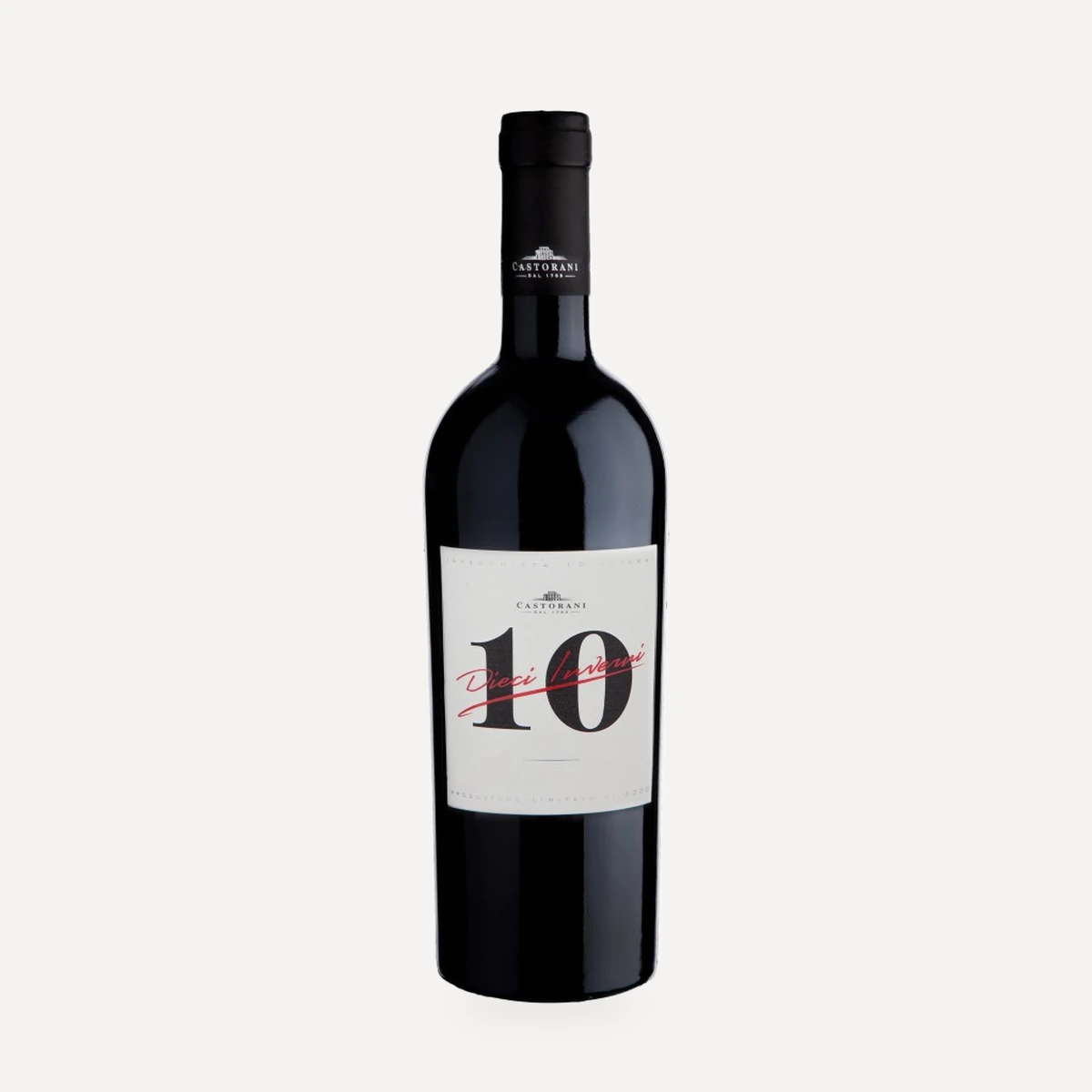
Dieci Inverni Colline Pescaresi IGT
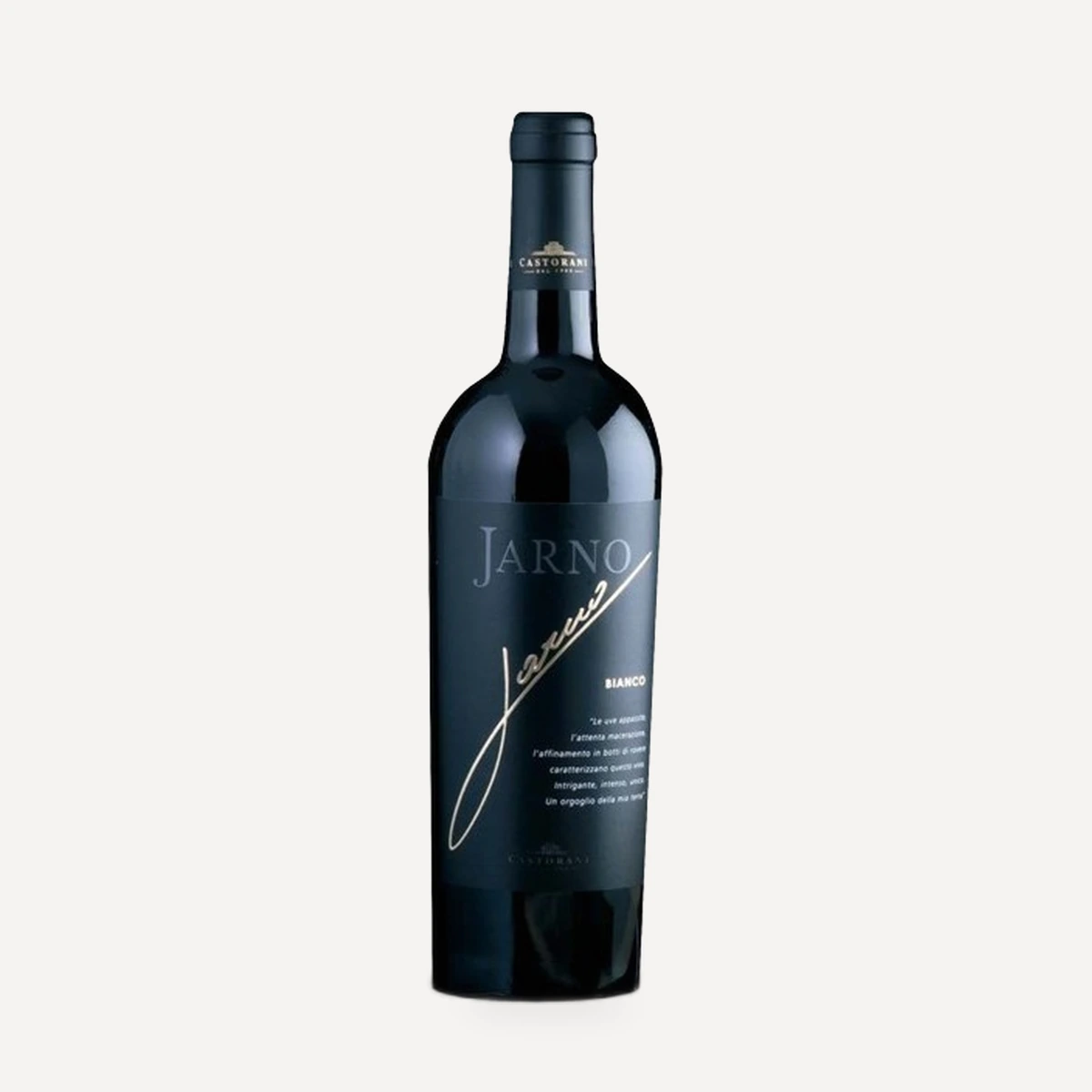
Jarno Bianco Colline Pescaresi IGT
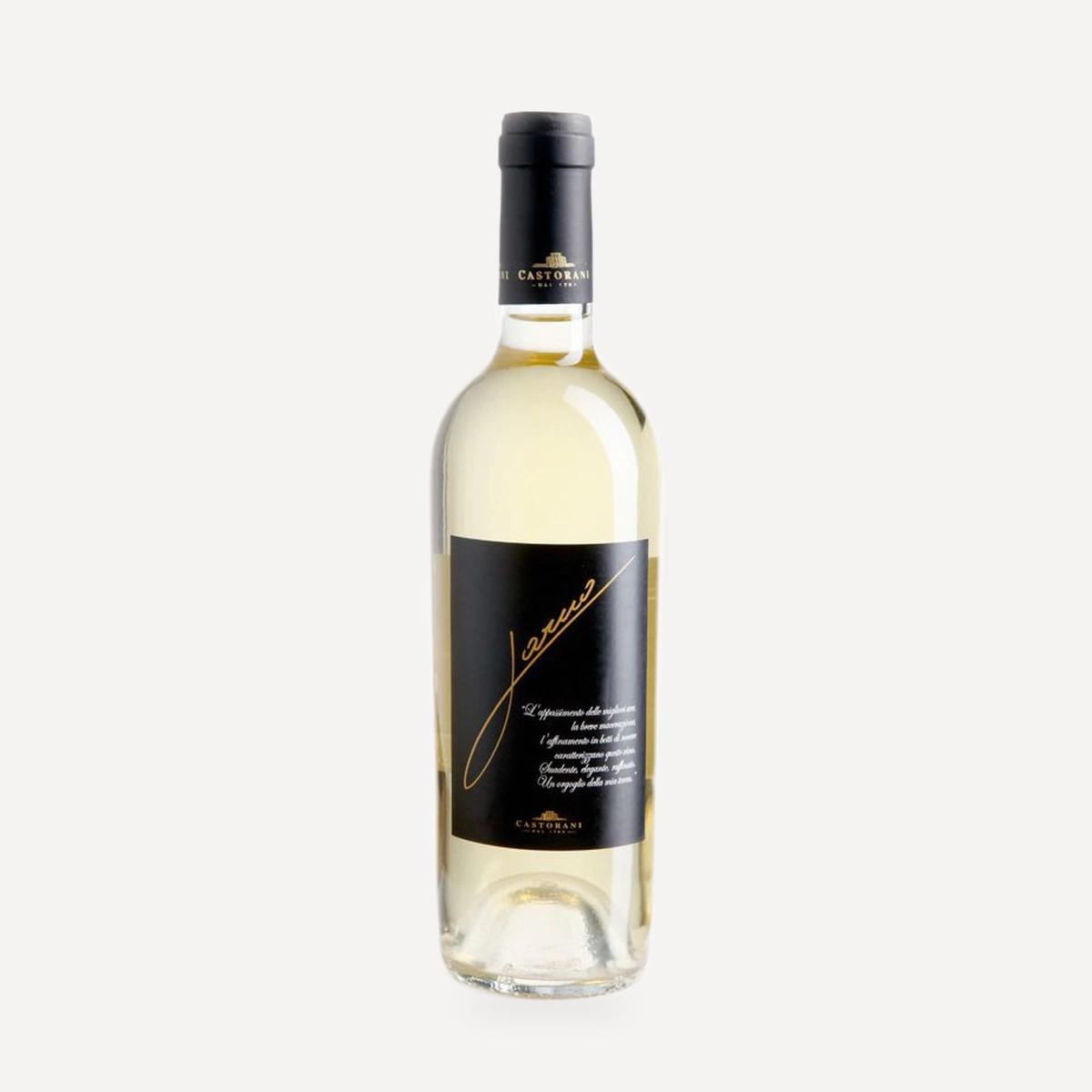
Jarno Passito Colline Pescaresi IGT
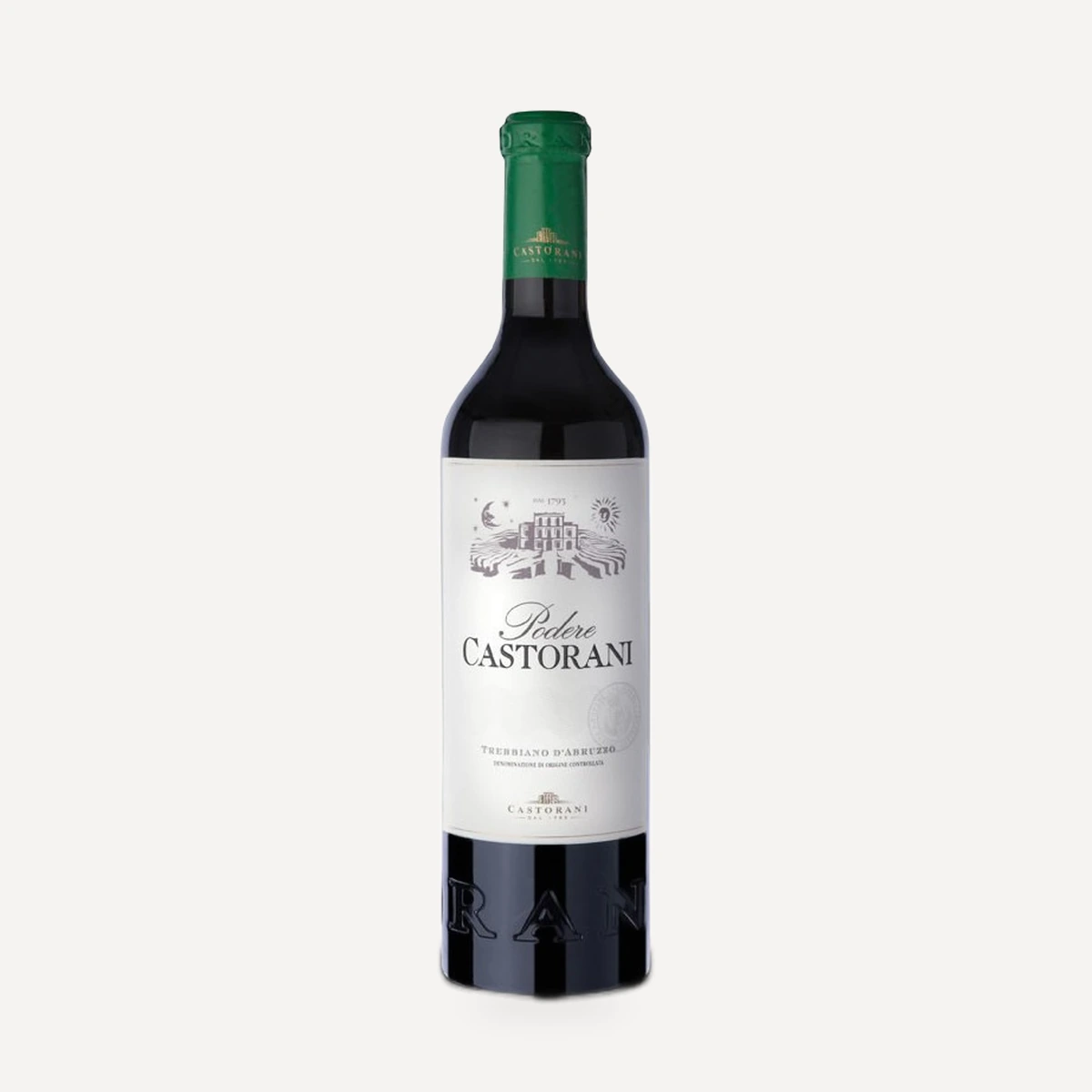
Podere Castorani Trebbiano d'Abruzzo DOC
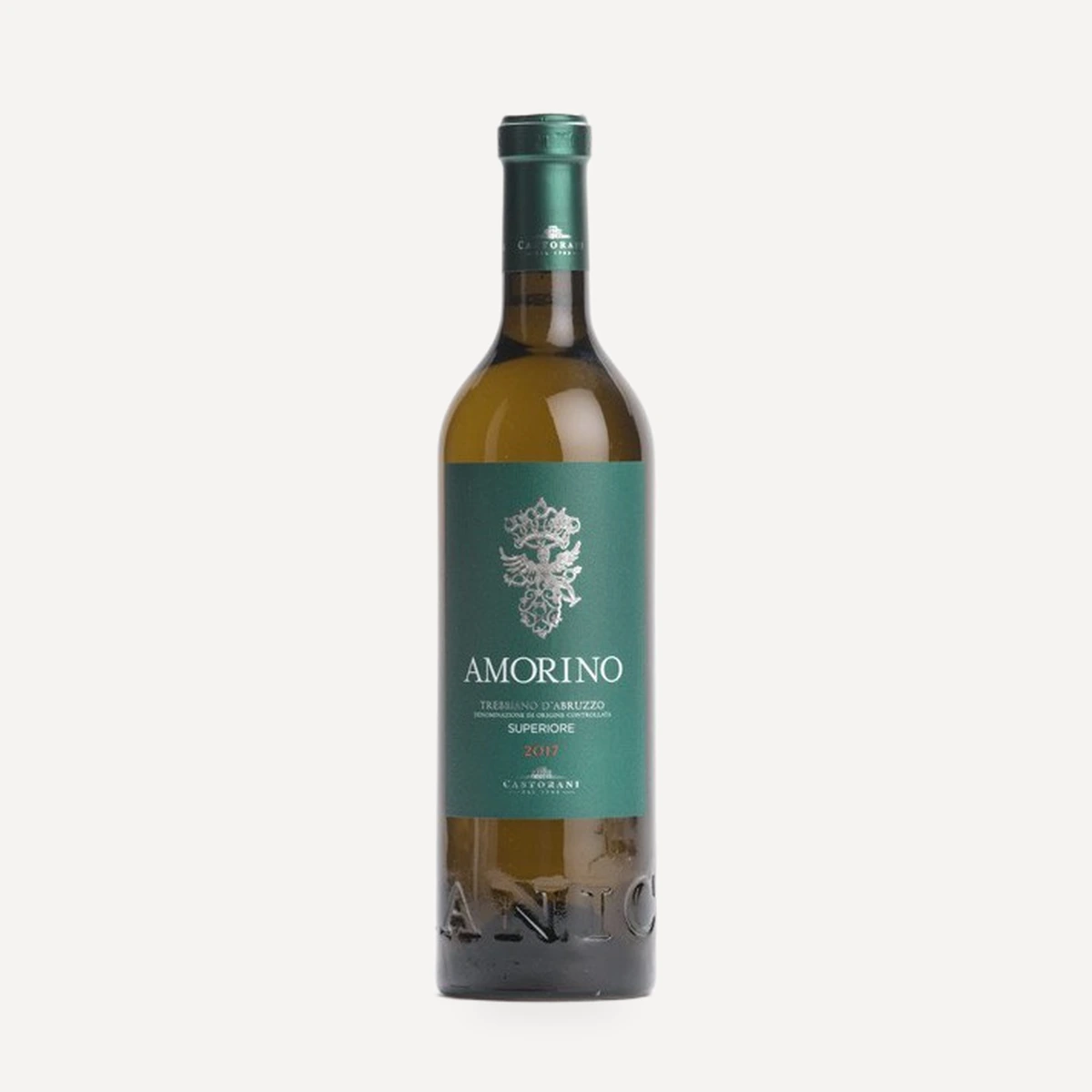
Amorino Trebbiano D'Abruzzo Superiore DOC
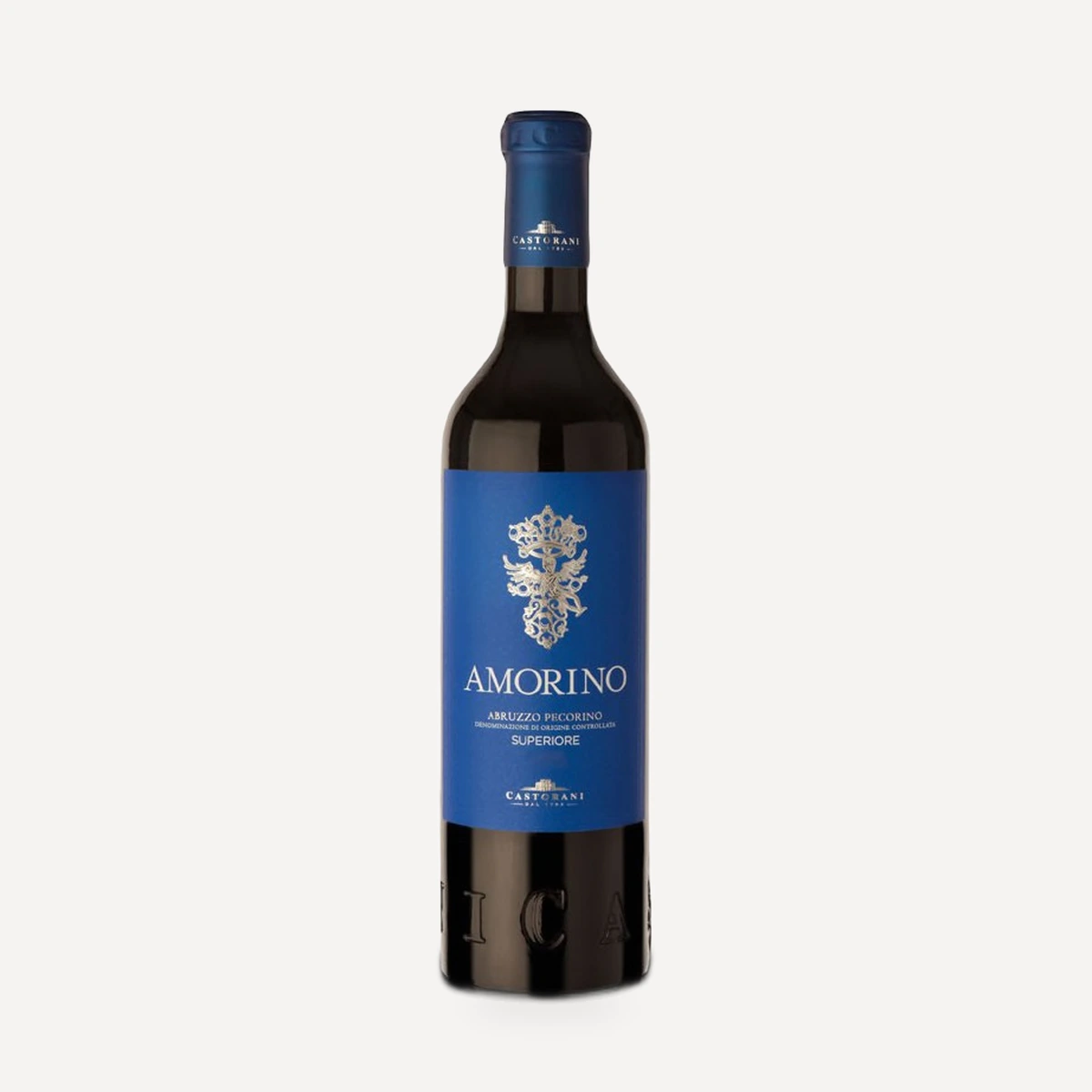
Amorino Abruzzo Pecorino Superiore DOC
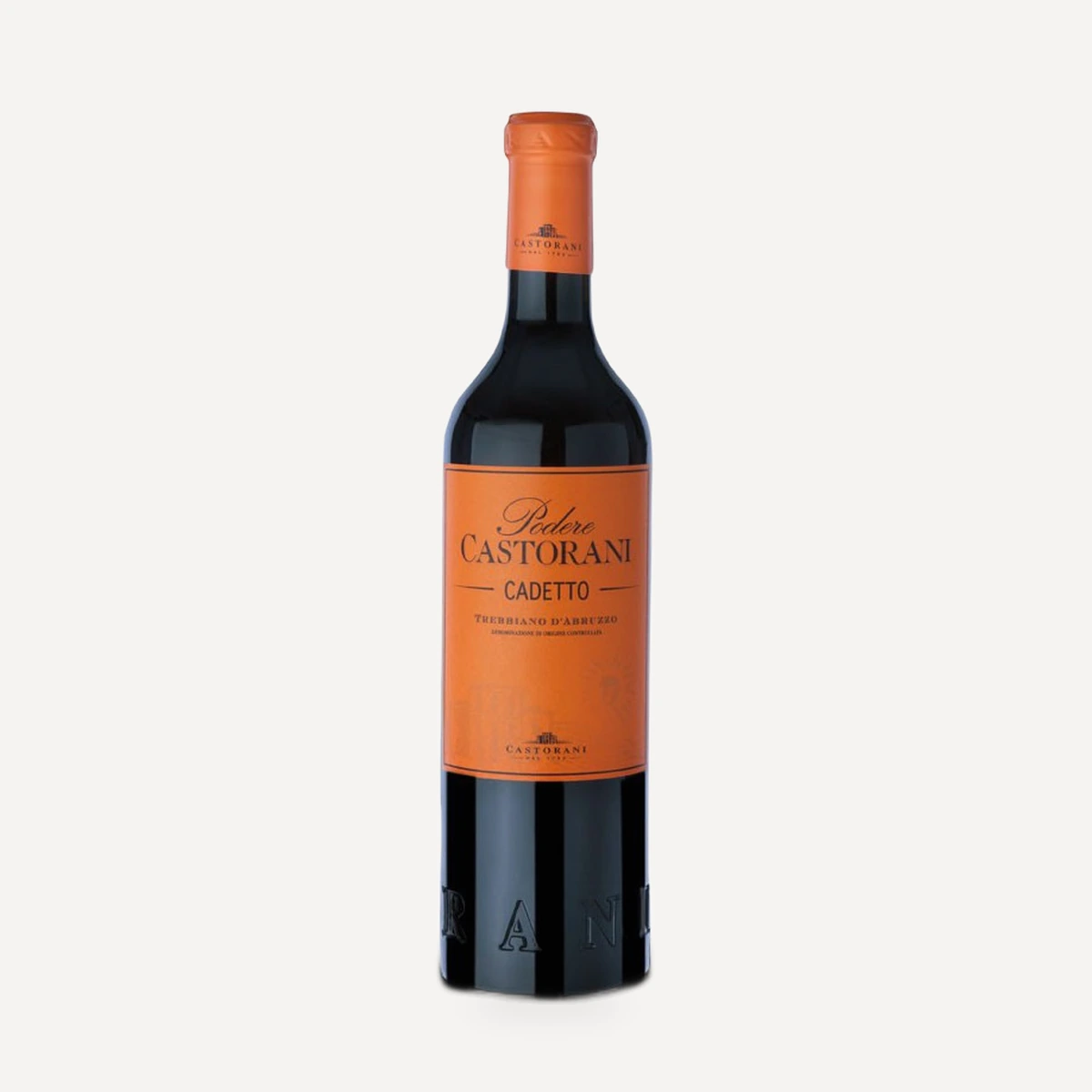
Cadetto Trebbiano d'Abruzzo DOC
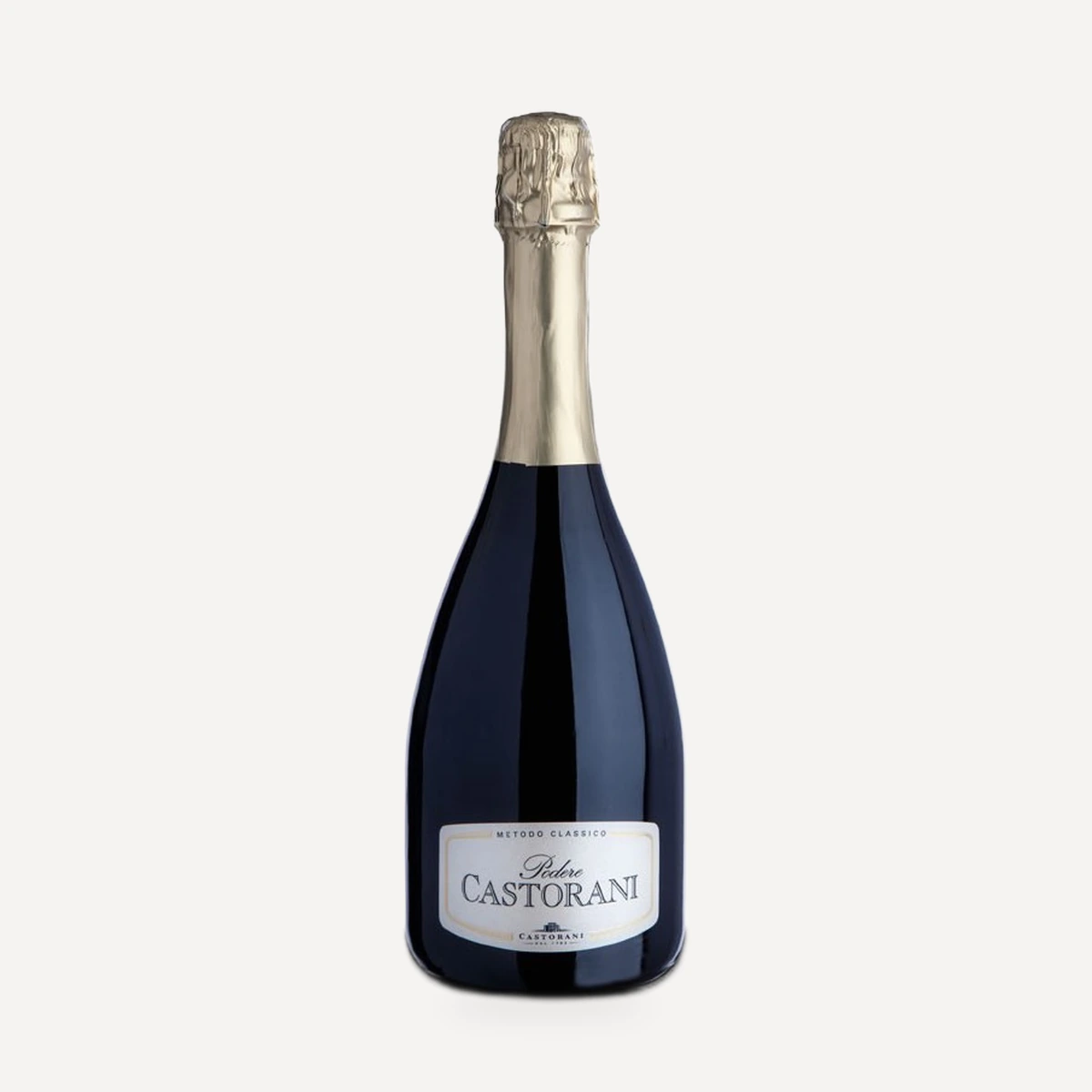
Podere Castorani Metodo Classico Pas Dosé
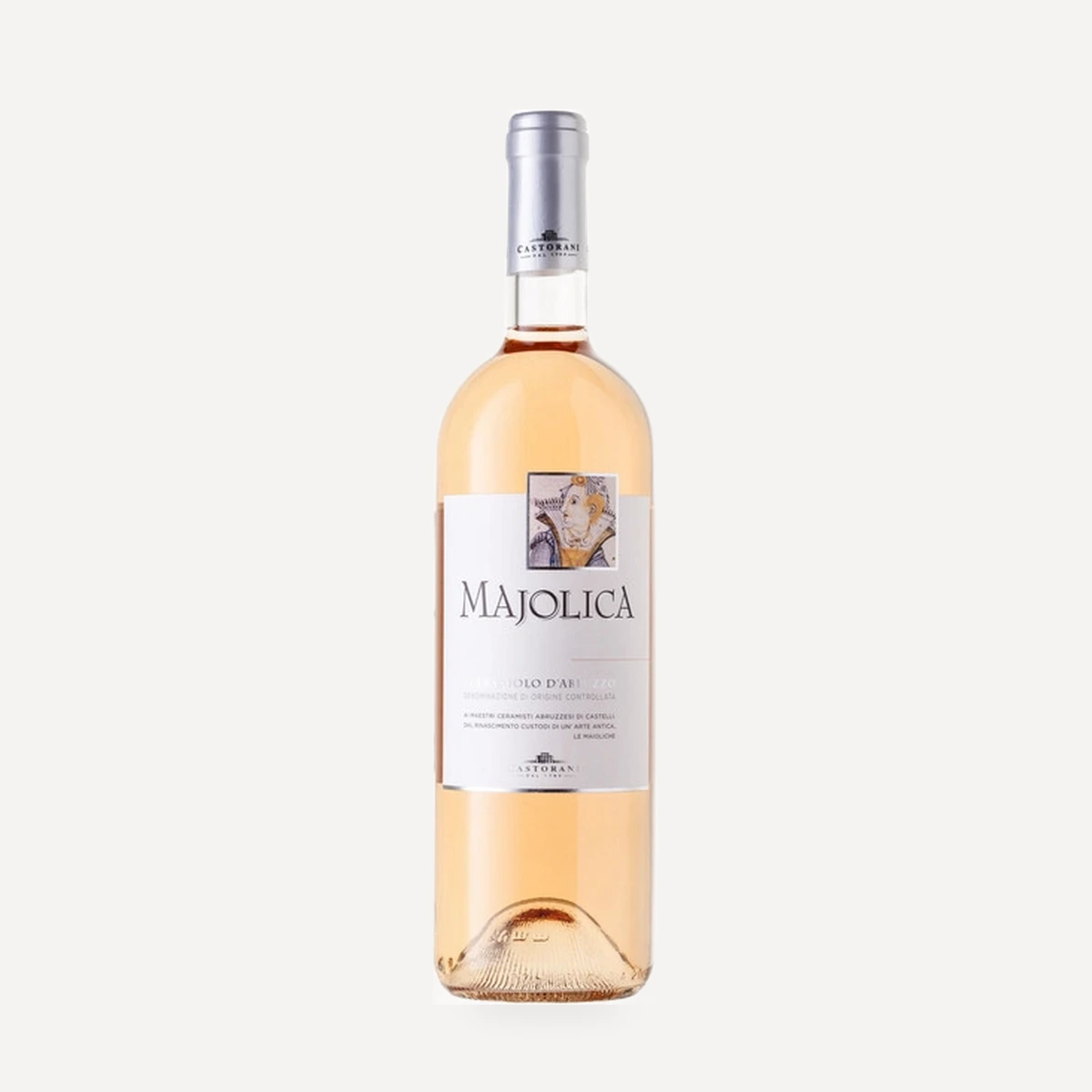
Majolica Cerasuolo d'Abruzzo DOC
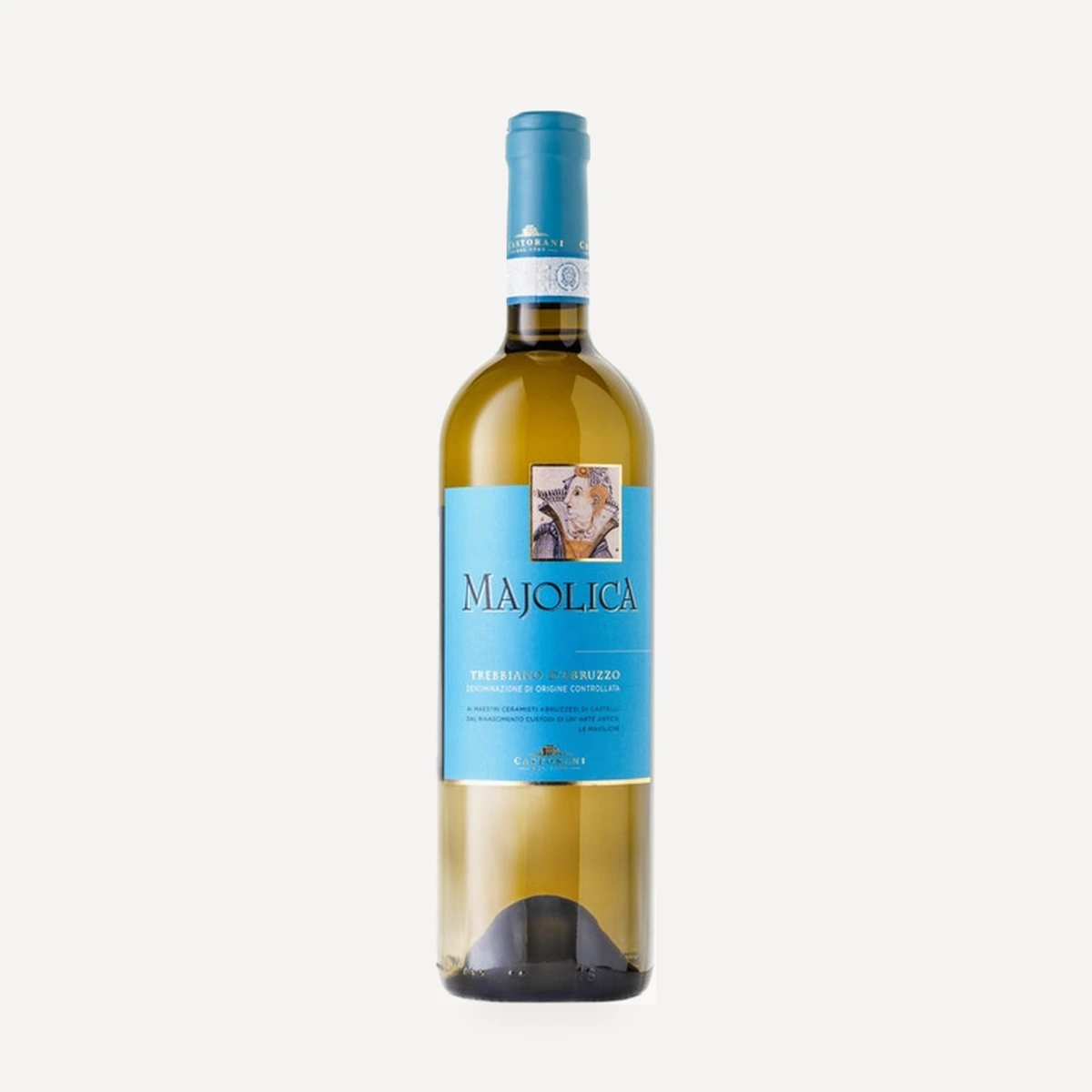
Majolica Trebbiano d'Abruzzo DOC
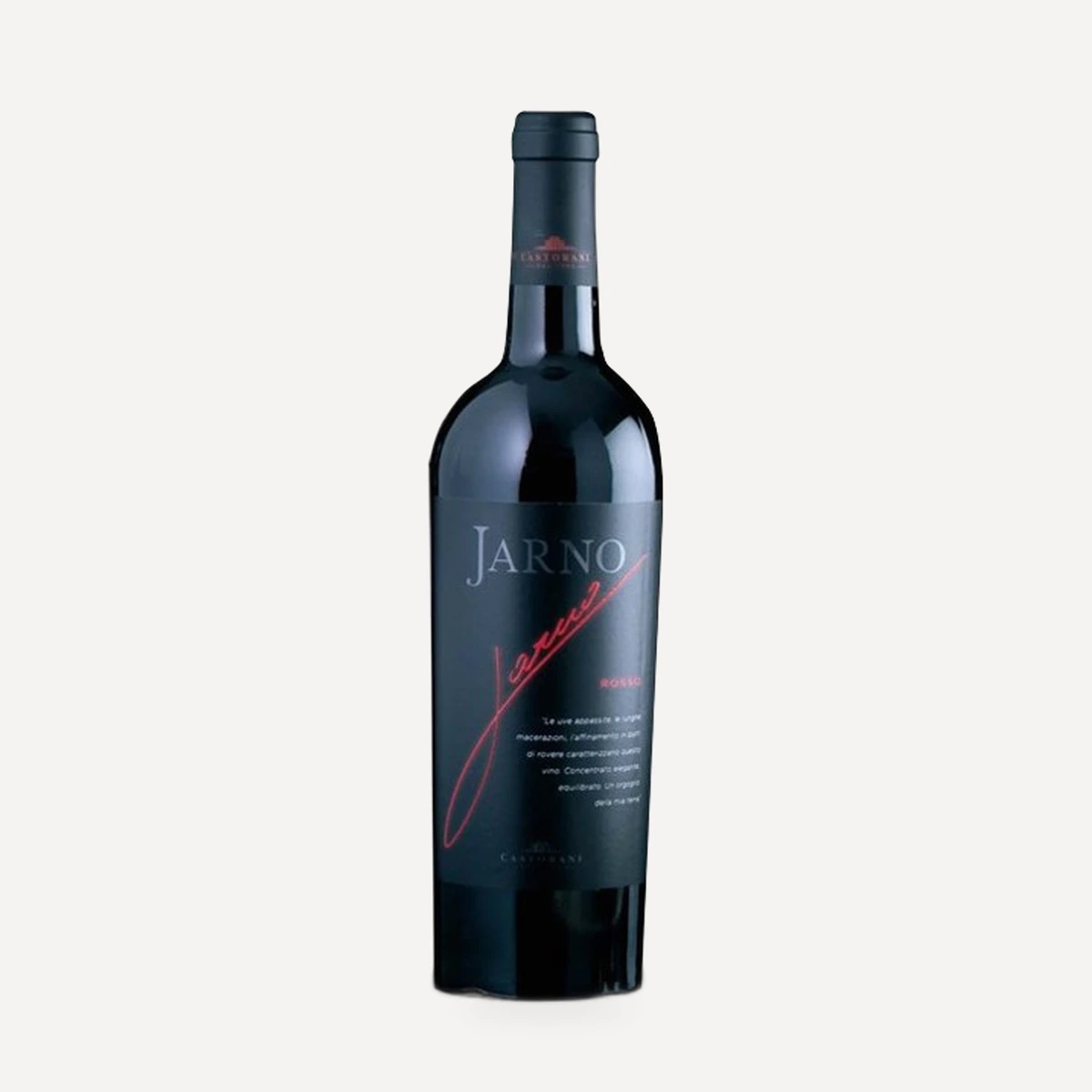
Jarno Rosso Colline Pescaresi IGT
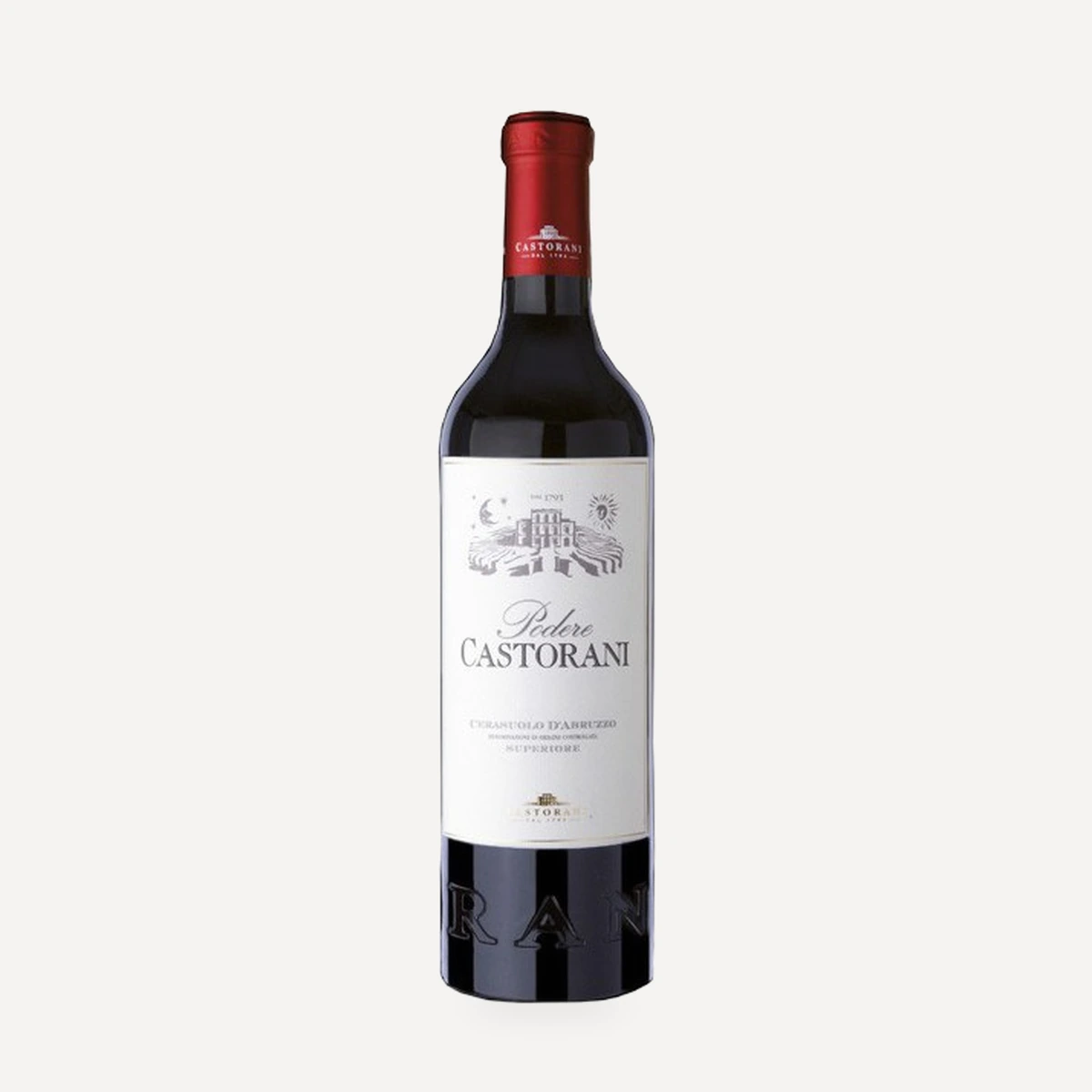
Podere Castorani Cerasuolo d'Abruzzo DOC
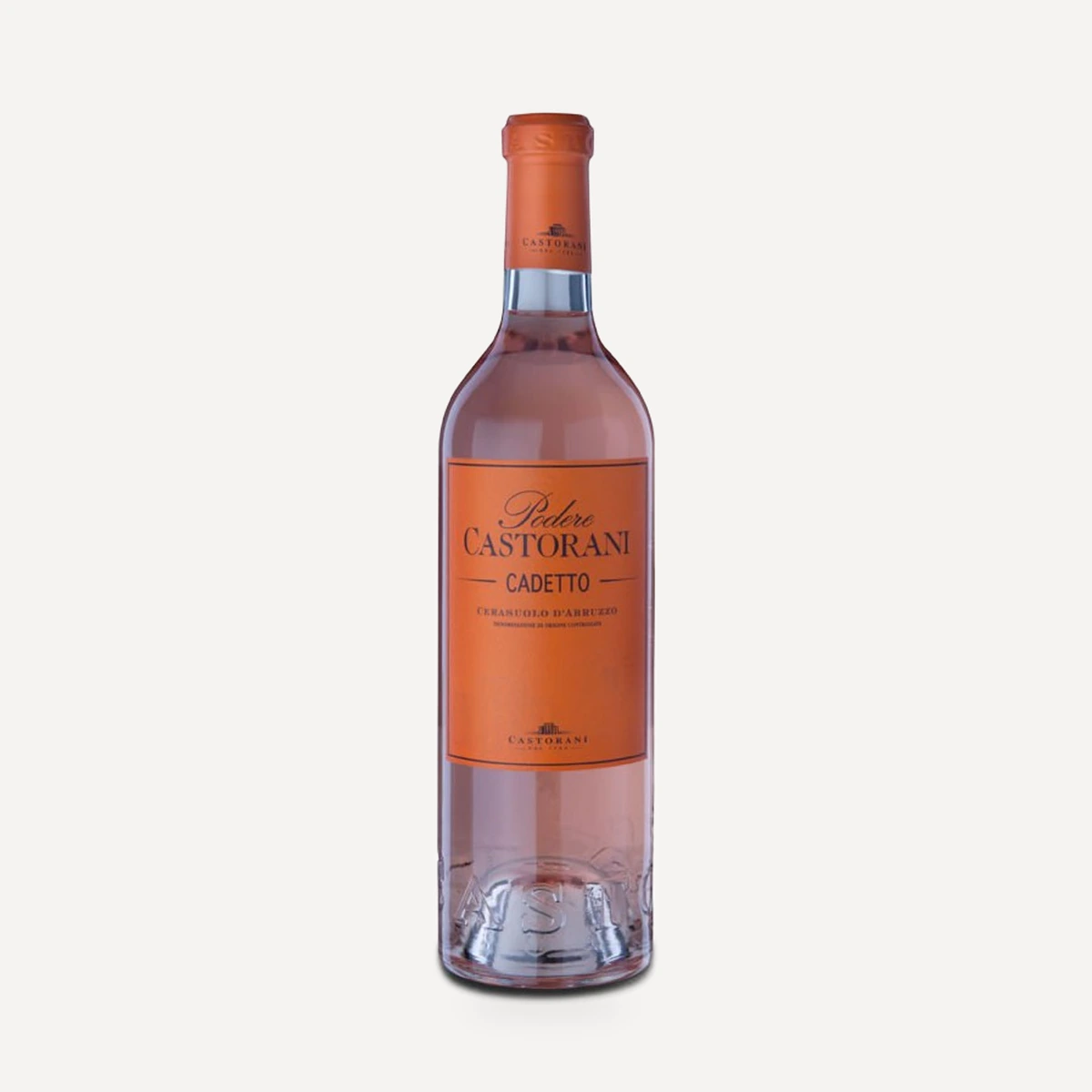
Cadetto Cerasuolo d'Abruzzo DOC
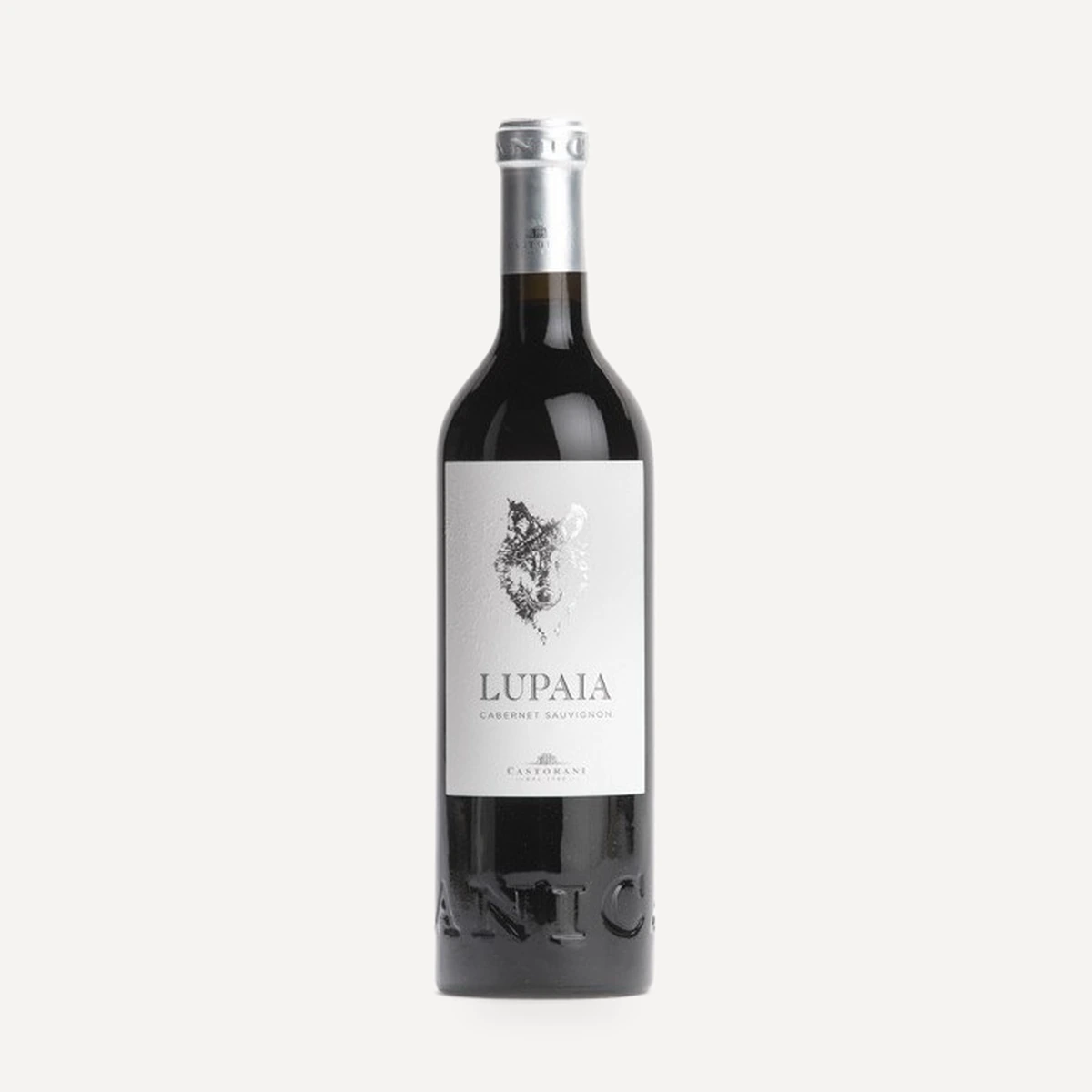
Lupaia Cabernet Sauvignon Colline Pescaresi IGT
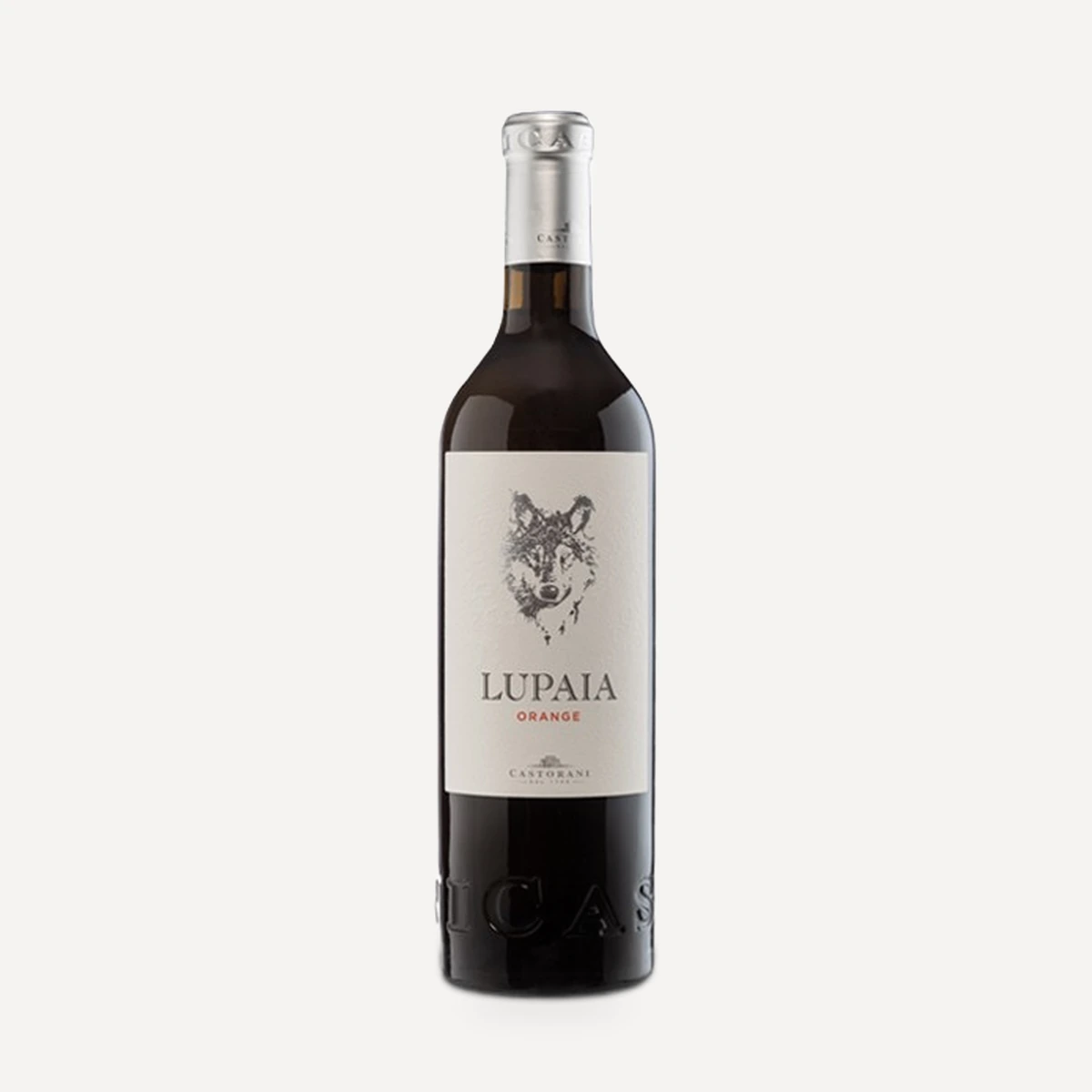
Lupaia Orange Pecorino Colline Pescaresi IGT
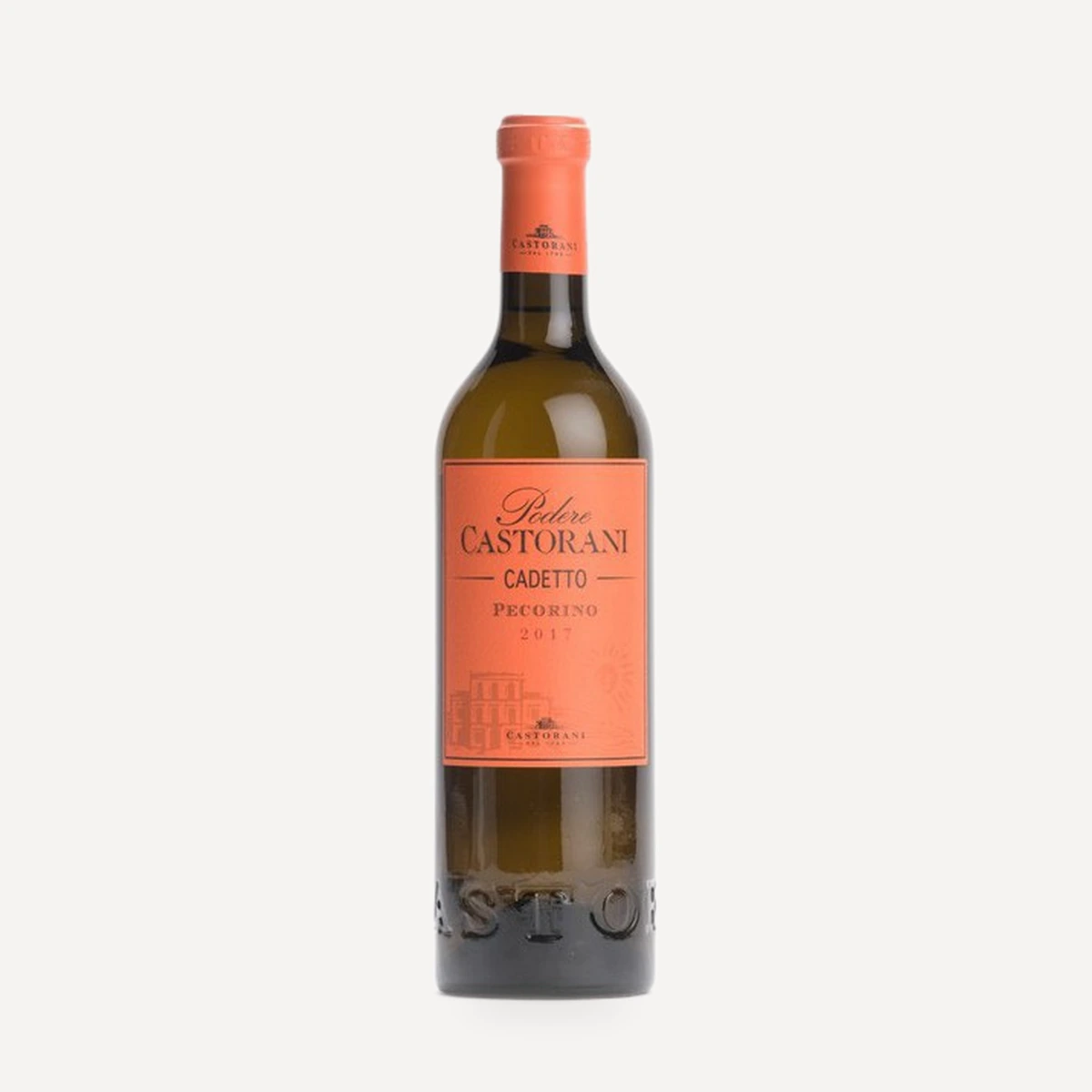
Cadetto Pecorino Colline Pescaresi IGT
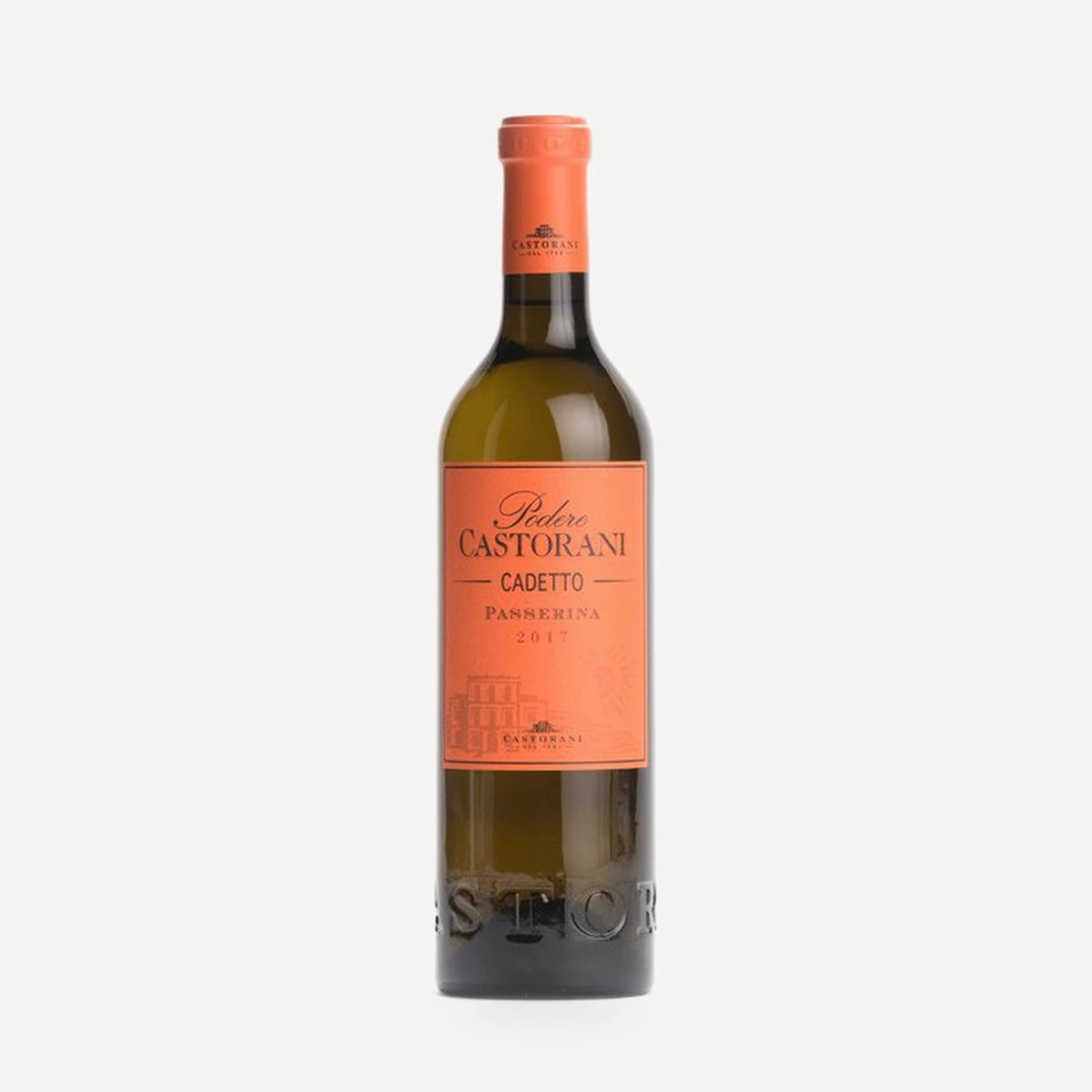
Cadetto Passerina Colline Pescaresi IGT
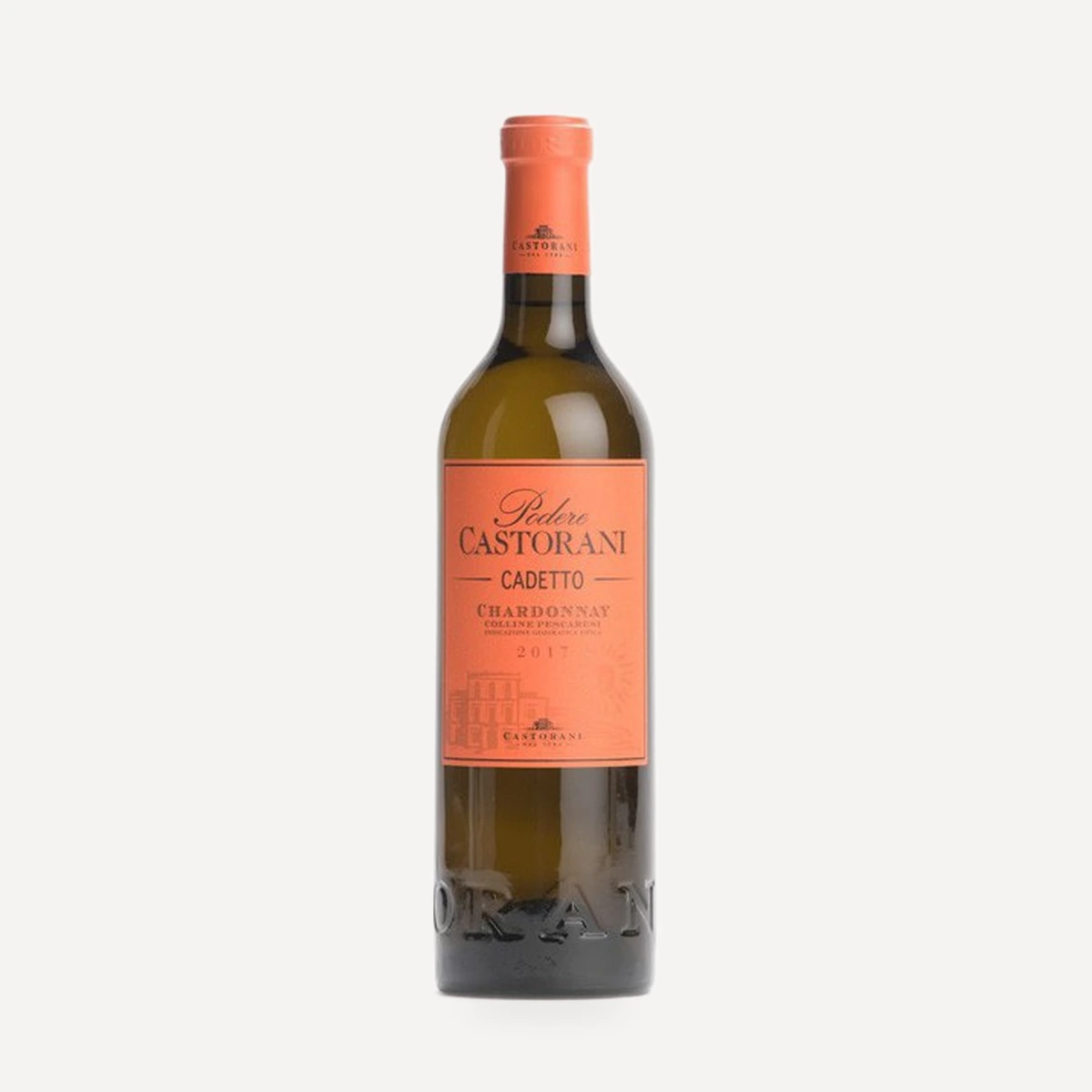
Cadetto Chardonnay Colline Pescaresi IGT
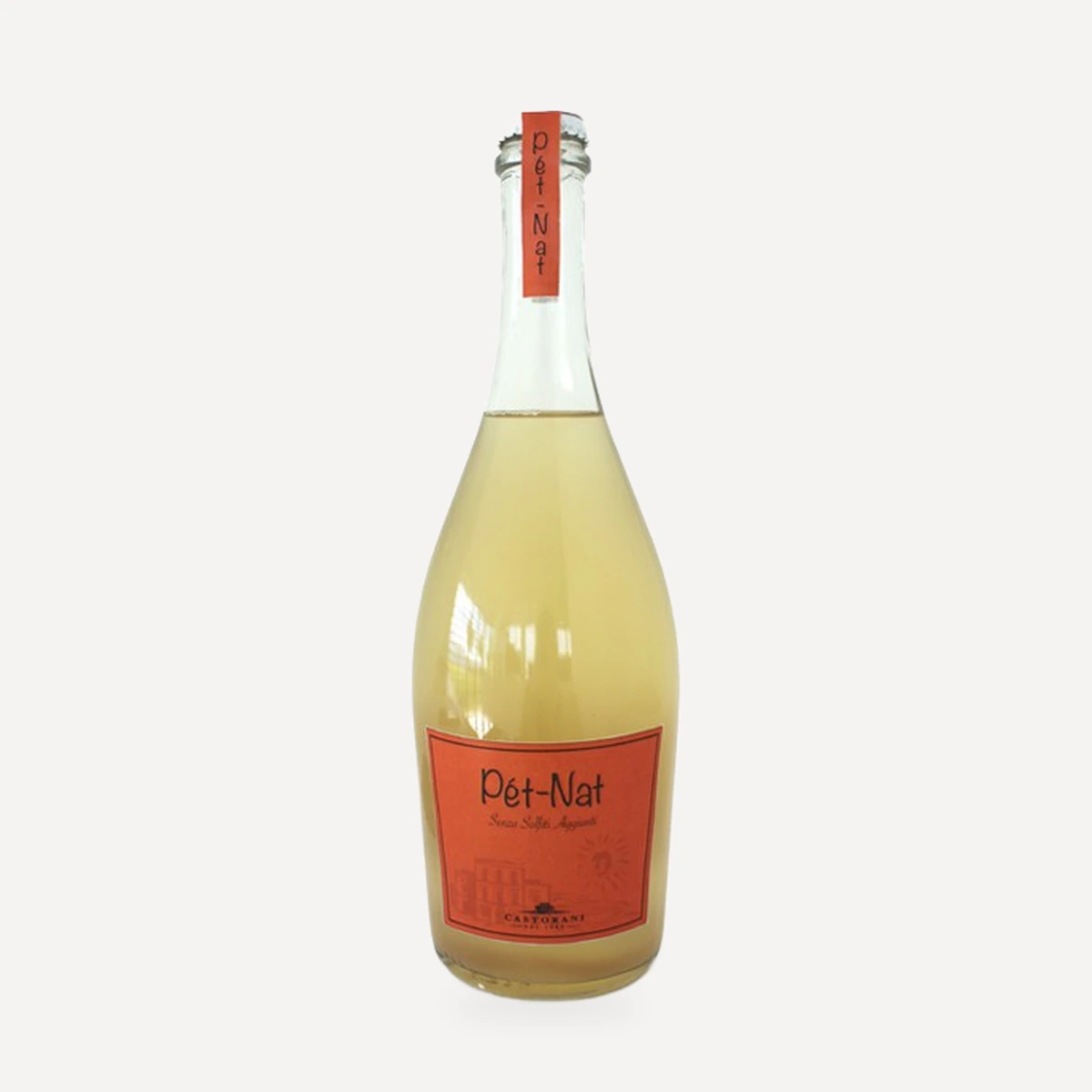
Pét Nat- Colline Pescaresi Malvasia IGT
Majolica Montepulciano d'Abruzzo DOC
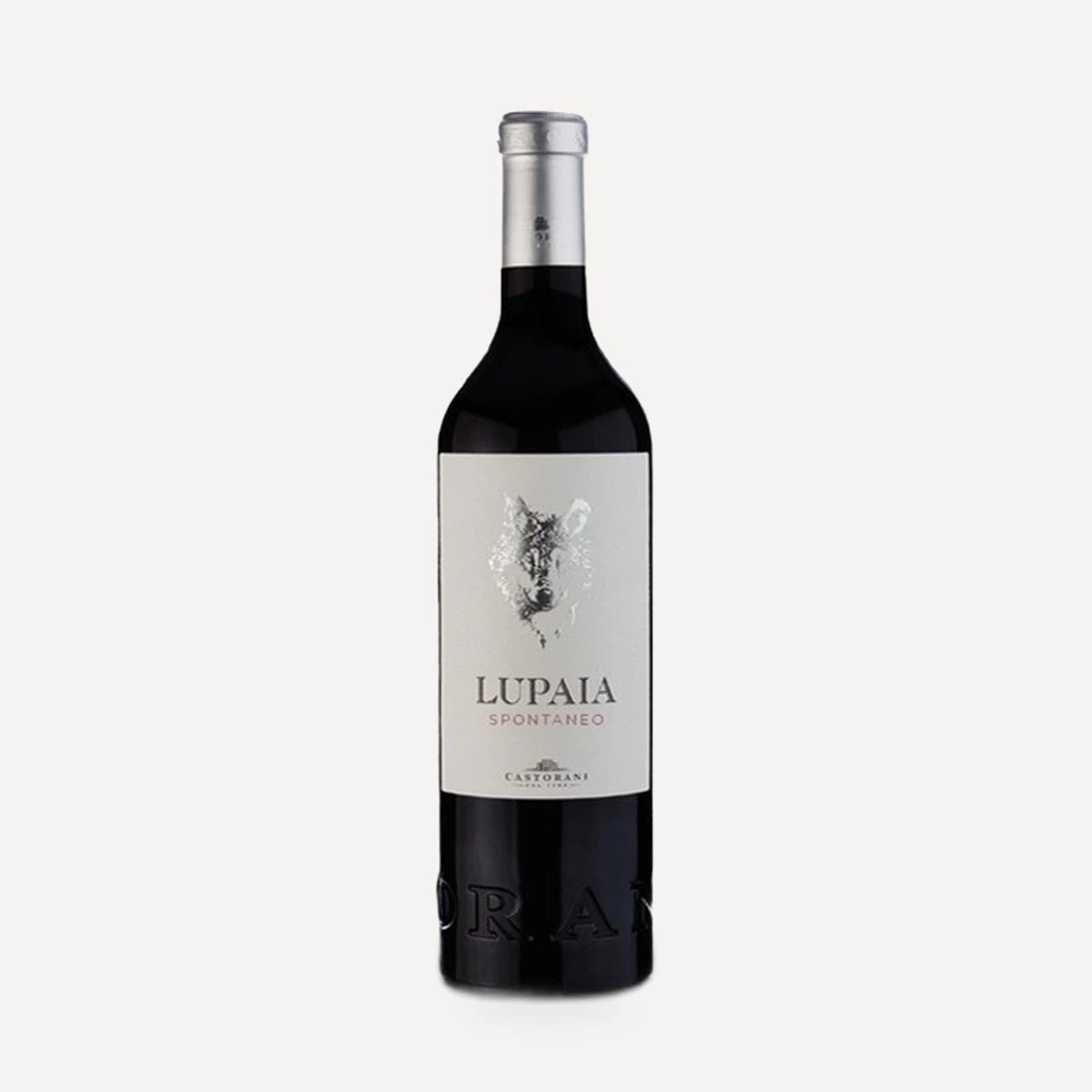
Lupaia Vino Spontaneo Rosso IGT