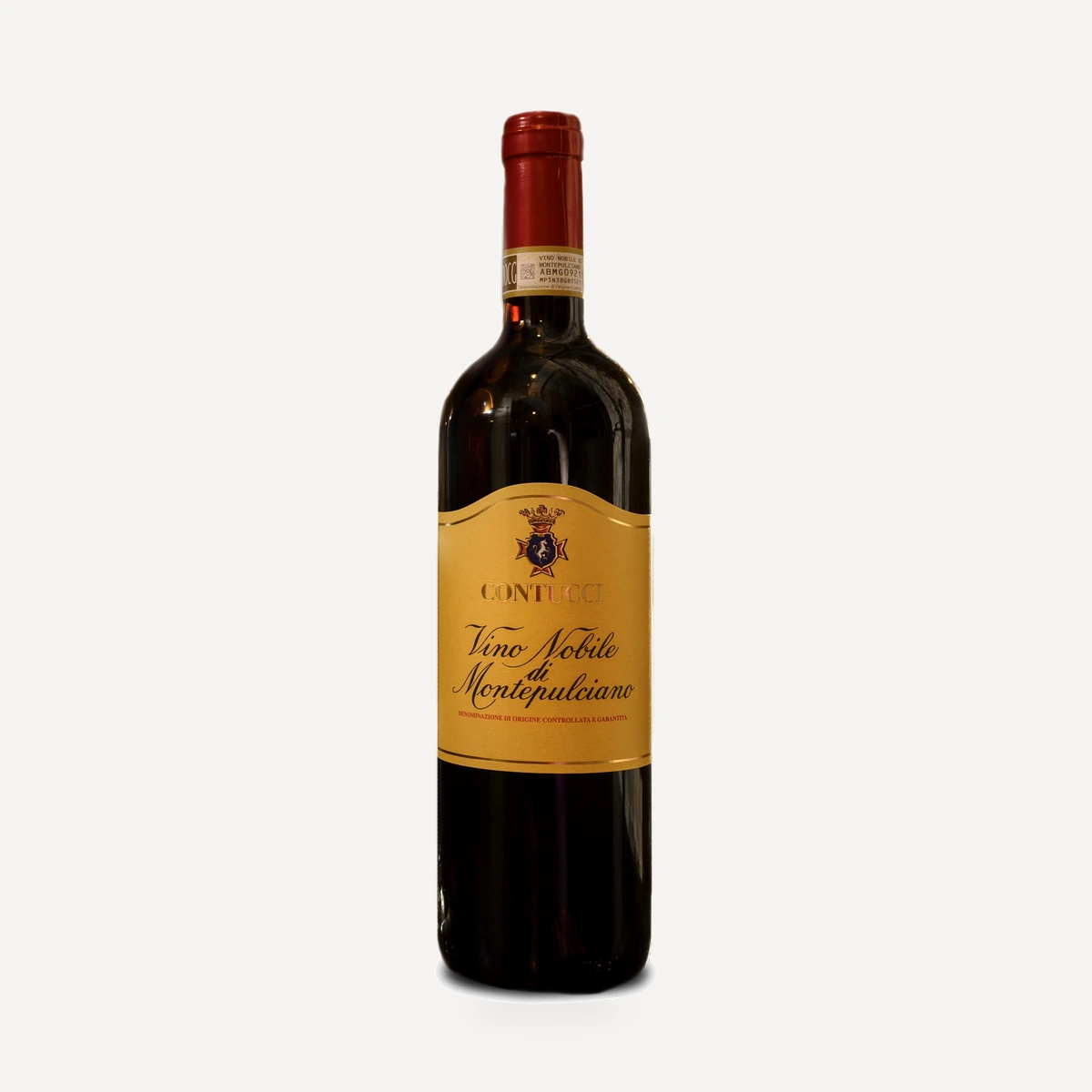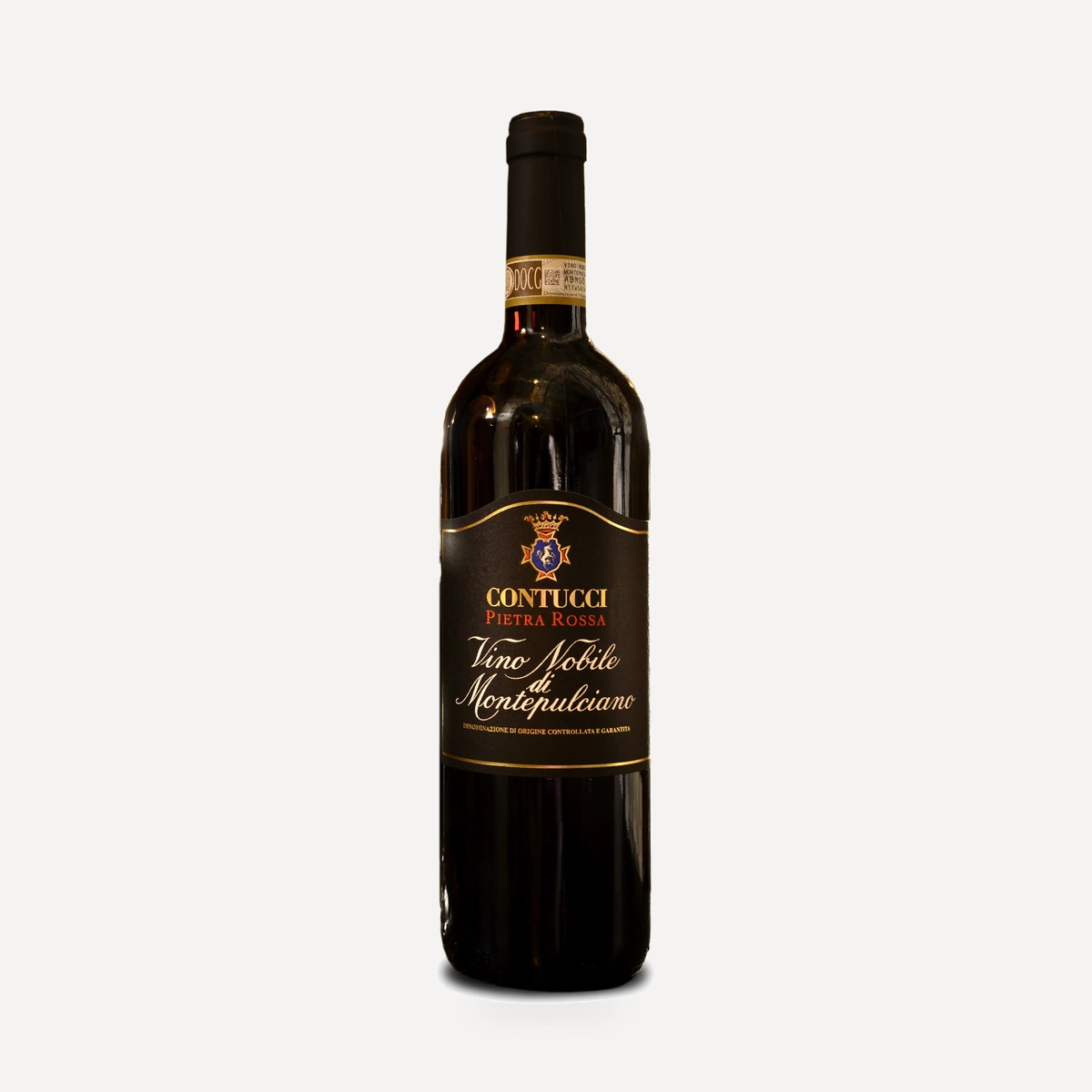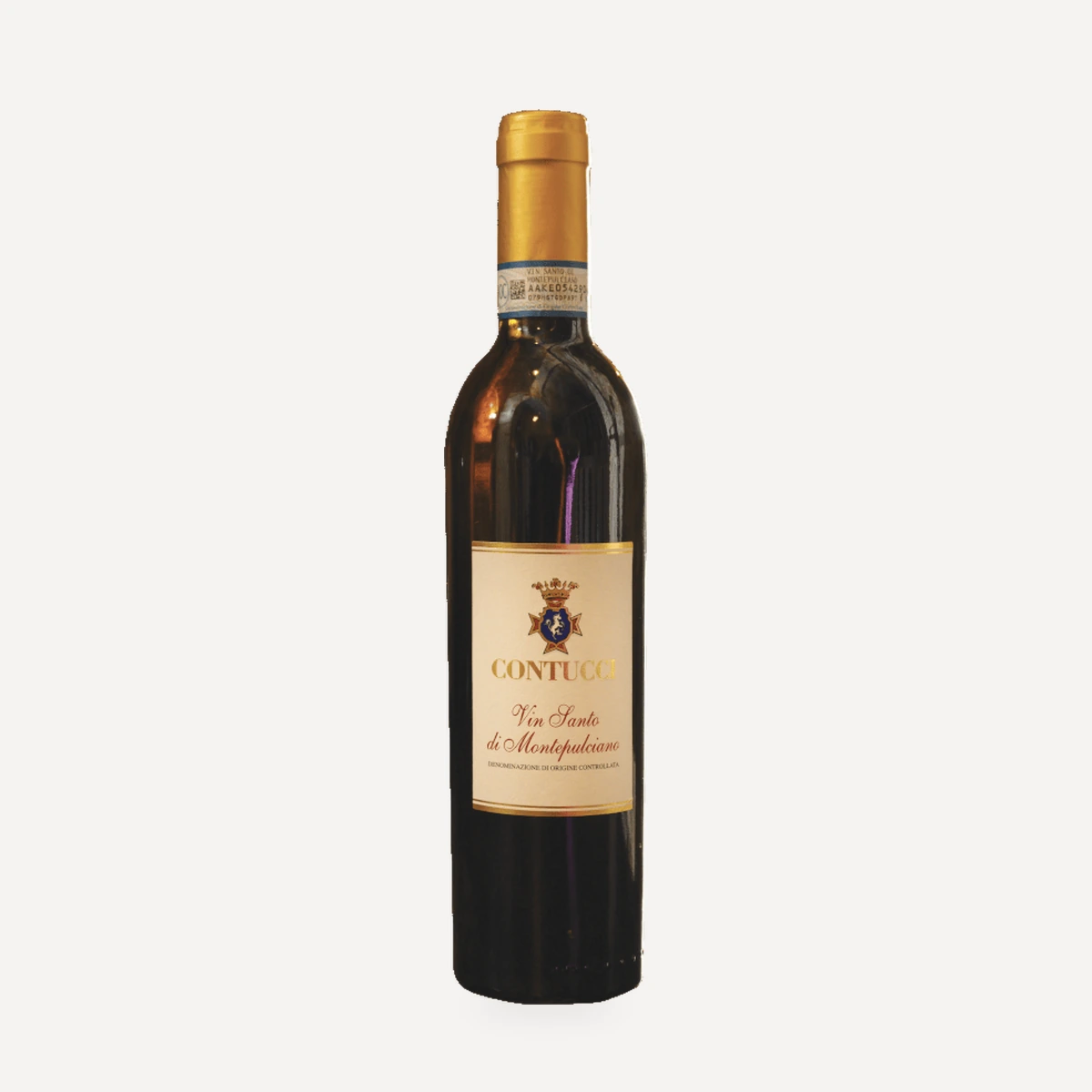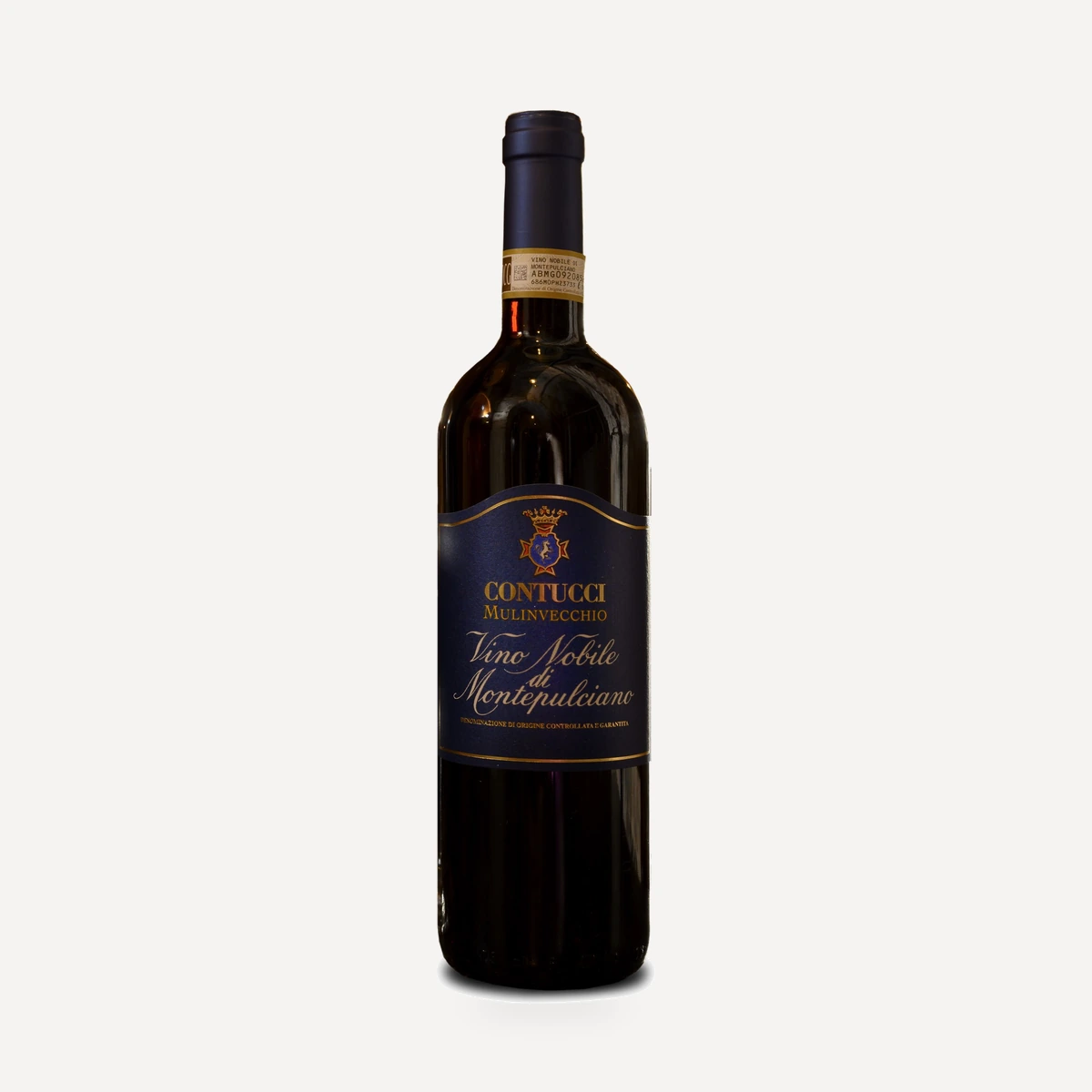
About this wine
Vineyard and terroir
The grapes come from the family-owned Mulinvecchio vineyard in the municipality of Montepulciano. This approximately one-hectare site lies on the town’s north-western side. Its 25-year-old vines grow at 350–450 m on Pliocene-origin tuffaceous sand with a south-eastern exposure. The vines are trained to a vertical trellis and spur-pruned cordon at 4,500 vines per hectare.
Grapes
80% Prugnolo Gentile, 10% Canaiolo Nero and 10% Colorino.
Vinification
The grapes are harvested by hand, selected, destemmed and crushed. Selected yeasts initiate alcoholic fermentation in steel and concrete vats. Fermentation and skin maceration last 18–20 days at 26–28°C, with frequent daily pump-overs. Malolactic fermentation follows in steel vats or oak barrels.
Ageing
The wine matures for 30 months in French and Slavonian oak barrels of 10–15 hL and is racked every six months. It then settles in steel for 3–4 months and ages in bottle for 8–10 months before release.
Technical data
Annual production is approximately 6,000–8,000 bottles.
Tasting profile
The sandy site is associated with softness in the finished wine. The profile is dry, savoury and persistent, with fine tannins.
Vintage notes
The best vintages identified for the preceding 20 years are 2001, 2004, 2006, 2008, 2010, 2013, 2015 and 2016. Expected maturity is 18–25 years after harvest, with a maturity plateau between 4 and 15 years.