History
Origins and medieval Montepulciano
The family's earliest traditions place its origins around the year 1000, while its presence among Montepulciano's leading families is firmly established by the middle of the 14th century. The Contucci were already cultivating vines in the 11th century. The historic cellars developed within Montepulciano's innermost defensive walls, with their construction associated with the 13th century and, more broadly, with the city's 11th–13th-century walls.
By 1300 members of the family, including Giacomo, were serving as Standard Bearers of Montepulciano. This was an office reserved for prominent citizens, partly because its holder had to bear substantial expenses. In 1434 Contuccio received Florentine citizenship as a mark of honour.
Sixteenth and seventeenth centuries
Palazzo Contucci was built in 1517 by Antonio da Sangallo the Elder. It subsequently served as a residence of Pope Julius III and Grand Duke Ferdinand I. Giulio Cesare became a Standard Bearer in 1542, followed by Francesco in 1586. Ottaviano commanded the army of Cosimo I and died on 5 December 1594.
Prominent 17th-century family members included Giulio, a doctor of civil and canon law at the University of Pisa; Arcangiolo, a commander in the army of Grand Duke Ferdinand II; and Gregorio, who became Standard Bearer in 1612 and also served as Alfiere delle Corazze to Christina of Lorraine.
The palace, scholarship and public life
In 1700 the Jesuit Contuccio was rector of the School of Rhetoric and responsible for the Kircheriano Museum in Rome. Together with other members, he founded Montepulciano's Colonia Arcadica, now the Accademia Poliziana, and adopted the Arcadian name Lireno Boleio. The palace's Sala delle Feste was decorated by Andrea Pozzo in 1702.
Alamanno pursued organ building, producing instruments for the church of San Biagio in Montepulciano and the church of Carmine in Florence. In 1721 Grand Duke Cosimo III of Tuscany admitted Domenico to the Military Order of Santo Stefano. Niccolò taught at the Roman College and later worked as a missionary in Santiago del Chile, Paraguay and Argentina.
Vino Nobile and the nineteenth century
A document dated 1773 records the Contucci contribution to the growing reputation of Vino Nobile di Montepulciano. The family's explanation of the name associates it both with noble grapes and with wine intended for noble tables.
Around 1800 Giuseppe Contucci took part in the reclamation and drainage of the Valdichiana through work on his own lands. Estate books identify him as one of the early producers of Vino Nobile. His son Stefano continued promoting Montepulciano's wine and olive oil in Italy and abroad. Numerous medals and certificates accumulated during the 19th century, reflecting the contemporary reputation of the family's wines. The oldest surviving Vino Nobile bottle in the private family reserve dates from 1887.
Twentieth and twenty-first centuries
During the 20th century the family continued to develop its wine by combining inherited practices with new ideas in pursuit of higher quality. Pietra Rossa, the estate's first vineyard-designated cru, was introduced in the mid-1980s.
In December 2006 Contucci renewed its ISO 9001 / UNI EN ISO 9001:2000 certification. In 2017 the family marked the 500th anniversary of Palazzo Contucci with the creation of a numbered selection from Pietra Rossa and Mulinvecchio, limited to 4,000 bottles. In July 2021 a wine bar opened inside Palazzo Contucci at Piazza Grande 13.
The medieval cellars remain fully operational beneath the historic centre of Montepulciano. Agronomic and oenological decisions are handled directly by the owners, while current hospitality encompasses cellar and palace visits, a panoramic garden, a wine bar and family-owned accommodation.
Terroir
The estate's vineyards lie within the municipality of Montepulciano at elevations ranging from 280 to 450 metres. Their soils are Pliocene in origin, principally clay with varying proportions of sand; individual sites range from the red clay of Pietra Rossa to the tuffaceous sand of Mulinvecchio.
Most specifically described vineyard sectors face south-east. Salarco's red-wine vineyards occupy clay soils at approximately 300–450 metres, while its lower white-wine sector lies at 300–350 metres on Pliocene clay and sand. Pietra Rossa stands in Salarco Alto at approximately 350–450 metres and is particularly associated with red clay. Mulinvecchio lies on Montepulciano's north-western side, at 350–450 metres, on Pliocene tuffaceous sand.
The panoramic garden at Palazzo Contucci looks across the Valdichiana toward Lake Trasimeno, connecting the family's historic premises in Montepulciano with the surrounding landscape.
Winemaking
Viticulture is based exclusively on local grape varieties. Vines are trained to espalier and pruned to spur-pruned cordons. Planting densities vary by sector: approximately 3,300–4,000 vines/ha across the estate, 4,000 vines/ha in lower Salarco and younger red-wine vineyards, and 4,500 vines/ha in the principal Vino Nobile sites.
Yields are limited to less than 55 quintals/ha, equivalent to less than 5.5 tonnes/ha. Training, fertilisation, pruning and crop thinning are adjusted to the conditions of each vintage. Older vines are replaced progressively according to their performance. Harvesting is carried out by hand into boxes; selected bottlings also receive manual bunch or grape selection before processing. Agronomic work is directed by the owners, with an expressed commitment to treating the grapes and environment with maximum care.
The historic winery occupies three floors within Montepulciano's medieval walls, and every estate wine matures there. Fermentation capacity comprises approximately 1,000 quintals in concrete vats and 500 quintals in stainless-steel vats—about 100 and 50 metric tonnes respectively. Maturation capacity includes approximately 1,300 quintals in oak casks and another 1,000 quintals in steel and concrete vessels—about 130 and 100 metric tonnes.
For the principal red wines, hand-picked grapes are selected, destemmed and crushed. Selected yeasts initiate alcoholic fermentation in stainless-steel and concrete vats. Depending on the selection, fermentation and simultaneous skin maceration last approximately 12–21 days at 26–28°C, with several or frequent daily pump-overs. Malolactic fermentation takes place in steel or oak.
Oak maturation varies by selection. French oak alone or a combination of French and Slavonian oak is used, in vessels ranging from 5 to 25 hl. Maturation extends from about 8 to 36 months. Longer-aged selections are racked at six-month intervals, followed by two to six months of settling in steel and final bottle maturation of approximately two to twelve months.
White grapes from lower Salarco are destemmed, and the free-run must is separated from the skins. Fermentation with selected yeasts takes place in steel for approximately 12 days at 26–28°C. The wine then remains in 20–25 hl steel vats for four to six months, followed by two to three months in bottle.
Vin Santo is made only in the highest-quality vintages. The best white bunches are selected manually and laid on lake-reed mats from the second half of September until the end of December. After drying, the bunches are pressed without destemming. The must ferments and ages for at least seven years in 50–75 litre oak or chestnut caratelli, aided by the retained madre del Vin Santo. The final stages comprise withdrawal from the caratelli, tasting, blending and bottling.
Philosophy
Contucci frames its work as a continuing balance between tradition and innovation, with the pursuit of higher quality as the constant objective. The family regards its long history not as a reason to preserve every practice unchanged, but as a foundation for introducing new ideas without severing the connection to Montepulciano and Vino Nobile.
In the vineyard, this outlook is expressed through exclusive reliance on local varieties, restrained yields, manual harvesting and interventions adapted to each vintage rather than applied according to a fixed formula. The family presents care for the grapes as inseparable from respect for nature. Older vines are retained or replaced according to their actual performance.
Direct family responsibility remains central: the owners oversee agronomic and oenological work themselves. In the cellar, the continued use of the medieval premises, concrete vats and traditional oak coexists with stainless steel, selected yeasts, controlled fermentation temperatures and precise maturation programmes.
Wines
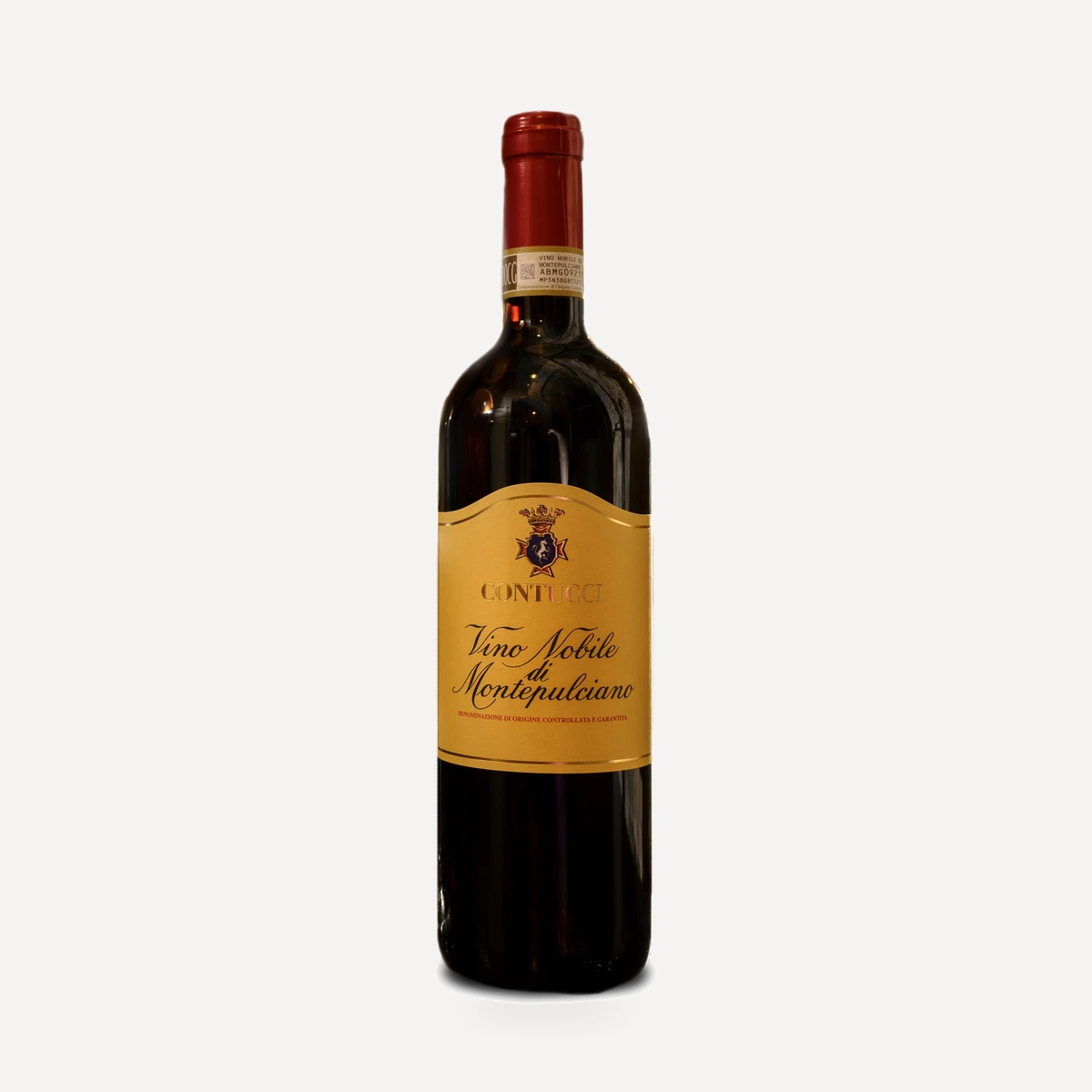
Vino Nobile di Montepulciano DOCG
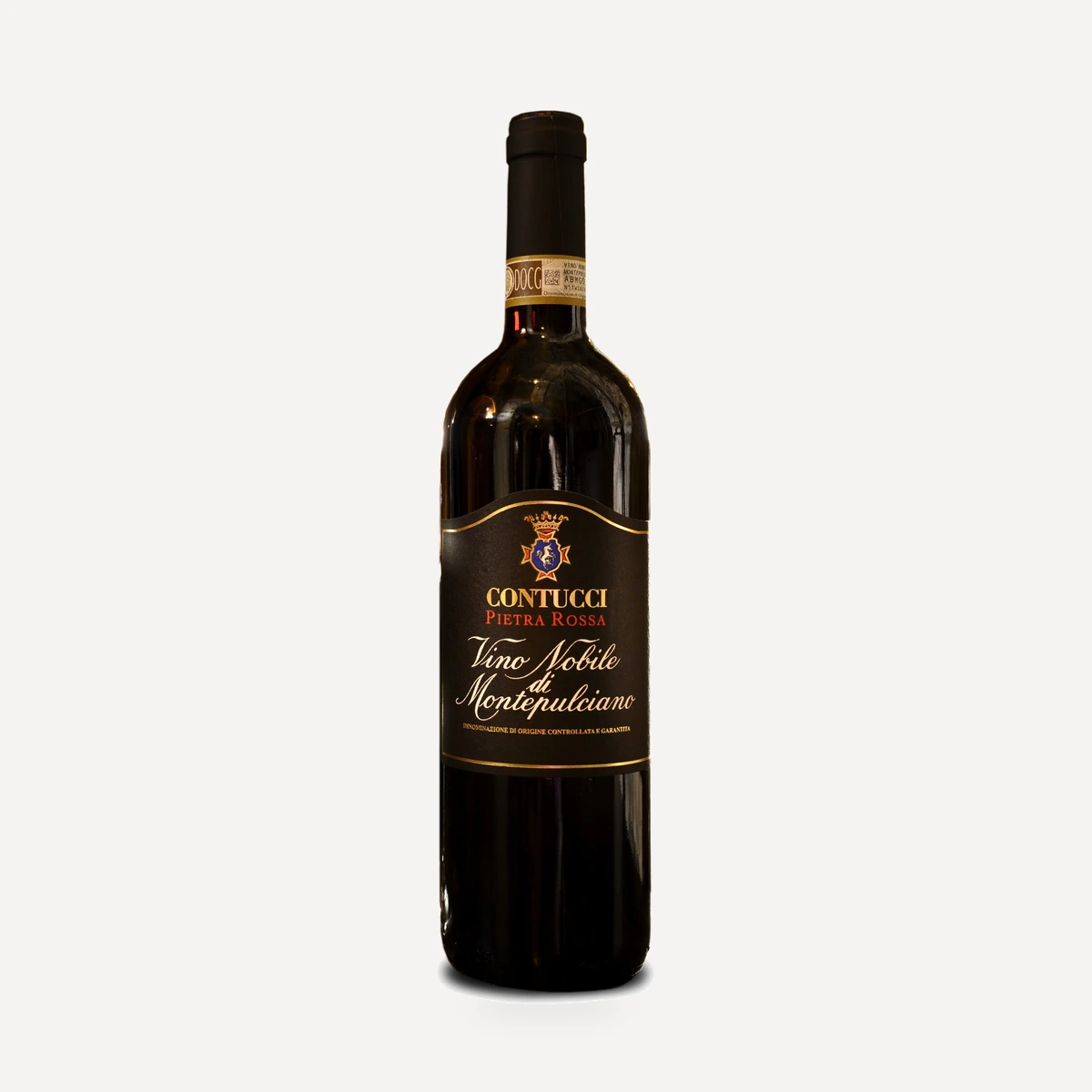
Vino Nobile di Montepulciano Pietra Rossa DOCG
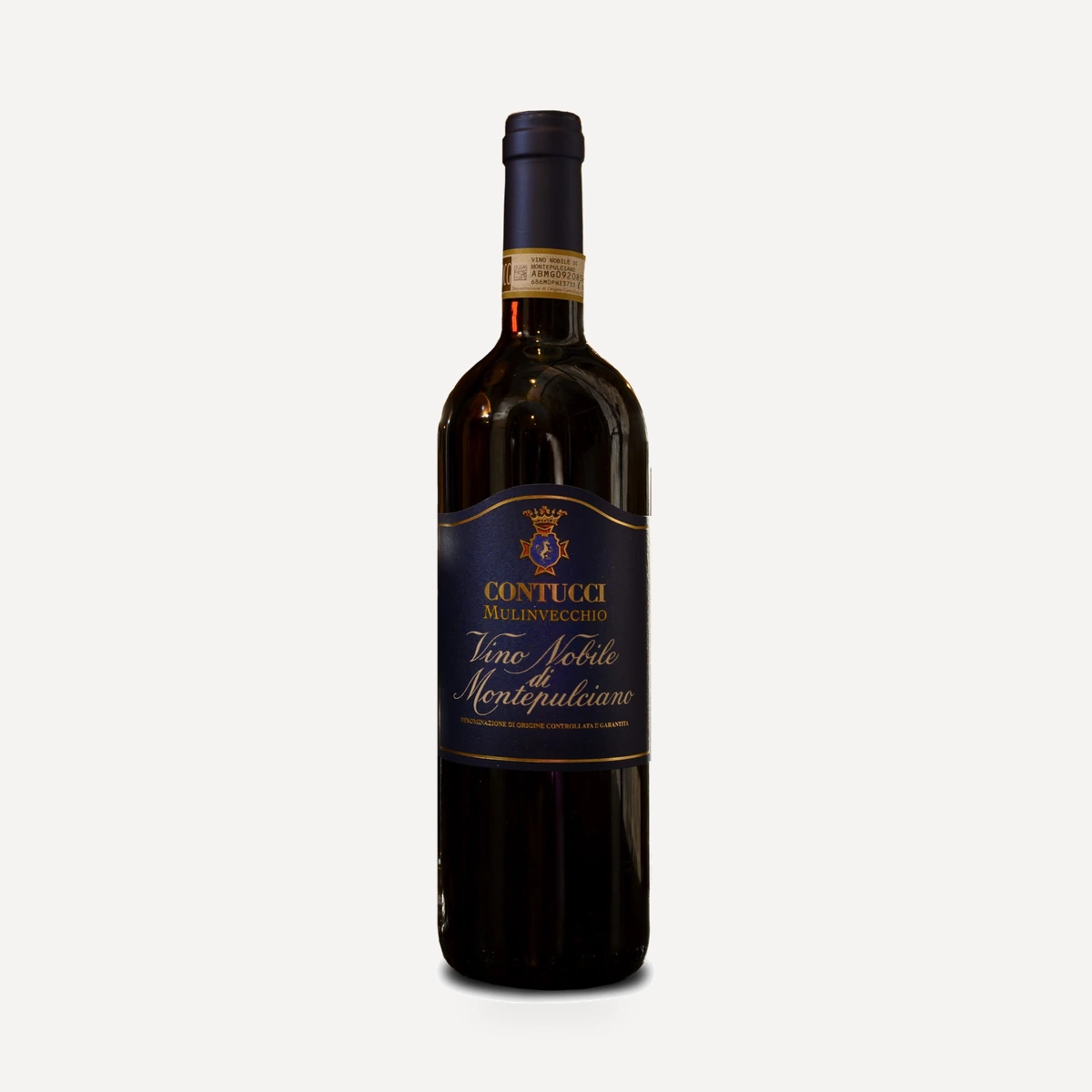
Vino Nobile di Montepulciano Mulinvecchio DOCG
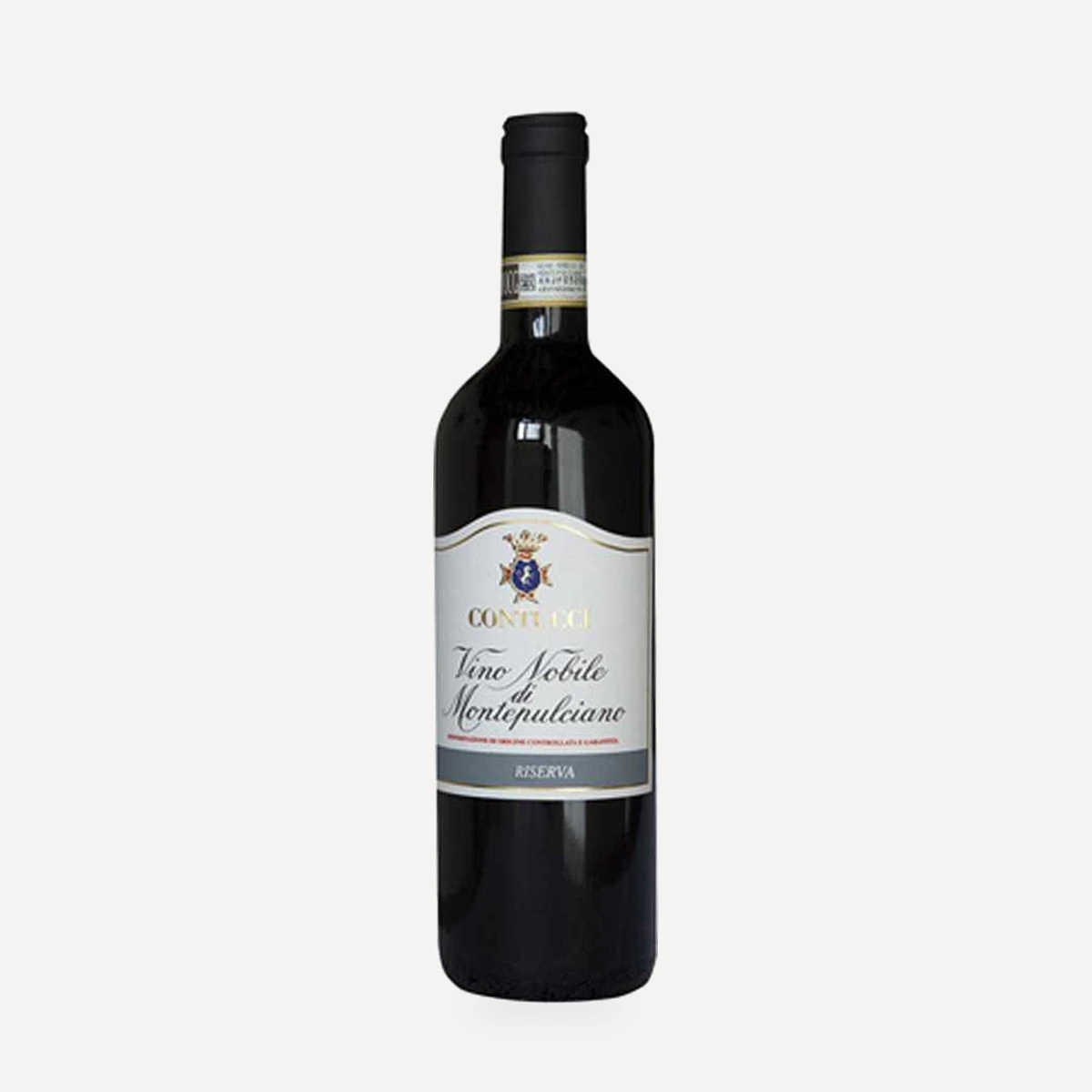
Vino Nobile di Montepulciano Riserva DOCG
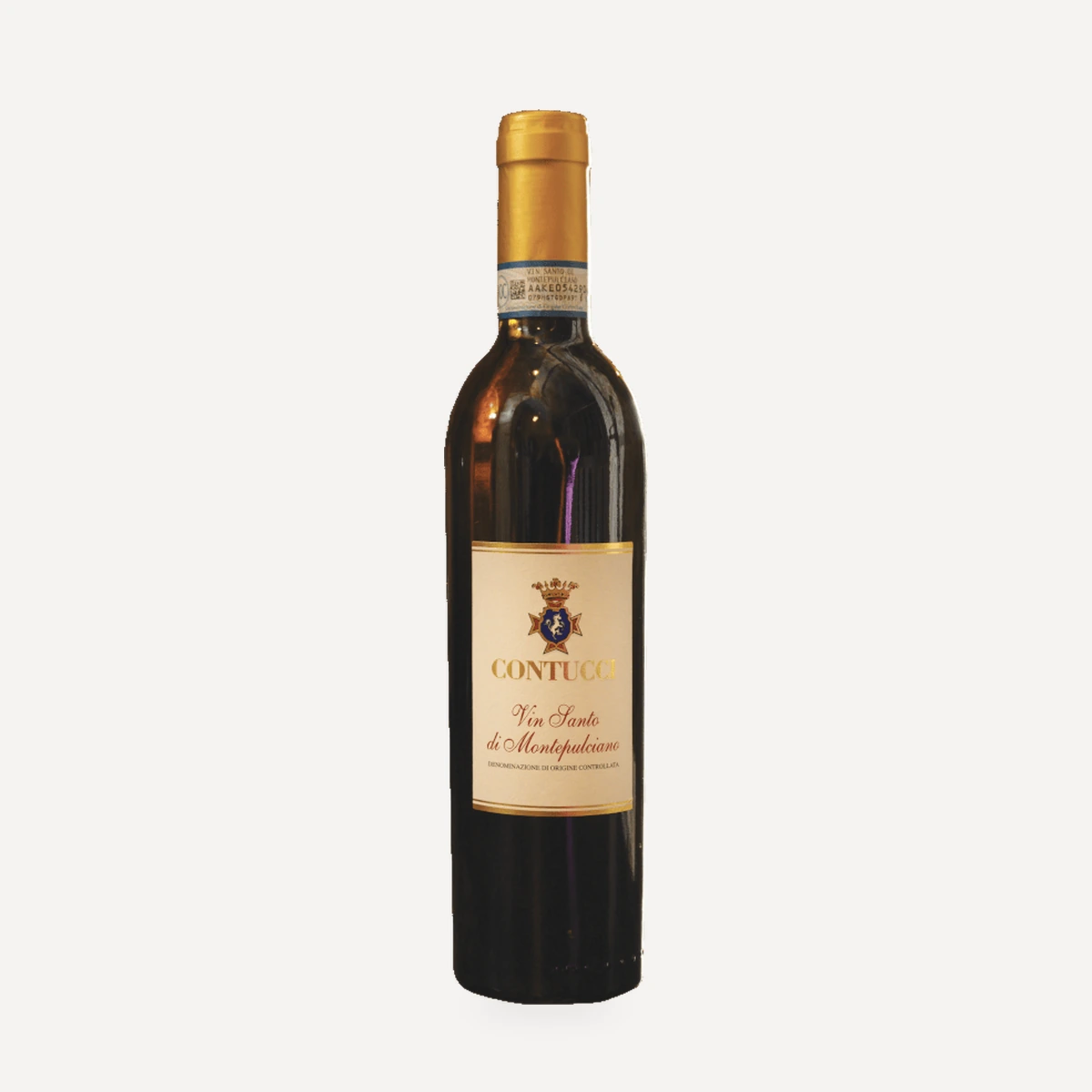
Vin Santo di Montepulciano DOC
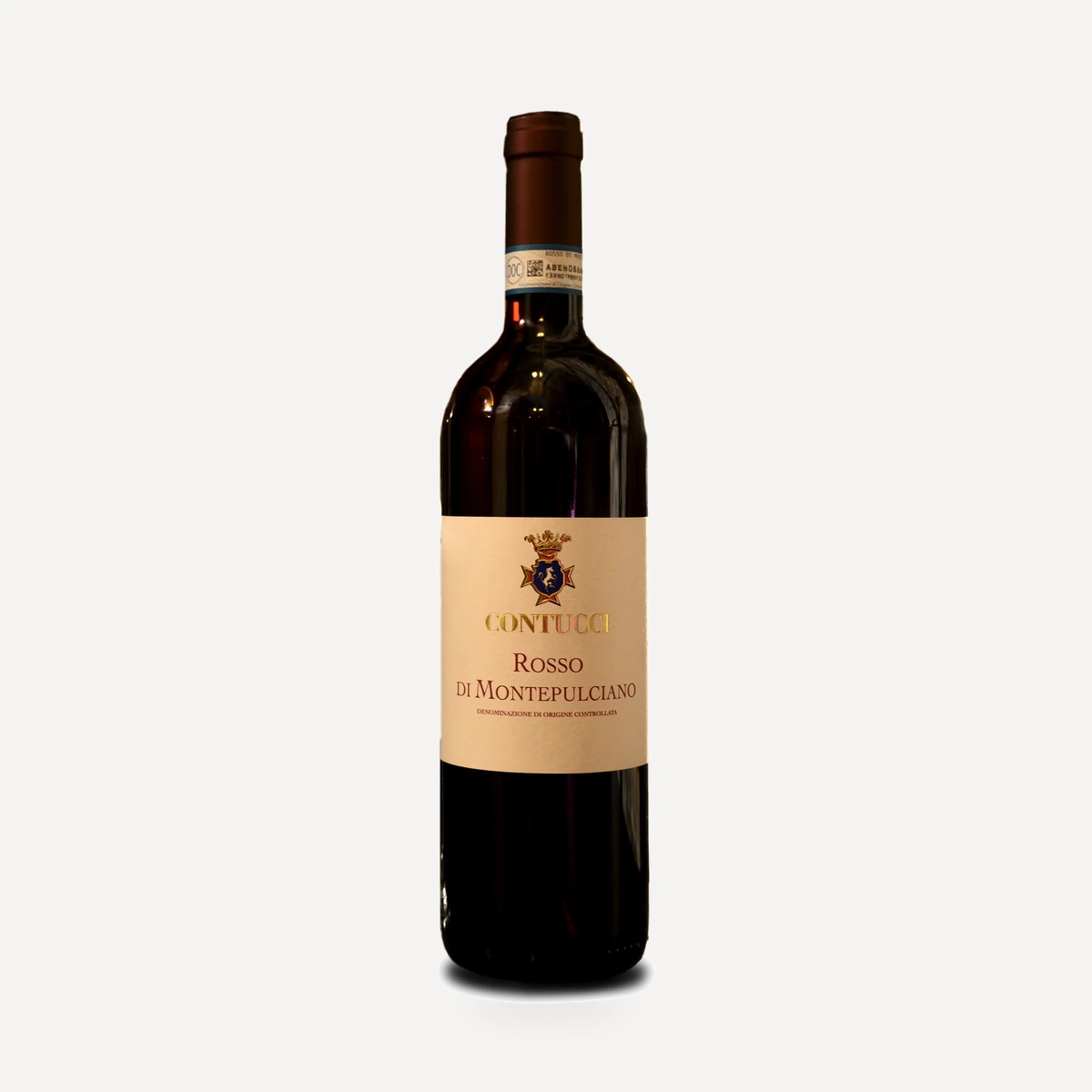
Rosso di Montepulciano DOC
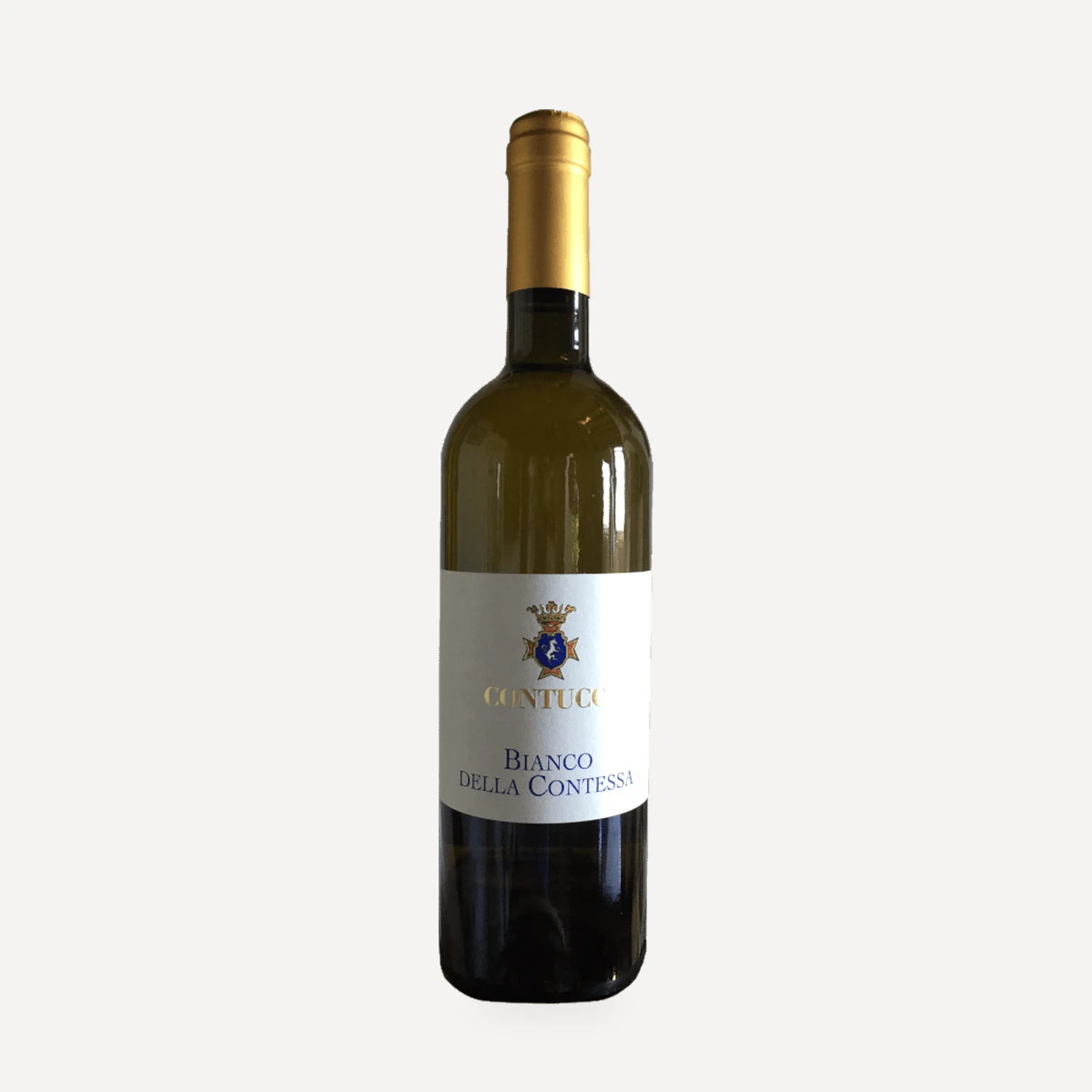
Bianco della Contessa VdT